A Black-necked Grebe in winter plumage at Arundel wetland centre. This grebe is one of a number of breeding captive birds at WWT centre. A rare bird in the UK. (breeding: 32-51 pairs and wintering:130 birds)
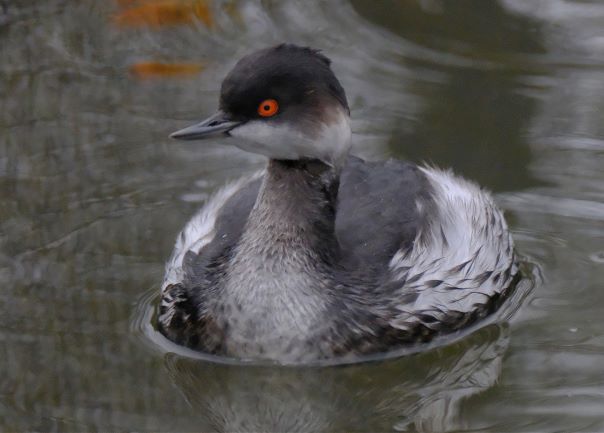

A Black-necked Grebe in winter plumage at Arundel wetland centre. This grebe is one of a number of breeding captive birds at WWT centre. A rare bird in the UK. (breeding: 32-51 pairs and wintering:130 birds)
A mixed bad of birds at Titchfield Haven this afternoon. I was looking for 4 and 20 blackbirds and Partrages in pear trees but only found – Snipe, Lapwing, Teal, and a Black-tailed Godwit.

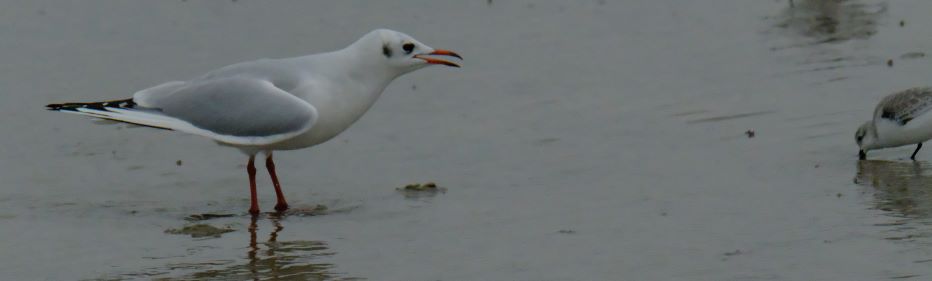
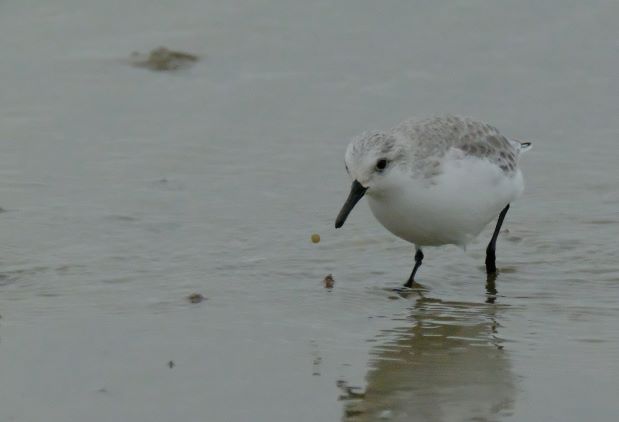
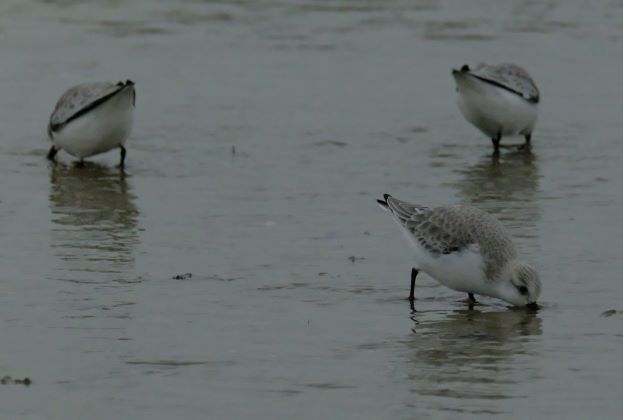
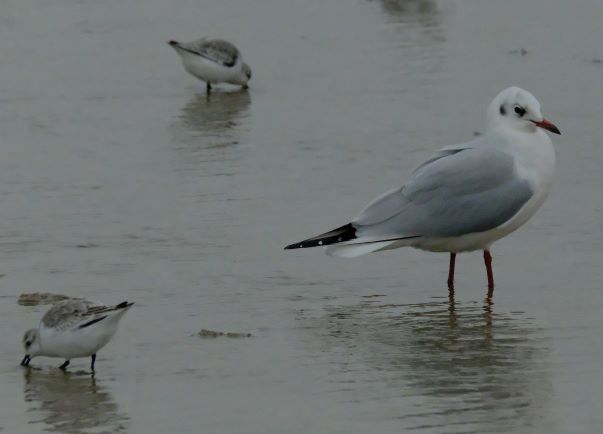
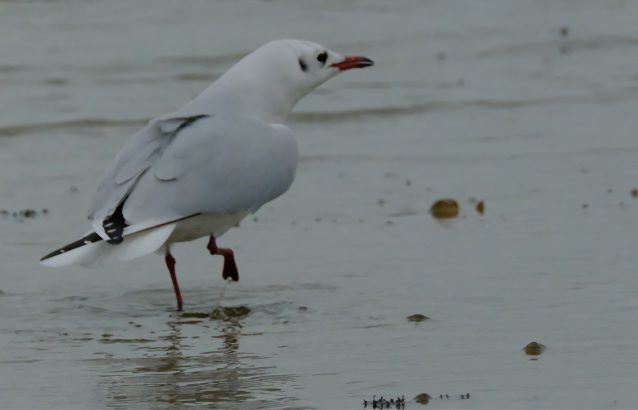
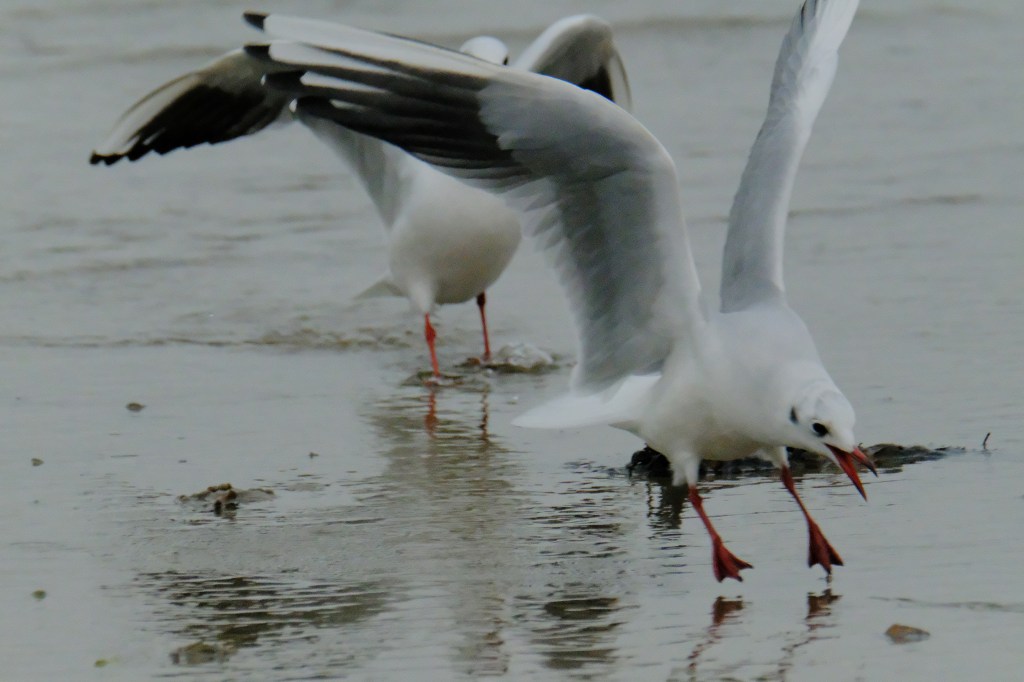
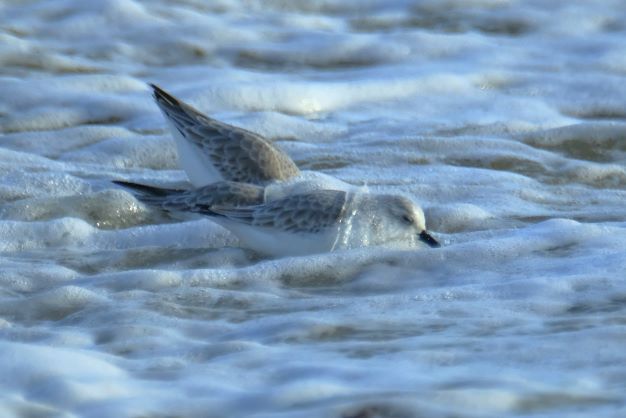
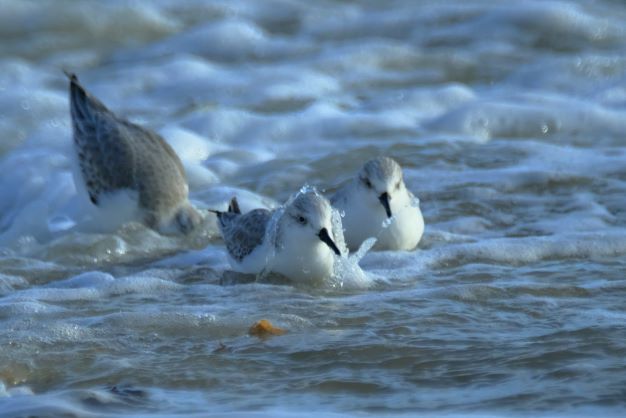
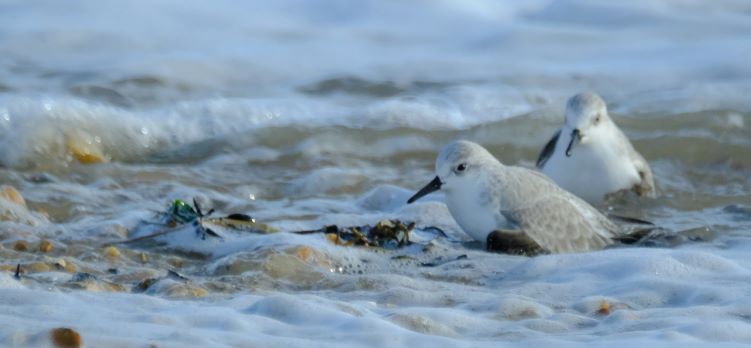
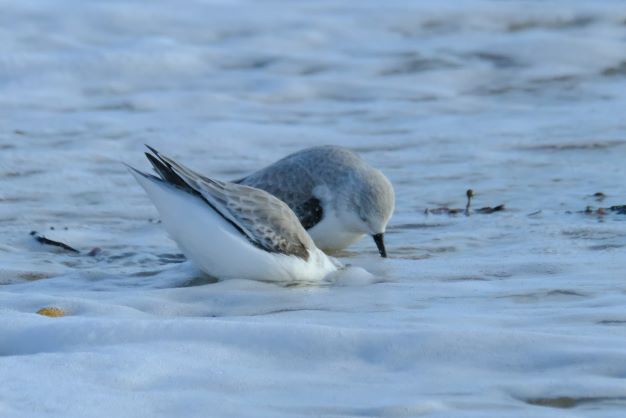
The drama unfolds on the shore often over food. Sanderlings feed on little invertebrates, worms and shrimps at low tide. The Black-headed gulls have worked out it is easier to steal a meal rather than catch their own.

A Sanderling weight is 50 -60 grams and a Black-headed gull’s weight is 200-400g so the gull is the bully but the Sanderling is extremely fast so they do not give up their meal that often.



Tufted Duck. Smaller than a mallard. The numbers of these diving ducks increase in the UK in winter because of birds moving to the UK from Iceland and northern Europe.
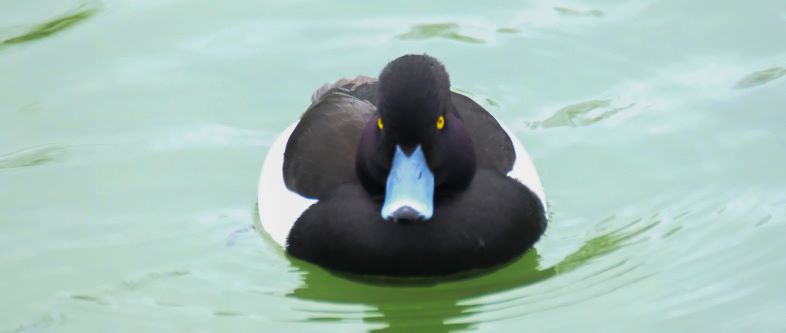


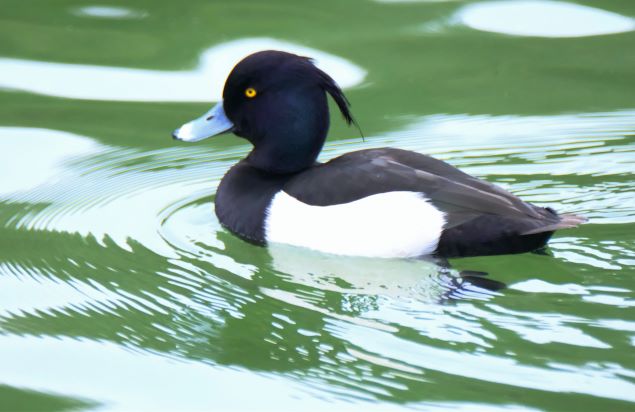
These are male ducks the females are chocolate brown in colour.
#Wordless Wednesday
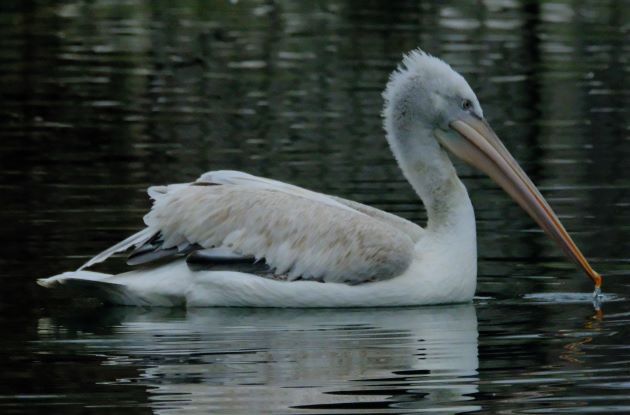
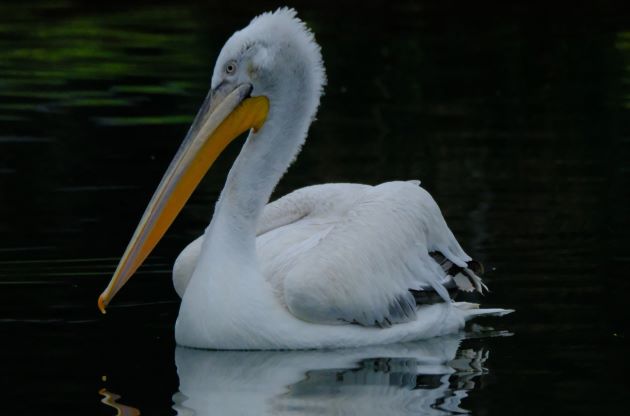
Dalmatian pelican – Are the largest and rarest of the pelican species with a wingspan up to 11 feet. Once a common sight in the UK (2000 years ago). Sadly they became extinct here, due to the loss of wetlands and being hunted for food.




On a dull day, a flash of orange brightens the day. Both Black-headed gulls and Redshank’s legs colours are bright and a standout.

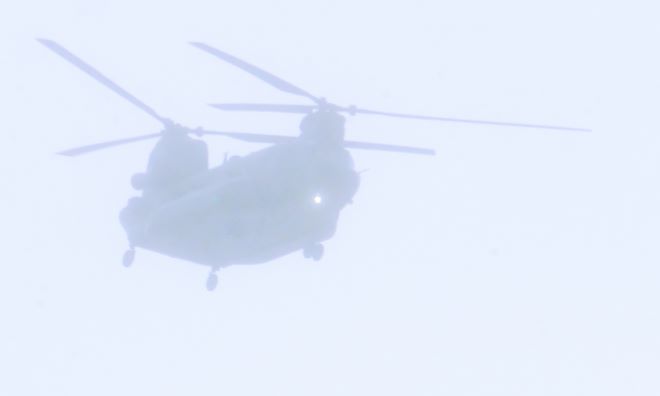
A misty damp morning down on the coast this morning.

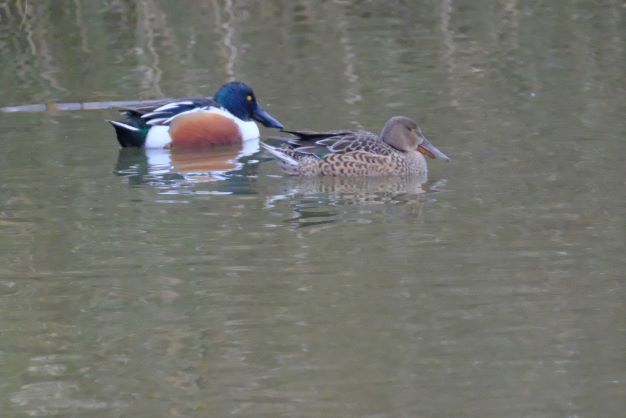
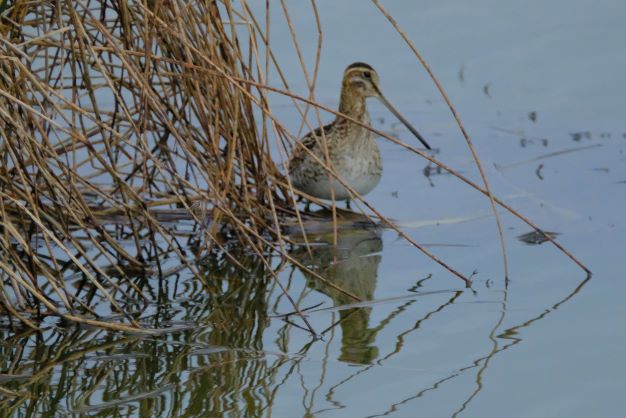
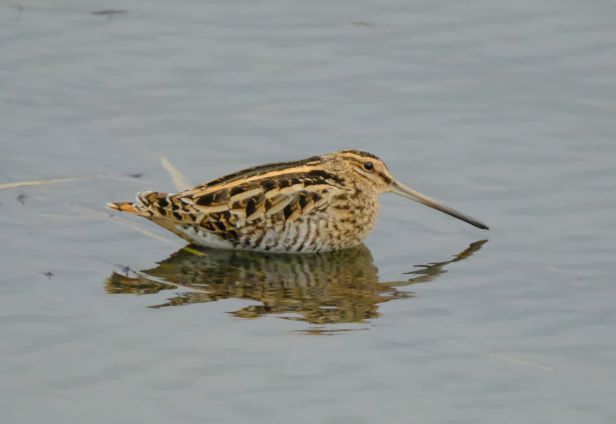
Shoveler duck passing a snipe.
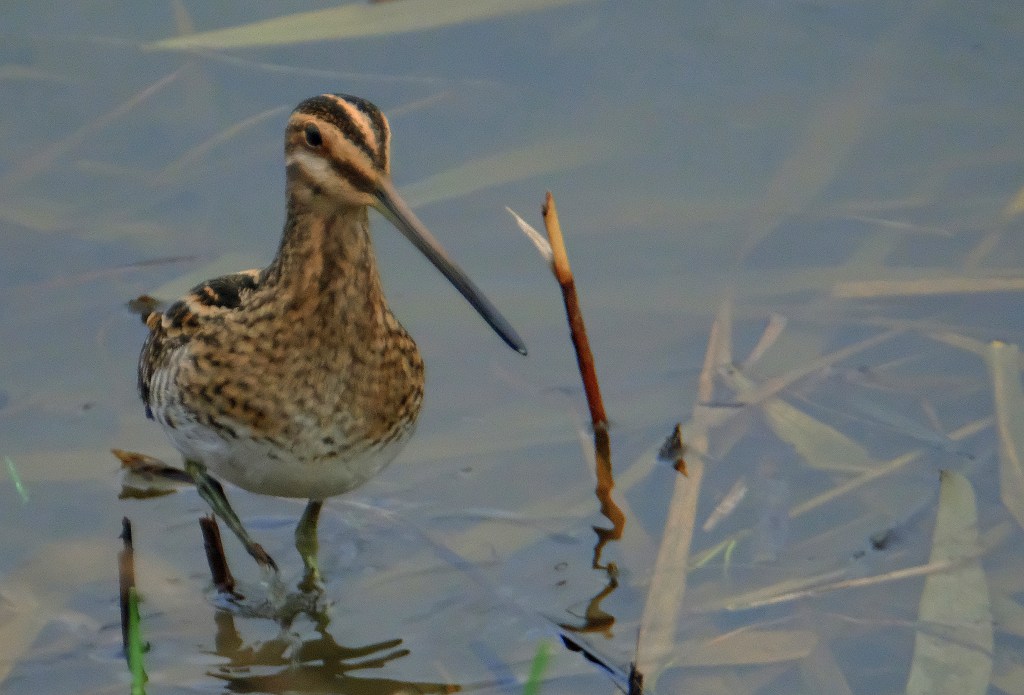
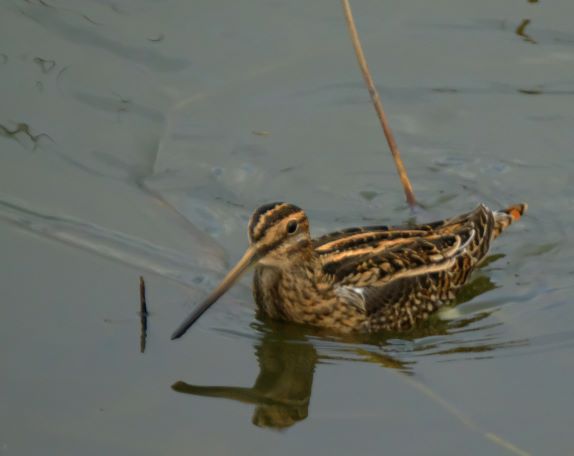
Lots of Snipe about today also spotted 2 Bearded tits in the reeds a 1st I have seen in many years.
A very distant Bearded Tim deep in the reeds – sadly the best picture I could get!

Link to view a Bearded Tit.
https://www.rspb.org.uk/birds-and-wildlife/wildlife-guides/bird-a-z/bearded-tit/
The morning after Storm Barra hit the south coast.
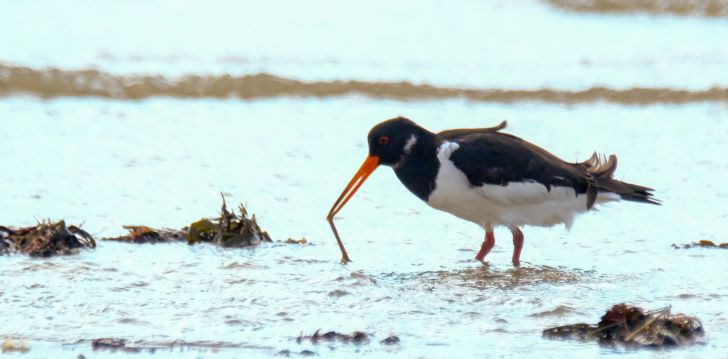
An Oystercatcher gets an early morning feed on a lugworm.
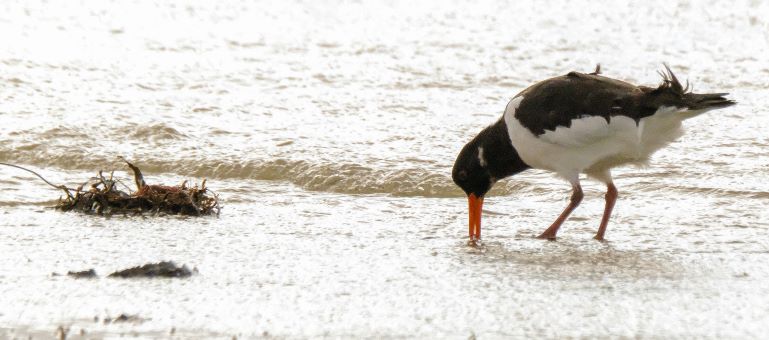
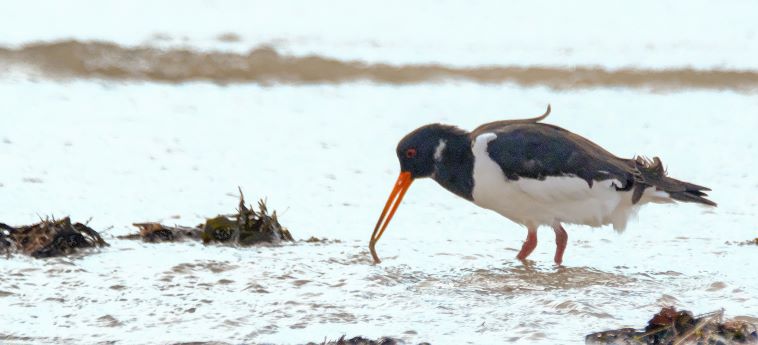

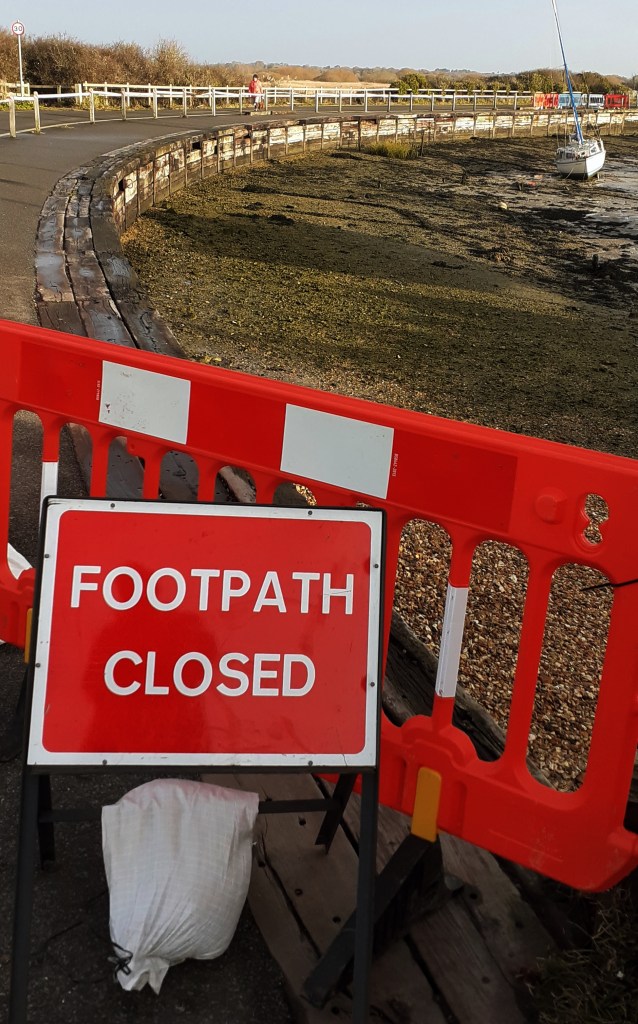
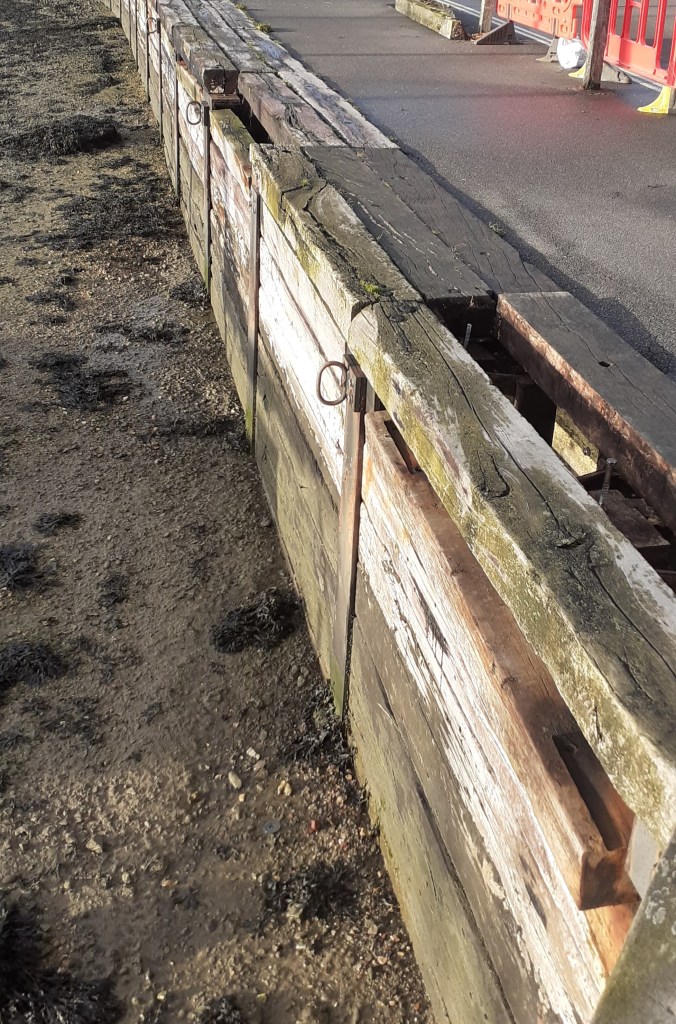
On Tuesday (7th December 2021) afternoon and evening the high tide plus storm-force winds meant local flooding. The coastguard had to rescue a number of car occupants stuck in the floodwaters. By Wednesday morning the water had gone but there was damage to the wooden sleepers on the walkway at the back of Titchfield harbour, the council had been around and cordened off the footpath and swept the road of shingle and sand.

A few bird spots within the nature reserve.
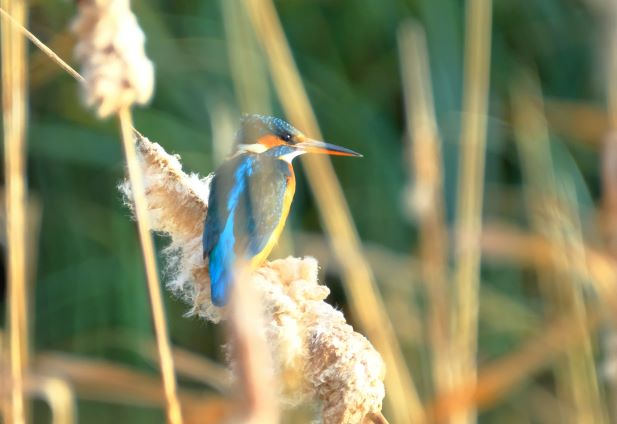
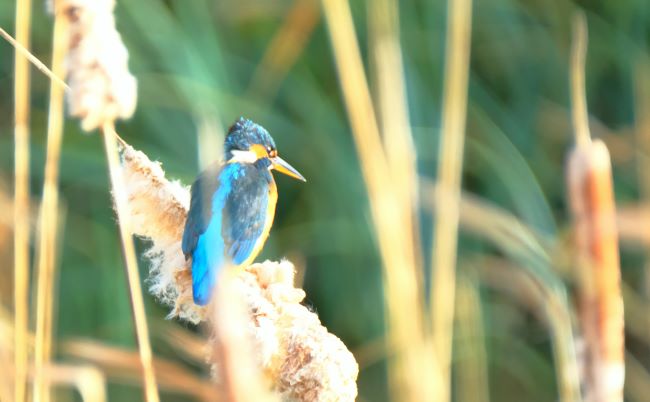
A kingfisher in the reeds.

A Male House Sparrow.

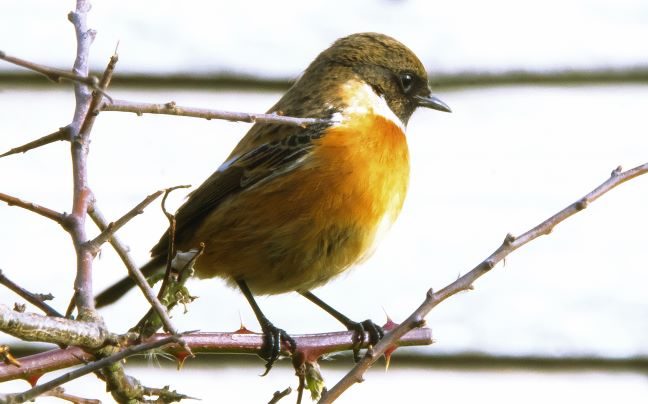
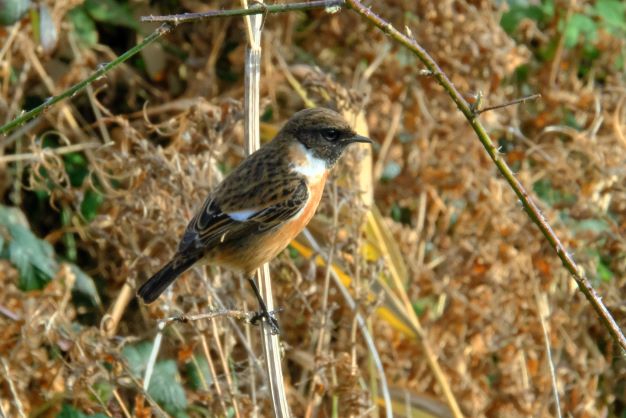
And a male Stone Chat.
#wordless Wednesday

 Continued Reflections from my World.