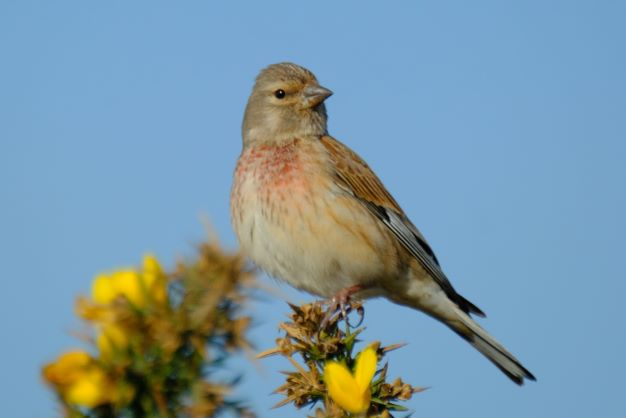
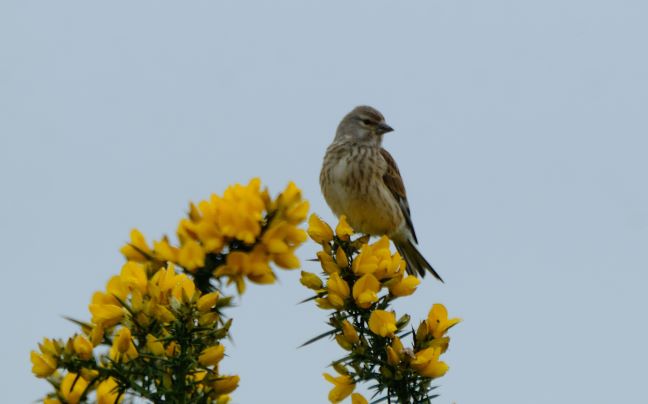
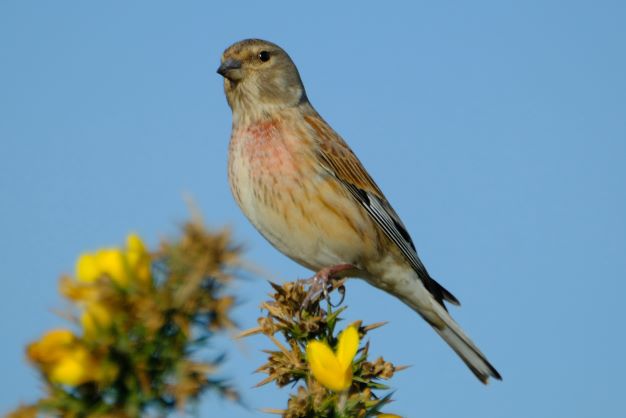
More photographs of the Common Linnet at Hamble Point on Southampton Water.
Once popular as a caged bird because of its song and markings. Today this bird is on the “Red List” due to conservation concerns. They are a small slim finch. Males are attractively marked with crimson foreheads and breasts, females much browner. It has an undulating flight, usually twittering as they fly. They can be seen in large flocks during the winter.
Length: 14cm Wingspan: 24cm Weight: 19g Average lifespan: 2 years
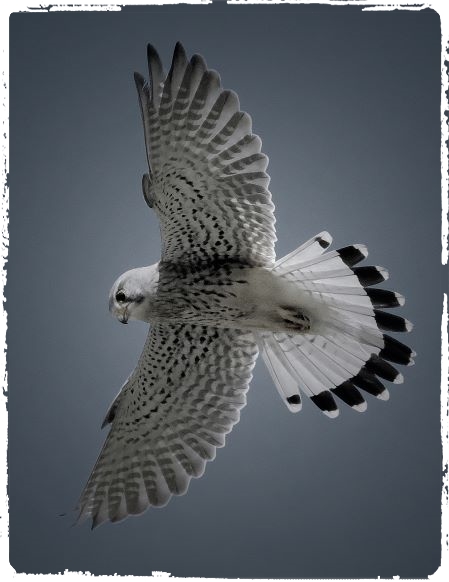
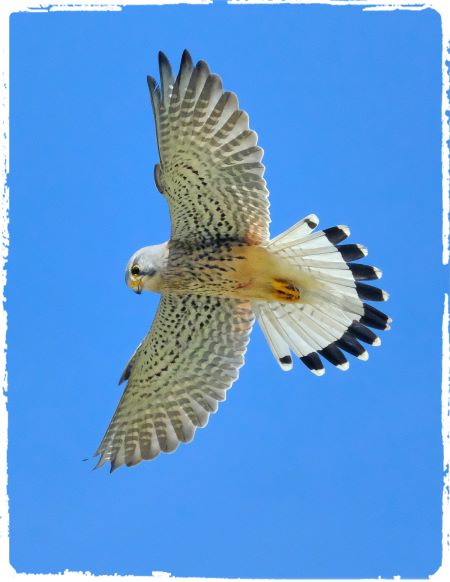
Kestrels are small, chestnut brown birds of prey. They are often seen hovering over fields or by the sides of roads. They feed on small mammals, such as voles, shrews, mice, and small birds. They also feed on invertebrates and worms.
If you go down to the woods today what can you see?
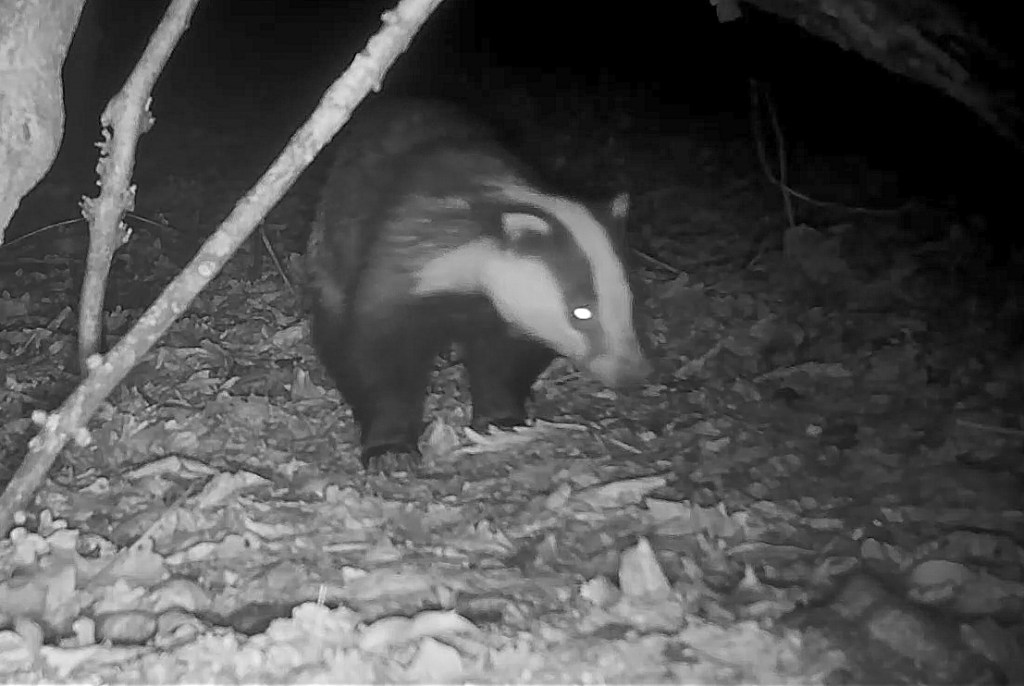
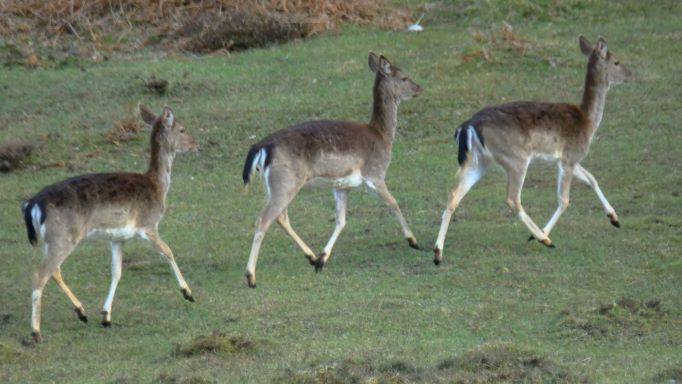
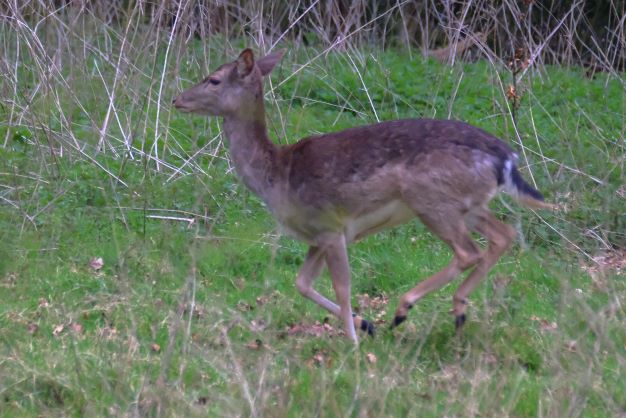
A full day in the New Forest collecting our trail cameras from one of the active Badger Setts we have been monitoring. Some good footage of both Badgers and Fallow Deer.
Film 1 Badgers. (trail camera)
Following the Norman Conquest, King William I, designated the land as a royal hunting forest, reserved for the private use of the King and invited aristocracy. In the process over 20 small hamlets and farms were removed. It was the only forest described in detail in the ancient Domesday Book. Two of William the Conqueror’s sons were killed in hunting accidents in the New Forest. Today Deer roam free in many areas of the New Forest.
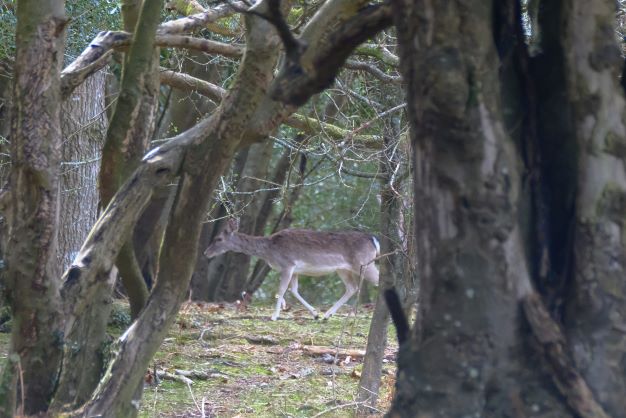
We came across several small herds of Fallow Deer, all young deer and hinds. The only shooting today was with cameras.
Film 2 Fallow Deer (trail camera).
Very windy weather on our walk but this male Chaffinch was holding on and singing his heart out – not easy filming with the tree moving so much in the wind.
Film 3 Chaffinch ( sound on to enjoy fully his singing).
A quick stop at Hamble Point at the mouth of Southampton Water where it meets the Solent.
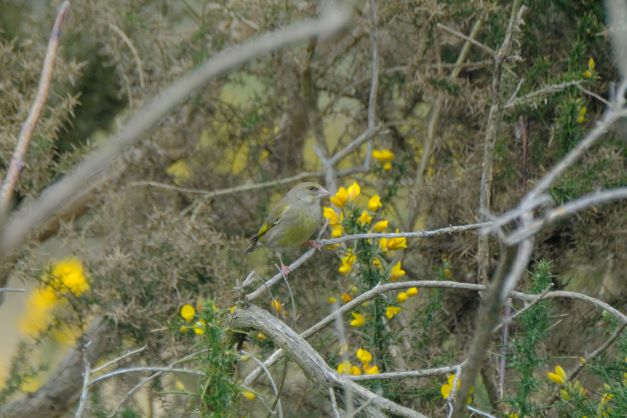
The gorse is now fully out in flowers and the smell of the flowers fills the air with their strong scent which is like the smell of coconut.
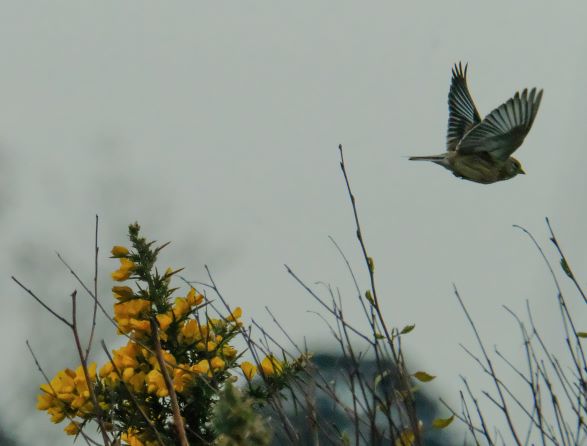
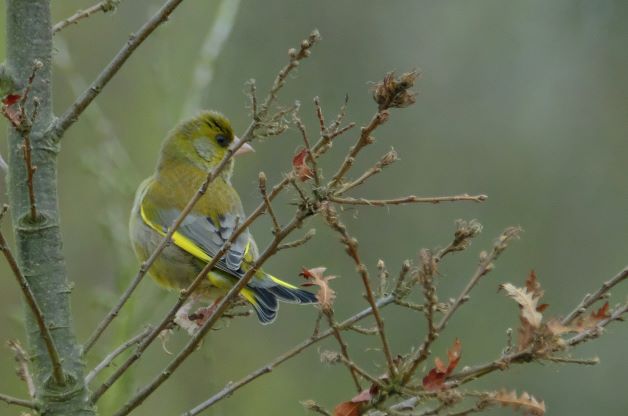
Greenfinches were a common sight when I was a child, especially on the bird table. I rarely see them today however, I spotted a pair feeding around the gorse flowers. (The male is darker in colour and is in the pictures I have posted 1st).
Another nice spot in the gorse was a small flock of long-tailed tits.
Moorhen mating this afternoon, quick and consensual. The male follows the female across the waterway catches and mounts her. He holds her underwater before they go their own way. On reading up on these birds both birds will build the nest out of twigs and defend it with ferocity.



















 Continued Reflections from my World.