

On the Solent, we have some large clams about the size of a clenched fist. They were introduced from North America where it is known as a Quahog clam into British waters several times since the middle of the nineteenth century. The first live specimen was found in 1864 in the Humber. It was successfully introduced from the USA into Southampton Water in 1925. These are long-lived species a clam dredged from Icelandic waters had lived for 400 years. Is this the longest-lived animal known to science.
An example of a clam from Southampton Water from a past blog to give an overview of their size.

It was about 10 years ago I first spotted Herring Gulls collecting bivalves such as cockles or mussels on the beach taking them to a height of about 30 feet into the air and dropping them, smashing open the shell to eat the prize inside.
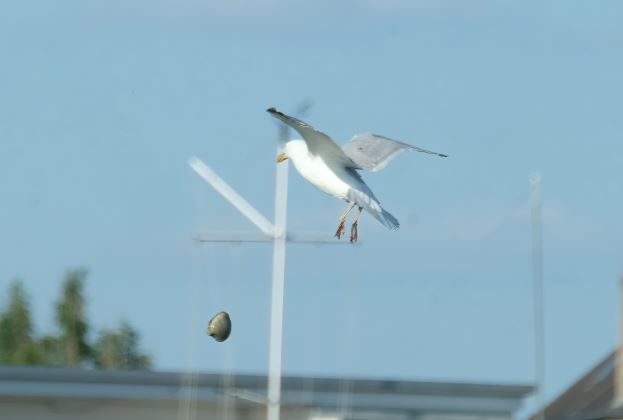
Yesterday I watched a Herring Gull pull a Quahog clam from the beach and drop it to smash it. I think this could have been fatal if it had landed on someone’s head!
“Gull finds its clam”.
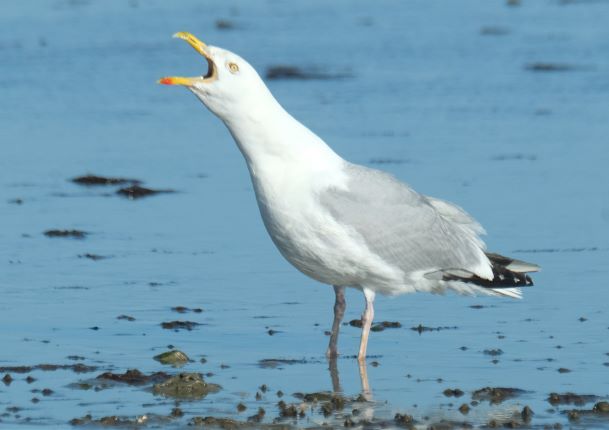

Once found it is time to pull it free of the beach.

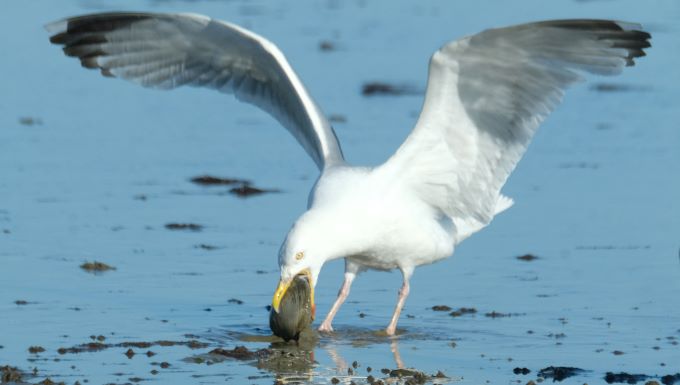
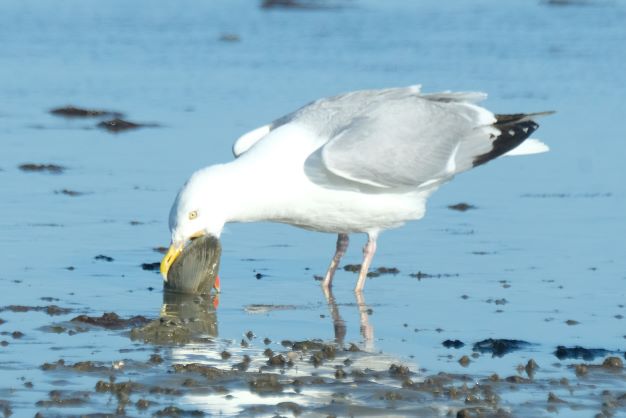
Once it is extracted a second gull takes an interest in it – not wanting to give up his prize a scrap ensues.
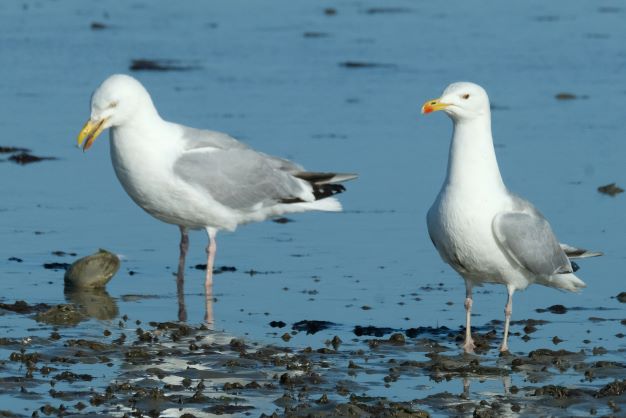


Scrap over now it is time to get the clam into the air.
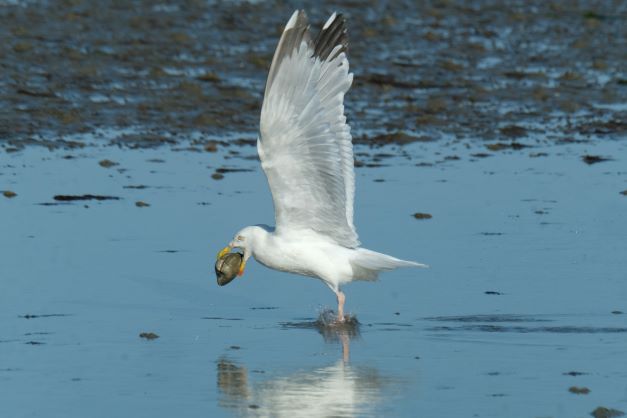
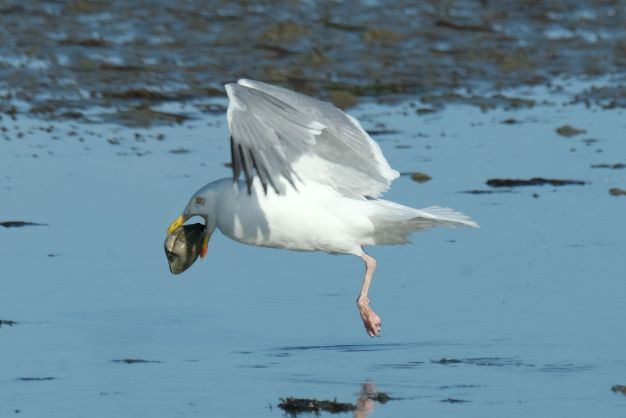
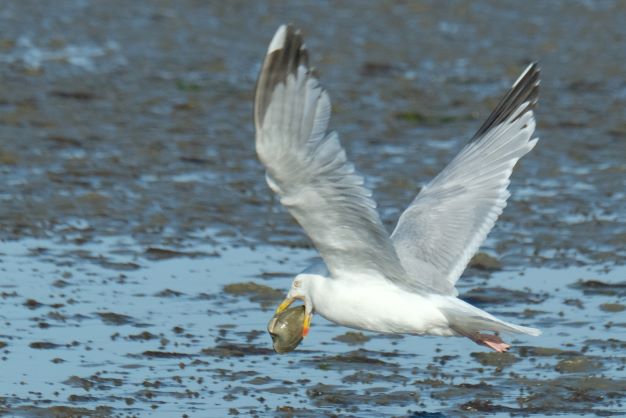
Once airborne the gull gains height and drops his “bomb”.
Today the weather forecasters say it is the hottest day of the year in the UK.
This afternoon we went to the sea I had to have a swim to cool off.
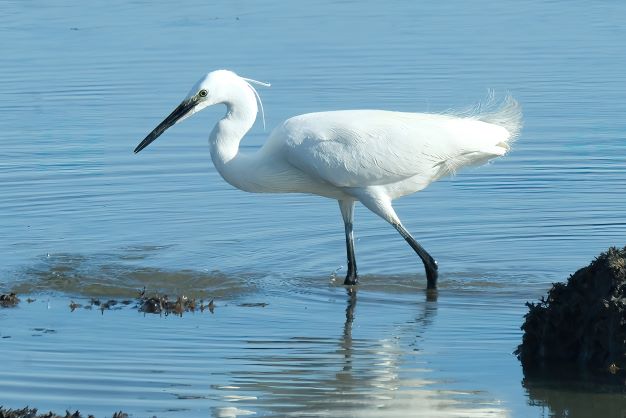
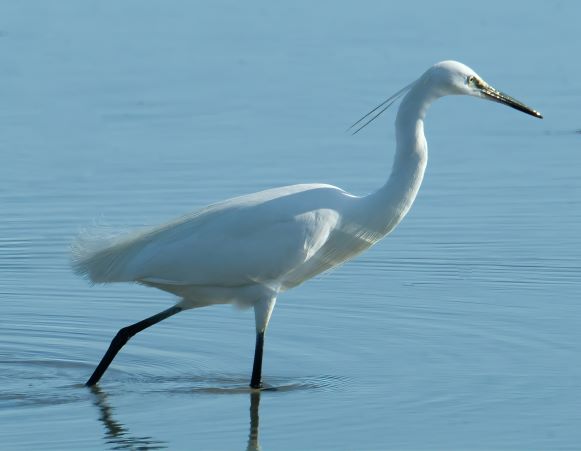
As the tide went out I spent a hour watching an Egret fishing on the beach.



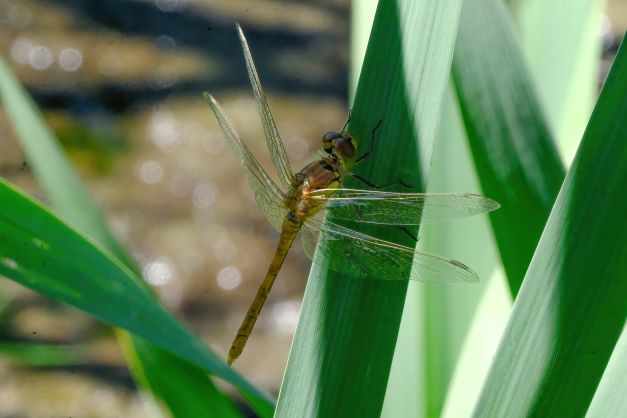
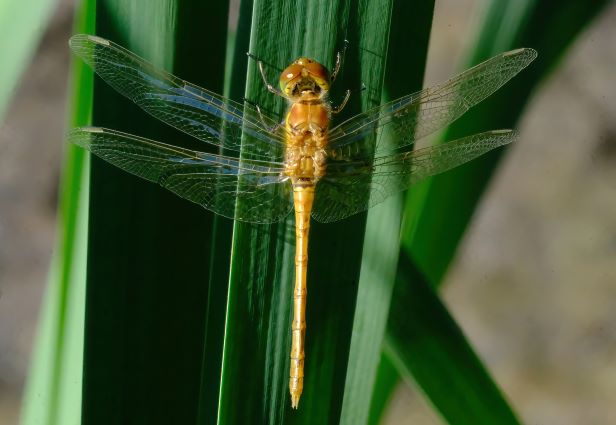
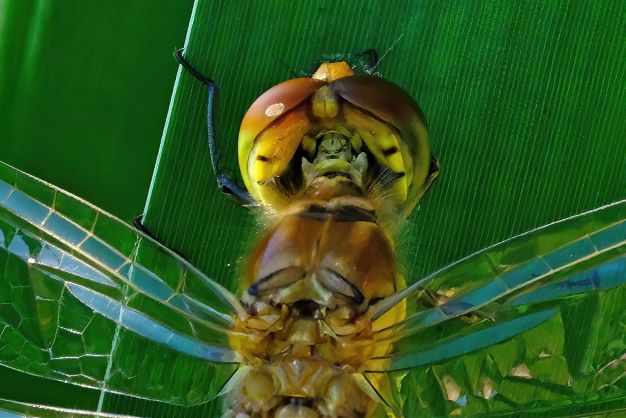
Sneaking up on a Common Darter (female) dragonfly.

#Wordless Wednesday
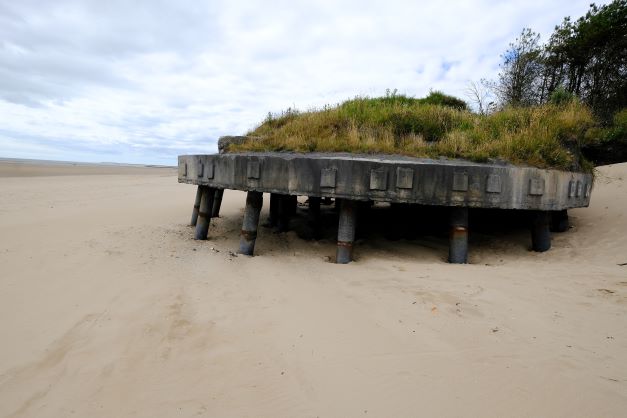
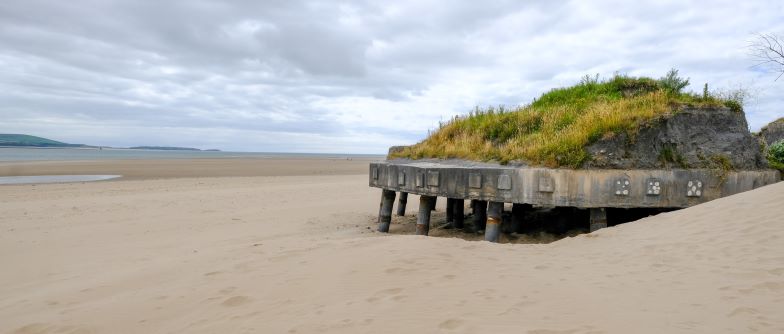
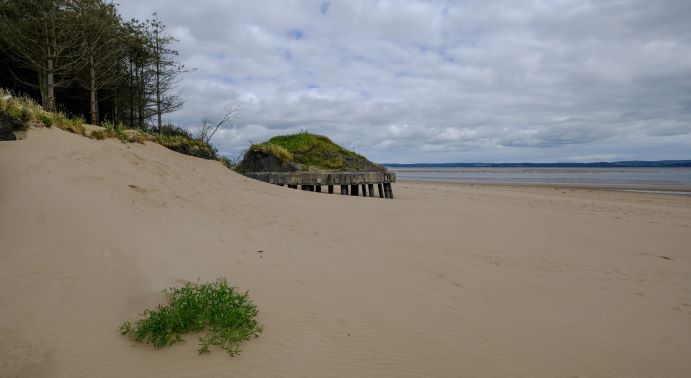
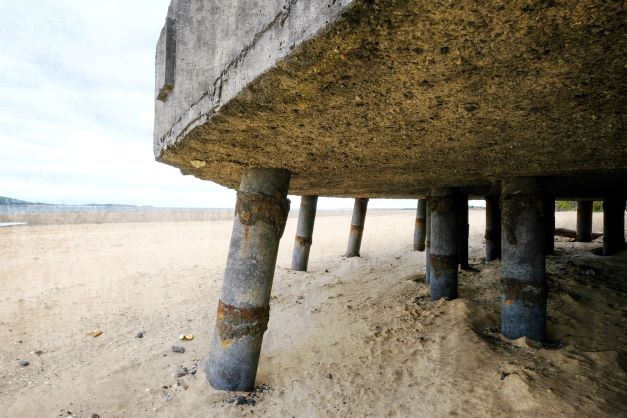
Looking like a UFO or some structure from another world this mysterious-looking structure on Burry Port beach revealed itself in 2018, after a period of bad weather and storms which caused coastal erosion at the site of an old power station. It is actually the base of an experimental wind turbine left behind from the 1980s and 1990s.
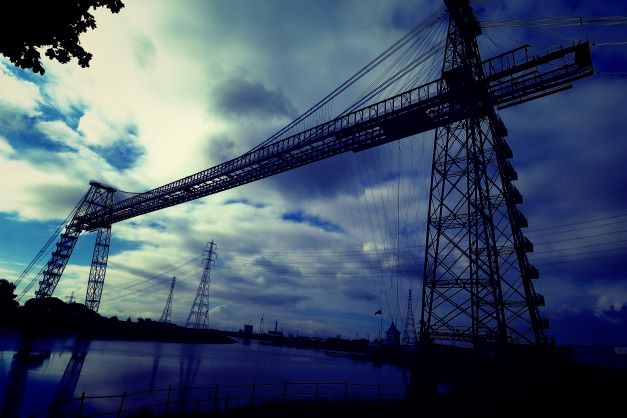
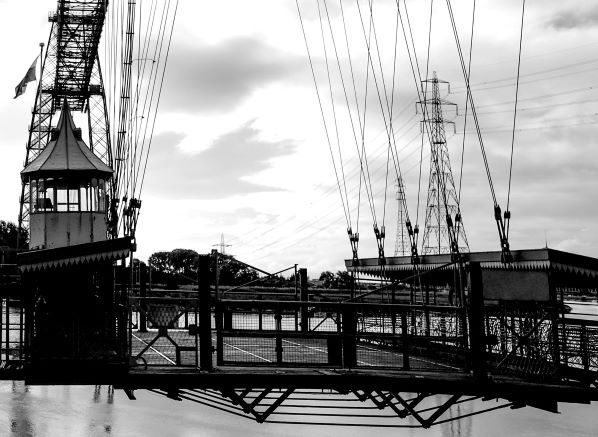
In the town of Newport Wales crossing the river Usk is the largest of the 8 surviving transporter bridges in the world. Designed by Ferdinand Arnodin and opened in 1906, it is the largest of the 8 surviving transporter bridges in the world. At the moment the bridge is closed for refurbishment but still worth a visit.

Amroth is a 20-mile drive from the popular Pembrokeshire Town of Tenby. Amroth marks the beginning (or end) of the Pembrokeshire Coast Path. The town at low tide has its own wide sandy beach which is south-facing. The top of the beach is pebble covered.
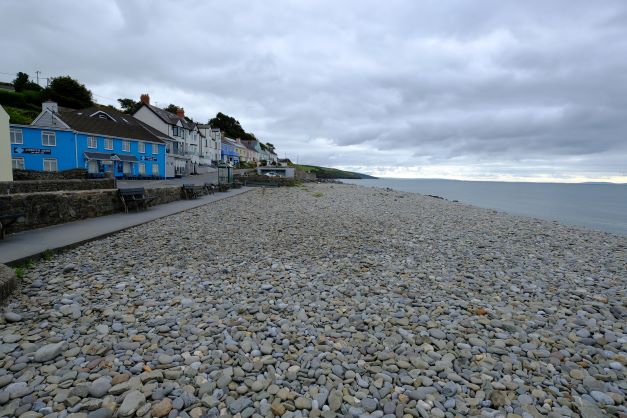
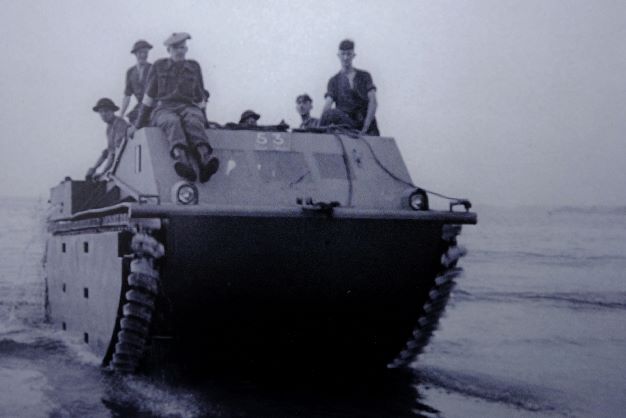
During July 1943, more than 100,000 soldiers descended onto Saundersfoot, Tenby and Amroth in Pembrokeshire to prepare for the D-Day landings the 13-day exercise saw 16,230 tonnes of supplies brought ashore. Known as Operation Jantzen, it was a rehearsal of the D-Day landings.
Picture from an information board on the beach.
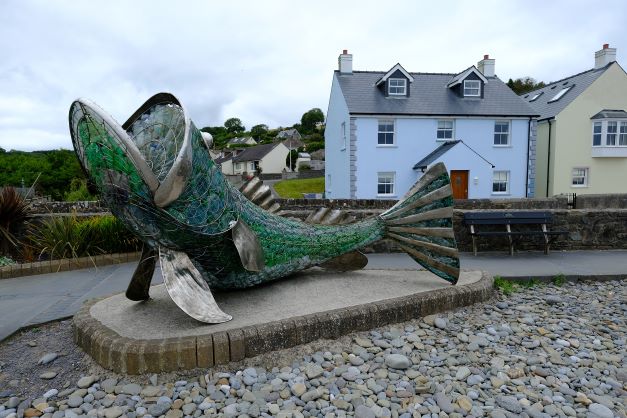
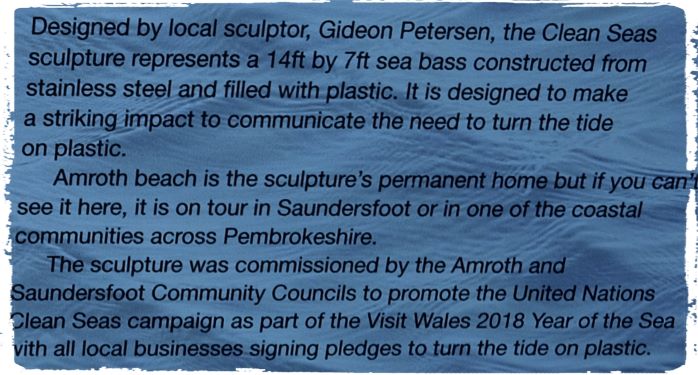
Beach Sculpture highlighting plastic waste in our seas.

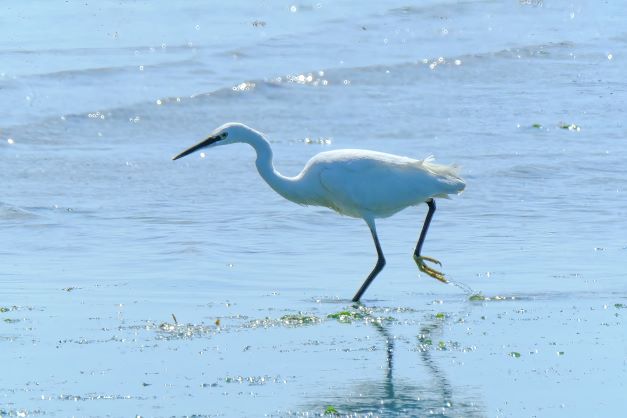
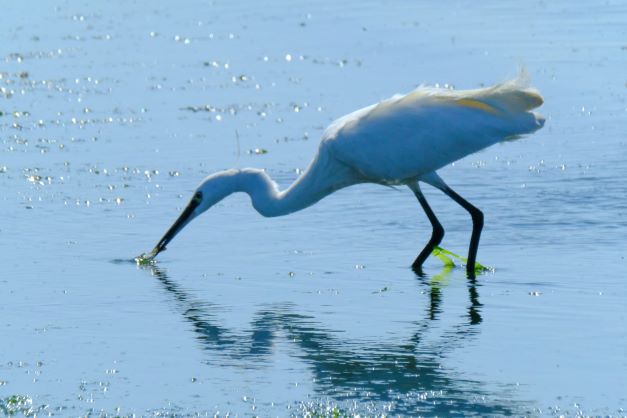
Very hot here this week and said to be even hotter next week. We took some time on Friday to get onto the beach to get my feet cooled in the water. This Little Egret was already in the water doing the same and catching lunch.




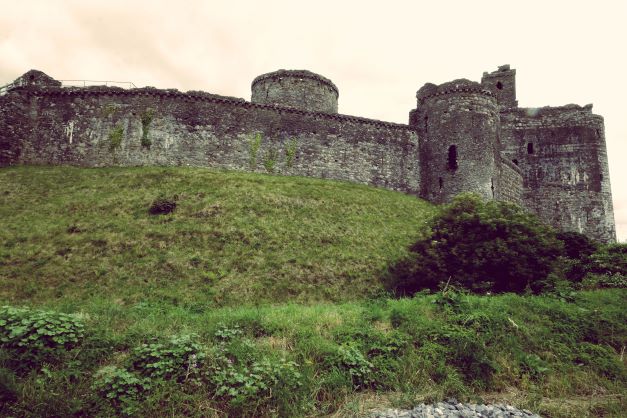
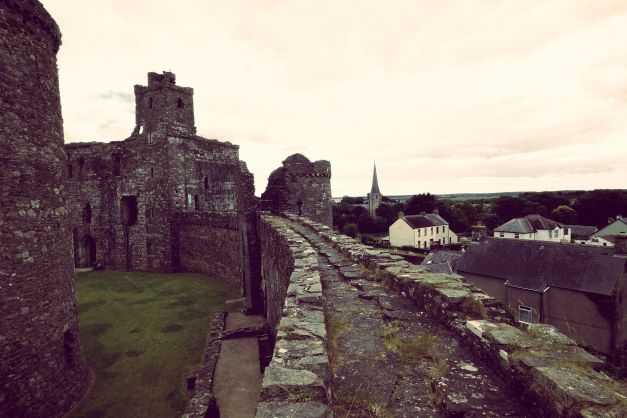
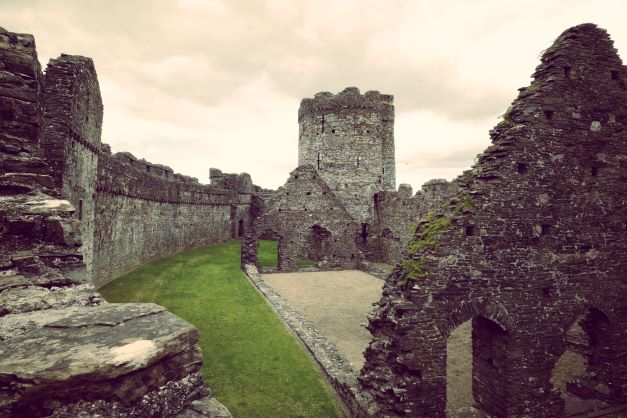
Kidwelly Castle is an imposing Norman castle overlooking the River Gwendraeth and the town of Kidwelly, Carmarthenshire, Wales. This ruin is in the care of Cadw (historic Wales). Although it saw much conflict the castle is in fairly good condition Kidwelly began in the early 12th century as a Norman ‘ringwork’ castle made of wood and protected only by an earthen bank and ditch.
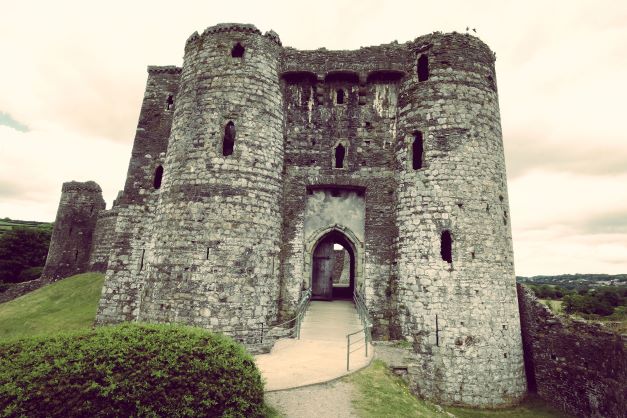
Under constant attack by Welsh princes, it was captured by Lord Rhys in 1159. Decades later the Normans were in charge and by the 1280s it had been transformed into the stone castle we see today.
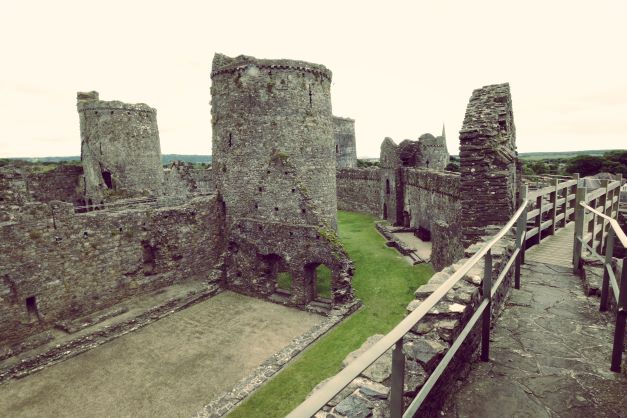
The first scene of Monty Python and the Holy Grail was filmed on the walls of Kidwelly.
 Continued Reflections from my World.