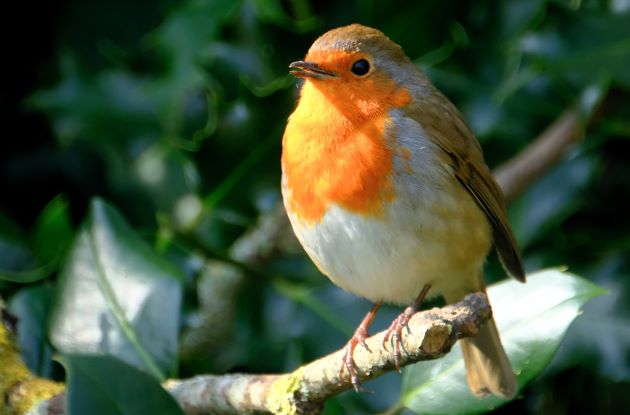
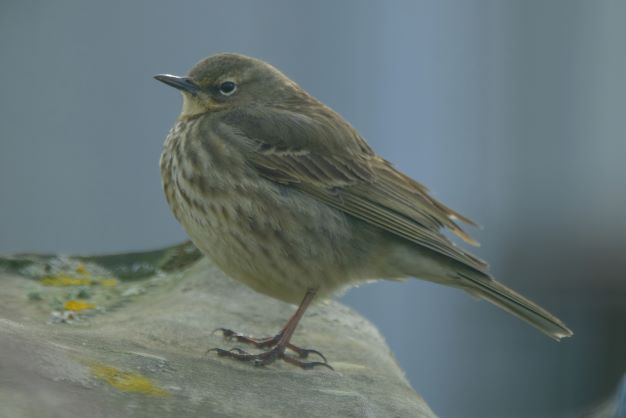
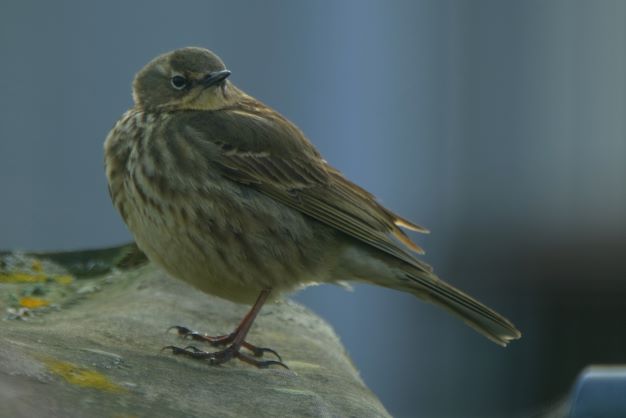
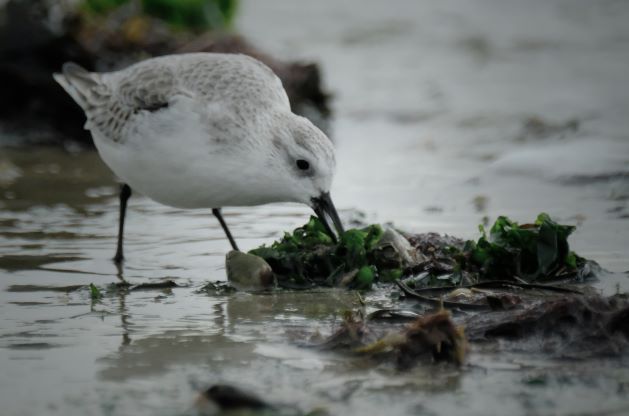
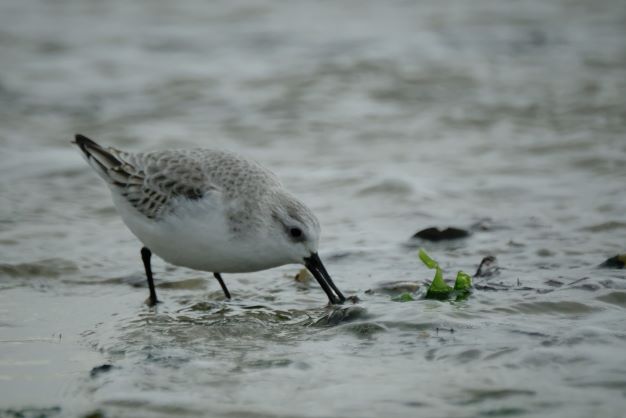
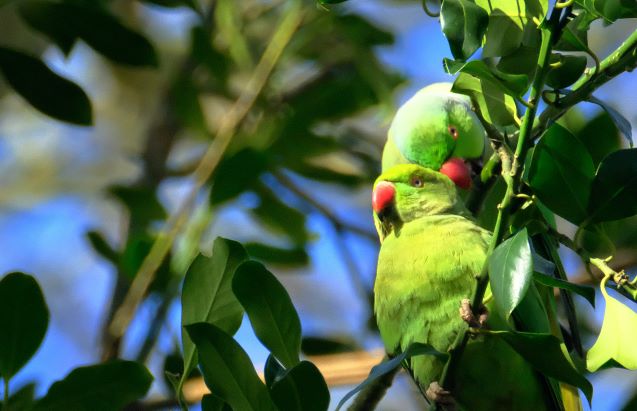
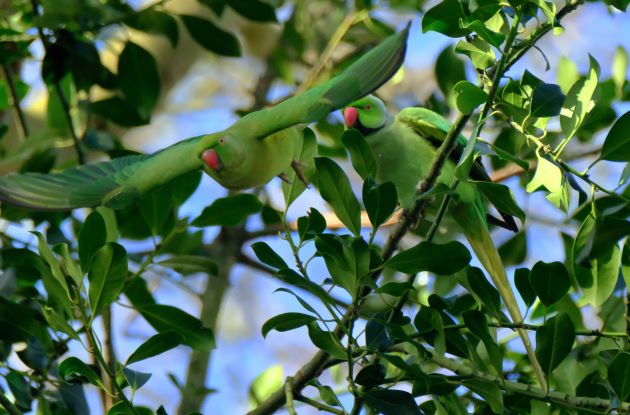
Robin.

More pictures of our bird that is the symbol of Christmas in the UK. Also, the victim in an early nursery rhyme that was first recorded in 1744.

However, its lyrics originated in a similar story called “Phyllyp Sparowe” written and published by John Skelton around the early 1500s.
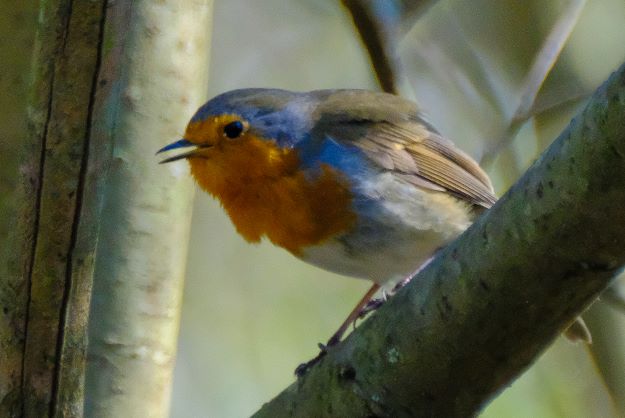
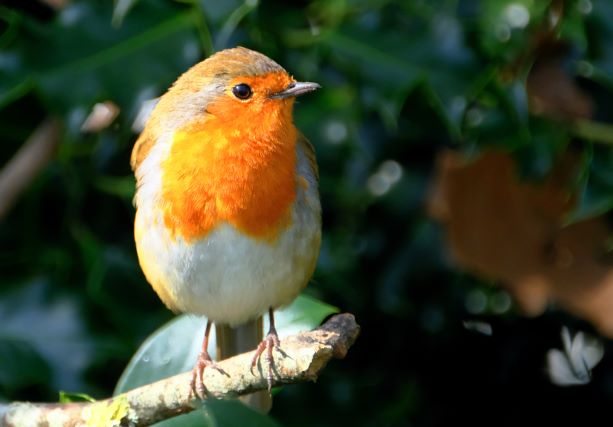
“Who Killed Cock Robin” .

Who killed Cock Robin?
I, said the Sparrow,
with my bow and arrow,
I killed Cock Robin.
Who saw him die?
I, said the Fly,
with my little eye,
I saw him die.
Who caught his blood?
I, said the Fish,
with my little dish,
I caught his blood.

Who’ll make the shroud?
I, said the Beetle,
with my thread and needle,
I’ll make the shroud.
Who’ll dig his grave?
I, said the Owl,
with my little trowel,
I’ll dig his grave.
Who’ll be the parson?
I, said the Rook,
with my little book,
I’ll be the parson.
Who’ll be the clerk?
I, said the Lark,
if it’s not in the dark,
I’ll be the clerk.
Who’ll carry the link?
I, said the Linnet,
I’ll fetch it in a minute,
I’ll carry the link.
Who’ll be chief mourner?
I, said the Dove,
I mourn for my love,
I’ll be chief mourner.
Who’ll carry the coffin?
I, said the Kite,
if it’s not through the night,
I’ll carry the coffin.
Who’ll bear the pall?
We, said the Wren,
both the cock and the hen,
We’ll bear the pall.
Who’ll sing a psalm?
I, said the Thrush,
as she sat on a bush,
I’ll sing a psalm.
Who’ll toll the bell?
I said the Bull,
because I can pull,
I’ll toll the bell.
All the birds of the air
fell a-sighing and a-sobbing,
when they heard the bell toll
for poor Cock Robin.

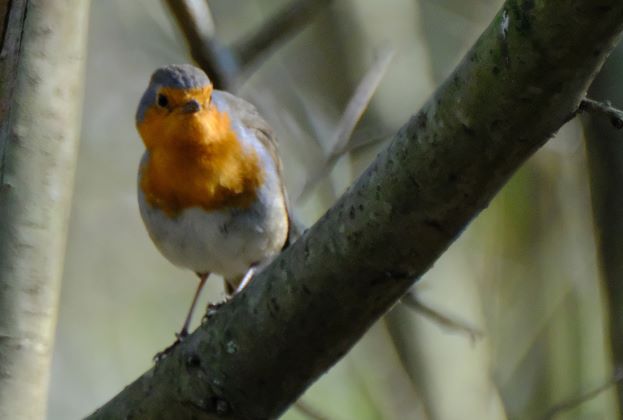
A walk on the wildside.

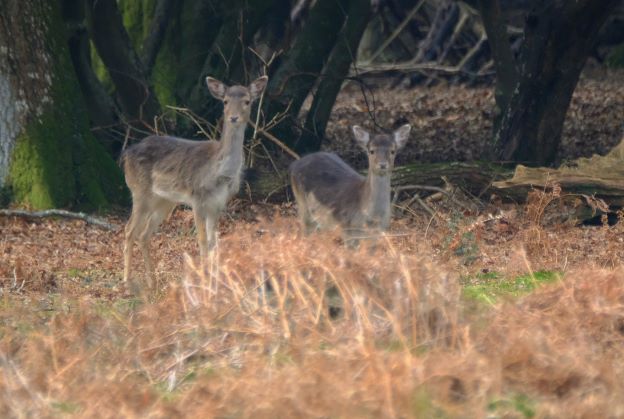
A morning walk in the New Forest with a cold start but soon the sun came up making it a nice Spring Morning walk.

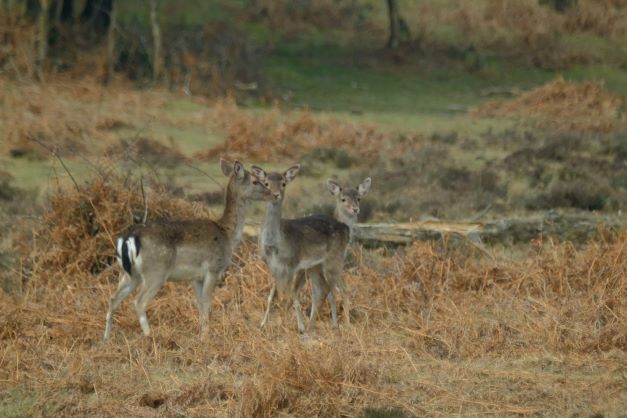
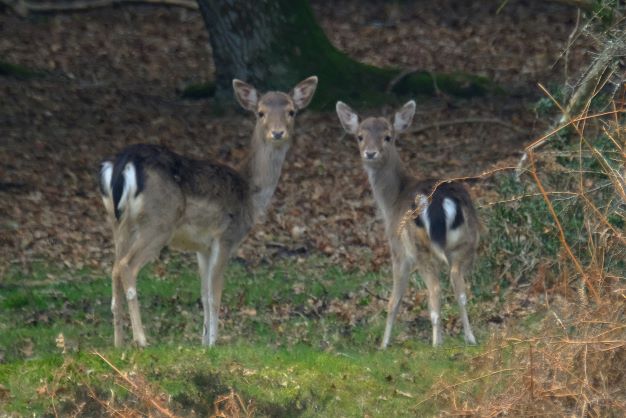
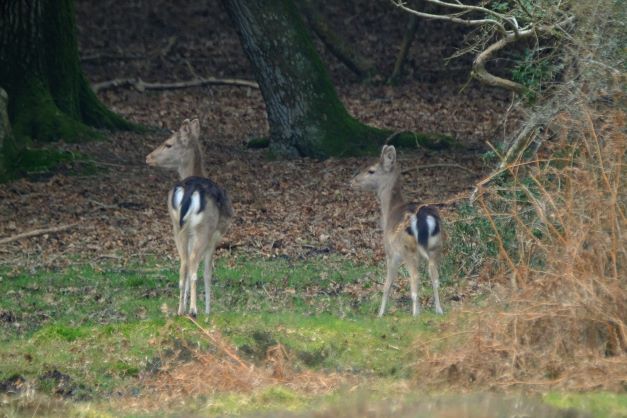
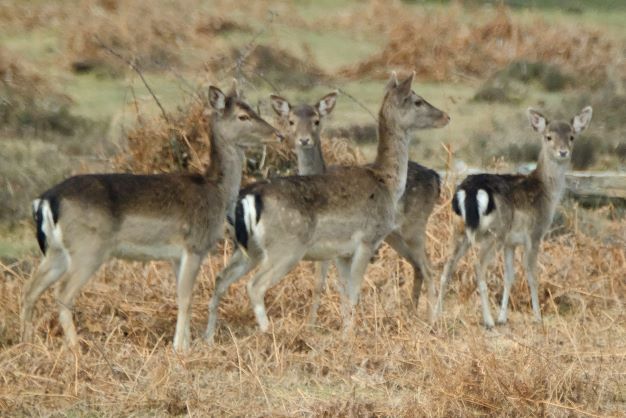
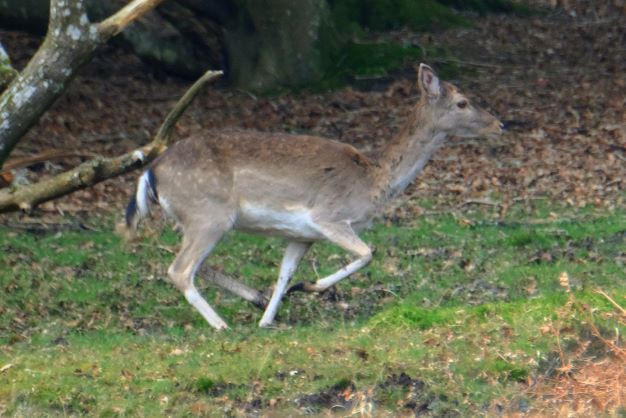
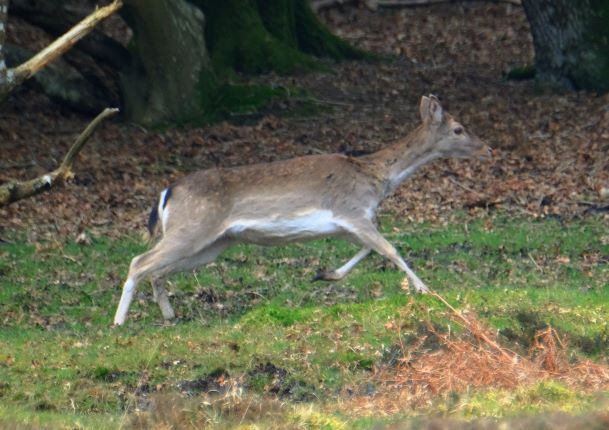
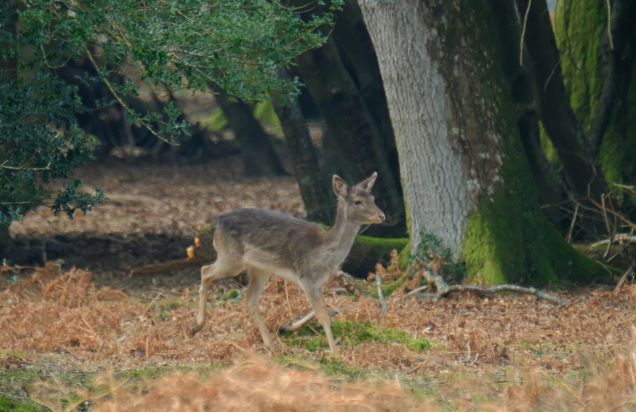
Several small herds of young Fallow Deer spotted us about the same time as we spotted them so a bit of looking at each other before both parties went their own way.

It was nice to see Fallow Deer today so close to seeing a herd of Red Deer last week – what stands out between the 2 species excluding the size is the white and black buts of the Fallow Deer.

Some bird watching along the way and at a hollow tree at the end of the walk with a bit of birdseed to encourage some of the smaller birds closer to the camera.

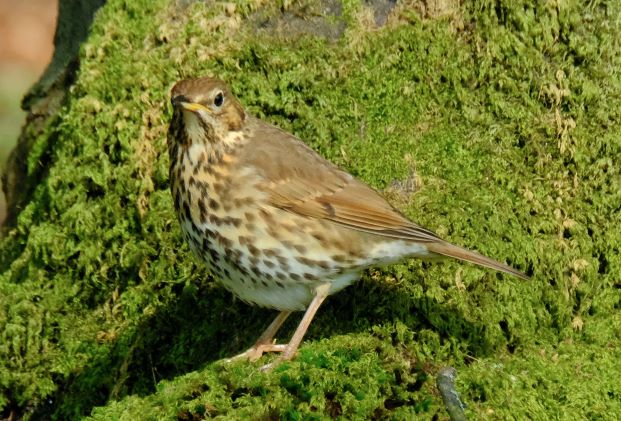
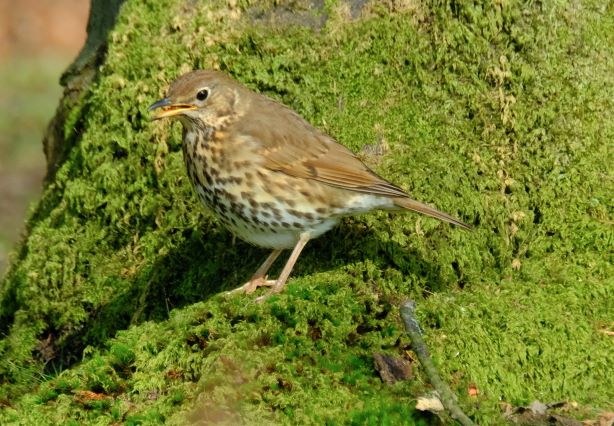
A Song Thrush. One of this bird’s favourite meals are snails – which they break into by smashing them against a stone with a flick of the head. This one was feeding in the forest under fallen leaves looking for worms and insects.

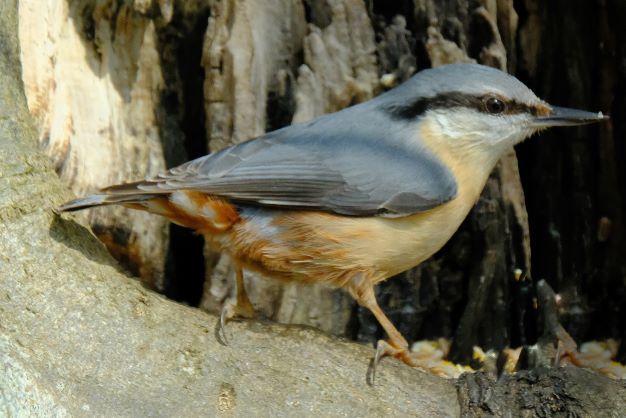
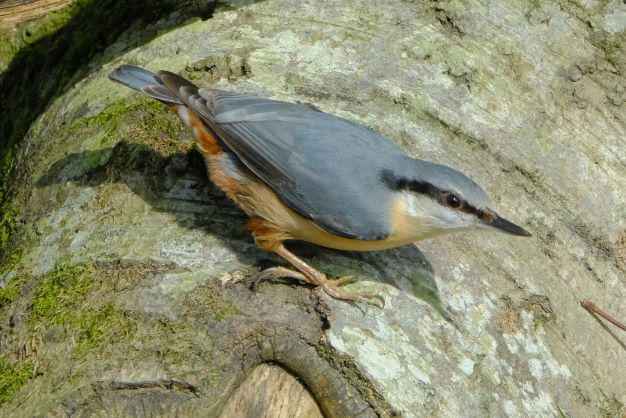
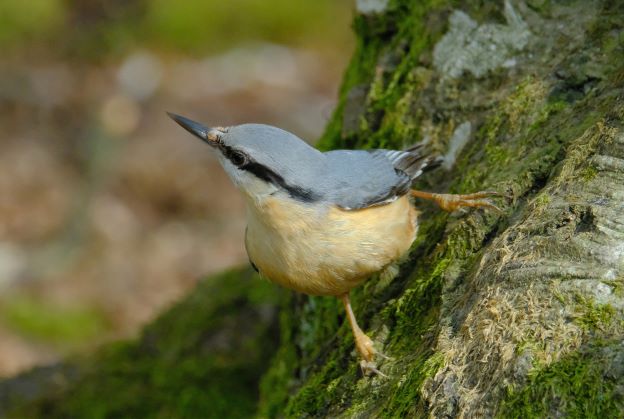
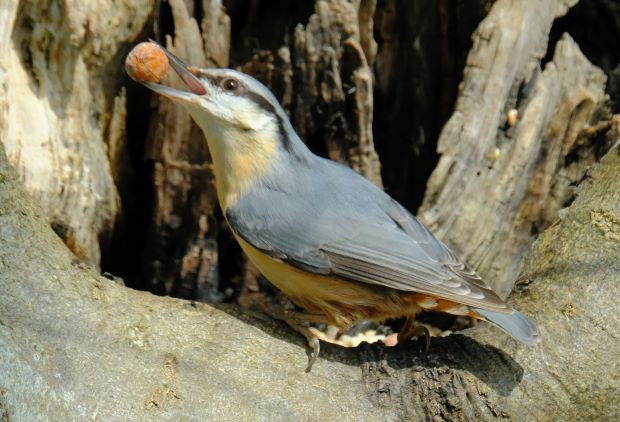
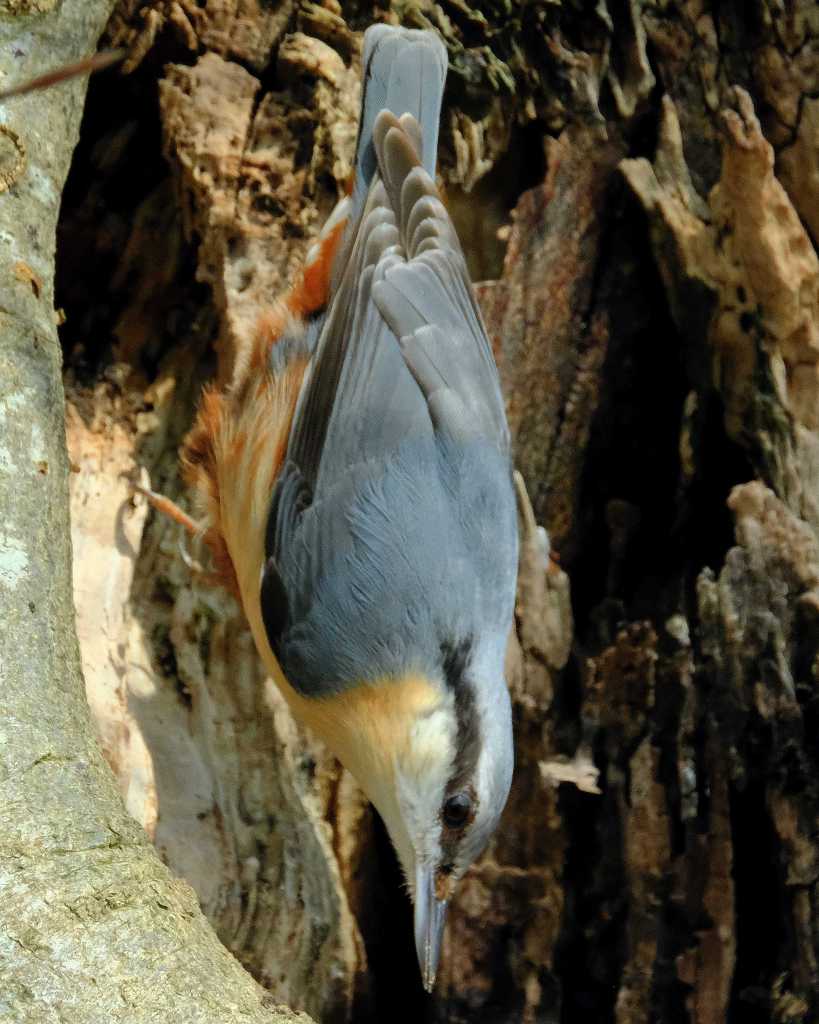
A Nuthatch is an interesting small bird as they will climb down trees and well as up while looking for a meal. They hold on to a tree from all angles.

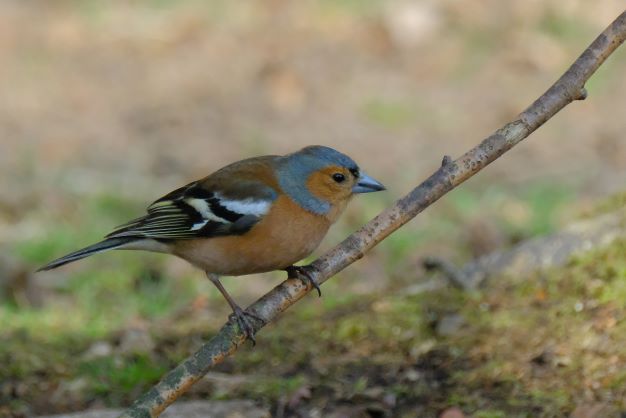
A male Chaffinch.

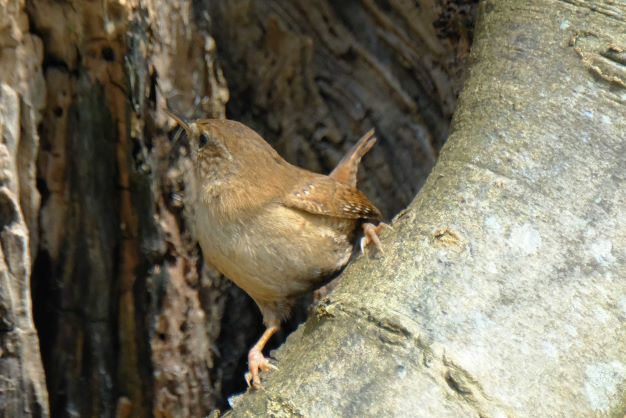
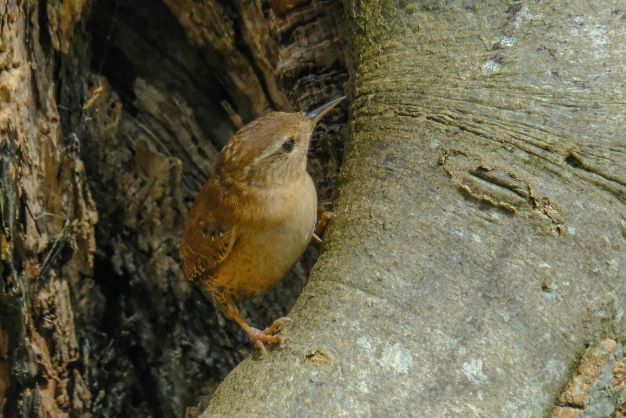
The wren is a tiny brown bird, it has a short, narrow tail that is sometimes cocked up vertically.  For such a small bird it has a remarkably loud voice.

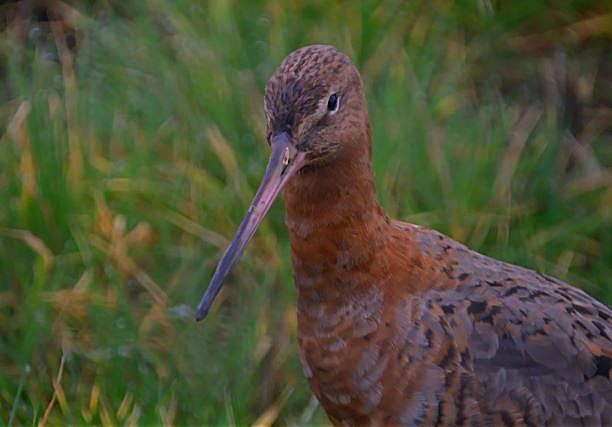
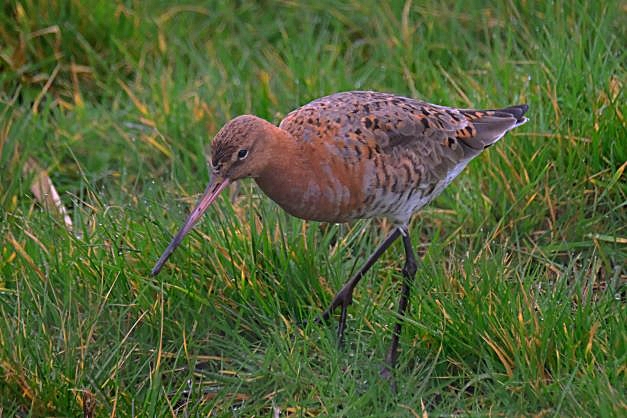
Black-tailed Godwit.

Black-tailed godwits are a large wader. In winter they are rather dull and grey in colour. Now as we approach the summer they colour up their chests and bellies become a bright orangey-brown

They have distinctive long beaks and legs.

Wintering numbers in the UK are about 44,000 birds from the Icelandic population.
Black-tailed godwits breeding range stretching from Iceland to the far east of Russia. 

A film of Godwits on the River Hamble. (filmed into the sun so not as good quality as I would have liked)

followed by stills taken from the film.

Garden visitors.

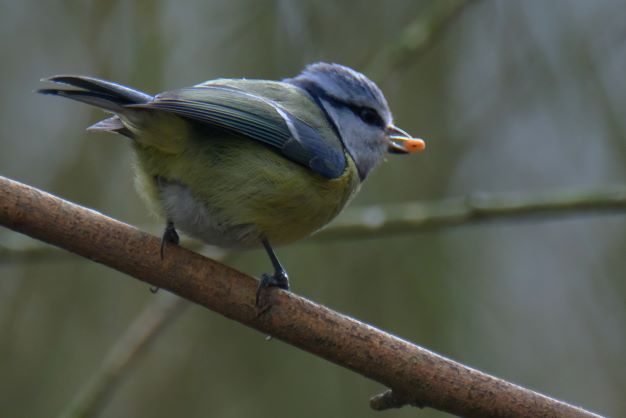
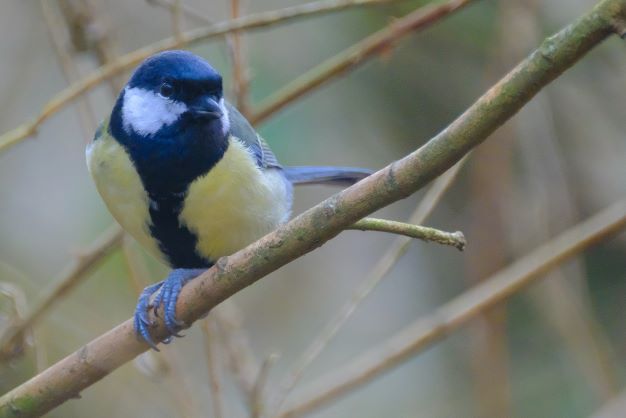
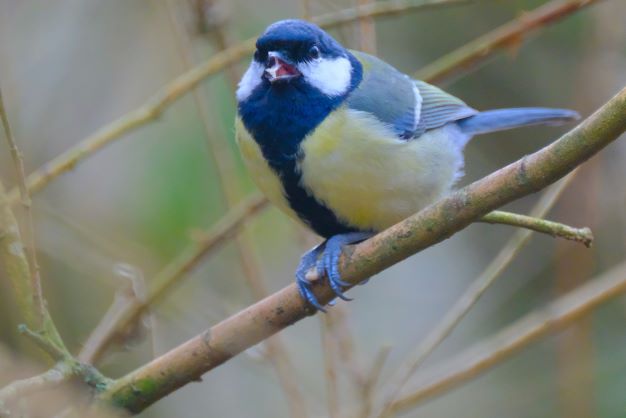
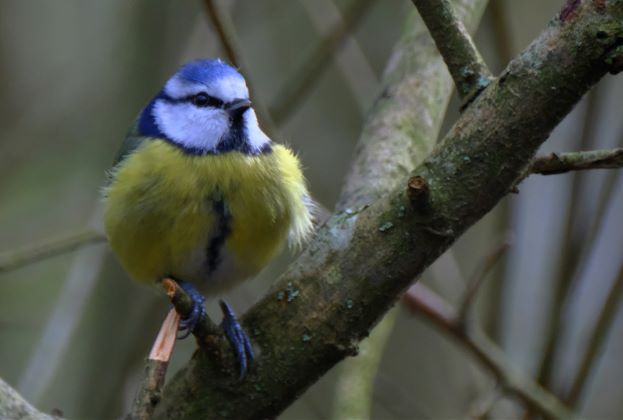
In the UK two frequent garden visitors on the bird feeder and bird tables are the Blue Tit and the Great Tit. Both these birds are common in the woodlands where I took these photographs.

Blue Tit.

Measurements:

Length:12cm Wingspan:18cm Weight:11g

Population:

UK breeding: 3,600,000 UK wintering:15 million

Great Tit.

Measurements:

Length:14cm Wingspan:24cm Weight:18g

Population:

UK breeding: 2,500,000

facts from RSPB.

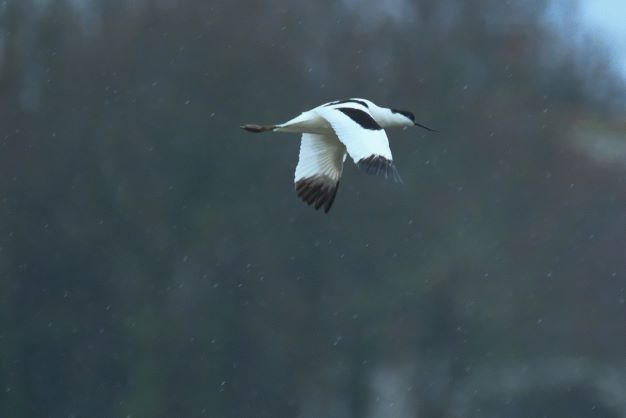
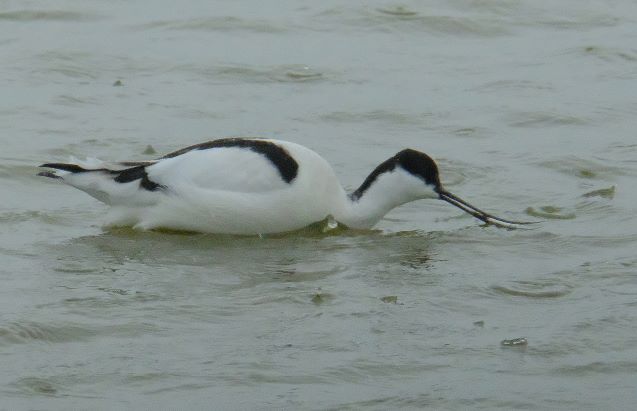
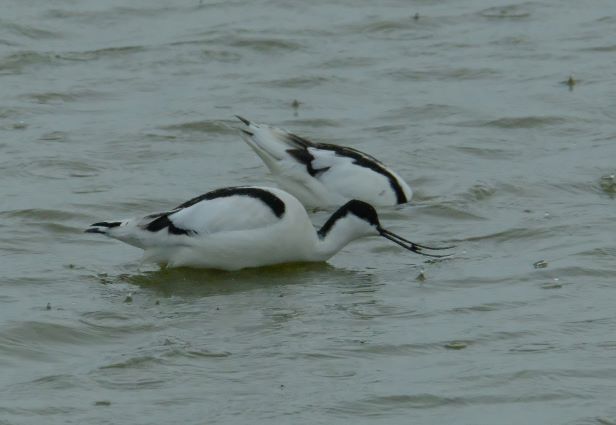
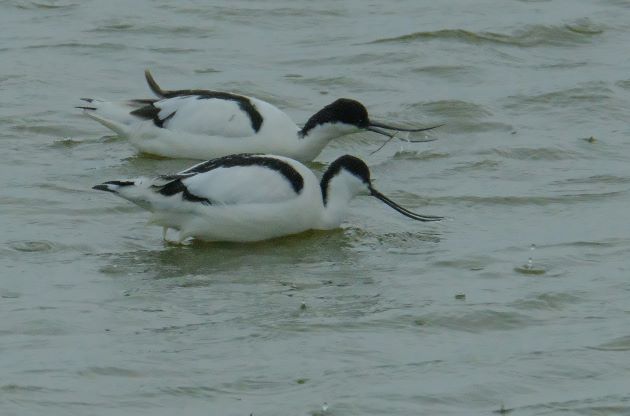
Avocets.

Avocets have started arriving at Titchfield Haven for the start of the breeding season. About 20 birds were spotted today in the rain! All a far way off but as more arrive, I am hoping for some close photographs.

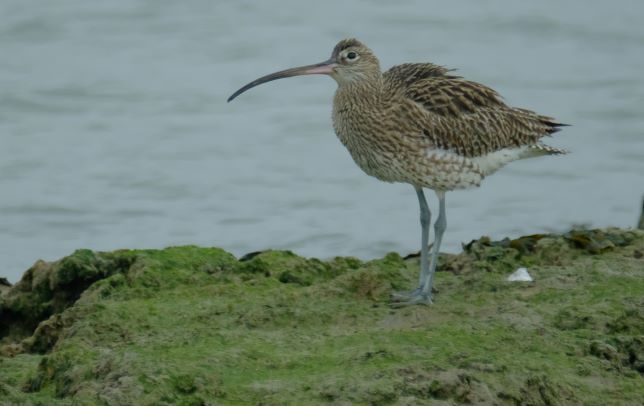
Curlew.

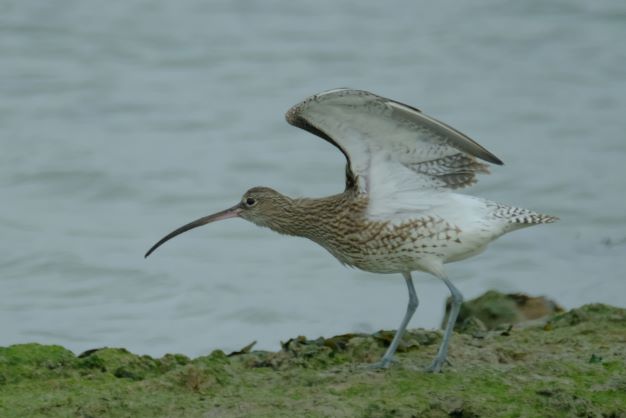
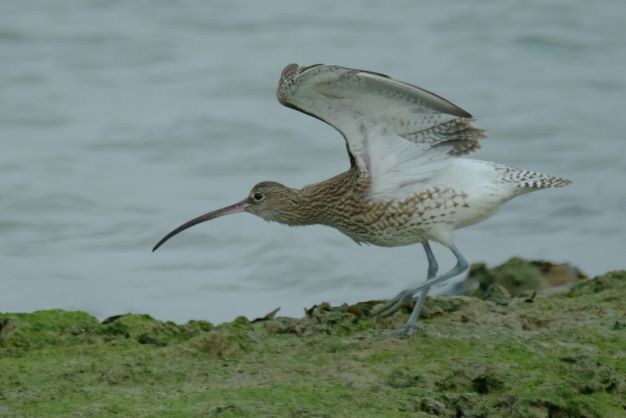
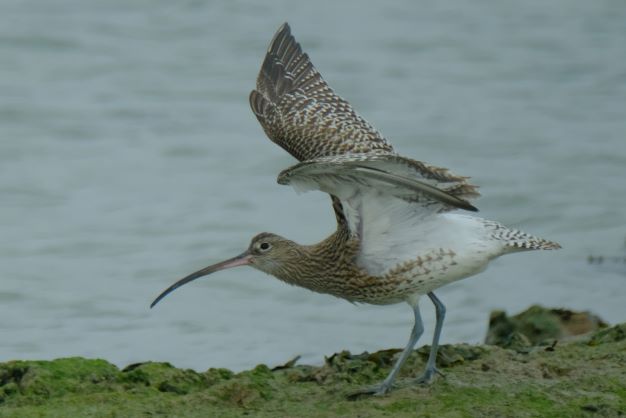
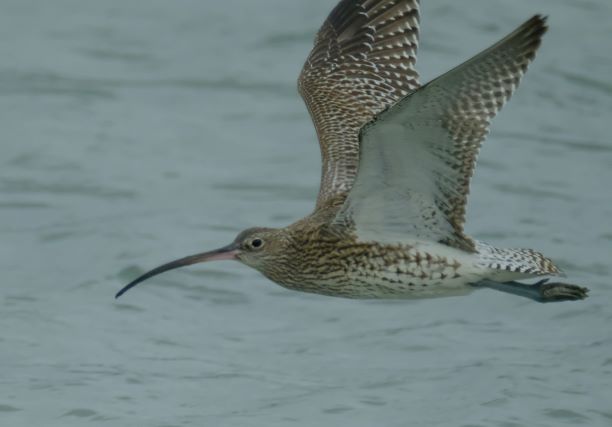
Curlew bird observation and facts. Today’s bird watching walk up the Hamble River gave some really good views of some Curlews. It is an easily recognizable bird by its size and downcurved bill.

The Curlew is a large wader (in fact it is the largest European wader). It is about the size of a female pheasant. They are ground-nesting birds on wet grasslands, farmland, heath and moors this can be miles away from the coast.

Some 140,000 birds winter in the UK with about 66,000 breeding pairs

I have added the call of a Curlew over the sound on my short film.