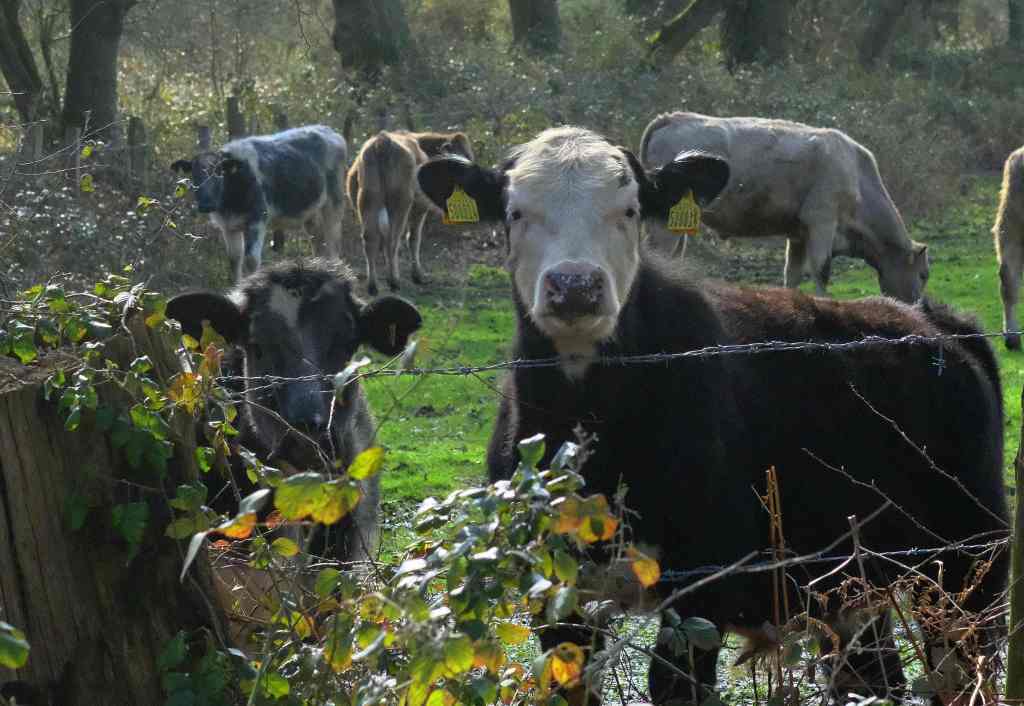
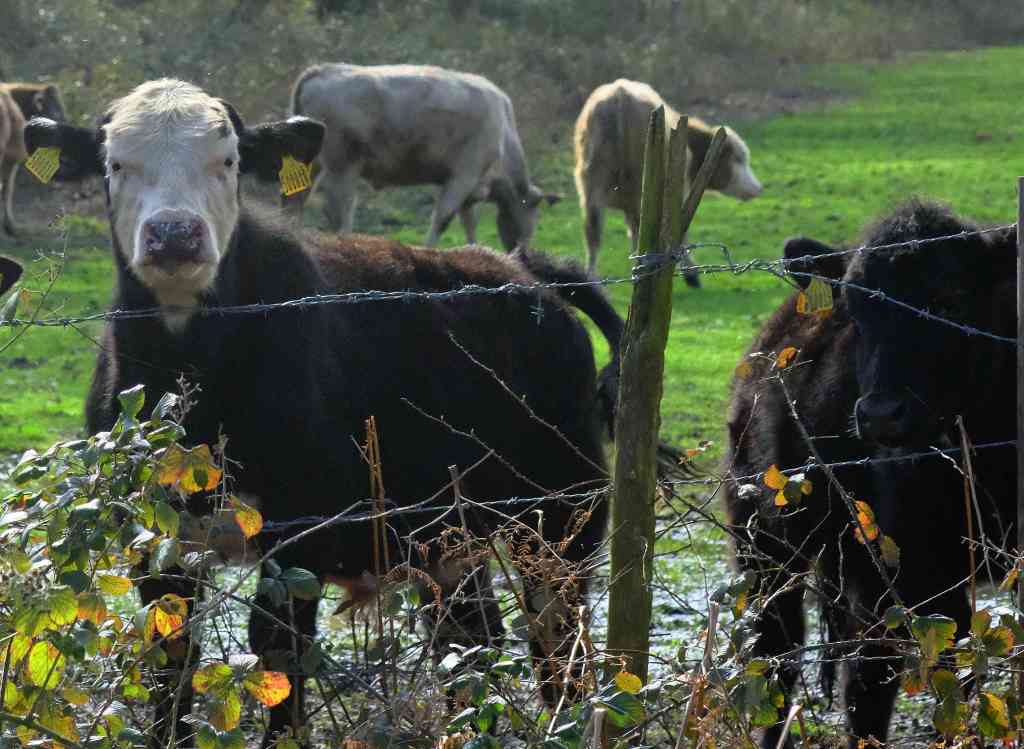
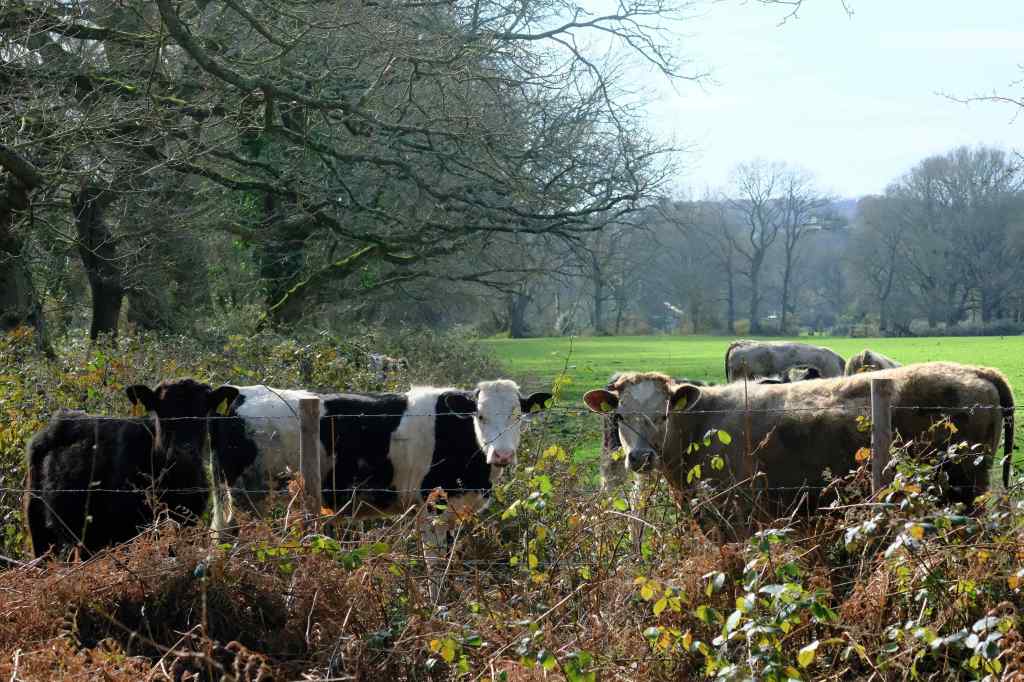
On our walks, we have come across many Badger Setts; those in the New Forest are the easiest to access as they are not on private land. The more we find, the more the telltale signs of a sett are apparent in the landscape.
Last week, we put out cameras on a sett where there were signs of fresh Badger activity. We collected the cameras today.
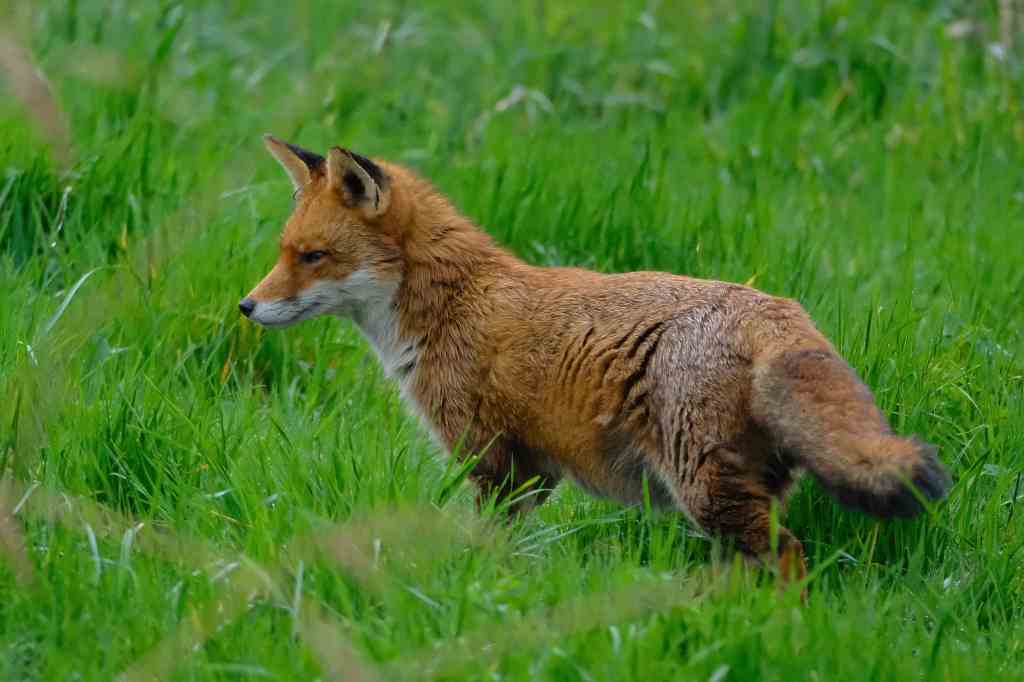
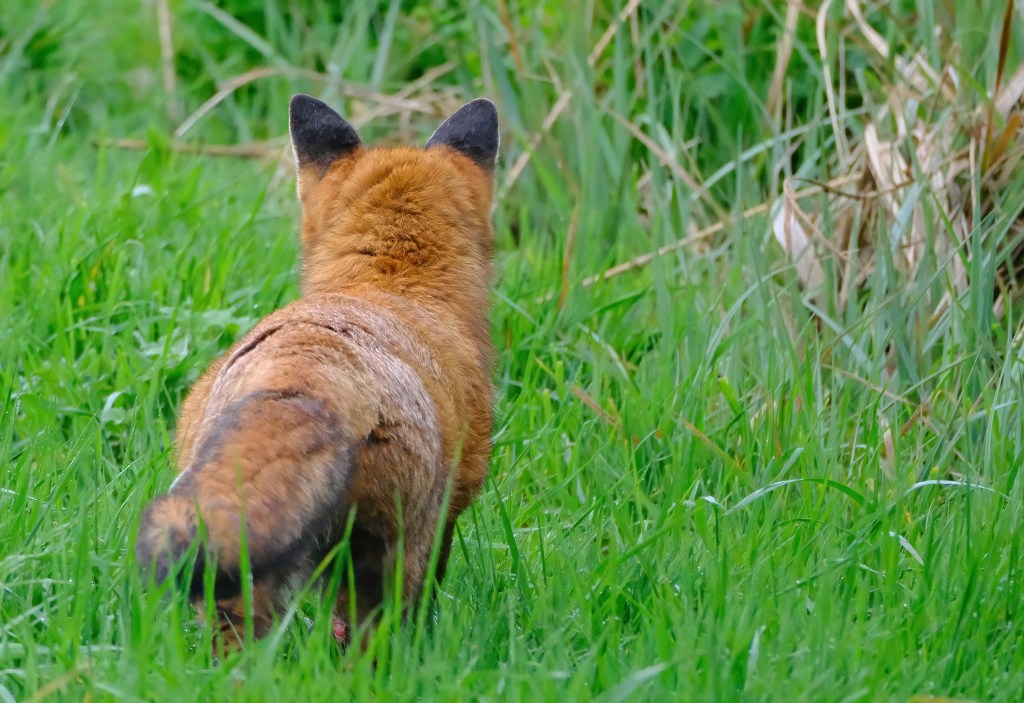
I was lucky to capture these images of this fox hunting this morning
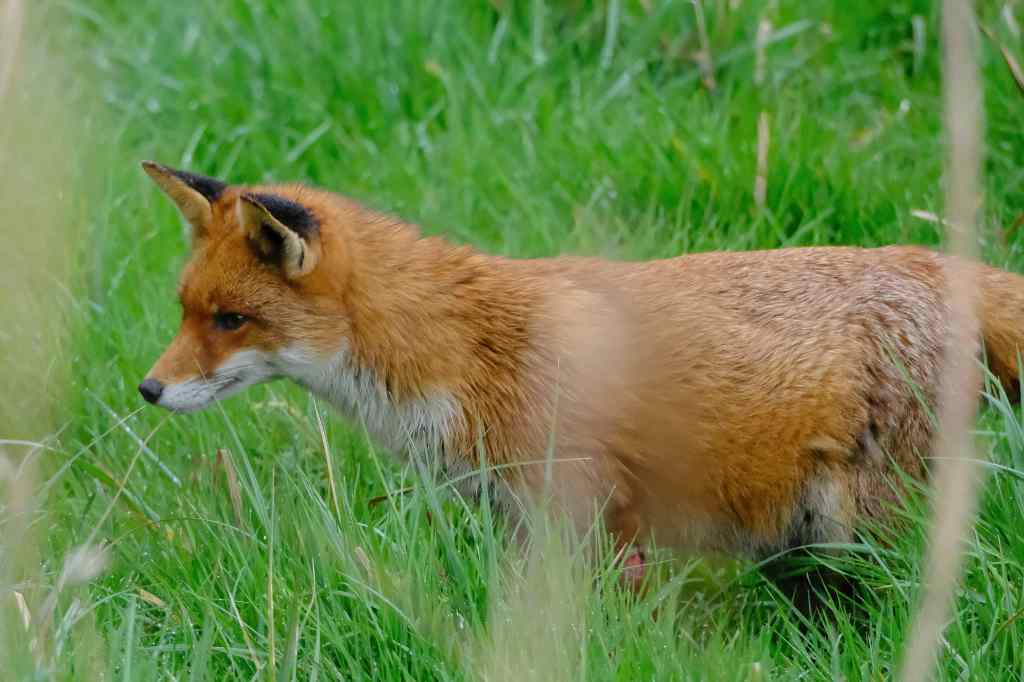
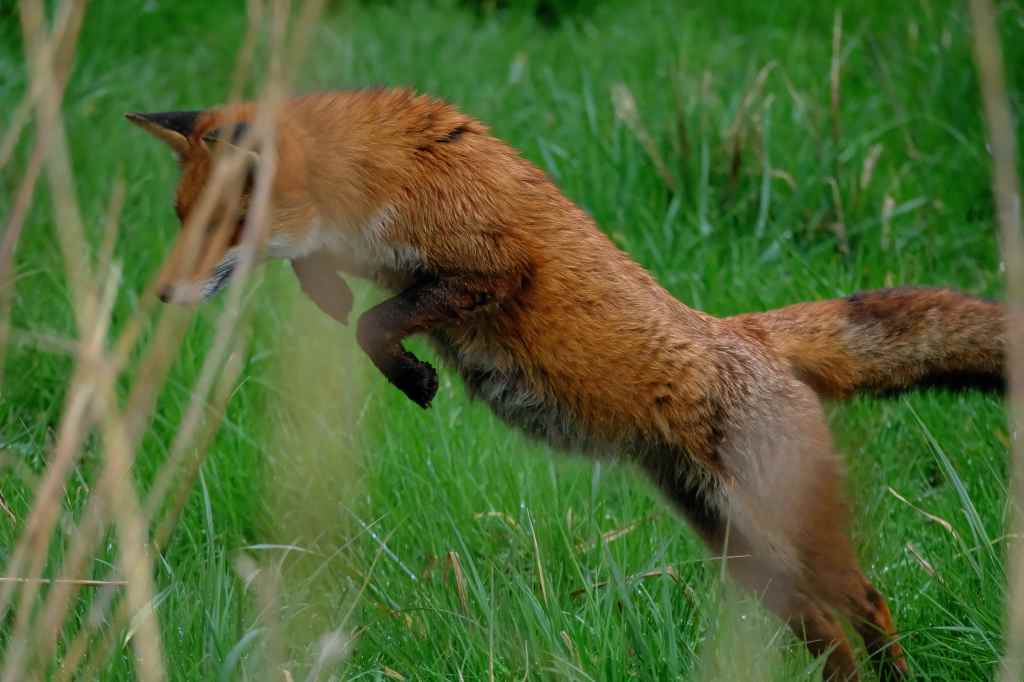
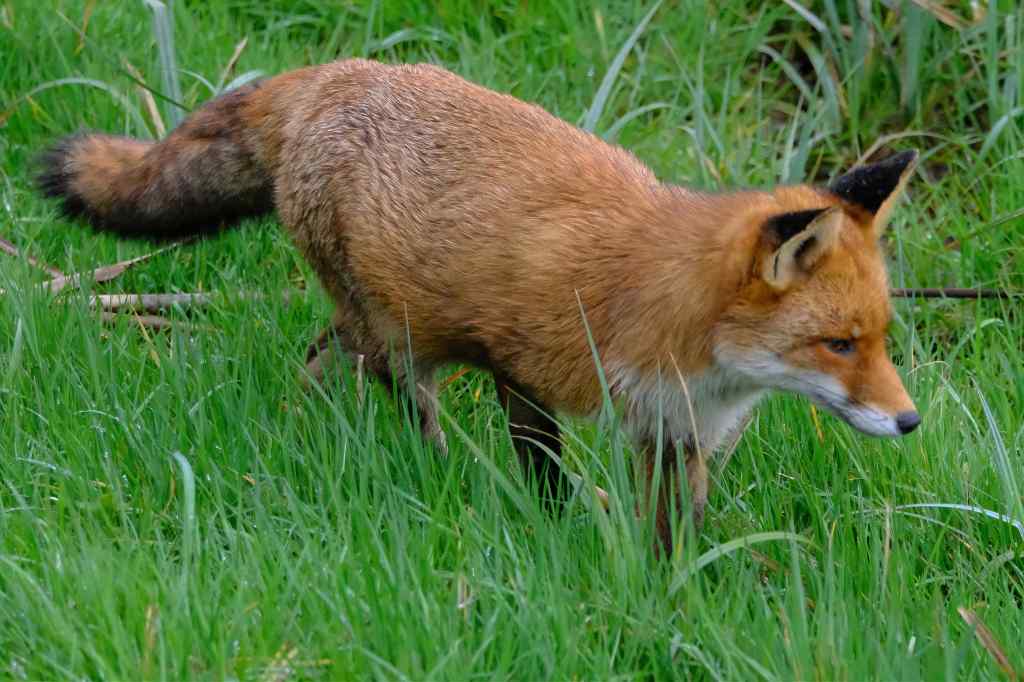
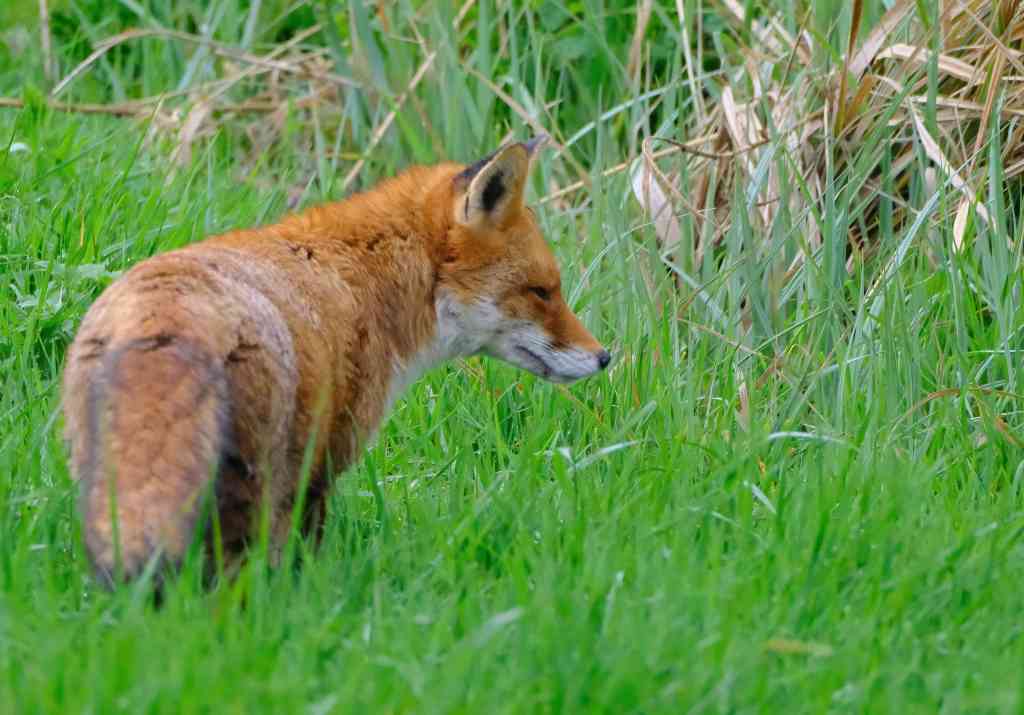
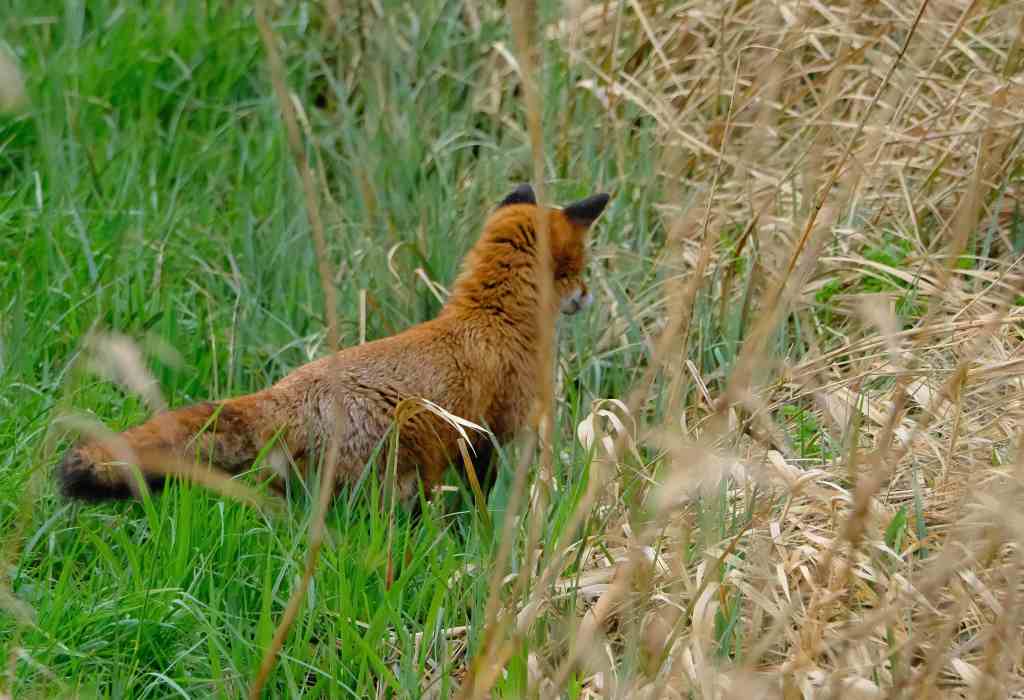
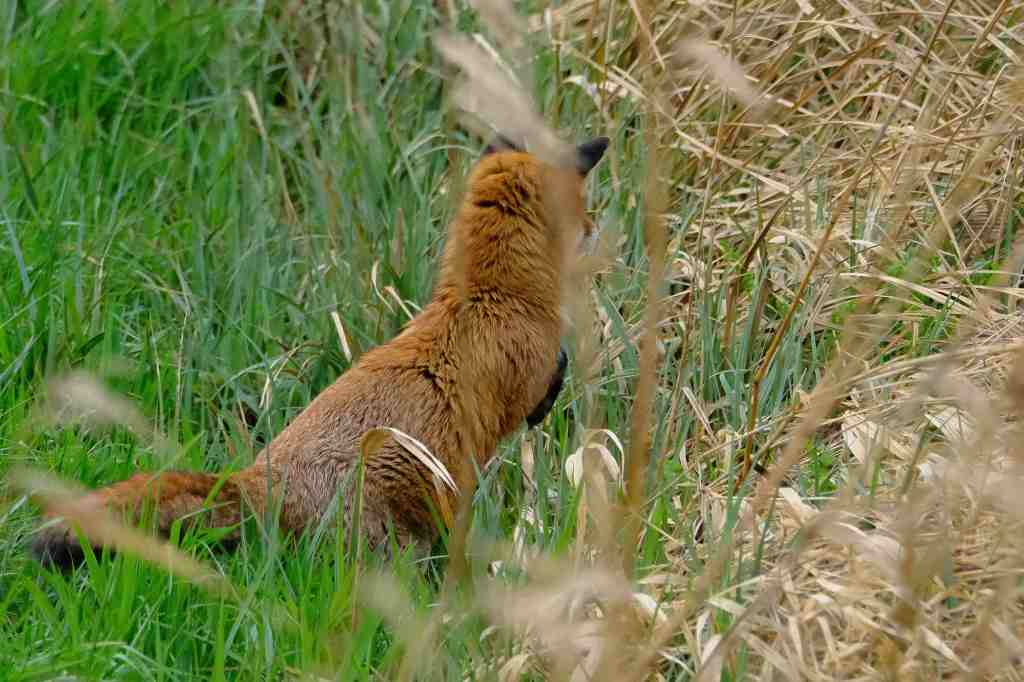
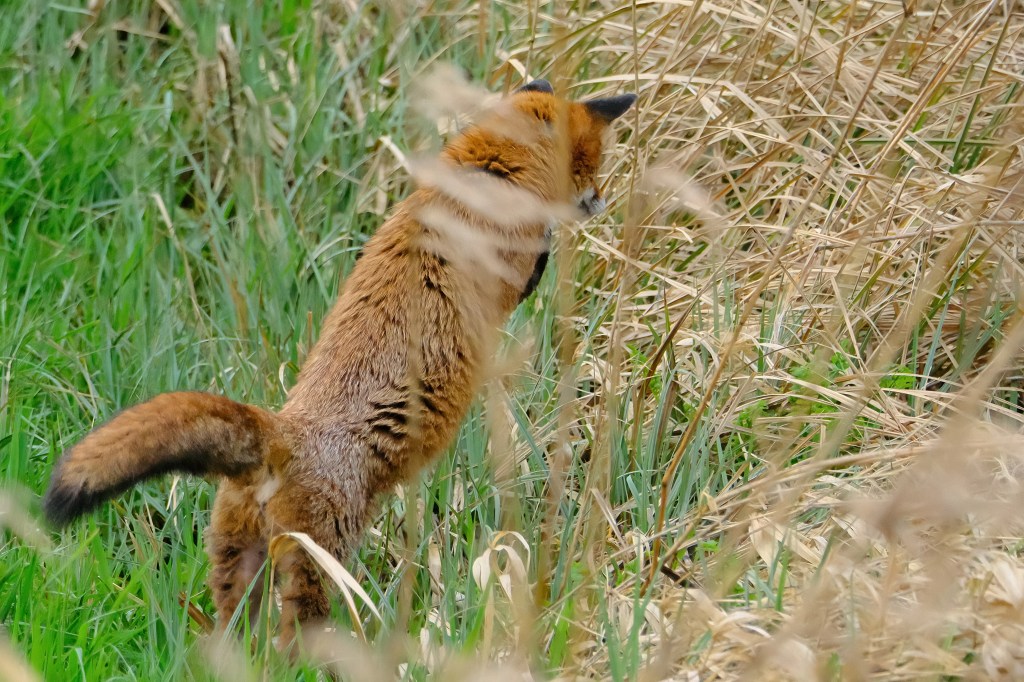
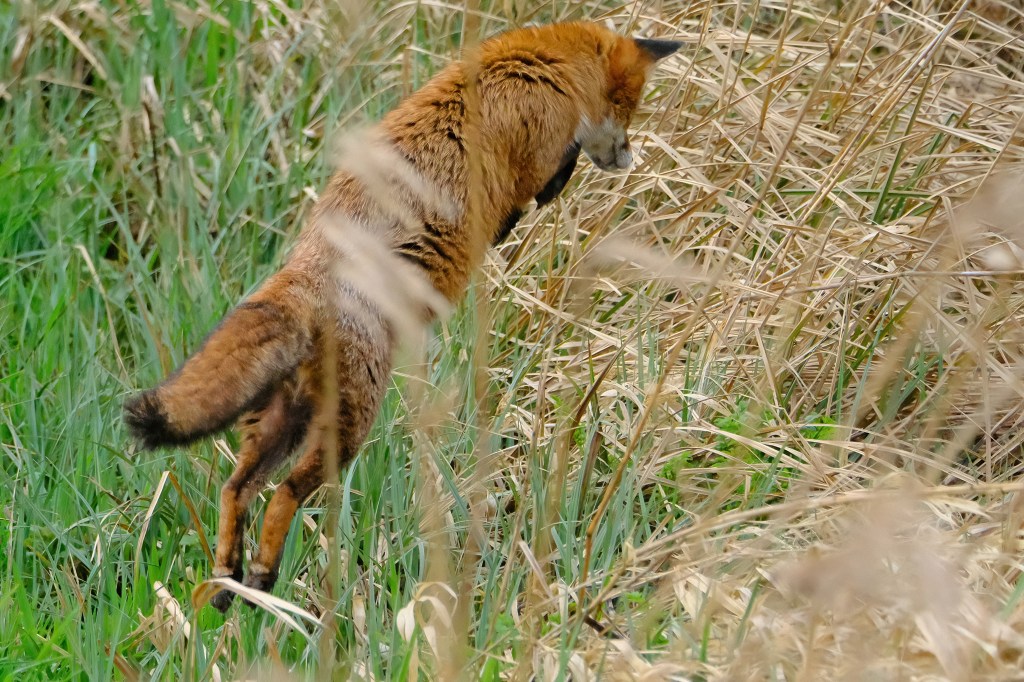
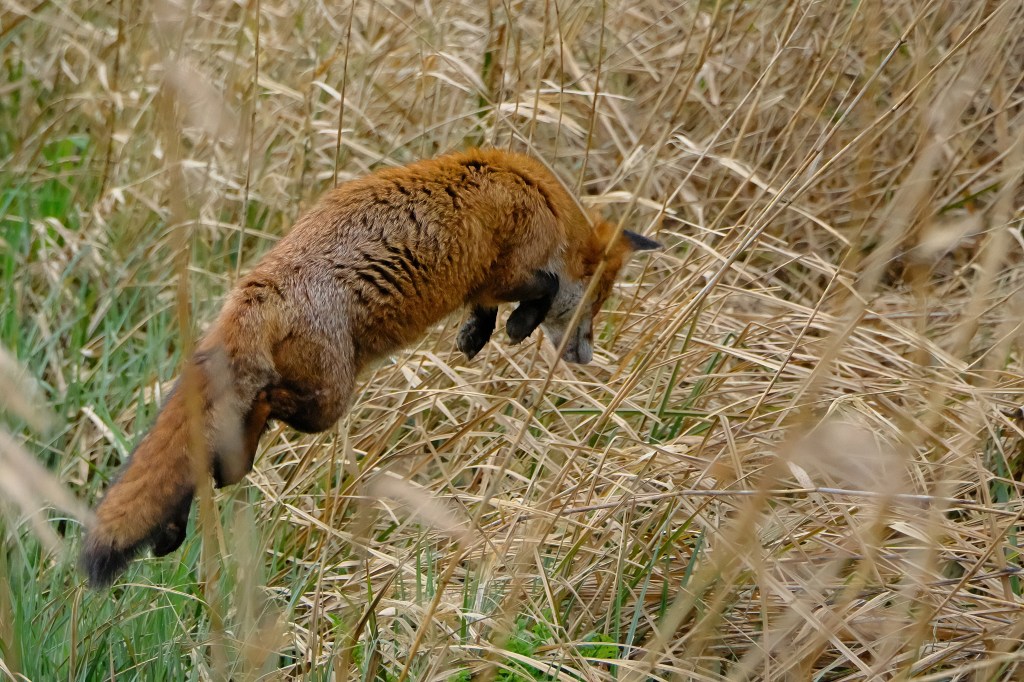
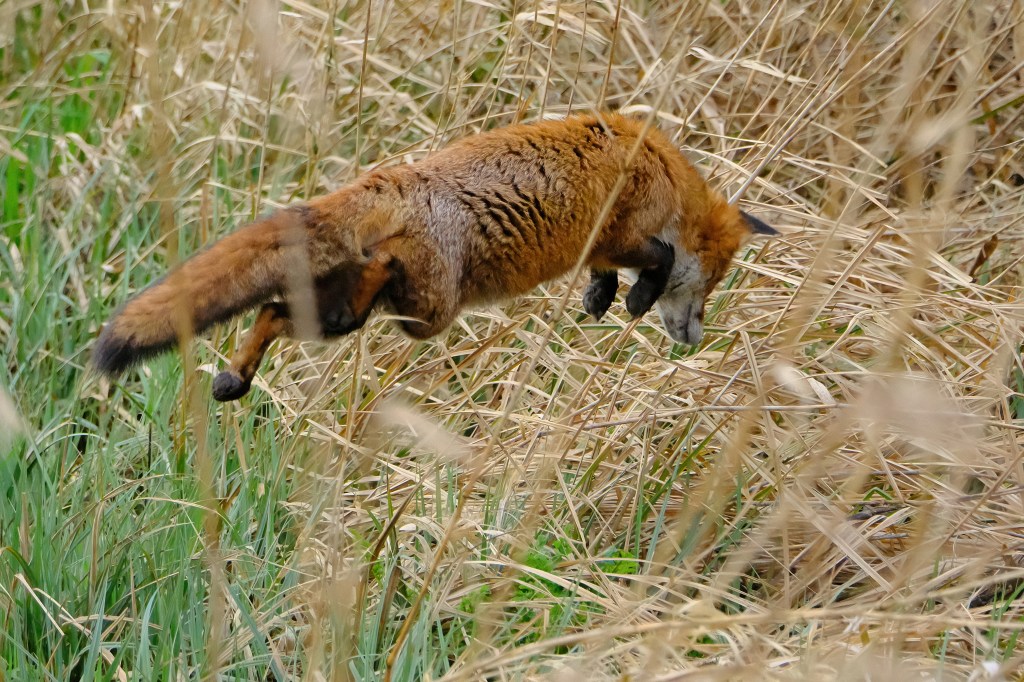
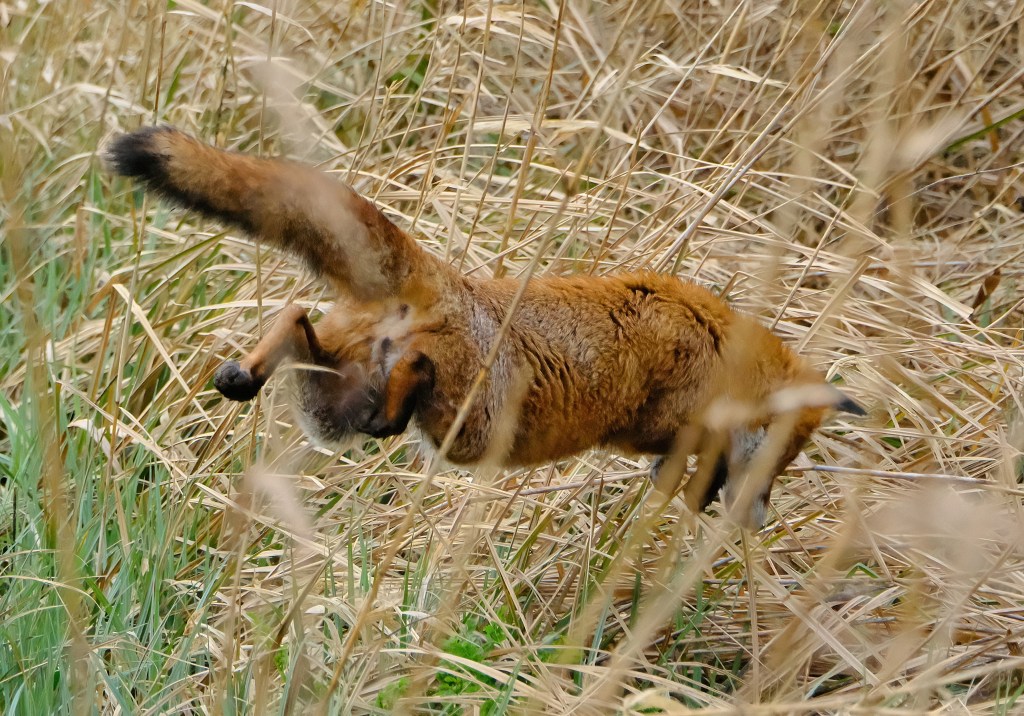
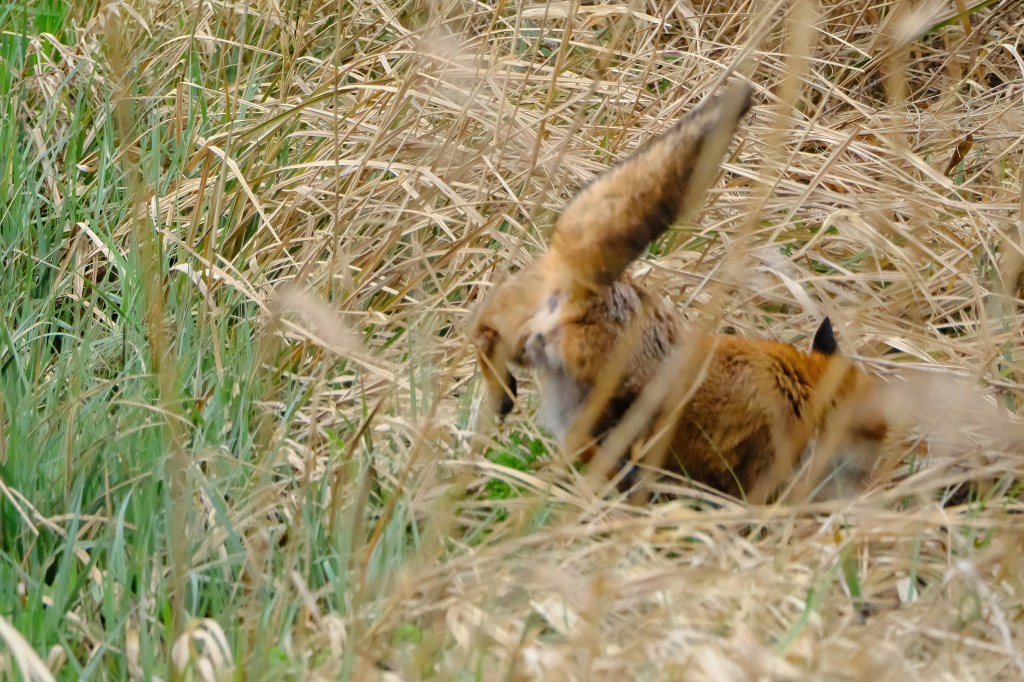
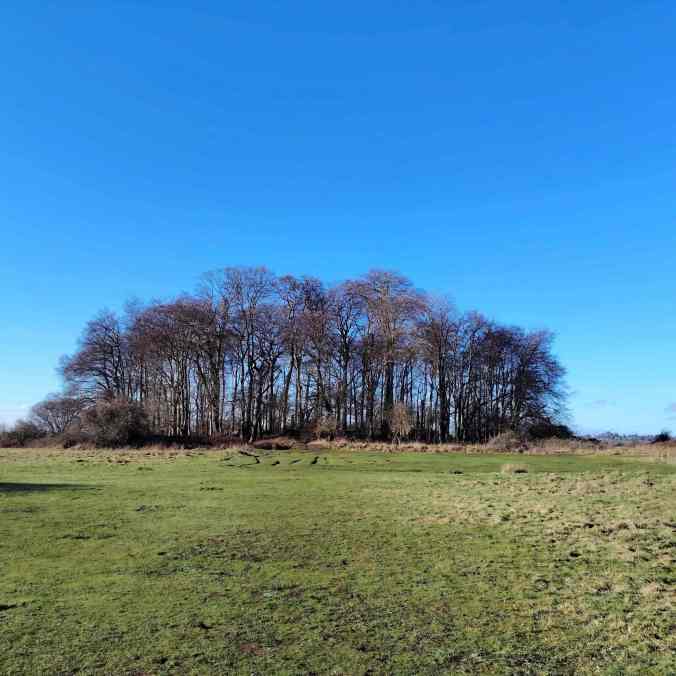
With the first blue sky for a couple of weeks, it was nice to take a walk and get some photos without grey skies.
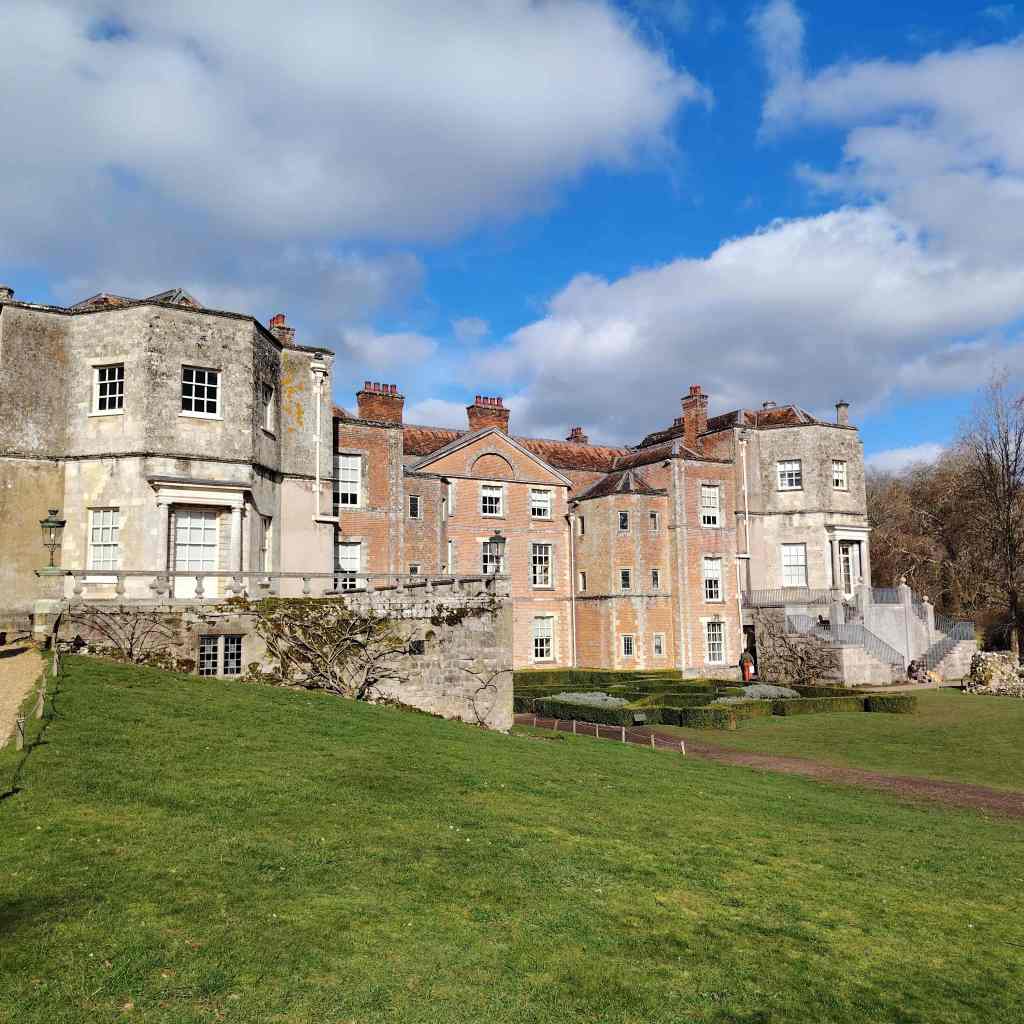
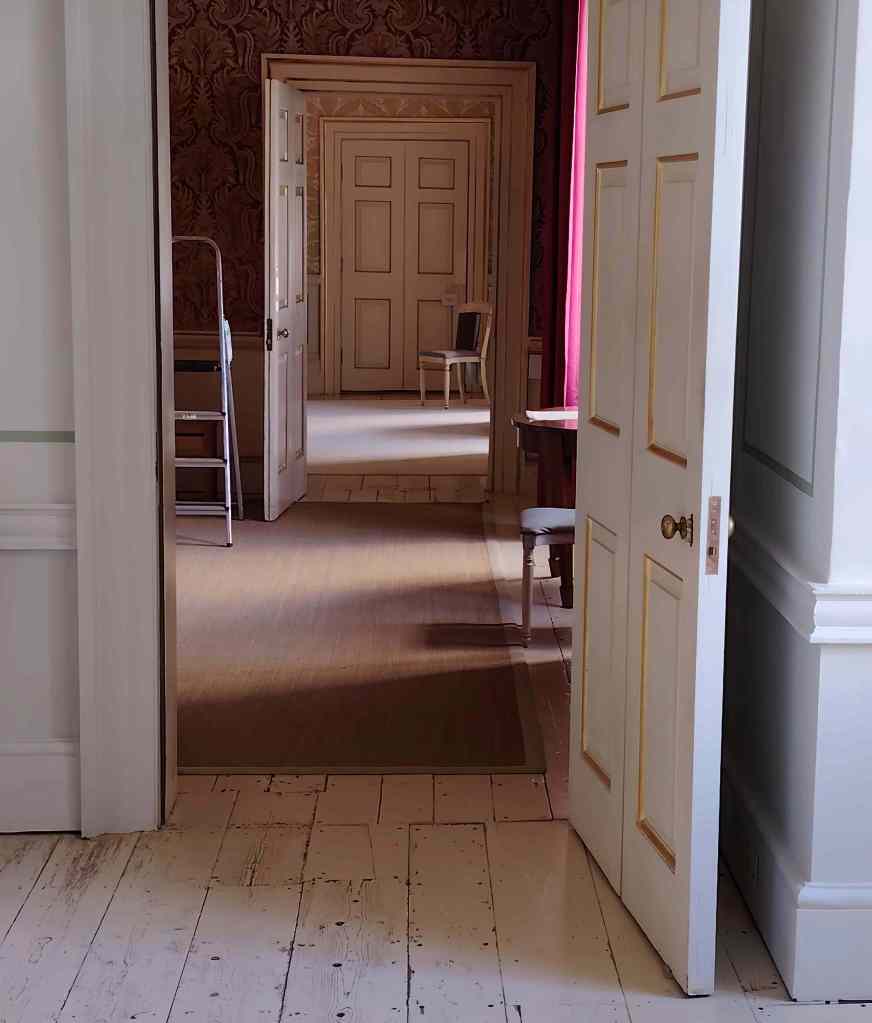
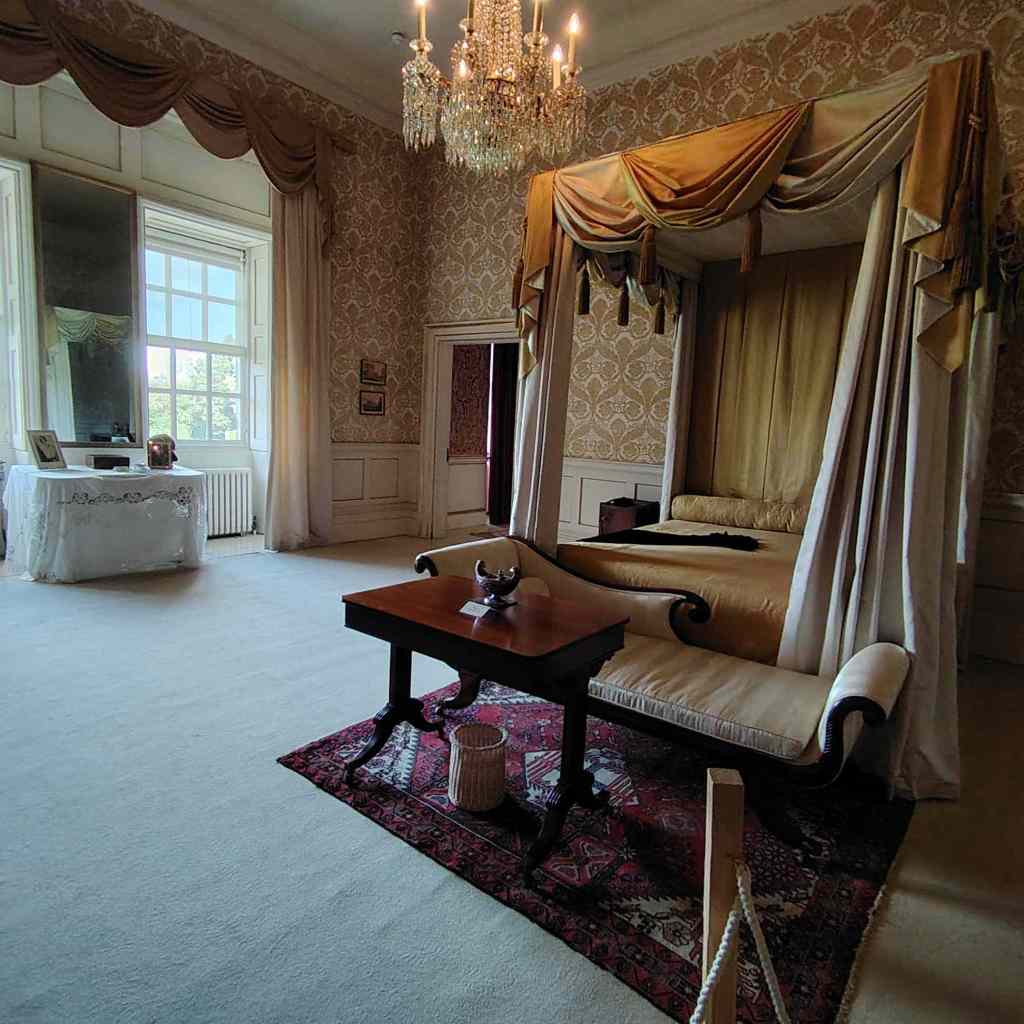
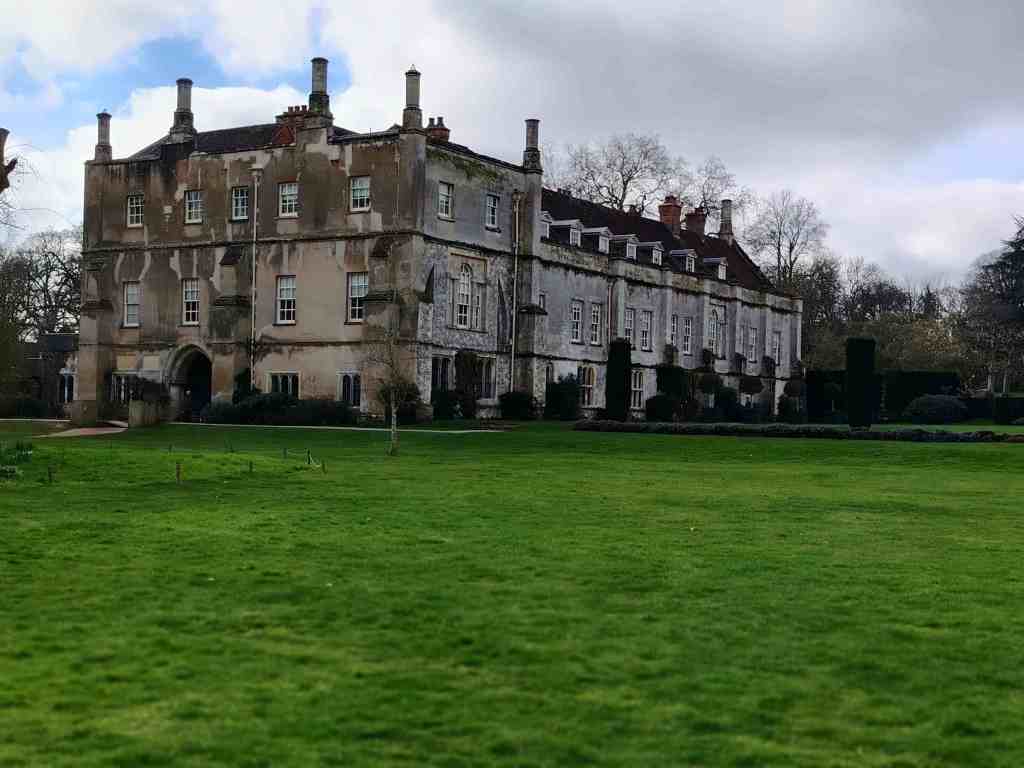
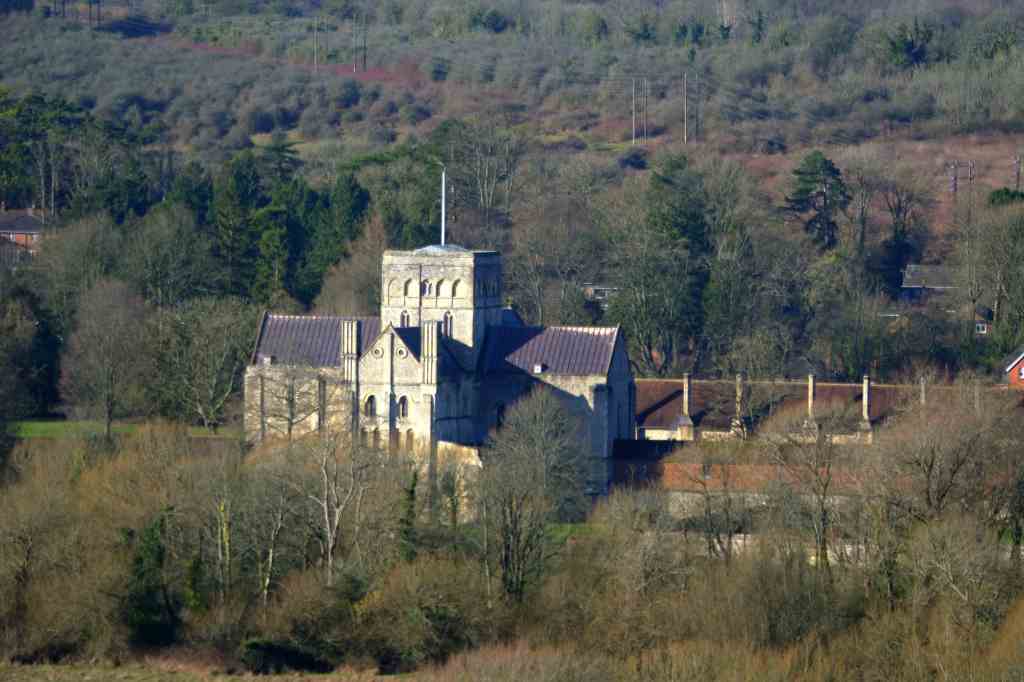
Mottisfont Abbey is a historical priory and country estate in Hampshire, now operated by the National Trust. The site features a historic house museum with changing art exhibitions, the abbey has a rich history that dates back to the 12th century, initially founded as a house for Augustinian canons. Over the centuries, it has transitioned from a monastic building to a country house, particularly during the 18th century when it was remodelled in the Gothic Revival style. The abbey is now recognised not only for its architecture but also for its beautiful gardens, which showcase a collection of old and rare roses, drawing visitors from around the world to experience its tranquil beauty and historical significance.

Two paintings from the current Town and Country: A Journey Through the Seasons are part of the current art exhibition at Mottisfont. These two were my favourites.
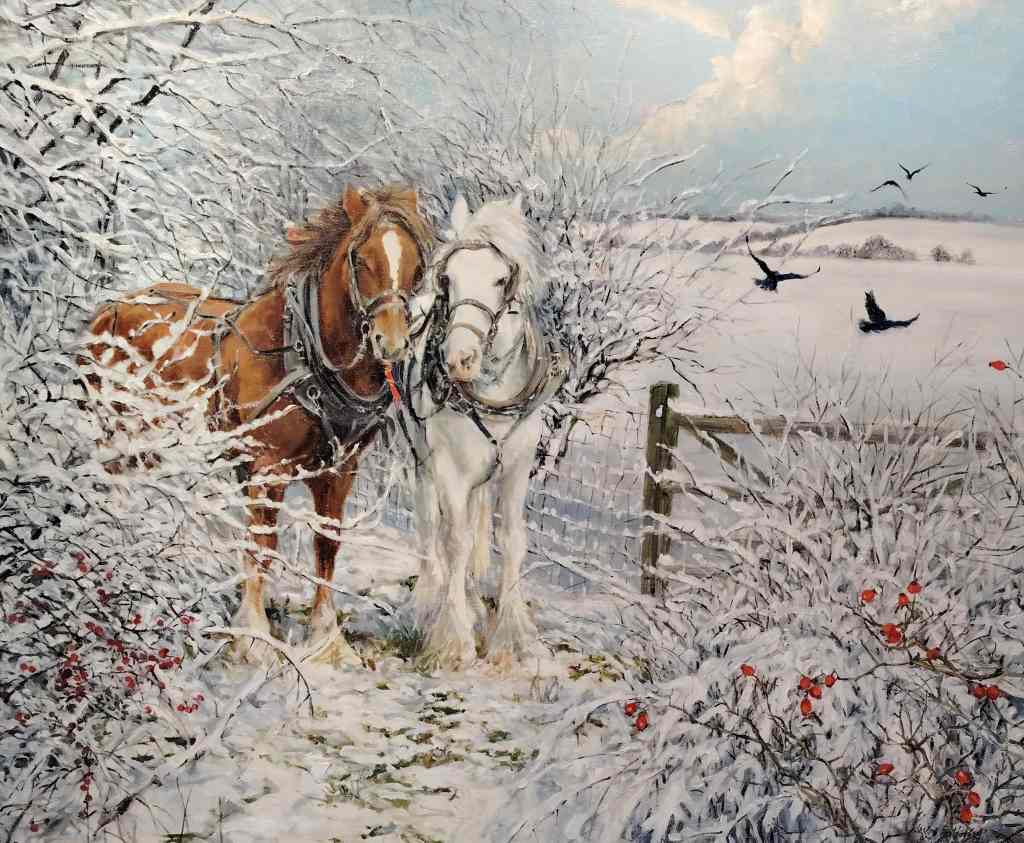
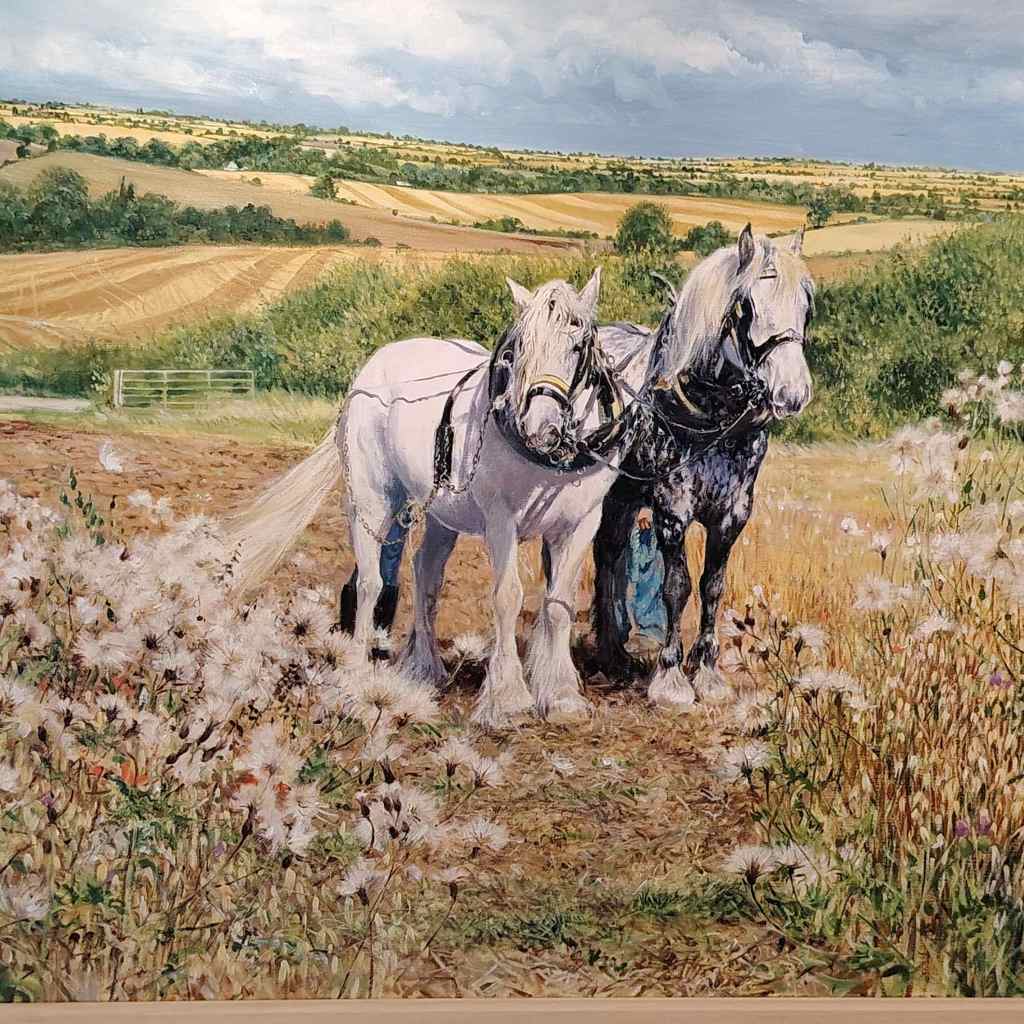
Both by Lesley Fortherby.
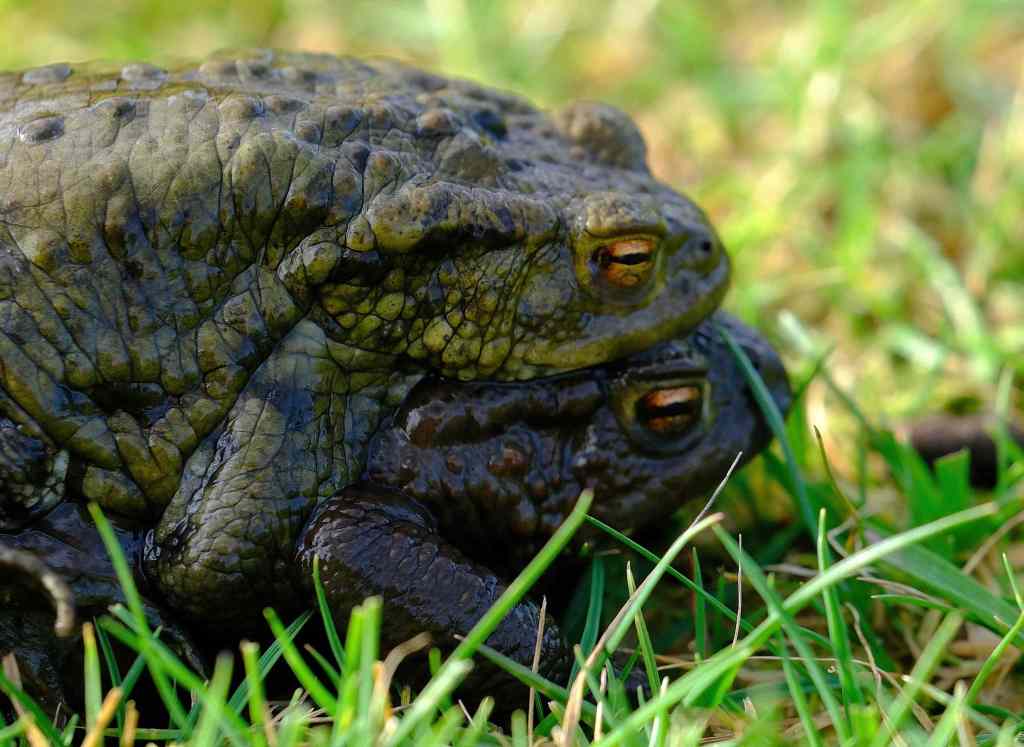
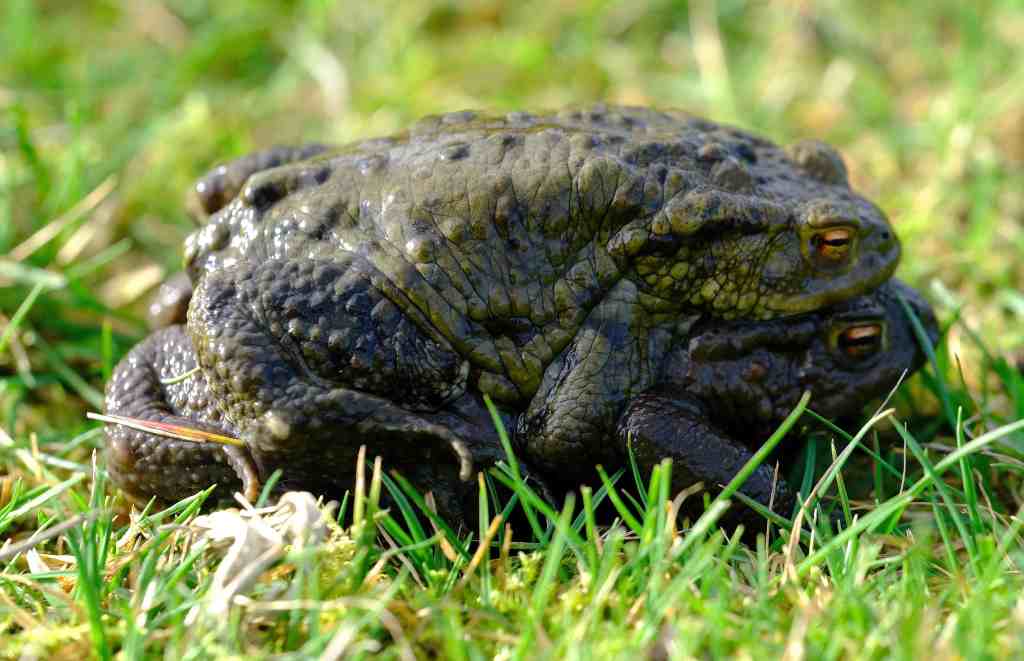
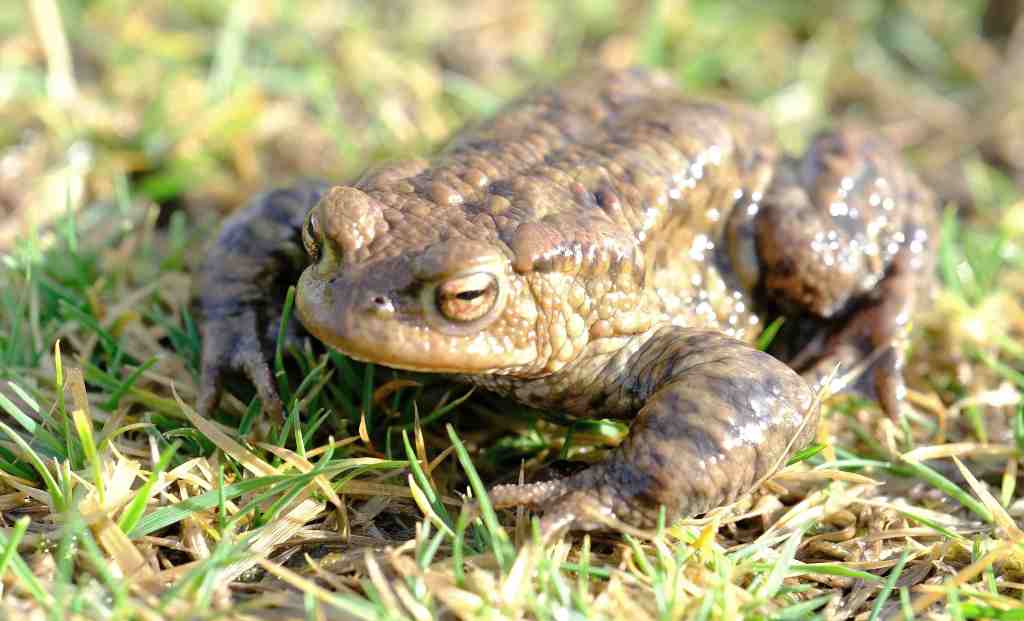
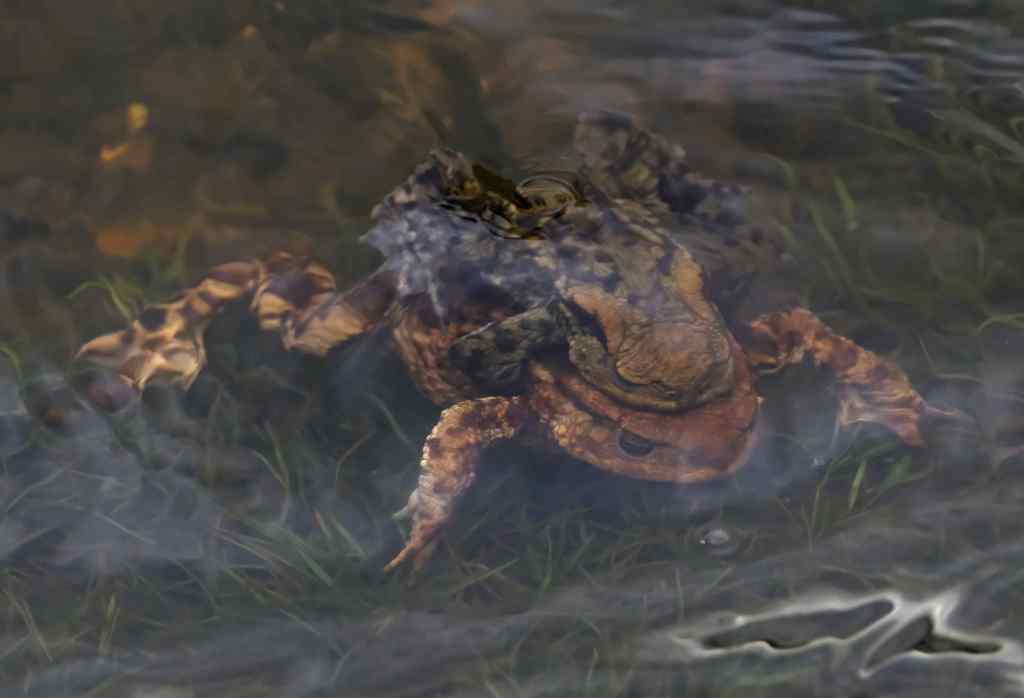
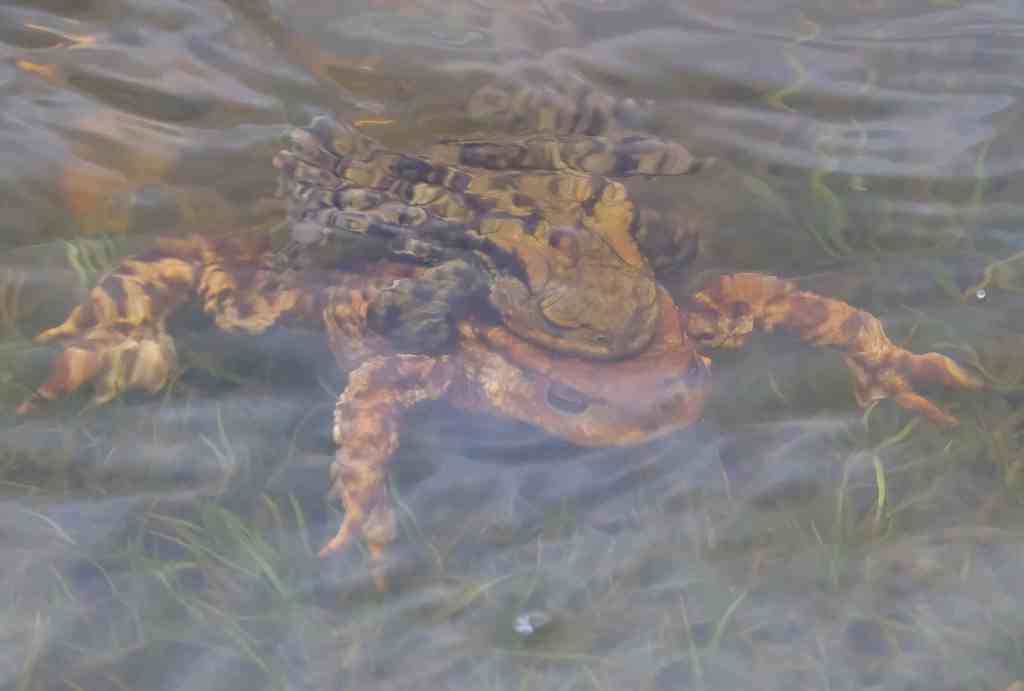
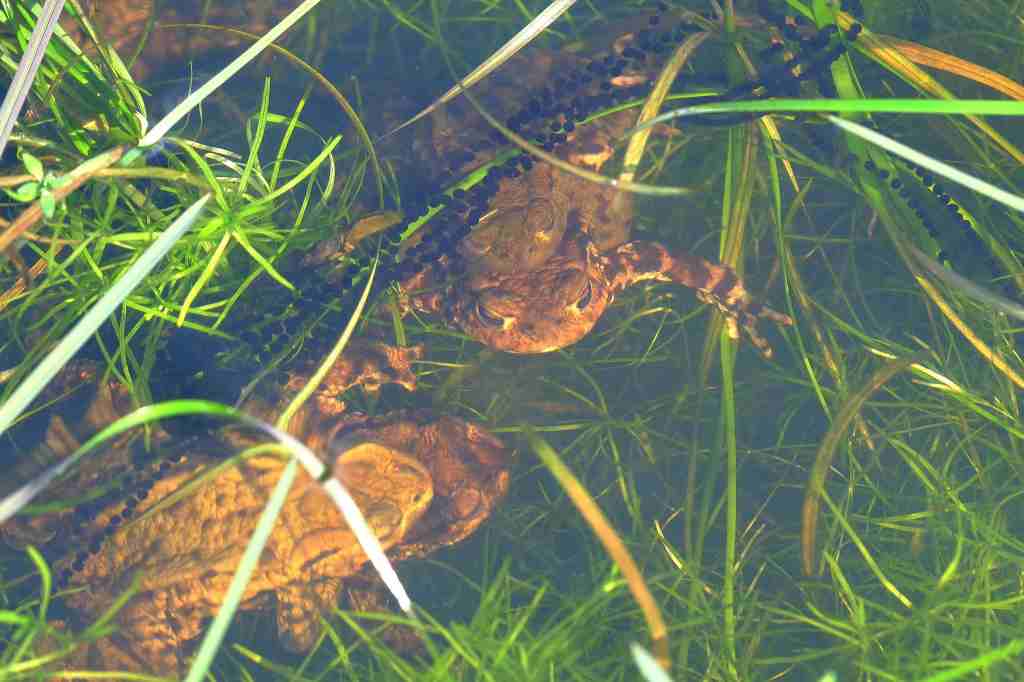
Toads are returning to their breeding ponds in the New Forest.
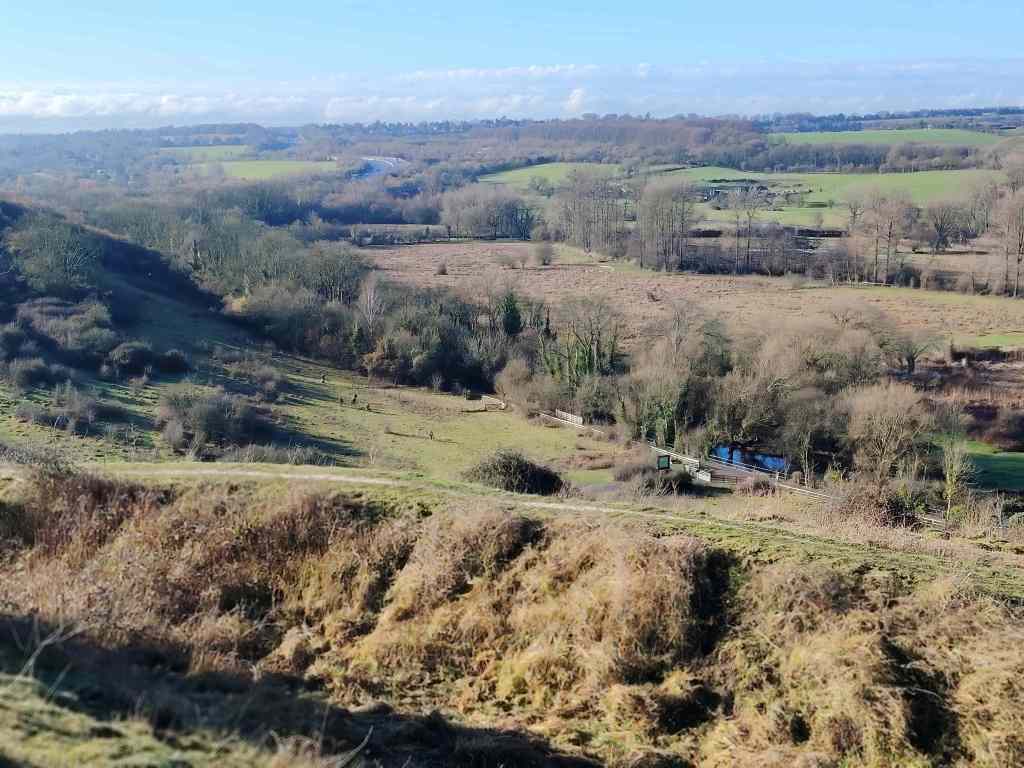
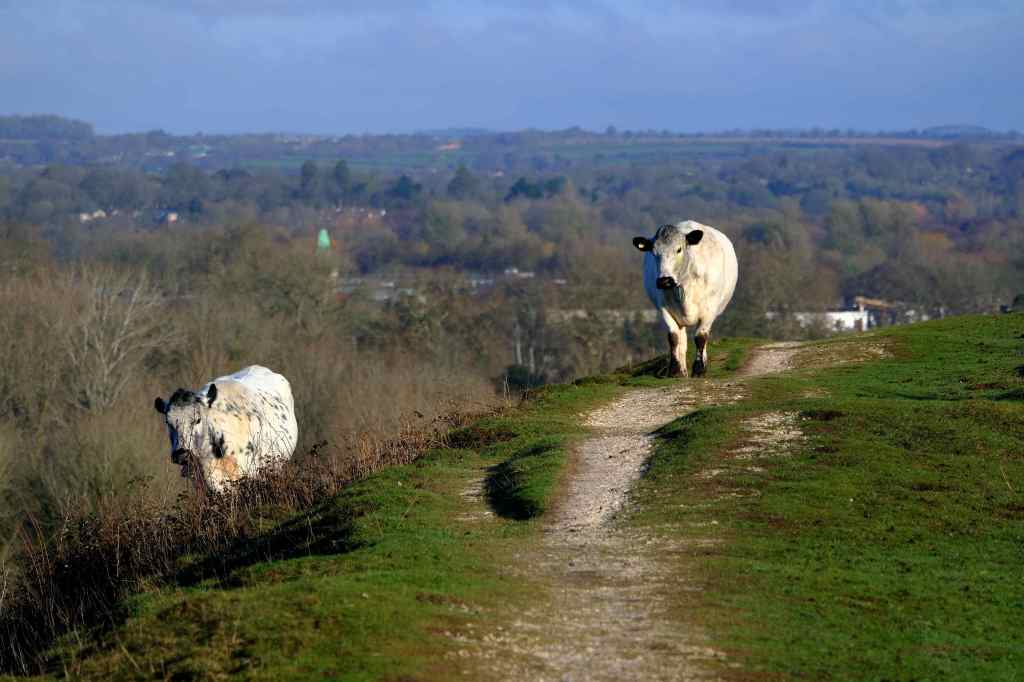
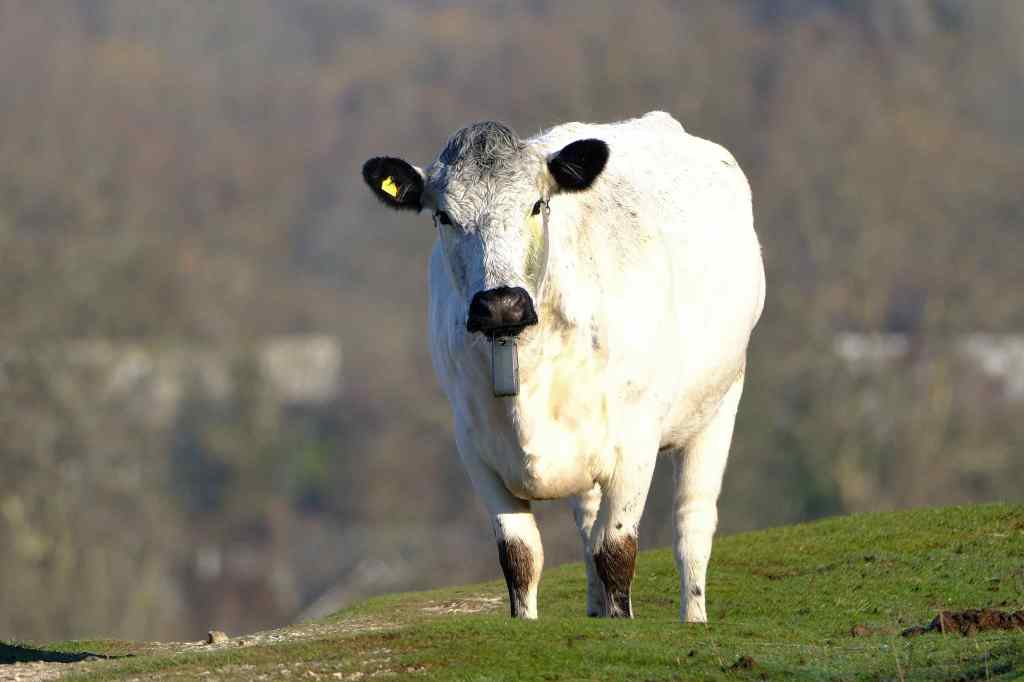
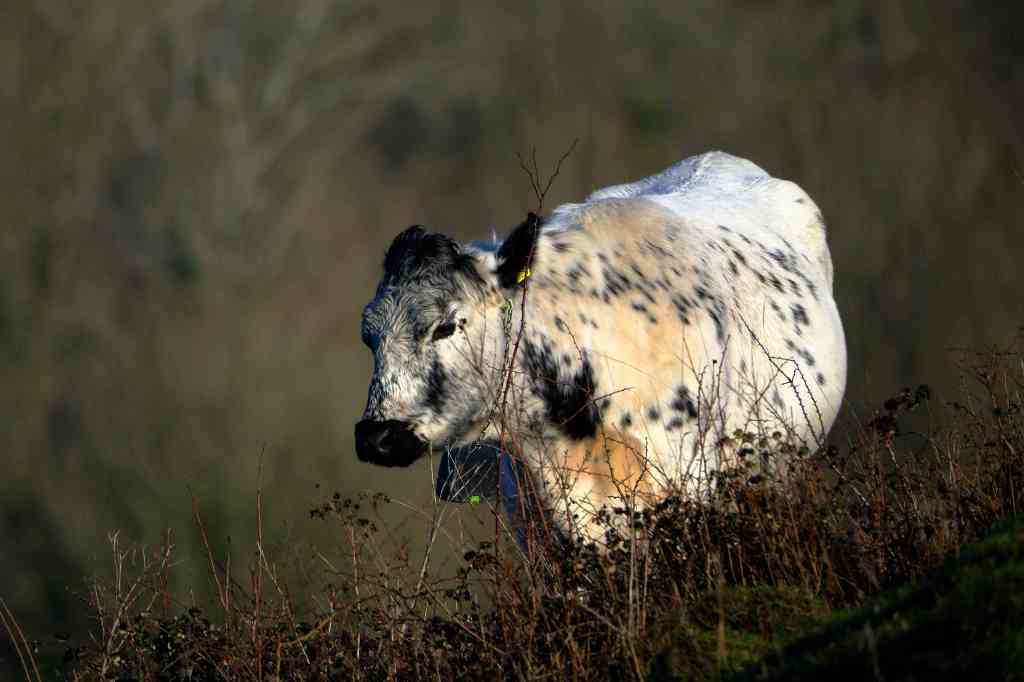
St Catherine’s Hill, Winchester, is a 58-hectare chalk grassland. It is a nature reserve managed by Hampshire & Isle of Wight Wildlife Trust. There are ramparts of the Iron Age hill fort cut into the 70m high hill, buried ruins of the Norman chapel that gives the site its name and several rectangular burial mounds along Plague Pit Valley, which mark the location of mass graves. It offers views over Winchester, the Itchen Valley and the surrounding countryside. As part of the management of the chalk grassland, cattle are used to help prevent scrub from building up.
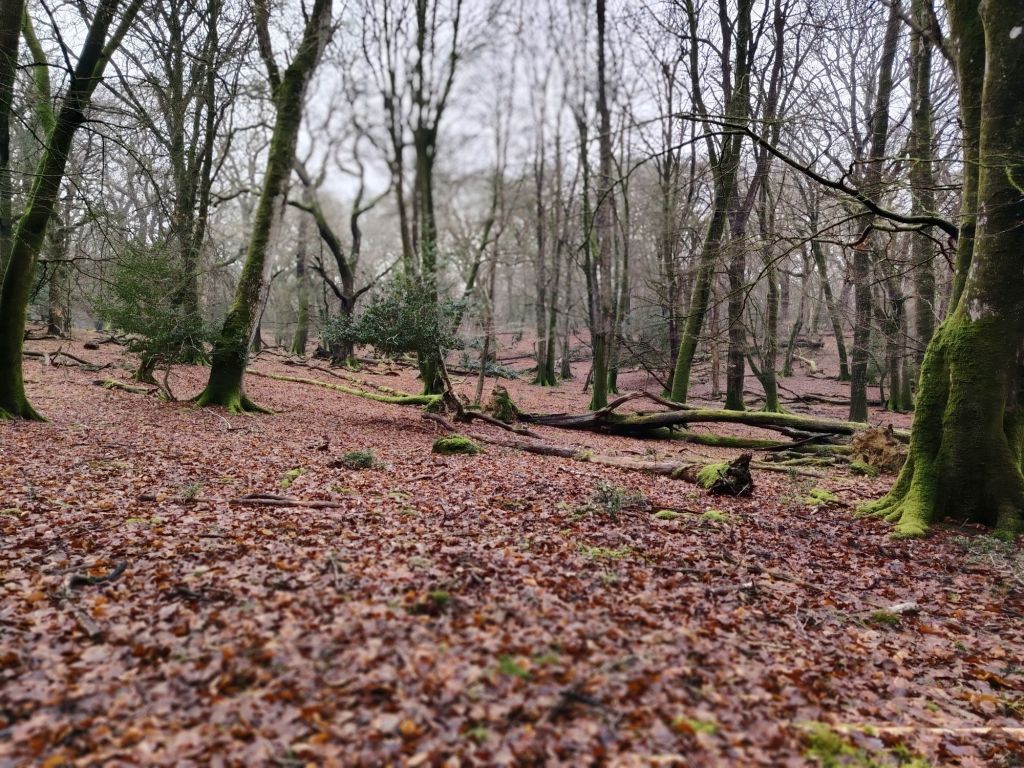
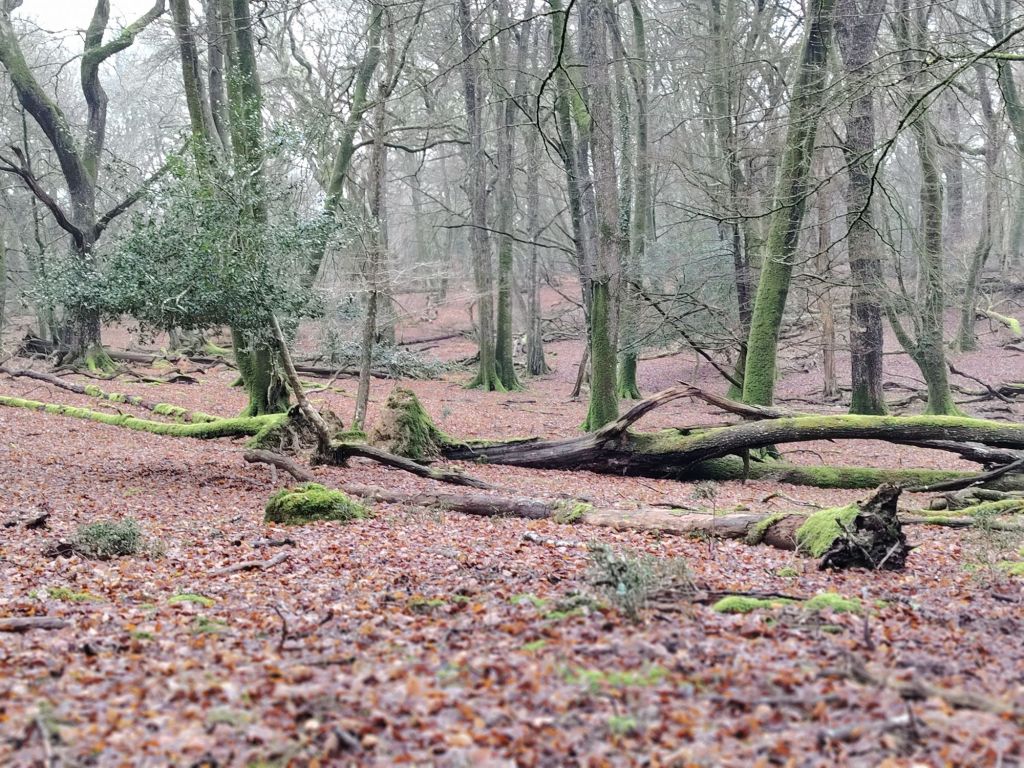
This time of year with long dark days of cold, damp and very wet weather little signs of the coming of a new season are starting to show.
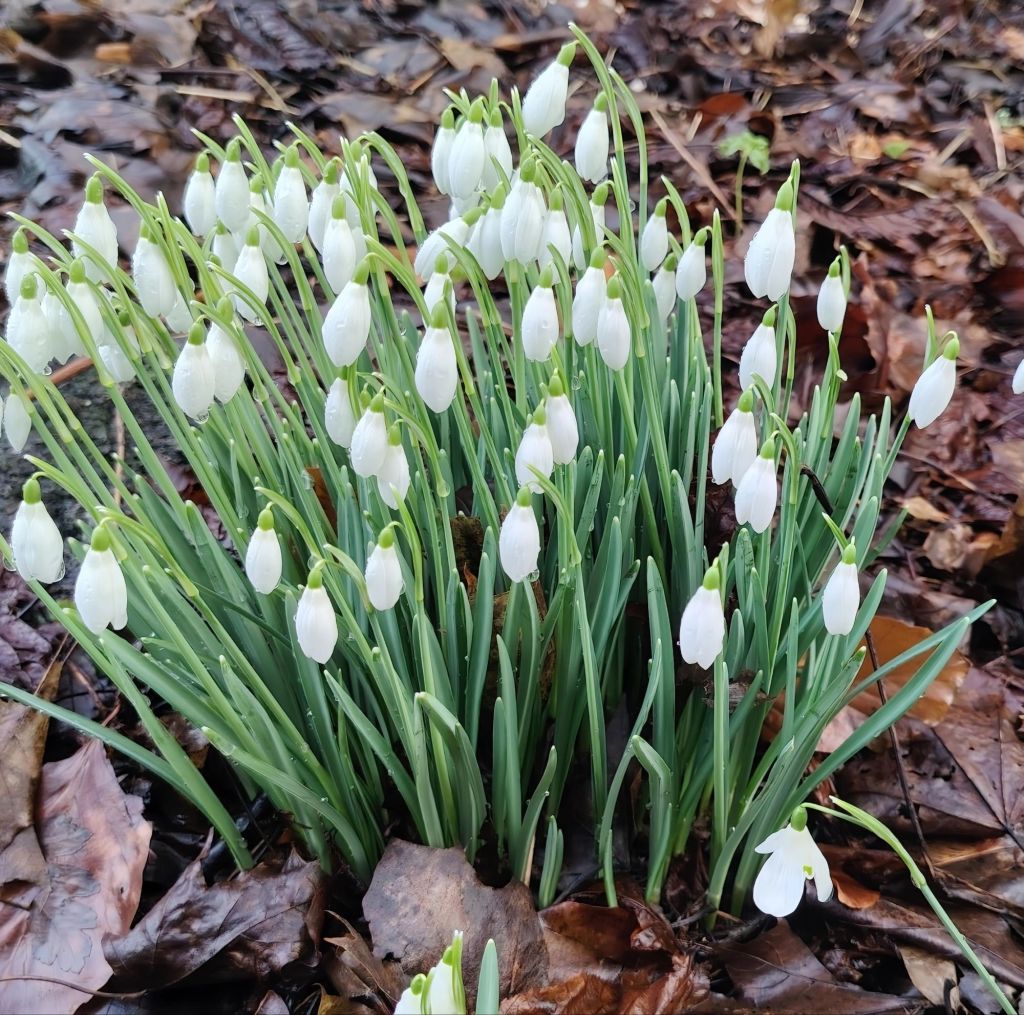
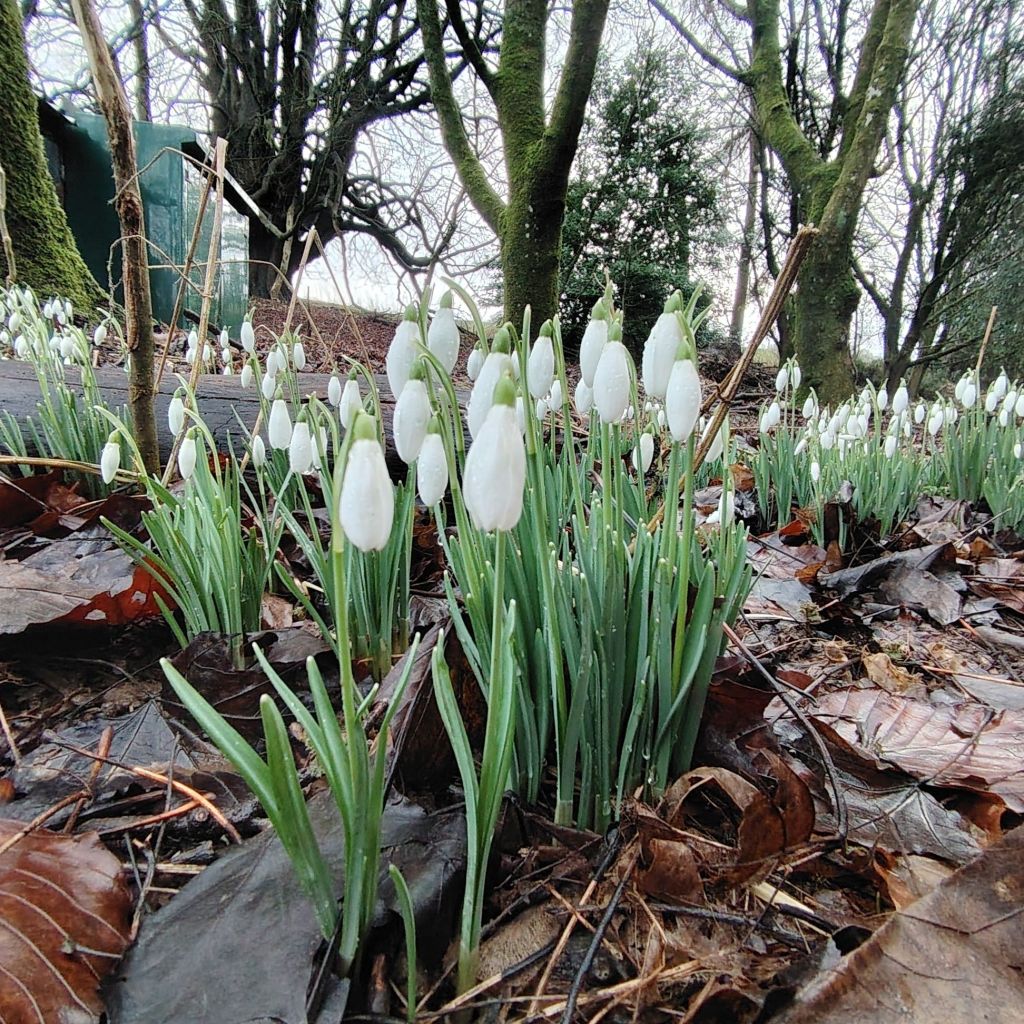
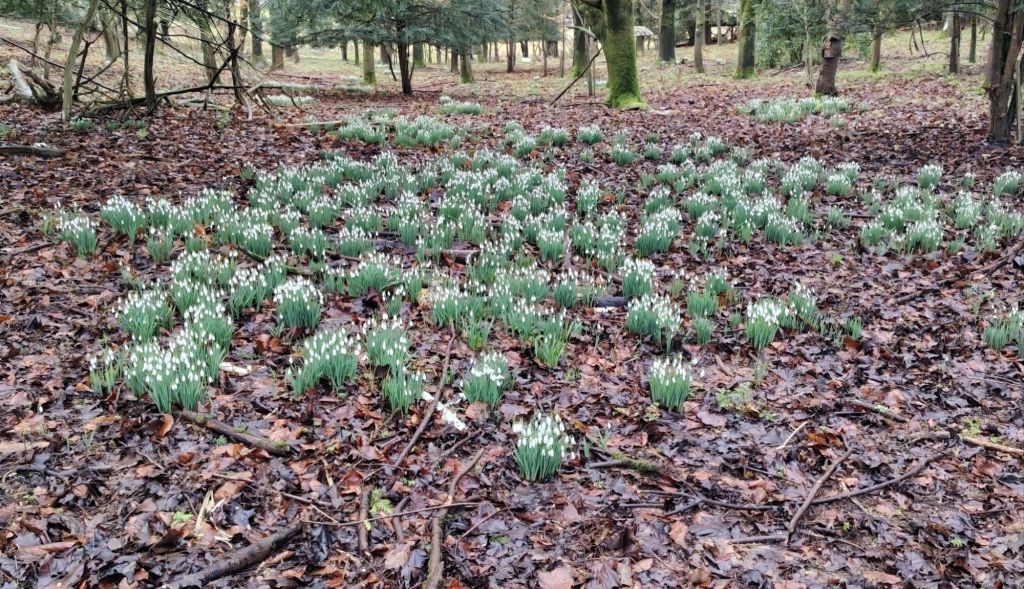
Snowdrops are a welcome sight.
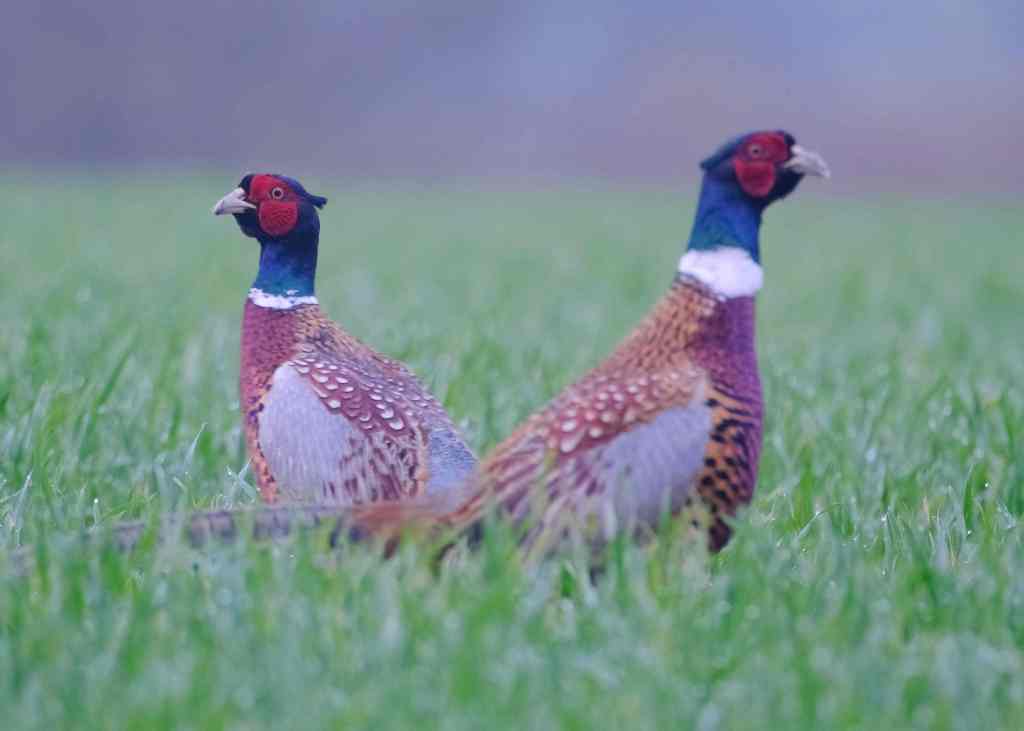
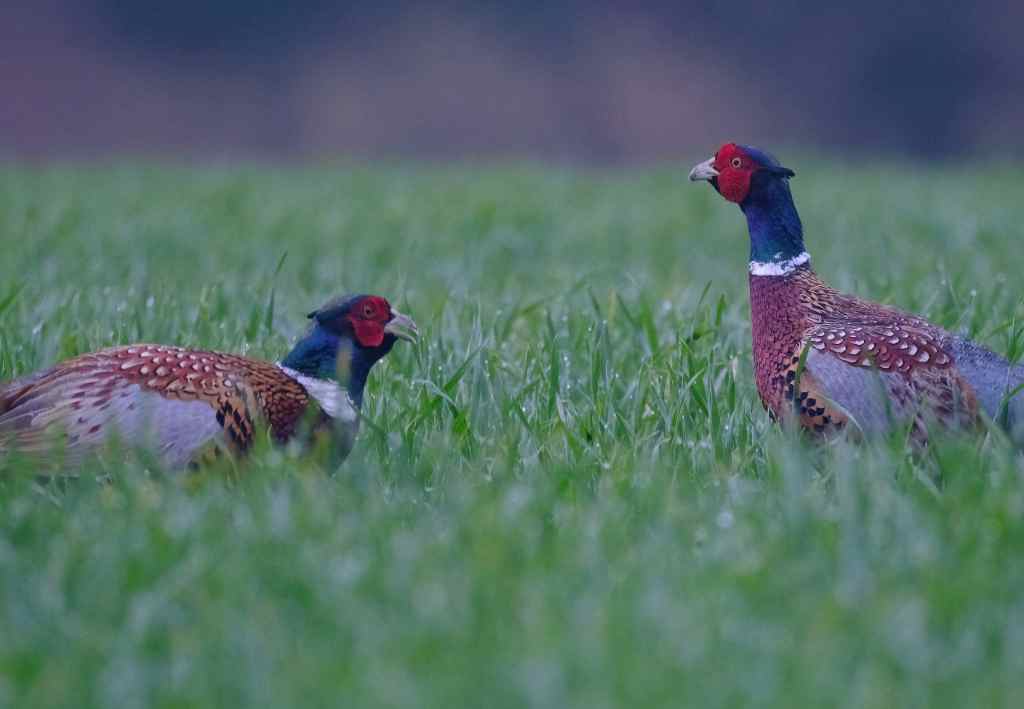
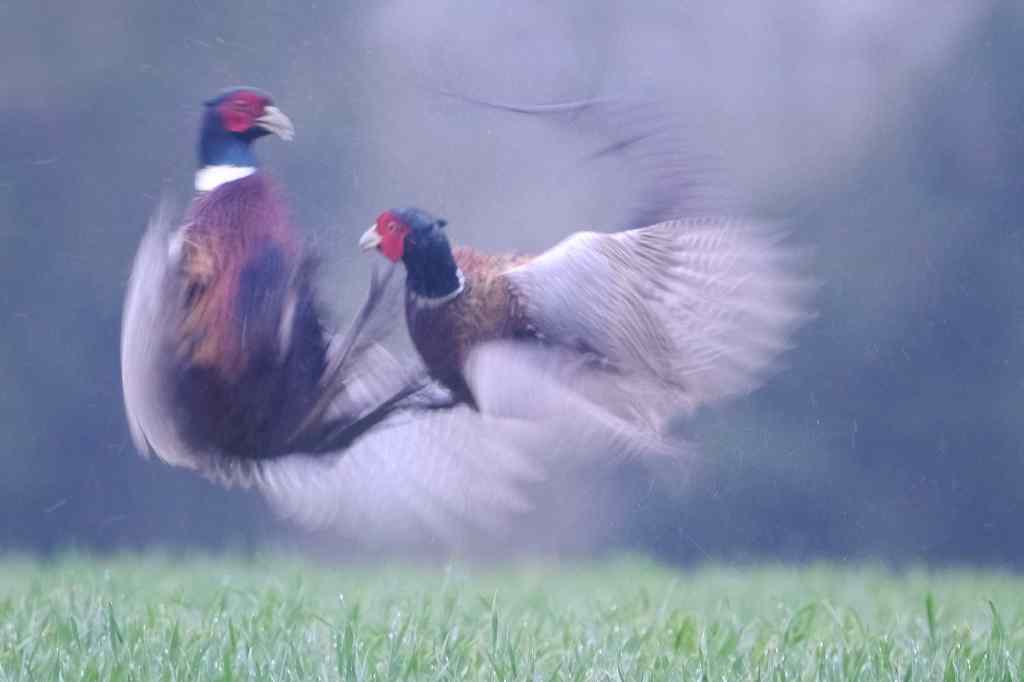
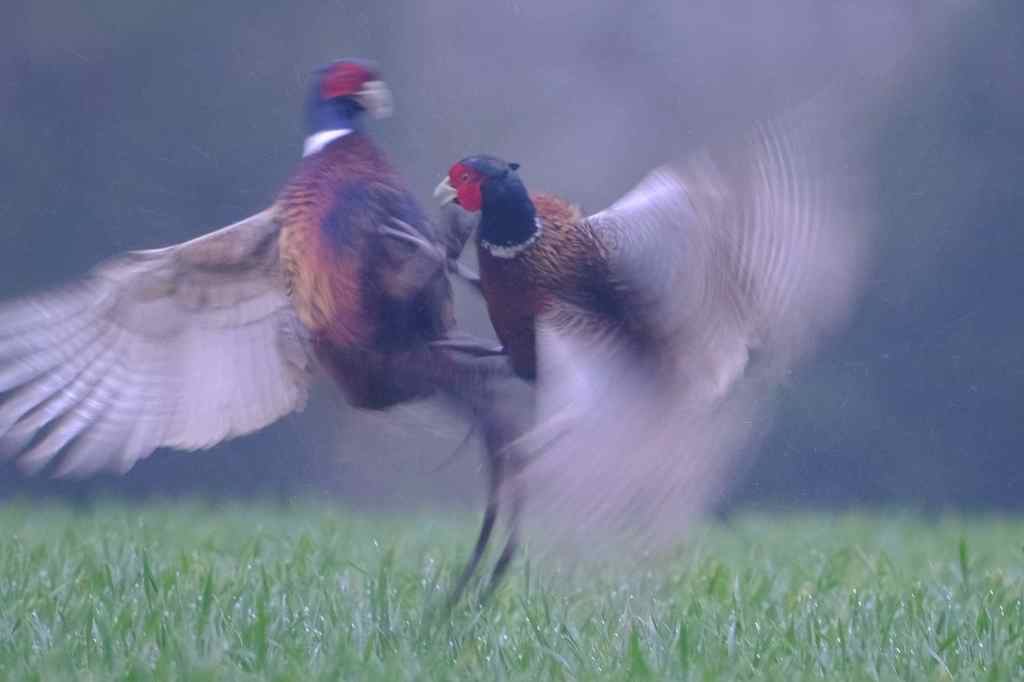
Two Male {cock} Pheasants squaring up to each other on the South Downs.

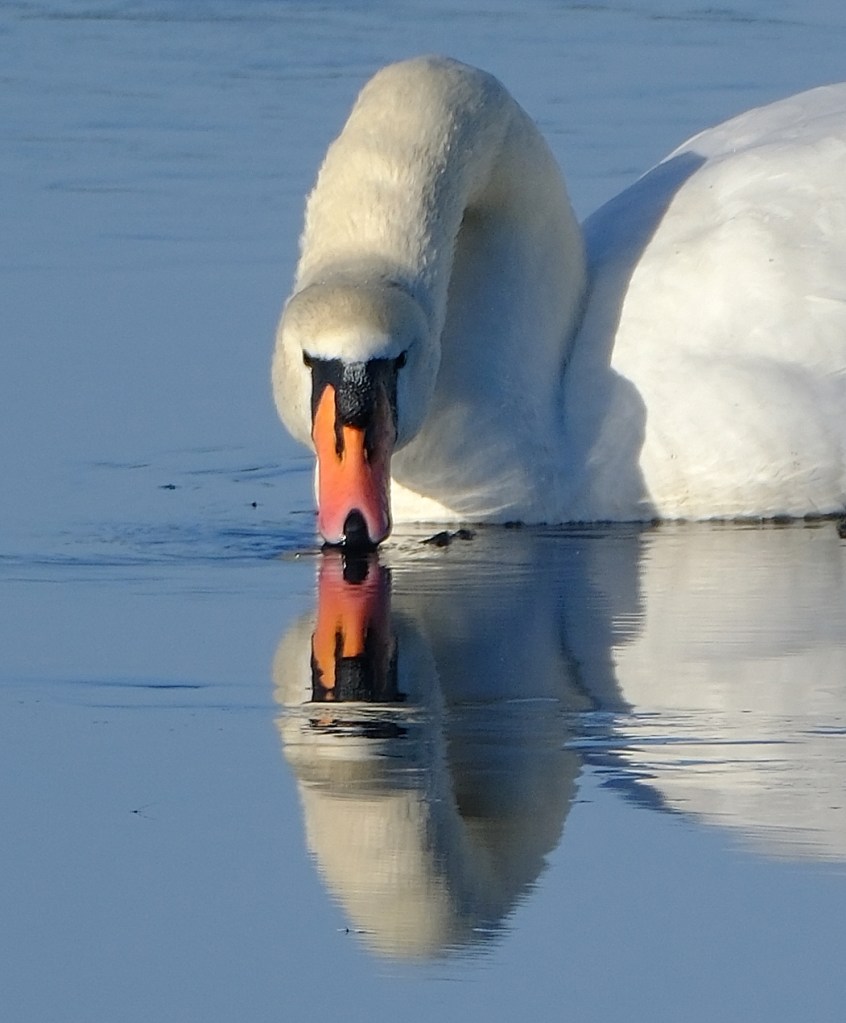
Monday, we had our 1st snowfall of the year, just a few centimetres, but enough to blanket the road and countryside for a few hours. By Tuesday morning, the snow had gone, but we were left with freezing temperatures and a lot of ice.
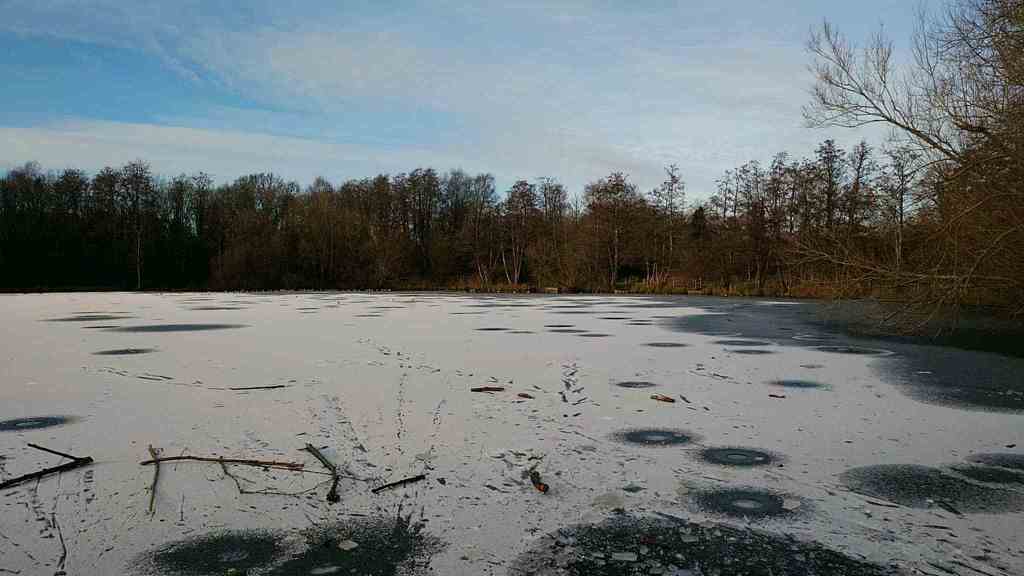
Frozen lake at Eastleigh. Just one corner with open water.
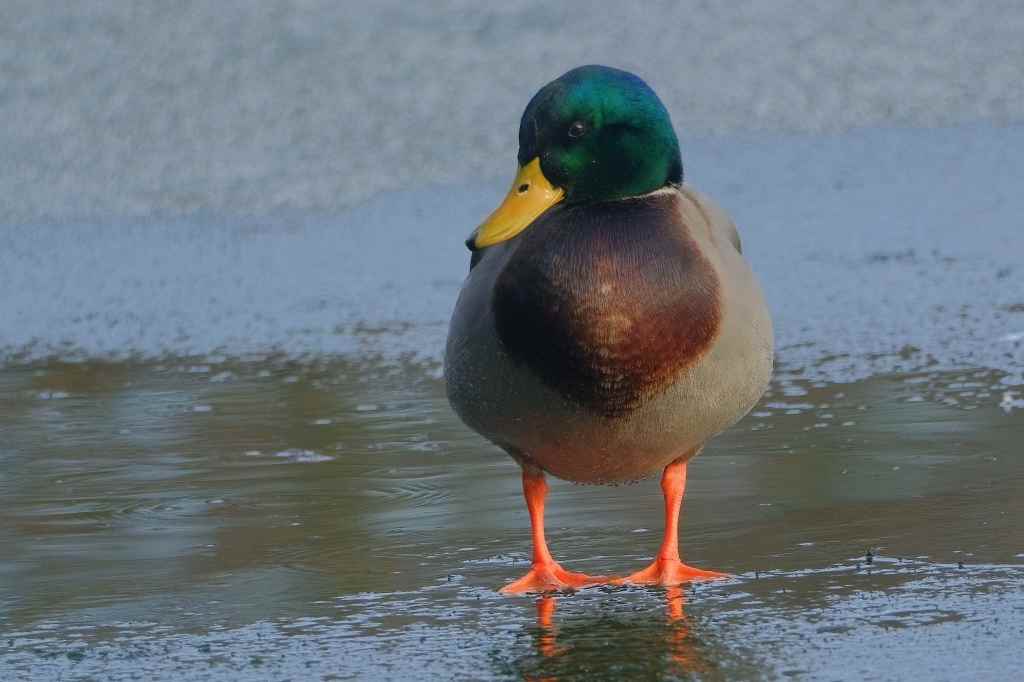
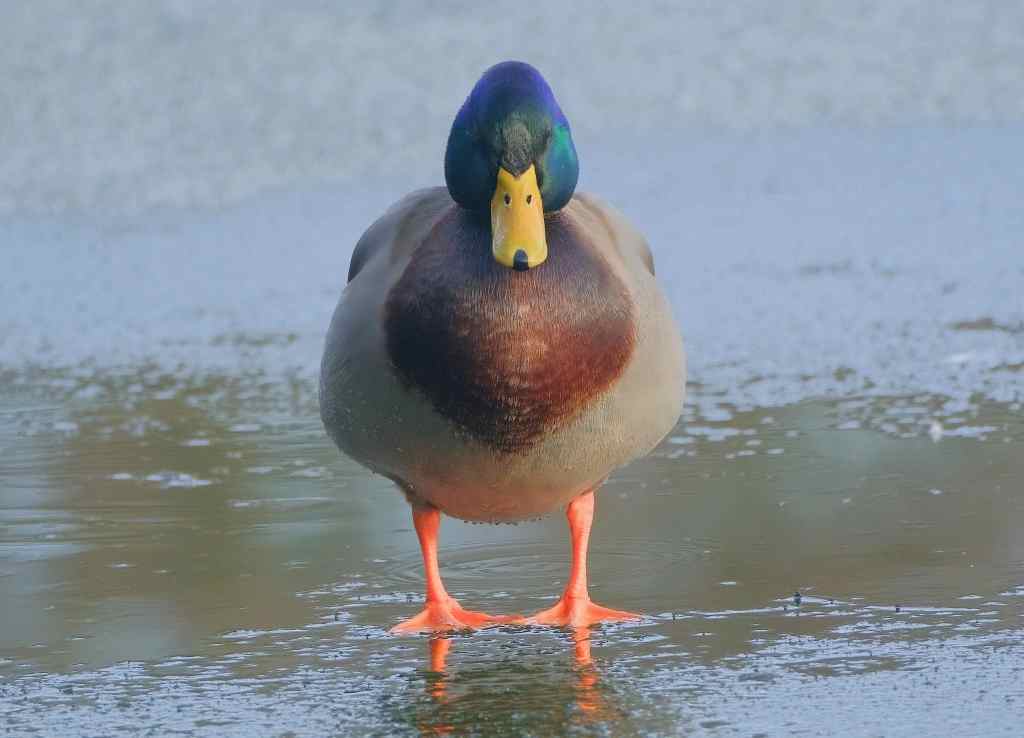
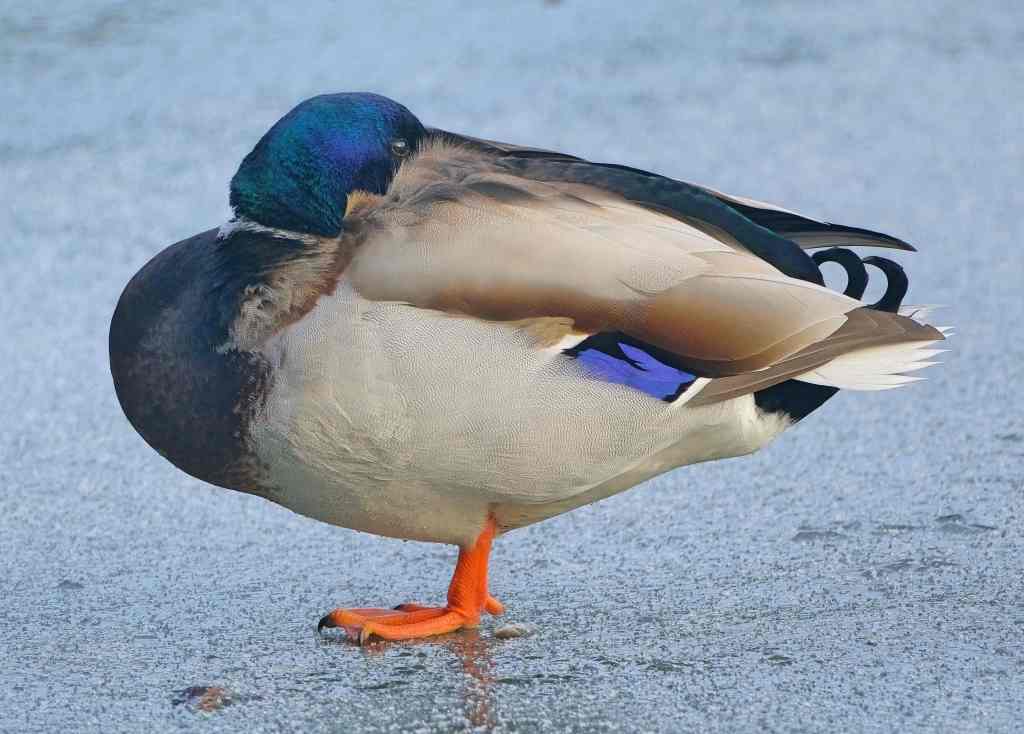
Drake Mallard on the ice.
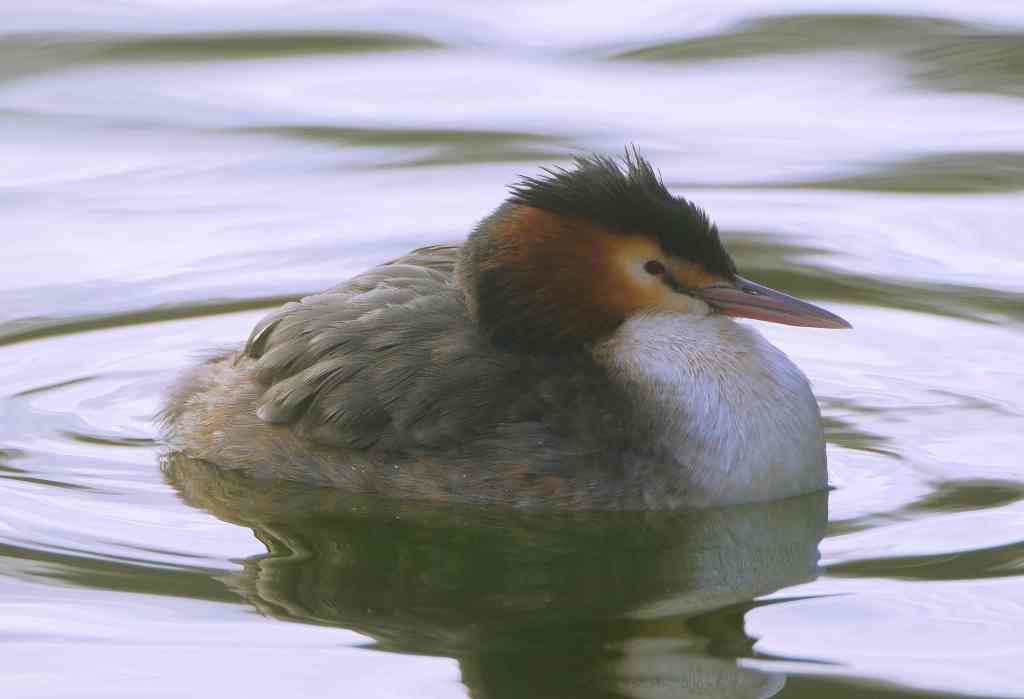
Great Crested Grebe. On open water.
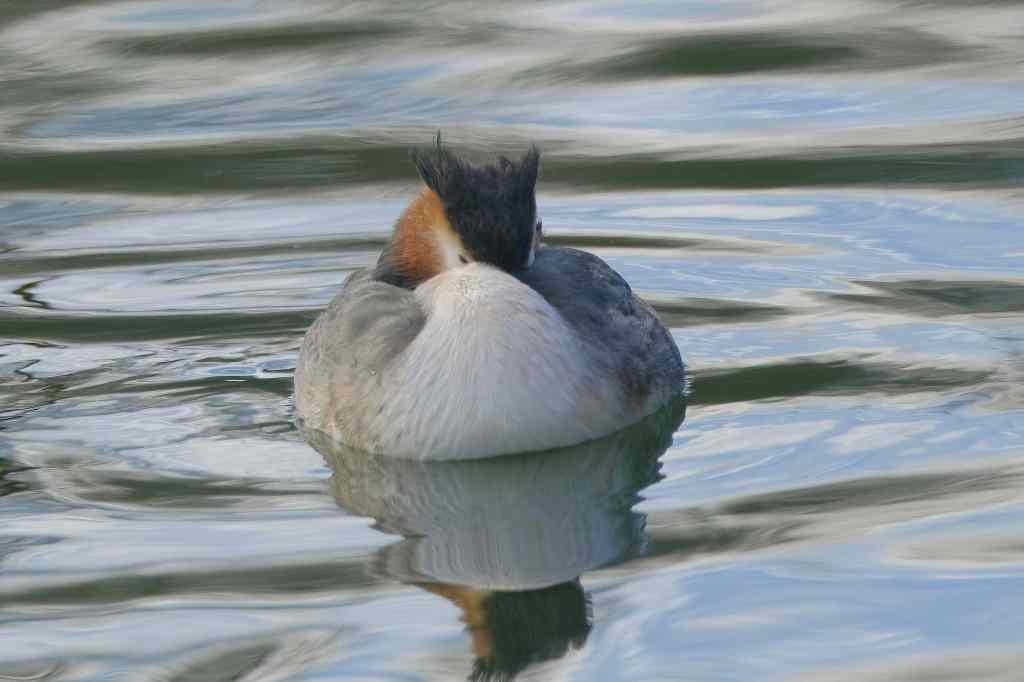
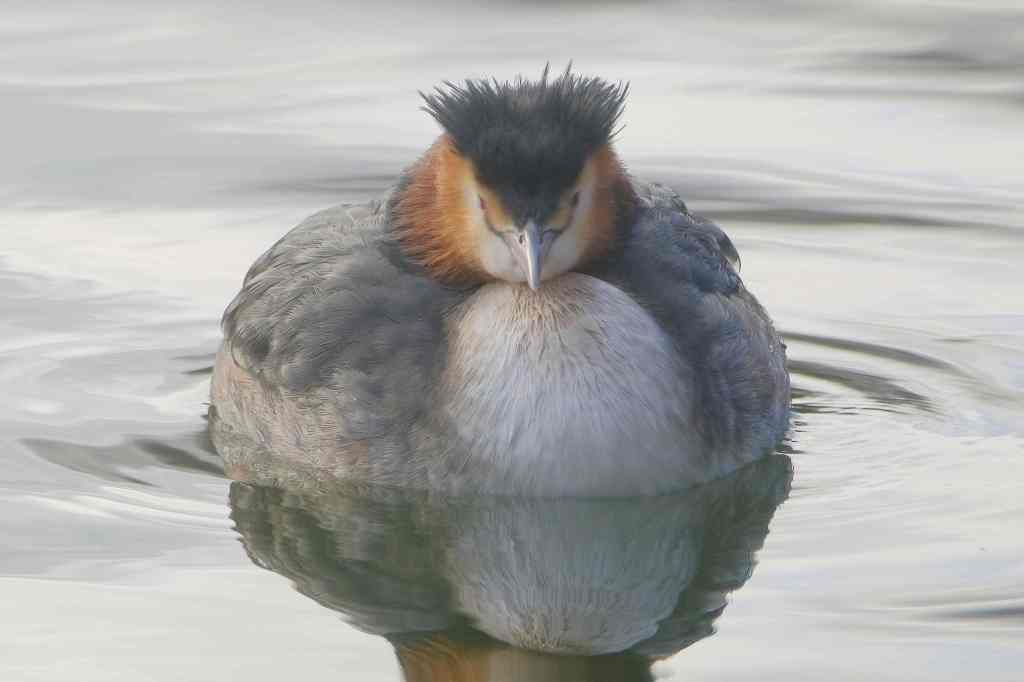
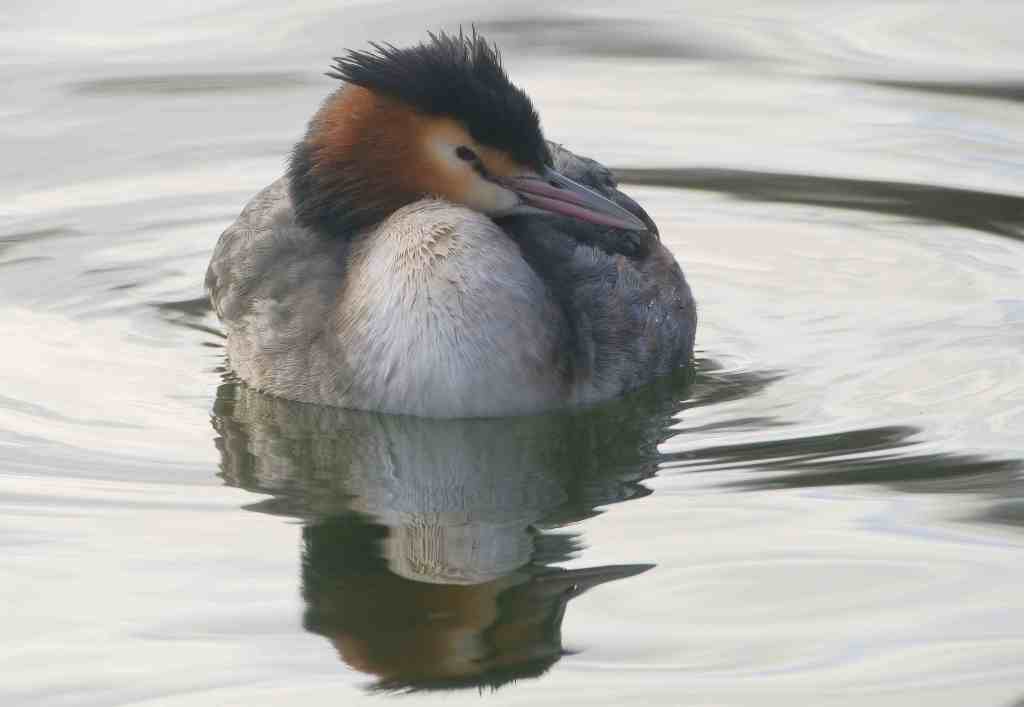
 Continued Reflections from my World.