Timeslip, Solent Spitfires.
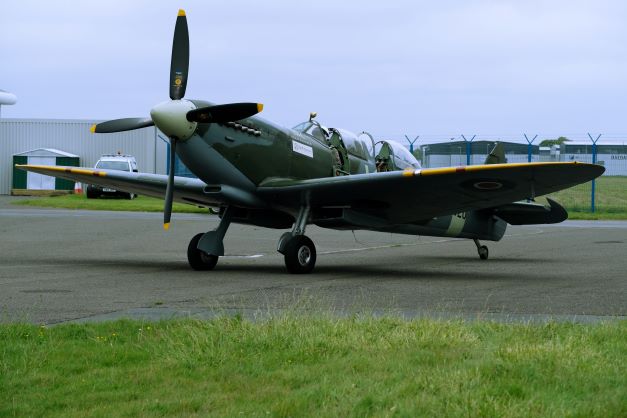
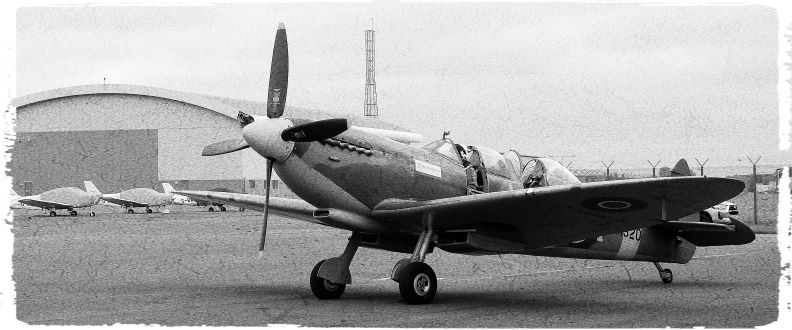
Spitfire at Solent Airport. Lee on Solent Hampshire.






Timeslip, Solent Spitfires.
Spitfire at Solent Airport. Lee on Solent Hampshire.
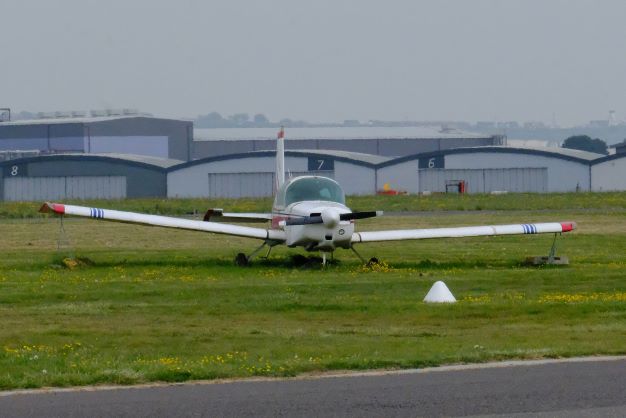
Solent airport’s origins date back to the First World War. In 1917 it was established as Royal Naval Air Station Lee-on-Solent (HMS Daedalus). Its first role was as a seaplane training base. During the Second World War a number of Naval Air Squadrons were posted or formed at Daedalus.
In 2006, whilst undertaking repairs to the runway, repair crews discovered an unexploded pipe bomb, which was over 60 feet long, placed underneath the runway during the war and was designed to destroy the runway of the airfield in the event of a German invasion. The pipe bomb and 19 others were subsequently safely removed.
Today Solent airport is a civil airport and the base for the Solents search and rescue helicopter.







Titchfield Abbey.
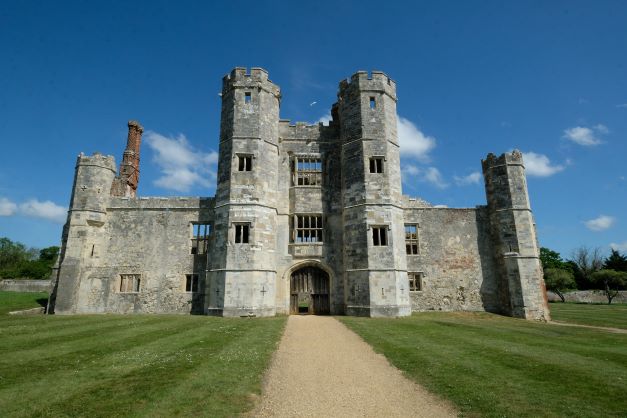
The Abbey of St Mary and St John the Evangelist was founded in 1231/2. At the Suppression of the Monasteries the abbey was granted in 1537 to Thomas Wriothesley, later 1st Earl of Southampton. He remodelled the abbey into a palace. Over the years Royal guests at the house included Edward VI, Elizabeth I and Charles I.
Thomas Wriothesley’s grandson Henry, 3rd Earl of Southampton, was a friend of William Shakespeare and it is said that some of Shakespeare’s plays were performed at Titchfield Abbey for the first time.
On the death of Henry, the palace passed through several families. Around 1781 in disrepair, most of the building was demolished for its building stone. Today the ruin is a scheduled monument in the care of English heritage.


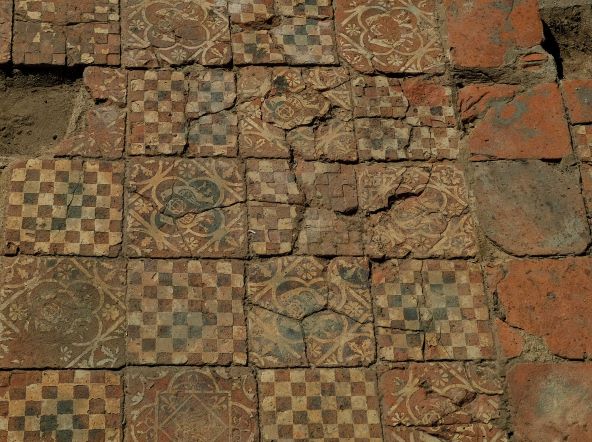
Medieval Floor tiles the tiles were covered up by the courtyard of the palace house, where they lay preserved for over 400 years. They were rediscovered during excavations in 1923. They are covered up over winter by English Heritage to protect them from the weather.


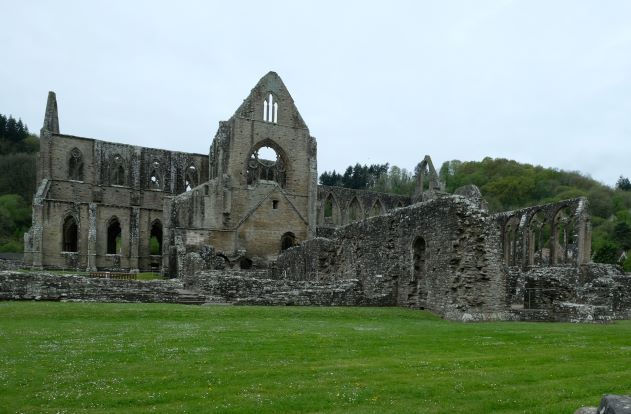
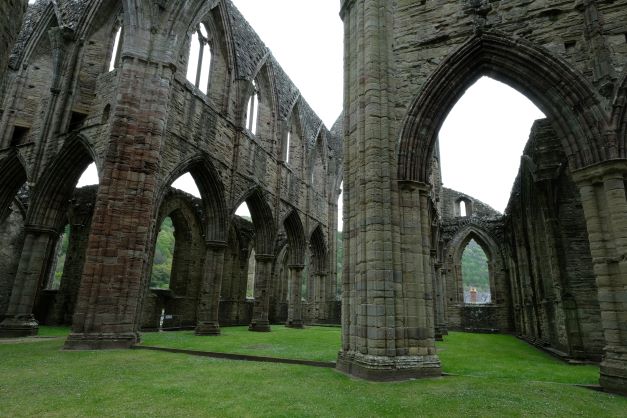
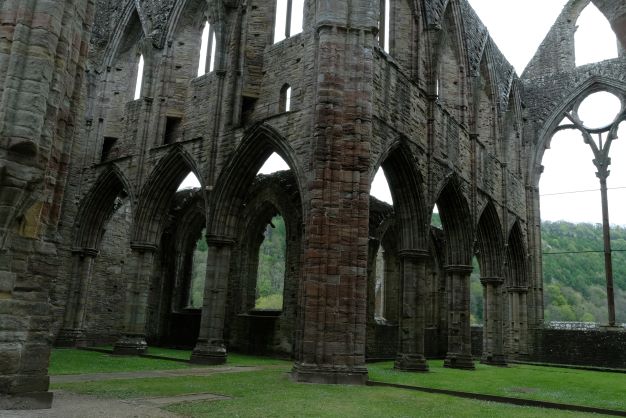
Tintern Abbey was founded in 1131 by Cistercian monks, standing on the banks of the River Wye is now a romantic ruin and is a natural place to stop if you are traveling into Wales via the old Severn Bridge and heading for the A40. We stop here for the toilet and a cup of tea on most trips into Wales.



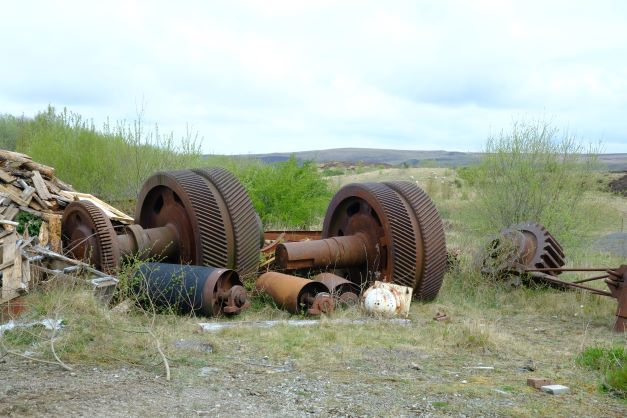
Coal mining in Wales is an industry of the past and the scars of mining litter the landscape. The black seams of coal became too expensive to mine and carbon-based fuel lost favor as a form of energy. Big Pit today is the National Coal Museum of Wales. The pit was a working coal mine from 1880 to1980. Big Pit is part of the Blaenavon Industrial Landscape a World Heritage site.

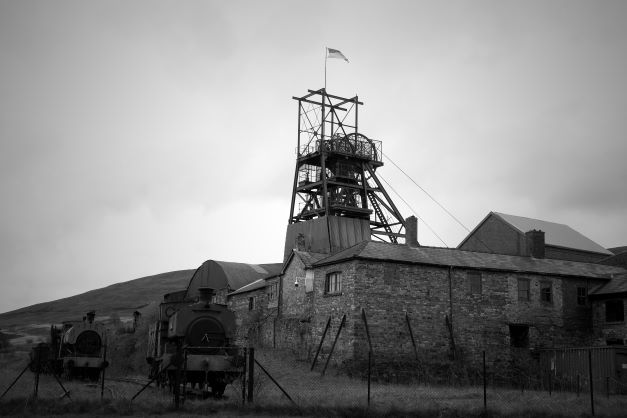
Big Pit has a depth of 300ft – underground tours are available which I have done in the past but due to covid, I decided to stay in the open air on this visit. At its peak in 1923, this one mine employed 1,399 in coal production.
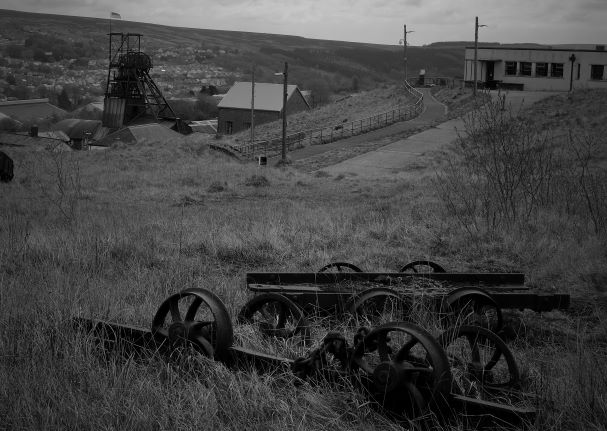


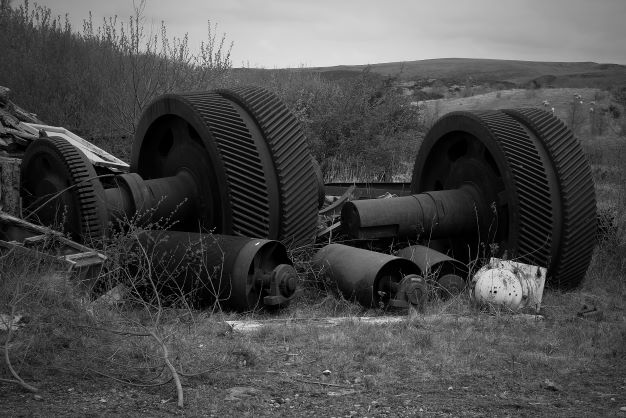
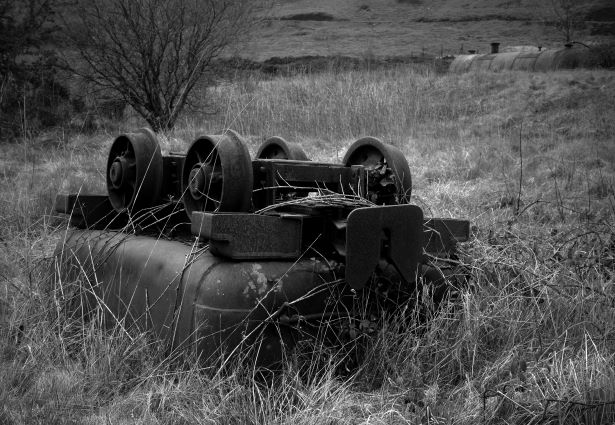

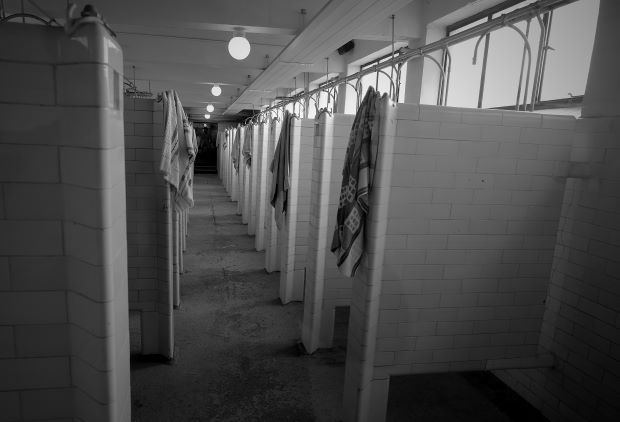
Lockers and Shower block.

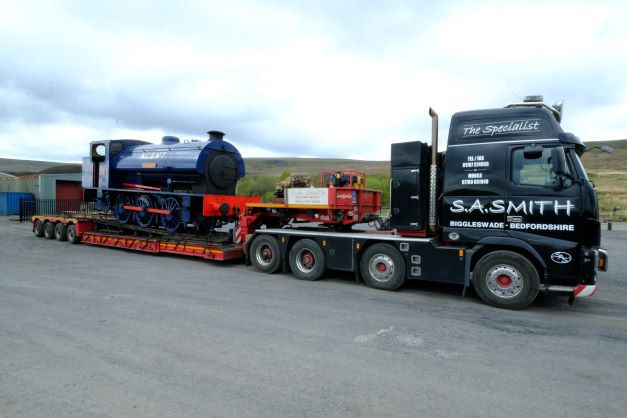
Restored locomotive being returned to the museum site.
Some facts:- In 1913, 232,000 men worked in 620 mines. The largest number of men ever to work in the Welsh coal mines was 271,000 in 1920.
Another walk along the River Hamble today – yesterday we had a flurry of snow although it did not lay this morning’s walk was bitter with a biting wind blowing down the river.


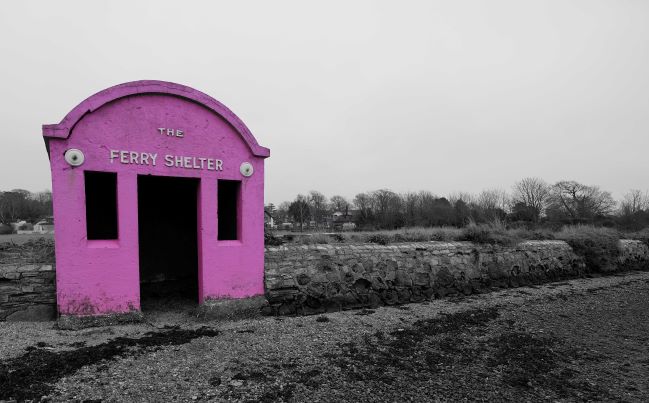
The ferry on the Hamble between Warsash and Hamble-le-Rice today is an ‘on-demand’ passenger ferry service is summoned via mobile phones – when my boys were small you had to jump up and down until the ferryman spotted you. What has also changed is the waiting shelter on the riverbank and the ferry which are all today painted a bright pink were then blue.
Records show there has been a ferry on the site dating back to 1493 when the crossing was part of a pilgrim’s route. The ferry now provides a link for local, and national footpaths such as the Solent Way and the National Cycle Route 2.
A pair of Shelduck on the mud they are large ducks that are about the size of a small goose.

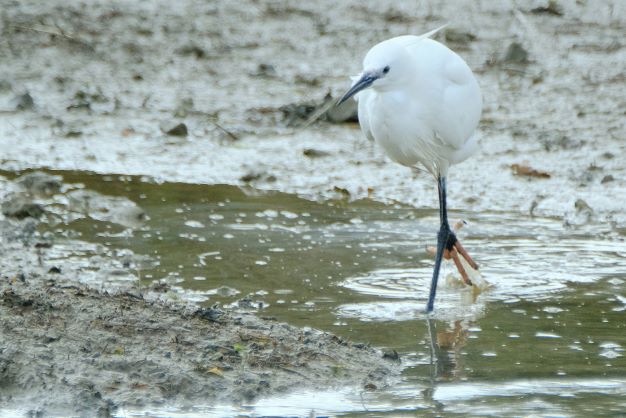
A Little Egret fishing as the tide comes in.

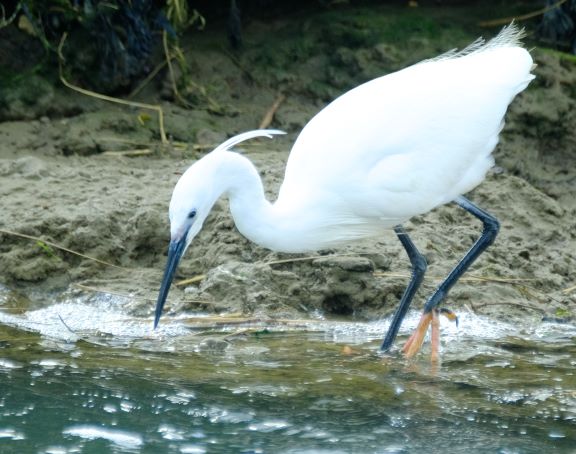

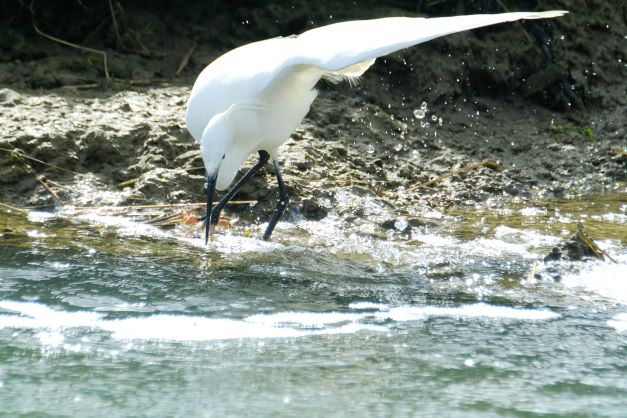

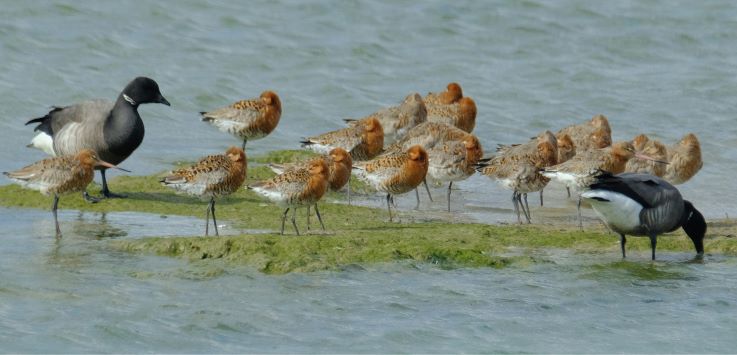
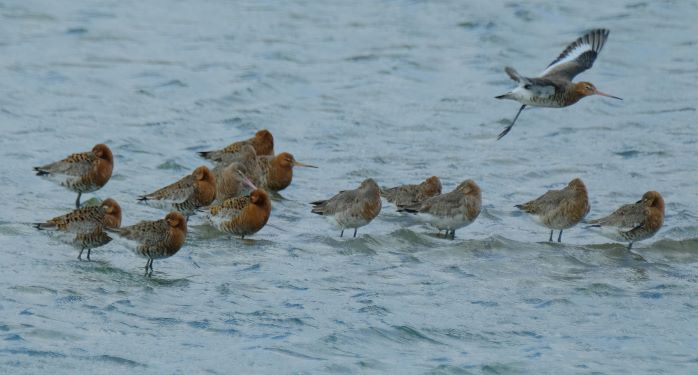
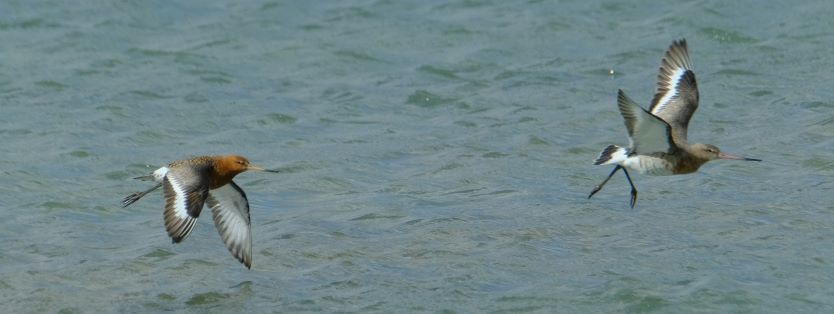
Black-tailed Godwits (+ a couple of Brent Geese) holding onto the last part of the land as the tide comes in.


Edit extra picture from one of my previous blogs. Ferry waiting hut.
Camper van trip {Pt 6}
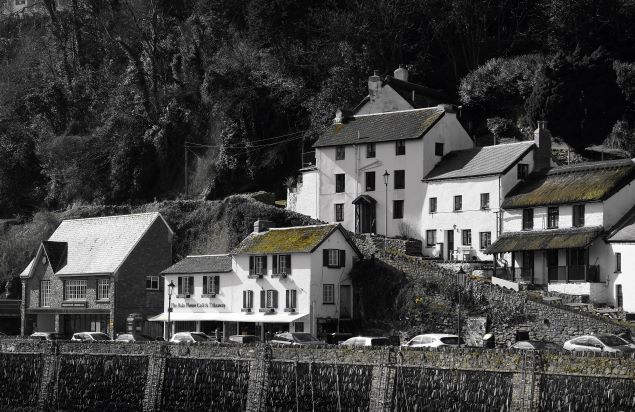
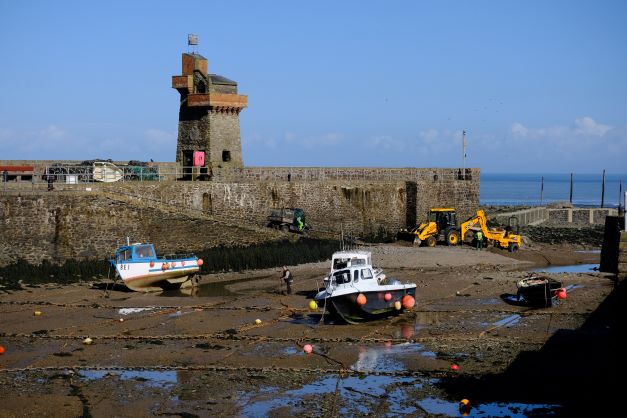
Mixed views from a few days away.
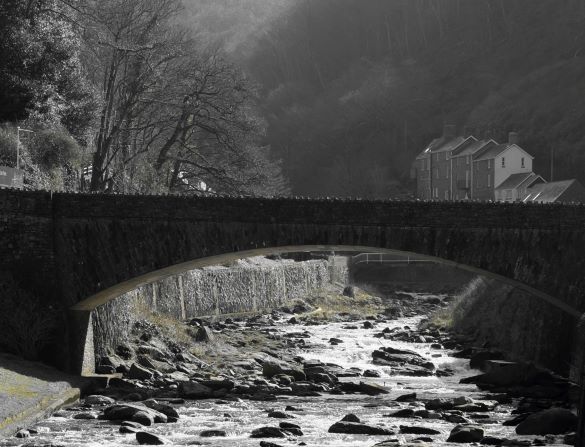
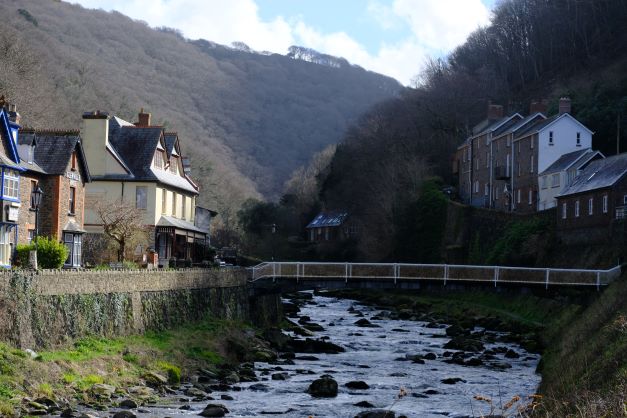
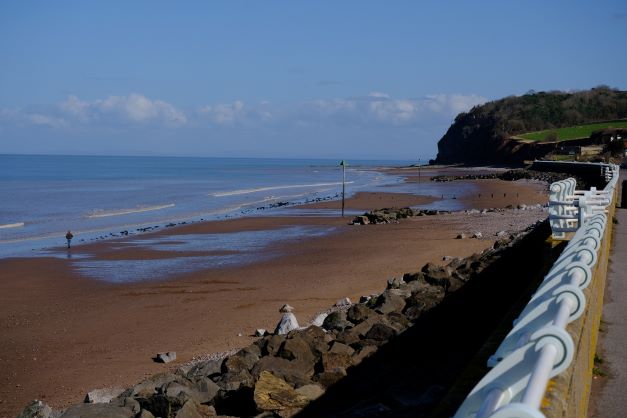
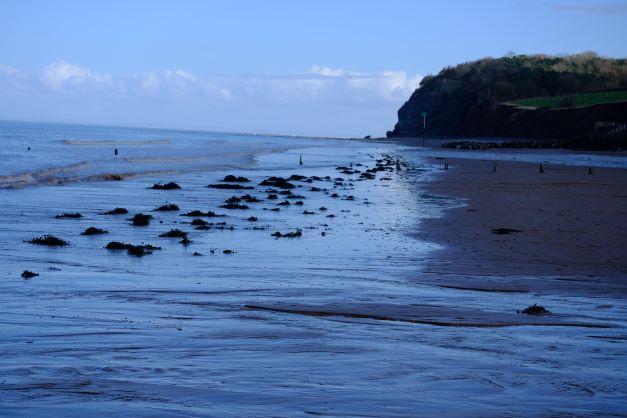
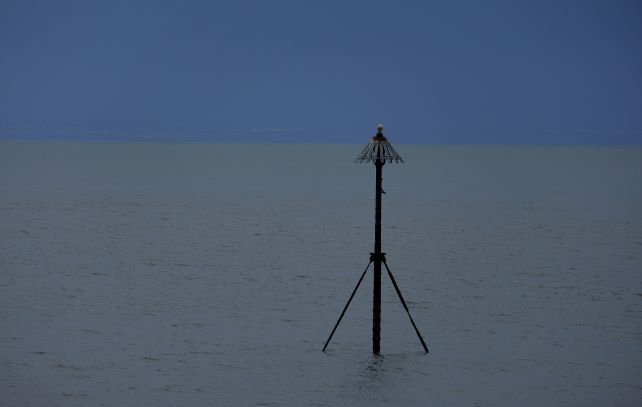
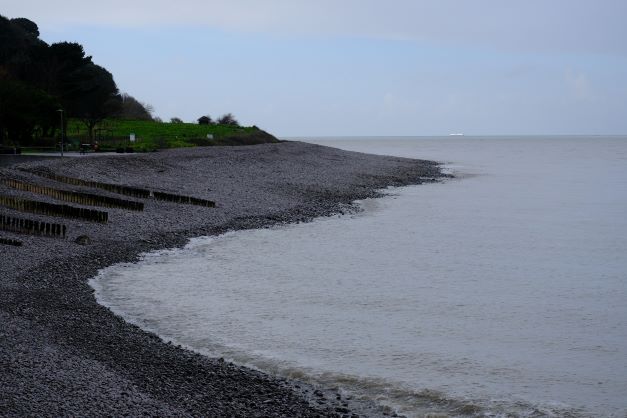
Views along the coast views of the sea at Blue Anchor and Minehead.
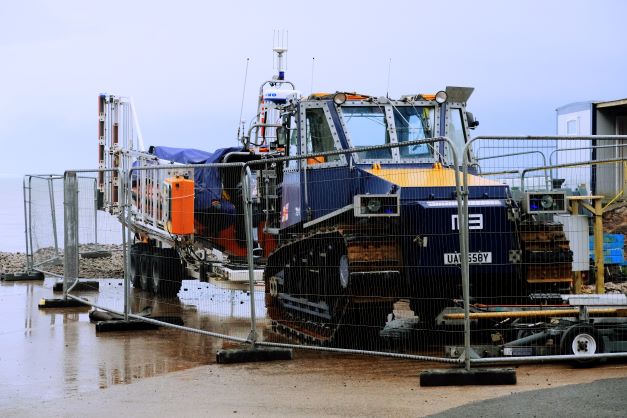
Minehead RNLI B Class rigid-hulled lifeboat and launch tractor are housed in the car park while the 1901 lifeboat house is being refurbished and extended – always ready for the call.

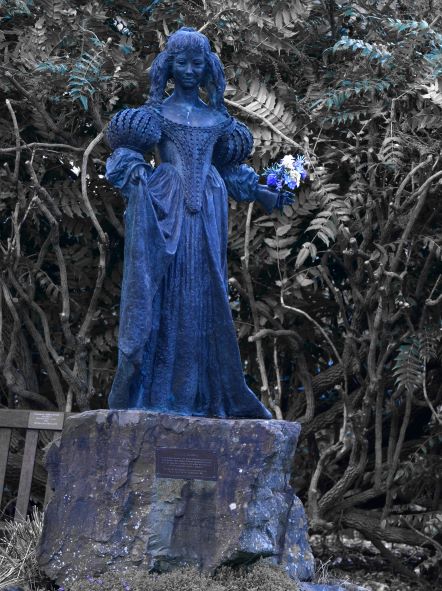
Statue of Lorna Doone at Dulverton. Lorna Doone a Romance of Exmoor is a novel by author Richard Doddridge Blackmore, published in 1869. It is a romance based on a group of historical characters and set in the late 17th century in Devon and Somerset, particularly around the East Lyn Valley area of Exmoor.
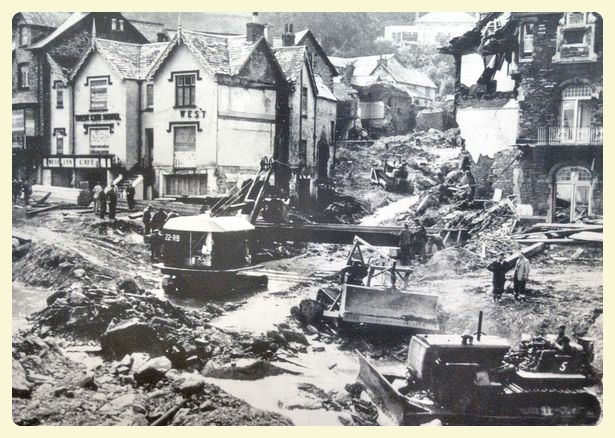
footnote flood pictures.
Camper van trip {pt 5}
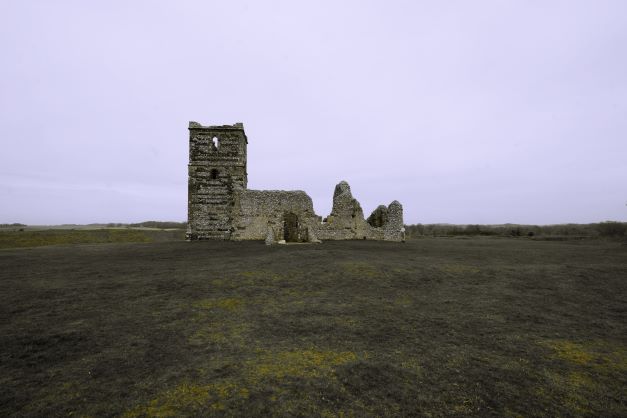
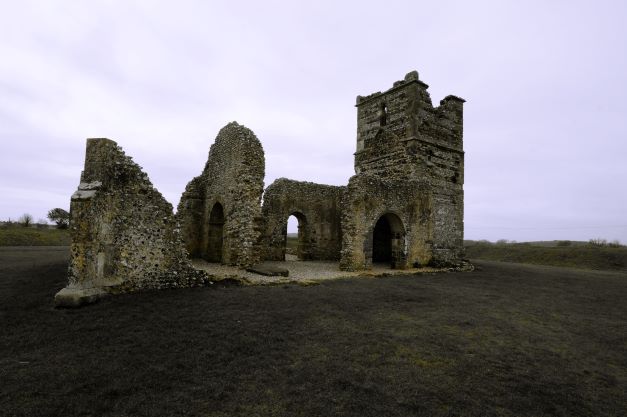
On the way home after our trip away, we stopped at Knowlton Church And Earthworks (a usual stopping place for us). Situated near the village of Cranborne in Dorset it is on a route we regularly take to avoid the city of Salisbury where there is a traffic bottleneck. The site is now in the care of English Heritage. It is an interesting historic site with a ruin of a 12th-century Norman Church situated at the centre of a Neolithic henge earthwork. Like other Christian sites, it symbolises a transition from much older sites of importance and pagan worship to Christian worship.

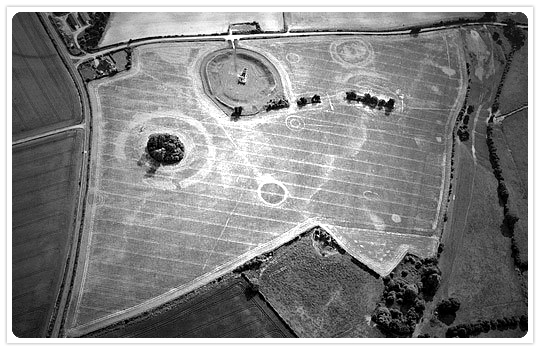
As well as the main earthworks the landscape around the church is a part of a larger Neolithic and Bronze Age ceremonial area most of which can now only be seen from aerial study as crop marks.


Below a picture that was taken from online shows an overview of the area and its features.
Camper van trip {Pt 4}.

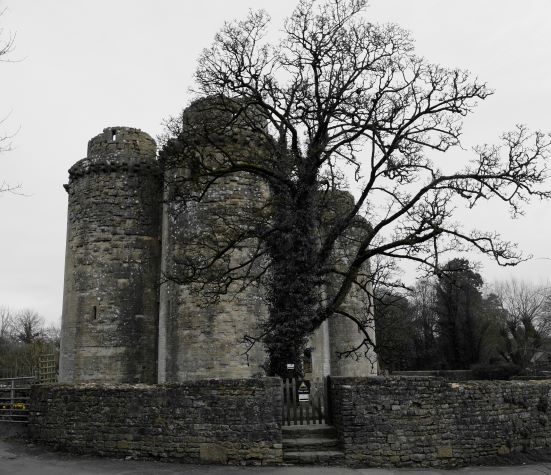
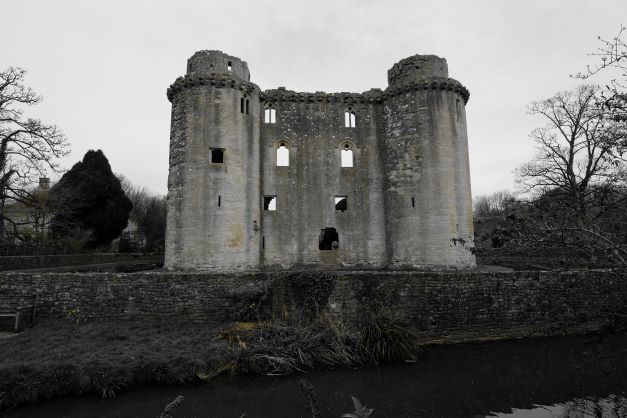
Nunney Castle in Somerset dates from the 1370s. It was built for Sir John de la Mare, a local knight. His castle was inspired by French castles seen on campaigns. The castle was modernised in the late 16th century, the castle was besieged and damaged by the Parliamentarians in 1645, during the English Civil War.
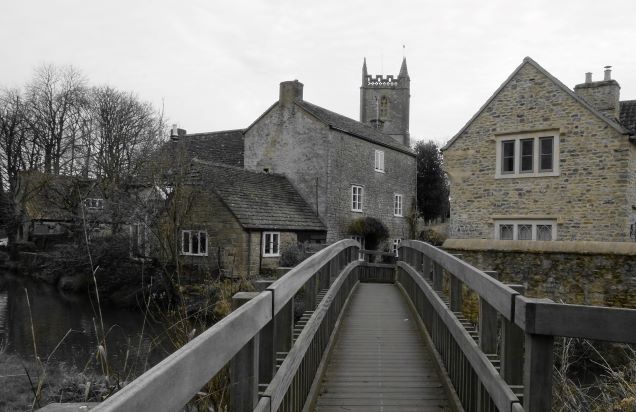
Today the ruin is picturesque the moated tower is well preserved and dominates the centre of the village.
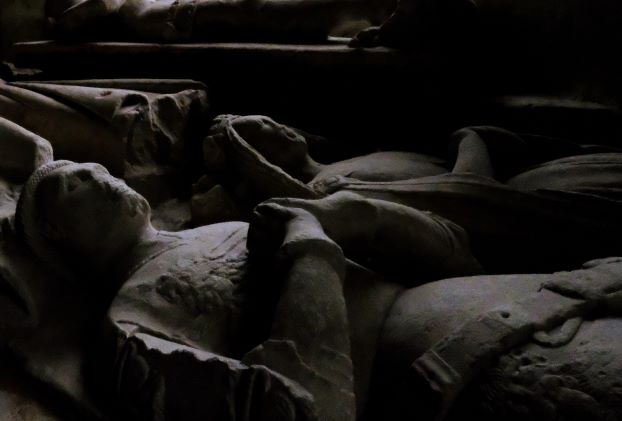
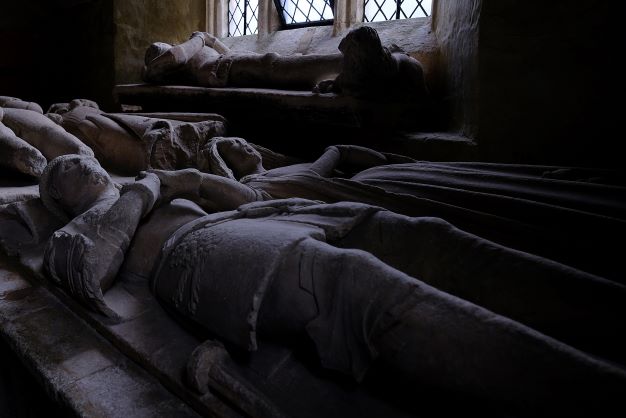
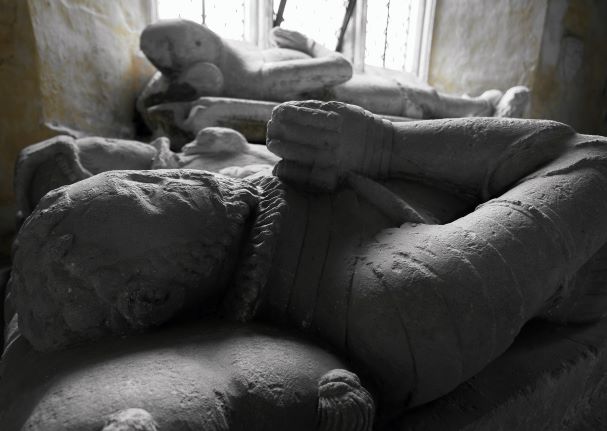
Sir John de la Mare and other lords of Nunney Castles are buried in the village church. The Church is a grade1 listed building dating from the 12th century it is said it was built on the site of an earlier church dating from an earlier Saxon or Norman Church.

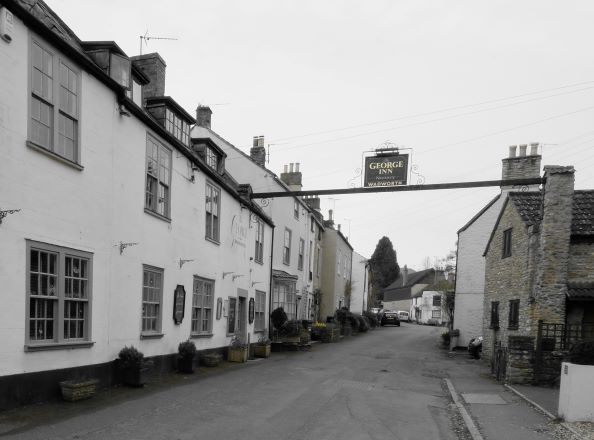
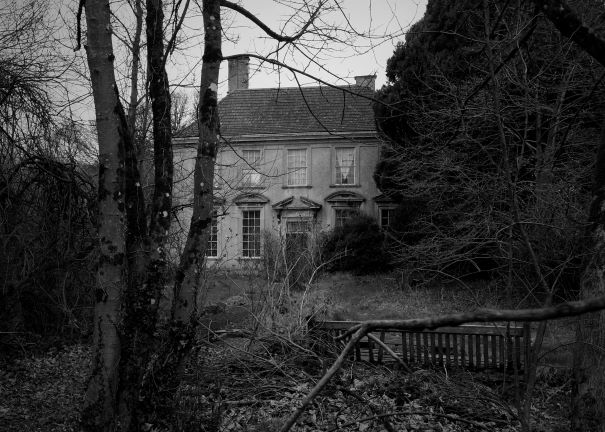
Some views of Nunney Village.
Thinking of Ukraine at this difficult time and hoping for peace.
Back in 2014 on our 1st camper van tour of Scotland, we headed for the Lockerbie memorial garden the memorial to Pan Am Flight 103. On 21st December 1988 shortly after 19:00 while the aircraft was in flight over the Scottish town of Lockerbie, it was destroyed by a bomb that had been planted on board, killing all 243 passengers and 16 crew in what became known as the Lockerbie bombing. Large sections of the aircraft crashed in a residential street killing 11 residents.
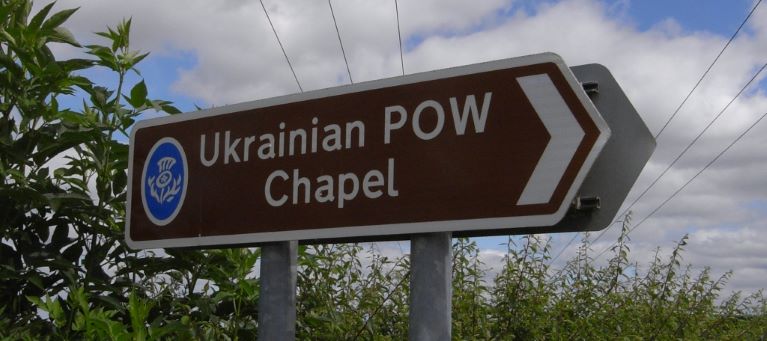
After leaving the town we saw a road sign to Ukrainian POW Chapel so we followed it to find out more. Away from the town were remains of a few huts (which numbered about 40 originally). One of these huts had been converted into a chapel by the prisoners.
Looking around it was all closed up, but before we left an old car turned up and an elderly gentleman turned up and unlocked the chapel.
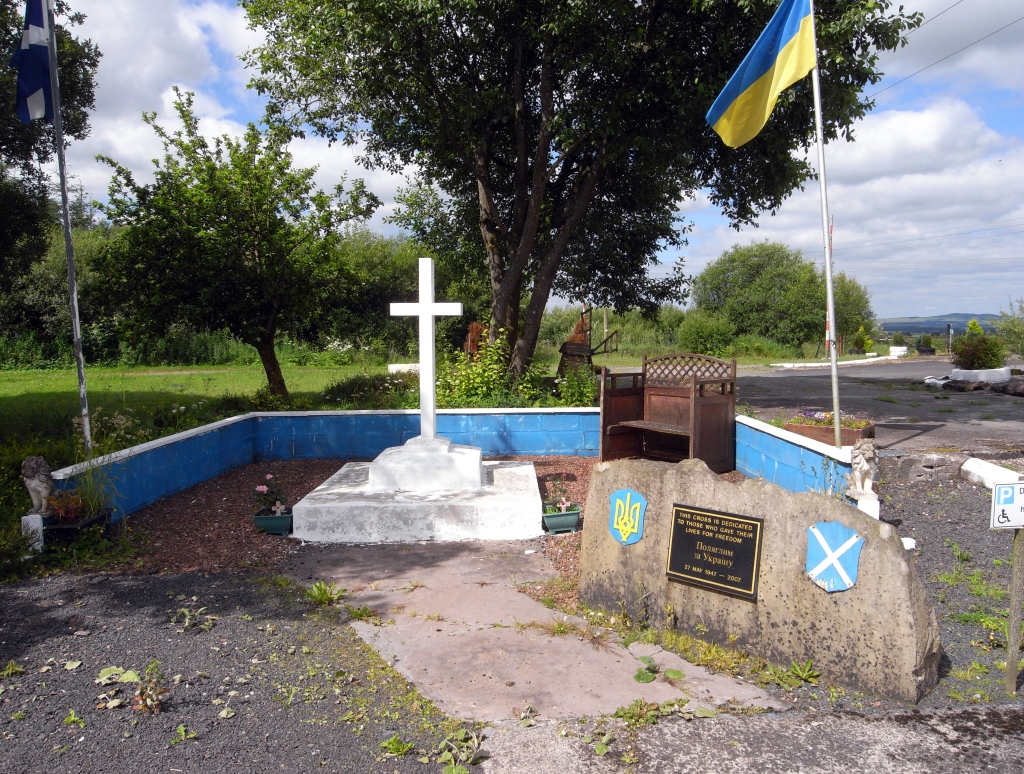
He told us that the camp held 400 Ukrainian prisoners of war who had fought with Germans on the Russian front against the Red Army. The hut that had been turned into a chapel was looked after by him. He also had a small museum in a caravan he took the time to tell us about the history of the camp. The prisoners left the camp during the day to work on local farms and return there at night. When the war ended the Russians occupied Ukraine. The prisoners could not return home as they would have been sent to the gulag or executed. The camp closed in 1947 and many prisoners had become part of the community. The man who looked after the chapel’s father was one of the prisoners and had married a local woman.

A few years later we visited again but the chapel was locked up. I was told with the failing health of the caretaker the chapel remained closed for a while.
Today looking online it appears services are still held at Hallmuir chapel on the first Sunday of each month and the building again is also used for marriages of members of the Ukrainian community.
The inside of this simple hut is ornate and reflects the Orthodox Catholic religion of the people who lived in the camp and built it.


