Rhinefield.

 Rhinefield House was once a private country mansion in the heart of the New Forest. Today it is a hotel. The house was built in the 1880s with a huge garden and ornamental ponds. Many non-native trees were planted along the track leading to the house.  Dwellings were on the site since the New Forest was first proclaimed by William the Conqueror in about 1097.
Trees that can be seen include giant redwoods and Douglas firs. In fact, the two tallest trees of the New Forest are here, a pair of redwoods standing on each side of an open grassy ride.

Standing with giants.

Fort Nelson, near Portsmouth, is home to the Royal Armouries’ national artillery and historic cannon collection. The fort was built in the 1860s to protect against a potential invasion by the French, it was one of a ring of land and sea forts around the Naval base at Portsmouth. The invitation never came and the forts became known as “Palmerston’s Follies” after Prime Minster, Lord Henry Palmerston, who commissioned the forts.

I visited Fort Nelson today to see an art display “Standing with Giants” It is a tribute honouring those who lost their lives in the Falklands Conflict. The installation is silhouetted figures of the 258 who died in Falklands War in 1982.

Views from the South Down’s

The South Downs Way is one of 15 National Trails in England and Wales. It stretches from the once capital city of England and the cathedral city of Winchester in the West, nearly 100 miles to the city of Eastbourne in the East.

Further to my post yesterday focusing on Hares here are some further Hare photographs, views and other wildlife on the South Downs Way.

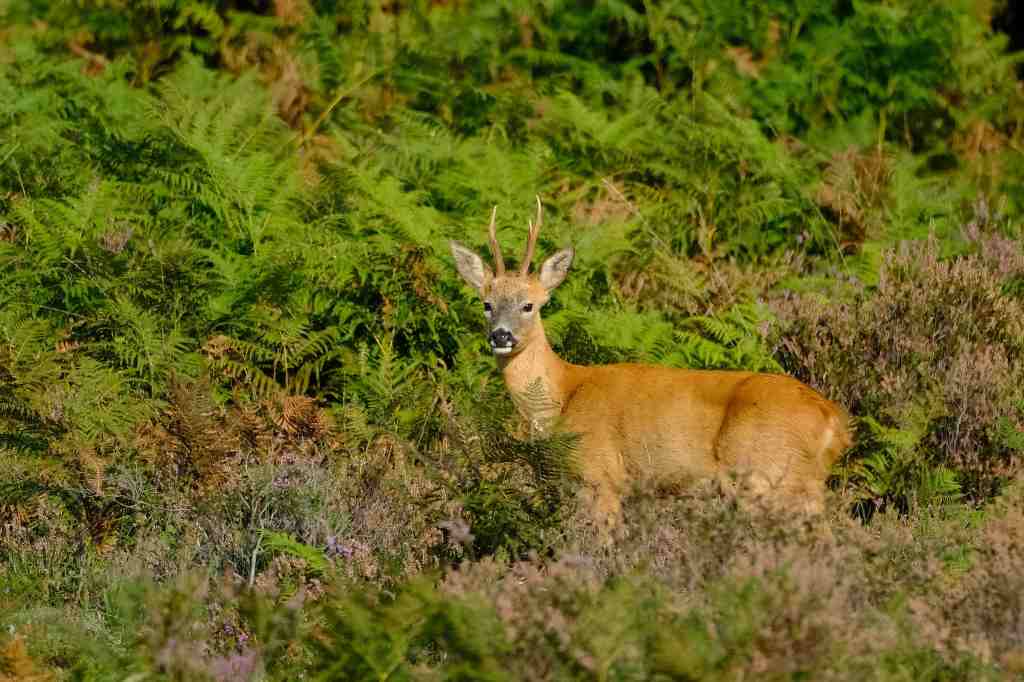
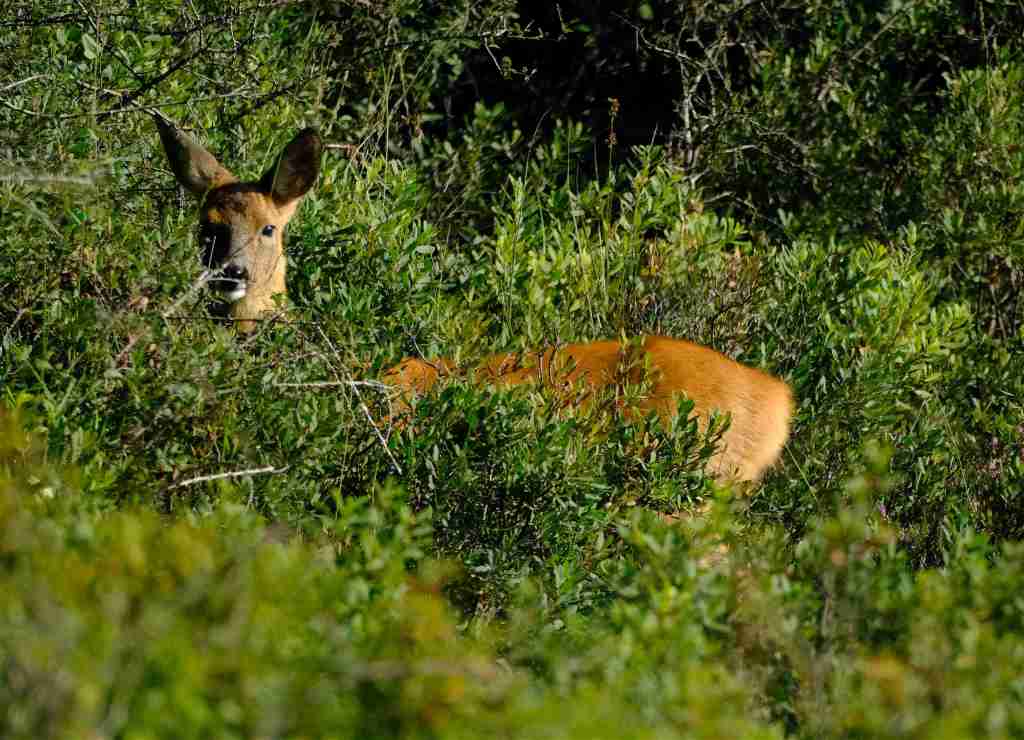
Roe Buck crossing the farmland.

More Brown Hare shots.

Red-legged partridge.

Easter walk.

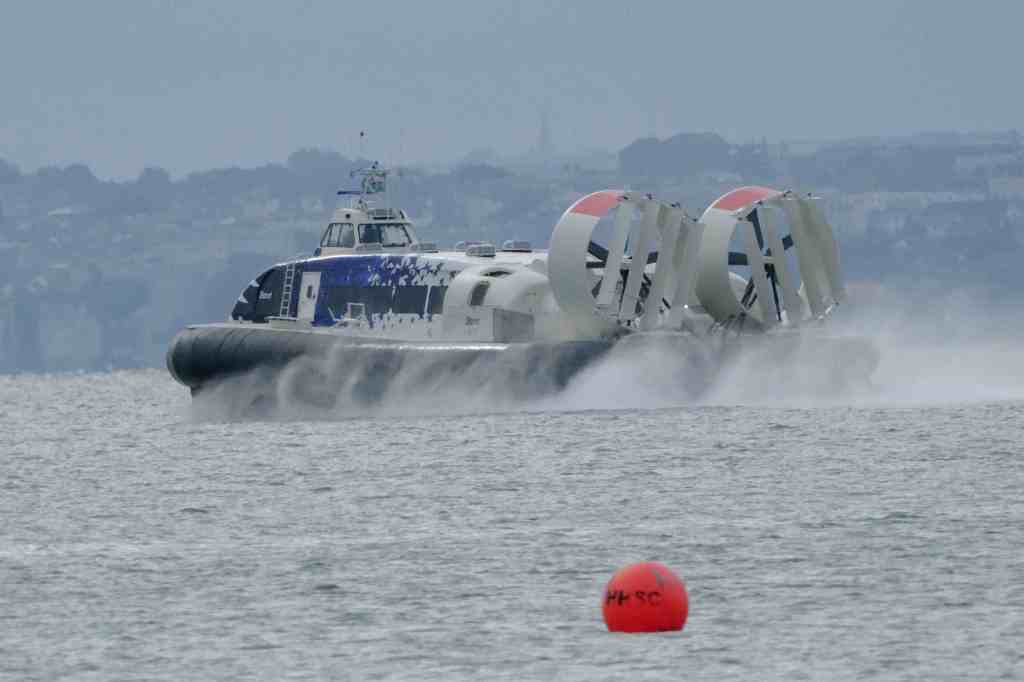
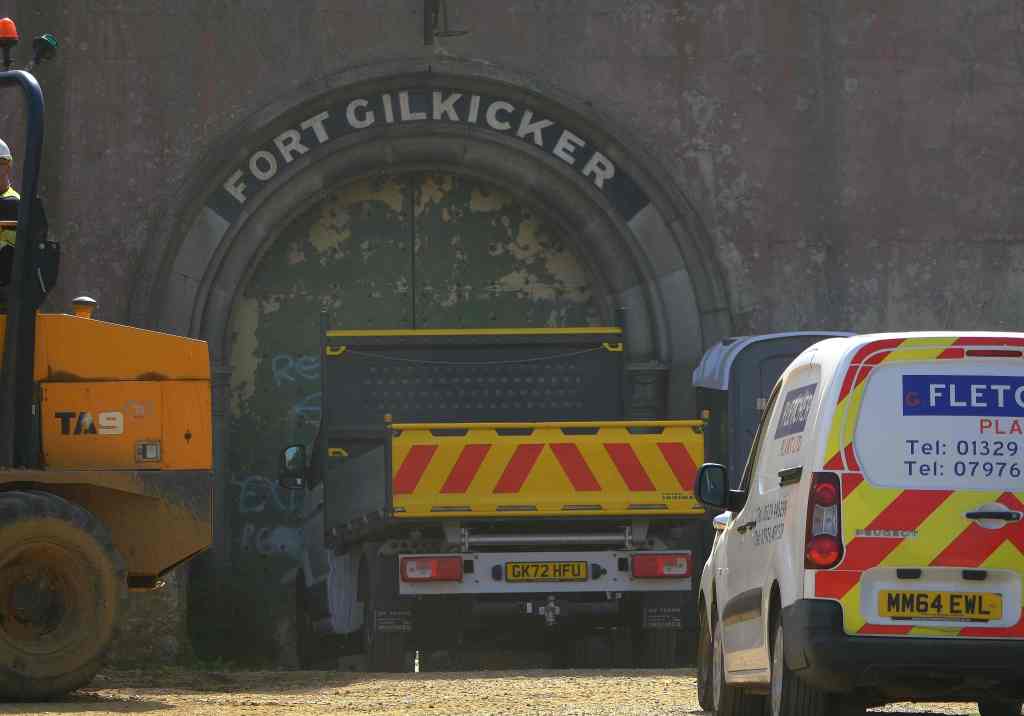
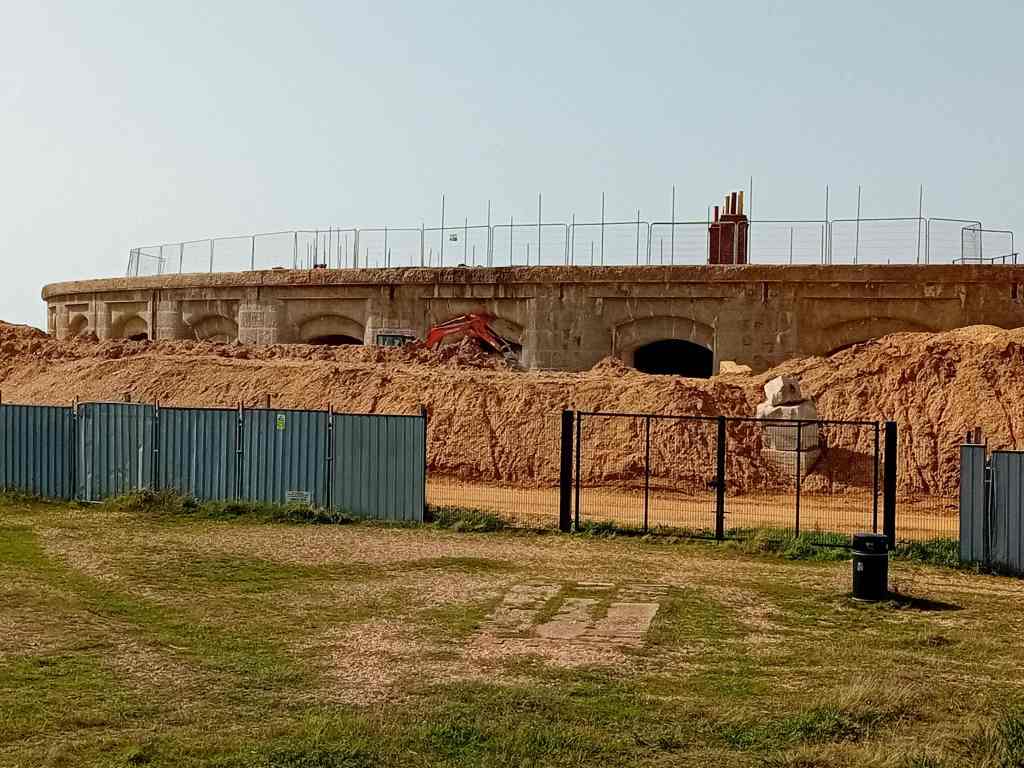
Easter Saturday walk from Gosport Life Boat Station to Gilkicker point past fort Gilkicker.

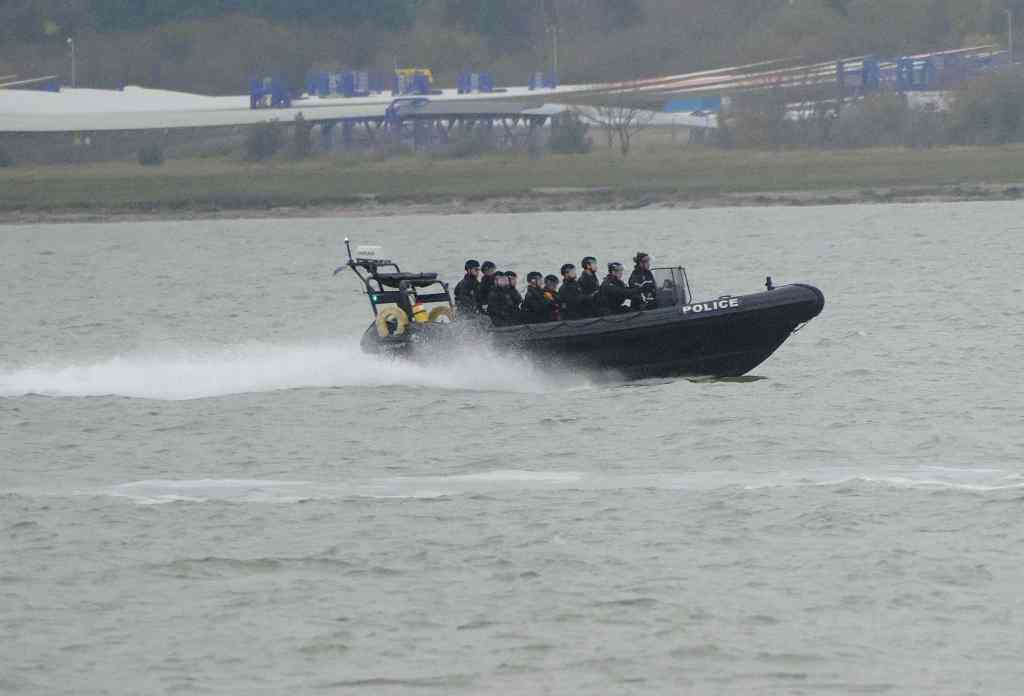
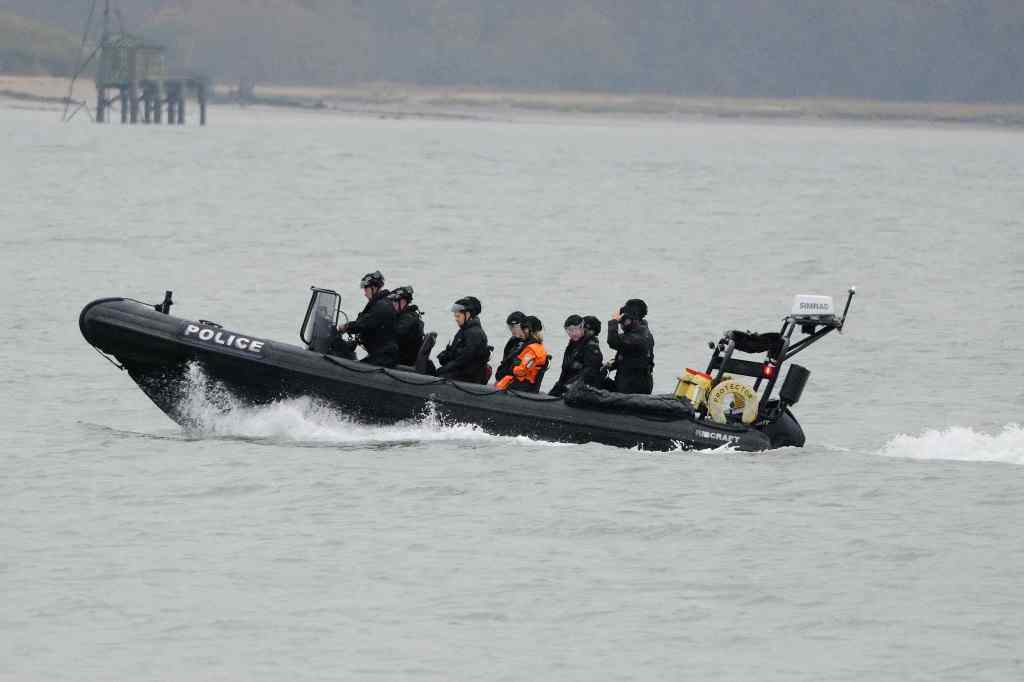
The lifeboat of the Gosport and Fareham Inshore Rescue Service is independent from RNLI. The lifeboat was being launched for an exercise as we arrived at the carpark.

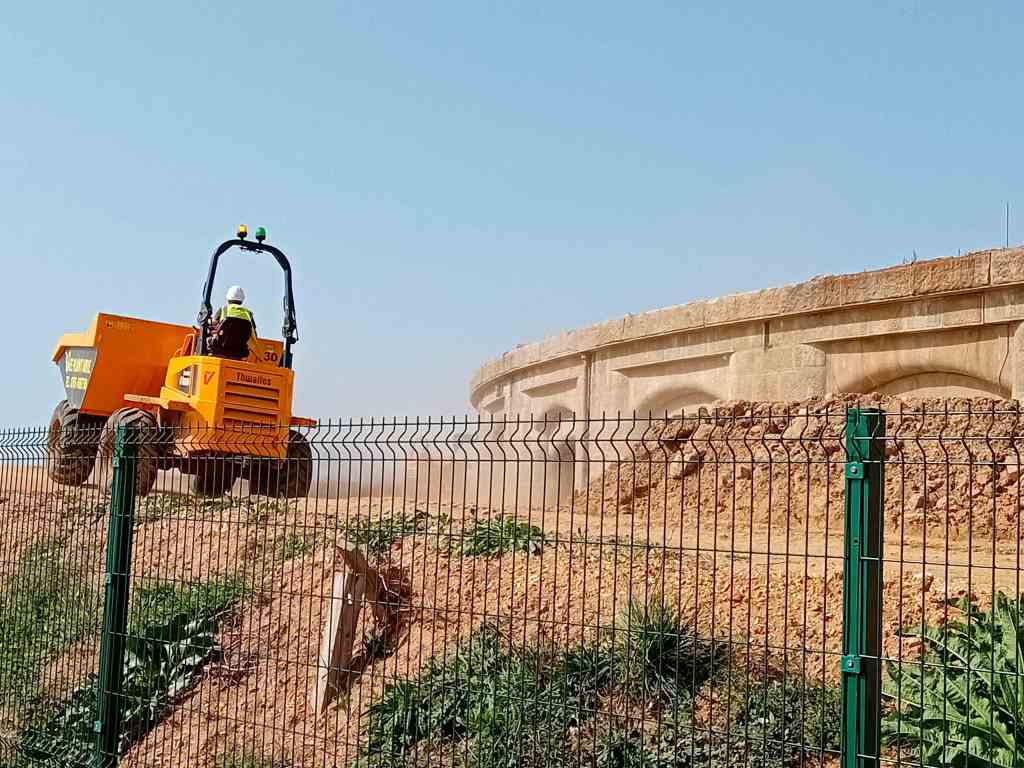
Fort Gilkicker is a one of the historic Palmerston forts around Portsmouth Harbour. Gilkicker was started around 1853. Built at the eastern end of Stokes Bay, Gosport, Hampshire England to dominate the key anchorage of Spithead.

Some birdlife from Gilkicker Point.

Greenfinch.

Dartford Warbler.

The death of a King.

In a quiet New Forest location is a monument to an incident where King William the second was killed while hunting in the Royal Hunting Forest (New Forest) in 1100. The monument inscription tells the story on its 3 sides.

Here stood the oak tree, on which an arrow shot by Sir Walter Tyrrell at a stag, glanced and struck King William the Second, surnamed Rufus, on the breast, of which he instantly died, on the second day of August, anno 1100.

King William the Second, surnamed Rufus being slain, as before related, was laid in a cart, belonging to one Purkis, and drawn from hence, to Winchester, and buried in the Cathedral Church of that city.

That the spot where an event so memorable might not hereafter be forgotten, the enclosed stone was set up by John Lord Delaware who had seen the tree growing in this place. This stone having been much mutilated, and the inscriptions on each of its three sides defaced. This more durable memorial with the original inscriptions was erected in the year 1841, by WM Sturges Bourne, Warden.

Male Stonechat.

Hunting Forest.

In 1079 when William The Conqueror named the area his ‘new hunting forest’, close to 1,000 years later his ‘New Forest’ remains as a National Park. The ancient systems established by William The Conqueror to protect and manage the woodlands and heaths are still in place today.

Hunting Deer required planning, good horsemanship and the ability to handle weapons. It was dangerous. King William’s second son, Richard, and third son, William, were killed whilst hunting in the New Forest as was his grandson, Richard. Hunting was seen at that time as a method of practising many of the skills required for battle. 

Fallow deer are today the most commonly seen deer in the New Forest. Numbers are maintained at about 1,300 on the Crown lands. Although not a native species to the UK, they have been present since Norman times and have the longest continuous lineage of any deer species in the Forest.

This time of year the Deer keep in their herds – Stags together separate from the young female deer.

D-Day remembered.

Operation Overlord was the code name for the Allied invasion of Normandy in northwest Europe. The assault phase of Operation Overlord was known as Operation Neptune. The D-Day operation of June 6, 1944, brought together the land, air and sea forces of the allied armies in what became known as the largest invasion force in human history.

The invasion force was made up of 7,000 ships and landing craft manned by over 195,000 naval personnel from the allied countries. Some 133,000 troops from England, Canada and the United States landed on D-Day. Casualties from the three countries during the landing numbered 10,300. By June 30th, over 850,000 men, 148,000 vehicles, and 570,000 tons of supplies had landed on the Normandy shores.

Here on the South coast of England, there are many links to these operations. Today I made a visit to “The D-Day Story”. a museum on the seafront at Southsea Portsmouth.

Museum

The museum tells the story of D-Day through artefacts pictures and personal accounts from veterans.

Beach Armored Recovery Vehicle based on a Sherman tank body

Rupert!

On D-Day, hundreds of burlap and sand dummies with cotton parachutes were dropped across France, far from where the real paratroopers were landing in Normandy. Just a third the size of a person, the fakes nicknamed “Rupert” looked larger in the air and fooled many on the ground.

Landing Craft Tank LCT 7074

This tank landing craft was saved from Birkenhead docks where after being used as a nightclub she sank after falling into disrepair. She played a vital role in transporting men and supplies across the English Channel. On D-Day, LCT 7074 carried 10 tanks. Now restored with a Sherman Tank and a Churchill Tank in her load bay.

Embroidery.

The Overlord Embroidery tells the story of D-Day and the Battle of Normandy in 34 hand-stitched panels based on photographs taken at the time. It has a total length of 83 metres.

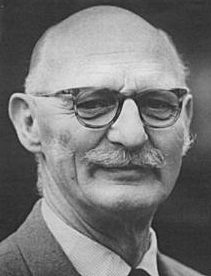
Lord Dulverton commissioned the embroidery in 1968.  He set up an advisory committee including retired senior officers from the army, navy and air force to help him with the project.  Together they decided what events the embroidery would represent.

Lightship.

Originally moored at Calshot Spit, this lightship was a floating lighthouse at the entrance to Southampton Water. It guided flying boats into their terminals and warning ships of sandbanks at the Brambles.

Six crew lived in cramped conditions keeping the light and foghorn operating. It was replaced by a buoy in the mid-1960s.