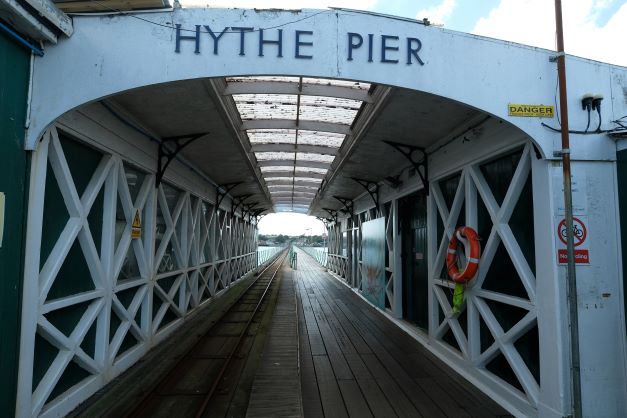
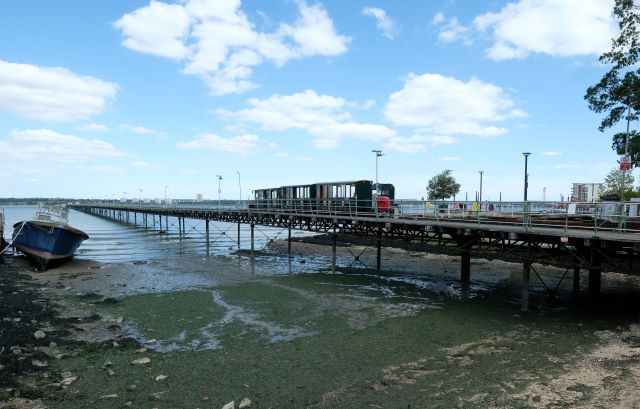
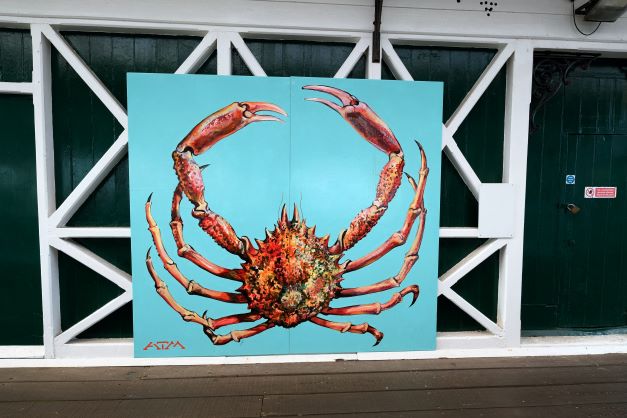
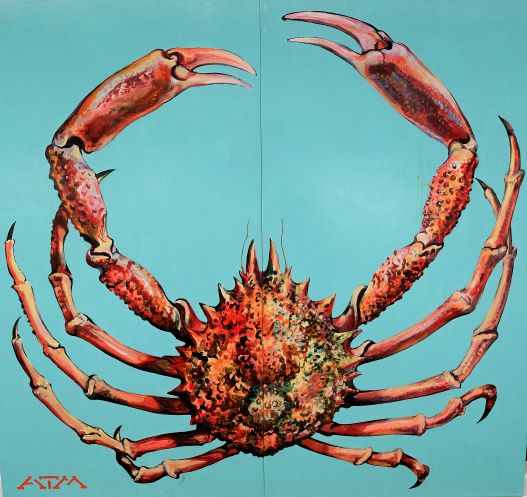
Another one of 6 murals which have been painted across Hampshire, all depicting sea creatures, this one is on Hythe Pier.


Another one of 6 murals which have been painted across Hampshire, all depicting sea creatures, this one is on Hythe Pier.


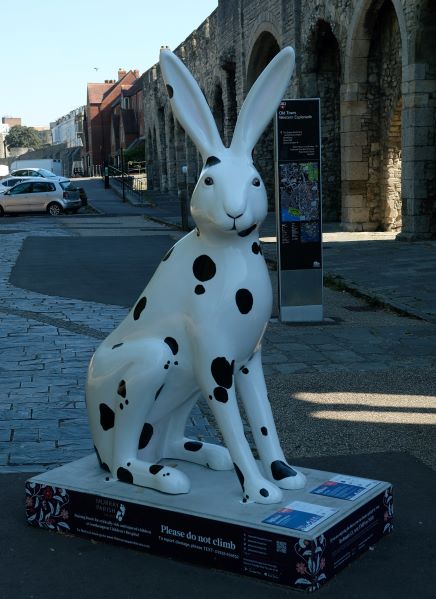
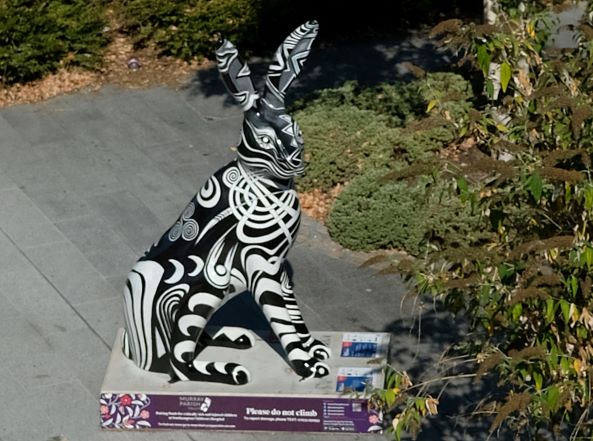
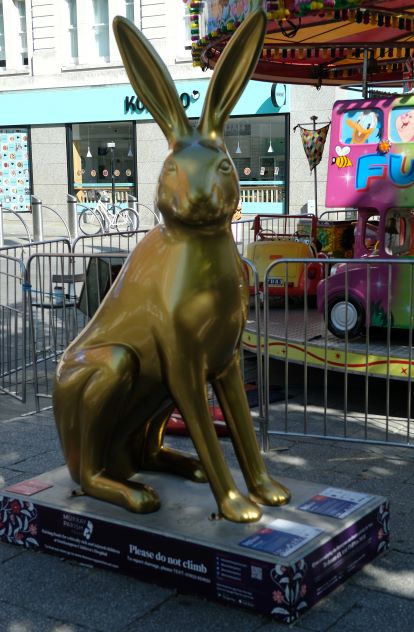
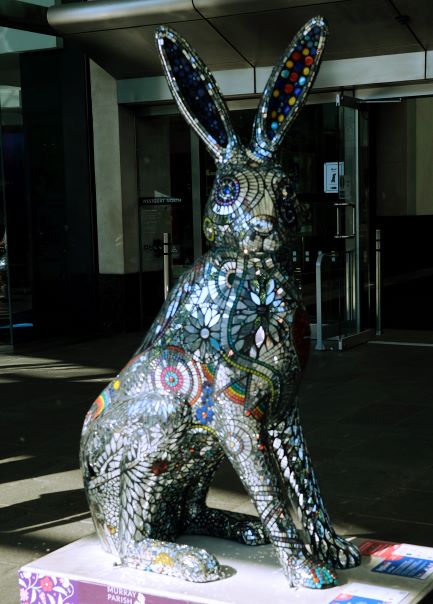
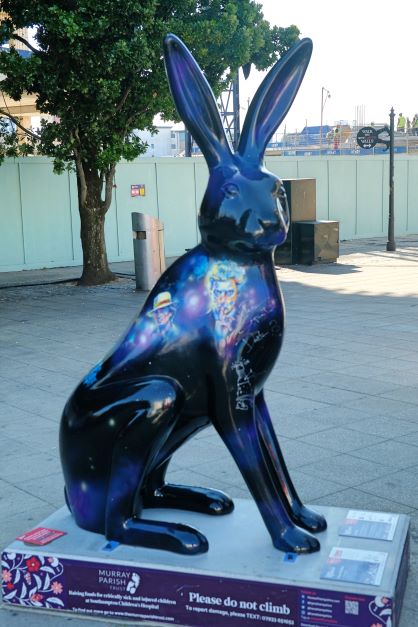
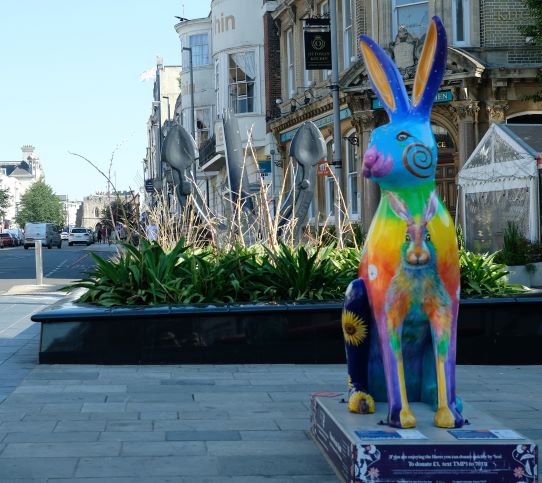
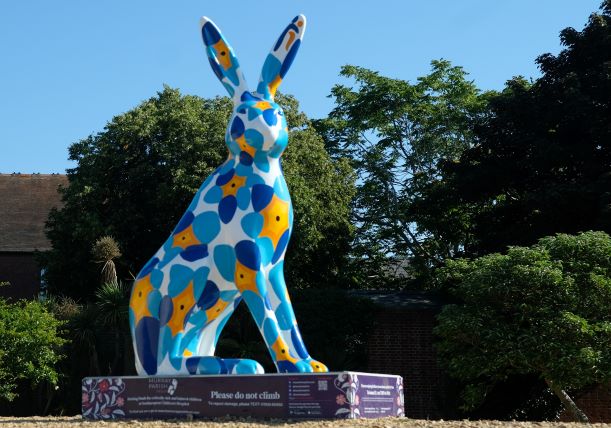
15 model hares are being displayed in my home city of Southampton as part of an interactive art trail. They have been in the city since June but are off towards the end of August. Each sculpture is 6ft tall and features its own unique design painted by artists in collaboration with Wild in Art. Today I found 10 of them.


————————————————————————————————————-PLEASE NOTE, Any sponsored advertising that you see at the bottom of my posts is NOT endorsed by me and is a down to WordPress I advise you to ignore these unsolicited links.
Black and orange or orange and black. In recent years I have only found a few Cinnabar caterpillars. When we were kids each Ragwort plant in the fields behind our family home had many of these colourful caterpillars. When l find one today I am transported back to the carefree days of my childhood in the 60s unaware of the Cold War, the Bay of Pigs and the Cuban Missle Crisis.


The Royal Canadian Army Service Corps.

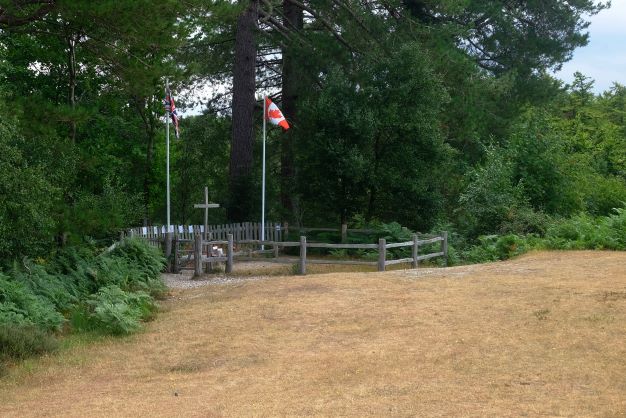
The Canadian Memorial is a simple wooden roadside cross with two flag poles. It is situated overlooking the sloping ground, near Bolderwood on a forest road leading to Emery Down.
The memorial remembers World War Two Canadian forces present in the New Forest before the D-Day invasion of June 6th, 1944 ‘
At this site, during the build-up to D-Day, Canadians were stationed in the area. It is also close to one of Forest’s wartime airfields at Stoney Cross.
A plaque with an inscription reads: ‘On this site, a cross was erected to the glory of God on 14th April 1944, by men of the 3rd Canadian Division RCASC’ ( the Royal Canadian Army Service Corps.)
On D-Day, RCASC soldiers of the 3rd Canadian Division and 2nd Armoured Brigade landed on Juno Beach.


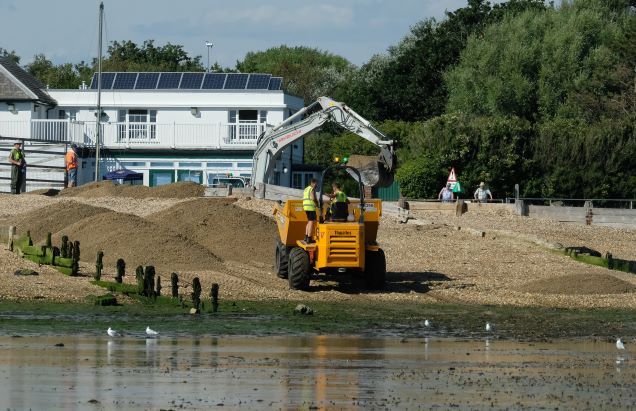
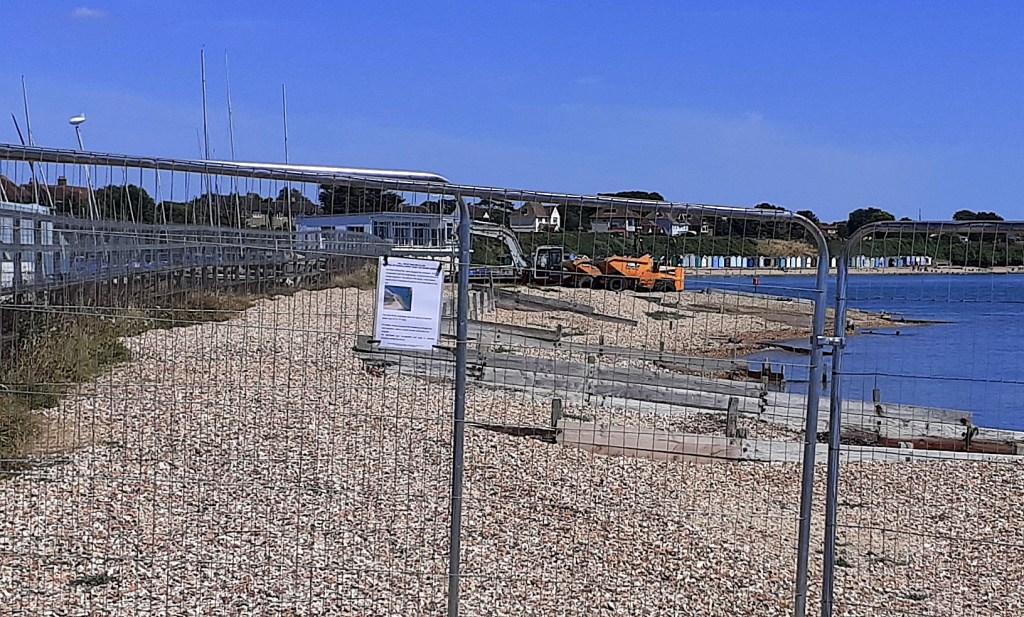
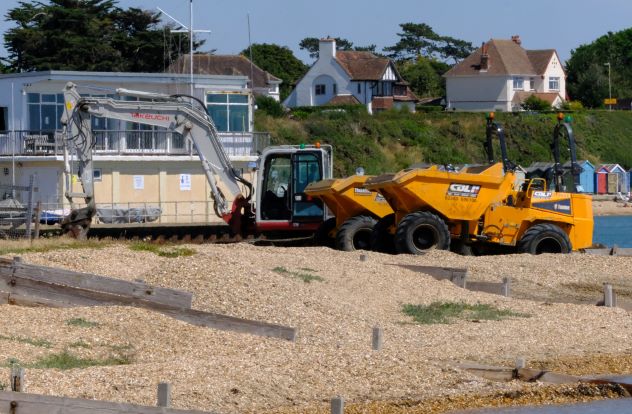
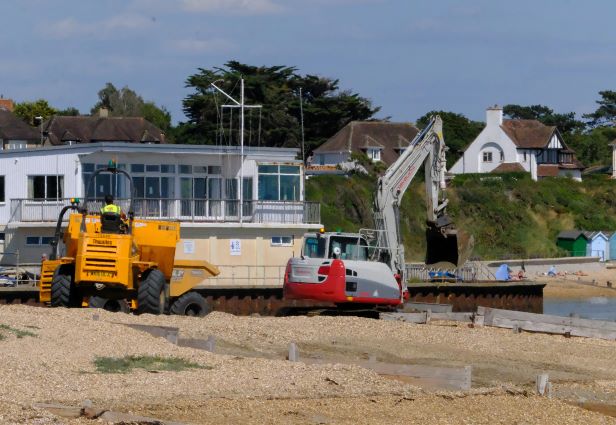
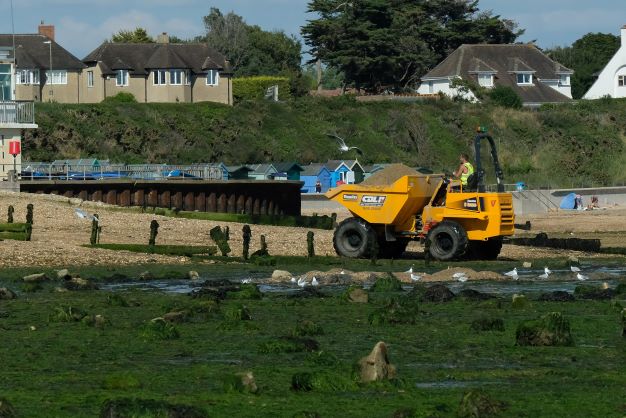
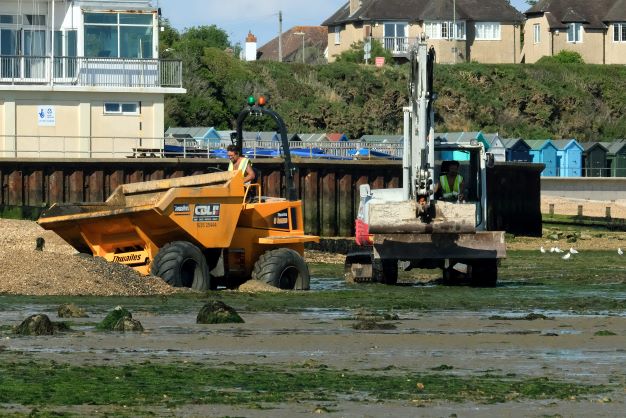
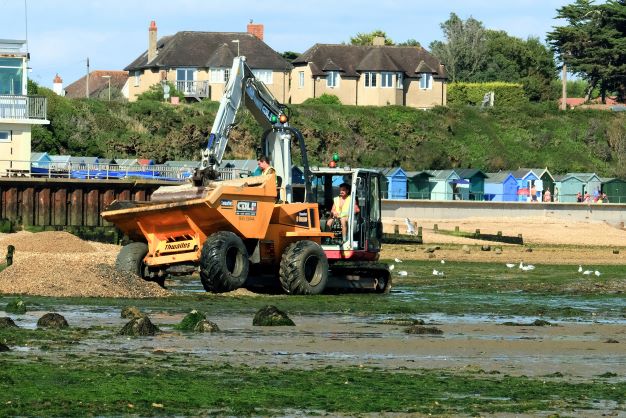
The River Meon allowed sea-going vessels to reach the important trading centre of Titchfield with its large Abbey. Titchfield’s history stretches back to the 6th century. It operated as an important port and market town during medieval times. Ships entered the river at Hill Head and navigated their way up to Titchfield {about 2 miles inland} until as late as the start of the 17th century when silting started to restrict the passage. As the river continued to silt up the Titchfield Canal was built opening in 1611. It was only the second canal existing in Britain at the time. Soon the canal also suffered from silting and the sea trade moved away from Titchfield to nearby Southampton. At the same time as the canal was constructed, the outfall of the River Meon to the sea was dammed, creating the wetlands that now form the Titchfield Haven Nature Reserve. Around 1900 Hill Head consisted of only a few small cottages and fishermen’s wooden sheds located at Titchfield Haven. Over the years a small harbour was constructed for small pleasure boats, where the River Meon continues to flow into Southampton Water. Every few years the mouth of the harbour blocks up with silt and shingle and requires removal to allow its continued use. Over the next few days, the build-up is being removed, and the beach around the spit should be open by early next week.


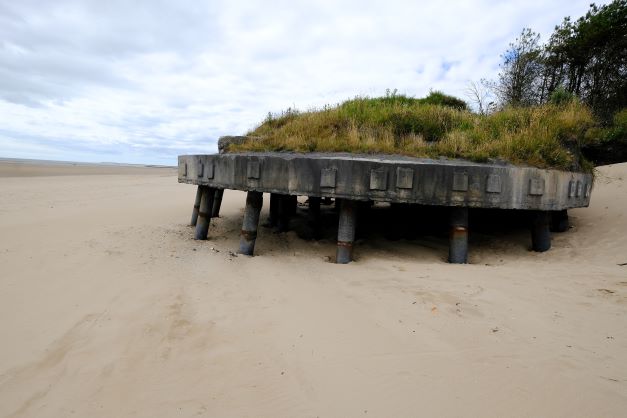
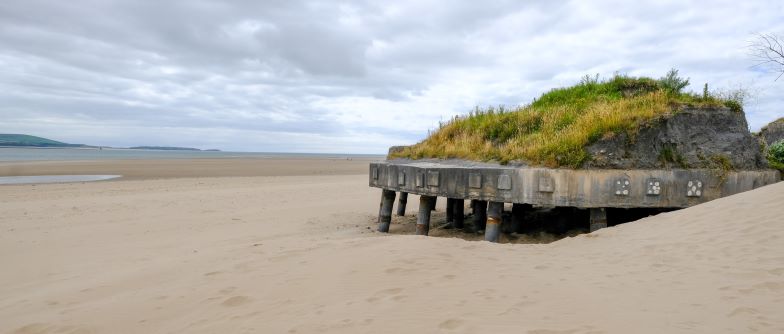
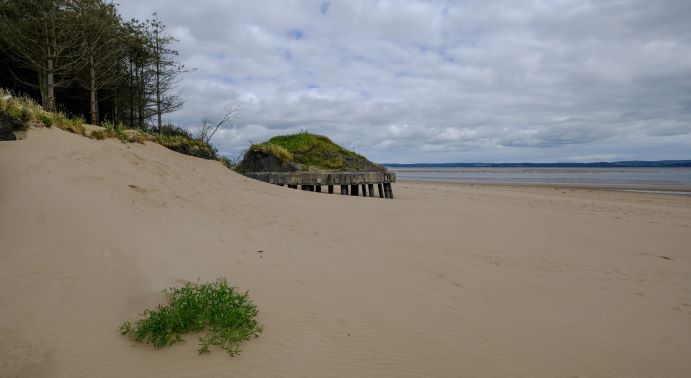
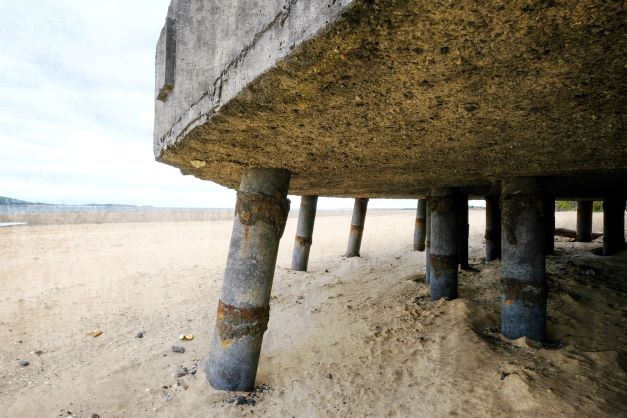
Looking like a UFO or some structure from another world this mysterious-looking structure on Burry Port beach revealed itself in 2018, after a period of bad weather and storms which caused coastal erosion at the site of an old power station. It is actually the base of an experimental wind turbine left behind from the 1980s and 1990s.


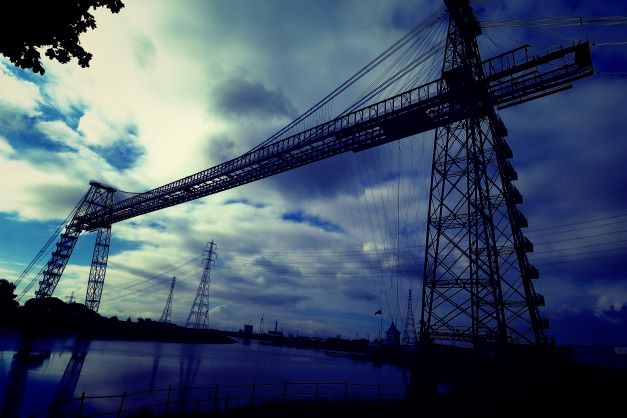
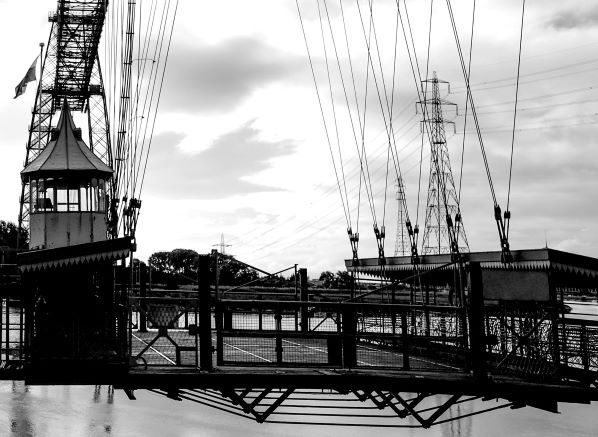
In the town of Newport Wales crossing the river Usk is the largest of the 8 surviving transporter bridges in the world. Designed by Ferdinand Arnodin and opened in 1906, it is the largest of the 8 surviving transporter bridges in the world. At the moment the bridge is closed for refurbishment but still worth a visit.


Amroth is a 20-mile drive from the popular Pembrokeshire Town of Tenby. Amroth marks the beginning (or end) of the Pembrokeshire Coast Path. The town at low tide has its own wide sandy beach which is south-facing. The top of the beach is pebble covered.

During July 1943, more than 100,000 soldiers descended onto Saundersfoot, Tenby and Amroth in Pembrokeshire to prepare for the D-Day landings the 13-day exercise saw 16,230 tonnes of supplies brought ashore. Known as Operation Jantzen, it was a rehearsal of the D-Day landings.
Picture from an information board on the beach.

Beach Sculpture highlighting plastic waste in our seas.


Kidwelly Castle is an imposing Norman castle overlooking the River Gwendraeth and the town of Kidwelly, Carmarthenshire, Wales. This ruin is in the care of Cadw (historic Wales). Although it saw much conflict the castle is in fairly good condition Kidwelly began in the early 12th century as a Norman ‘ringwork’ castle made of wood and protected only by an earthen bank and ditch.

Under constant attack by Welsh princes, it was captured by Lord Rhys in 1159. Decades later the Normans were in charge and by the 1280s it had been transformed into the stone castle we see today.

The first scene of Monty Python and the Holy Grail was filmed on the walls of Kidwelly.


Over the years I have passed this monument on the A40 it has been slowly deteriorating this week I spotted it had been restored. It is said to be the first memorial in the UK to note drunk driving! The road was quiet so stopped to take a closer look.