nature spots
Good Morning.
Grey Heron waking for the day ahead!
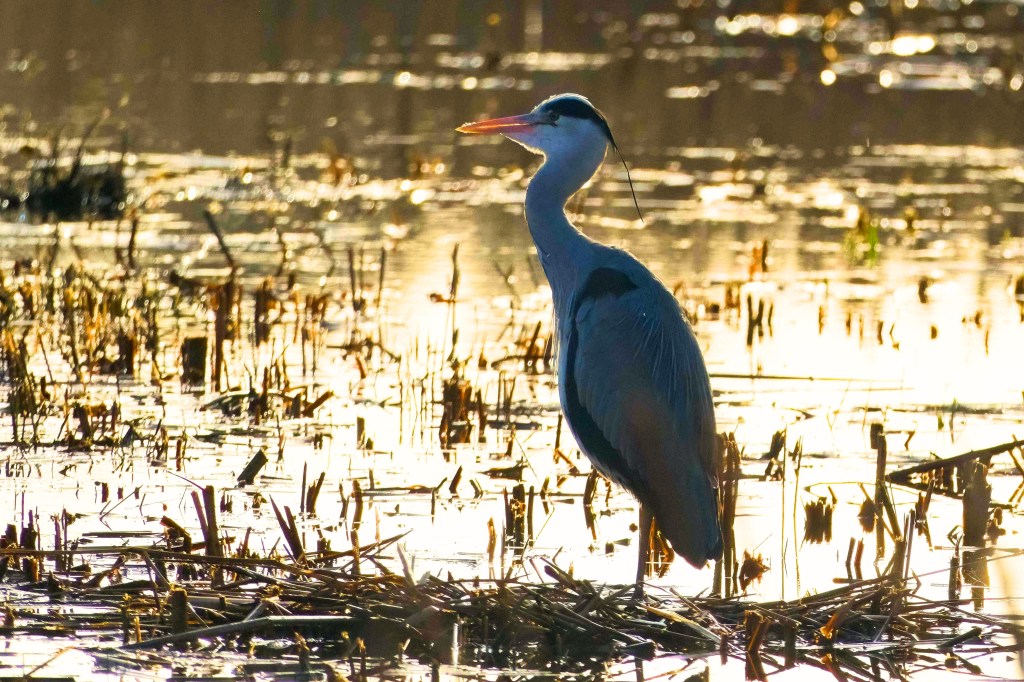
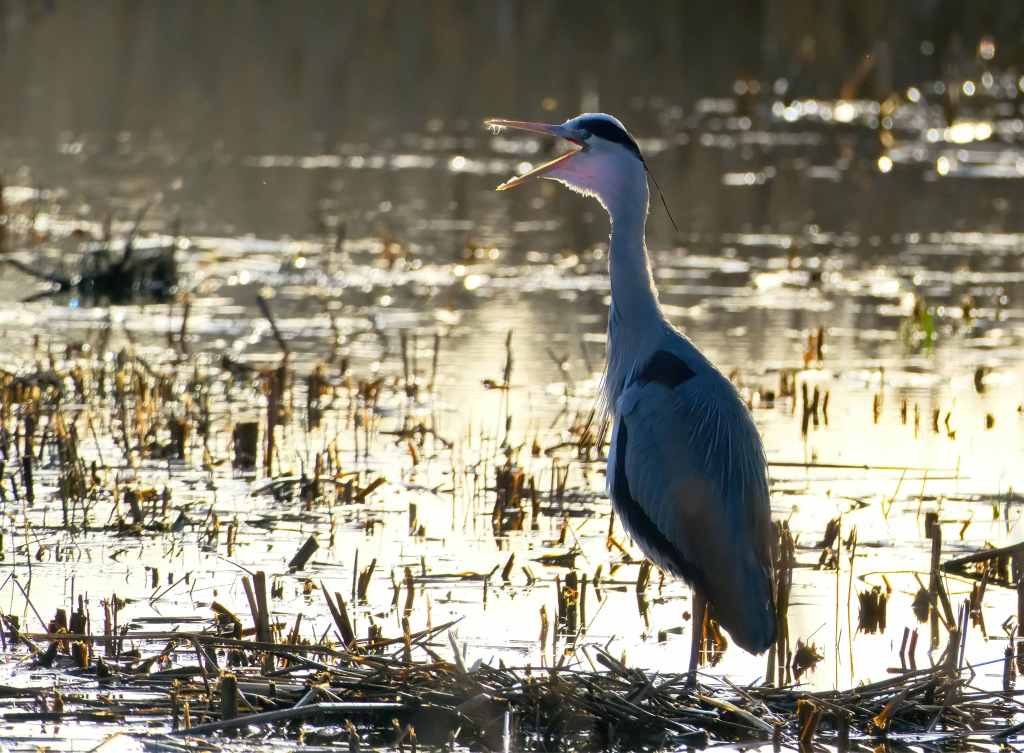
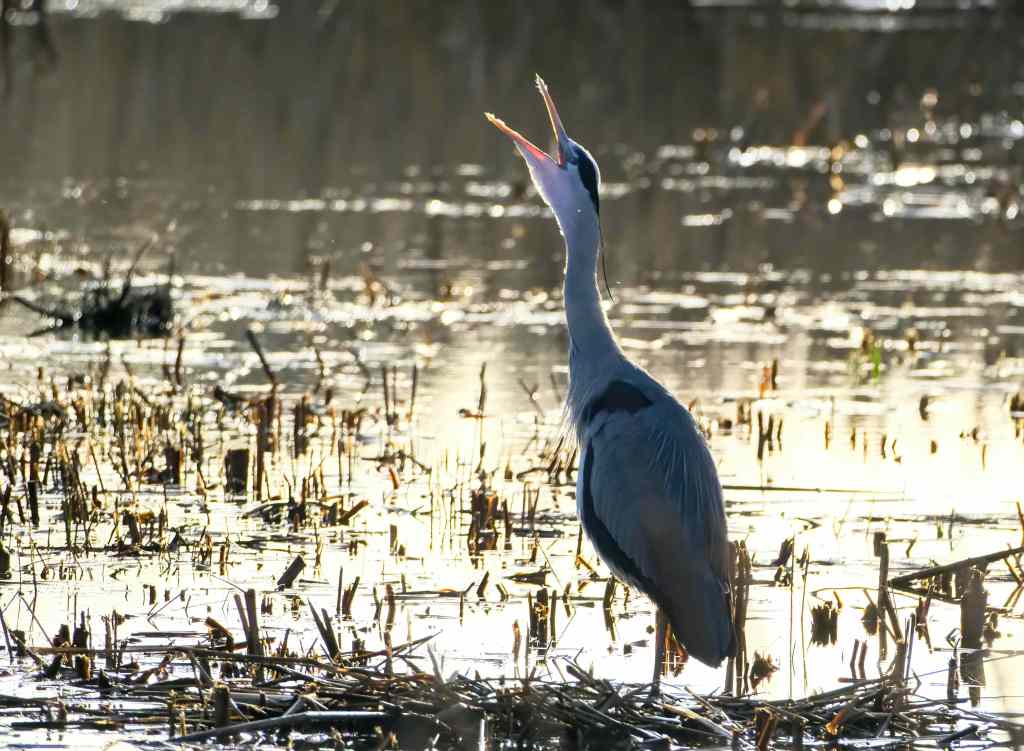
Signs of a life.
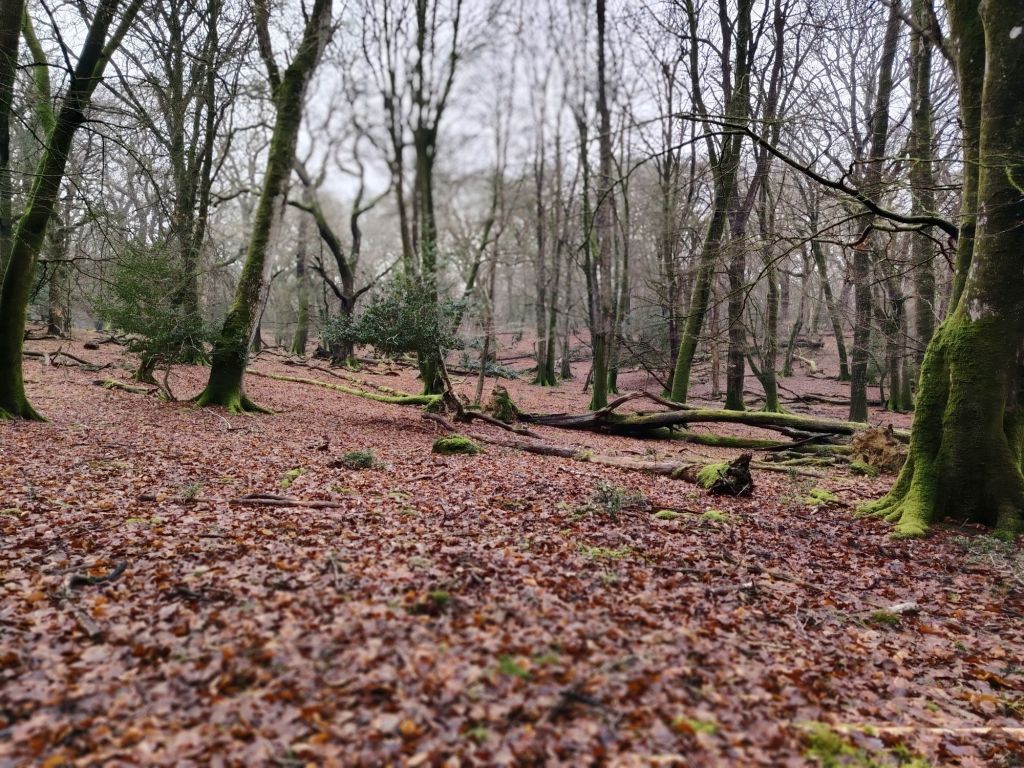
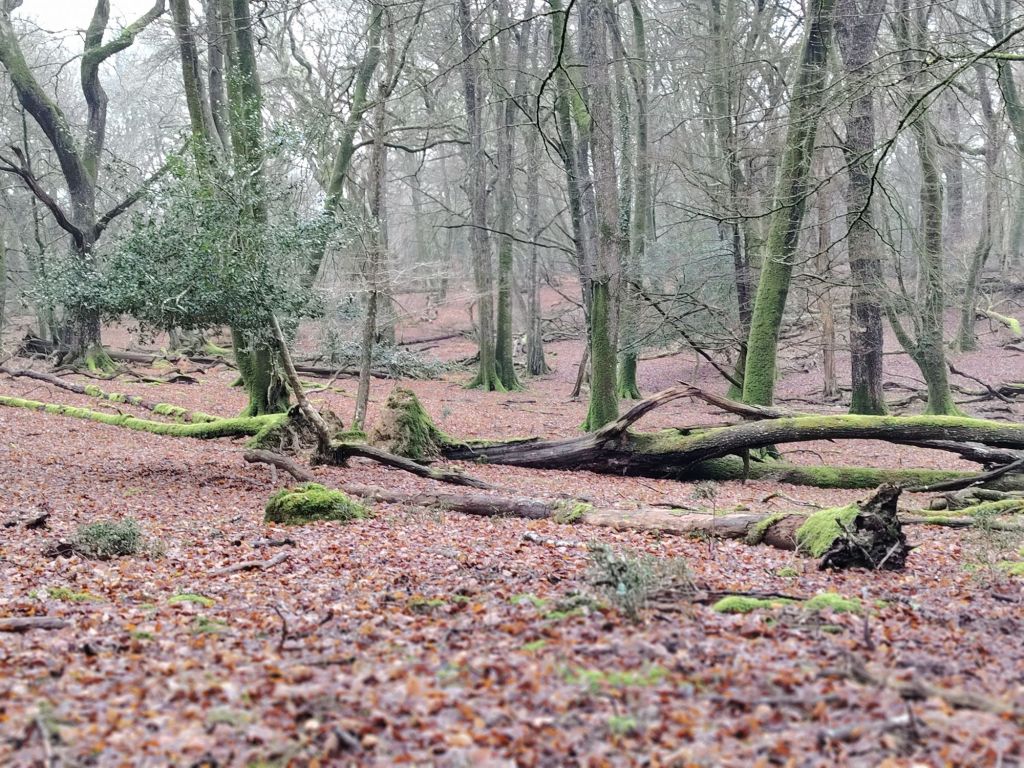
This time of year with long dark days of cold, damp and very wet weather little signs of the coming of a new season are starting to show.
Snowdrops are a welcome sight.
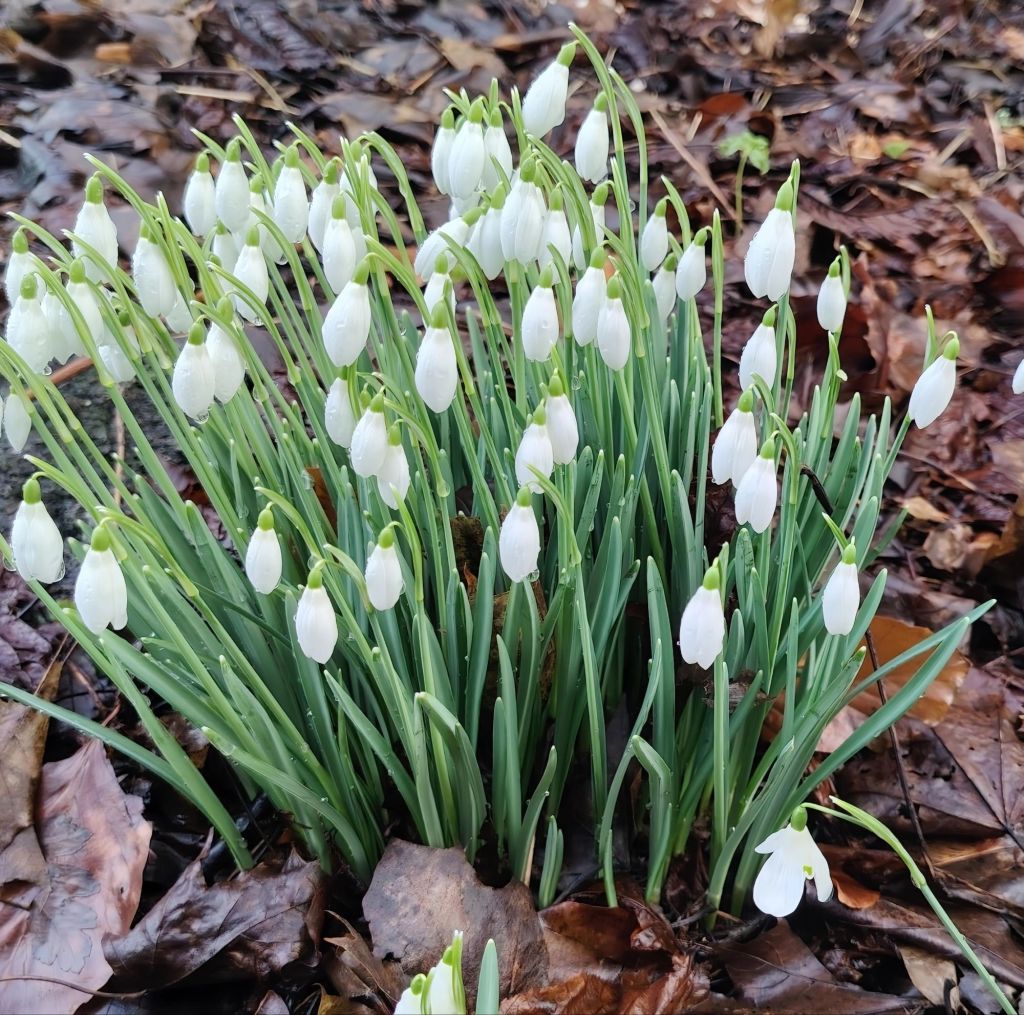
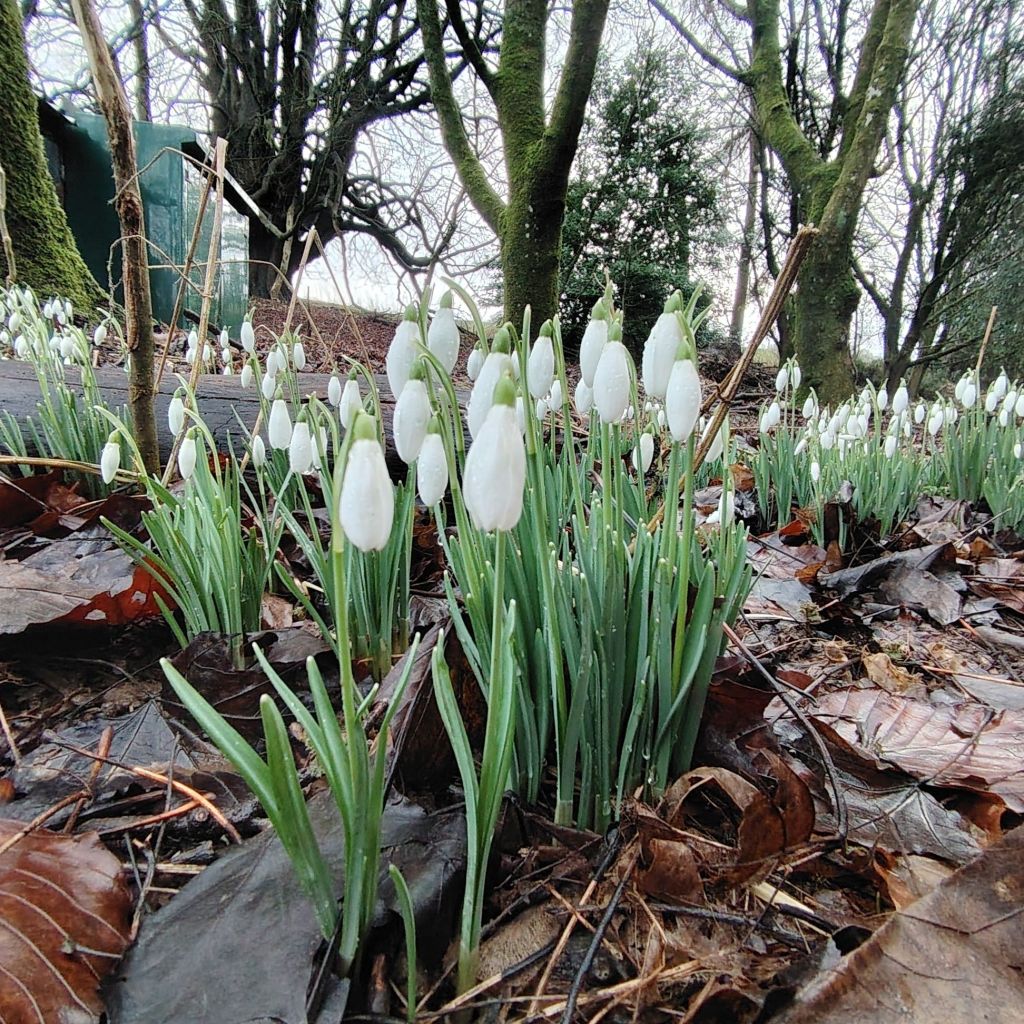
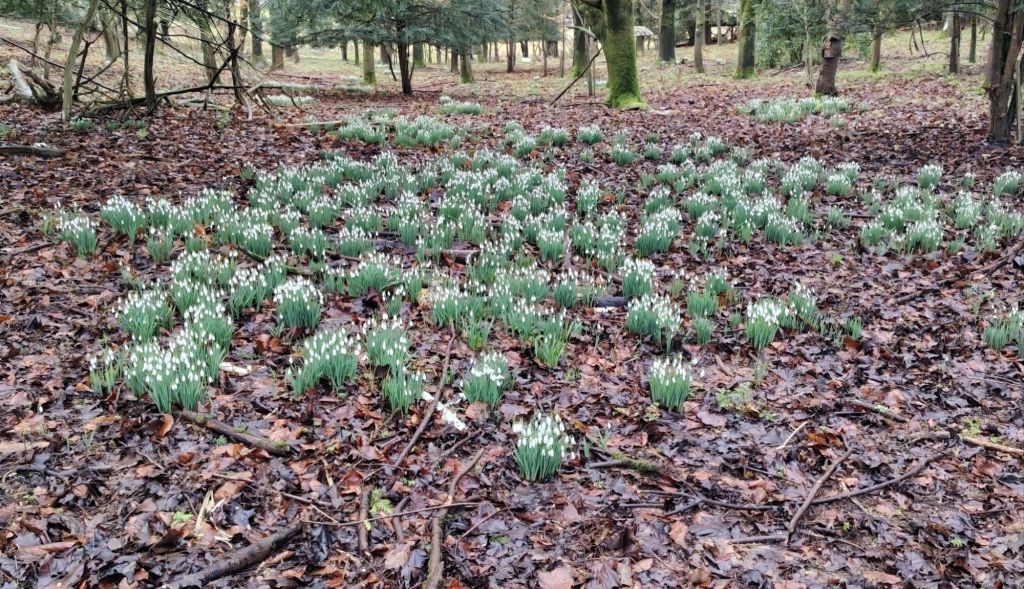
Worming.
The Curlew is one of my favourite waders. I never tire of watching these large waders, whether on our coast in winter or on the moors during their nesting season. Not only are they a pleasure to see, but their call over the mashes is also a joy to hear. Just one picture today, and a video – something I have not captured before, a Curlew catching a Ragworm.

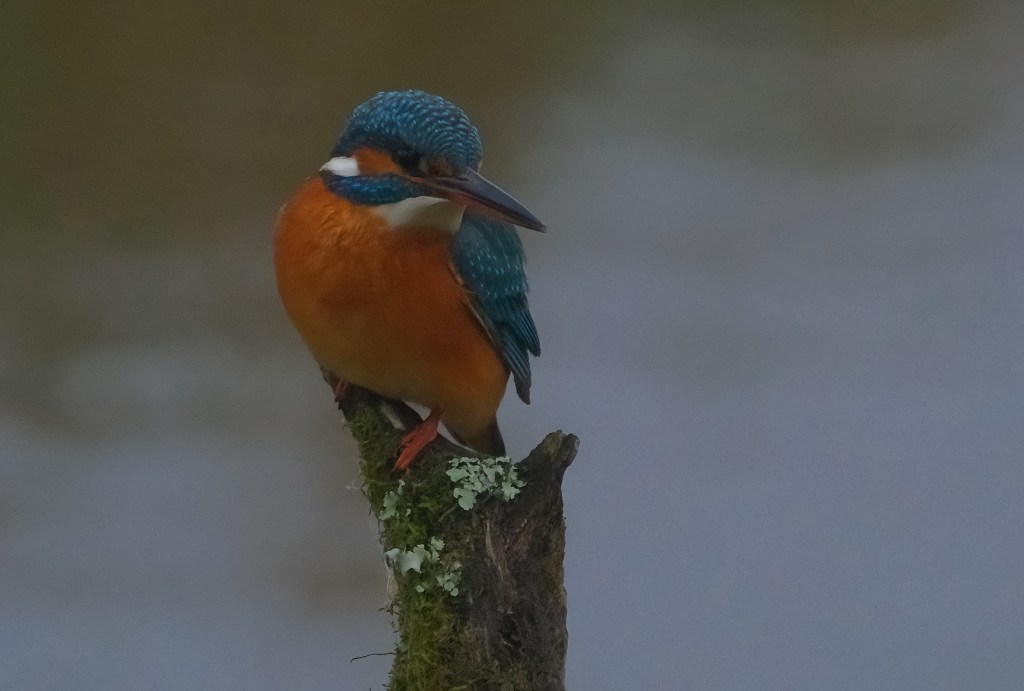
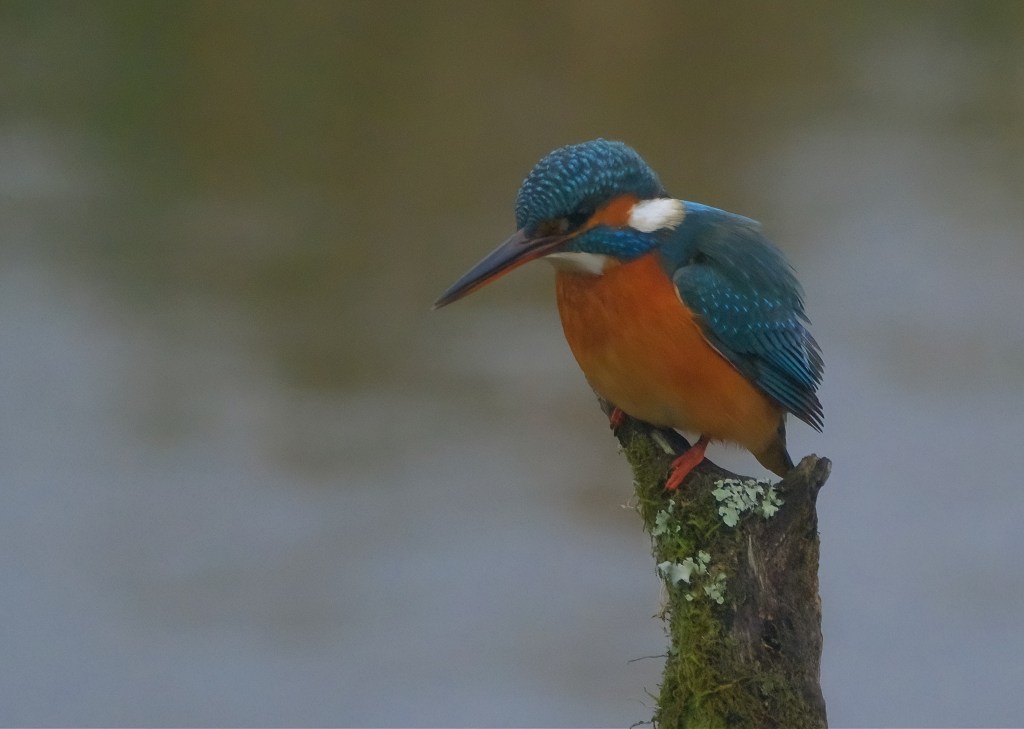
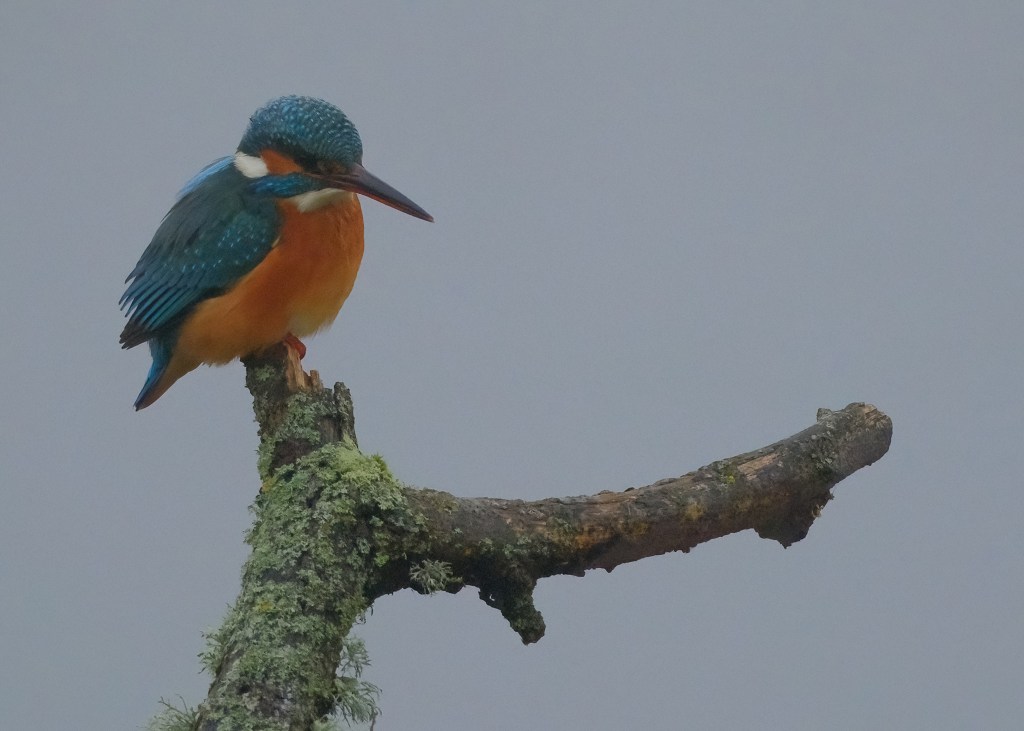
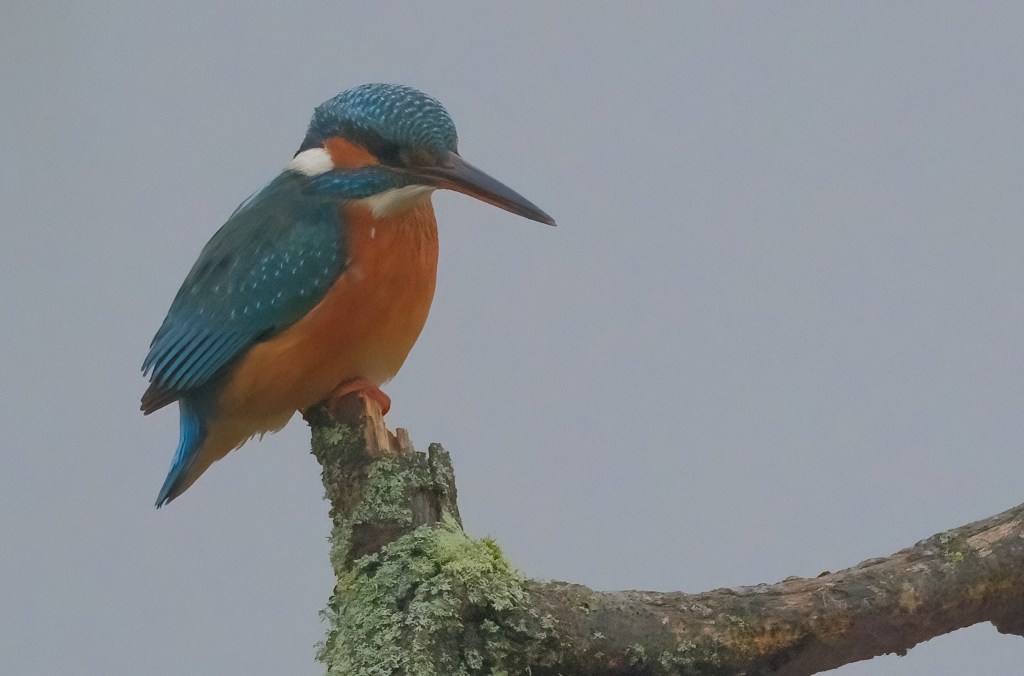
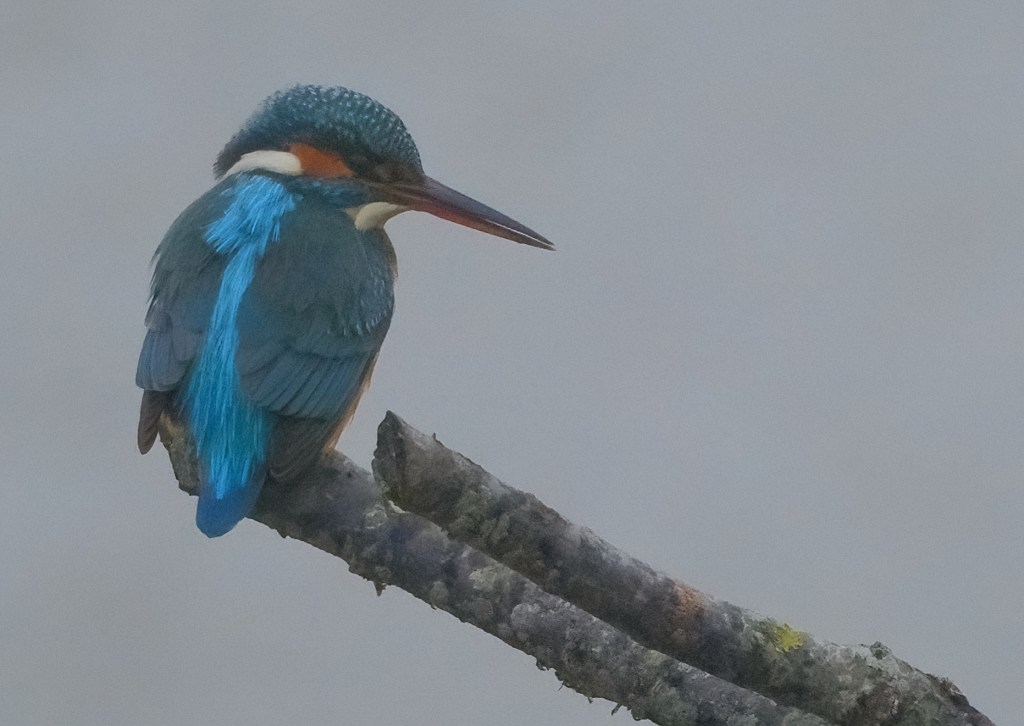
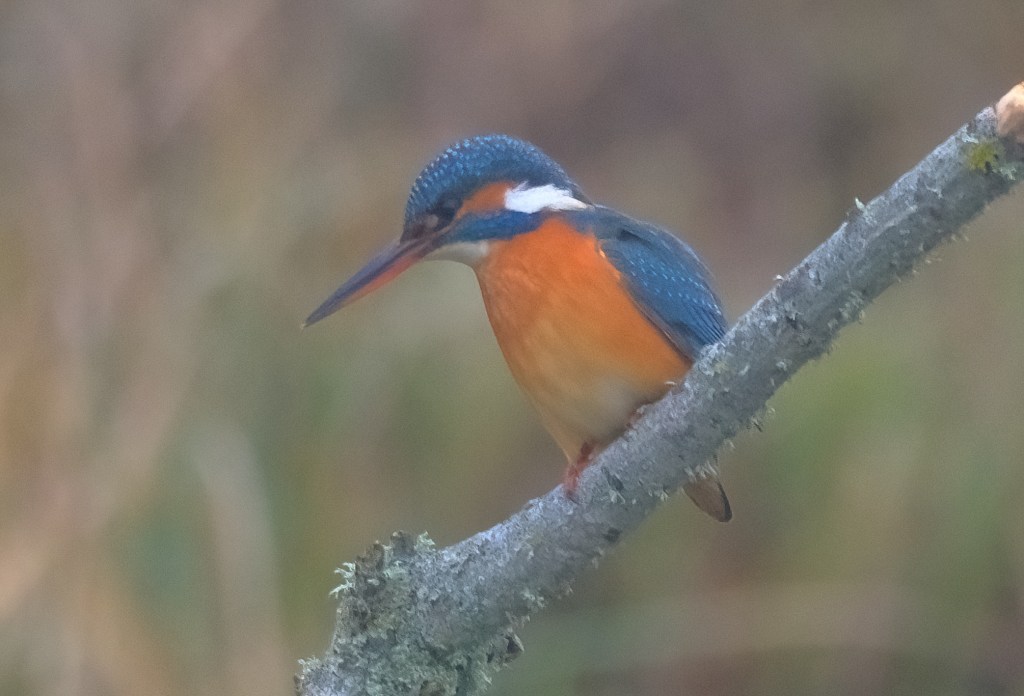
Kingfisher.
A female Kingfisher at Titchfield Haven National Nature Reserve. The female bird is identified by her orange lower beak. Despite the poor light, I was happy with today’s pictures.
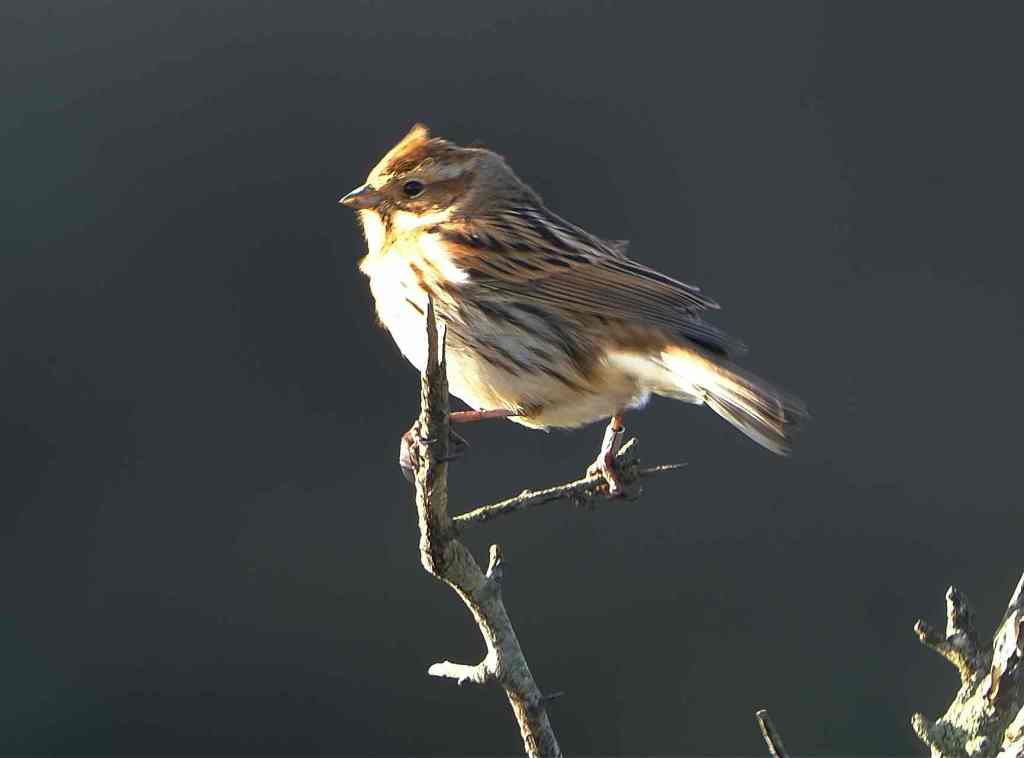
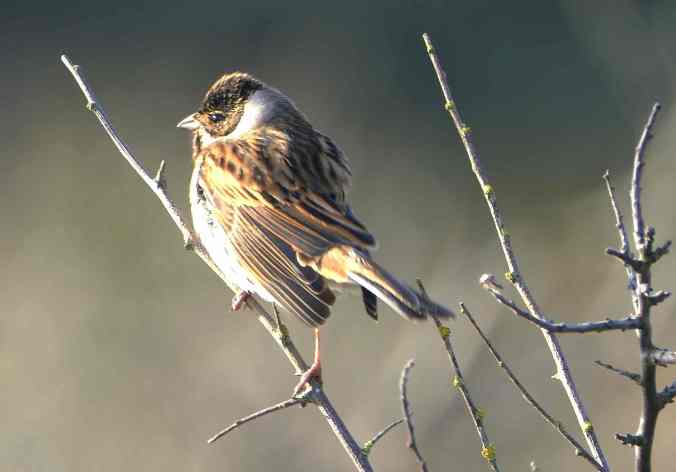
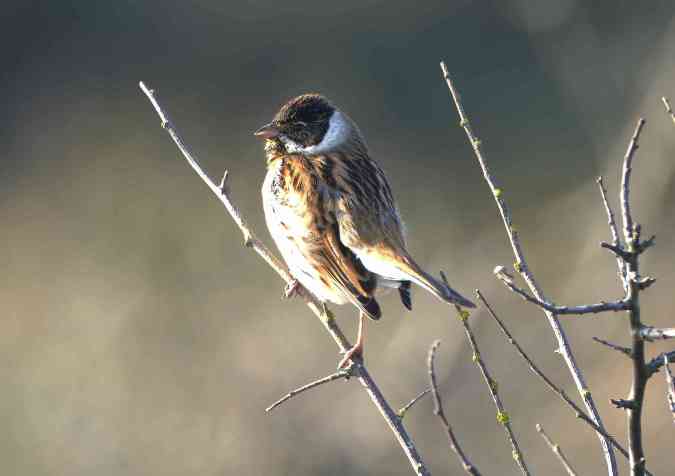
Reed Bunting.
A pair of Reed Buntings. The male bird sports a striking black head in the breeding season, but as we are now in winter, this has become duller. Females are brown, making them harder to distinguish from females or other brown birds. Note the female bird in my picture is ringed.

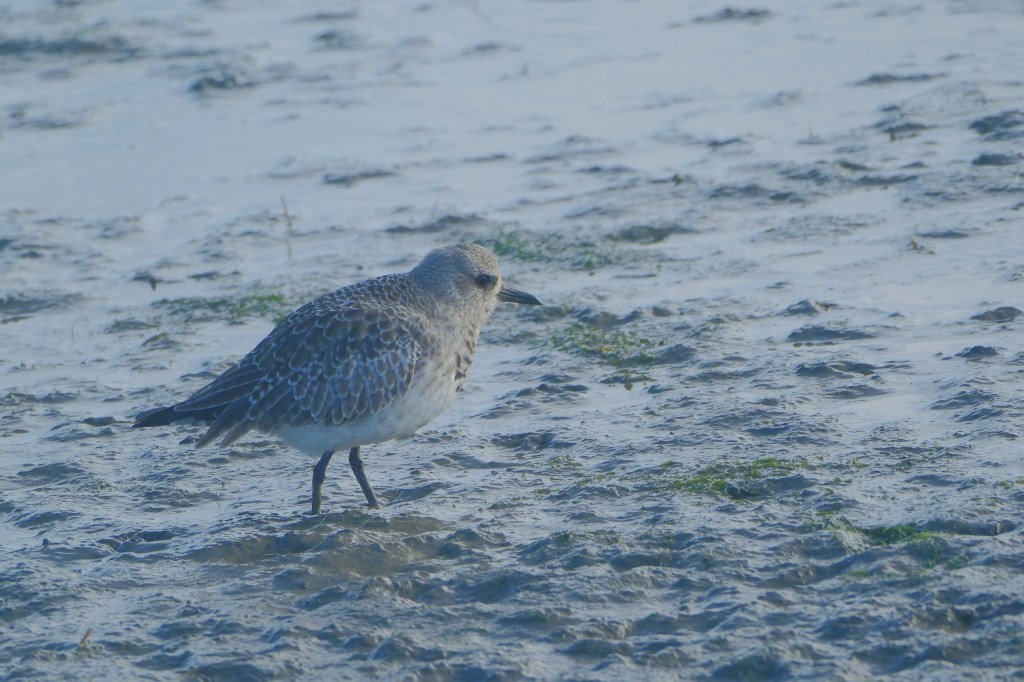
Grey Plover.
Spotted a few Grey Plovers on Keyhaven Marshes near Lymington, Hampshire yesterday. I also see them regularly on the mud on the River Hamble. I have only seen them in their winter plumage; usually, I find them fairly difficult to photograph decently due to how far off they are.
In summer, they have silver and black spotted upperparts, a black face, neck and belly. In winter, they lose the black feathers and take on a grey look.

Swan Lake on ice.

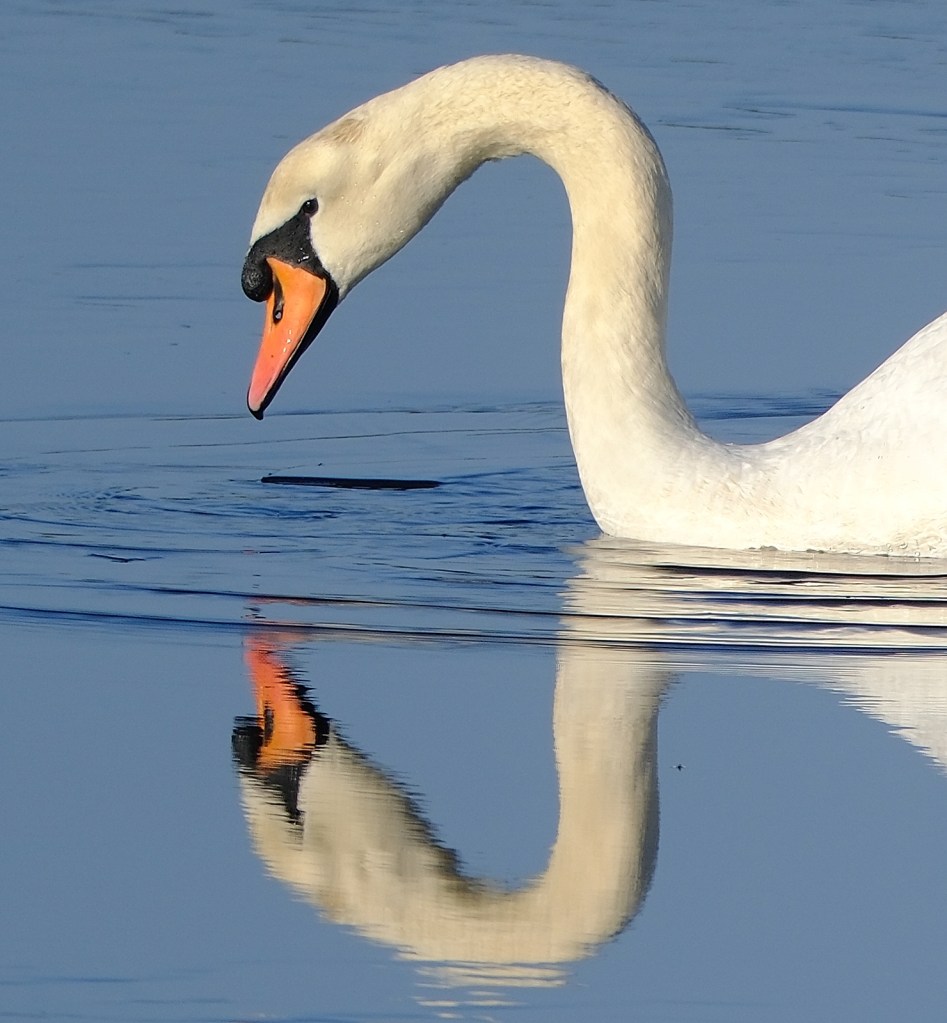
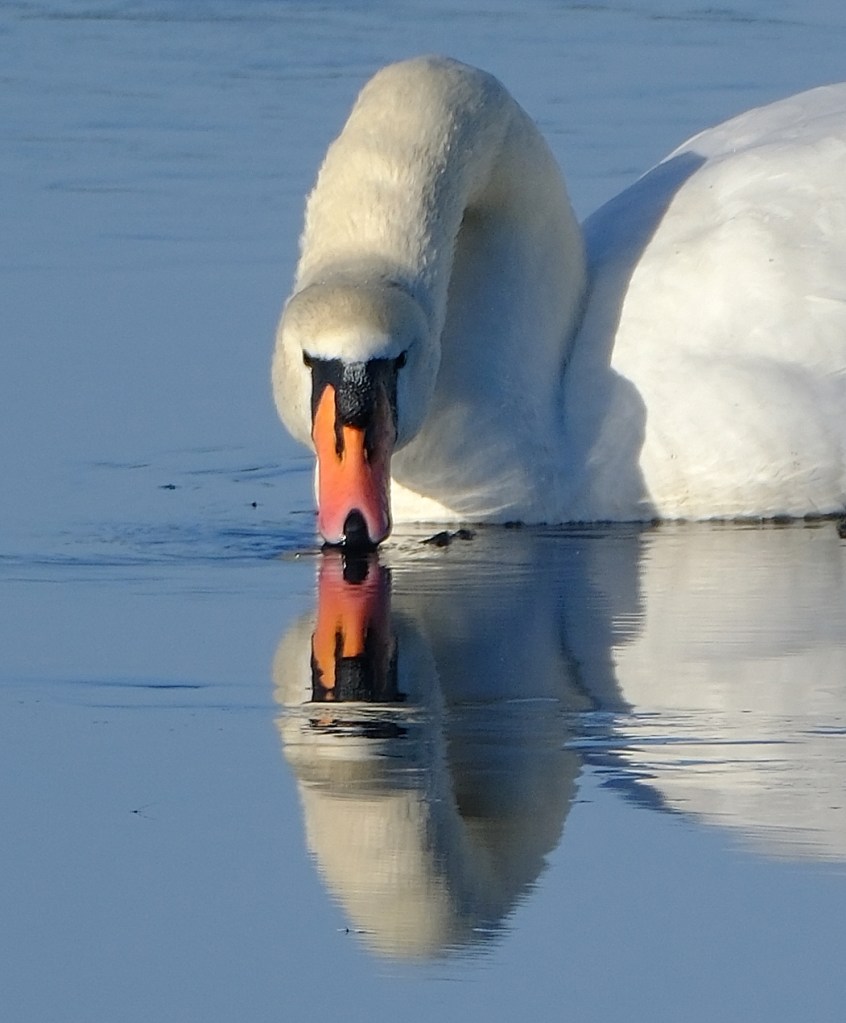
A Winters Tale.
Monday, we had our 1st snowfall of the year, just a few centimetres, but enough to blanket the road and countryside for a few hours. By Tuesday morning, the snow had gone, but we were left with freezing temperatures and a lot of ice.
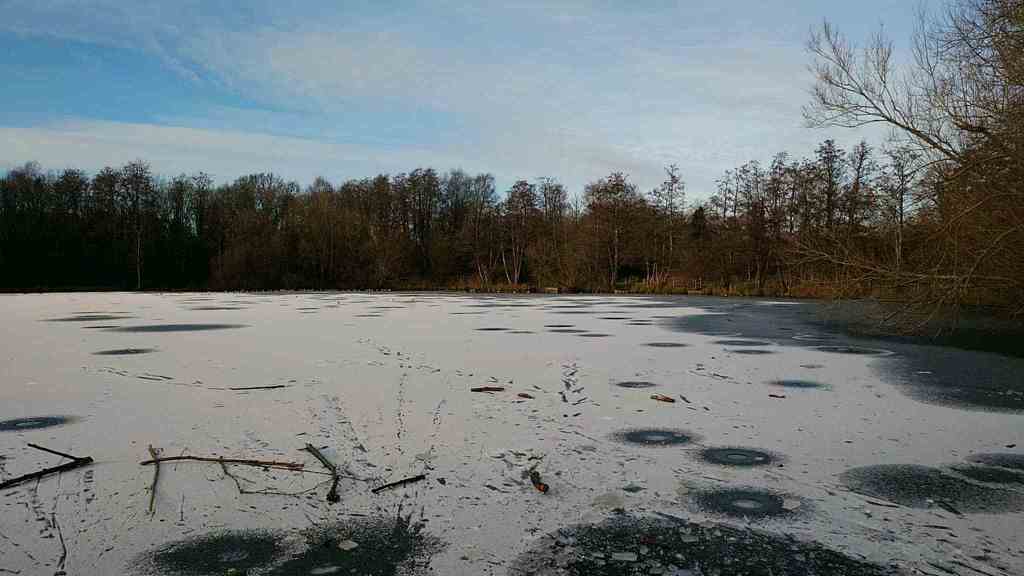
Frozen lake at Eastleigh. Just one corner with open water.
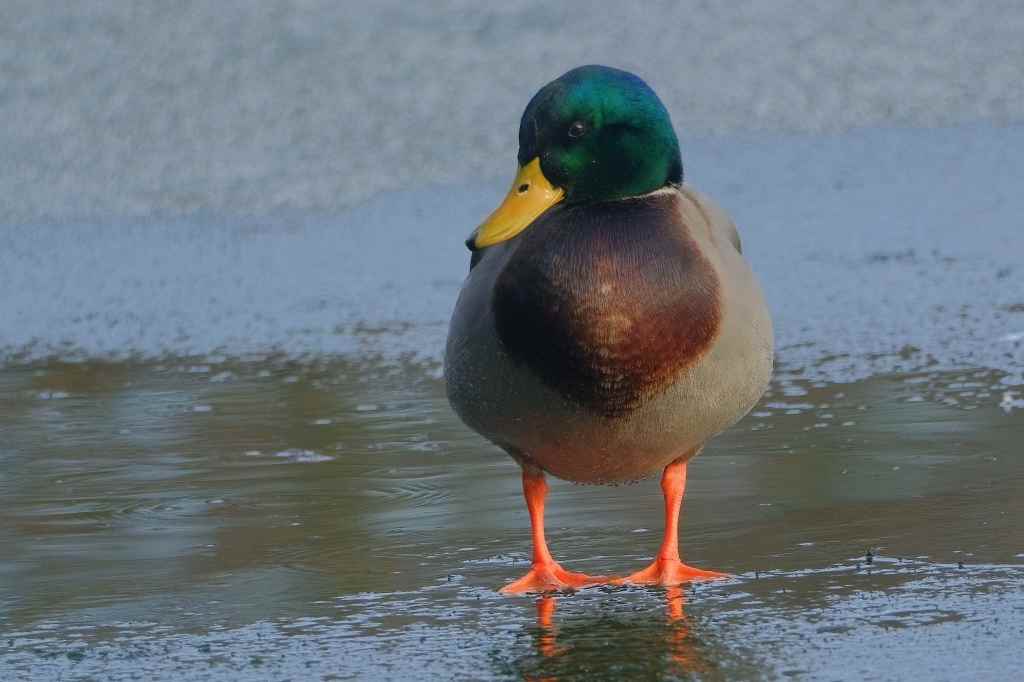
Drake Mallard on the ice.
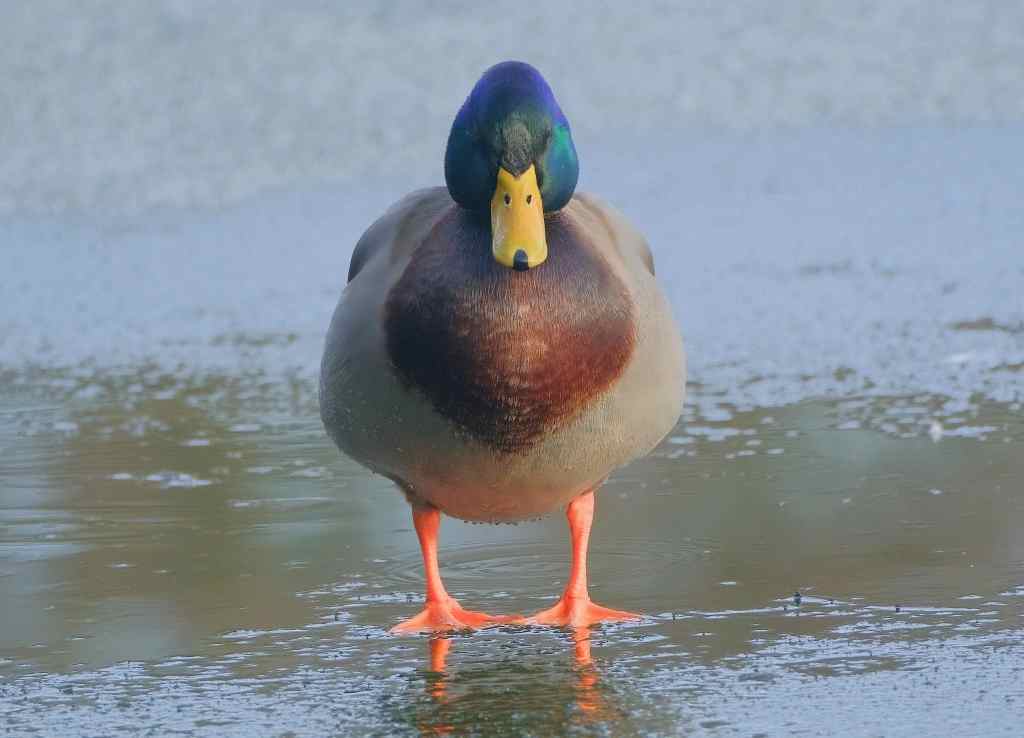
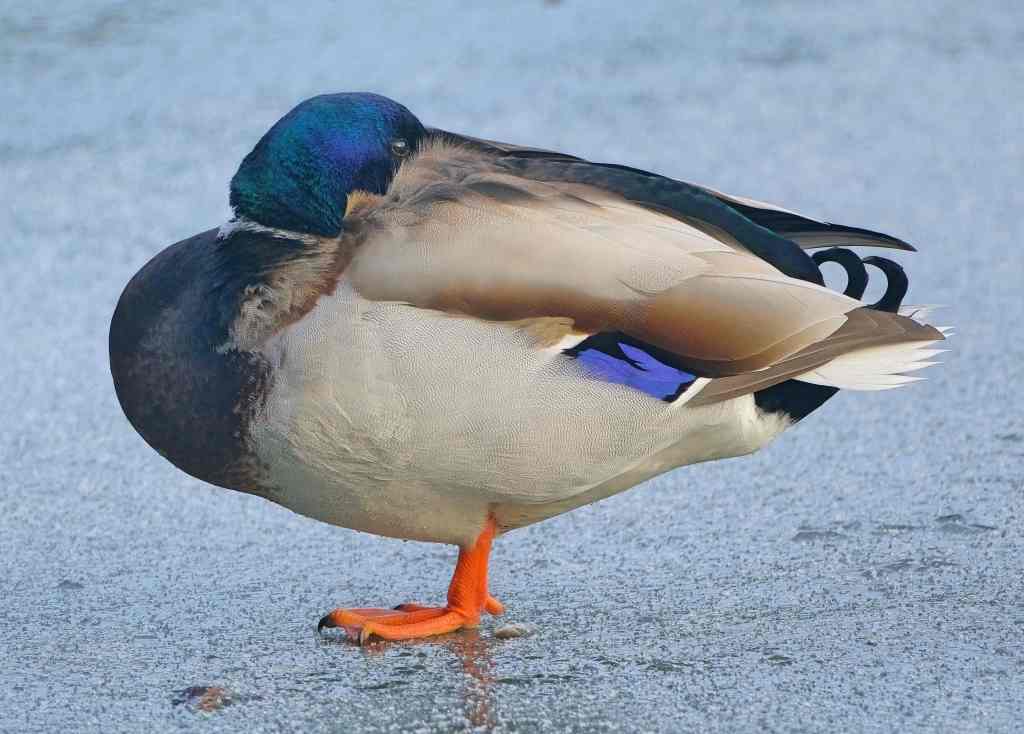
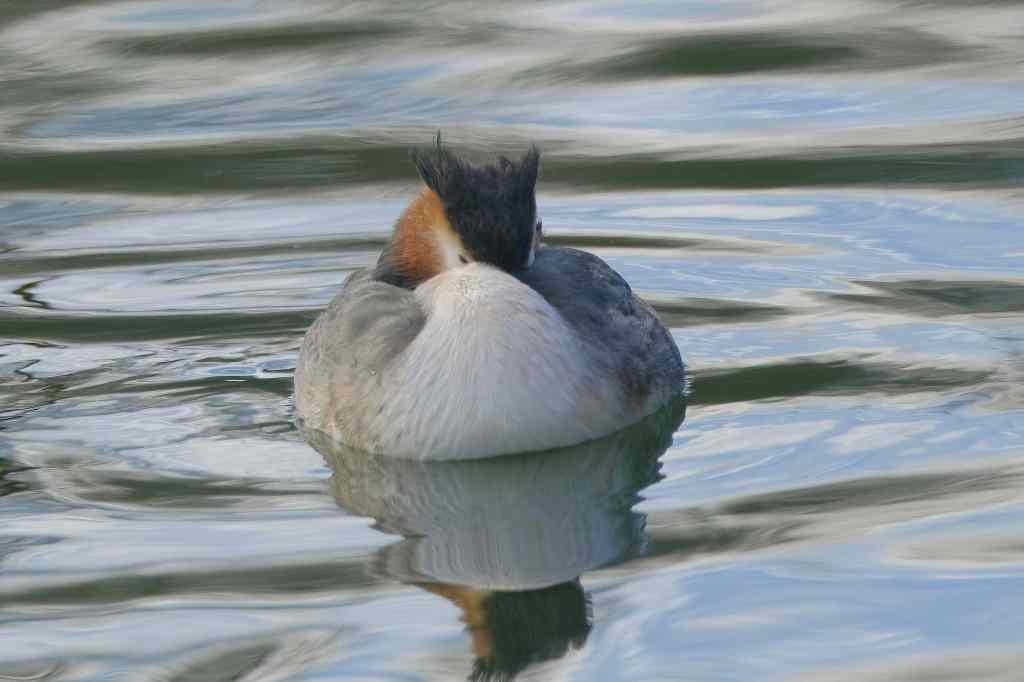
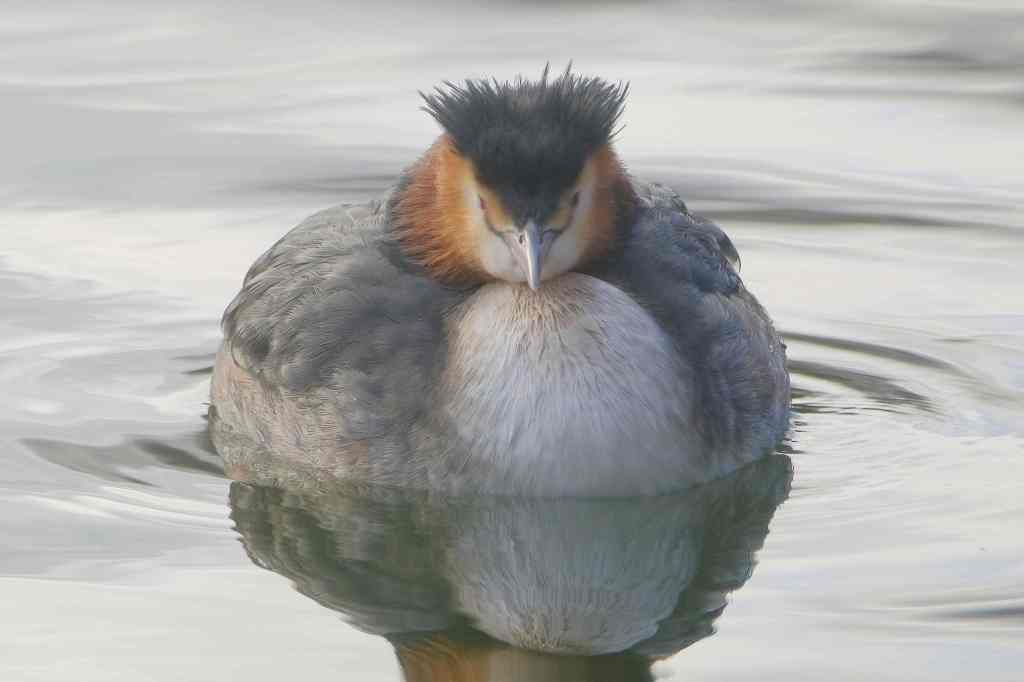
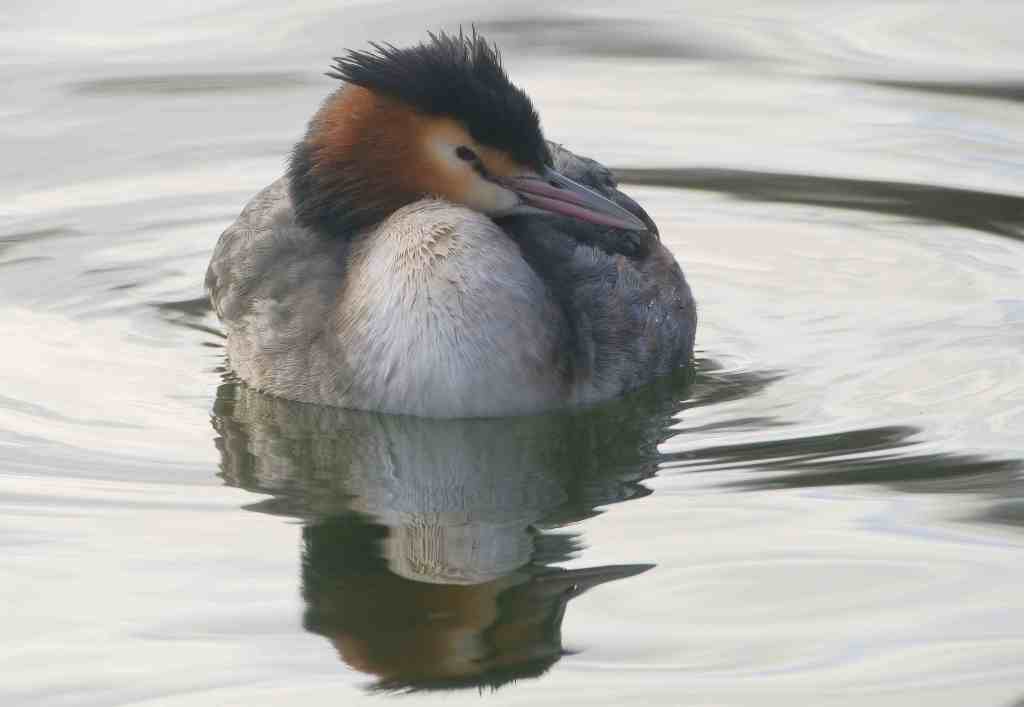
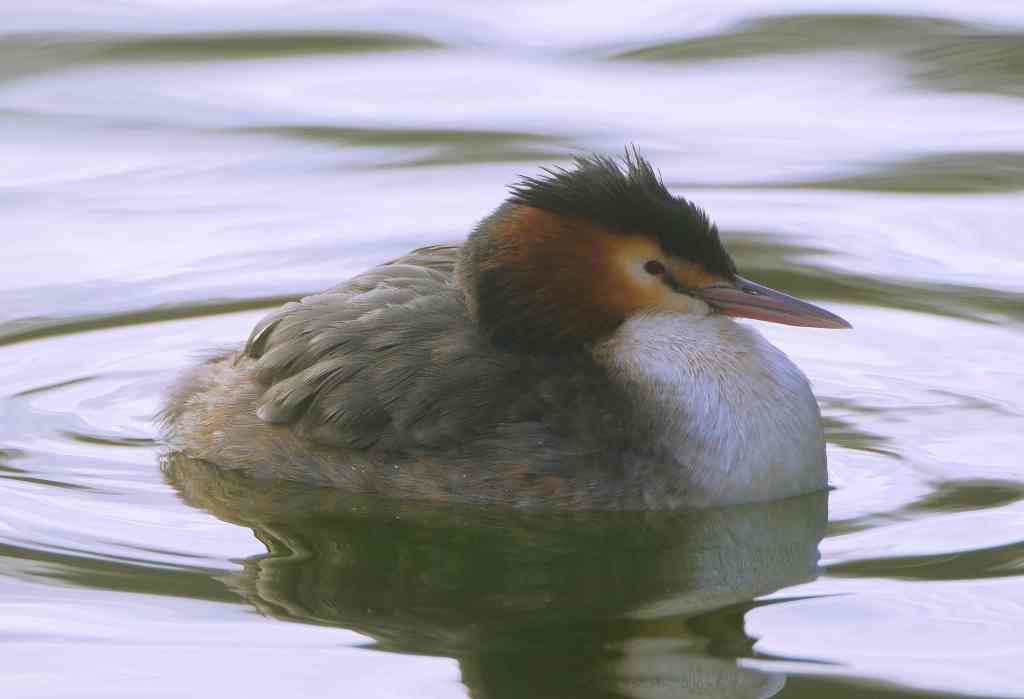
Great Crested Grebe. On open water.
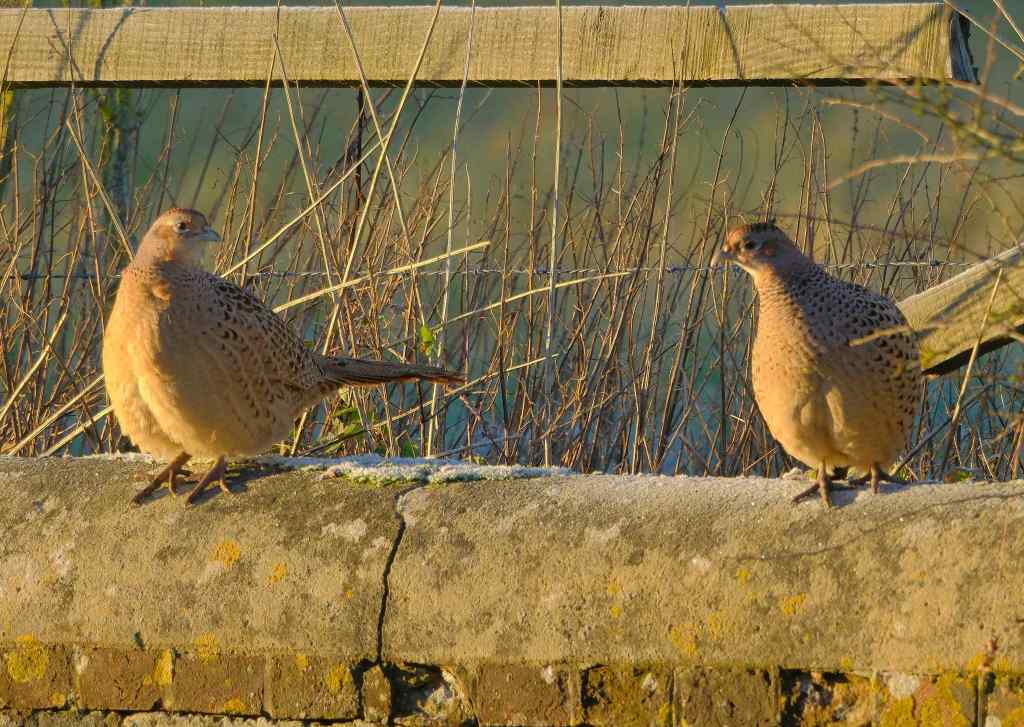
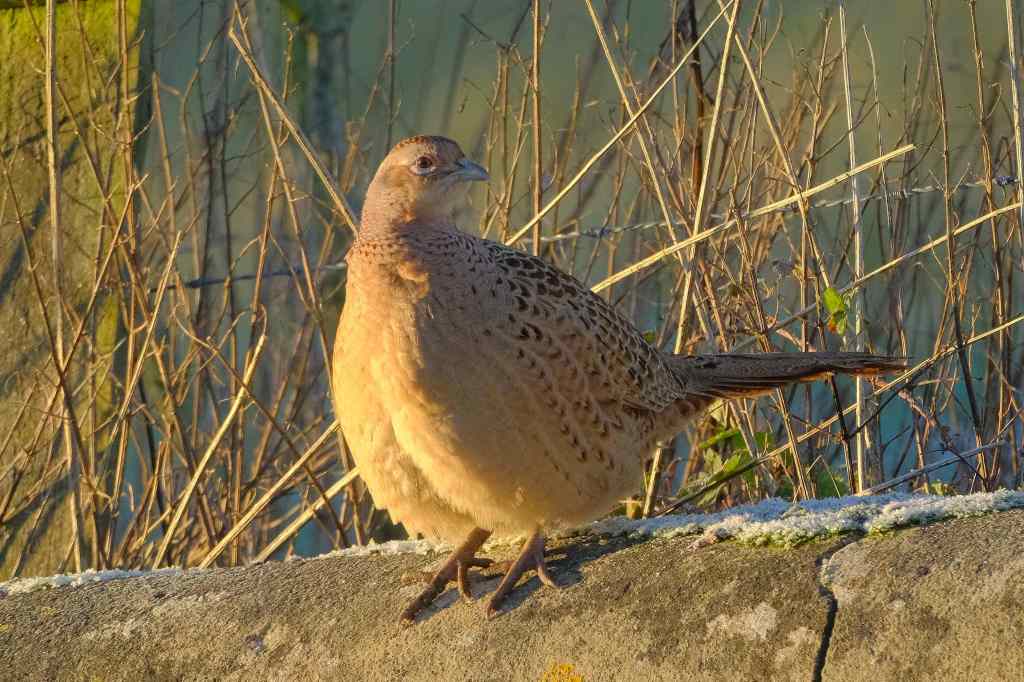
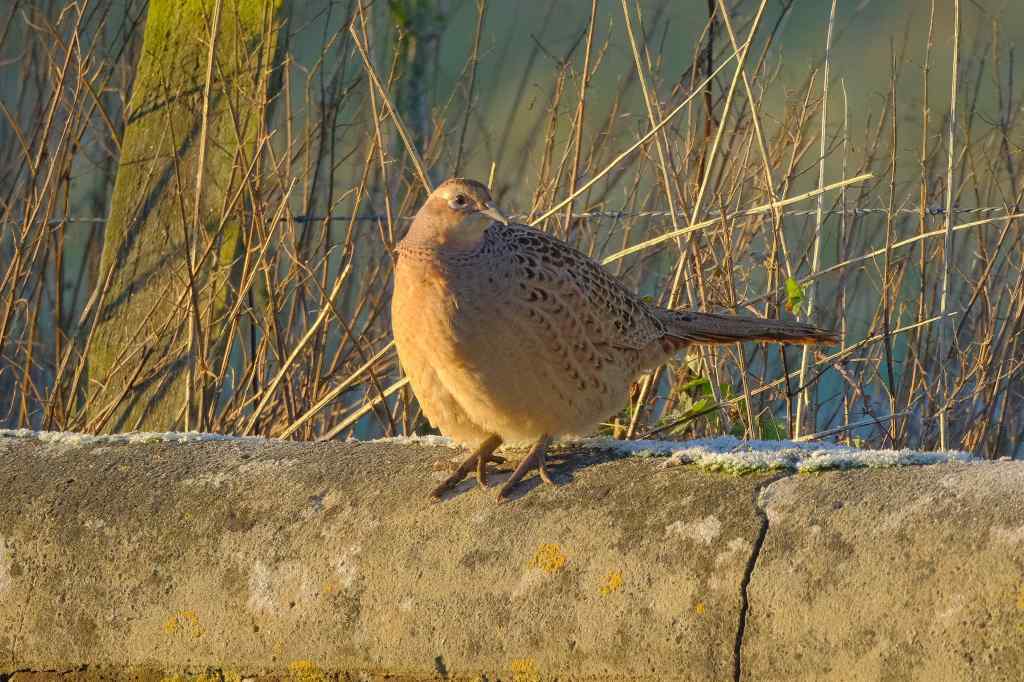
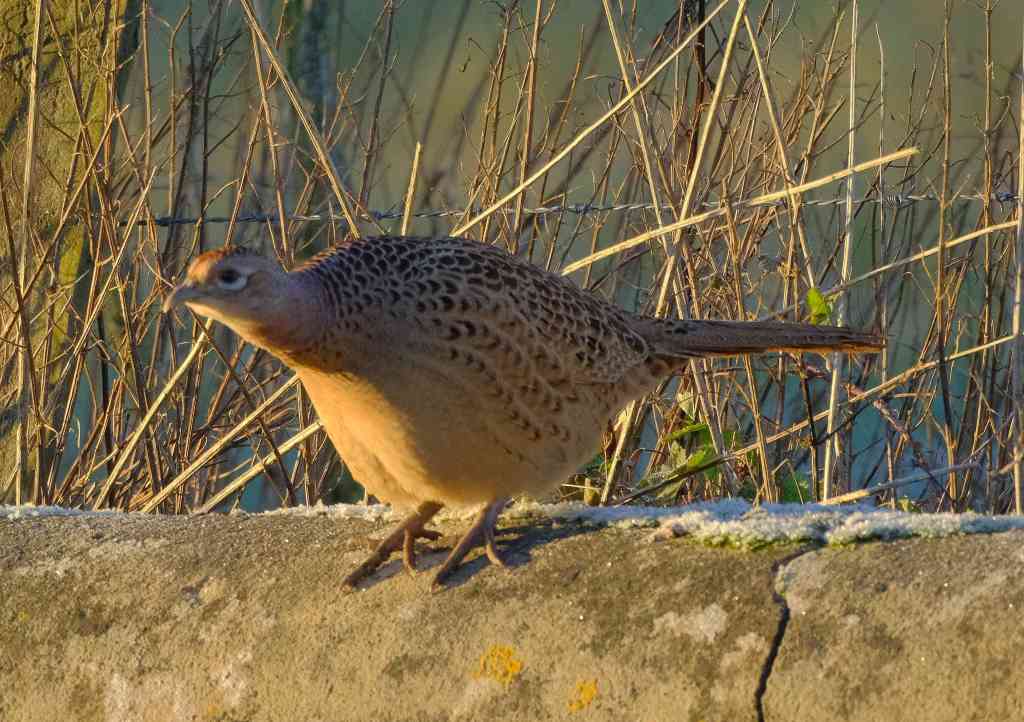
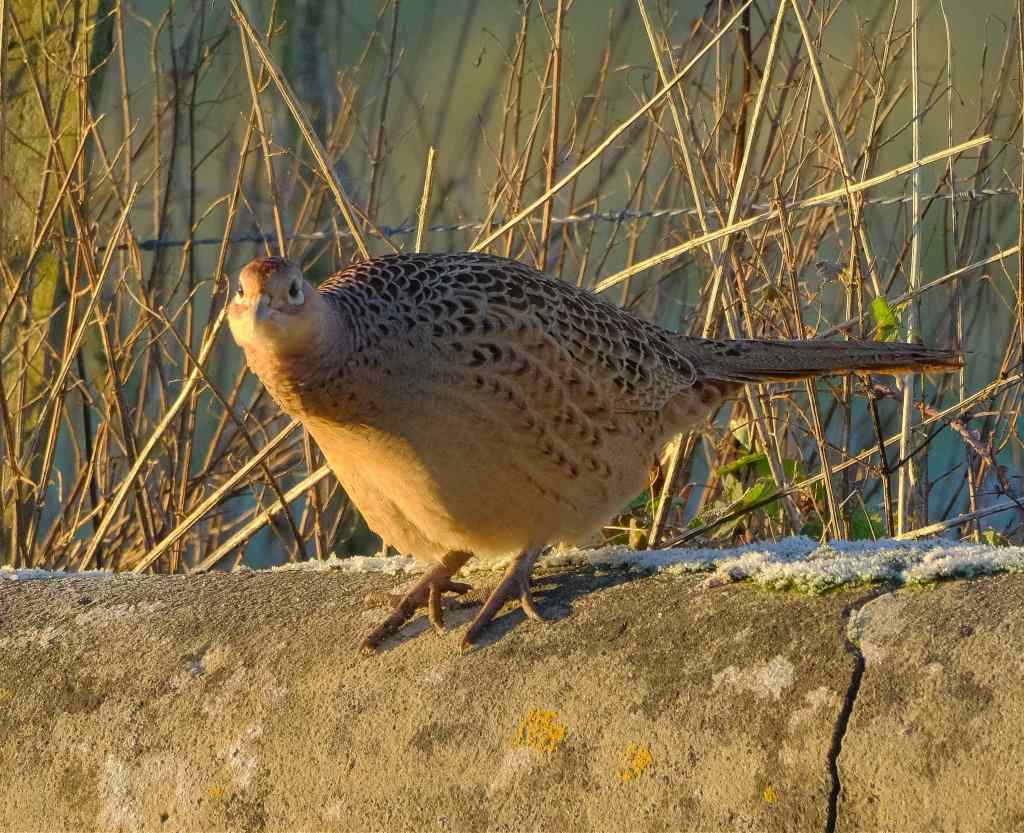
Hen Pheasants.
 Continued Reflections from my World.