The mint moth is a day-flying moth. I have seen these tiny moths on our garden mint plants. Mint moth caterpillars feed on mint plants. These pictures were taken in our local wet meadows on wild water mint plants.
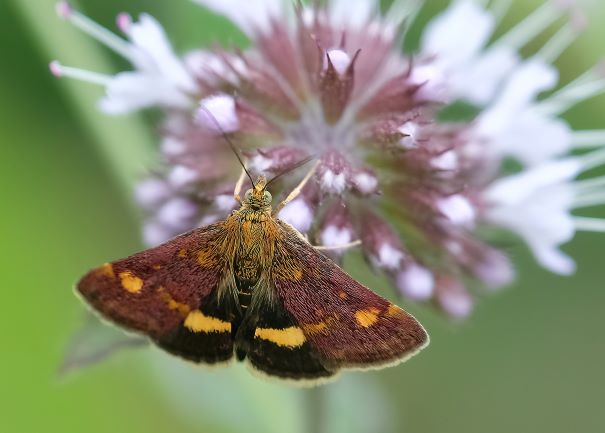
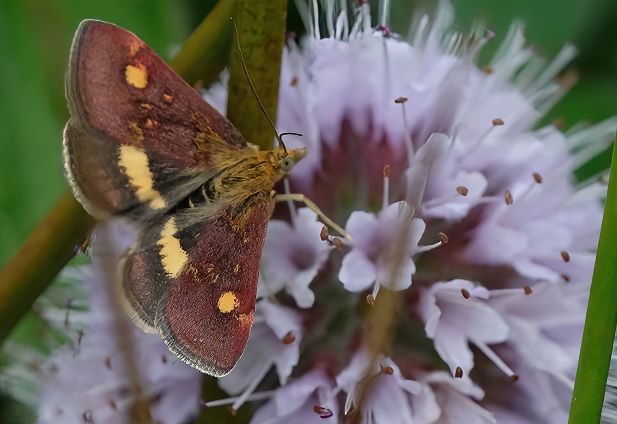
The mint moth is a day-flying moth. I have seen these tiny moths on our garden mint plants. Mint moth caterpillars feed on mint plants. These pictures were taken in our local wet meadows on wild water mint plants.
The Keeled skimmer is a medium-sized dragonfly. Males are pale blue, with grey-blue eyes; females are yellowy-brown with a black line down the middle. This male dragonfly was in the New Forest this morning. It is a dragonfly of heathland with shallow pools. They are on the wing from June to September.


A walk in one of our local nature reserves a pocket of land squeezed between 1980s housing developments.
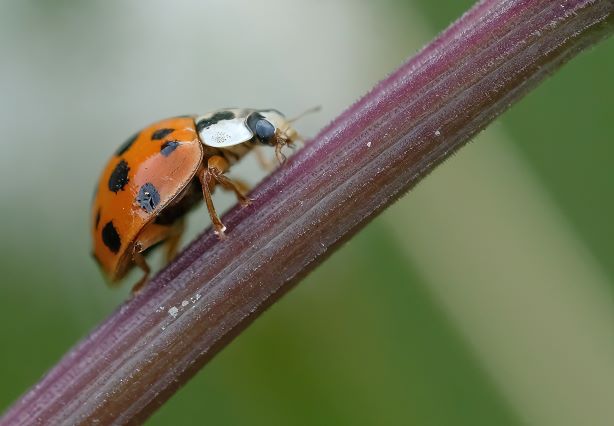
Ladybirds.
In the UK we call these little bugs ladybirds I know in other parts of the world they’re known as Ladybugs.

Common Darter Dragonflies.


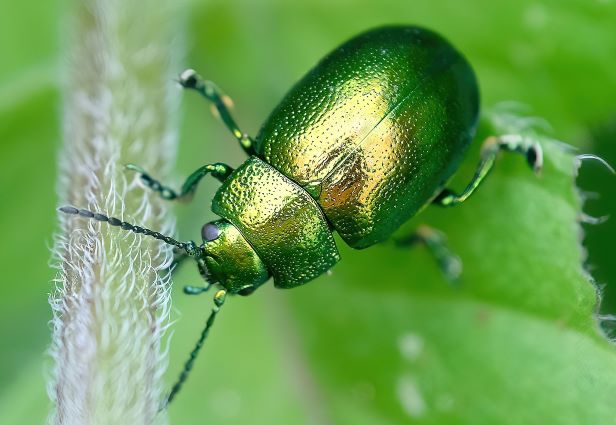
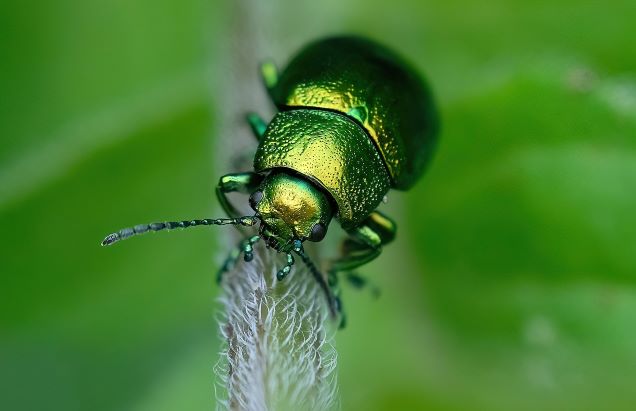
Green Dock Beetle.
Ruddy Darter dragonfly.

Common frog.

#Wordless Wednesday
Local Heron and an eel.
The Eel has recently suffered dramatic declines and is a protected species. It is famous for its mammoth migration from its freshwater home to the Sargasso Sea where it breeds. I have regularly seen eels being taken by Herons at Titchfield Nature Reserve. I have also found some on the beach.
Length: up to 1m
Weight: 0.5-5kg
Average Lifespan: 15-70 years

Four-spotted Orbweb Spider (male)
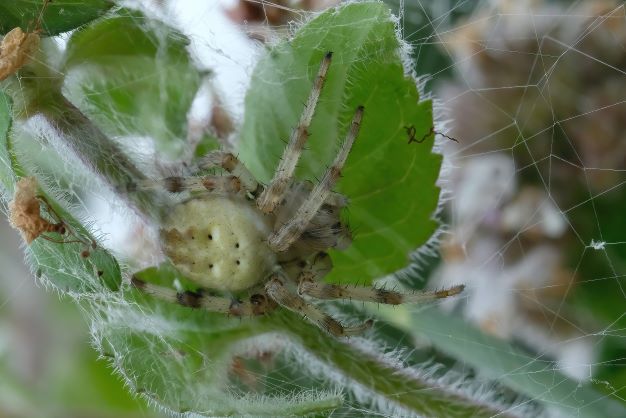
Four-spotted Orbweb Spider (female)

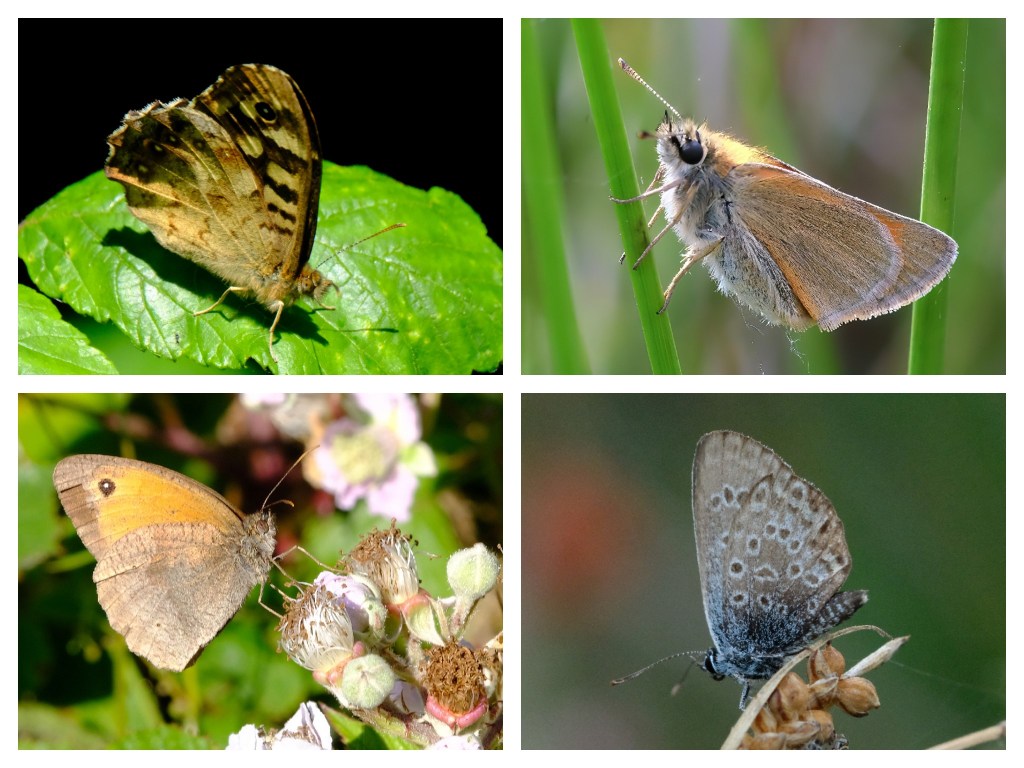

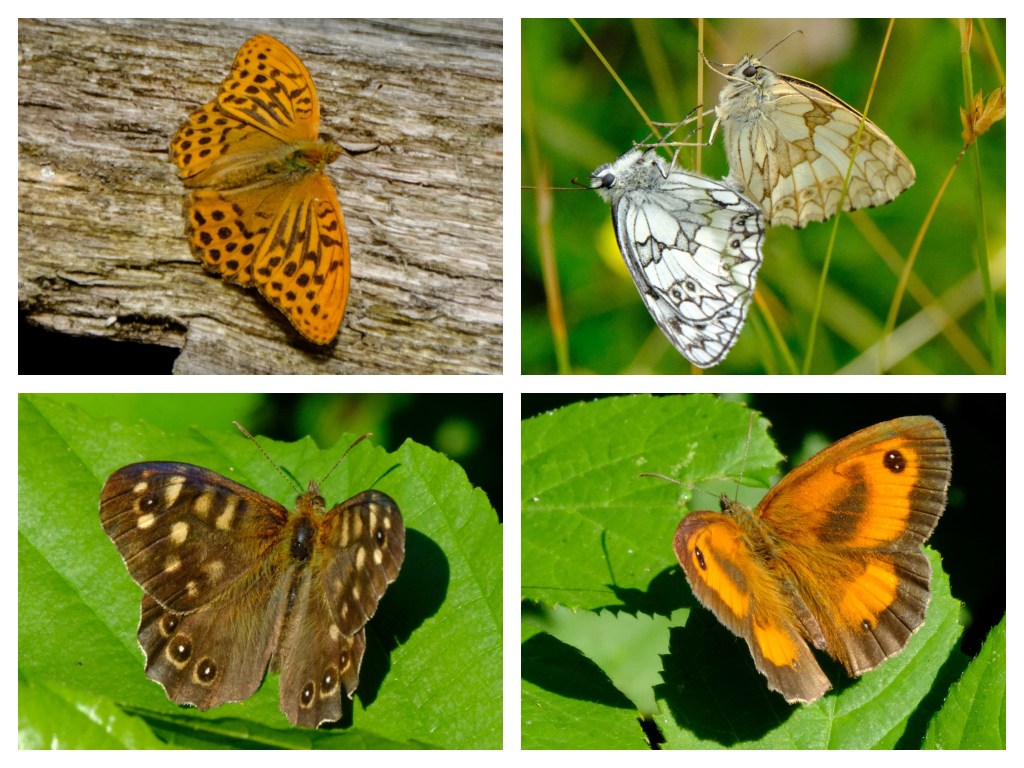
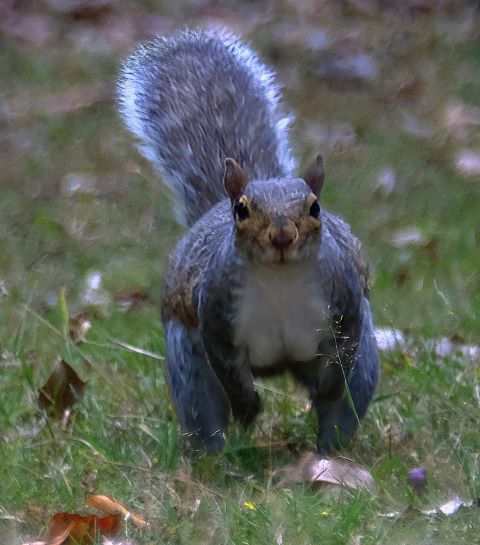
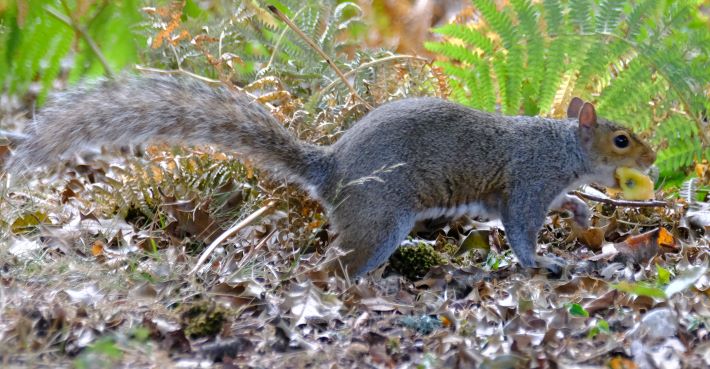
An apple core snatch and grab. Sometimes the temptation of getting close to a human for a tasty bit of food overcomes any fear. This Grey Squirrel was showing an interest in my apple while I was sitting on our van step. When I had finished eating it I dropped it on the grass within seconds he was on it.
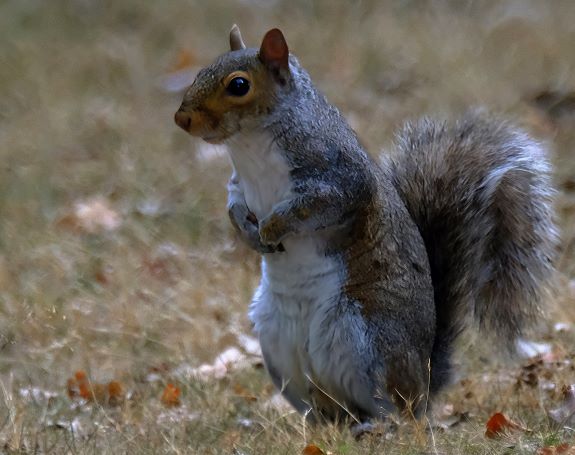

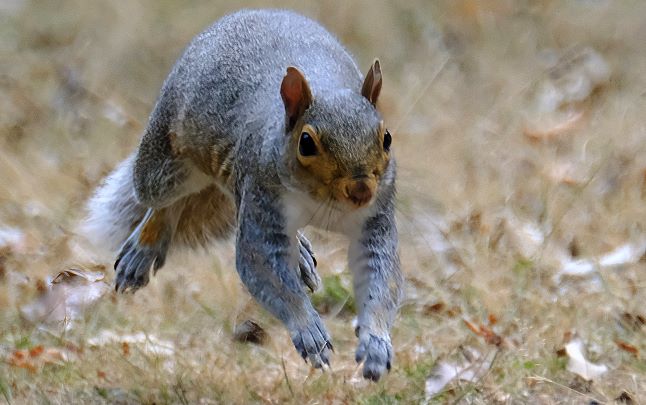

And the prize.
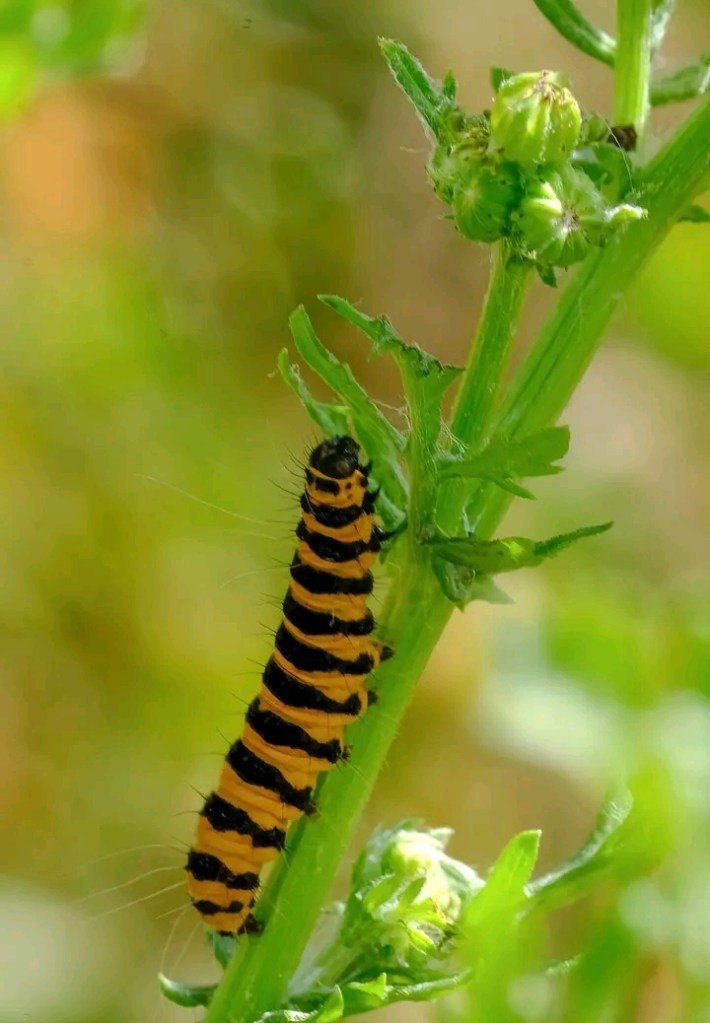
Black and orange or orange and black. In recent years I have only found a few Cinnabar caterpillars. When we were kids each Ragwort plant in the fields behind our family home had many of these colourful caterpillars. When l find one today I am transported back to the carefree days of my childhood in the 60s unaware of the Cold War, the Bay of Pigs and the Cuban Missle Crisis.


Common Candy-striped Spider Enoplognatha ovata.
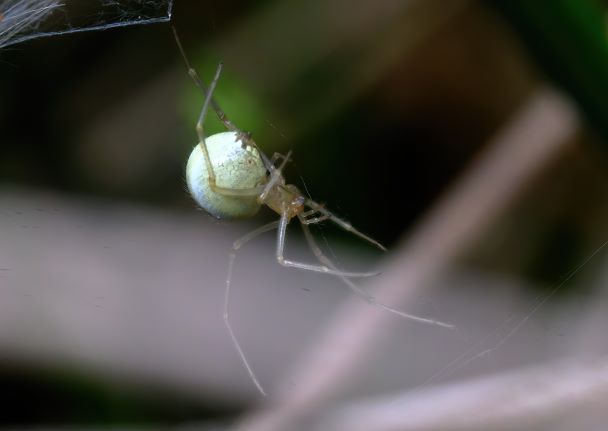
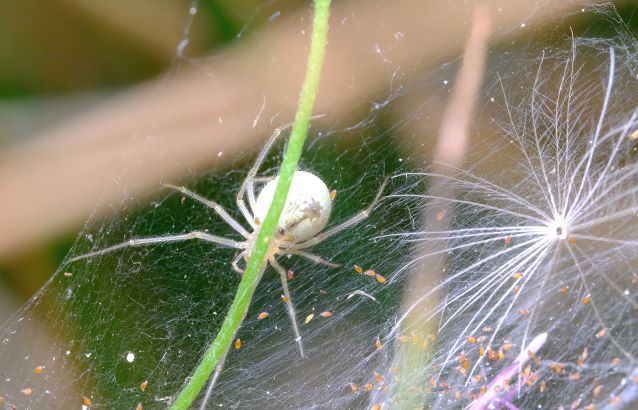
This spider can reach a length of 6 mm (excluding legs), and their legs are translucent. This spider’s globular abdomen is extremely variable in colour and pattern their background colour is white/cream or green and can be marked with a row of dark spots, a broad red stripe or with two red stripes in a v-shape. Despite its small size, this spider can prey on insects many times its size.
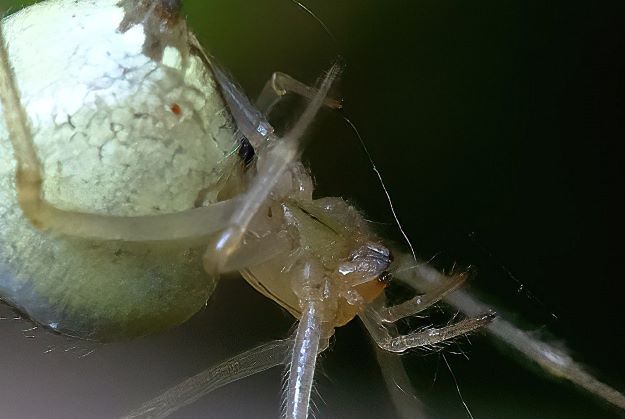
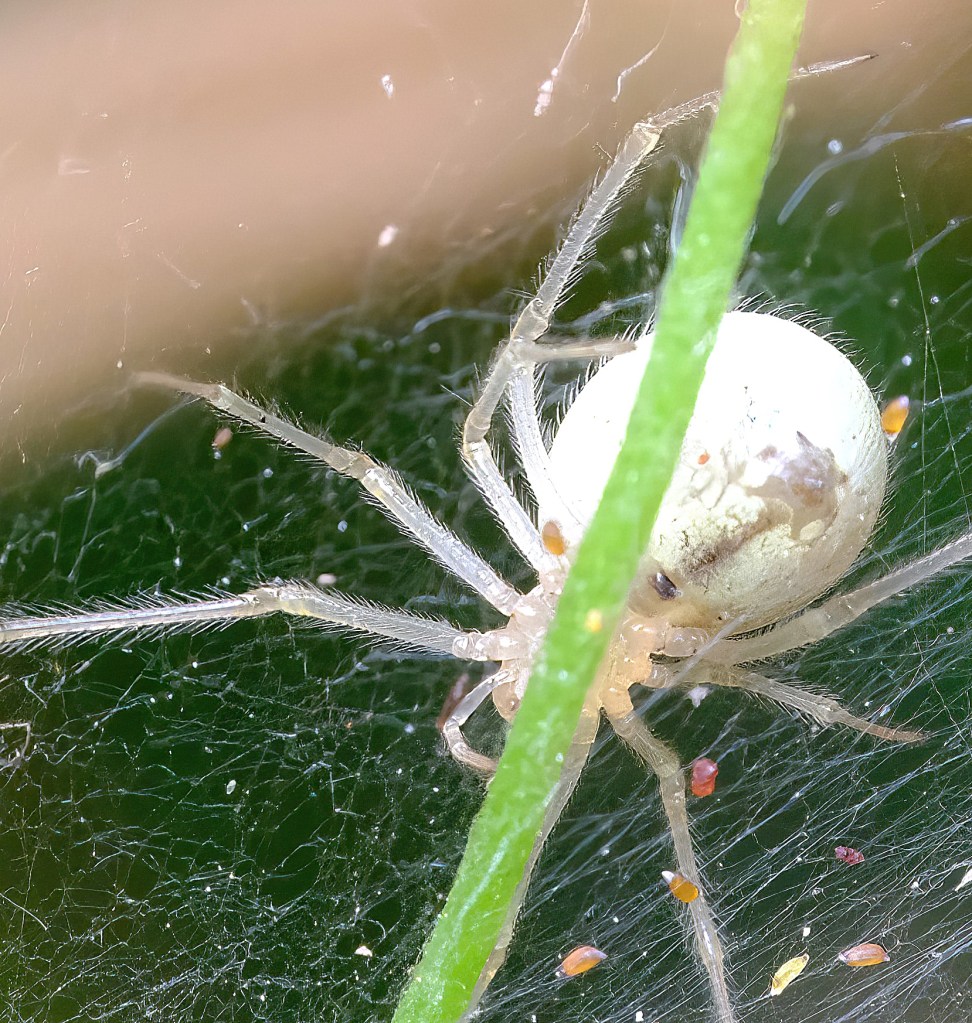
Egg Sack.

This spider was within a field of thistles.
 Continued Reflections from my World.