Our first visit to the New Forest in April this year with a fair walk deep into the forest to collect camera footage from where we left our trail camera last week. Returning to the van we found another Badger’s sett – we now know where 3 setts are located – It is interesting that once you understand these mammals’ behaviour and how they build their setts you can spot clues in the landscape where to look. Below is the footage from my brother’s camera which got the best footage.
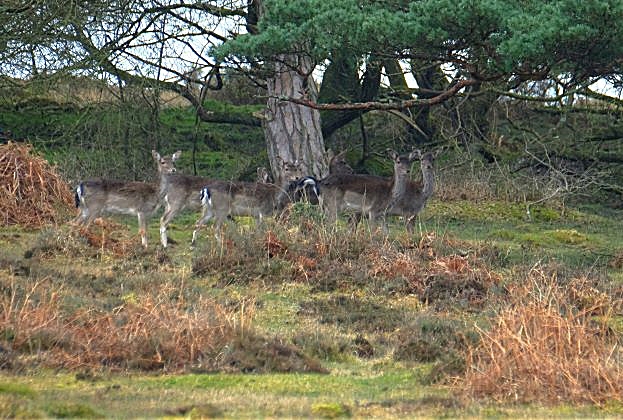
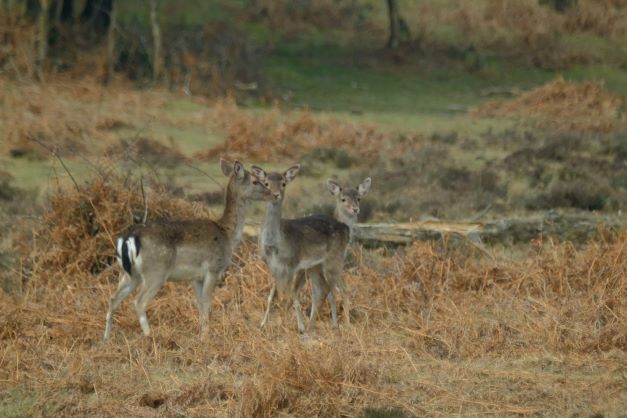
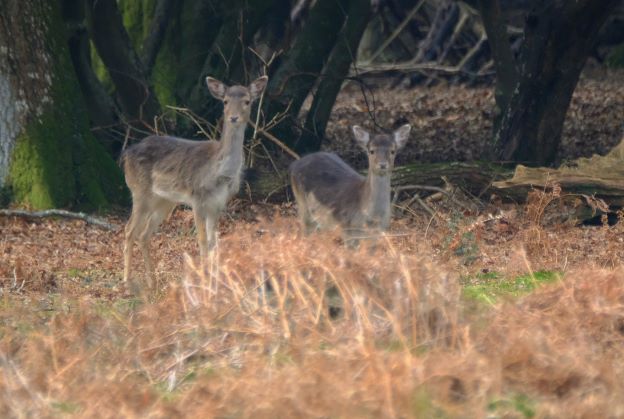
As always some Fallow deer sightings on our walk.
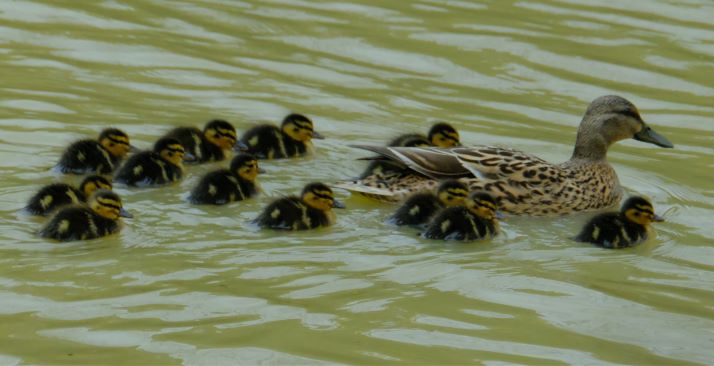
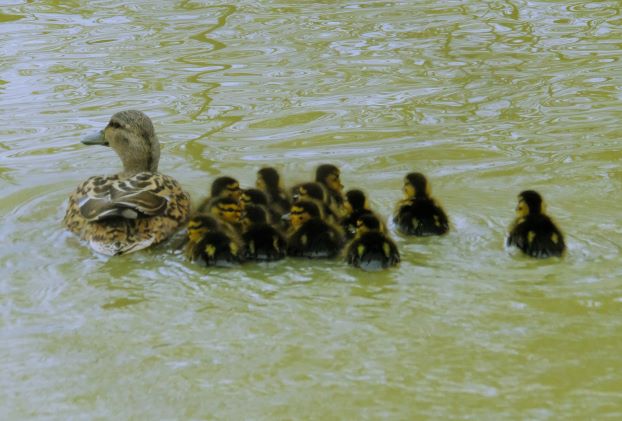
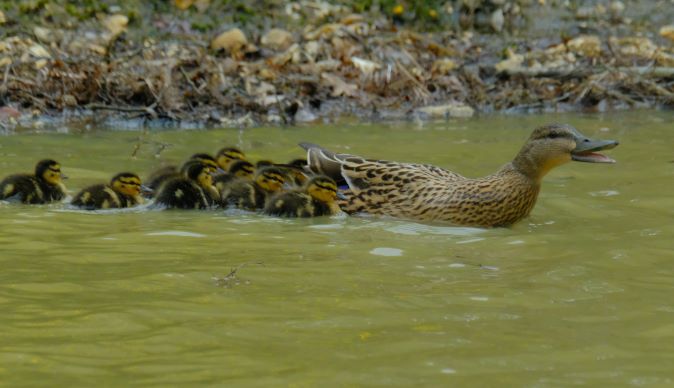
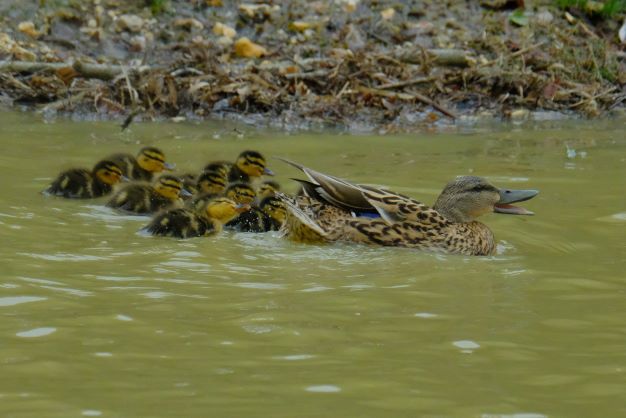
After the badger walk, we checked out a forest pond, where we saw our 1st ducklings of the year. This mum was being hassled by a group of drakes so she moved them away onto an island out of their reach.
One of my favourite starting places in The New Forest for a walk is Cadman’s Pool It was the idea of Arthur Cadman who was Deputy Surveyor of the New Forest in the 1960s. The pond is on Ocknell Plain, and at the edge of Stoney Cross Airfield (a WW2 aerodrome). It was dug to enhance the aesthetic appeal of this corner of the Forest.
After a circular walk and the placing of our trail camera’s on a badgers sett we found on last weeks walk in the area I was able to spot some wildlife on the pond.
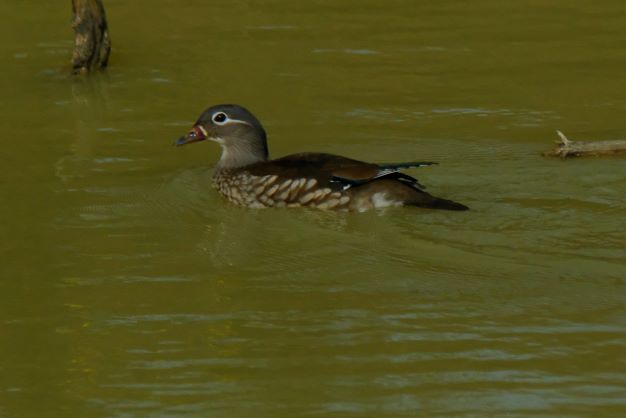
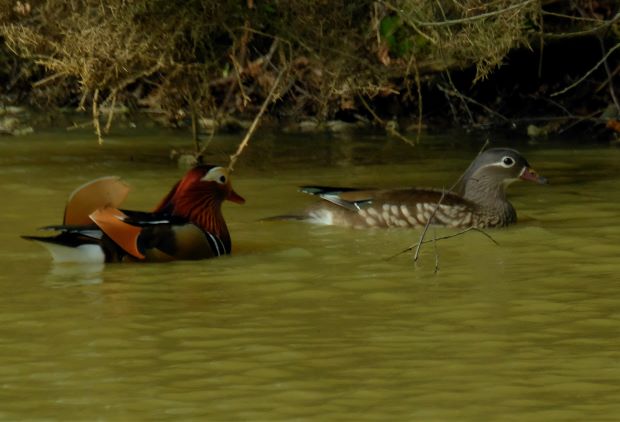
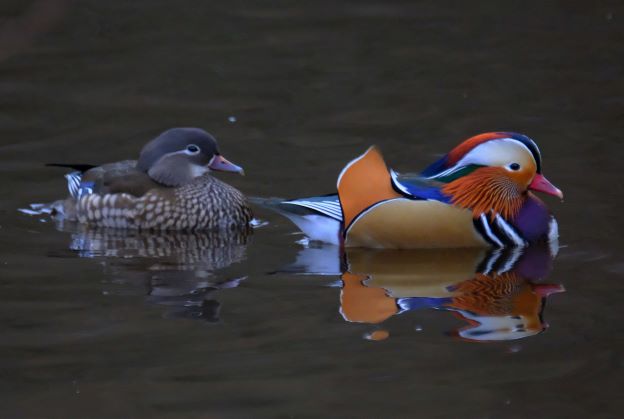
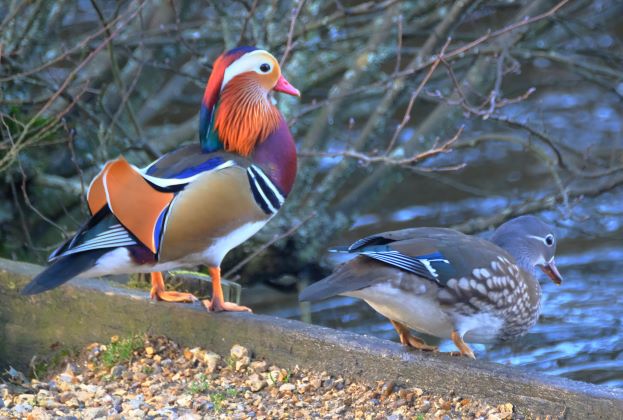
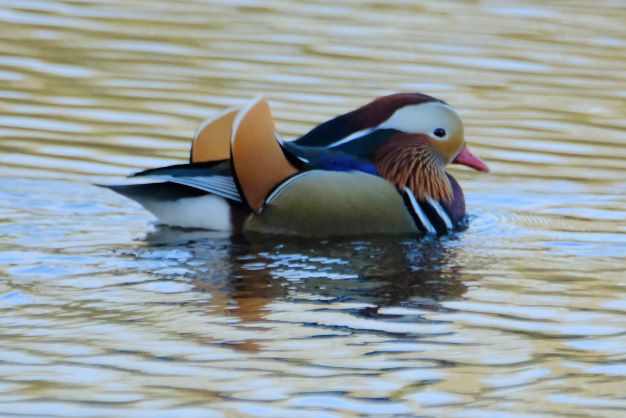
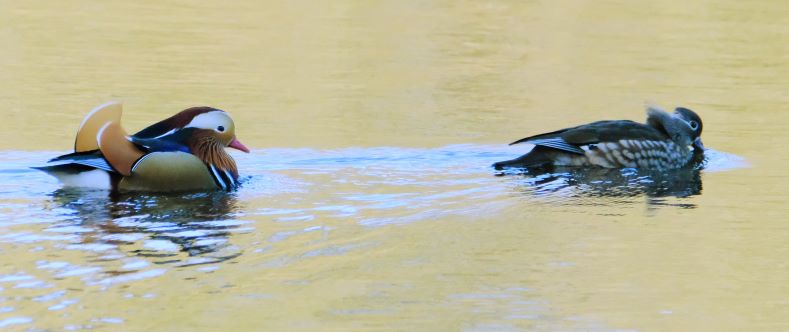
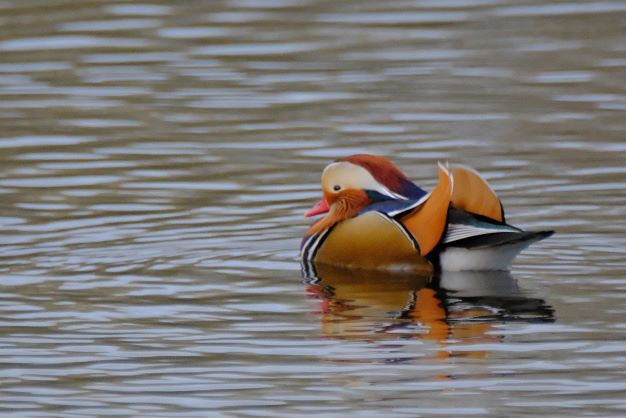
These Mandarin Ducks have paired up and seem to have established their home on Cadman’s Pool. As I have posted before there is a group of about 6 ducks on Eyeworth Pond which is about 2 miles away as the crow (or duck) fly’s so I suspect these have relocated from there.
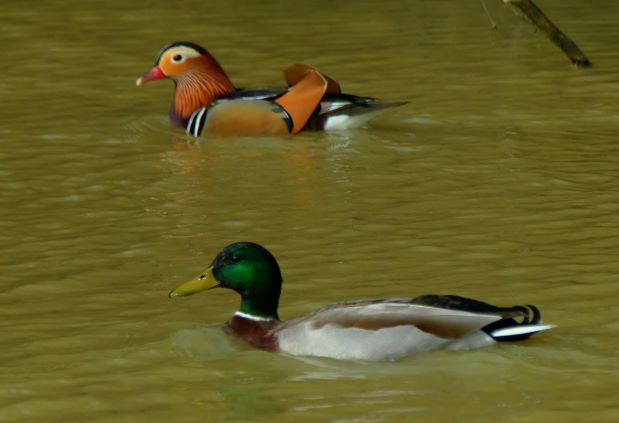
This picture gives you a good size comparison of the Mandarin with a Mallard.
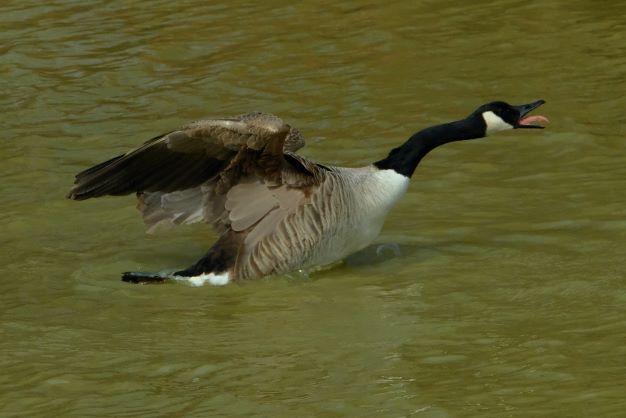
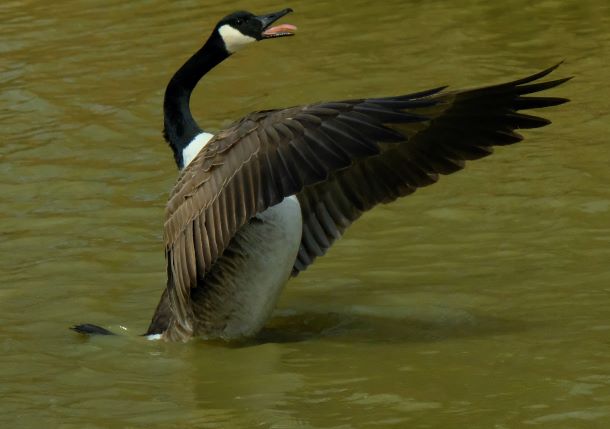
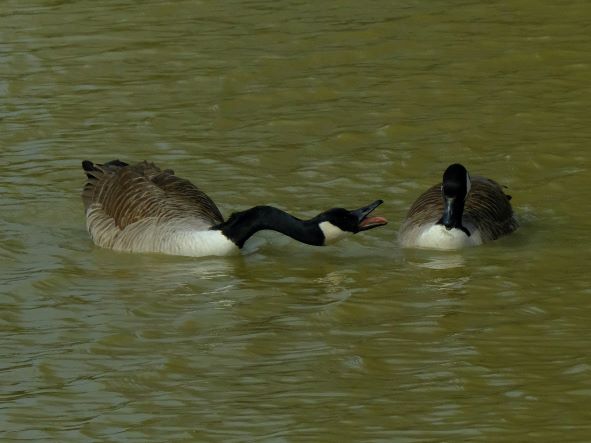
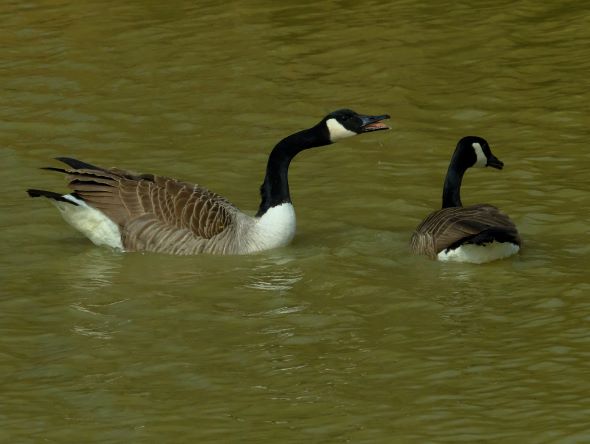
About 6 Canada Geese were pairing up – A rather noisy process!
A morning walk in the New Forest with a cold start but soon the sun came up making it a nice Spring Morning walk.
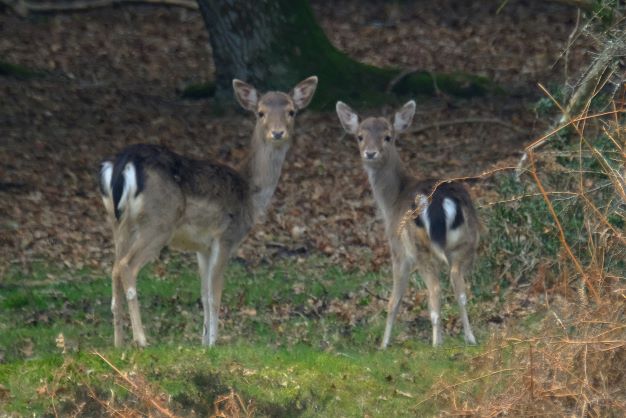
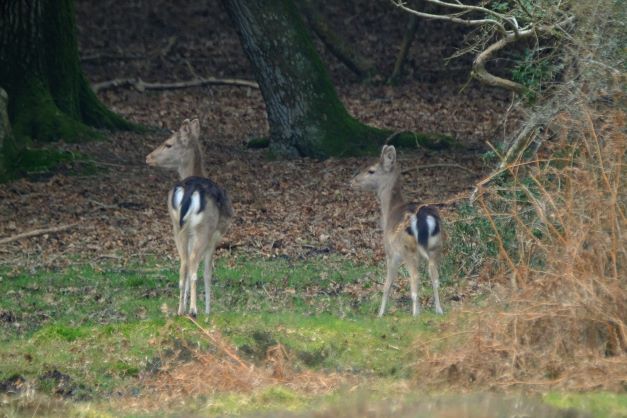
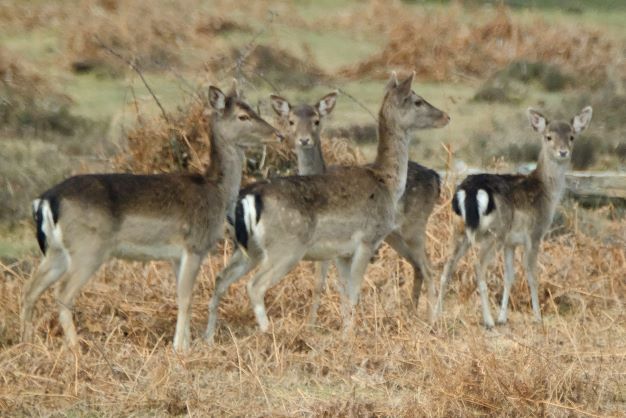
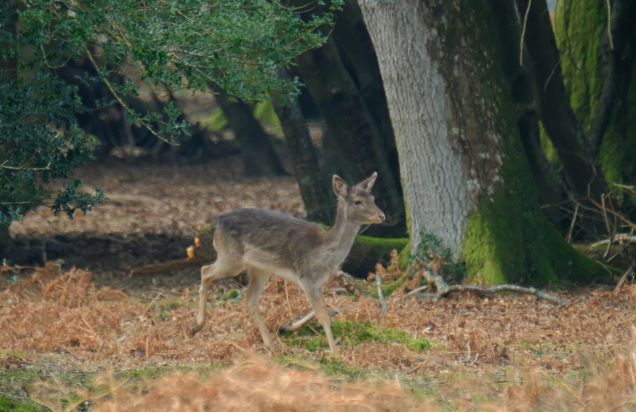
Several small herds of young Fallow Deer spotted us about the same time as we spotted them so a bit of looking at each other before both parties went their own way.
It was nice to see Fallow Deer today so close to seeing a herd of Red Deer last week – what stands out between the 2 species excluding the size is the white and black buts of the Fallow Deer.
Some bird watching along the way and at a hollow tree at the end of the walk with a bit of birdseed to encourage some of the smaller birds closer to the camera.
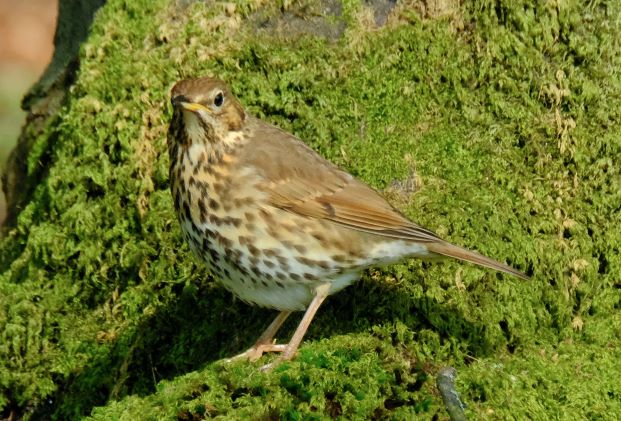
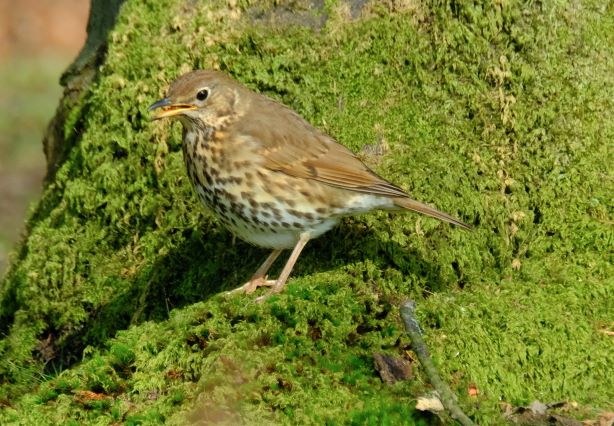
A Song Thrush. One of this bird’s favourite meals are snails – which they break into by smashing them against a stone with a flick of the head. This one was feeding in the forest under fallen leaves looking for worms and insects.
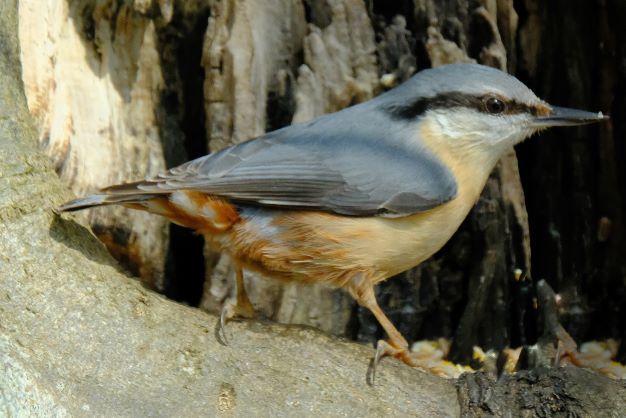
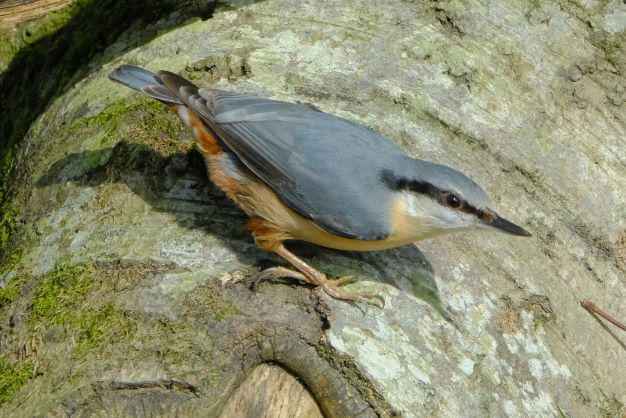
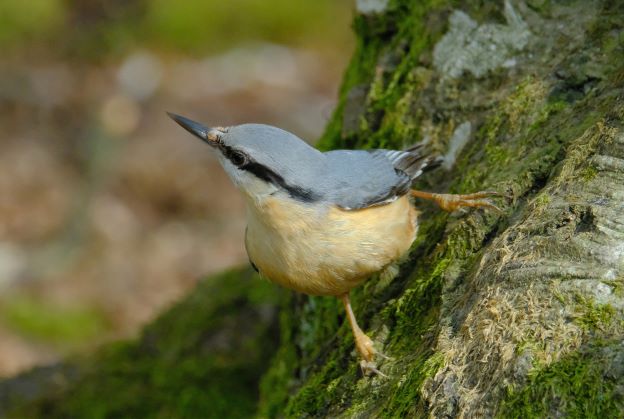
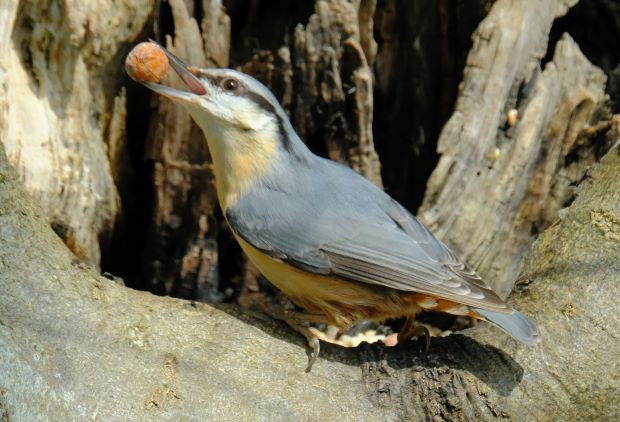
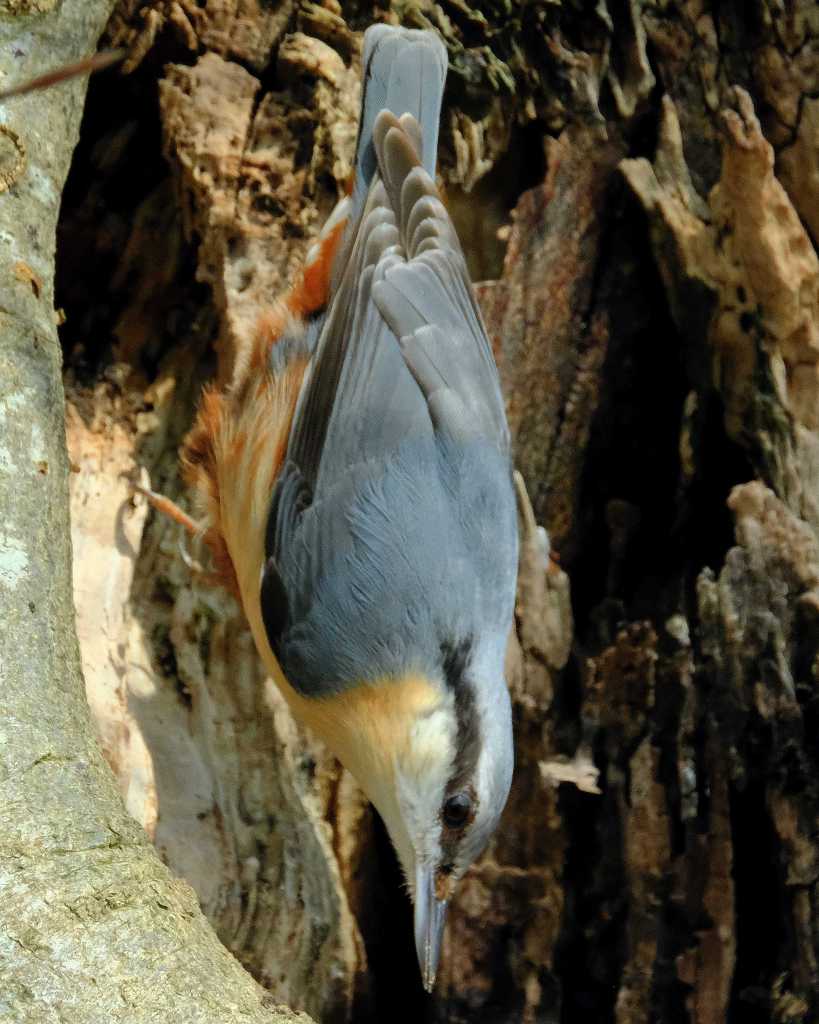
A Nuthatch is an interesting small bird as they will climb down trees and well as up while looking for a meal. They hold on to a tree from all angles.
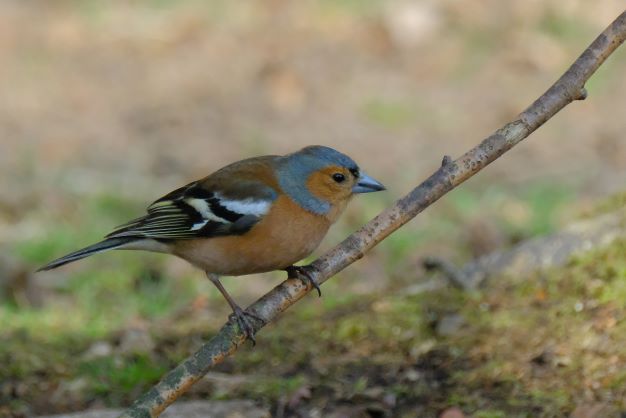
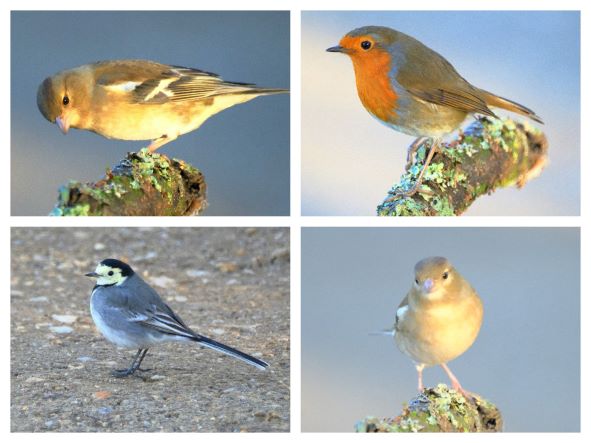
A male Chaffinch.
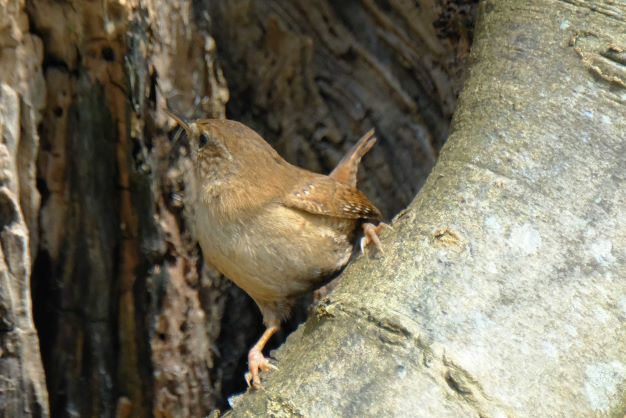
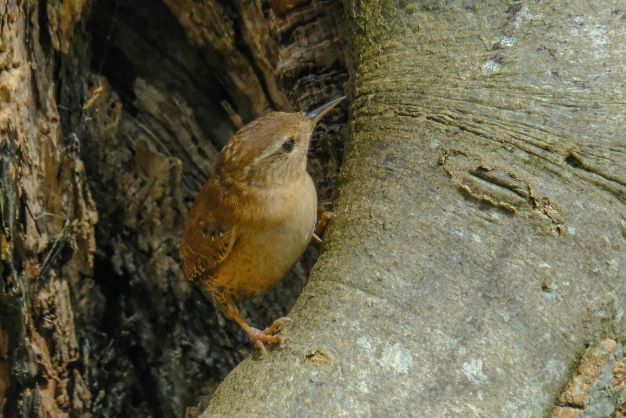
The wren is a tiny brown bird, it has a short, narrow tail that is sometimes cocked up vertically. For such a small bird it has a remarkably loud voice.
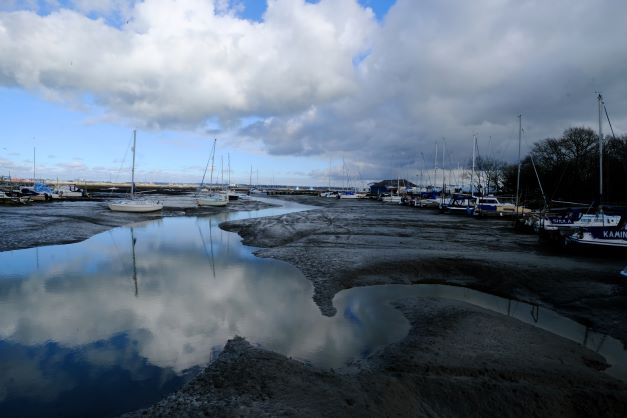
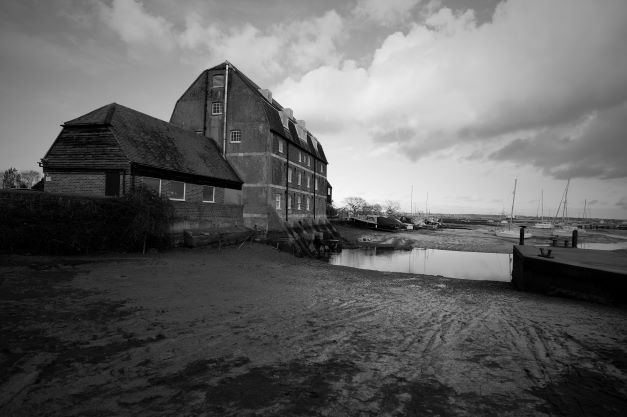
Ashlett Creek is a tidal inlet on the New Forest side of Southampton Water near Fawley. The creek is only accessible at high tide. There has been a mill on the site dating back to medieval times. The mill is a Grade II listed building that was built in 1816 and milled corn until it closed around 1910. Ashlett mill was a tidal mill – a mill driven by tidal rise and fall. The tide comes in, it enters the mill pond through a one-way gate, and this gate closes automatically when the tide begins to fall. When the tide is low enough, the stored water can be released to turn the mill wheel. Flat bottomed sailing barges were used to load and unload grain, salt and other supplies. A Victorian Quay was built in 1887 to celebrate Queen Victoria’s Golden Jubilee.
The Mill.
Mill pond.
The Jolly Sailor, a 160-year-old pub is an old smuggler’s inn near the mill.
A return to the New Forest. We Parked up again at Eyeworth Pond – watching the pond with a cup of tea until the rain stopped before heading into the forest to the North-East following the track from the old Gunpowder Mills this road was built to allow the explosives to be transported away from the factory safely avoiding the small village of Fritham.
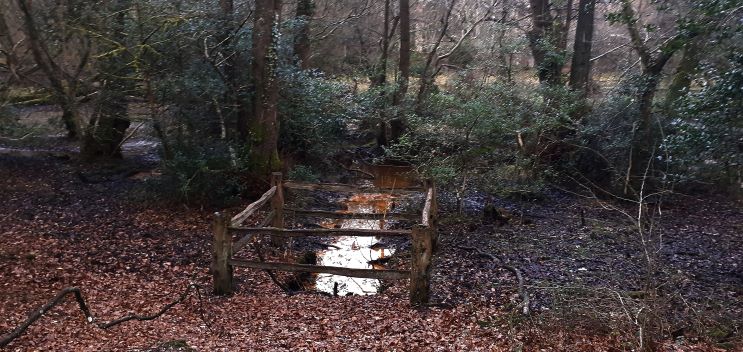
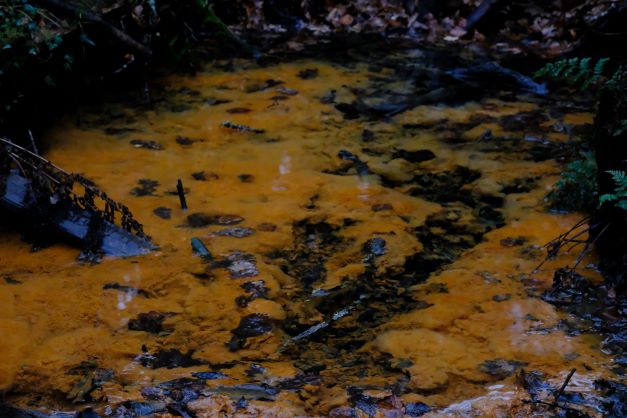
A little way along the track you pass a fenced spring. Known as “The Iron Wells” shown on maps dating back to the late-18th century. Marked on today’s Ordnance Survey maps as “Irons Well (Chalybeate)”. The water is impregnated with iron salts and is the colour of rust.
The waters are said to have curative properties particularly helpful for sore eyes, gout and other ailments, including leprosy. The spring was also known as Lepers’ Well, it is rumoured a house of rest for those suffering from leprosy was close to the well. Looking at the spring I decided not to take the waters on this visit!
No deer to see on our walk today.
.
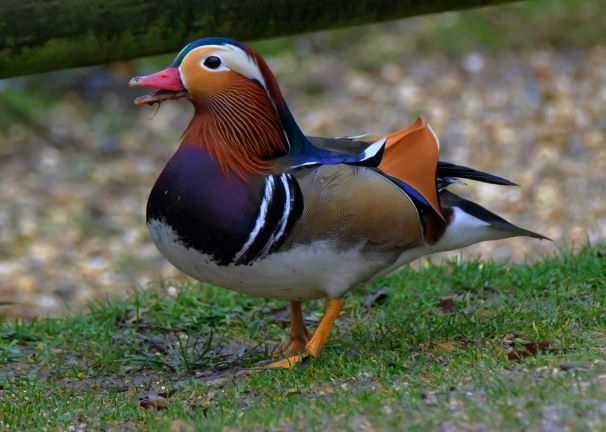
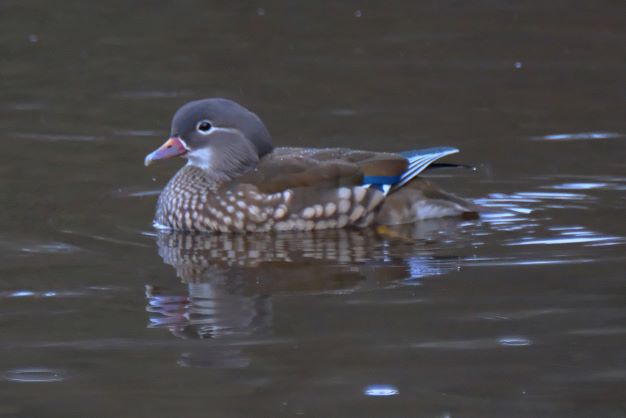
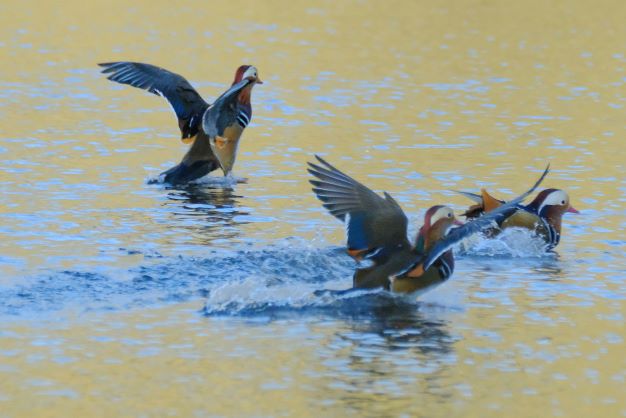
Back at the pond lots of birds as always – but the Mandarin ducks steal the show with their bright colours there seemed to be 5 males and 3 females present again. – lots of photographs at the end of this post.
Male Blackbird.
Song Thrush.
Pied Wagtail.
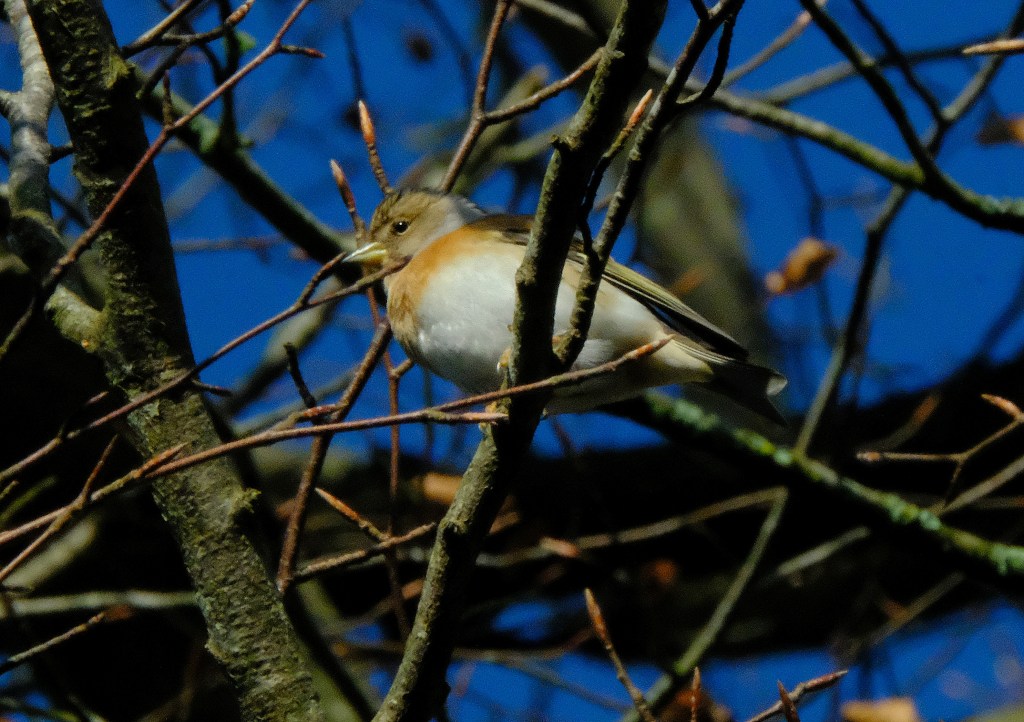
A first for me today was a Brambling. Not the best picture of this female bird but given I have never seen one before I am happy with this attempt.
A Male House Sparrow.
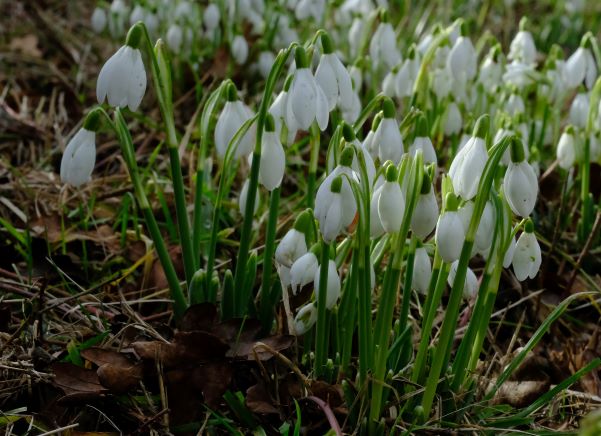
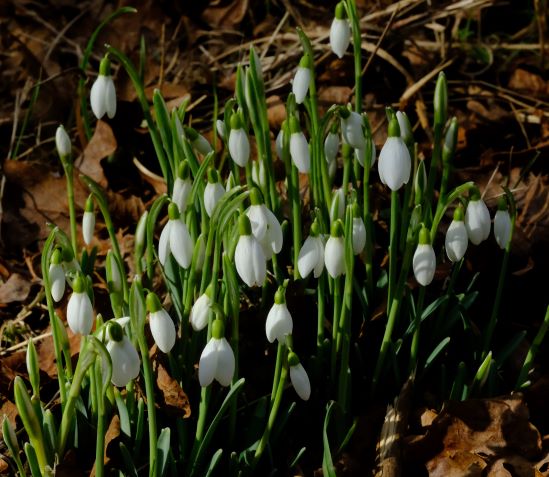
On the way home, we spotted lots of Snow Drops an early sign of spring.
A circular walk today in the New Forest starting and ending at Eyeworth pond.
History.
The pond was created by the Schultze Gunpowder Company as a reservoir to hold the water needed during the manufacturing process – it is estimated it held 6 million gallons of water. Work started on the factory in 1860. By the late 1890s the Company employed upwards of 100 people and there were some 60 buildings. The factory continued in operation under new ownership until 1921. The manufacturing of explosives deep in the forest away from the local population reduced the risk to the public. Today the reservoir remains although the factory has gone, it remains as a feature and wildlife habitat. Little other evidence of the factory survives, although the superintendent’s and gatekeeper’s houses remain and are private residences.
Birds. on the pond.
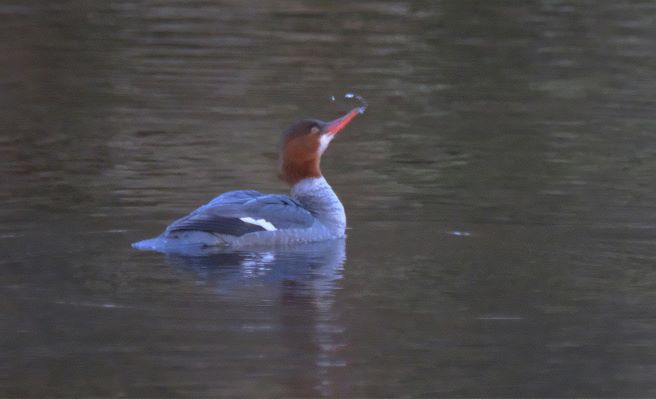
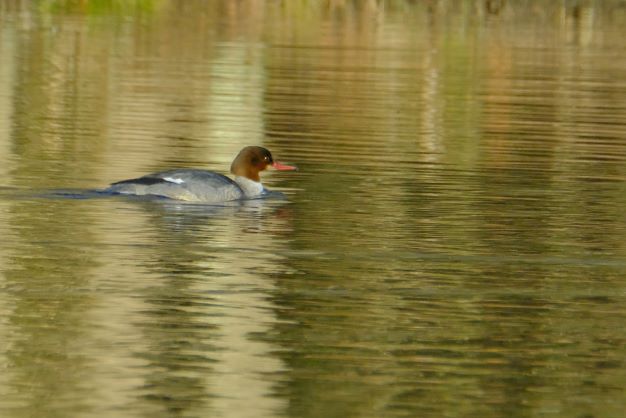
2 female Goosanders were on the far side of the pond ( I have seen males here as well in the past but not today). Goosanders are diving duck, they have long, serrated bills, used for catching fish. They 1st bred in the UK in 1871. ( These ducks are known as Common Merganser in the USA).
Mandarin ducks have for many years been a regular bird on Eyeworth pond. They always draw a crowd, they were introduced to the UK from China in the 20th century and have become established following escapes from captive collections. In the UK there are now said to be about 2,300 pairs and according to Wikipedia the population in China is only 1000 pairs.
Moorhen.
Woodland Birds. around the pond.
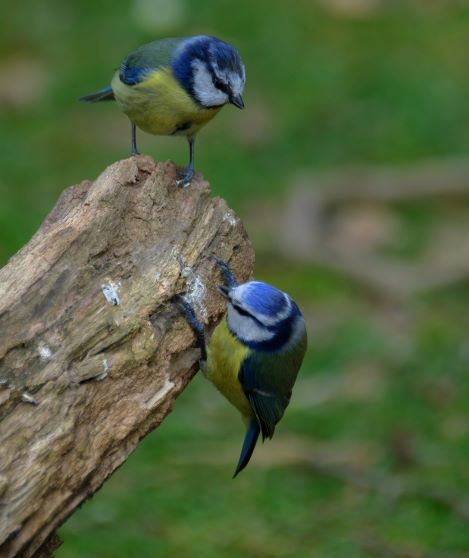
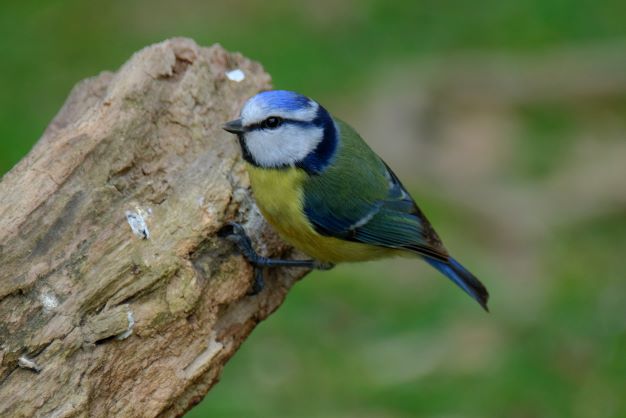
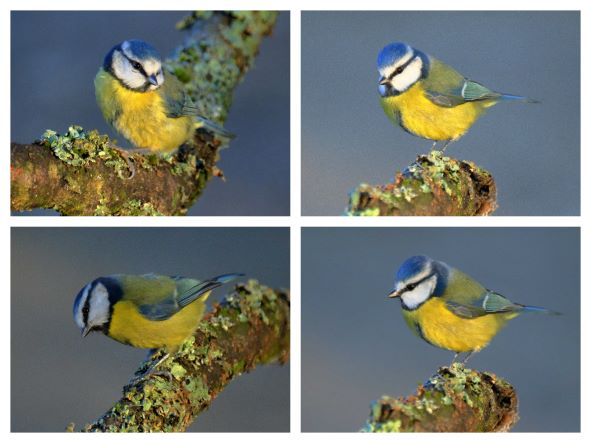
A woodland favourite is the Blue Tit.
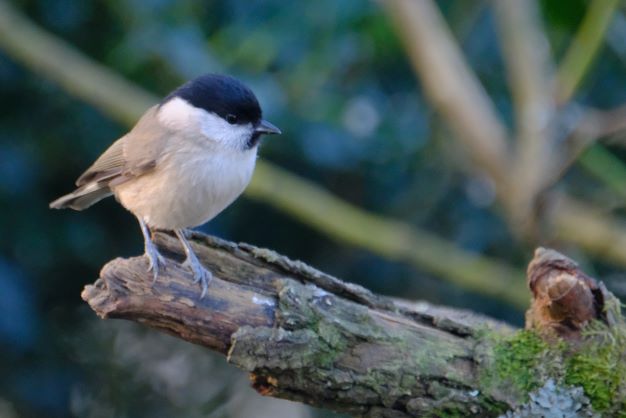
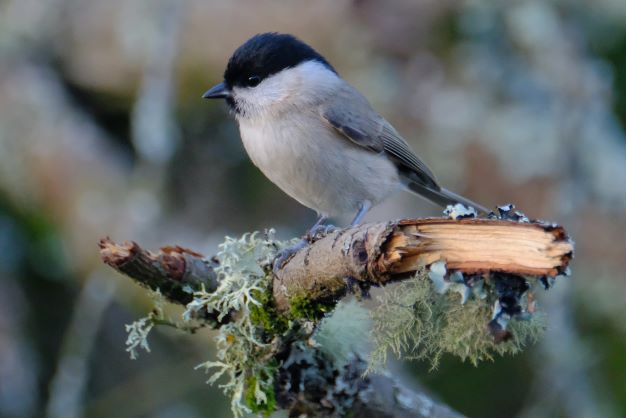
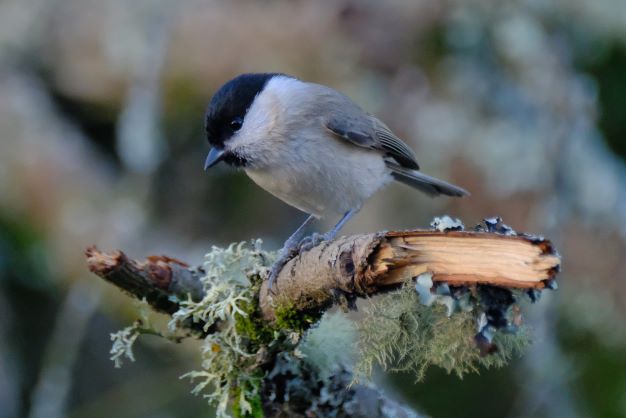
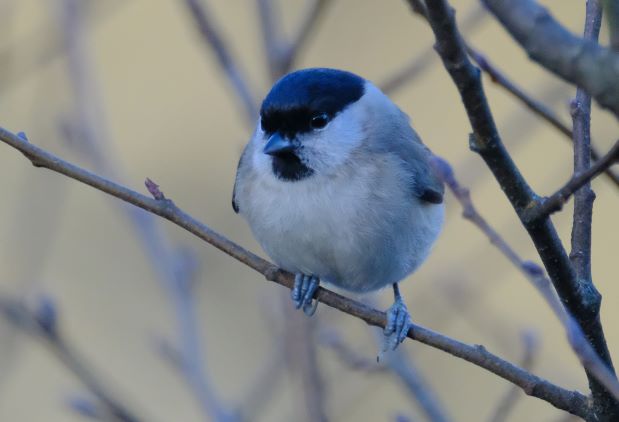
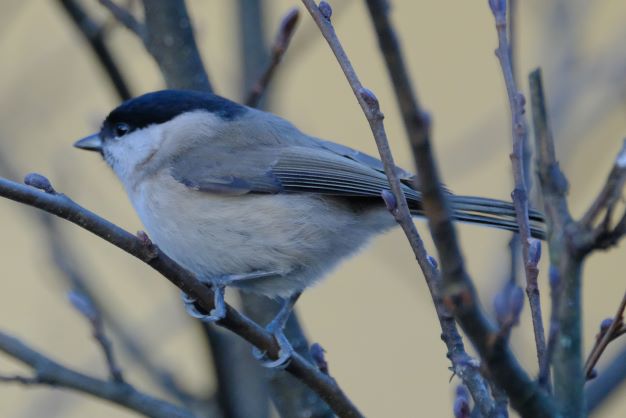
Marsh Tit.
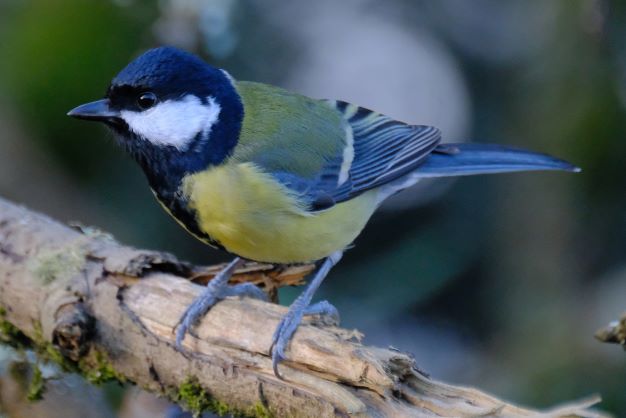
Great Tit.
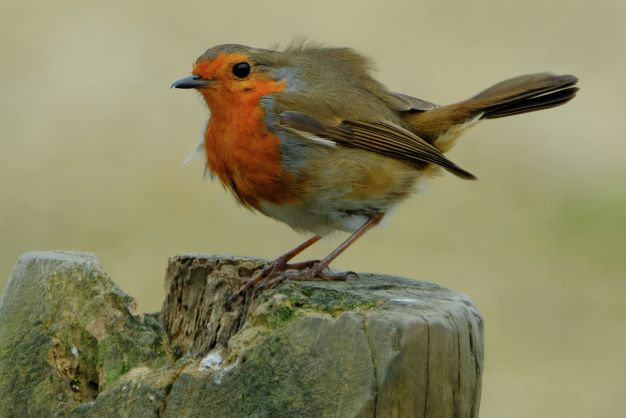
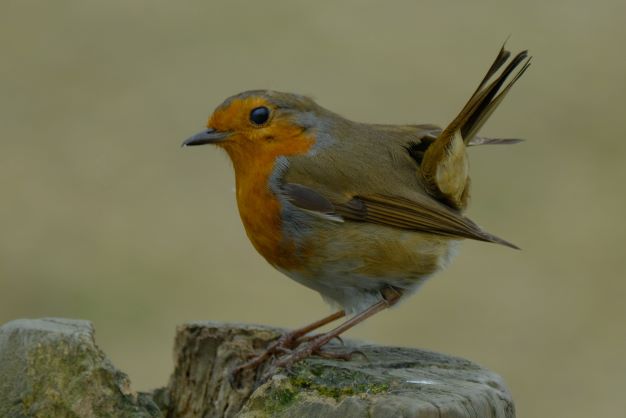
Robin.
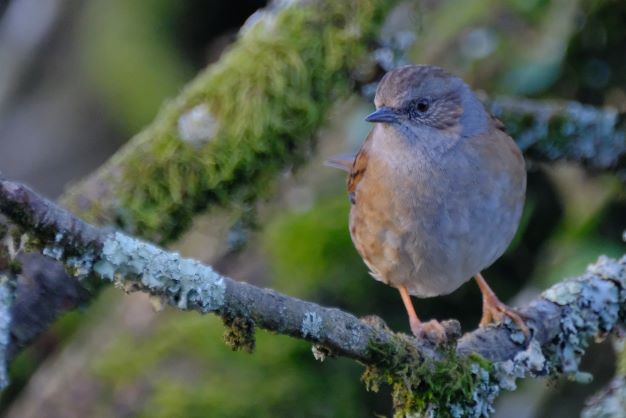
Dunnock
Dunnocks are also known as the ‘hedge sparrow’, although they are not actually a sparrow. They’re actually the only UK member of a bird family called the accentors. The dunnock is also commonly mistaken for a female house sparrow. Dunnock is derived from the Old English word for ‘little brown’. This is because they do look drab from a distance but close up they are quite pretty with a mottled blue-grey breast and face.
Deer.
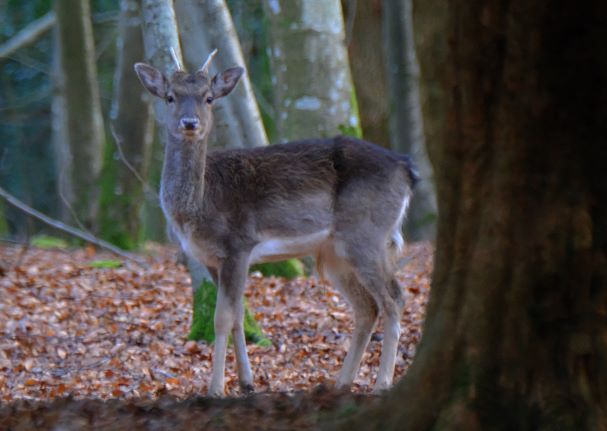
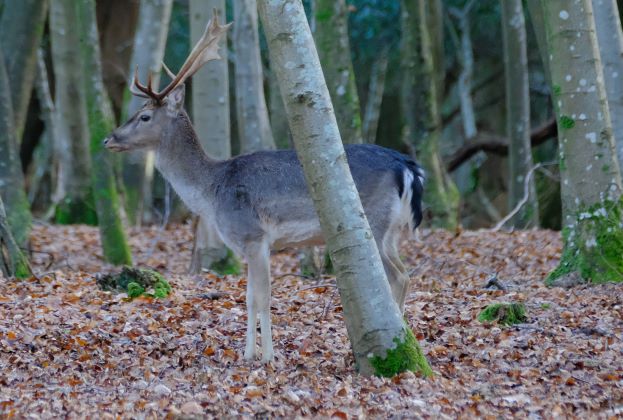
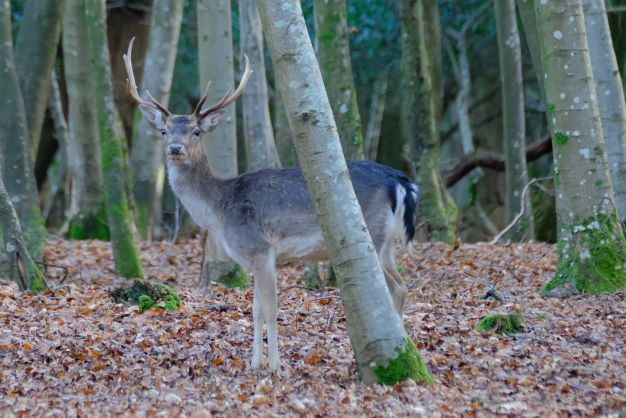
Fallow deer are the most commonly seen deer in the New Forest currently numbers are maintained at about 1,300 Following the Norman Conquest of Britan ,the New Forest was proclaimed a royal forest, in about 1079, by William the Conqueror. Fallow deer were brought into the forest for the hunt. Forest Law, reserving the pursuit of beasts within it exclusively for the king and his officers.
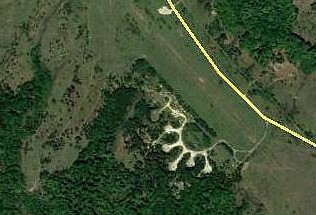
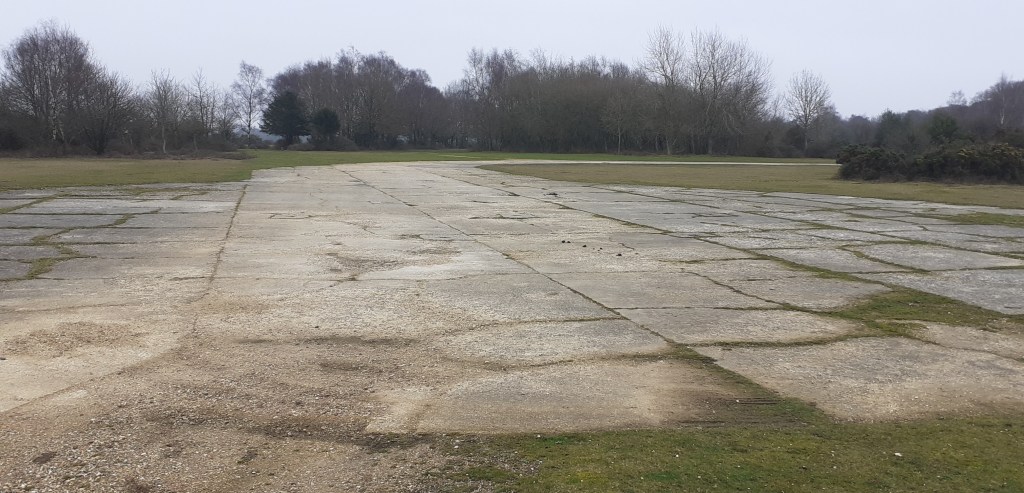
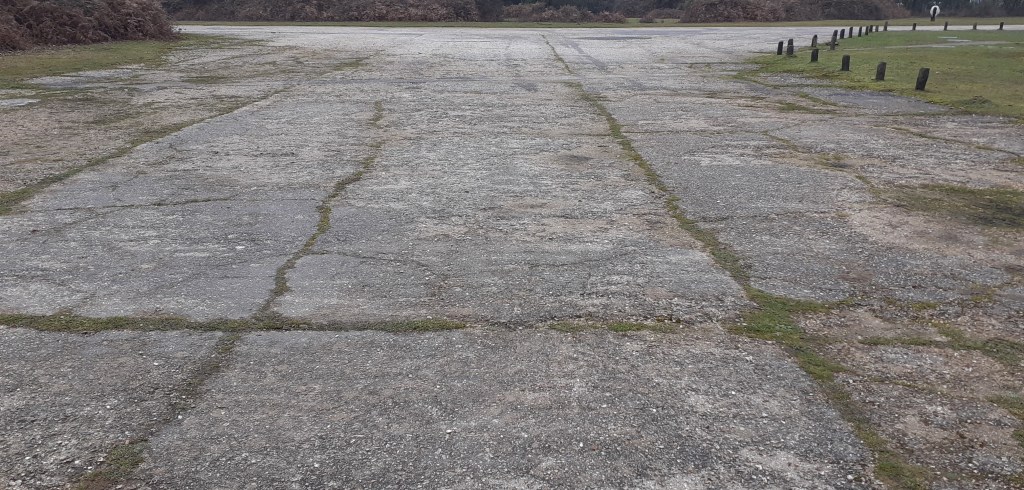
A return visit to Stoney Cross airfield to try and take some pictures of the remaining parts of the aerodrome. Parts of the aircraft dispersal hardstandings were not removed when the runways were broken up and are now used as a campsite as we are in the winter months it was a good time to take pictures without holidaymakers on site. Below is a view from above shoving the remaining structures.
From ground level, it is hard to believe what was parked up on these concrete bases back in WW2 – Bombers and fighters of the RAF and USAF and thoughts are for those who failed to return following actions in the skies above Europe.
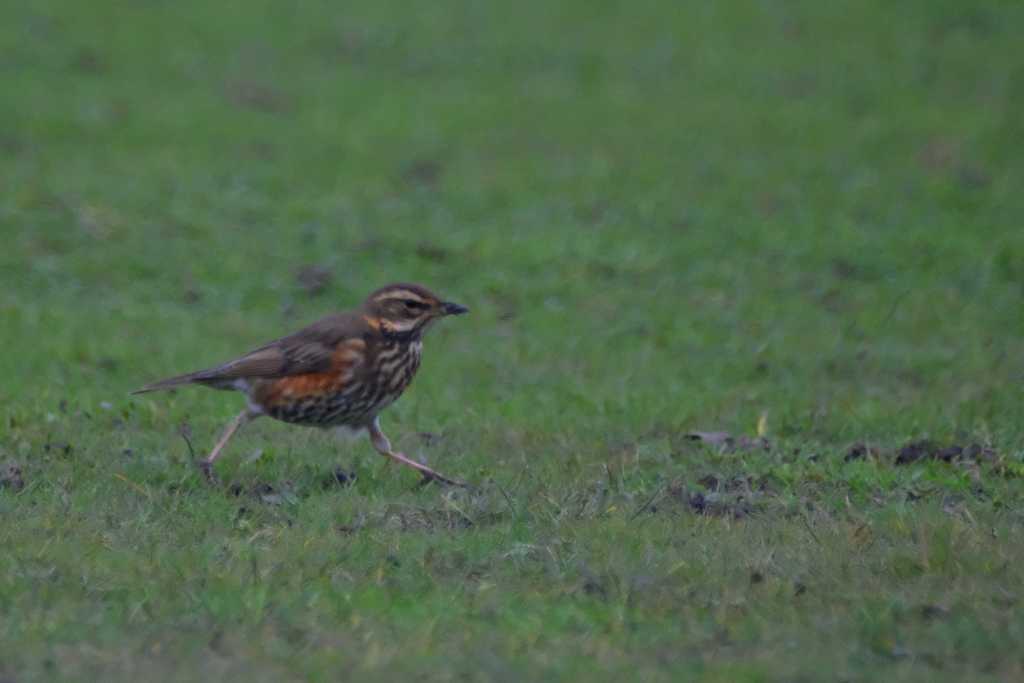
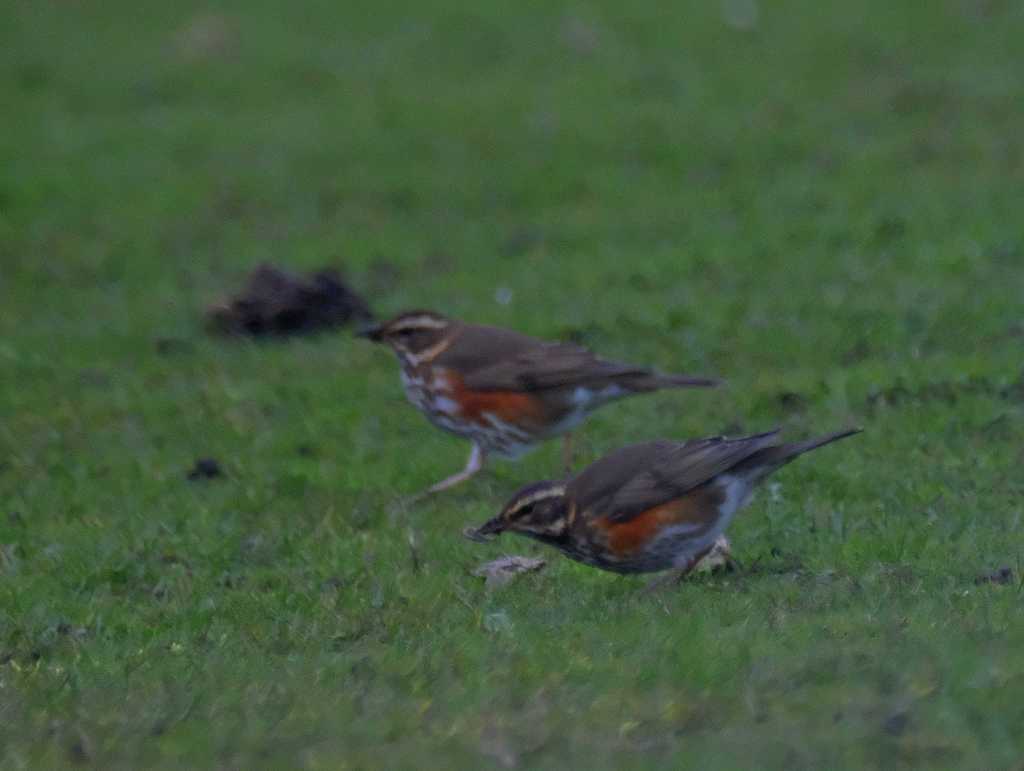
Flocks of Redwings were feeding on the site of the old runways.
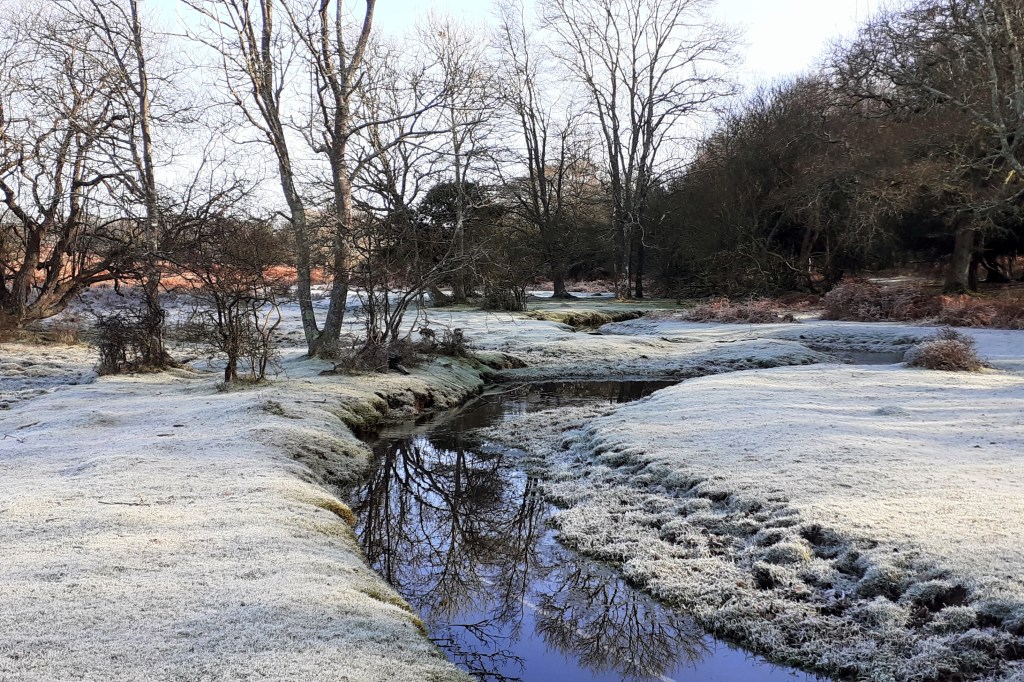
An early start in the New Forest with breakfast in the van before a frosty walk on the remains of Stoney Cross airfield.
Stoney Cross airfield was one of the larger wartime airfields within the forest. It was active between 1943 to 1946, It remained open after the war until it closed in 1948.
Stoney cross had three runways with the main runway, 2,000 yards (1829 metres) long. The second runway, was 1520 yards (1390 metres) and the shortest runway, at 1366 yards (1249 metres) long.
Sadly most of the concrete had been stripped from the runways by 2000 and used as hardcore in road construction. The outline of the runways can still be seen in places as well as remains of other concrete bases.
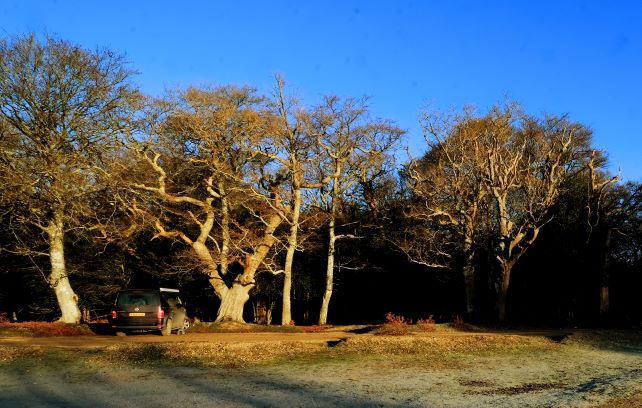
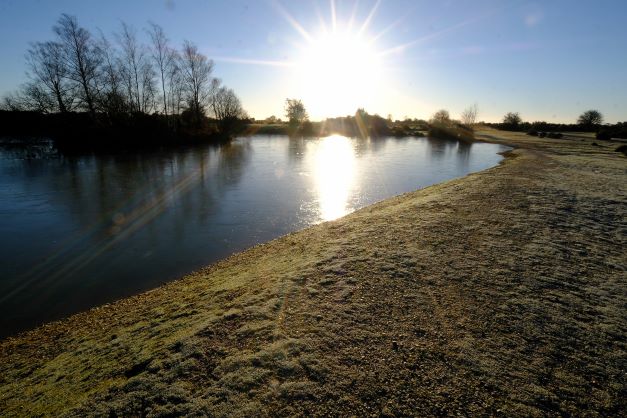
Parking at Cadmans Pool as a starting point to head off on foot across the site of the old airfield on Ocknell Plain. Apparently, the pond was dug around 1960 to enhance the aesthetic appeal of the plain.
On arriving today the pond was iced over at the temperature was -4, so a cold start.
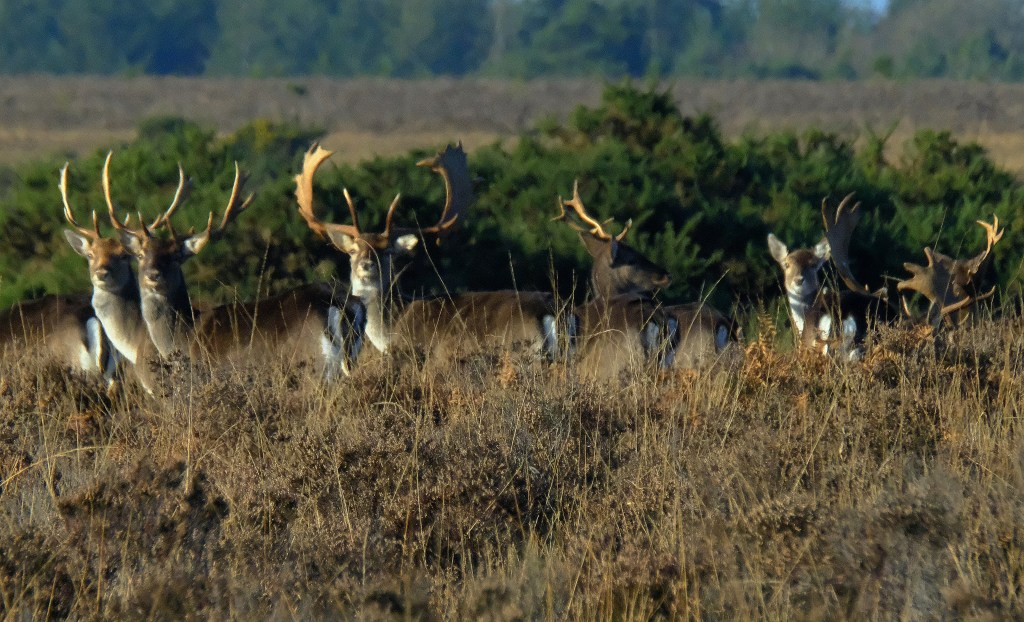
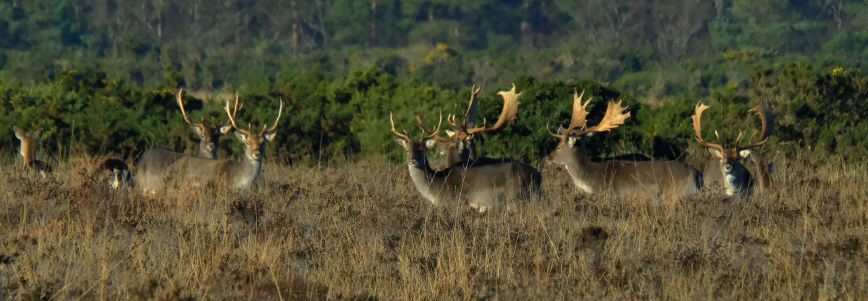
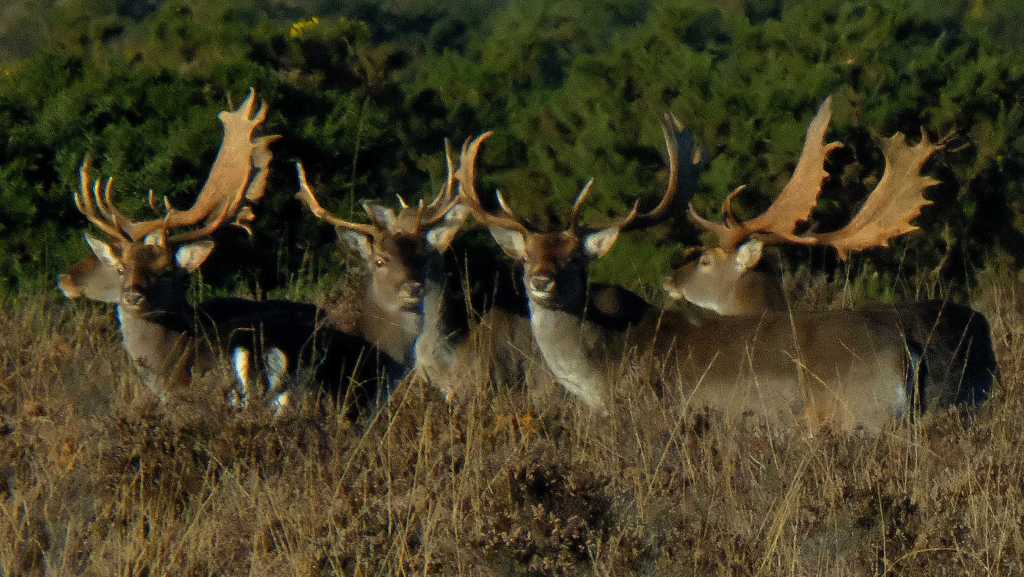
A group of Fallow Deer strolling on the plain. There were some fairly handsome stags in this herd.
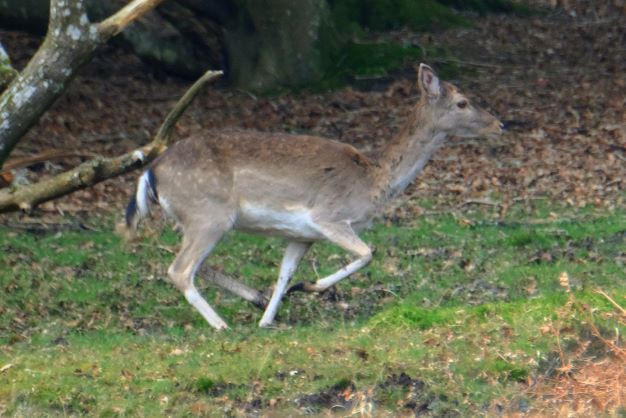
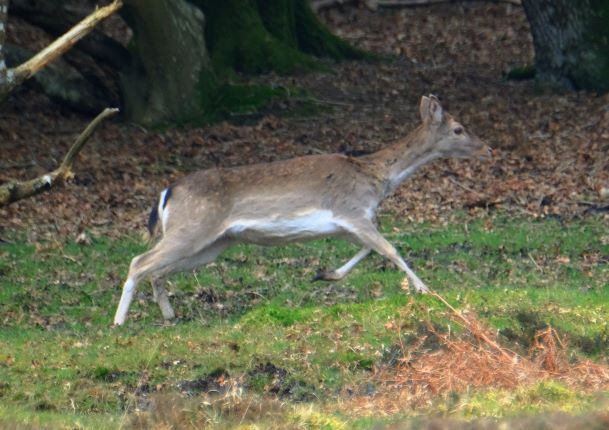
Away from the Stags in the wooded area were groups of young deer and females.
As usual, the trees around Cadmans Pool is a great place to observe and photograph small woodland birds.





















































 Continued Reflections from my World.