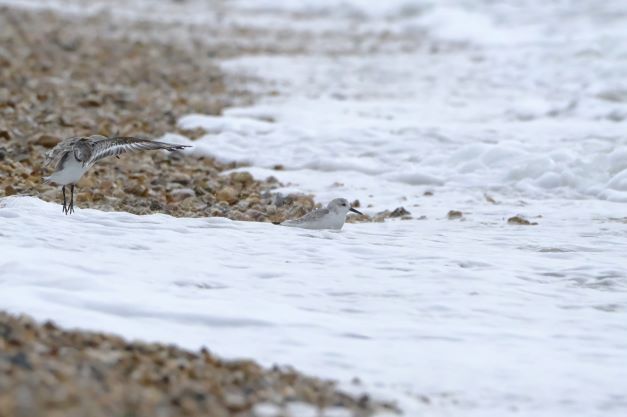
This little sandpiper runs up and down the beach ‘like a clockwork toy,’ dodging the spray and waves. There antics on the shore are always a joy to watch.
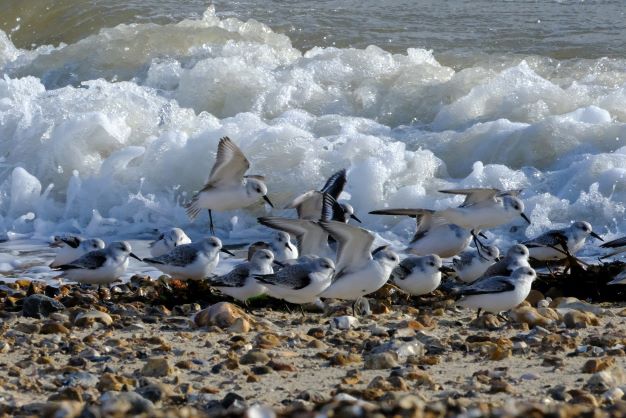

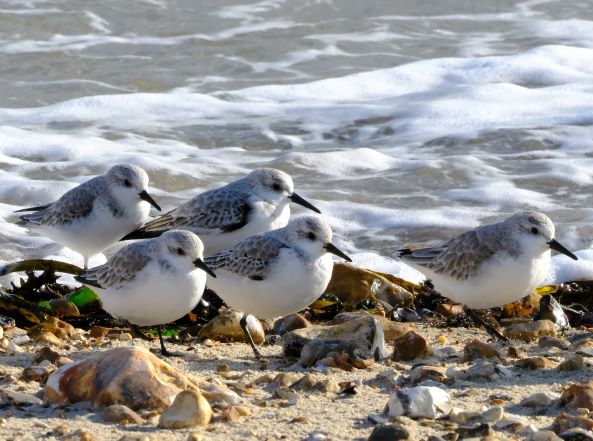

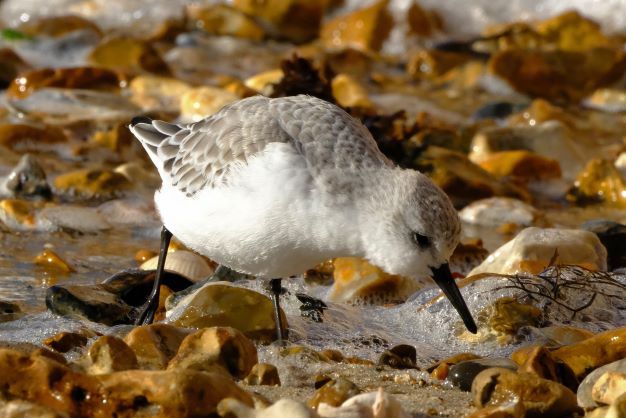

This little sandpiper runs up and down the beach ‘like a clockwork toy,’ dodging the spray and waves. There antics on the shore are always a joy to watch.
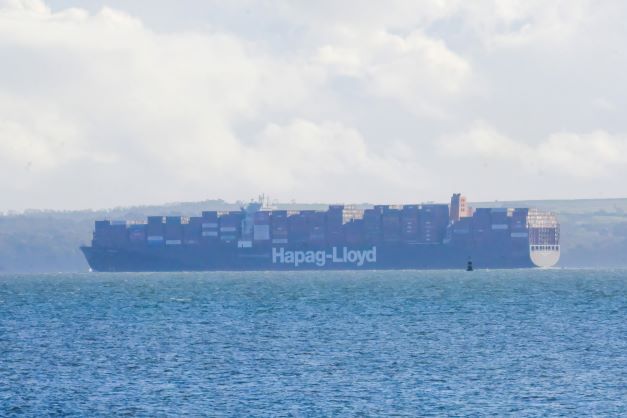



#Wordless Wednesday
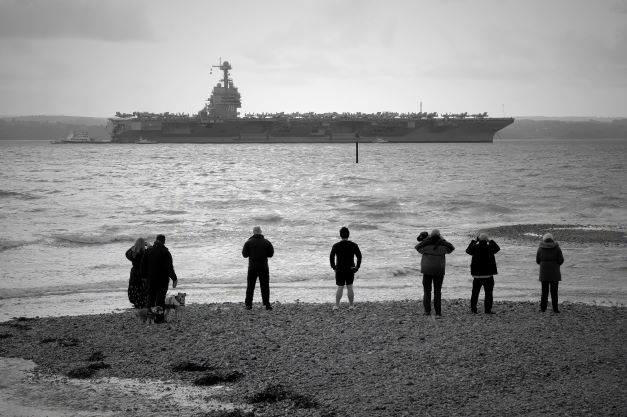
USS Gerald R. Ford (CVN-78) is the lead ship of the United States Navy aircraft carrier class. She is the world’s largest warship. She is anchored in Stokes Bay off the Isle of Wight for a few days and is quite a crowd-puller!
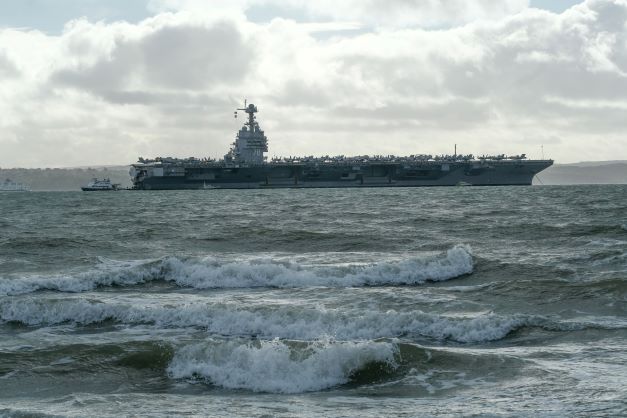
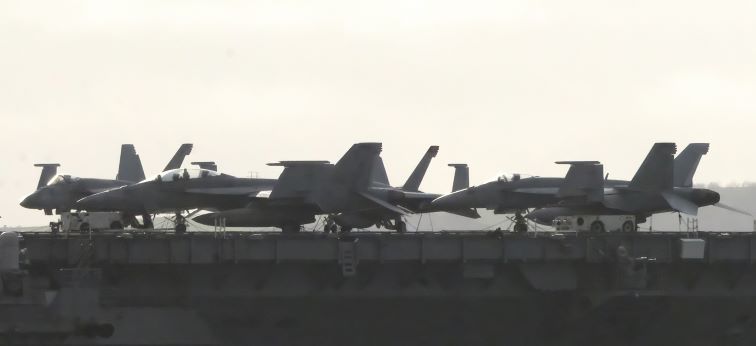
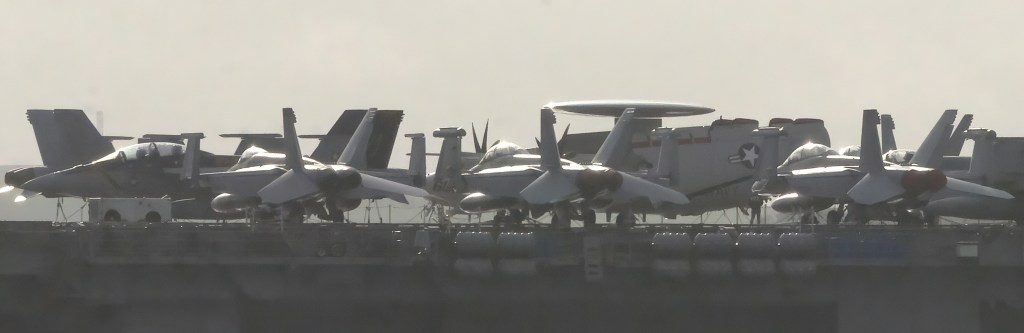
Length: 337 m
Launched: 11 October 2013
Construction started: 13 November 2009
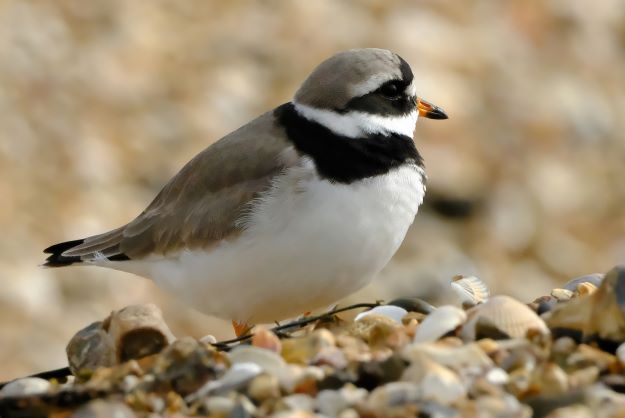
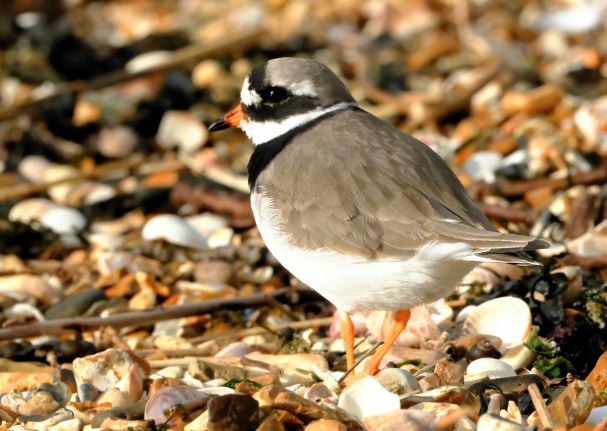
Ringed Plovers on Meon Shore Hampshire.
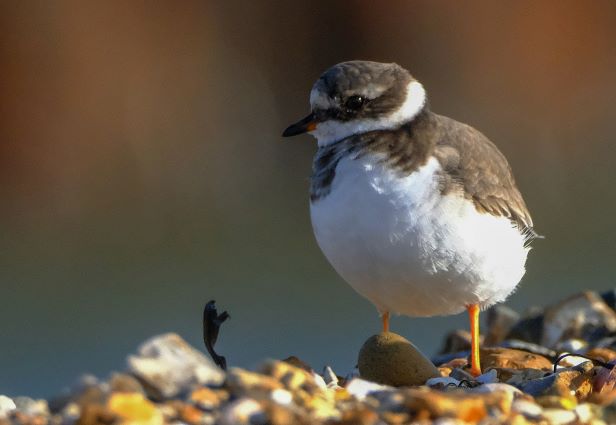

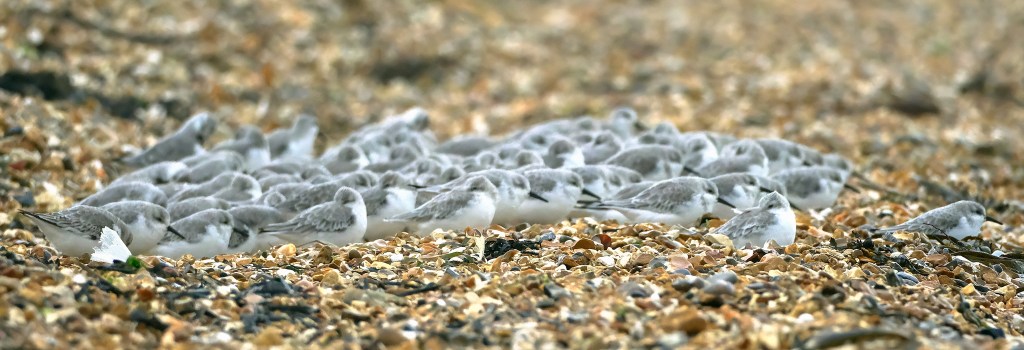
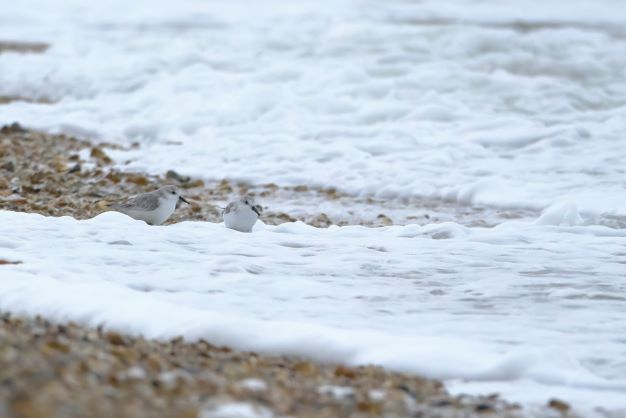
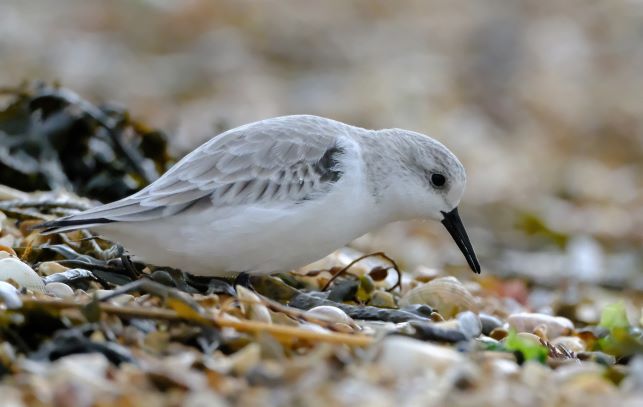
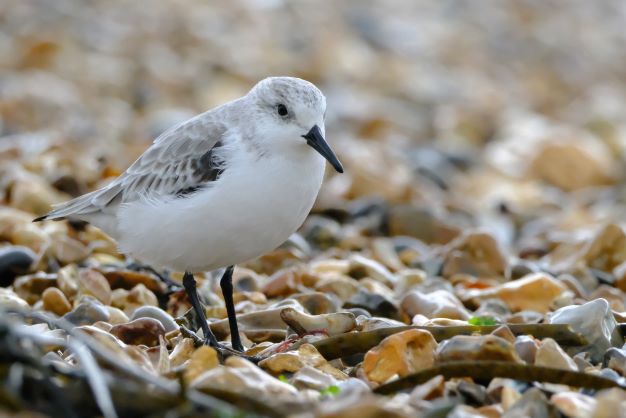
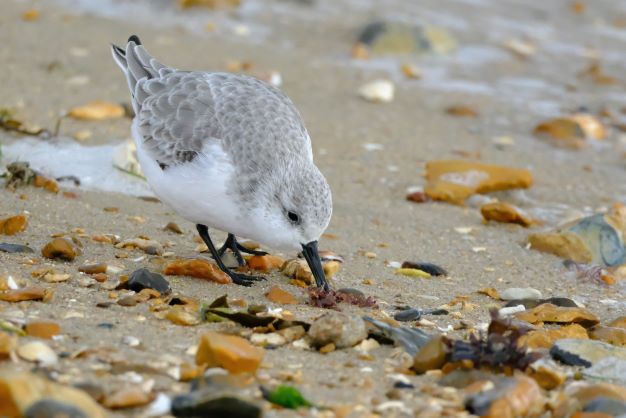
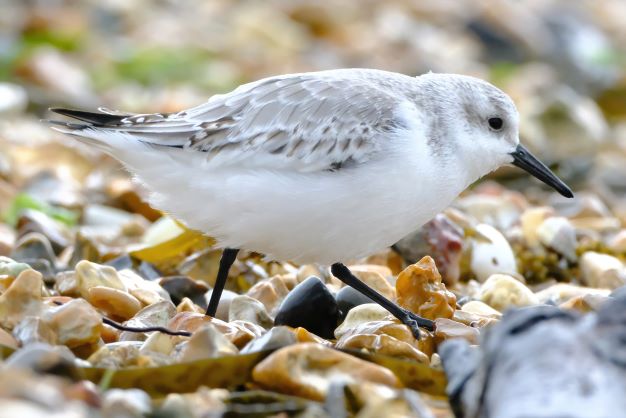
Sanderling numbers have started to increase on our coast as we move to the colder months. Over 60 were resting at high tide today. I always find them a joy to watch so I sit on the shingle they continue their routine and slowly come very close.
For me, these little birds’ arrival from their summer breeding grounds on the far Arctic tundra is a signal that we are moving into our winter. The terns have gone south but the Sanderlings have arrived.






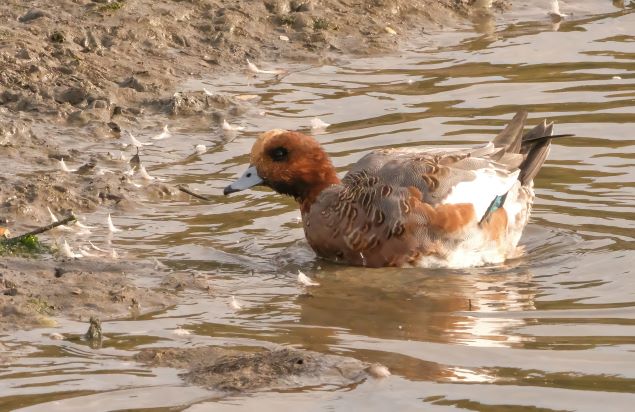
In recent weeks, small groups of Wigeon have arrived here on the south coast. They are medium-sized ducks that appear quite plump. The head and neck of the male are chestnut, with a yellow forehead, pink breasts and a grey body. In flight, birds show white bellies and males have a large white wing patch.

Wigeons breed in the north in central and northern Scotland and some in northern England. Their numbers increase in the UK in winter as birds from Iceland, Scandinavia and Russia arrive. The number of wintering birds increases to some 450,000 birds from the small breeding numbers of only 200 pairs.
The birds on the Hamble were quite comical talking to each other with quiet whistles and giving each other some odd looks!
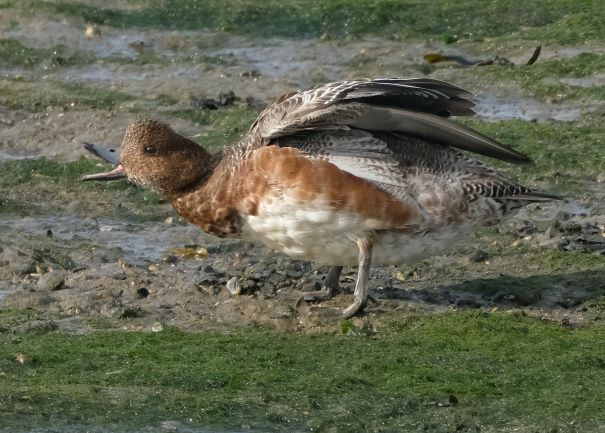
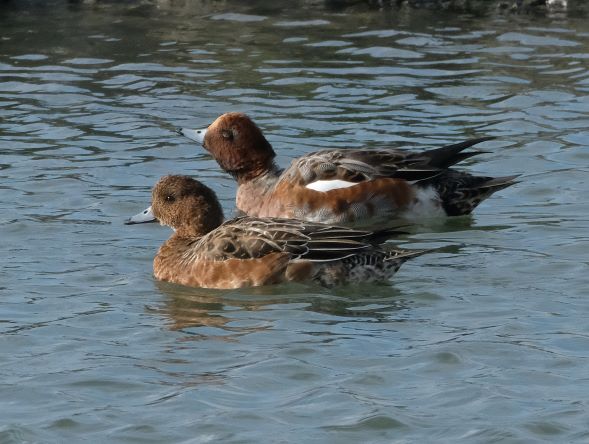
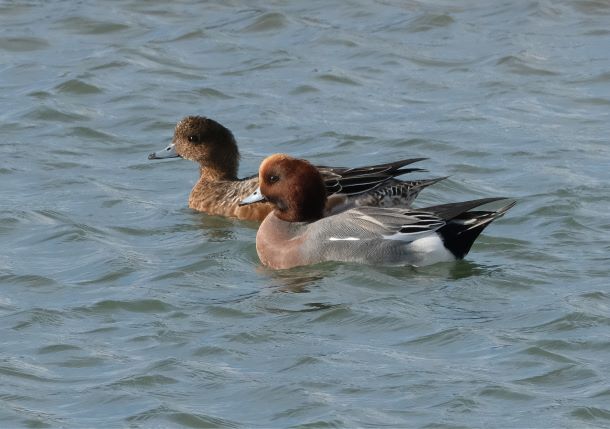
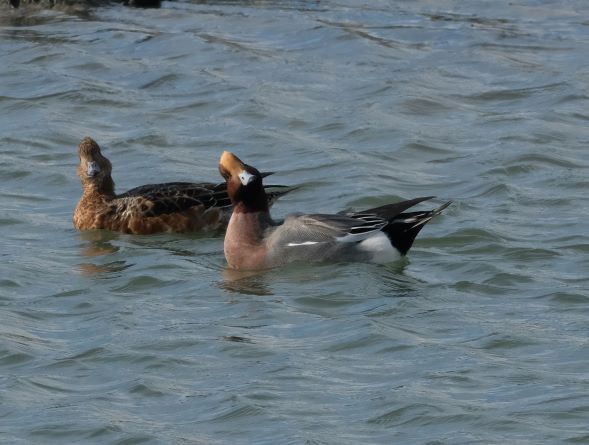

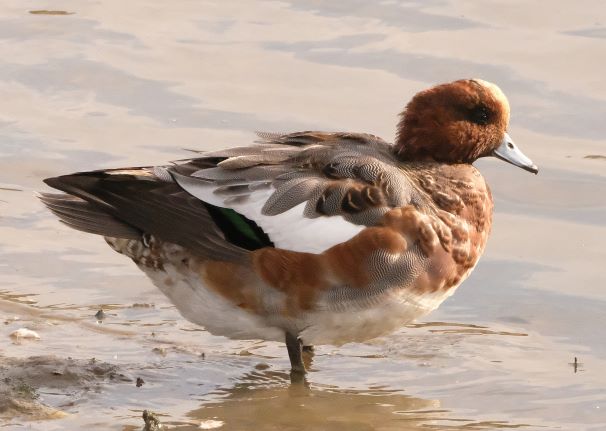
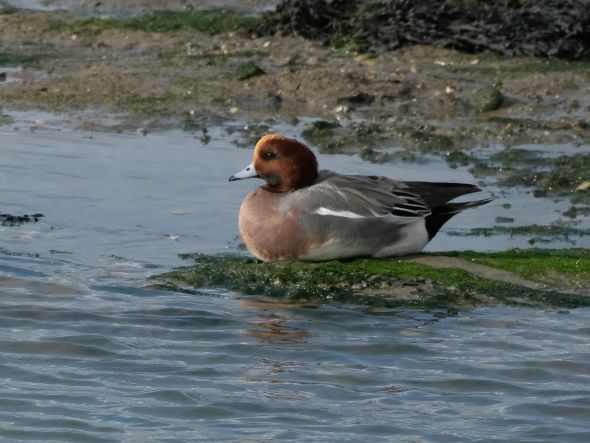


A mornings walk down the Hamble River from Bursledon to Warash – bird watching as the tide slowly comes in.
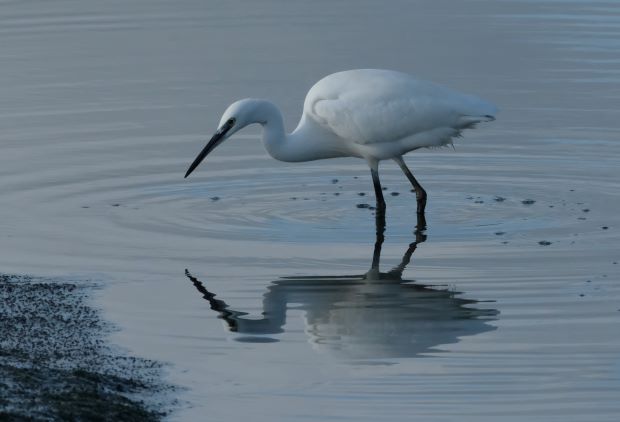
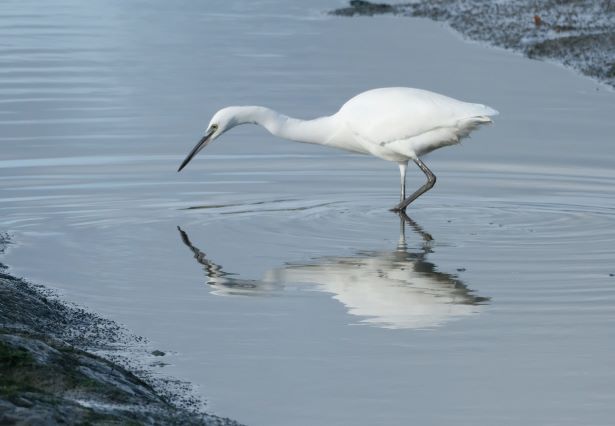
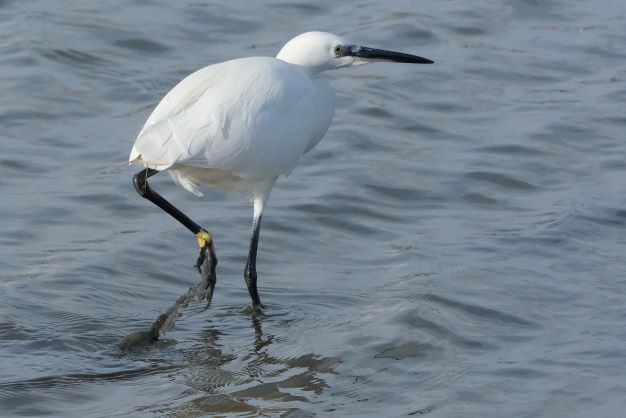
Little Egrets. There were at least 8 different birds on different bits of the river.





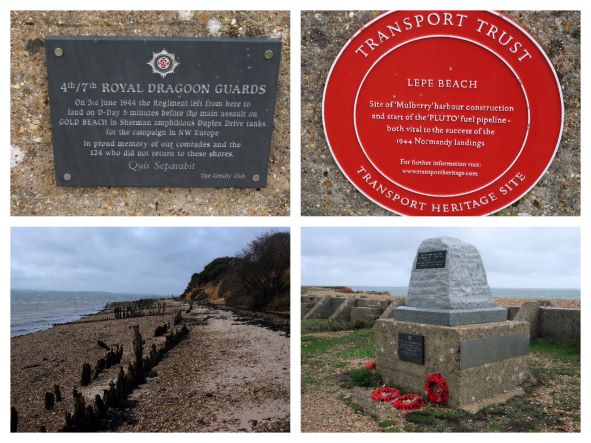
Lepe Beach and country park has many relics that date back to WW2 and link it with D-Day and the invasion of France in June 1944.
One of many Mulberry Harbour construction and launching sites was constructed at Lepe 6 concrete Phoenix Caissons that were simultaneously built on these platforms from January 1944 so that they could be directly launched into the sea by May 1944. They were towed up Southampton water for finishing.
Mulberry harbours were temporary portable harbours following D-Day, two prefabricated harbours were taken in sections across the English Channel from the UK with the invading army and assembled off Omaha Beach (Mulberry “A”) and Gold Beach (Mulberry “B”).
Many Allied troops waited for D-Day in camps in the New Forest. Some of these embarked from Lepe, and others used embarkation sites to the east or west. The group of camps was known as Marshalling Area B. On the beach, at Lepe, there was room for four Landing Craft Tank (LCT).
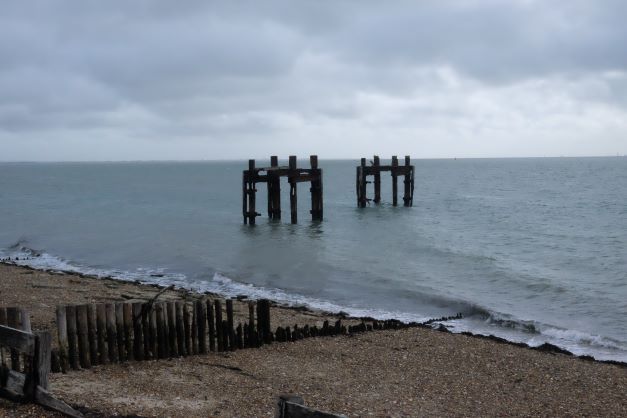
Remains of the “Dolphins” part of the pierhead which was used to load landing crafts.
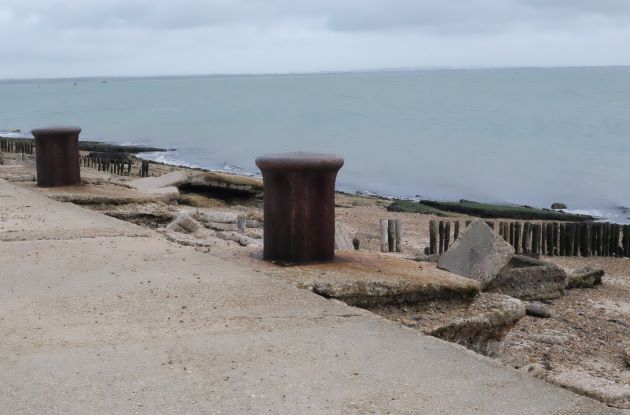
Large Bollards for tying up Landing craft.

Concrete blocks known as “chocolate Blocks ” were used to build a roadway over the beach for vehicles to load onto the landing craft without getting stuck on the soft sand and gravel.

Launch block blocks where the large caissons were winched into the sea.

Large contraction platforms where the caissons were constructed.
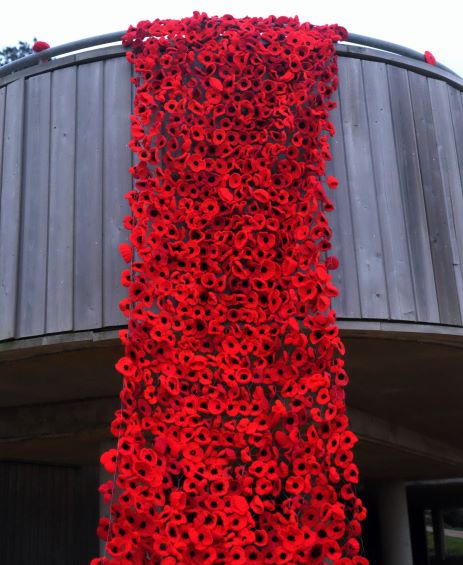
Monuments remembering D-Day and Poppy display in support of the Royal British Legion 2022 Poppy appeal.


 Continued Reflections from my World.