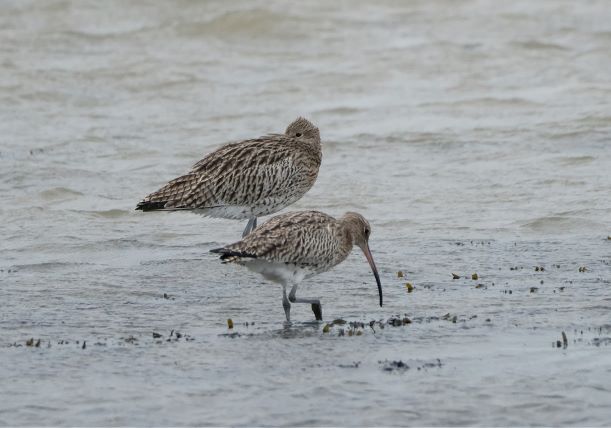
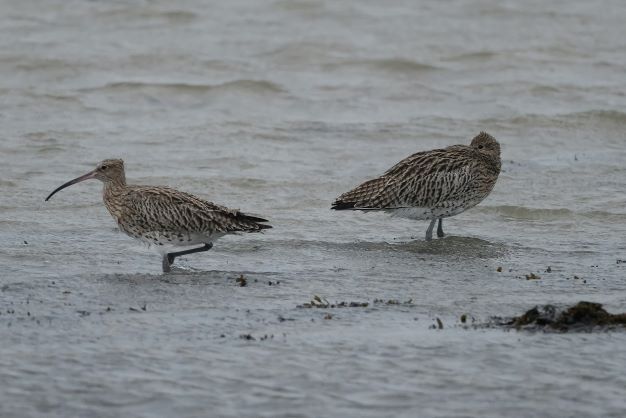
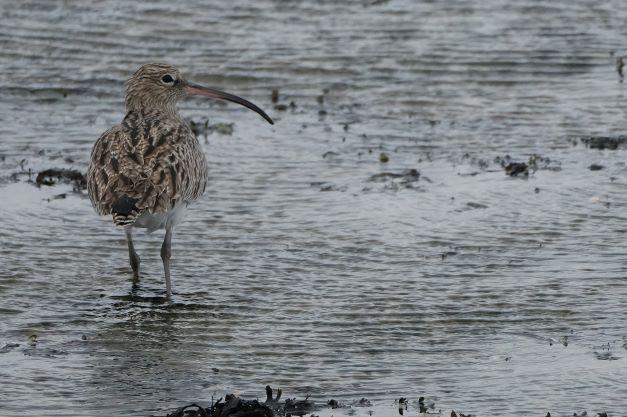
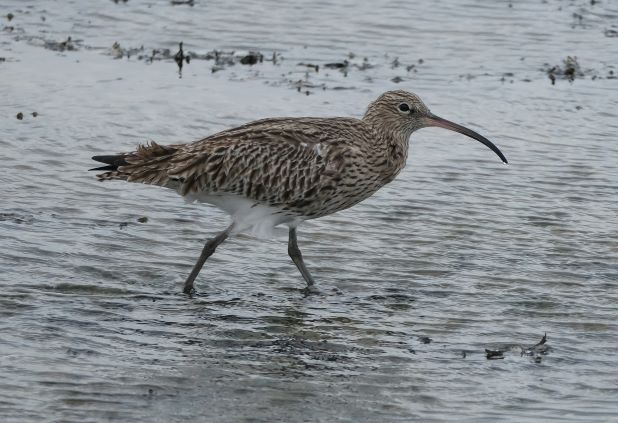
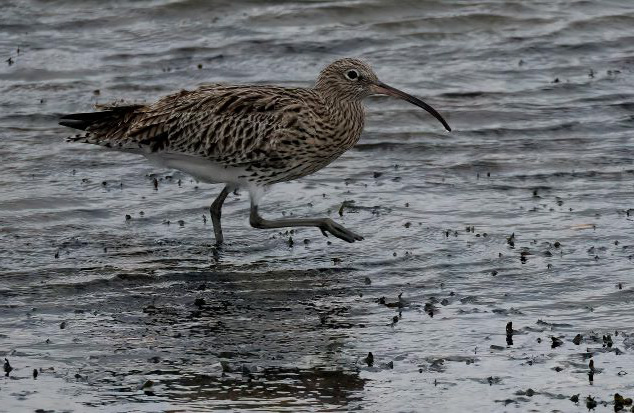
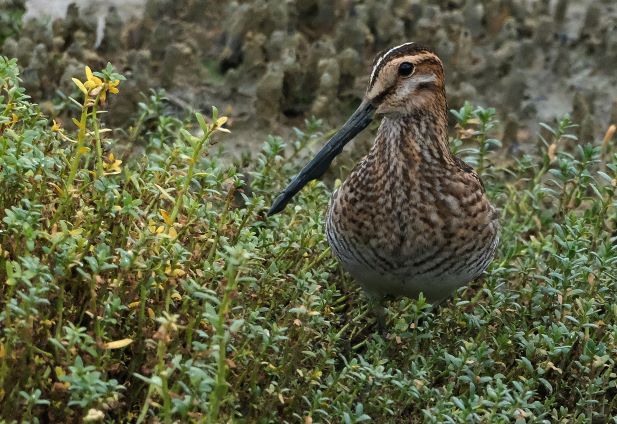
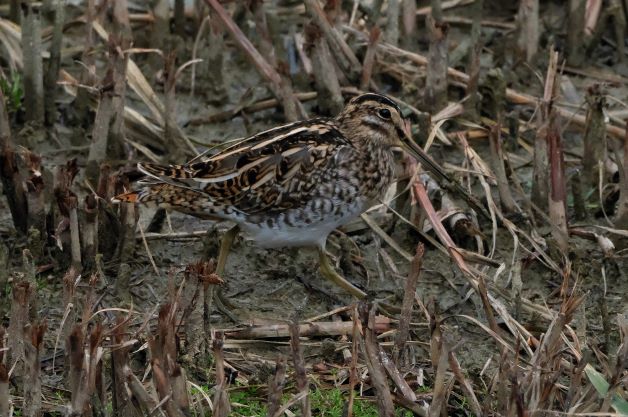
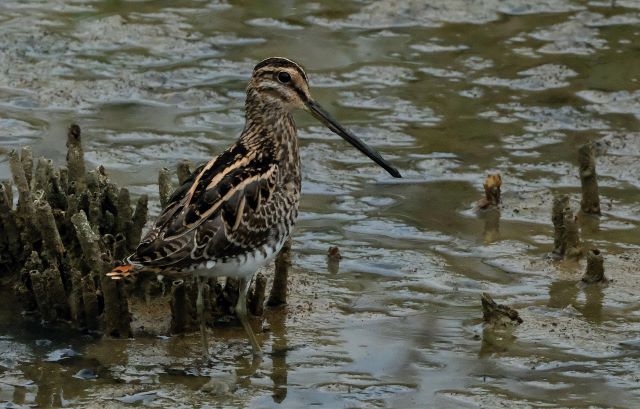
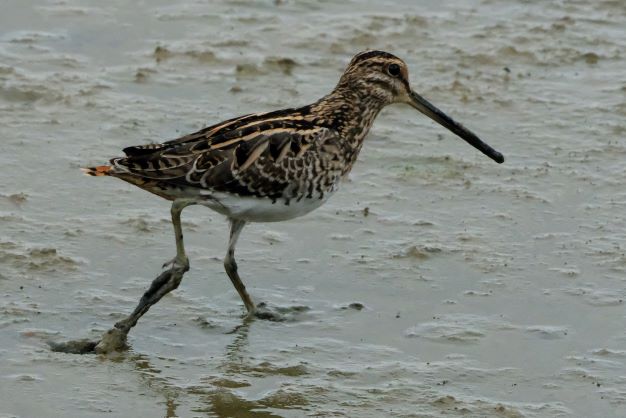
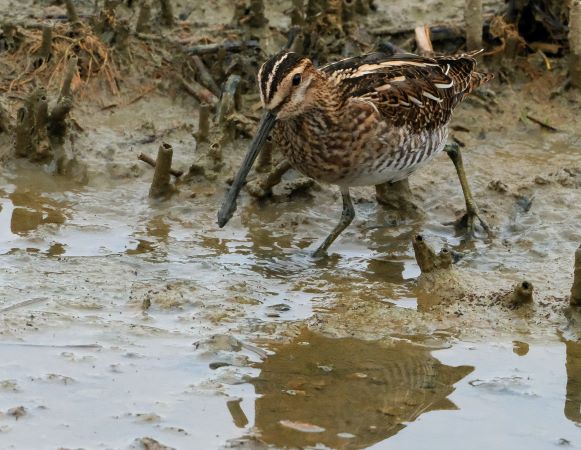
Curlew on the shore.

The curlew is the largest European wading bird. There were around 10 birds on the mudflats at the edge of the incoming tide catching small crabs at Lepe Beach on the edge of the New Forest. They also feed on worms, shellfish and shrimps. The UK breeding population is around 58,500 pairs and the wintering population increases to some 125,000 birds.

UK conservation status: Red.

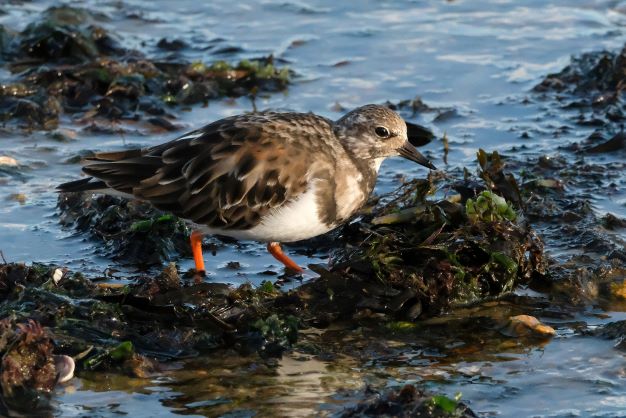
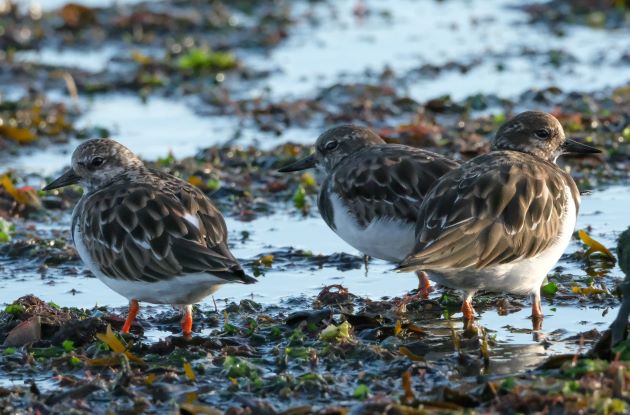
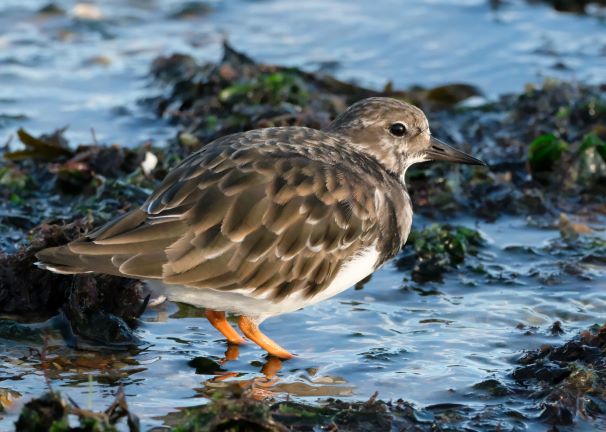
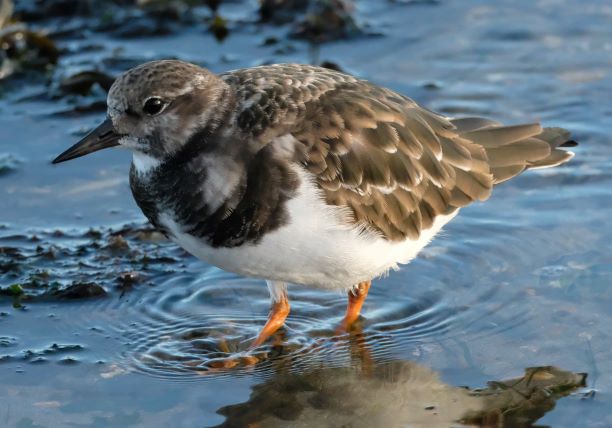
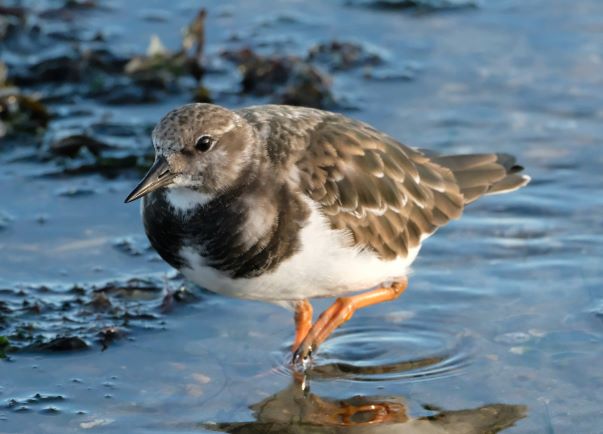
Turnstones on the shore.

These little waders like rocky shores as well as sandy and muddy coastal beaches. Here on Meon Shore, they feed between the rocks they look in the seaweed, and will feed by picking up food from under stones. They eat small insects, crustaceans and molluscs. These birds are known as just Turnstones here and in Europe but worldwide they are known as Ruddy Turnstones.

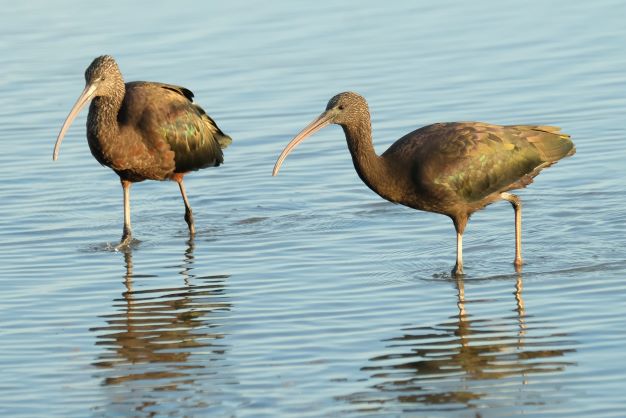
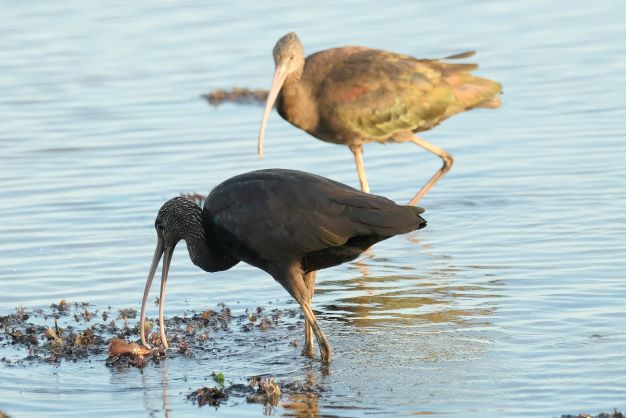
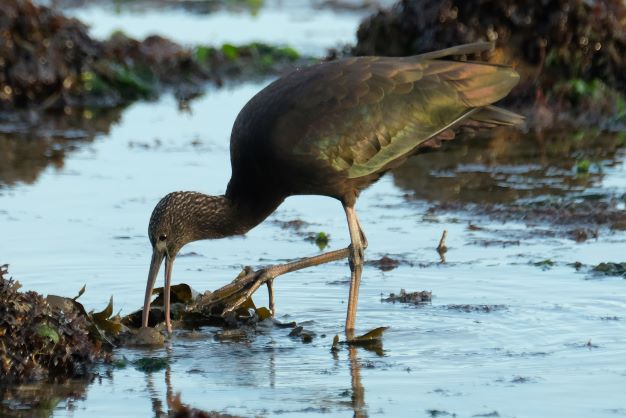
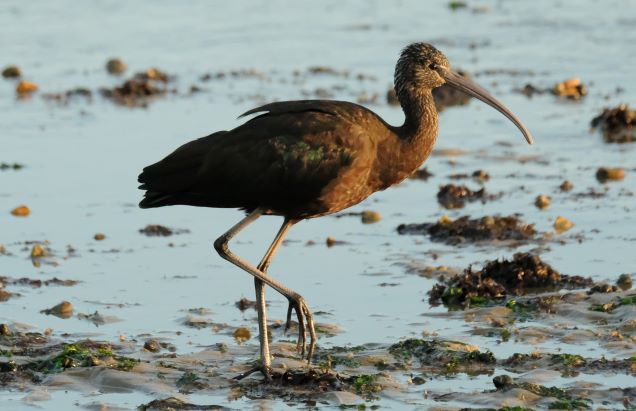
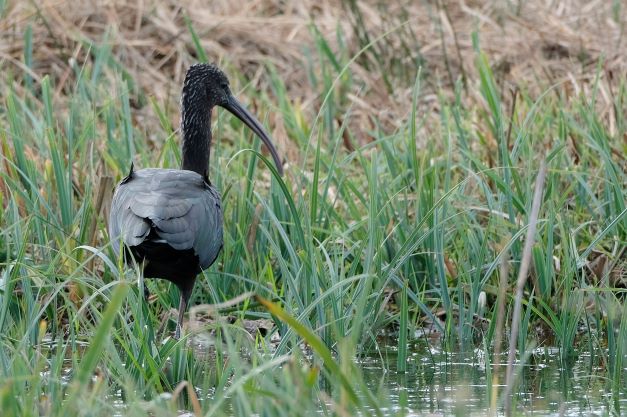
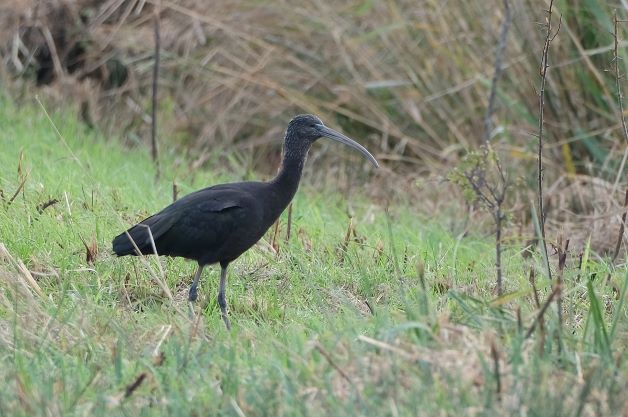
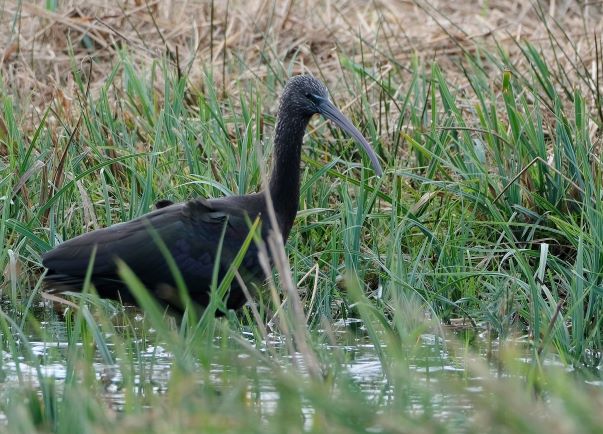
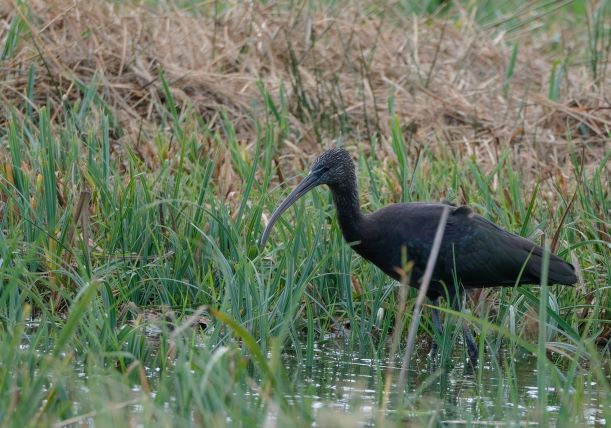
Ibis.

Finally able to get some fairly close pictures of a Glossy Ibis in Titchfield Haven Nature Reserve.

These birds breed in parts of Southern and Southeast Europe and are only occasional visitors here. In recent years sightings here have become more common. This year I have seen up to 4 birds at one time in a couple of locations on the Hampshire coast.

Statistics

Length: 55-65cm
Wingspan: 88-105cm
Weight: 630g

Views from the bridge.

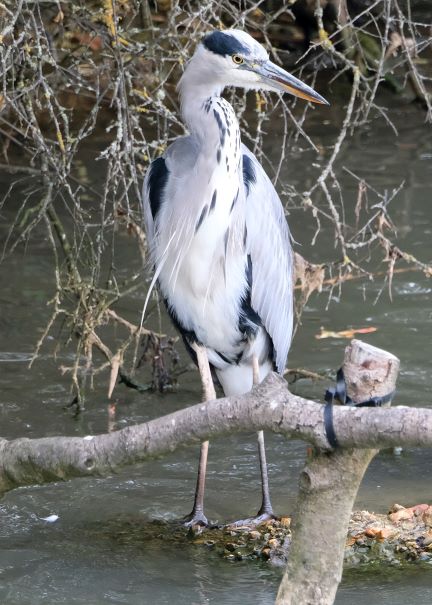
The bridge over the entrance of the River Meon where it enters into the Solent via Tichfield Harbour is always a good place to spot some birds. Today with the high winds. there were a number of birds sheltering out from the wind below the bridge.

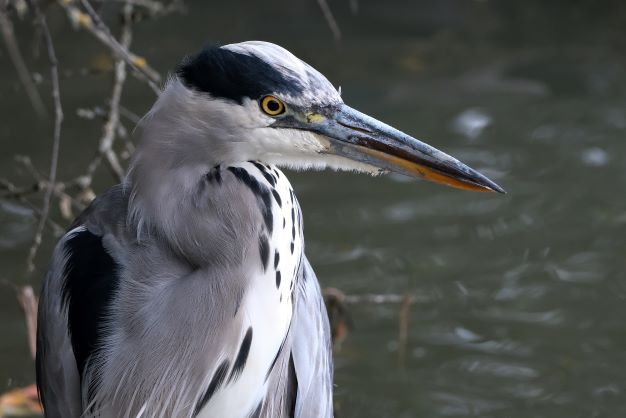
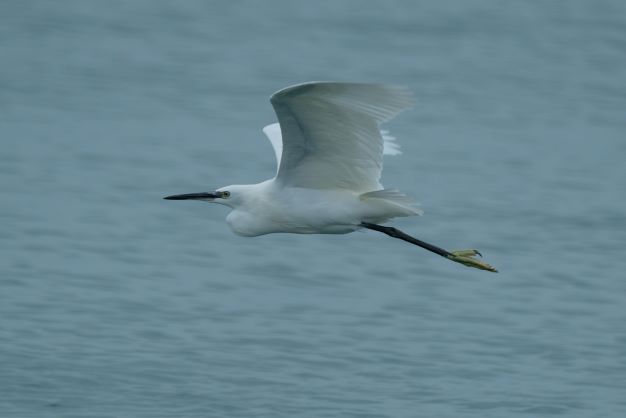
Our first view over the bridge gave us a view of 2 Little Egrets and a Grey Heron.

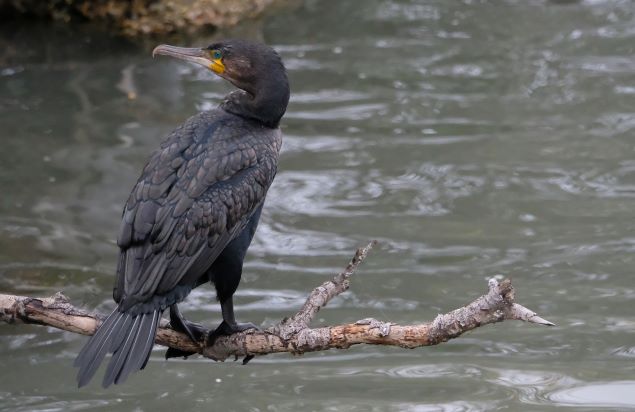
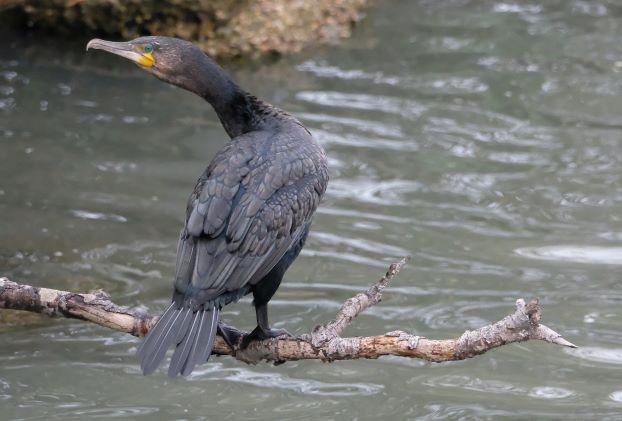
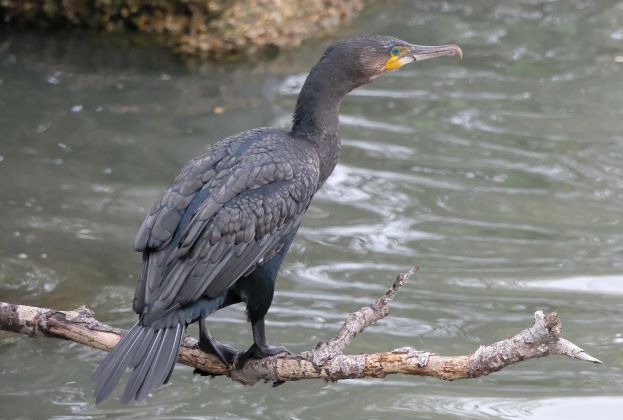
Later on, there was a Cormorant perching on the branch where the Egret was earlier.

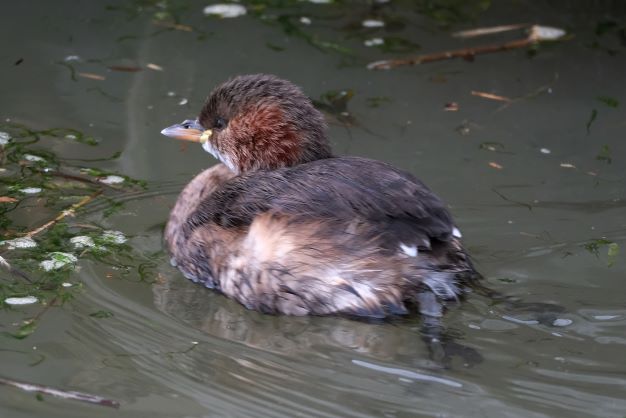
On the other side of the bridge in the harbour was a Little Grebe.

Deer stalk

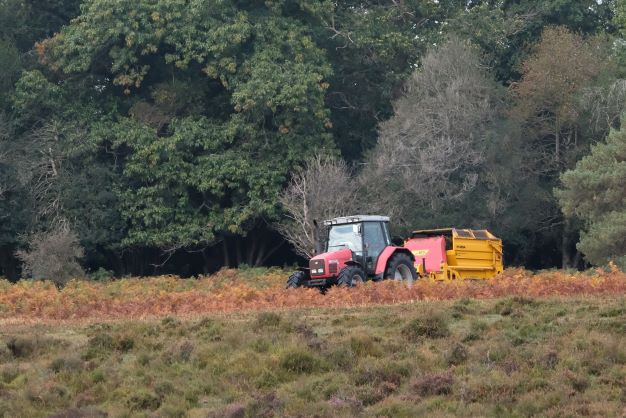
Today we decided to go on a deer stalk but very soon decided it might not be such a good day for it as they were cutting the bracken where we were walking. Studies have shown that management of bracken stands should be reduced because the excessive build-up of bracken litter causes a decline in species diversity leading to a negative impact on the conservation interest of the bracken-dominated habitats.

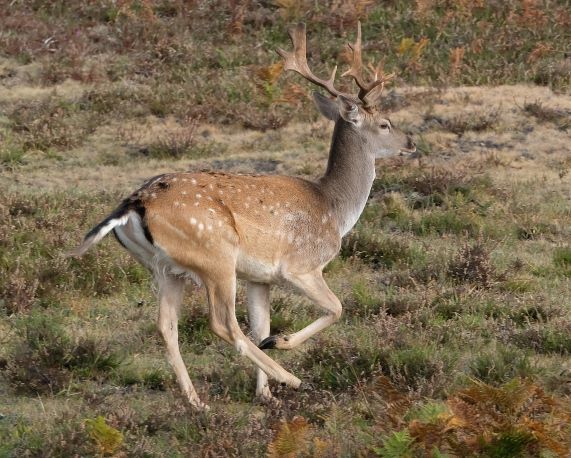
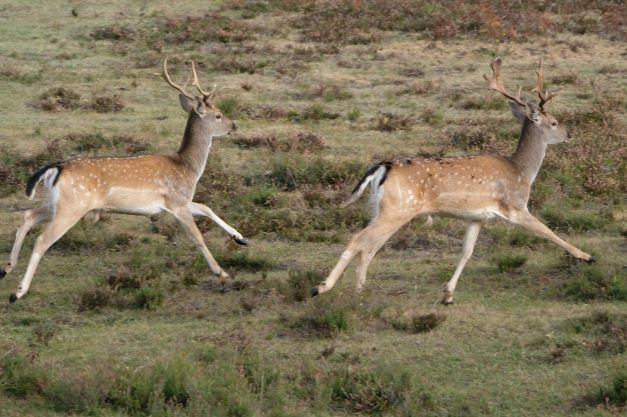
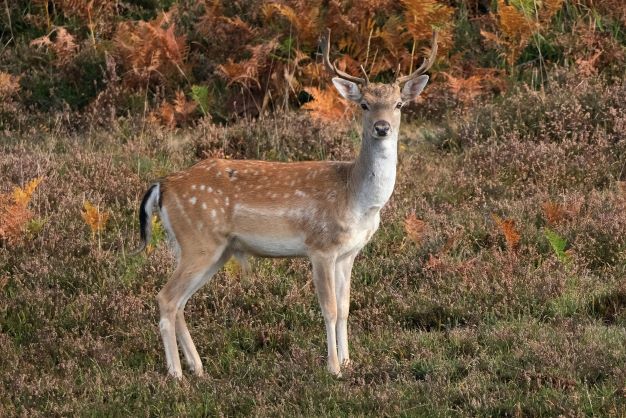
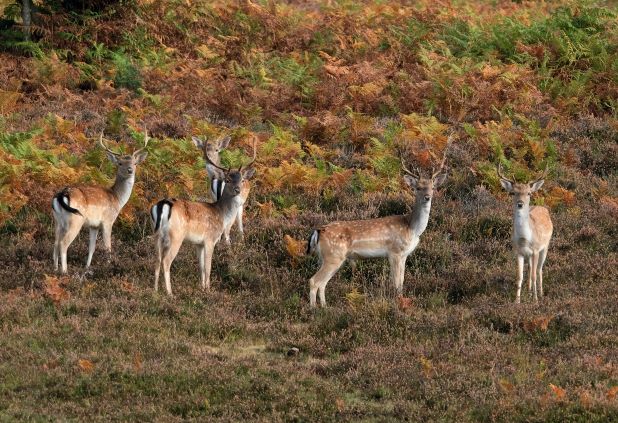
However walking deeper across the heath and in to small pockets of mature woodland we soon spotted a number of Fallow Deer. (Bucks)

At first the herd moved away but settled down and watched us trying to blend in with our environment.

Further on after seeing this young bucks we spotted a small herd of hinds slipping away into deep woodland.
Post fishing.
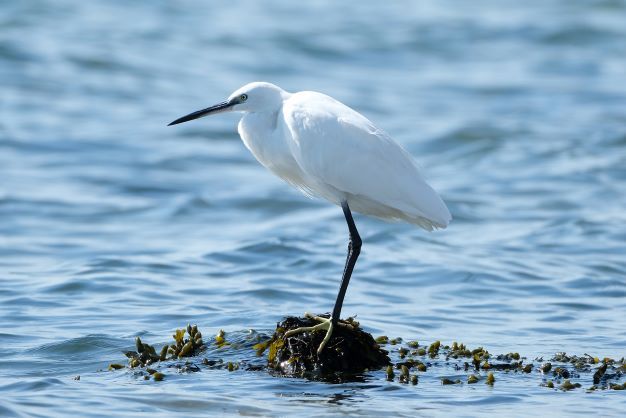
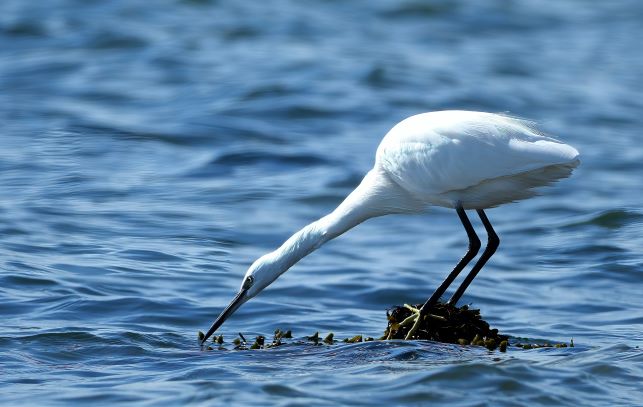
Our local Little Egrets have found a new way of fishing I have been watching these beautiful Herons for several years on Meon Shore but only in recent weeks, have seen them on a slack tide standing on the wooden sea groin post fishing. Normally they wait until low tide to fish at the waters edge.