Call the breakdown service!

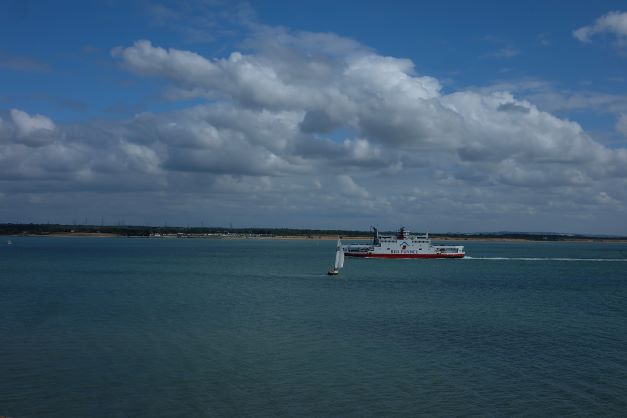
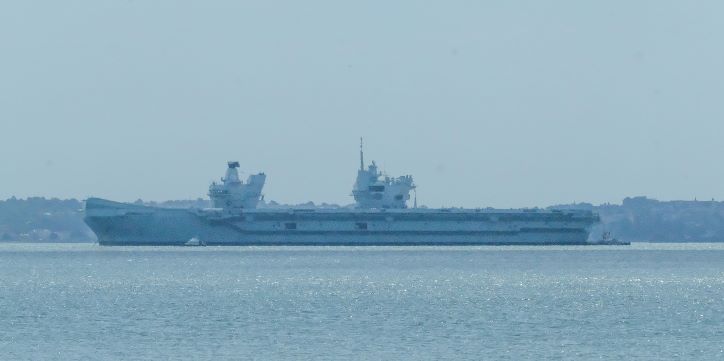
HMS Prince of Wales breaks down the day after leaving Portsmouth, she was due to undertake a four-month deployment to the USA. It has been reported that divers have been inspecting the 930-foot carrier after some damage was reported to a propeller shaft. Today HMS Price of Wales remains at anchor off the Isle of Wight.

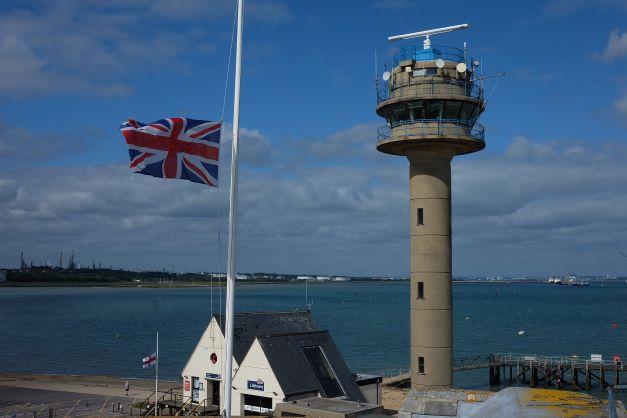
Views of the carrier from Lee on the Solent today.

Another – another place!

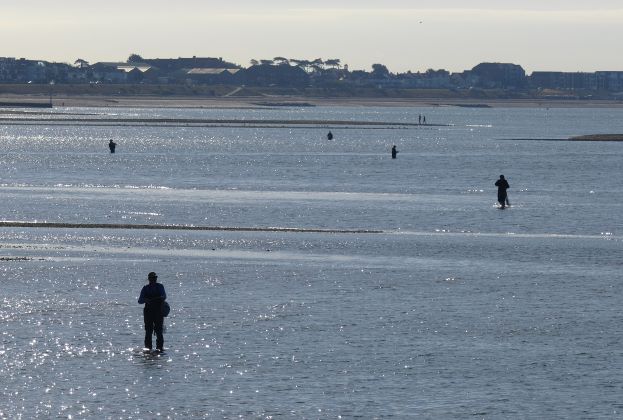
Sculptures by Antony Gormley stretch along Crosby beach. Another Place consists of 100 cast-iron, life-size figures spread out along three kilometres of the foreshore, standing almost one kilometre out to sea. We have visited these sculptures several times – today at Meon Shore on the Solent fishermen were sea fishing and resembled Antony Gormley’s art installation. Although the men at Crosby are naked!

Link to old posts from Crosby.

PLEASE NOTE, Any sponsored advertising that you see at the bottom of my posts is NOT endorsed by me and is a down to WordPress I advise you to ignore these unsolicited links.

War & Peace.

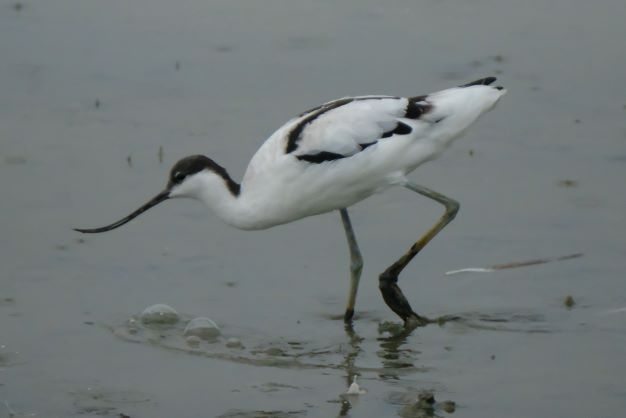
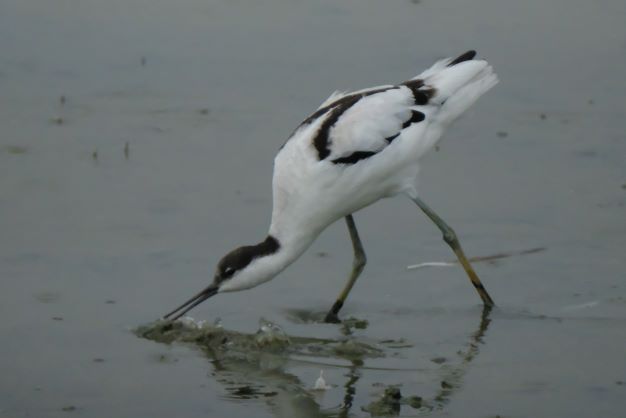
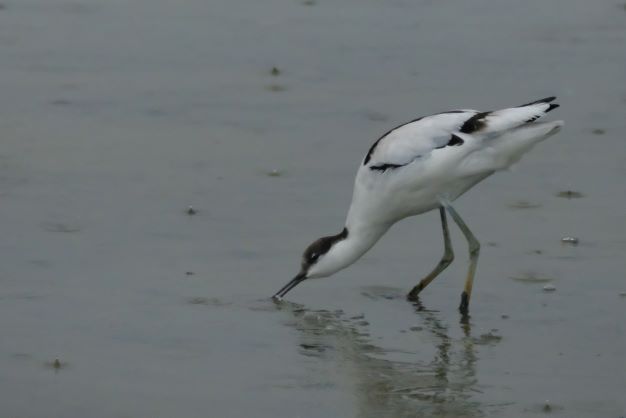
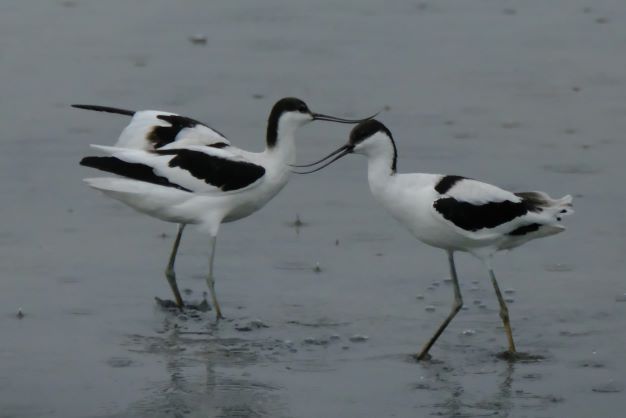
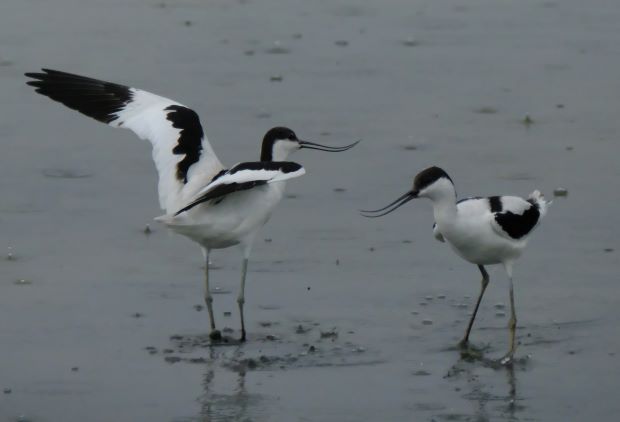
Extra Avocet pictures from Titchfield Haven Nature Reserve. Avocets are a great conservation success story during the 19th century, this beautiful bird was extinct in the UK. During WW2 coastal land and beaches in East Anglia were closed and flooded as a defence against invasion. This enabled Avocets to recolonise the area from war-torn Europe.

The population is now recorded as UK breeding:1,500 pairs UK wintering:7,500 birds in Europe:37-54,000 pairs.

Avocets are the emblem of the RSPB (Royal Society for the Protection of Birds) and they symbolise the bird protection movement in the UK. 

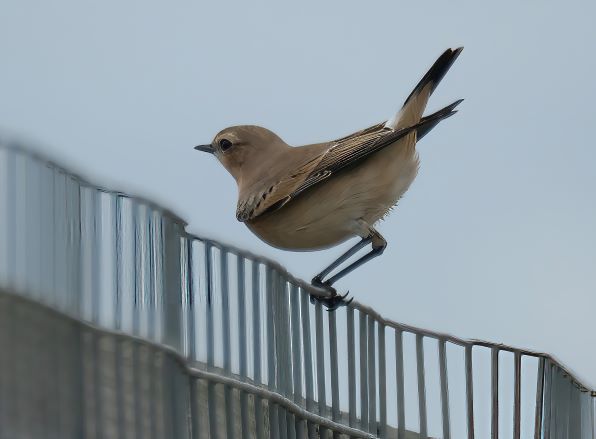
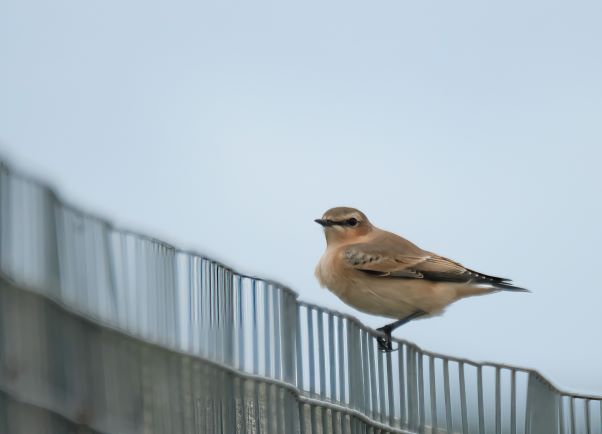
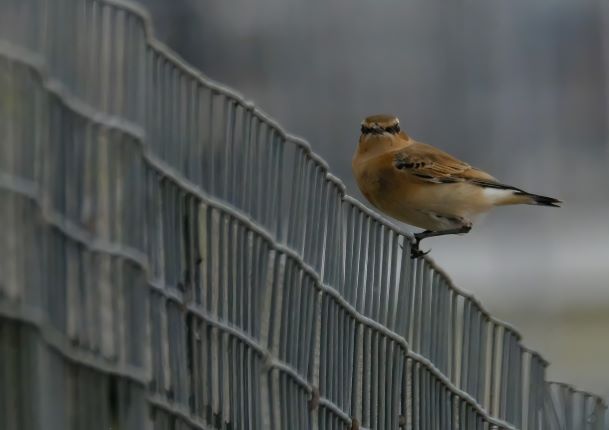
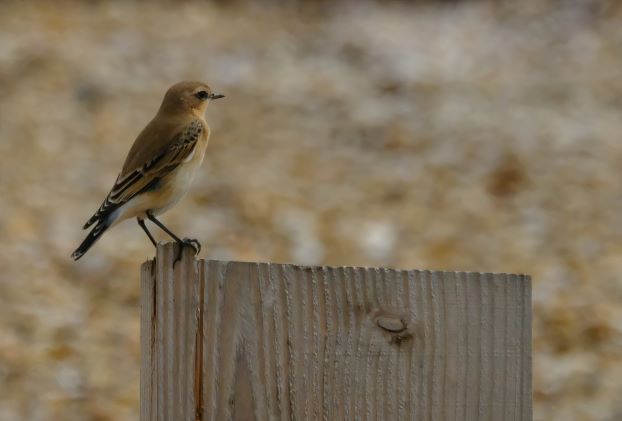
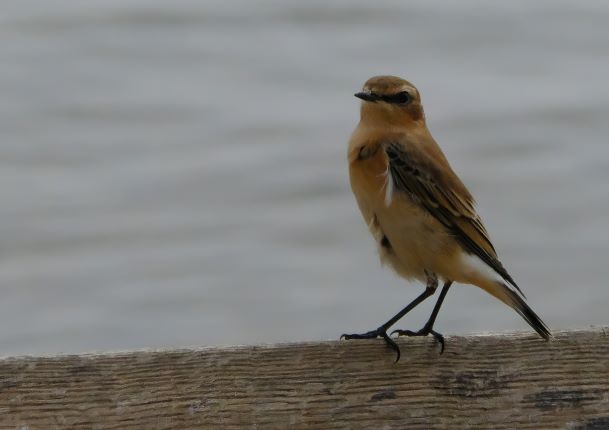
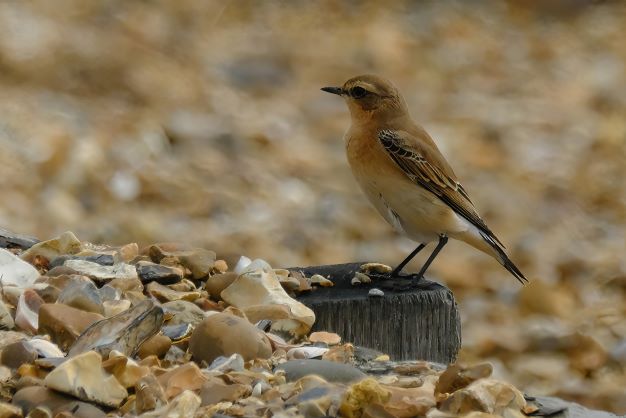
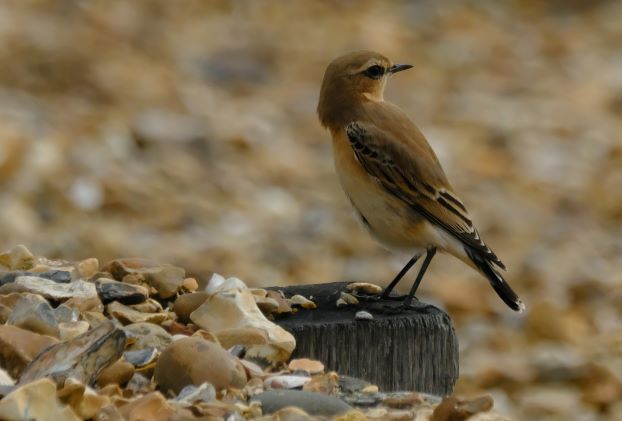
Portrait of a Wheatear.

The wheatear is a small mainly ground-dwelling bird. It hops or runs on the ground popping up onto posts to get a better view. This bird was on the shingle at Meon Beach. They breed mainly in western and northern Britain and western Ireland. Small numbers do breed here in the south their numbers seem to increase locally this time of year. I think this is prior to them migrating to central Africa where they spend the winter.

Sea fishing.

A solitary Little Egret quietly fishing as the tide comes in. This morning the rain arrived and the beach was almost empty of people I was able to sit down on the shingle and enjoy this egret going up and down and catching small fish.

Turnstones in August.

Turnstone on Meon Shore – The numbers of these little birds are increasing on our shores as they return from their arctic breeding ground to winter but they are present for most of the year in the UK as the non-breeding birds often stay through the summer. Birds from Northern Europe pass through in July and August and again in spring. Canadian and Greenland birds arrive in August and September and remain until April and May. Known in other countries as Ruddy Turnstone the “Ruddy” has been dropped here. Their colours are more muted in nonbreeding plumage. In the picture below the bird on the right shows breeding colours, the bird on the left colours has started to mute.

PLEASE NOTE, Any sponsored advertising that you see at the bottom of my posts is NOT endorsed by me and is a down to WordPress I advise you to ignore these unsolicited links.