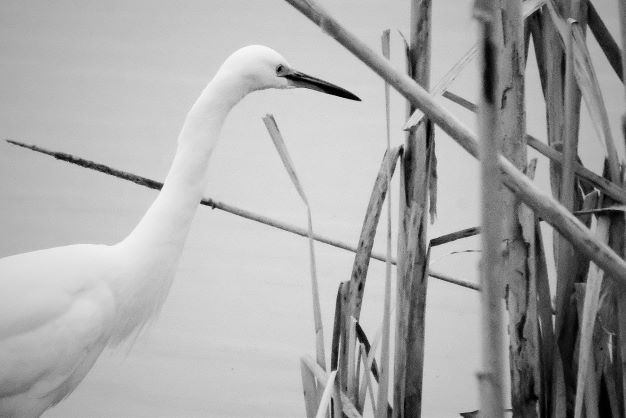
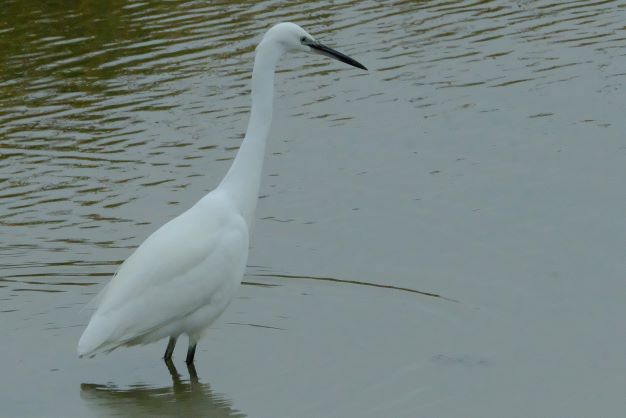


I had only ever seen a Bittern once before many years ago and that was a fleeting glimpse but Friday at Titchfield Haven I saw another, this time was a good fly past and I was able to get a few distant photographs.

The Bittern is a member of the Heron family. They are said to be Britain’s loudest bird, Male bitterns begin to boom as early as late January to establish territories and attract mates.


#Wordless Wednesday- love.

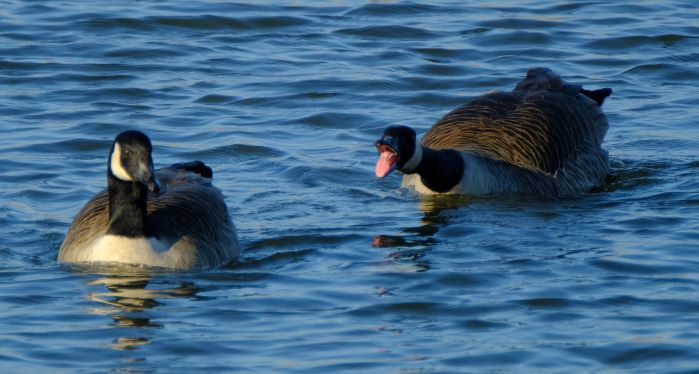


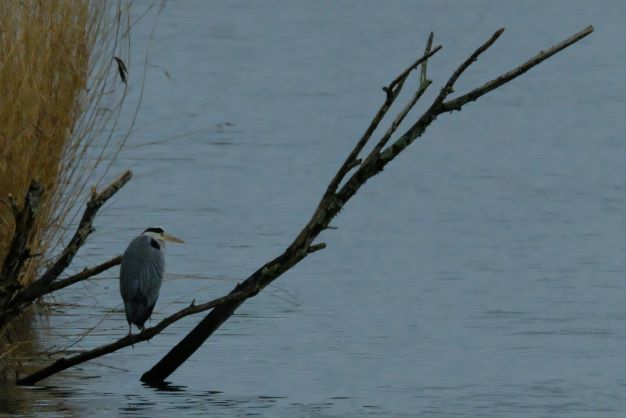
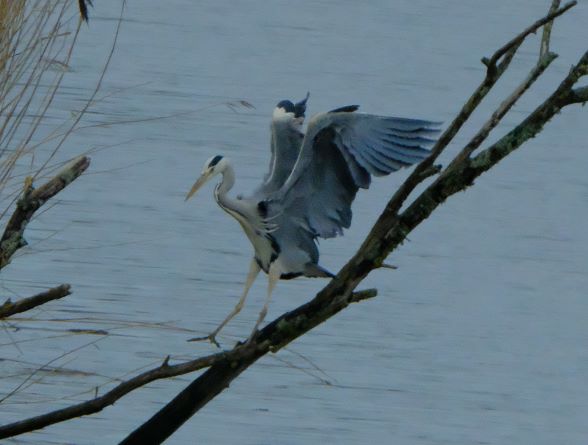
A pair of Grey Herons spotted at Titchfield Haven, these large gangly birds have quite a character and remind me of a prehistoric creature from the times of the dinosaurs.
Length:90-98cm Wingspan:175-195cm Weight:1.5-2kg
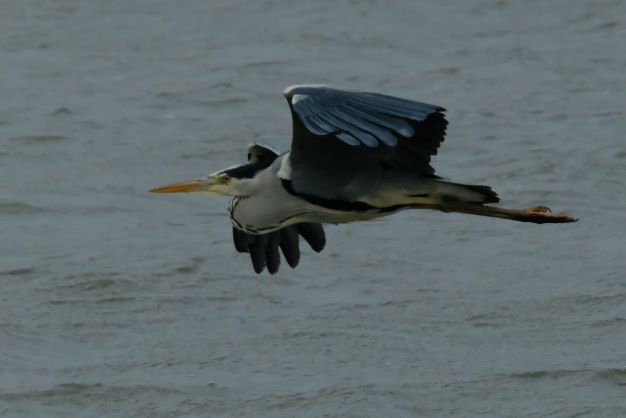


According to the RSPB, some 13000 birds nest in the UK each year, their numbers increase in the winter months to 63,000 birds (October to March).
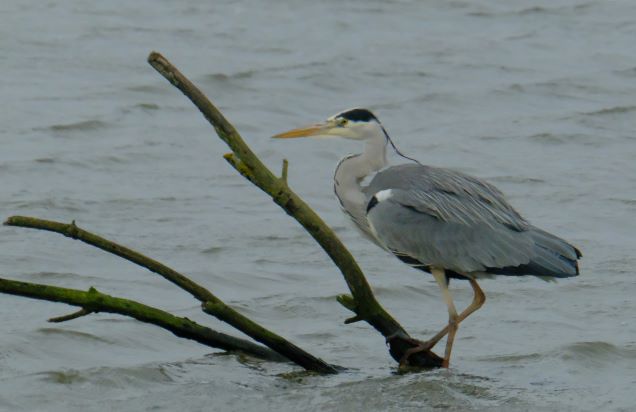

Herons nest in colonies called ‘Heronries’. In the top of trees, they make large nests out of twigs. They lay 3-4 eggs. The young birds will fledge after about 8 weeks.


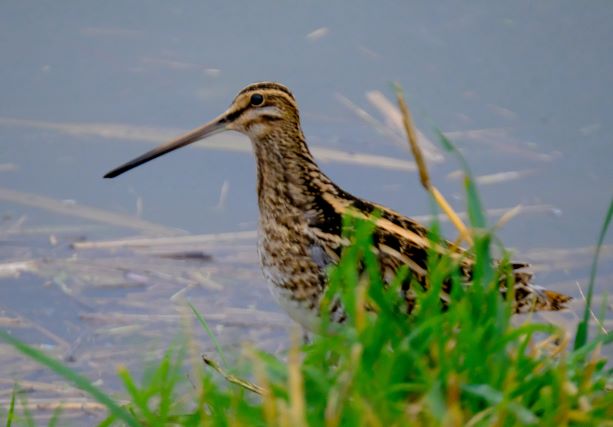
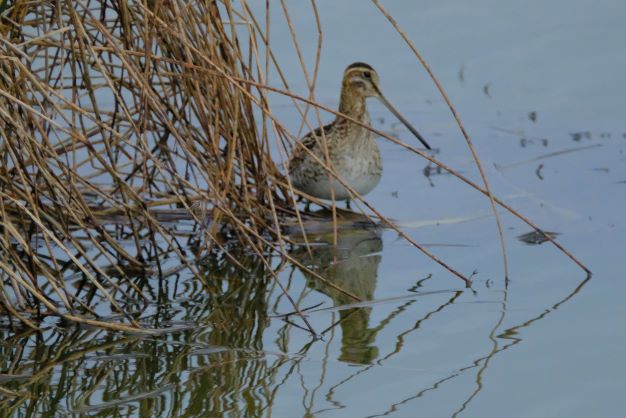
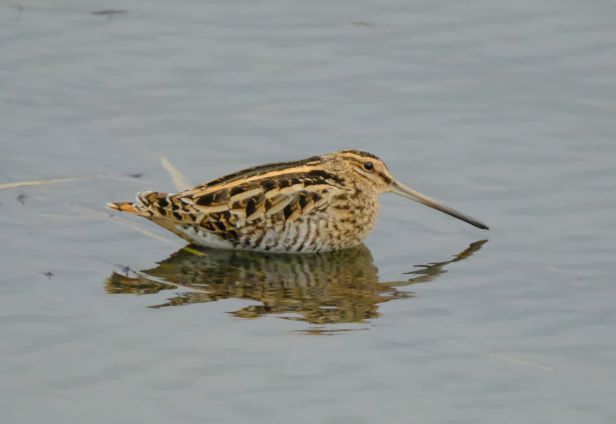
close view of a Snipe yesterday afternoon.

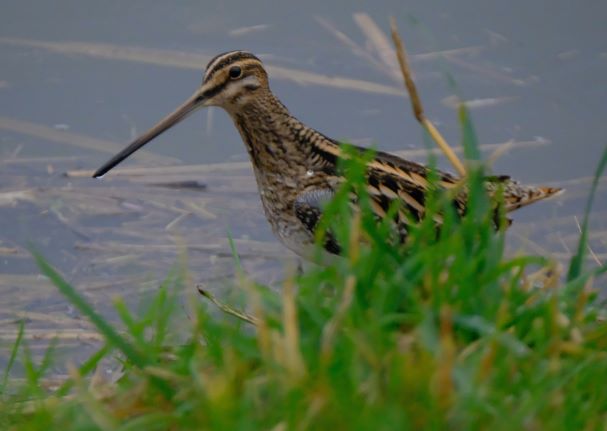
A mixed bad of birds at Titchfield Haven this afternoon. I was looking for 4 and 20 blackbirds and Partrages in pear trees but only found – Snipe, Lapwing, Teal, and a Black-tailed Godwit.

A misty damp morning down on the coast this morning.

Shoveler duck passing a snipe.
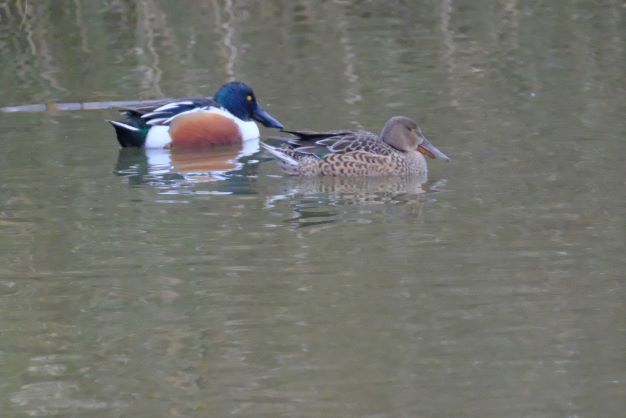
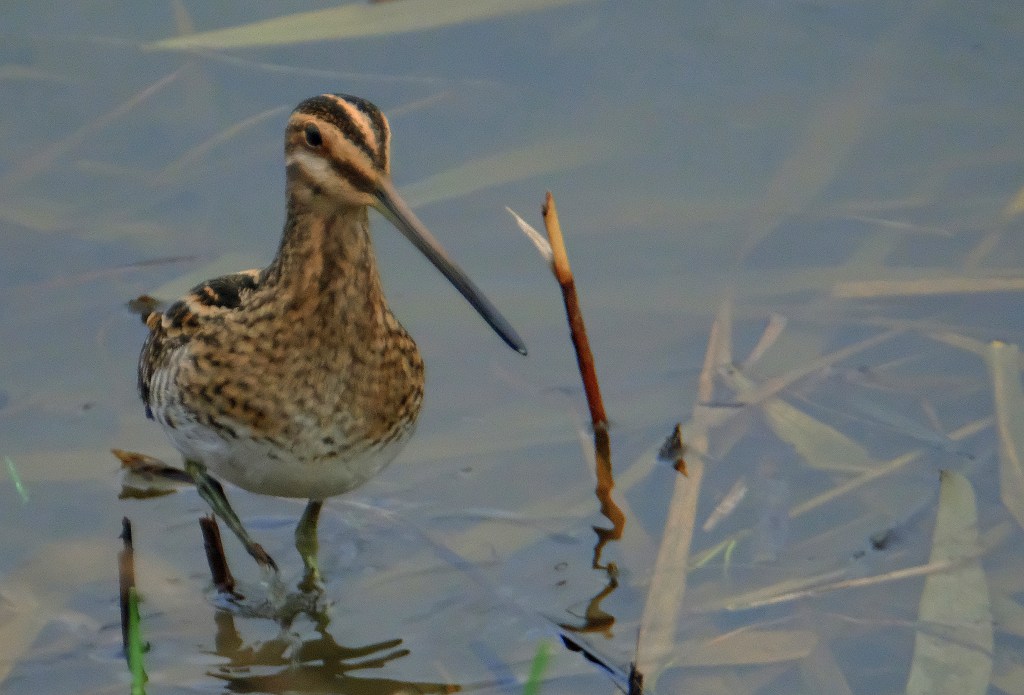
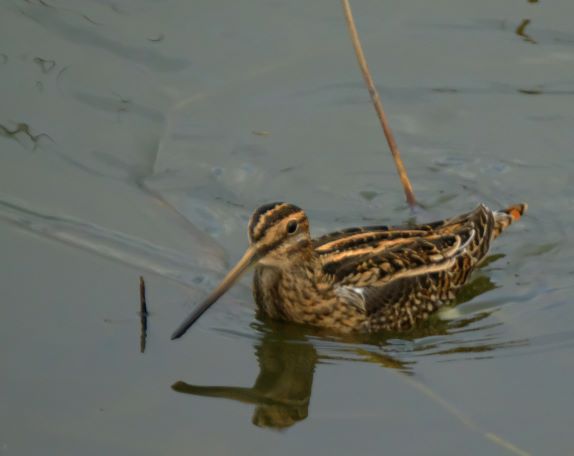
Lots of Snipe about today also spotted 2 Bearded tits in the reeds a 1st I have seen in many years.
A very distant Bearded Tim deep in the reeds – sadly the best picture I could get!

Link to view a Bearded Tit.
https://www.rspb.org.uk/birds-and-wildlife/wildlife-guides/bird-a-z/bearded-tit/
The morning after Storm Barra hit the south coast.
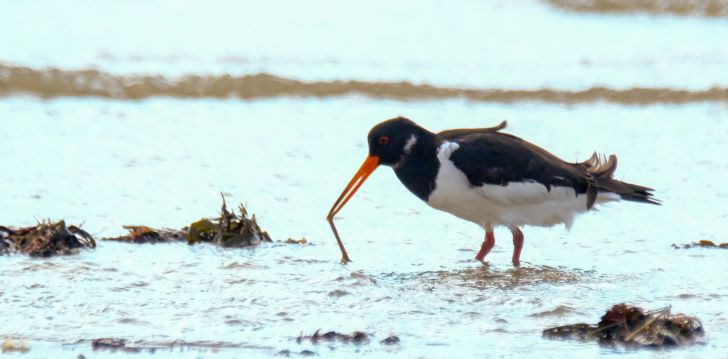
An Oystercatcher gets an early morning feed on a lugworm.
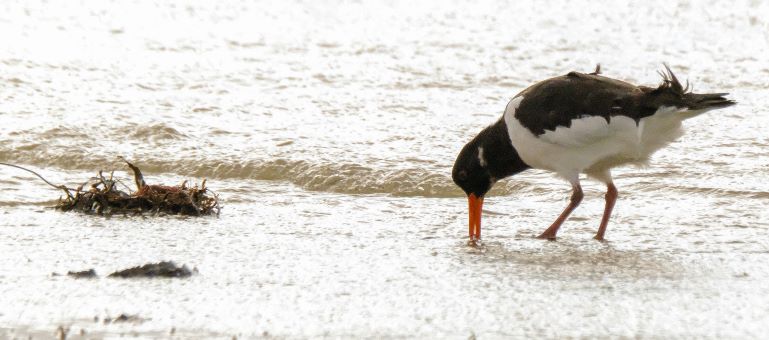
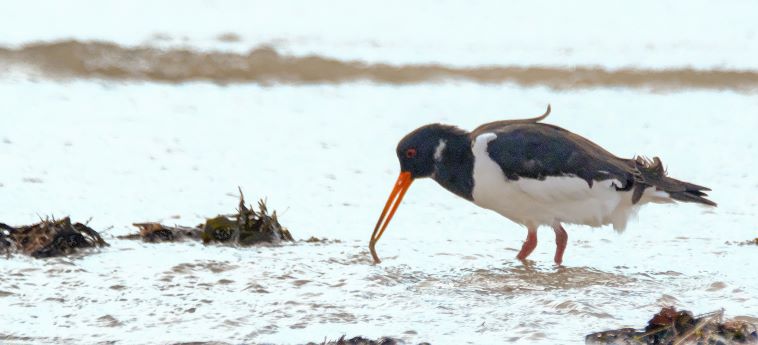

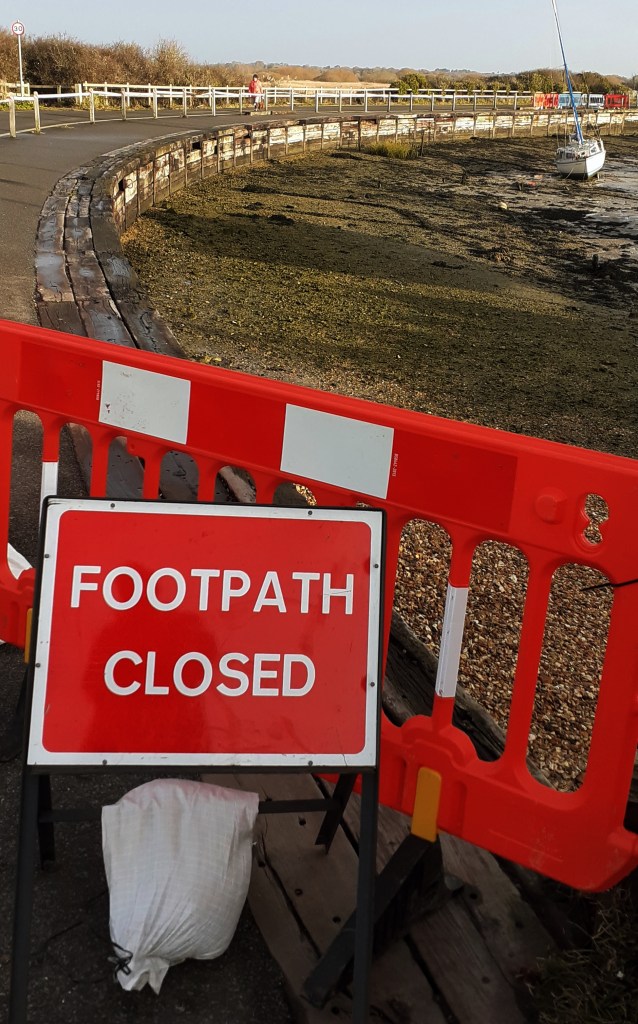
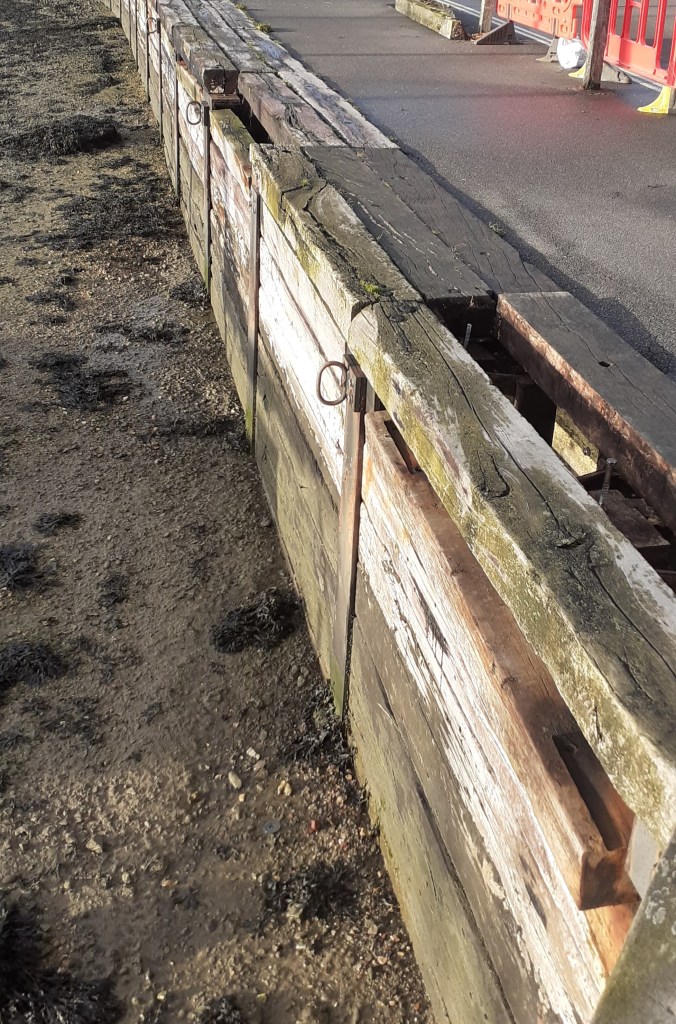
On Tuesday (7th December 2021) afternoon and evening the high tide plus storm-force winds meant local flooding. The coastguard had to rescue a number of car occupants stuck in the floodwaters. By Wednesday morning the water had gone but there was damage to the wooden sleepers on the walkway at the back of Titchfield harbour, the council had been around and cordened off the footpath and swept the road of shingle and sand.

A few bird spots within the nature reserve.
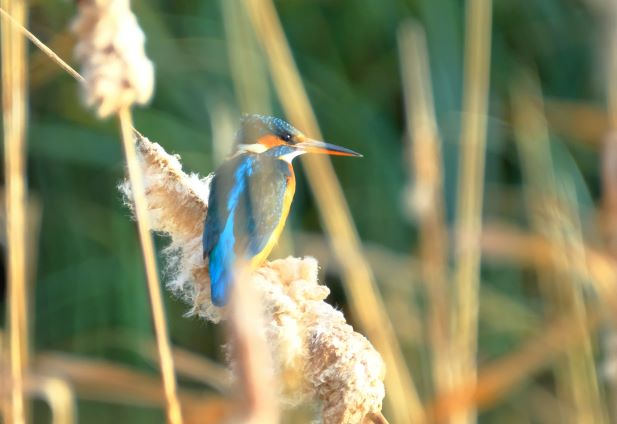
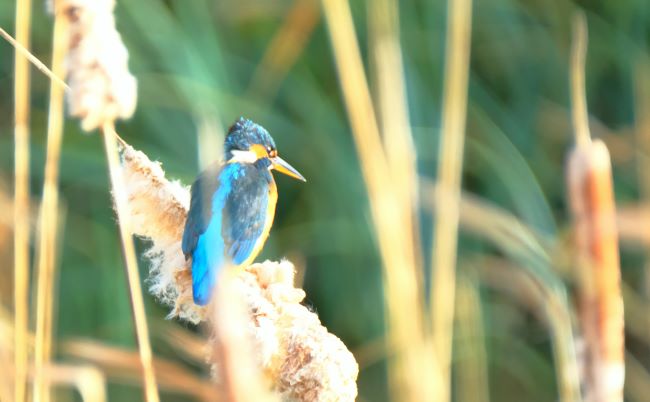
A kingfisher in the reeds.

A Male House Sparrow.

And a male Stone Chat.
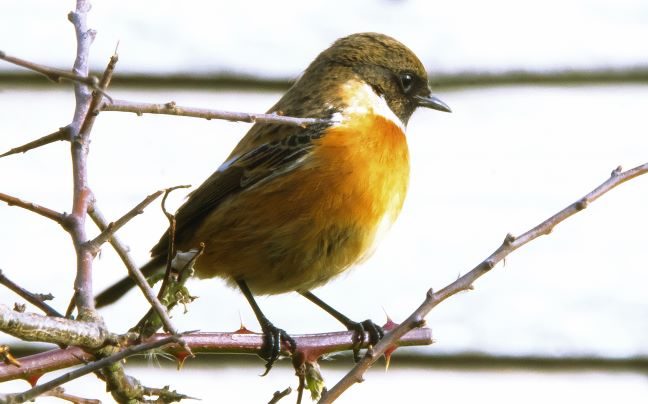
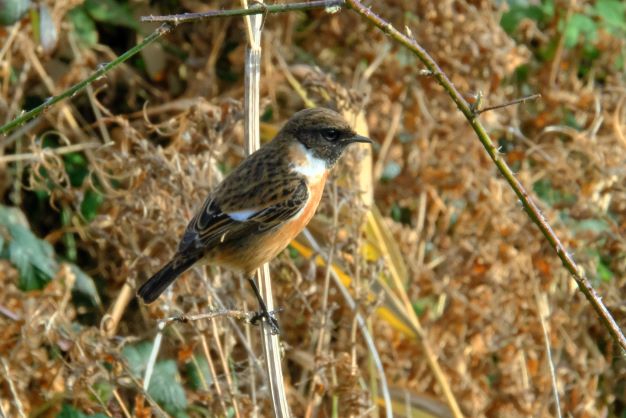
Last week I spotted 2 birds at Titchfield haven that are relatively rare and I have not seen them very often. I caught them both on film (well memory card) not that close so not the quality I like but I thought I would post as I have not posted these birds before.
Dartford Warbler.
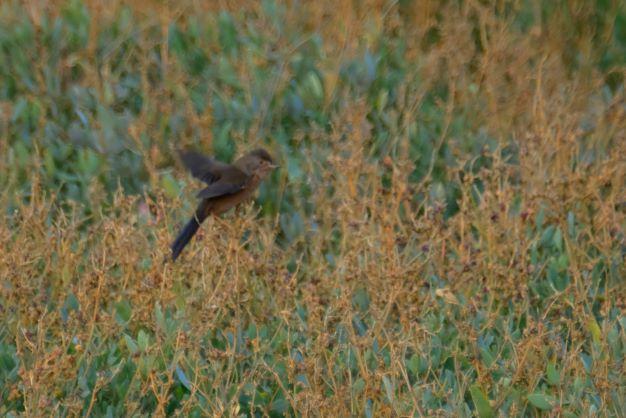
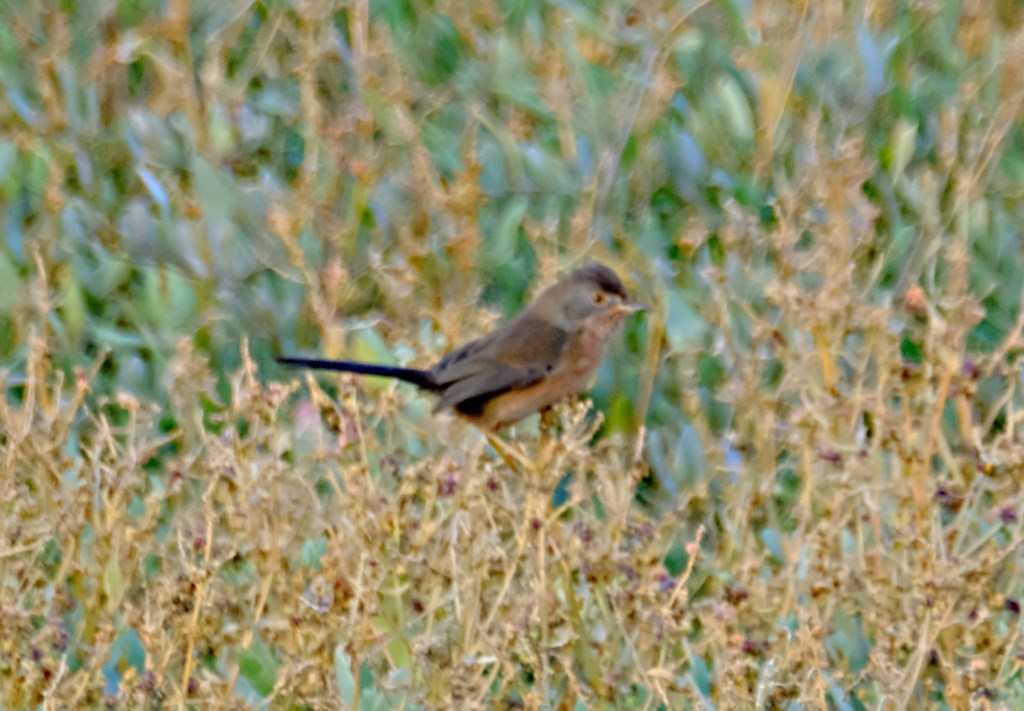
Dartford Warblers live on lowland heathland in the south of England the UK breeding birds are recorded at 3,200 pairs.
Short-Eared Owl.
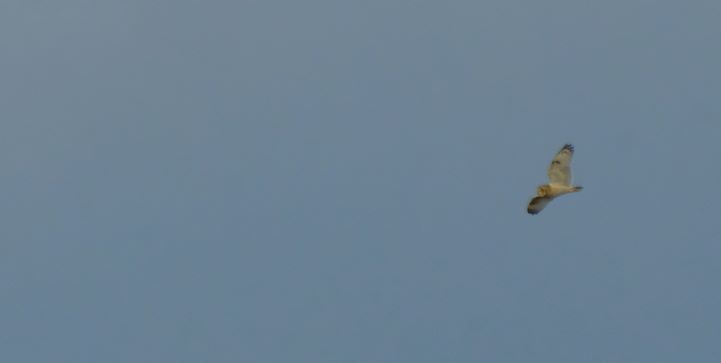
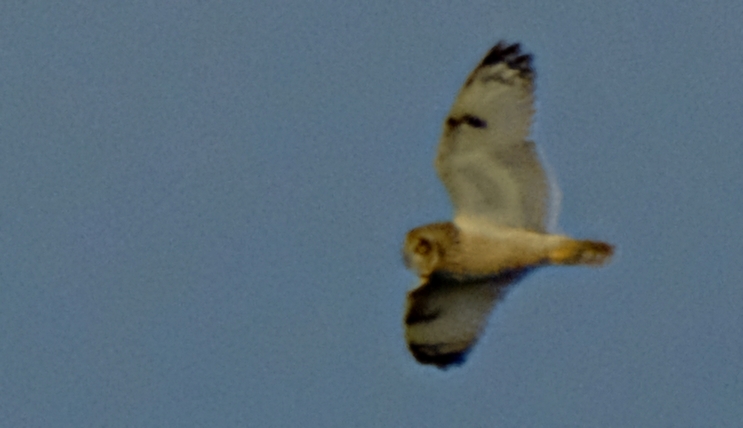
Short-Eared Owls, are often seen hunting during the day over reed beds the UK breeding population is recorded between 620-2,180 pairs.
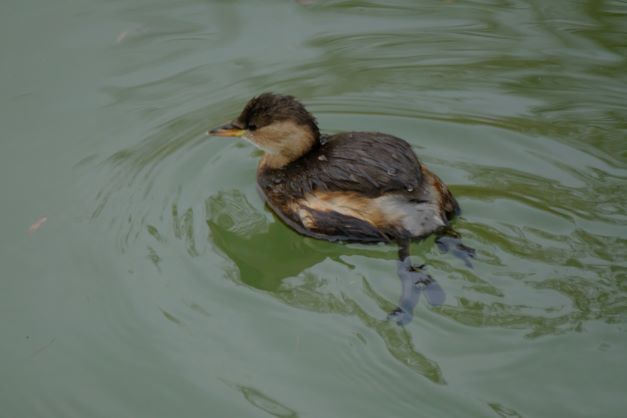
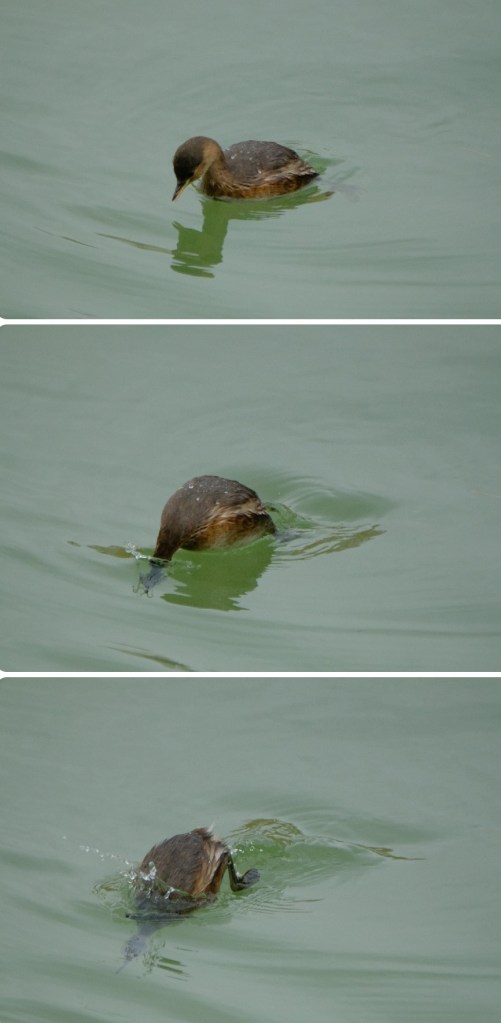
The Little grebe is also known as a dabchick, there are often up to 5 near the road bridge at Titchfield harbour. Yesterday I just spotted 2. In their non-breeding colours, they are quite toned down against their summer colours they have a bright chestnut throat and cheeks with a pale gape patch at the base of the bill.
They feed on little fish which they dive down for.
Gone fishing!
 Continued Reflections from my World.