Birdwatching in the wet.

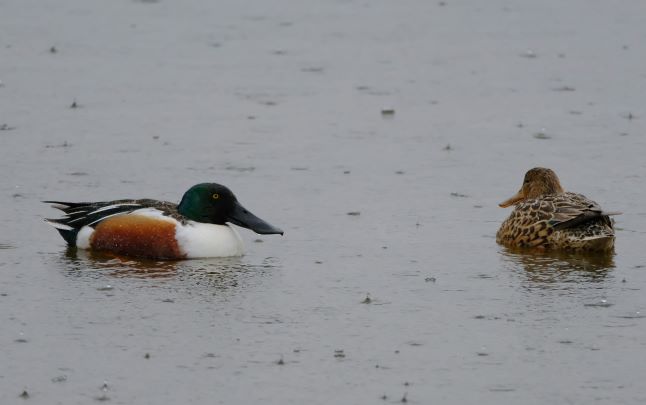
Some days when the weather is not good and rain prevails it is a real washout. Today was one of those days so I went for a short walk at a small local nature reserve not expecting to see much let alone take some photographs.

However, despite the rain, and fairly low light it was a successful nature walk.

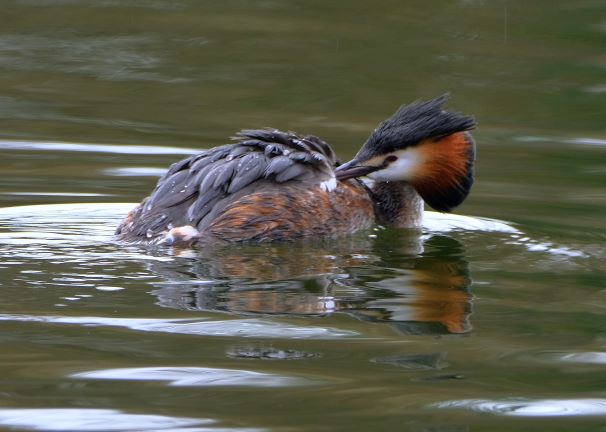
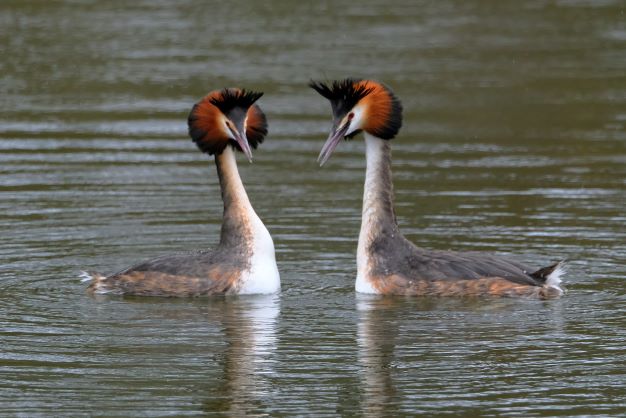
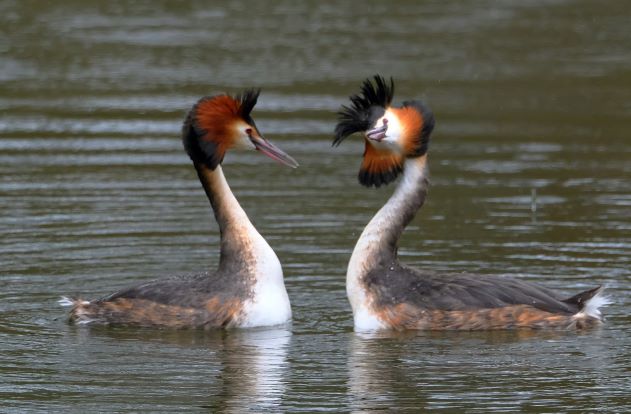
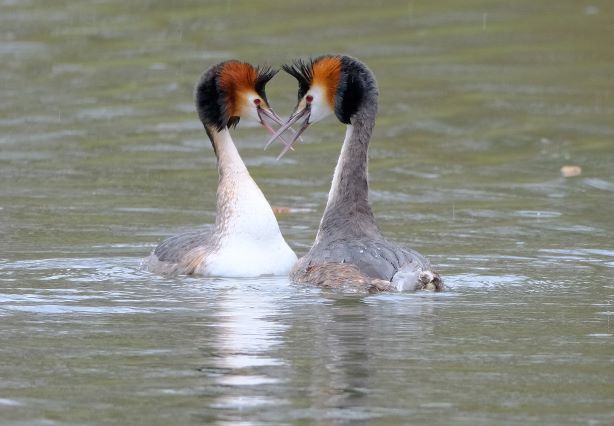
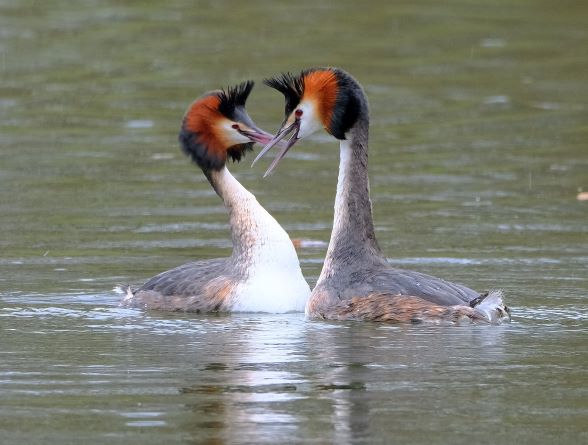
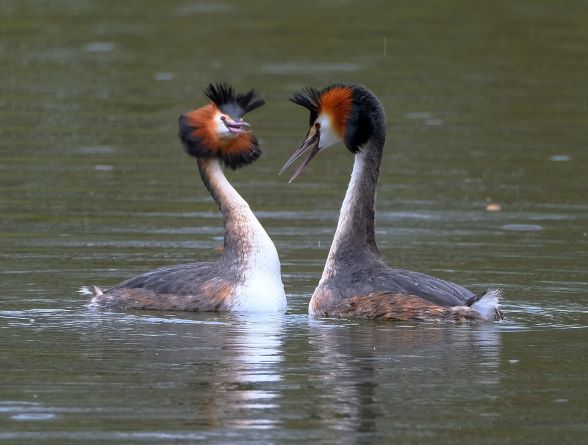
On one of the small gravel pits were a number of Great-Crested Grebes which added a splash of welcome colour.

These grebes are well-known for their elaborate courtship dance, during which they rise out of the water and shakes their heads. During the breeding season, they have an impressive plume on their heads and orange ruff around their necks.

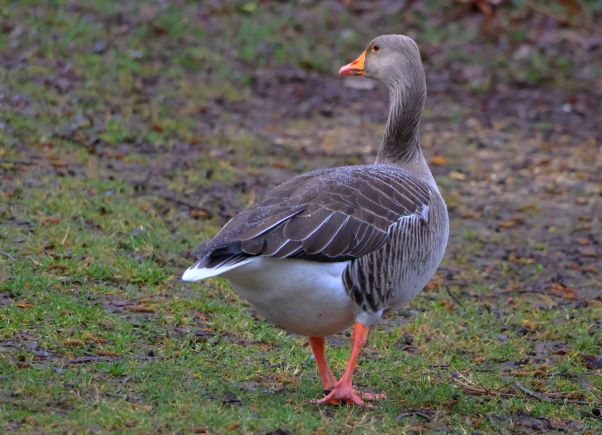
A number of Greylag geese were also in one of the pits. They are the largest and bulkiest of native wild geese found in the UK and Europe.

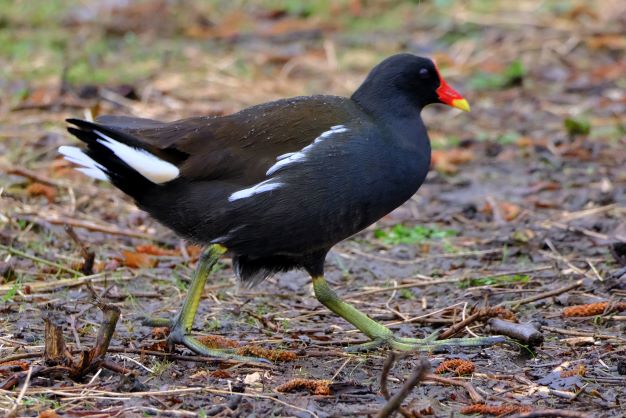
A Moorhen making a run for it back towards the water.

Dull end to the year.

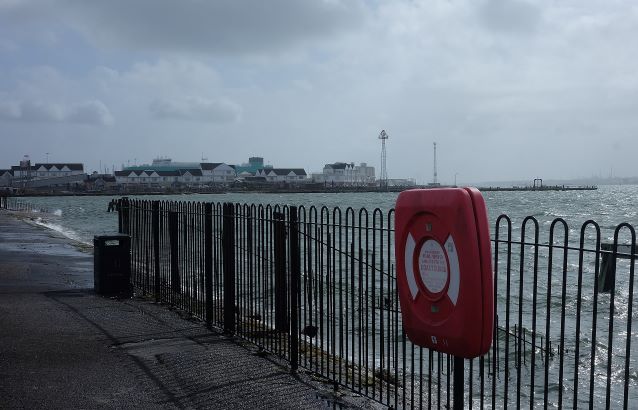
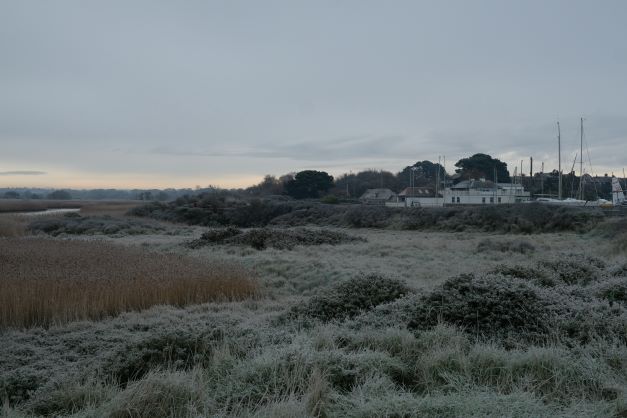
The last bird-watching trip of 2022. A walk around Titchfield Haven in the wind and rain on a really dull morning. Not good for taking photographs with slow shutter speeds and poor colours due to the conditions. Although a nice walk around with few other people venturing out.

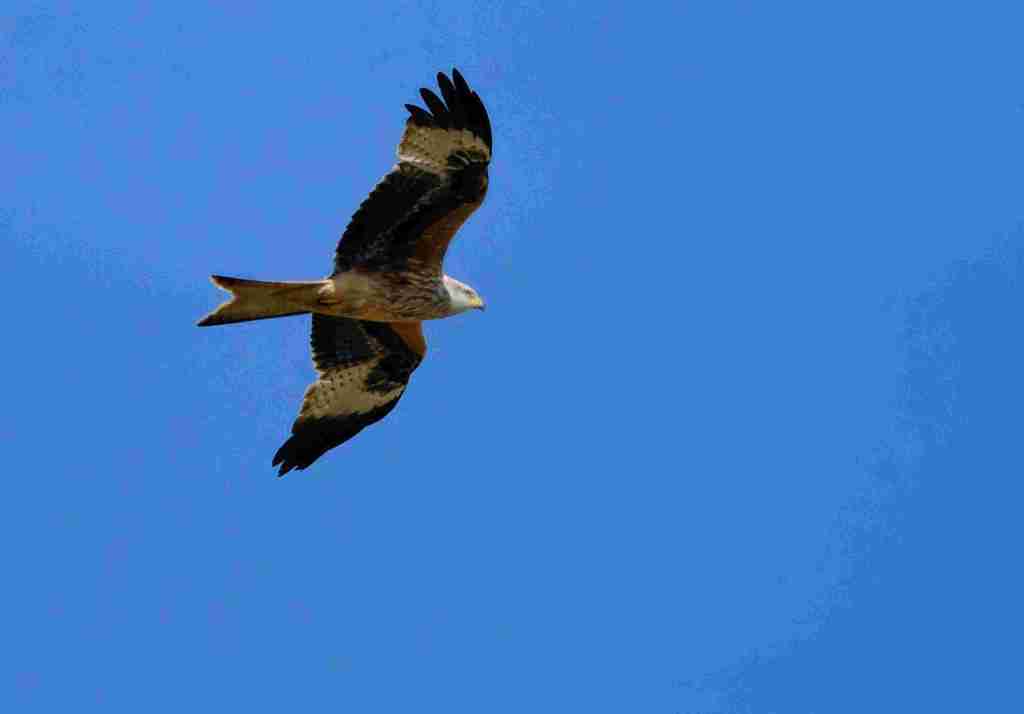
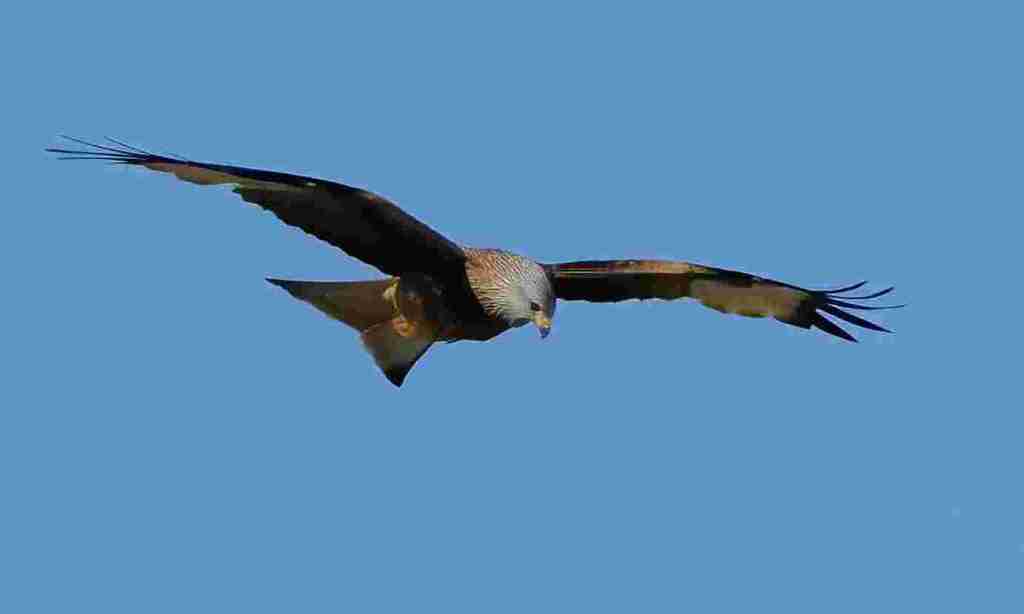
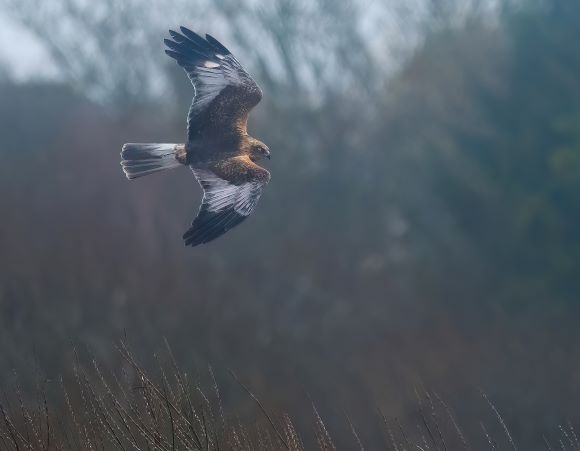
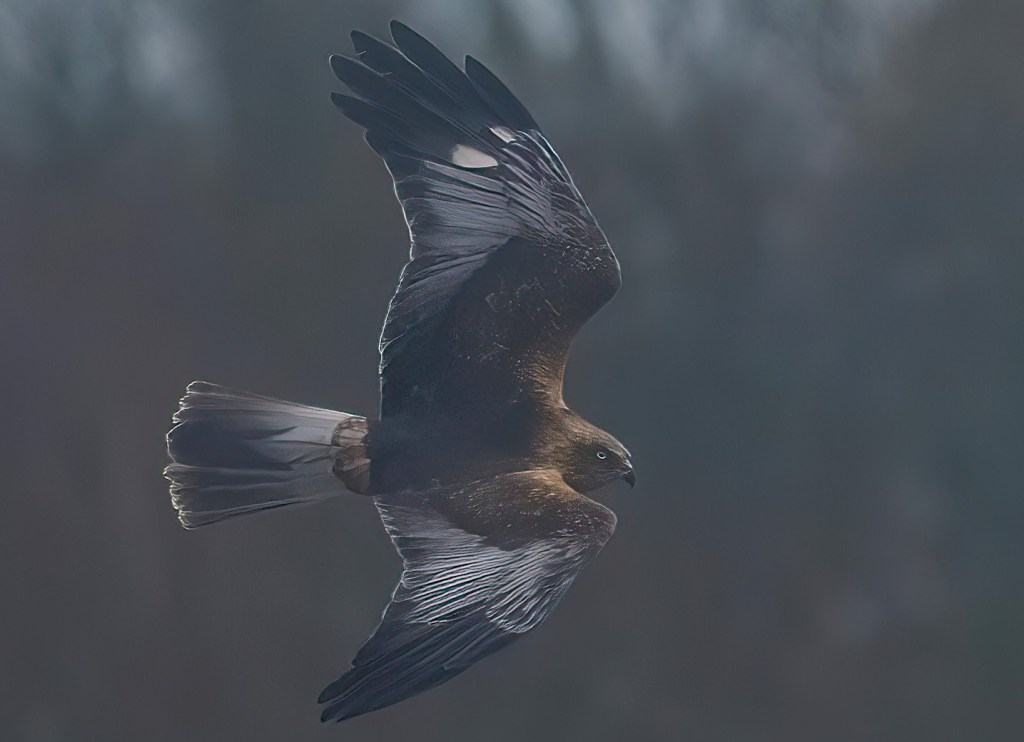
A Marsh Harrier hunting the small waders.

The Mash Harrier has a wingspan of about 4 feet. There are only about 600 pairs in the UK. This bird is a male. (the female has a creamy head).

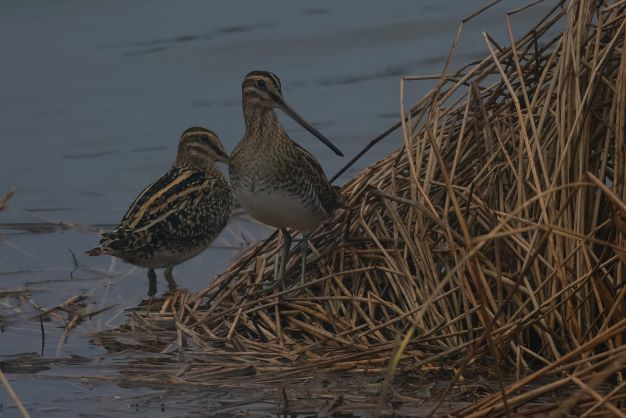
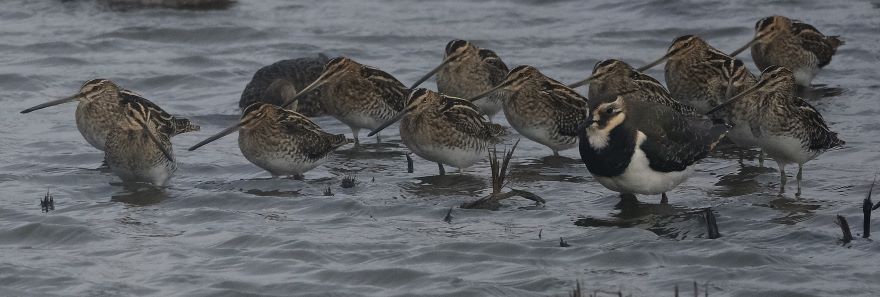
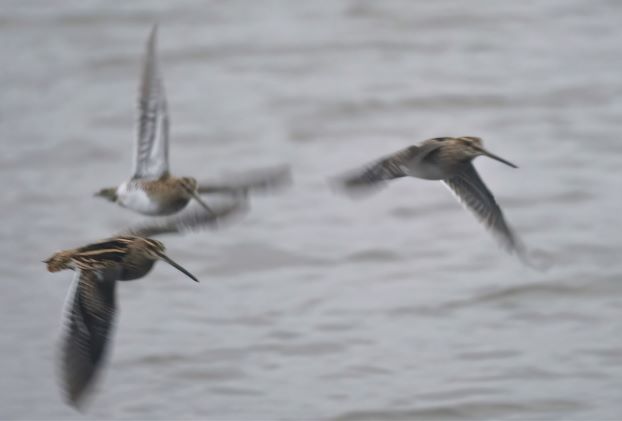
High numbers of Common Snipe were on the ponds today. In the UK some 66,500 pairs are present in the breading season however these numbers increase to 1.1 million birds during our winter months.

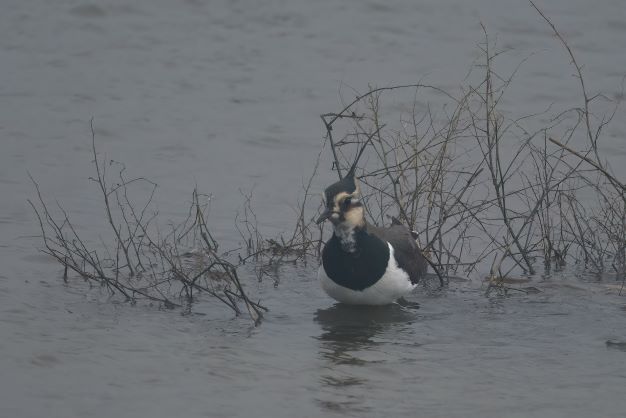
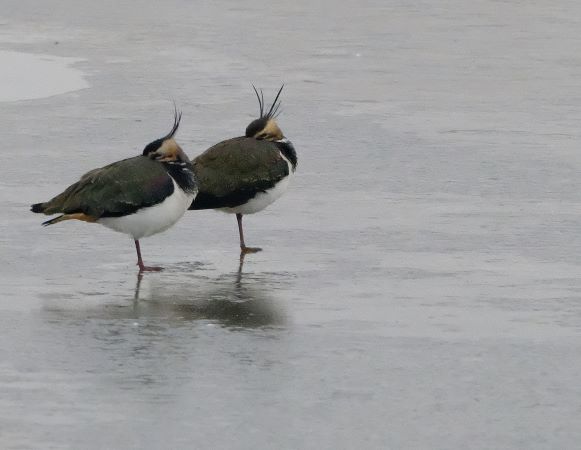
As well as the Snipe Lapwing numbers also increase during the Winter to some 635,000 birds.

See you next year.

After the rain.

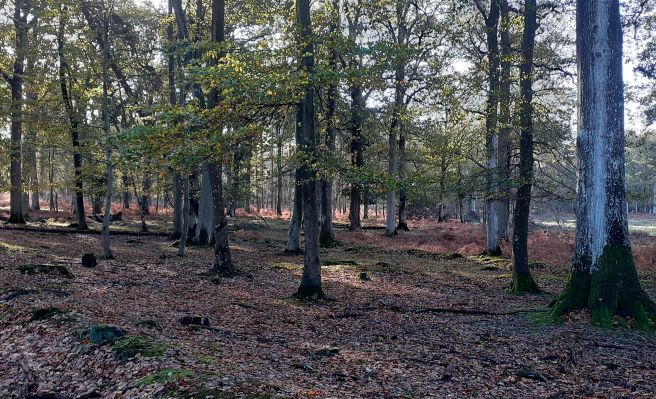
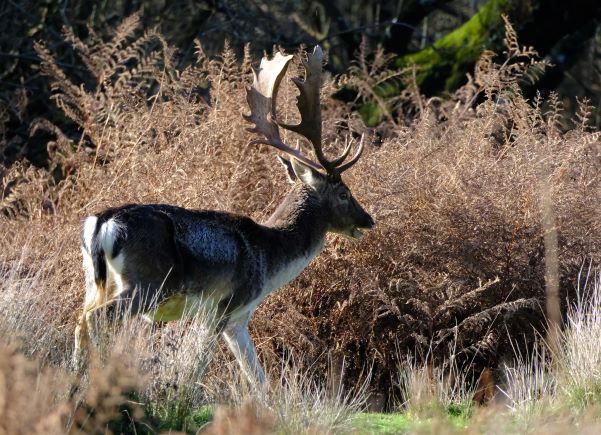
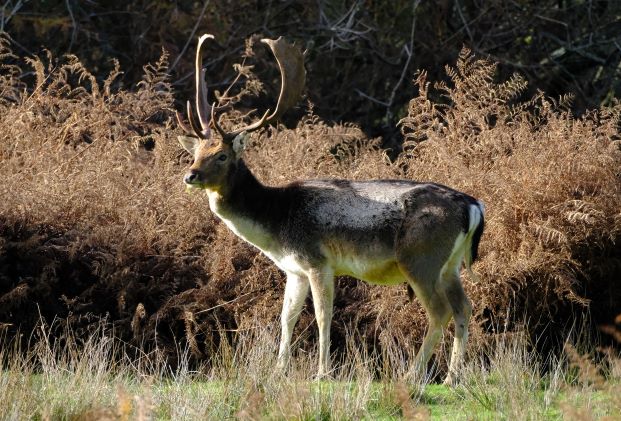
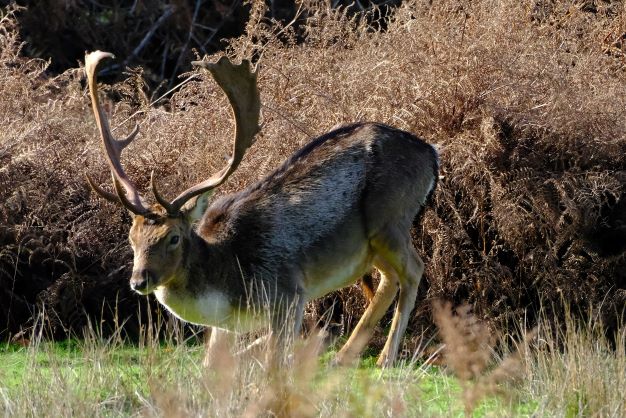
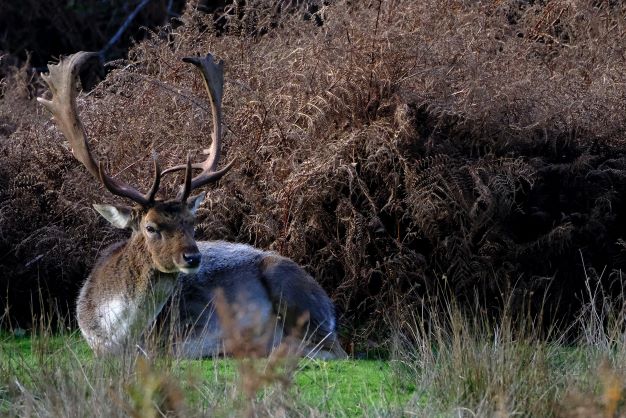
We left home in heavy rain this morning and it looked like my walk into the New Forest may be a washout however the BBC weather forecast was correct and by 9.30 the sun was out and the Autumn colours were looking good.

Fallow Deer are the deer that most visitors to the New Forest see. Although not a native species, to the forest. The New Forest was William the Conqueror’s first hunting forest in England, and the hunting of fallow stags took place for over 900 years until it was outlawed in 1997.

I only saw one Stag but he was worth spotting and decided to sit down rather than move on!

Cobwebs & dew.

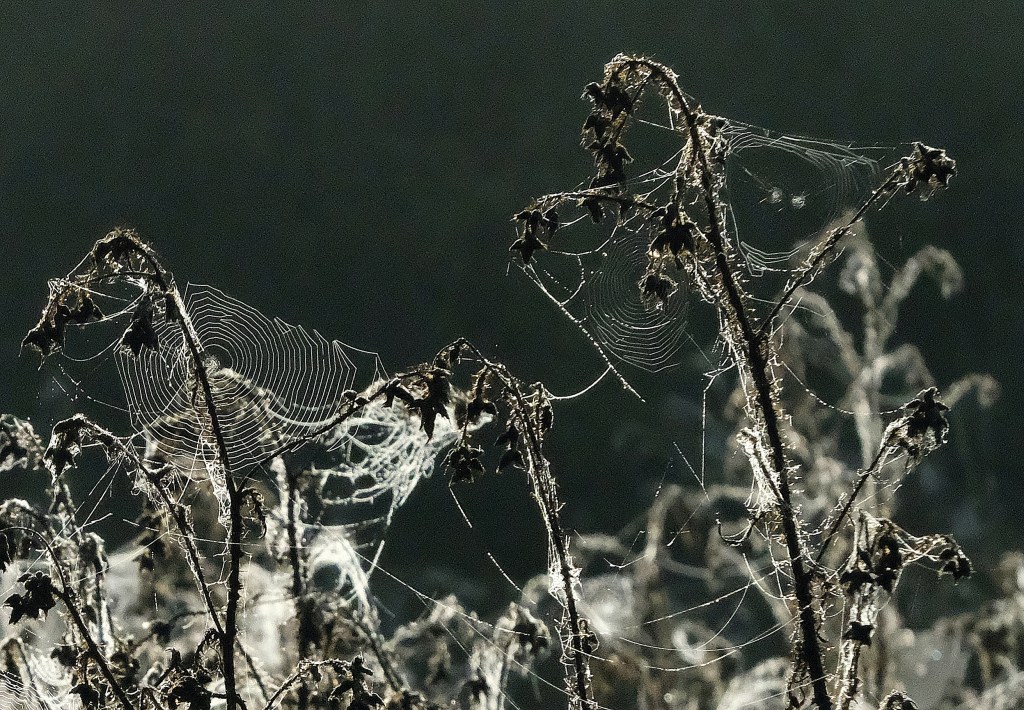
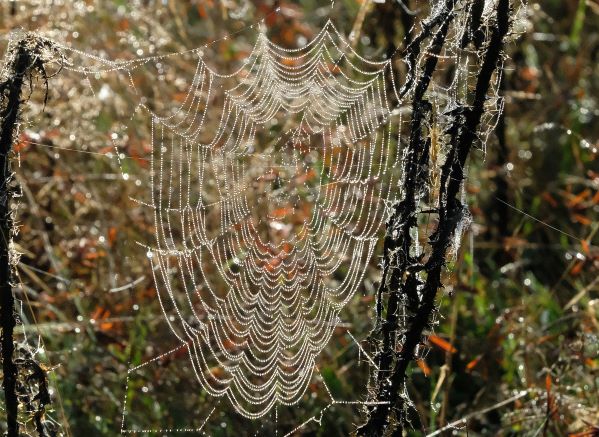
This morning’s walk (Sunday) showed a marked change in the season with dew on the grass and the numerous spider’s webs were highlighted with moisture. Given the changeability of the seasons at the moment I am not sure if such mornings will be the norm for a while or if it was just a one-off for the time being.
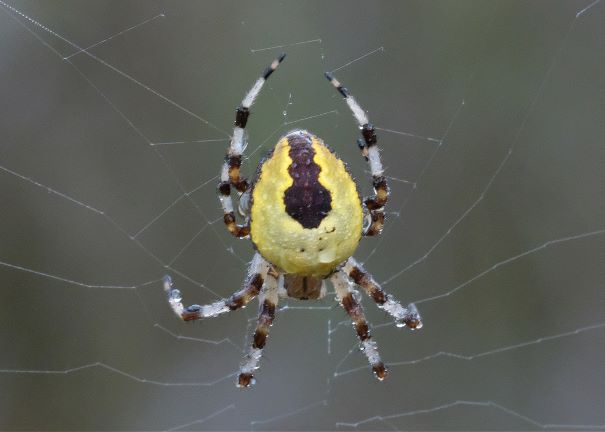
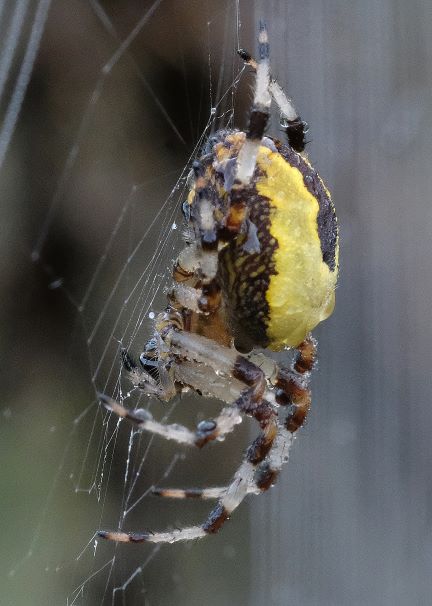
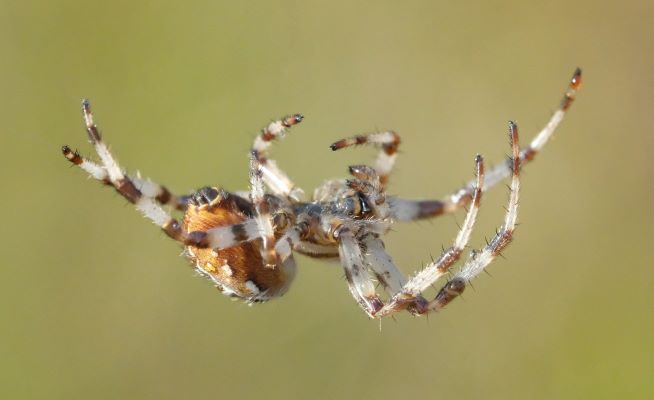
Marbled Orbweb Spider. This one is yellow I saw some previously that were white.

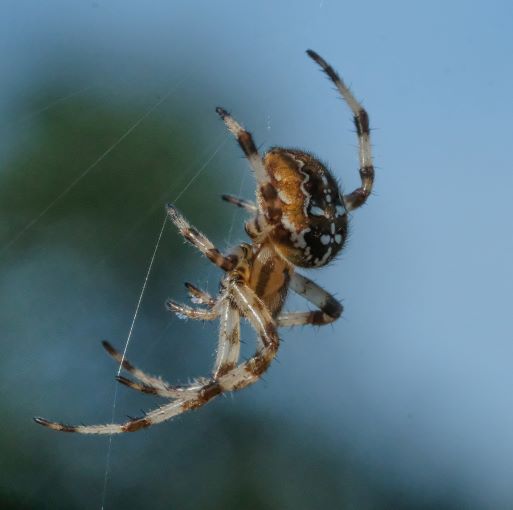
Four-spotted orb weaver spider building a new web.

Garden Spider. Encrusted in dew.

With the moon out.

With our continued hot dry spell we decided to make an early start on Sunday morning to collect our trail camera footage. On the way, with the sun just up we spotted a good number of different mammals.

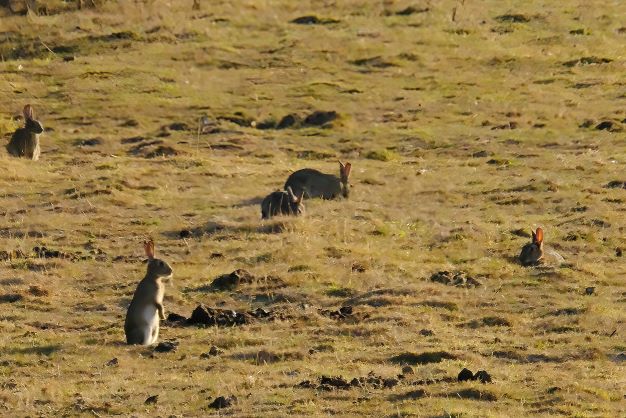
Rabbits.

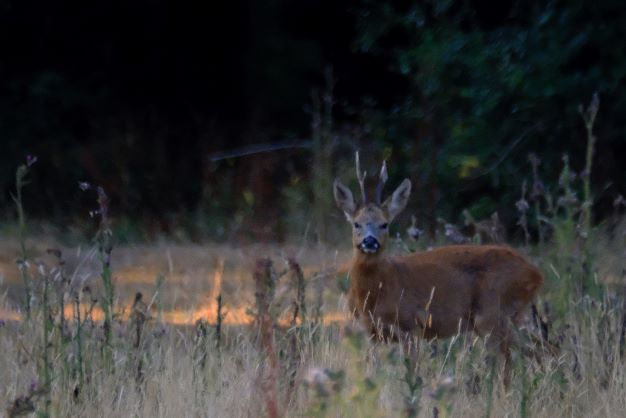
Roebuck. This deer is the regularly spotted buck in our local fields and woodland.

A Shrew. This tiny mammal crossed our path, while we crossed the field. I think this is a Common Shrew.

Common shrews are tricoloured: brown on the back, pale brown at the sides and whitish underneath. They have dense velvety fur, with a long pointed nose, tiny eyes, small ears and red teeth. Their lifespan is short they rarely live longer than a year.

Size: 48-80mm, tail 24-44mm; tail less than 3/4 length of head and body.

Weight: 5-14g.

A bit shaky but a short film of this tiny mammal.

We spotted a fox on several occasions during our walk but he kept his distance.

PLEASE NOTE, Any sponsored advertising that you see at the bottom of my posts is NOT endorsed by me and is a down to WordPress I advise you to ignore these unsolicited links.

A dry spell.

Back in June we found this New Forest Pool a mile or so from the road and enjoyed a few hours photographing and watching dragonflies.

Posted a couple of views back then.

We walked back there this morning. The same pond a month later. After our heat wave.