With the moon out.

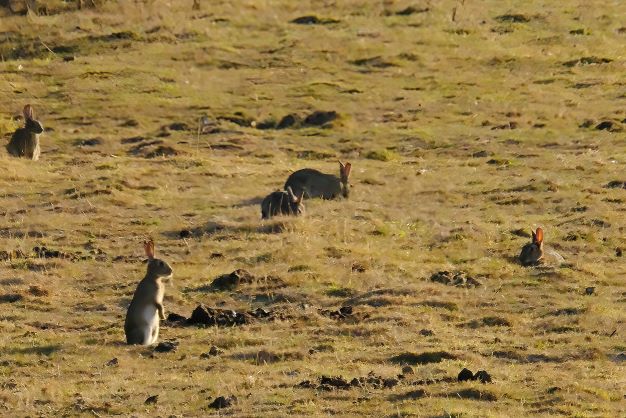
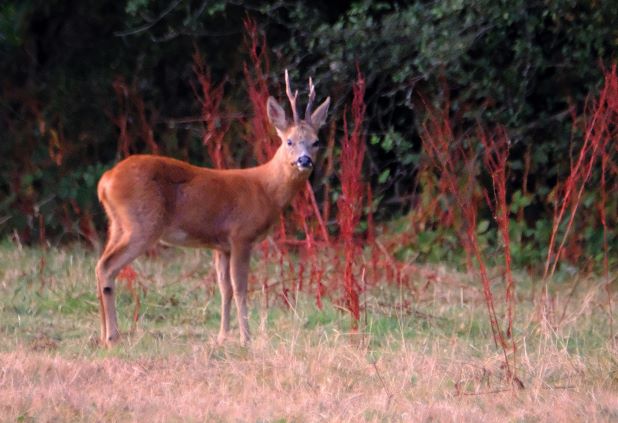
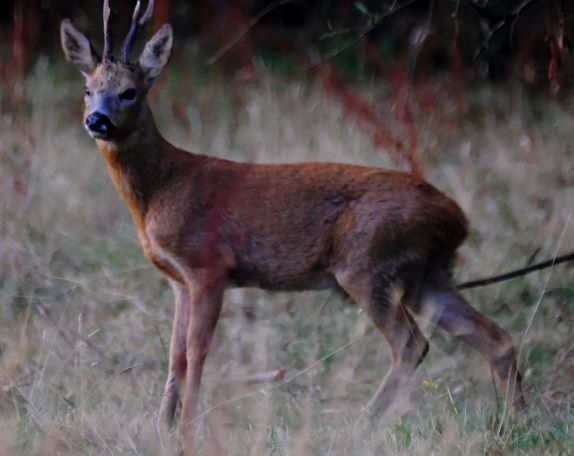
With our continued hot dry spell we decided to make an early start on Sunday morning to collect our trail camera footage. On the way, with the sun just up we spotted a good number of different mammals.

Rabbits.

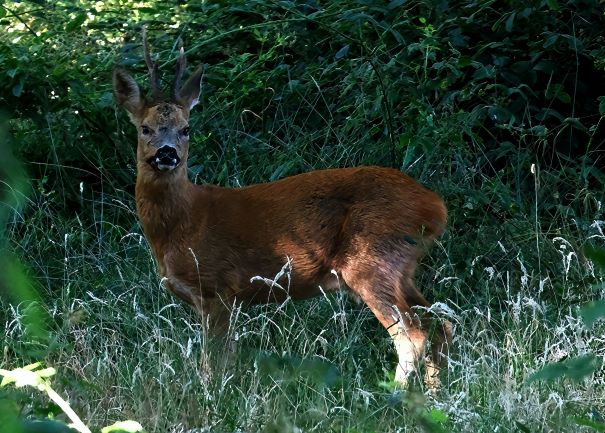
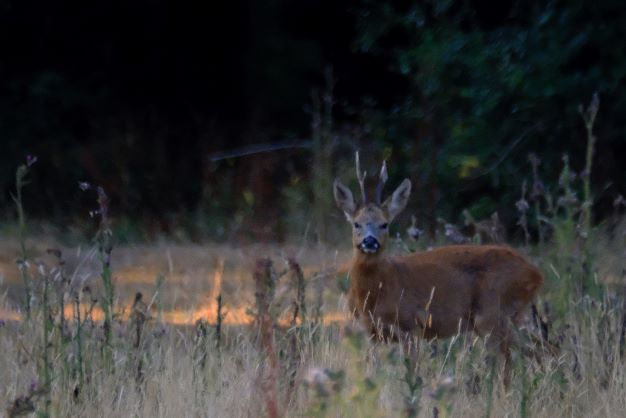
Roebuck. This deer is the regularly spotted buck in our local fields and woodland.
A Shrew. This tiny mammal crossed our path, while we crossed the field. I think this is a Common Shrew.

Common shrews are tricoloured: brown on the back, pale brown at the sides and whitish underneath. They have dense velvety fur, with a long pointed nose, tiny eyes, small ears and red teeth. Their lifespan is short they rarely live longer than a year.

Size: 48-80mm, tail 24-44mm; tail less than 3/4 length of head and body.

Weight: 5-14g.

A bit shaky but a short film of this tiny mammal.

We spotted a fox on several occasions during our walk but he kept his distance.

PLEASE NOTE, Any sponsored advertising that you see at the bottom of my posts is NOT endorsed by me and is a down to WordPress I advise you to ignore these unsolicited links.
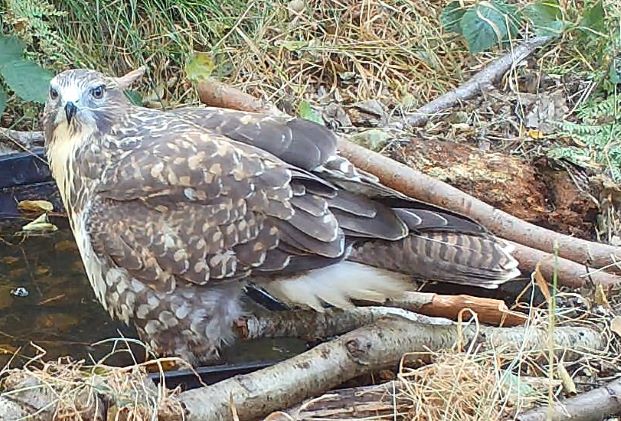
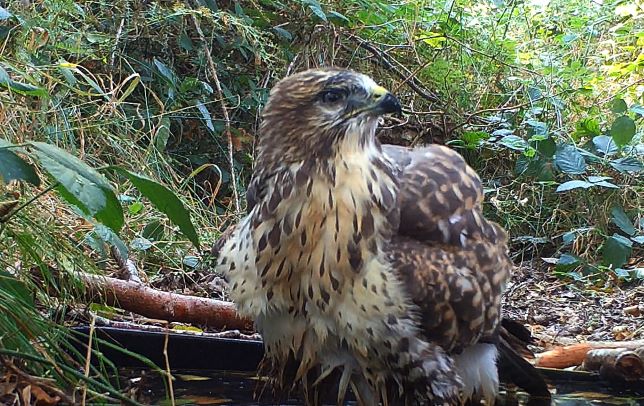
Buteo buteo.

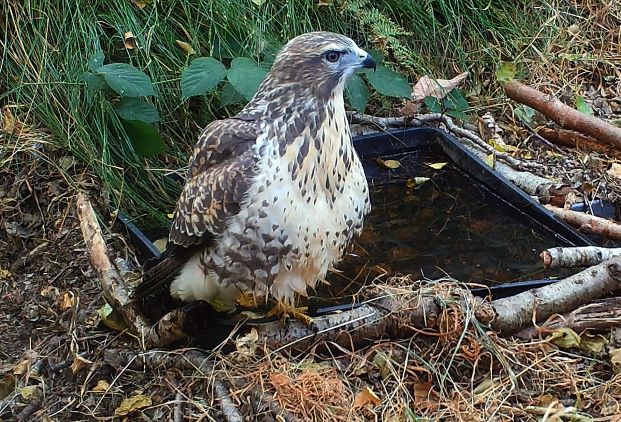
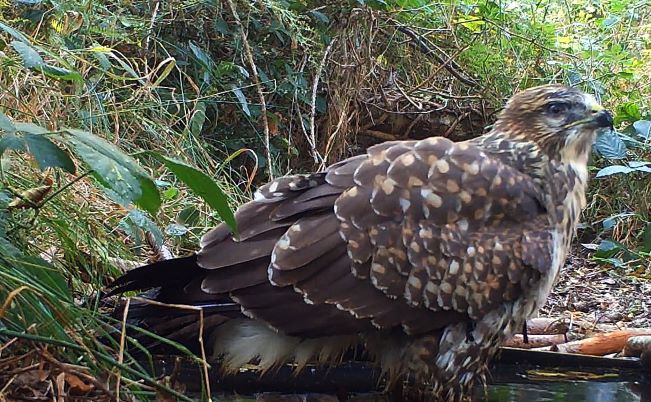
The official drought has been declared in the South of England last week we extended the bath area and water supply for our local Buzzards. Packing a further 10 litres of water to the site we left the trail cameras in situ this film is an edited highlight of Buzzard’s visits – for the past week he visited daily. Note a Shrew is taken at the start of the film.

Stills are taken from the video footage.

Buteo buteo is the Scientific name of the Buzzard. Today they are the commonest and most widespread UK bird of prey in the UK. As a child I only saw them in Somerset and I still recall these early sightings. of the big bird on Exmoor.

Length:51-57cm.

Wingspan: 113-128cm

Weight:550-1,000g (male); 700-1,300g (female)

PLEASE NOTE, Any sponsored advertising that you see at the bottom of my posts is NOT endorsed by me and is a down to WordPress I advise you to ignore these unsolicited links.
Another ship that left port!

Further to my post yesterday showing the bulk car carrier ARC Commitment leaving port I thought followers might like my old blog posts of 2015 when the bulk car carrier Hoegh Osaka left Southampton and ended up on her side on the Brambles bank just off the Isle of Wight.

Check out the link,

https://andyfinnegan.wordpress.com/2015/01/05/o-hear-us-when-we-cry-to-thee-for-those-in-peril-on-the-sea-support-the-life-boats/

Leaving.

Ship movements Southampton Docks.

The ARC COMMITMENT (IMO: 9505039, MMSI 368444000) leaving Southampton this morning. She is a Vehicles Carrier built in 2011 and currently sailing under the flag of the United States (USA).

PLEASE NOTE, Any sponsored advertising that you see at the bottom of my posts is NOT endorsed by me and is a down to WordPress I advise you to ignore these unsolicited links.

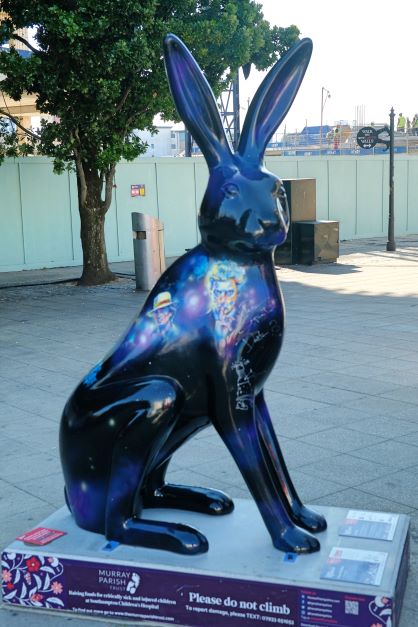
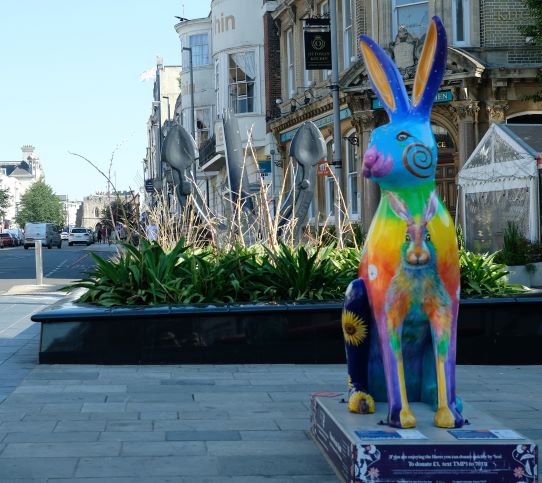
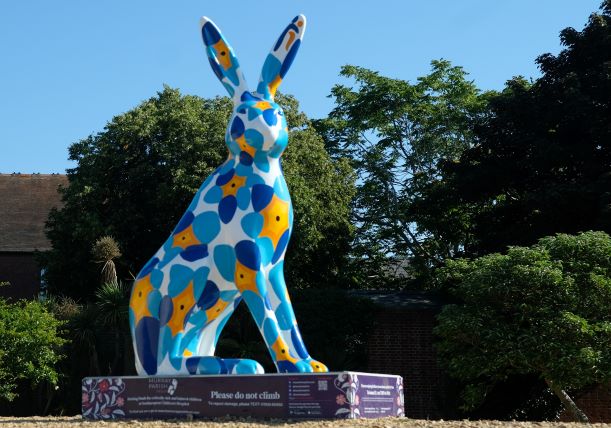
Town Hares.

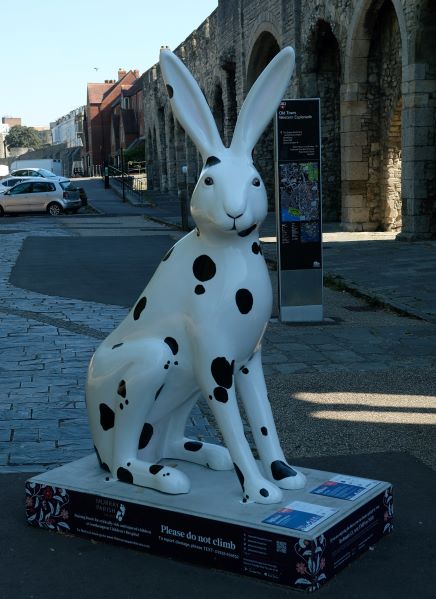
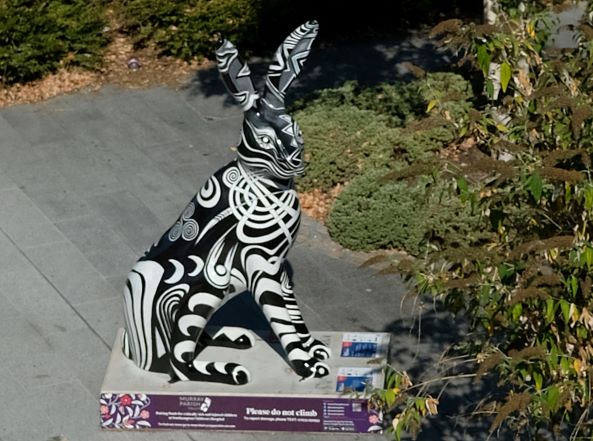
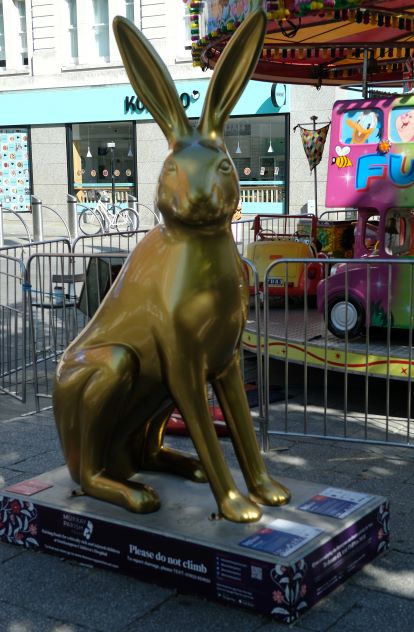
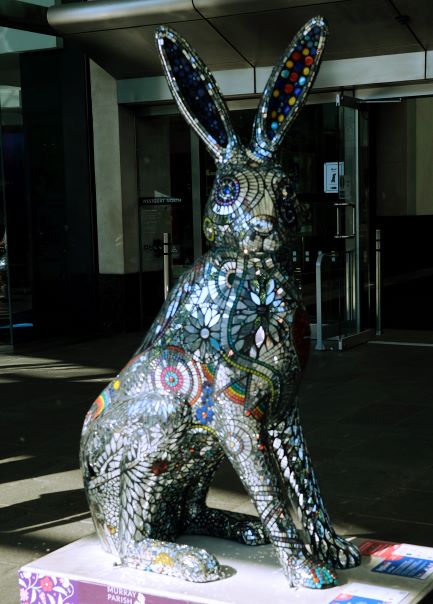
15 model hares are being displayed in my home city of Southampton as part of an interactive art trail. They have been in the city since June but are off towards the end of August. Each sculpture is 6ft tall and features its own unique design painted by artists in collaboration with Wild in Art. Today I found 10 of them.

————————————————————————————————————-PLEASE NOTE, Any sponsored advertising that you see at the bottom of my posts is NOT endorsed by me and is a down to WordPress I advise you to ignore these unsolicited links.
Dry spell.

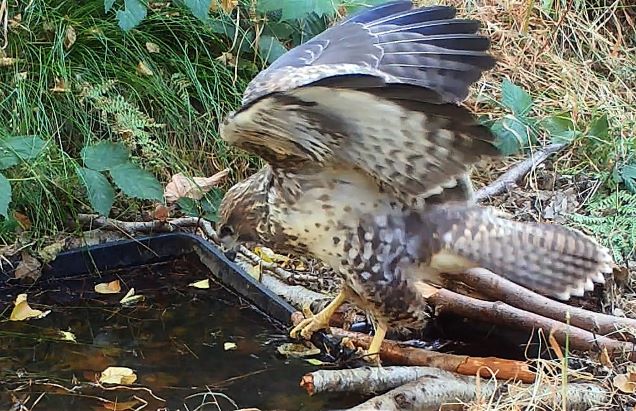
Water remains short in our local patch due to the drought grass is brown and many of the water holes and ditches have dried up boggy areas are much dryer than this time last year. One advantage appears to be the lack of Ticks as I have only had one or two on me this year whereas last year I was getting those numbers per day!

The lack of water for the wildlife got us thinking about using water as a way to attract animals to our trail cameras. Last week we sunk a washing-up bowl in a local ditch where we had placed cameras in the past and filled it with water. In 2021 our trail cameras at this spot had filmed a Buzzard bathing in the ditch. It worked – see footage below it starts with 2021 Buzzards bath and moves on to last weeks recording at the same spot with a dry ditch.

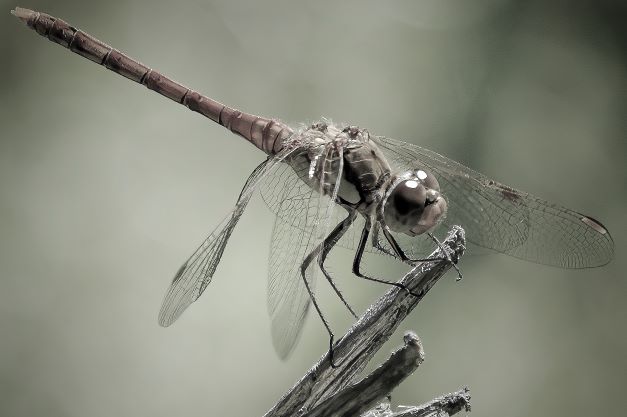
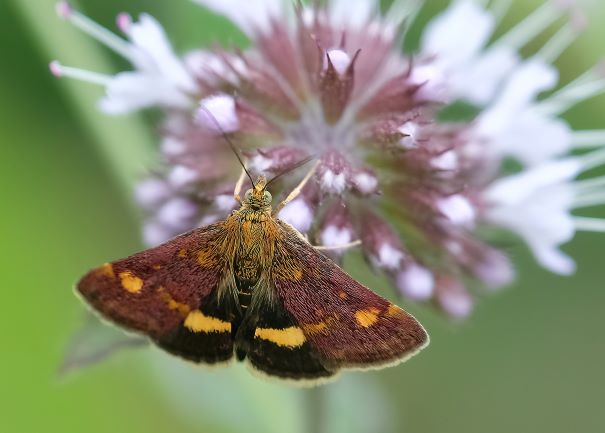
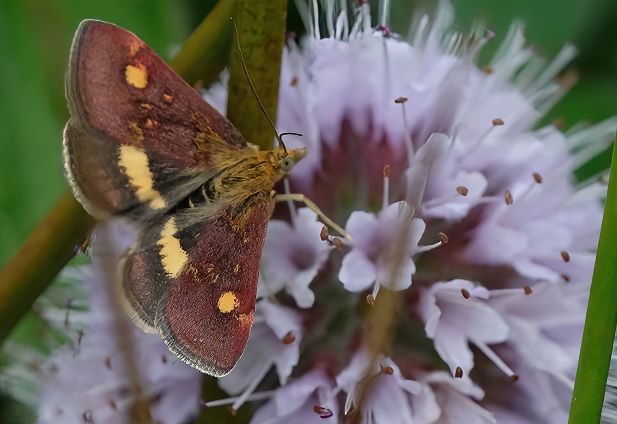
Mint Moth.

The mint moth is a day-flying moth. I have seen these tiny moths on our garden mint plants. Mint moth caterpillars feed on mint plants. These pictures were taken in our local wet meadows on wild water mint plants.