#Wordless Wednesday.


#Wordless Wednesday.
These little waders like rocky shores as well as sandy and muddy coastal beaches. Here on Meon Shore, they feed between the rocks they look in the seaweed, and will feed by picking up food from under stones. They eat small insects, crustaceans and molluscs. These birds are known as just Turnstones here and in Europe but worldwide they are known as Ruddy Turnstones.
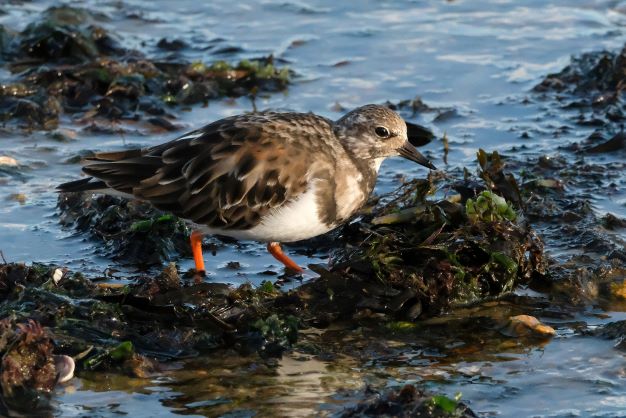
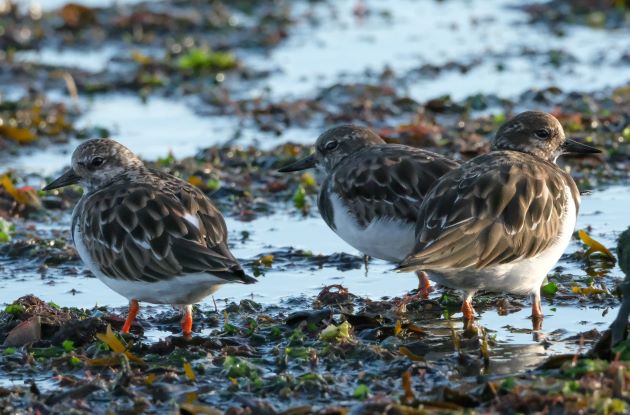


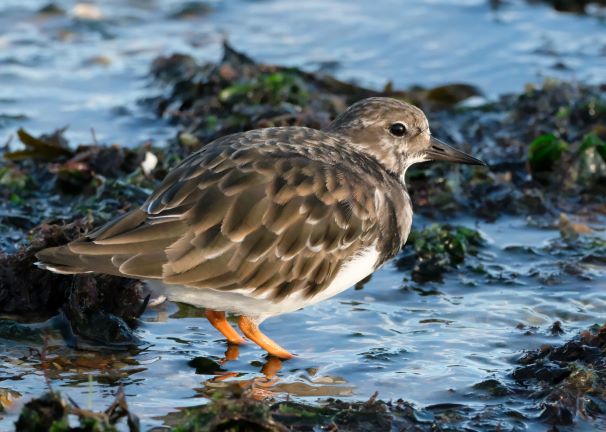
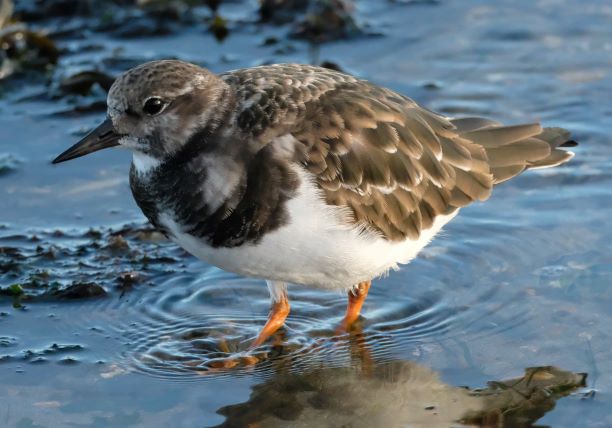
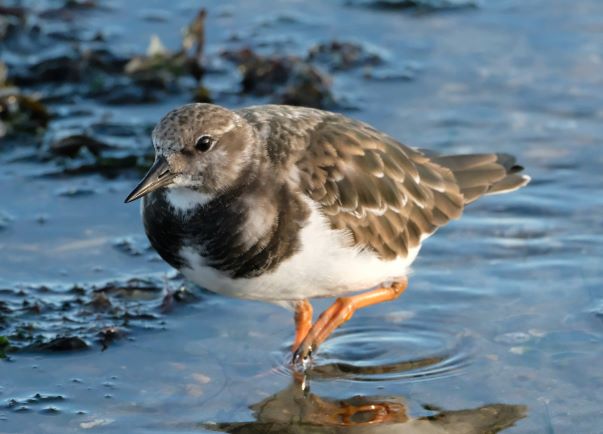
#Wordless Wednesday. {posted Tuesday evening!}






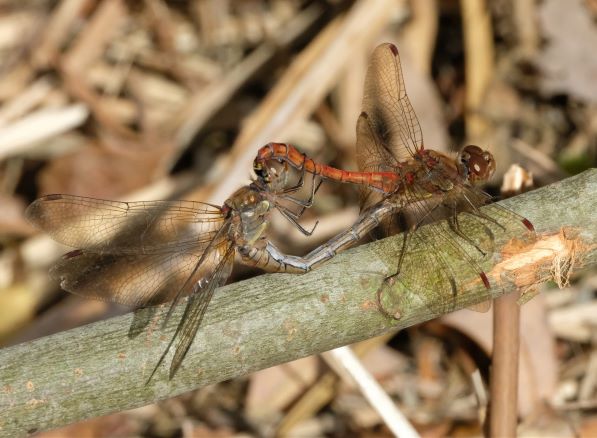
Around a small pond, a lot of Dragonflies (Common Darters) were mating and dipping. It seems late in the year so I wonder if this is because of the drought we had in the summer and the loss of egg-laying water at that time.


In the above picture there a 10 Dragonflies this was just a small amount of the actual there!

RAF Beaulieu was also known as USAAF Station AAF 408. It is located near the village of East Boldre, and about 2 miles west of the village of Beaulieu. The area had early links with flying. During the First World War, a Royal Flying Corps training airfield, RFC Beaulieu, at East Boldre was established this was closed in 1919. The World War 2 RAF Beaulieu was built on the opposite side of the road to the aerodrome it opened in 1942. During the war, it was used as a bomber and fighter airfield. After the war, it was used for experimental work before it was closed in 1959.


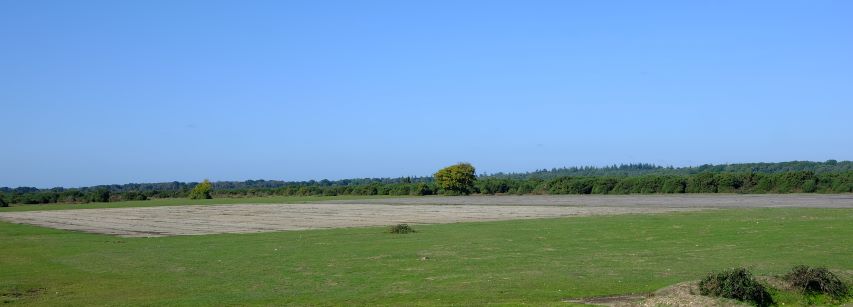
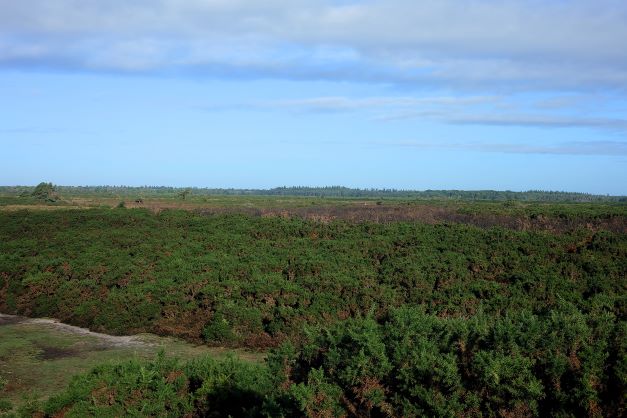
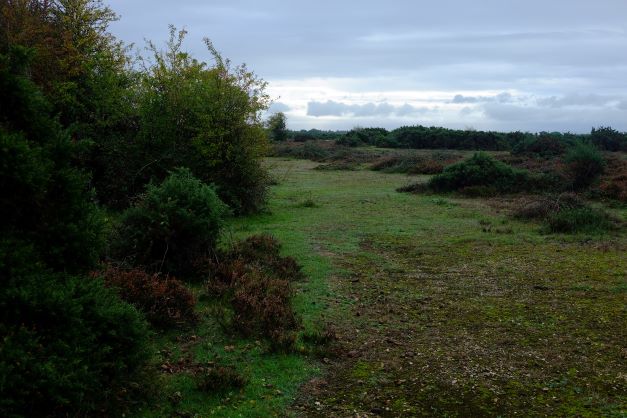
The area around the airfield is heath and made a good circular and flat walk this morning. Some areas of the runways remain but much has been removed.

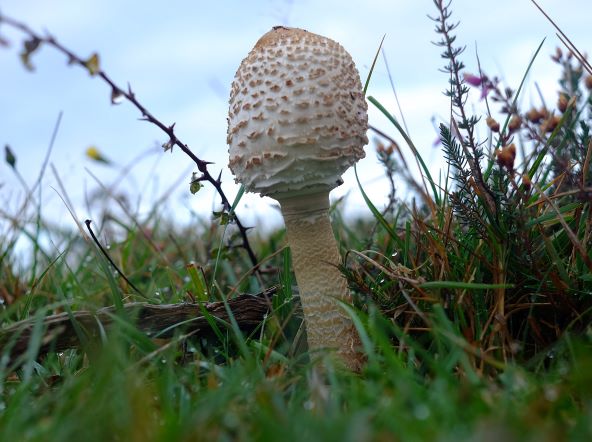
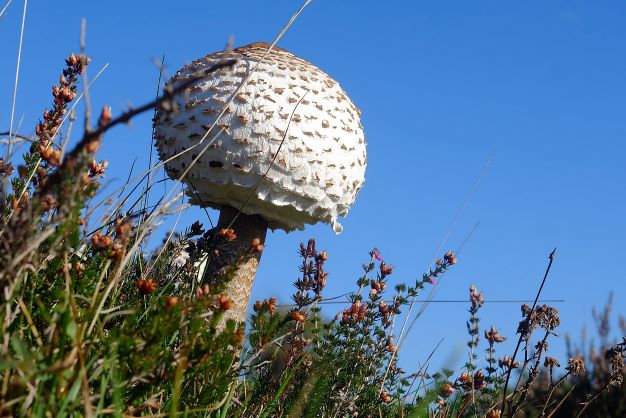
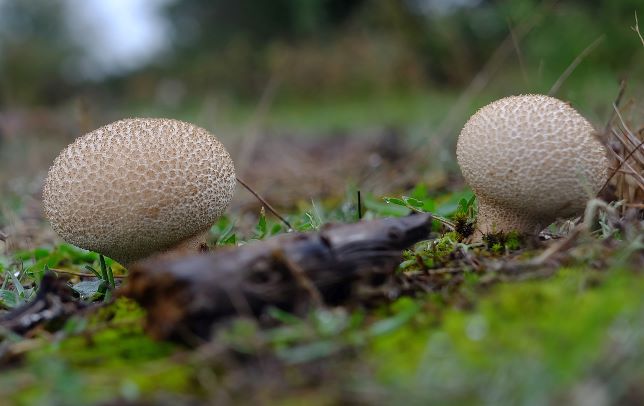
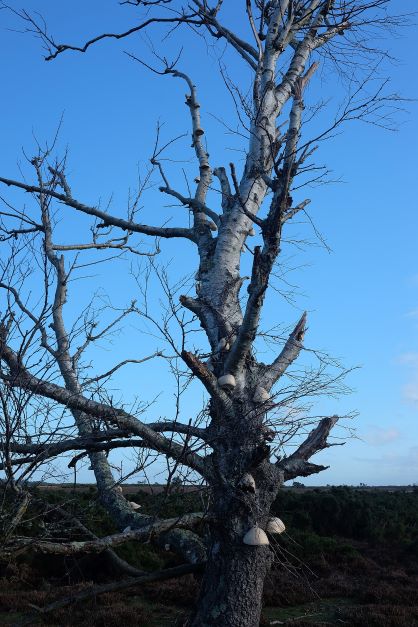
Lots of Fungi were starting to show.
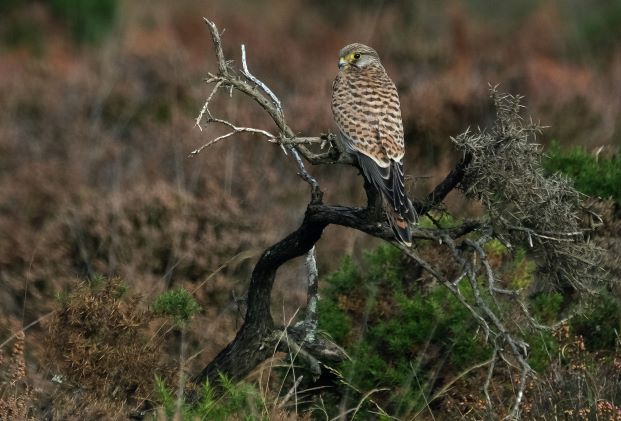
Kestrel. We later watched this bird catch a snake and fly off with it.
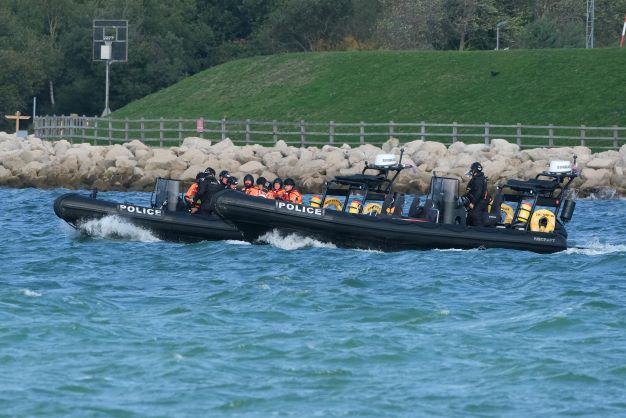
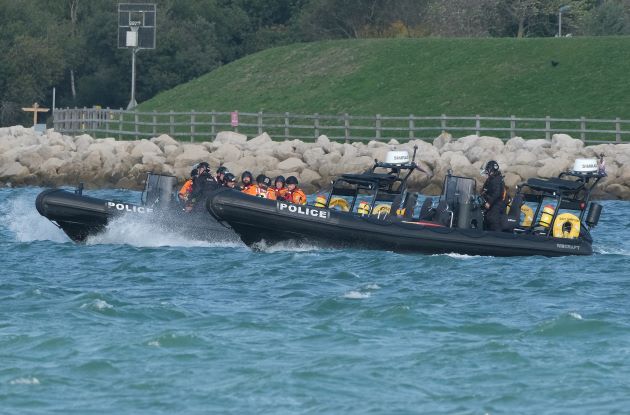
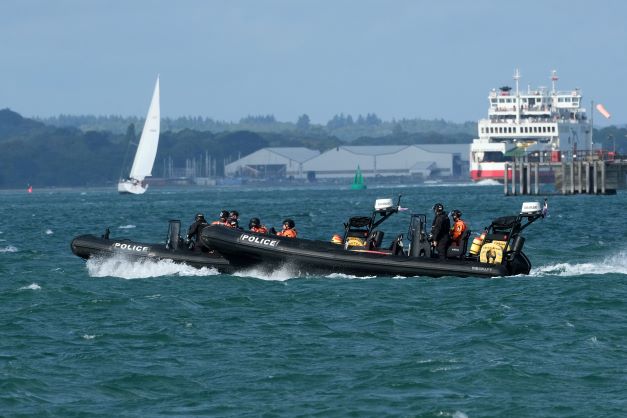
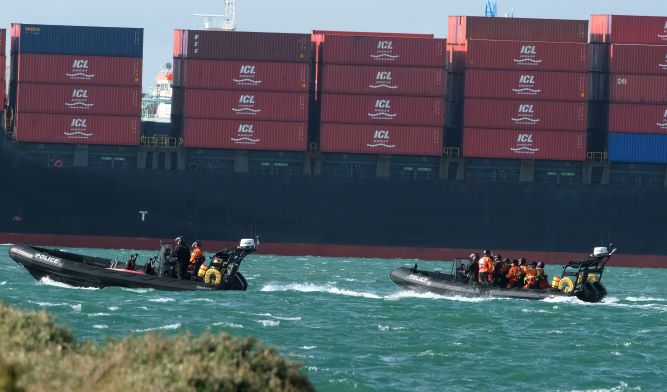
Hampshire Police Marine Support unit out on Southampton Water near Hamble River this morning.



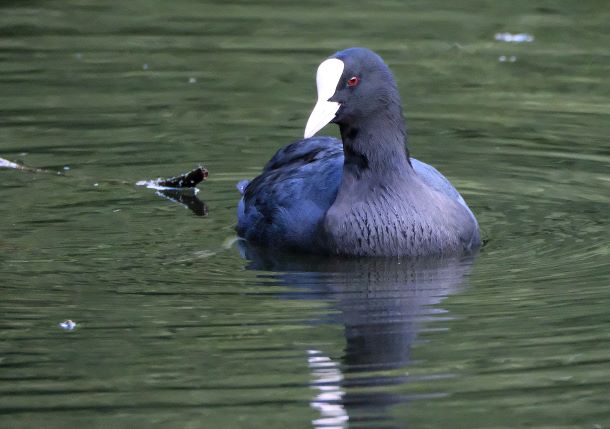
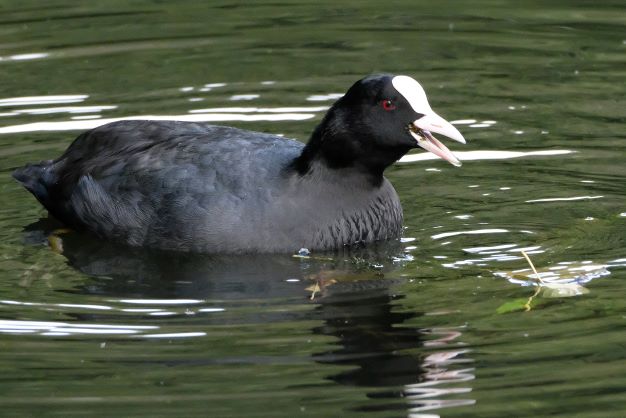
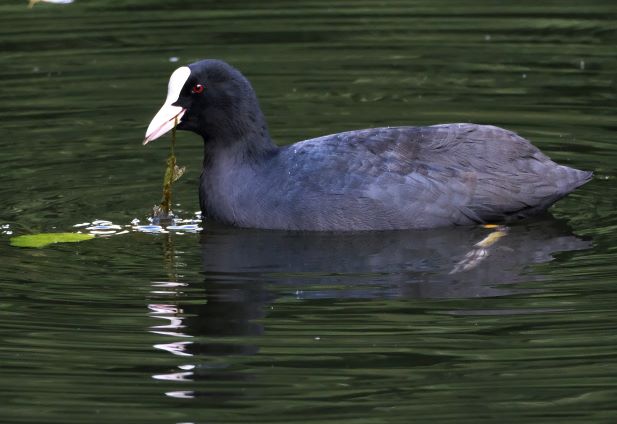
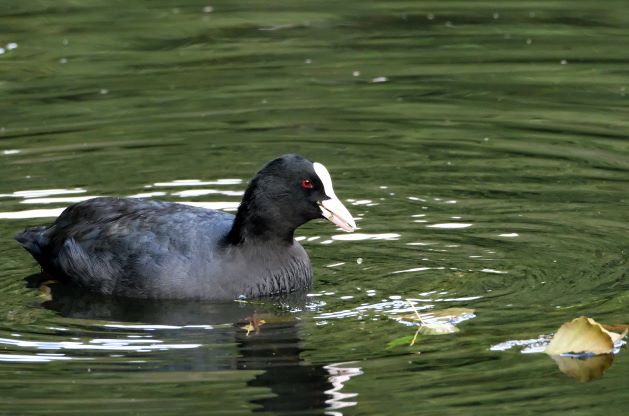
Coots are medium-sized water birds that are members of the rail family they are common in the UK.
Length:36-38cm Wingspan:70-80cm Weight:600-900g
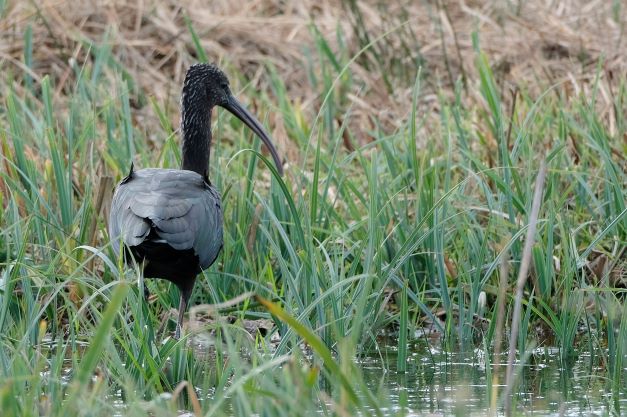
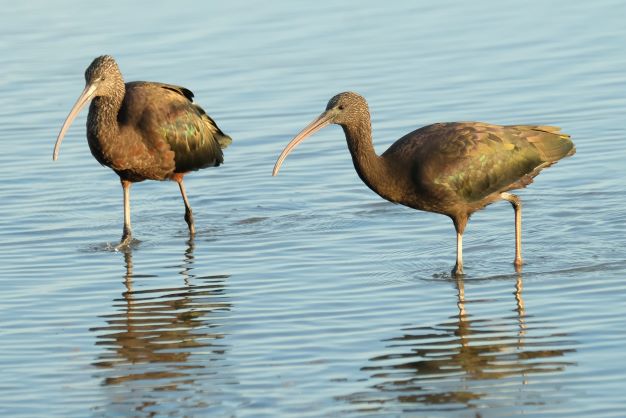
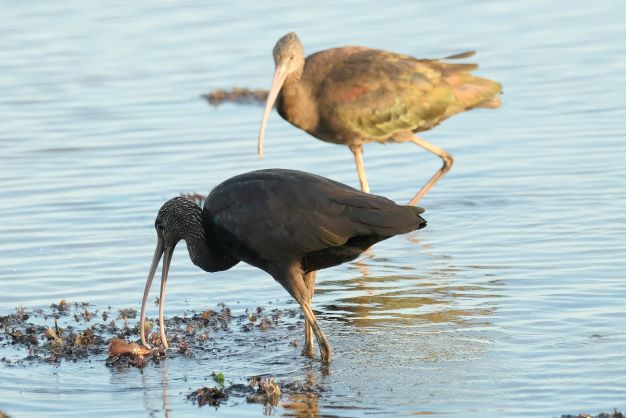
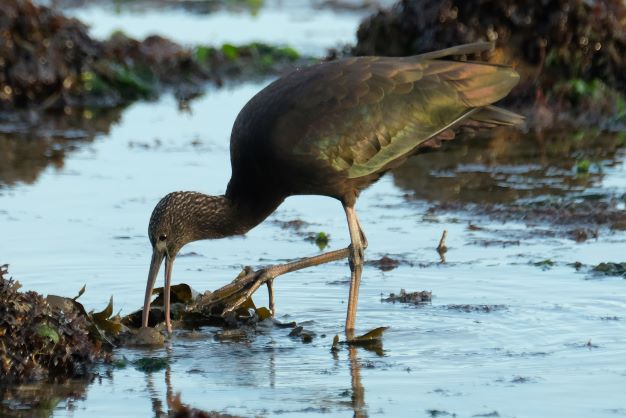
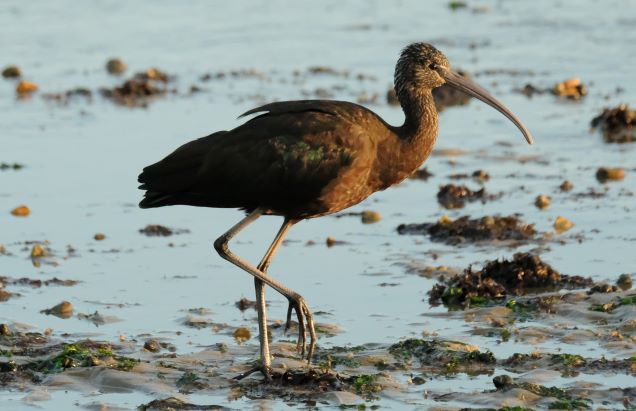
Finally able to get some fairly close pictures of a Glossy Ibis in Titchfield Haven Nature Reserve.
These birds breed in parts of Southern and Southeast Europe and are only occasional visitors here. In recent years sightings here have become more common. This year I have seen up to 4 birds at one time in a couple of locations on the Hampshire coast.

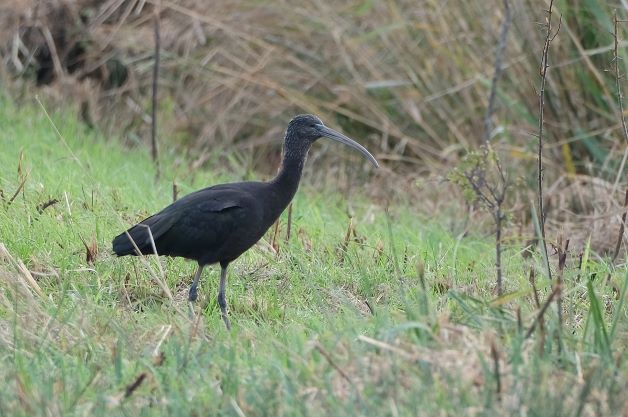
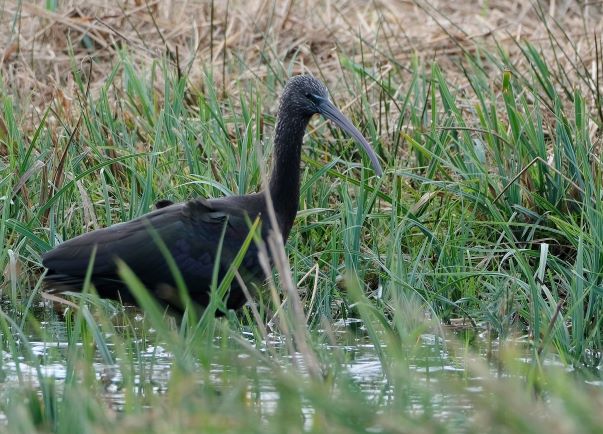

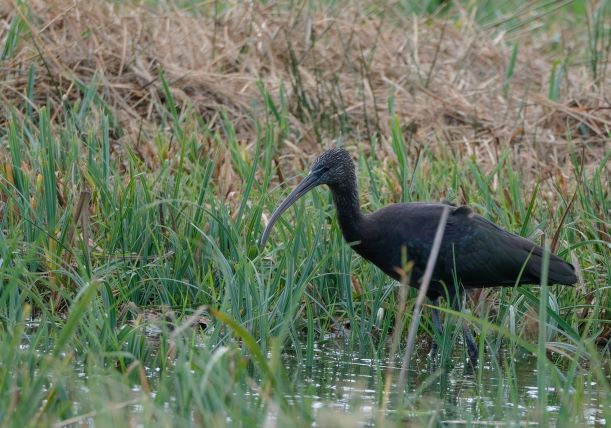
Length: 55-65cm
Wingspan: 88-105cm
Weight: 630g
#Wordless Wednesday
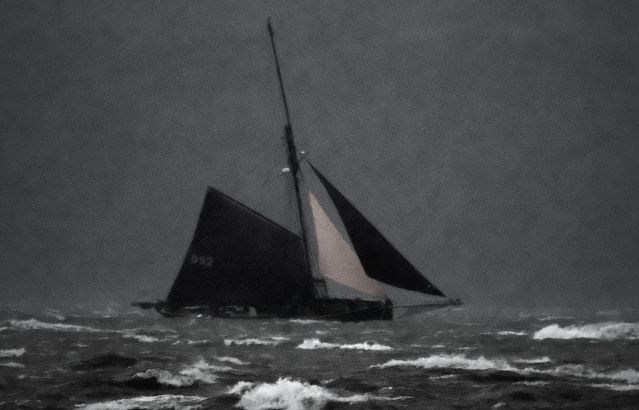
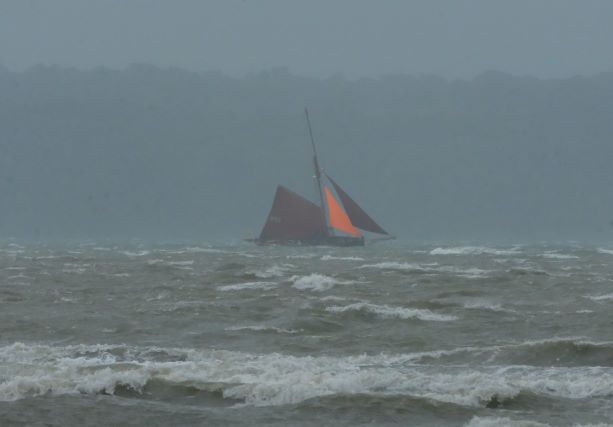
The bridge over the entrance of the River Meon where it enters into the Solent via Tichfield Harbour is always a good place to spot some birds. Today with the high winds. there were a number of birds sheltering out from the wind below the bridge.
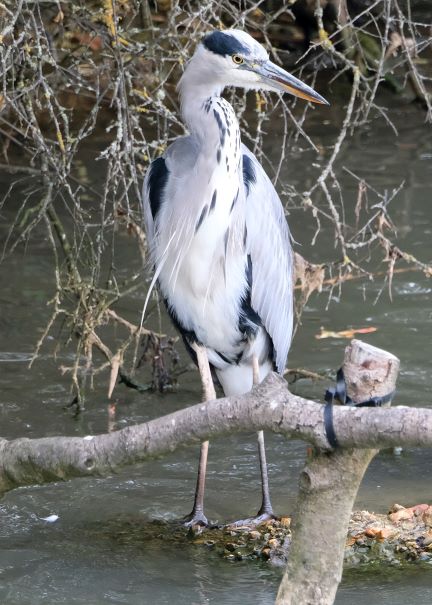
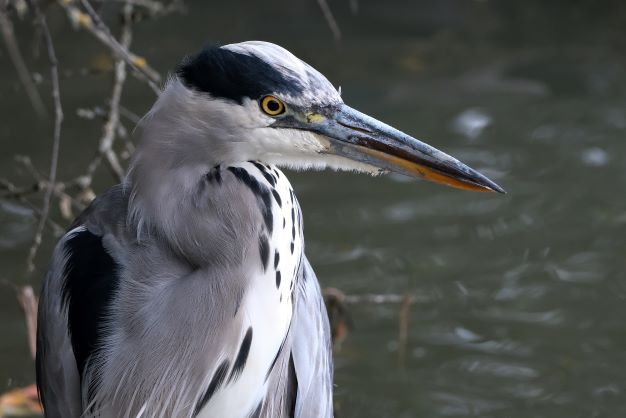
Our first view over the bridge gave us a view of 2 Little Egrets and a Grey Heron.




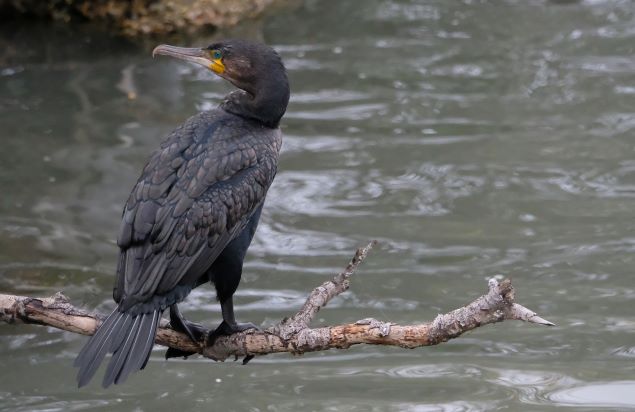
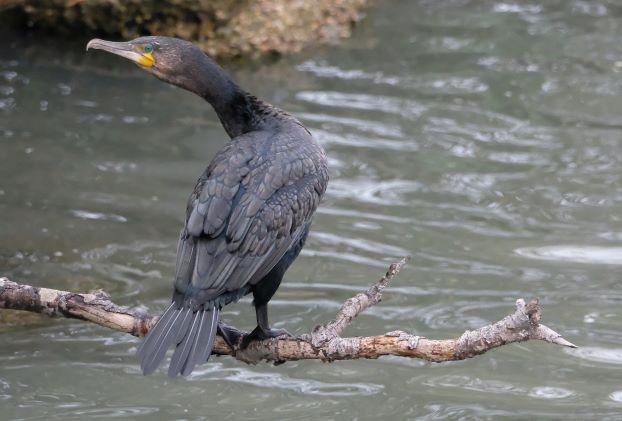
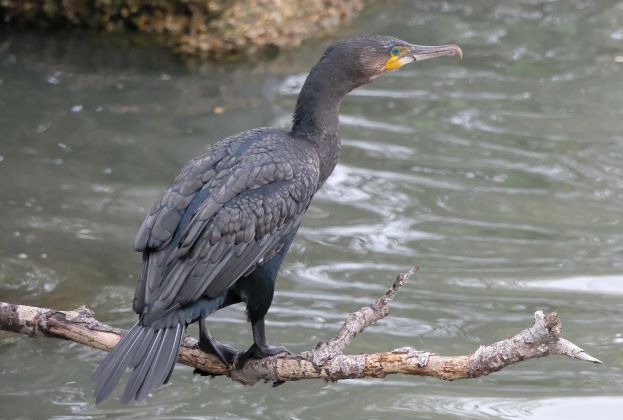
Later on, there was a Cormorant perching on the branch where the Egret was earlier.
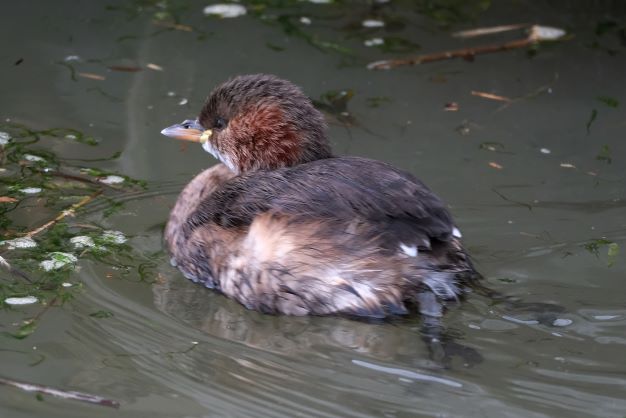
On the other side of the bridge in the harbour was a Little Grebe.