On the beach.

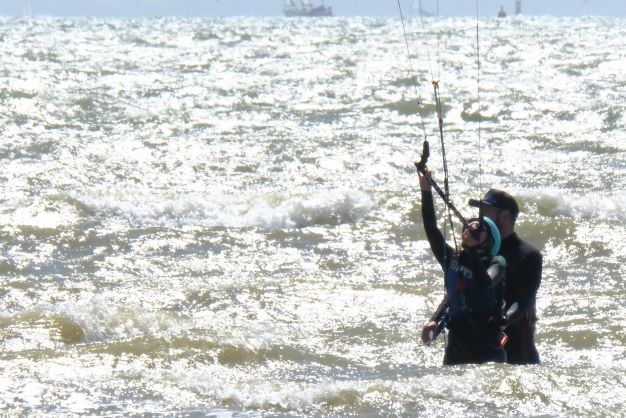
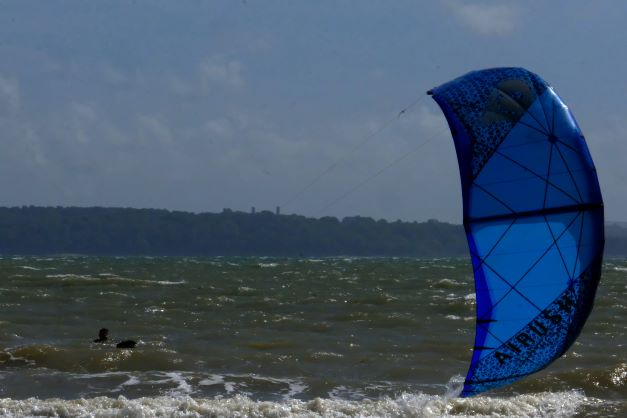
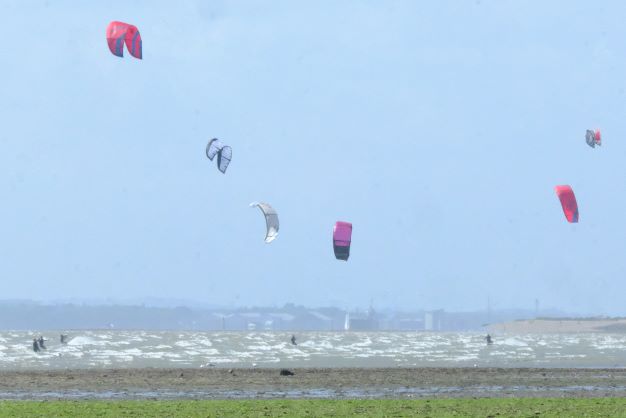
Early Saturday evening and a few hours down on the beach enjoying the fresh air and watching windsurfers and kitesurfers.

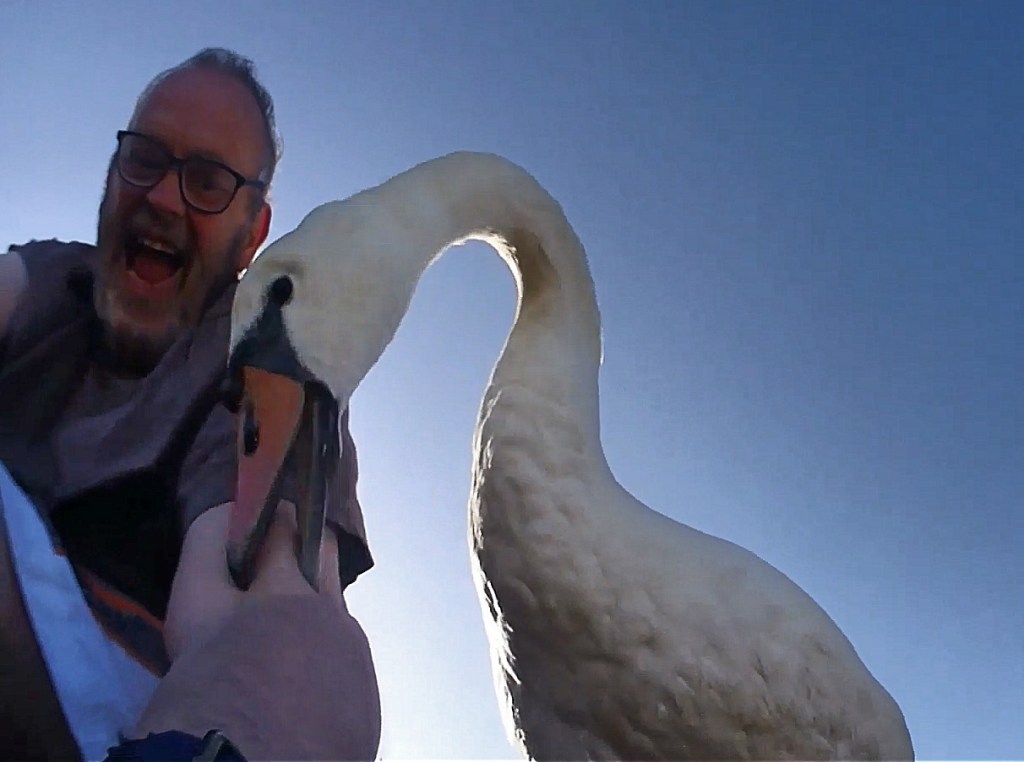
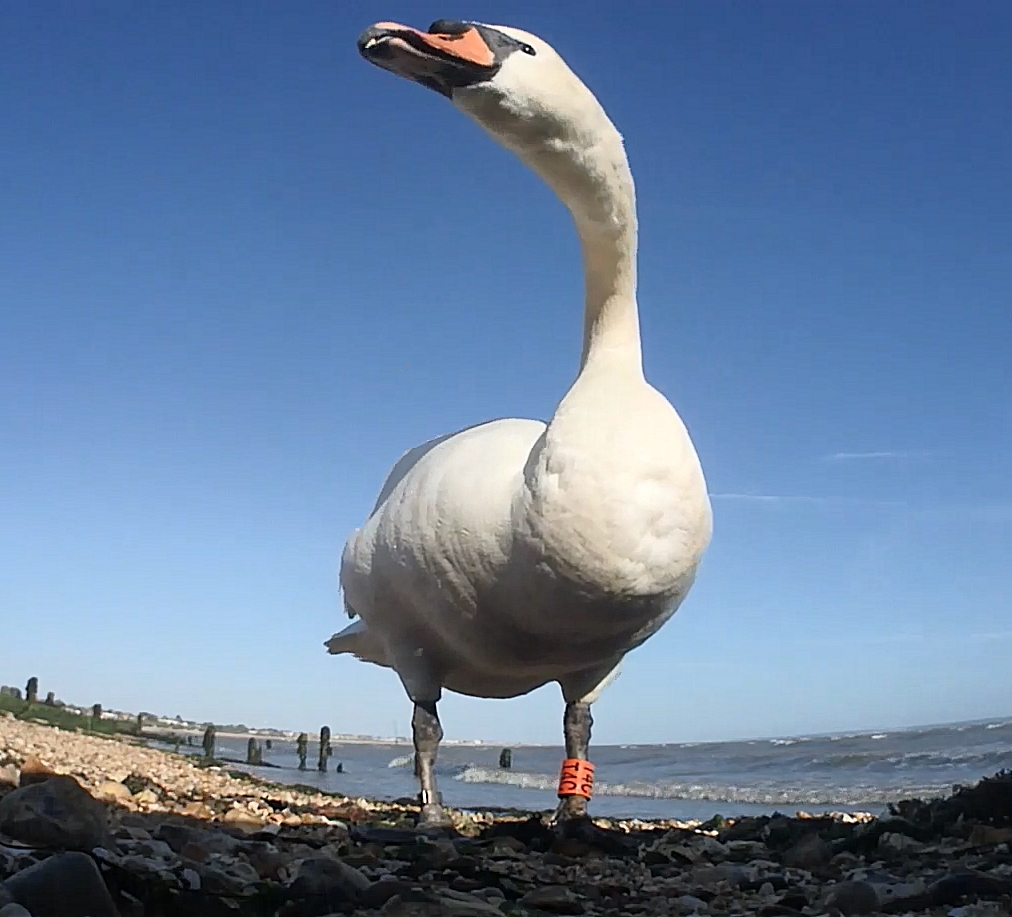
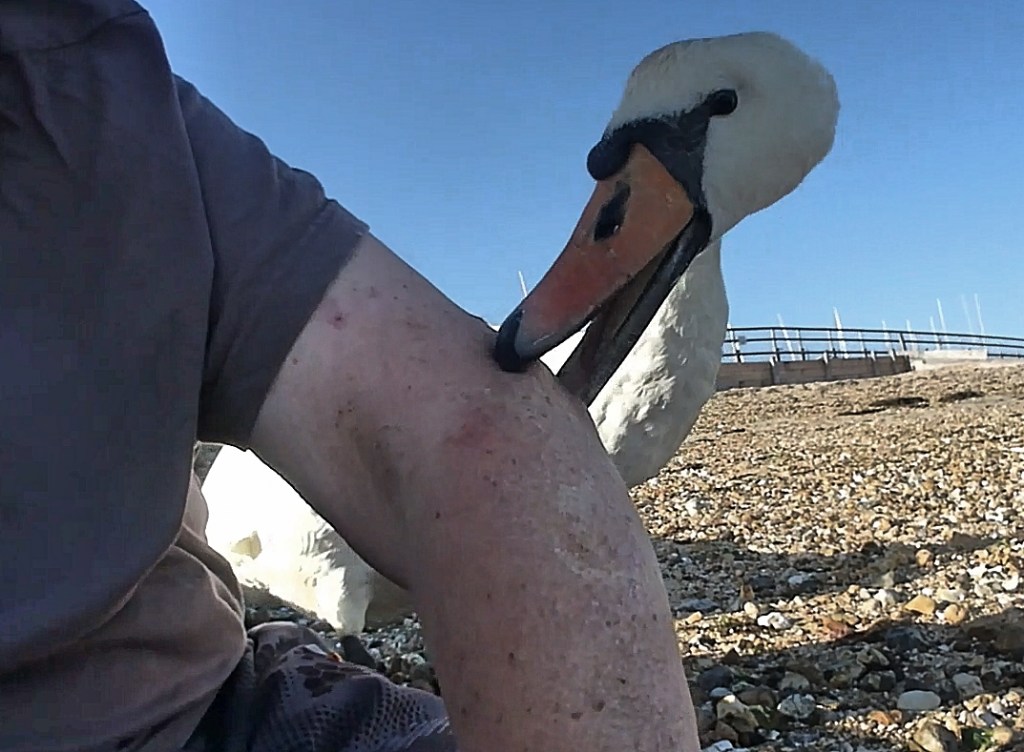
While sitting on the beach two of the local Mute Swans came out of the water to say hello so I popped back to the van to get some bird seed and my small underwater camera.

T4C ringed bird I have known this bird for several years. The unringed bird with him took a liking to my arm!
Moorland wanders.

A Moorland walk in the New Forest this morning.

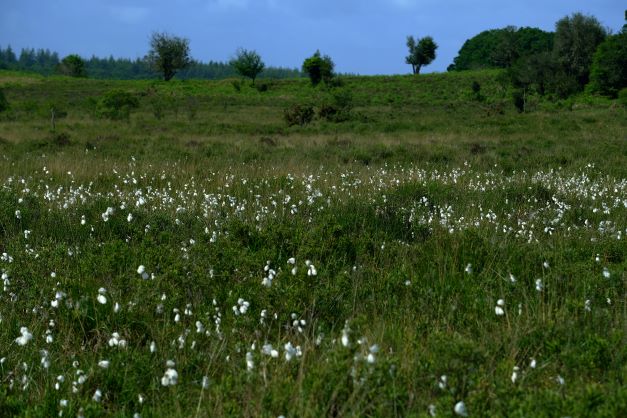
Common cotton grass has fluffy, white seed heads that dot boggy moorlands and heaths its bright heads show up across the landscape which looks like something has been dropped until you get close enough to see it is a seedhead. Despite its name, common cotton grass is a member of the sedge family, rather than being a true grass.

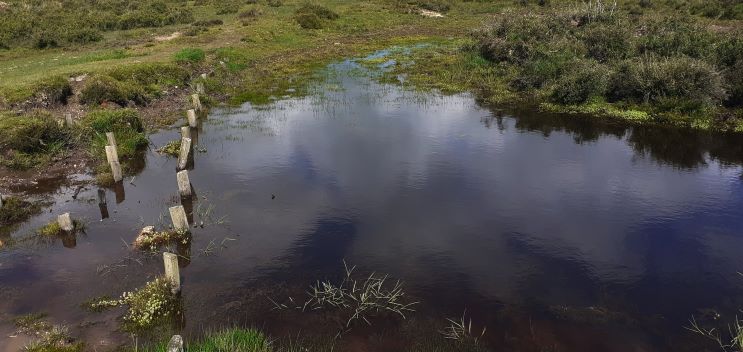
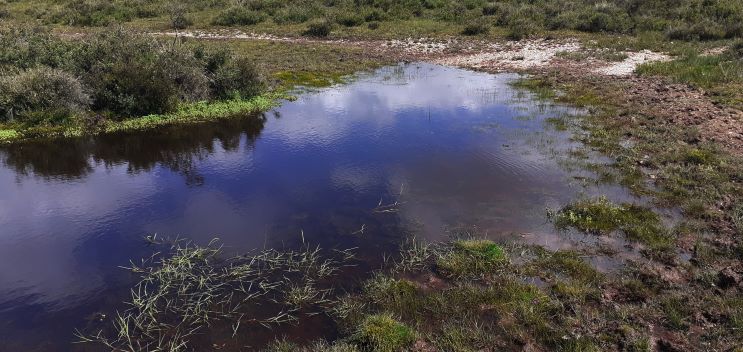
In the winter we came across a small pond on the moor and decided to return in the summer as it

looked like a good site for Dragonflies, we returned today and it was.

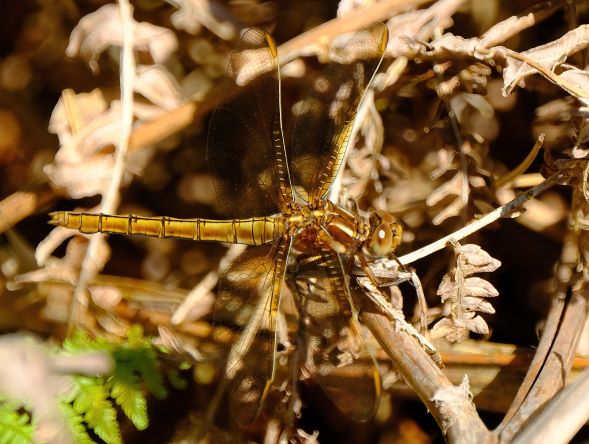
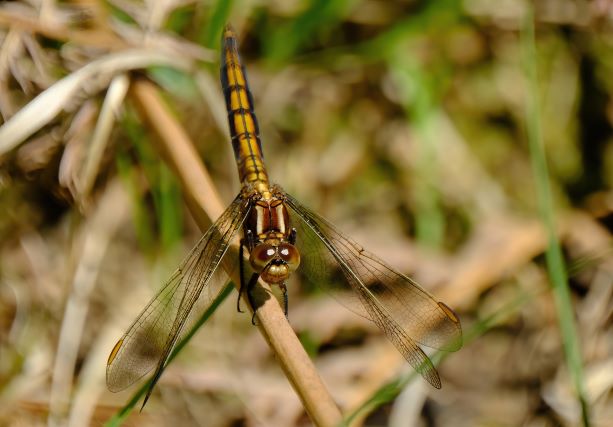
Female Broad-bodied Chaser.

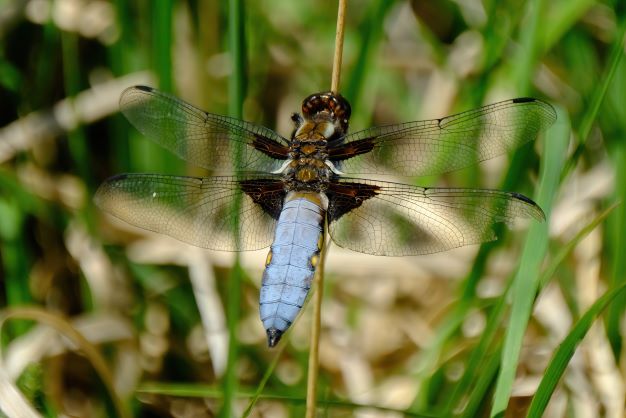
Male Broad-bodied Chaser.

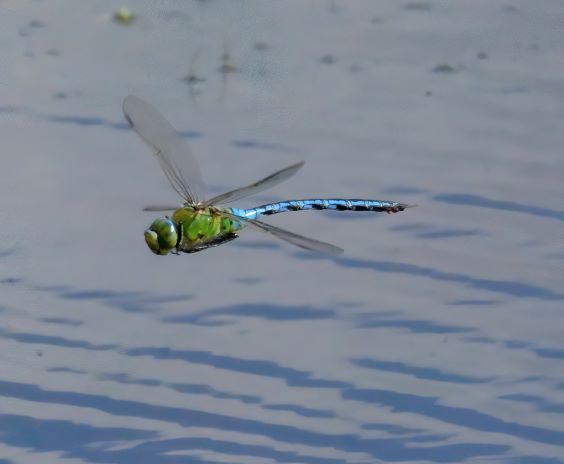
Male Emperor Dragonfly.

Female Emperor Dragonfly. Egg-laying.

A Male Stonechat keeping its distance from the pond.

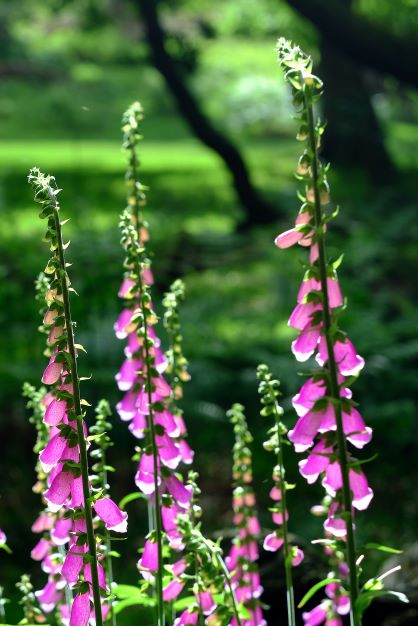
Foxgloves are now in full flower.

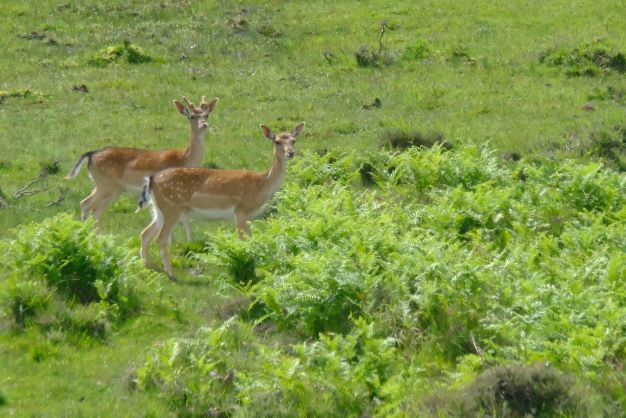
Fallow Deer are never far away on a New Forest walk.

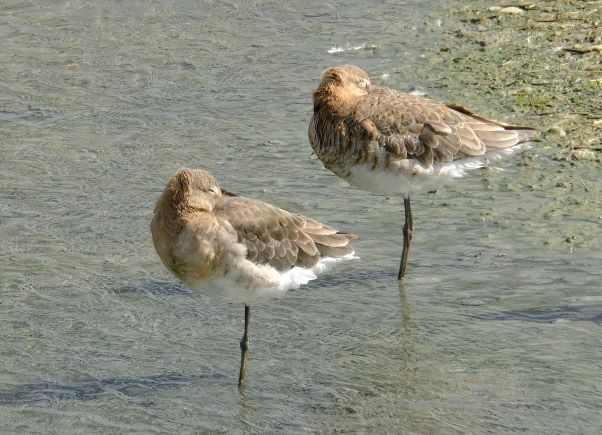
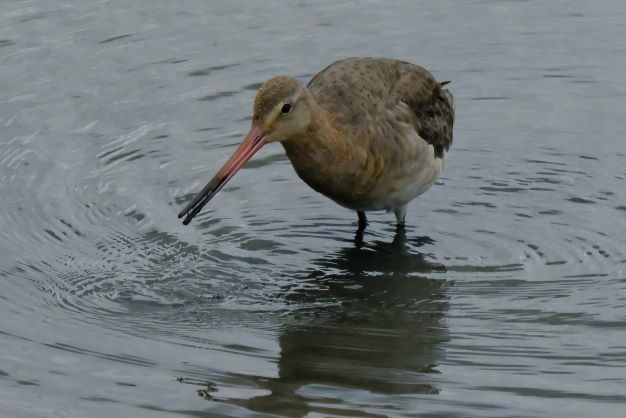
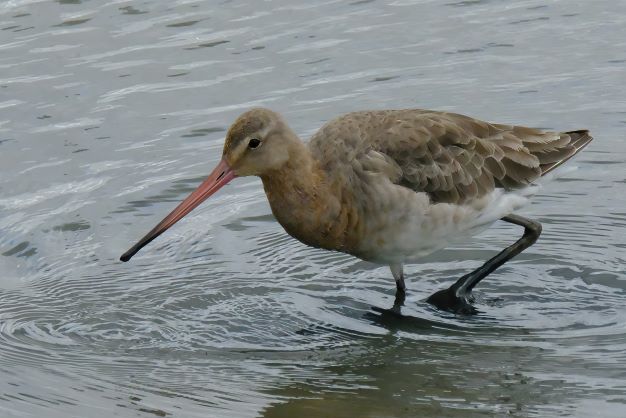
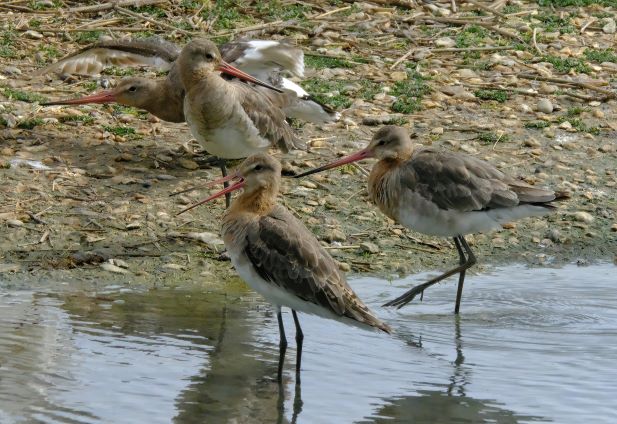
Summer Godwits.

The Black-tailed Godwit is a large, long-legged, long-billed shorebird. ( it is one of Europe’s larger wading birds). A number of these remain in the UK all year rather than migrate to their breeding grounds in Iceland. We are lucky to have a number of these birds all year round in Titchfield Haven

Around a lake

Over the water – on the water – and under the water. A few hours at Swanick lakes, once a clay pit for Bursledon brickworks. Today the area is a nature reserve with a mixture of woodland, lakes and meadows. The site is managed by Hampshire and Isle of Wight Wifelife Trust and is spread over 35-hectares.

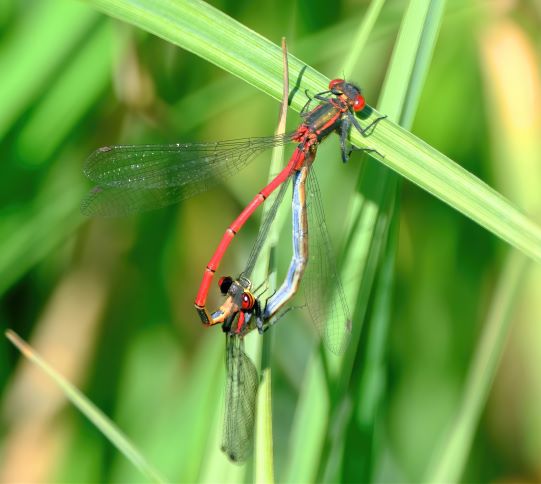
Dragonflies and Danselflies

Downy Emerald Dragonfly. This one is a male as it has the bulging tip

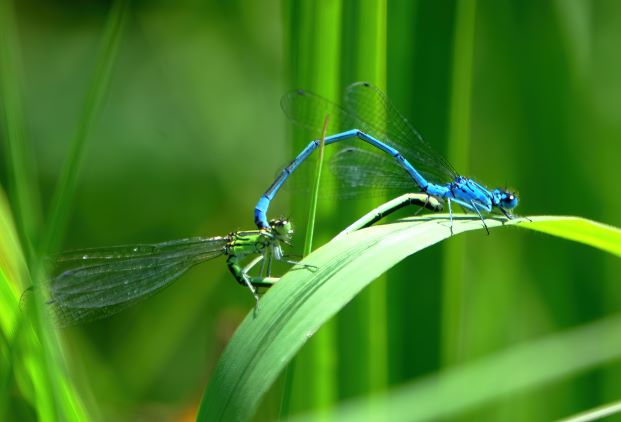
Common Blue Damselflies.
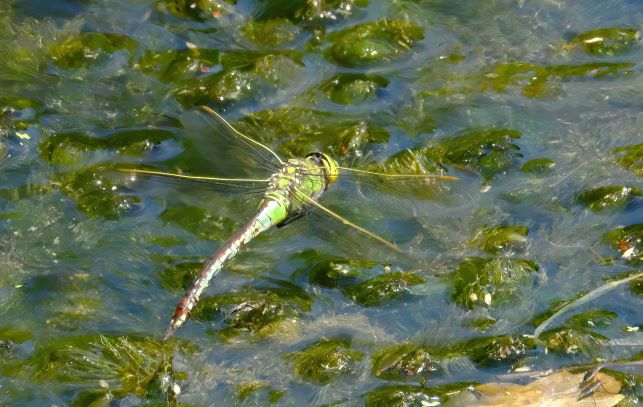
Female Emperor.
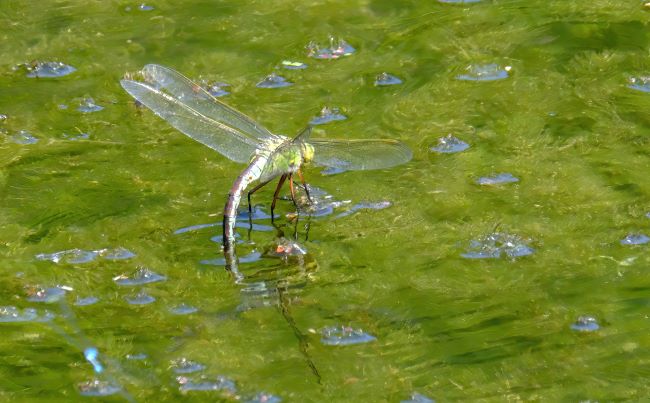
Female Emperor egg-laying.
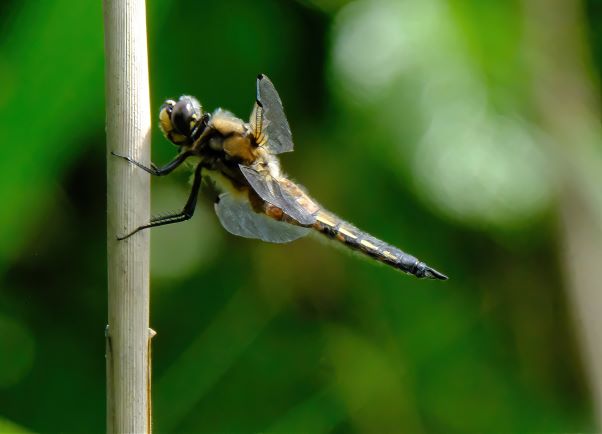
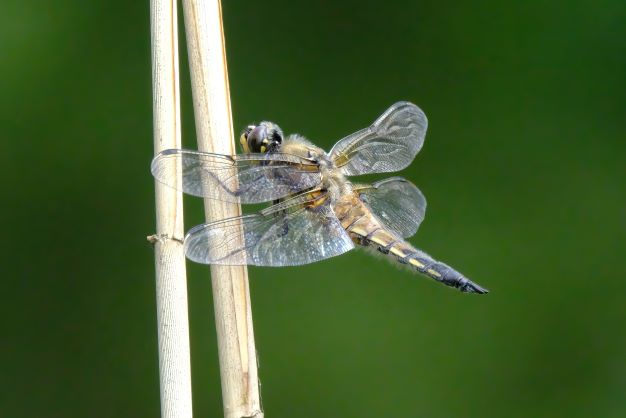
Four-spotted Chaser.

Coot.

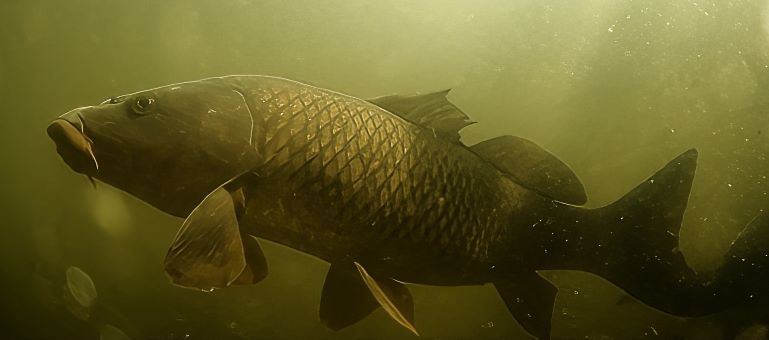
Fish. I have never fished and I do not know which species of fish this is. They are large about 2 feet long.

Action stations.

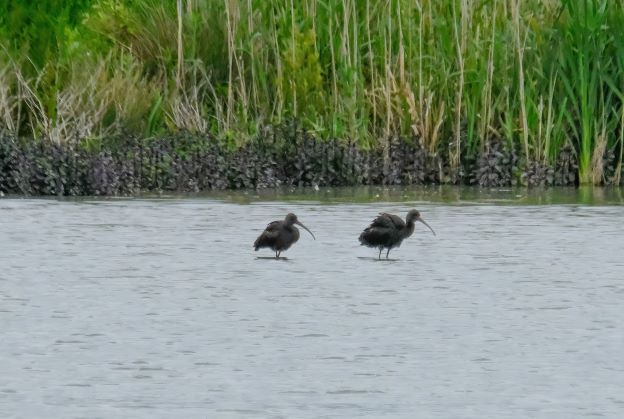
More from Titchfield HavenNature Reserve and today I had another 1st for me with a distant view of a pair of Glossy Ibis. In the UK they are considered rare migrants and winter visitors from SW Europe with typically less than 100 recorded per year although they are increasing – there have been recent reports of this bird on social media on nature reserves near Portsmouth and on the coast of the New Forest. Southampton Water is between these two reserves so I guess a sighting at the Haven was likely.

Both birds were a fair way off but I got a few pictures and a short video.

A Glossy Ibis picture that was taken in Florida USA by my brother.

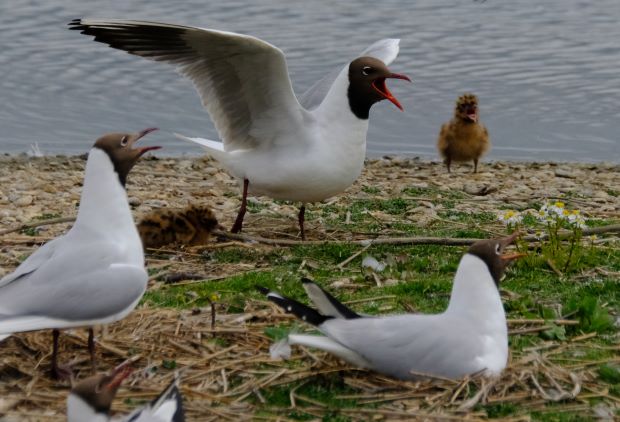
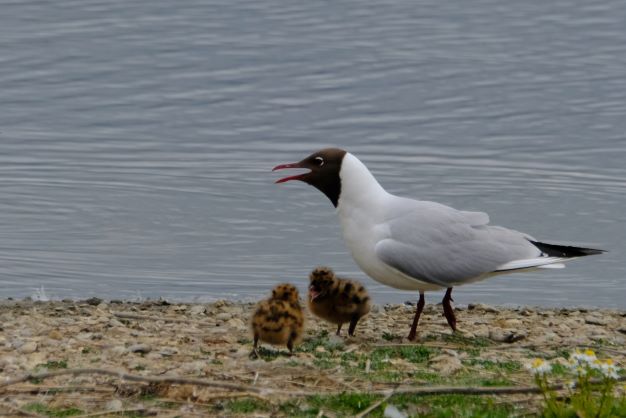
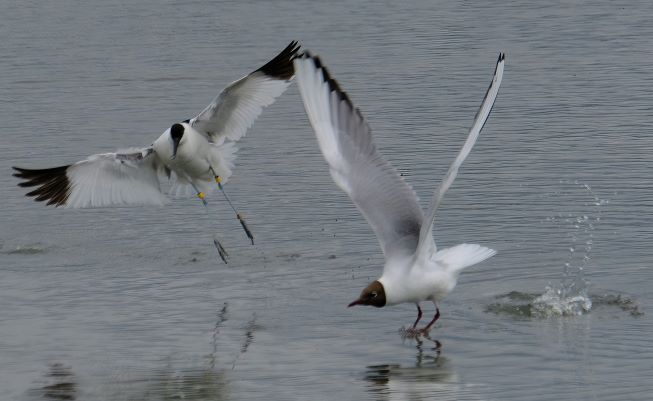
Lots of Black-headed gull chicks are hatching on the islands in the reserve. Many are at their spotty cute stage but as they grow they become rather ugly. A bit like the opposite of the “there once was an ugly duckling” poem by Hans Christian Andersen!
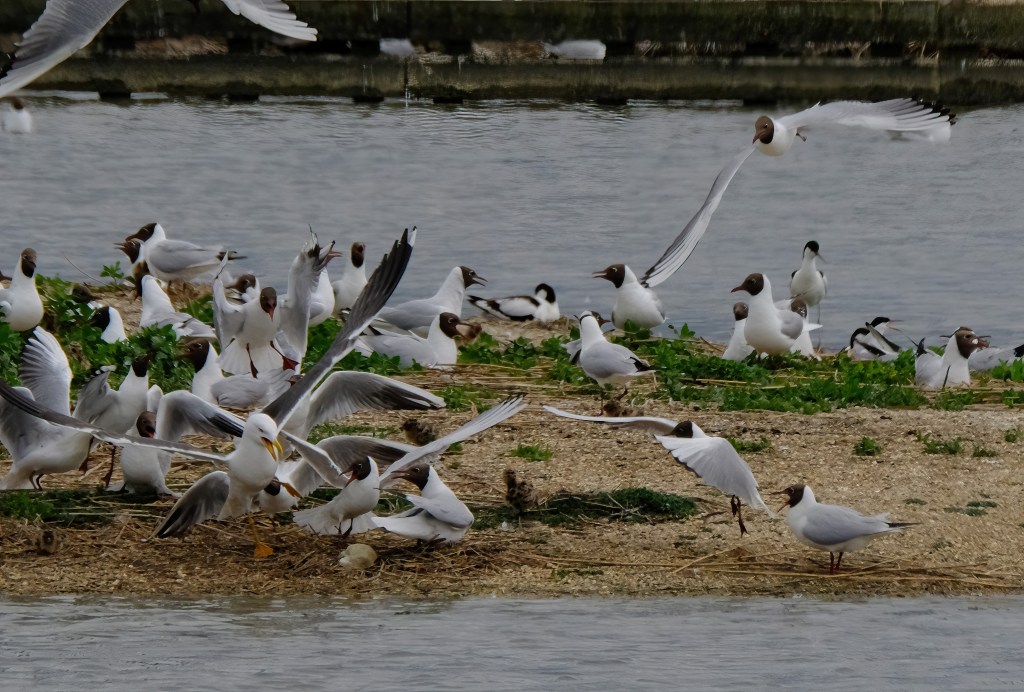
The chicks are in constant danger of predation. Herring Gulls and Black-backed gulls. They fly over the nests putting the Black-headed gulls into a frenzy below a Lesser Black-backed gull lands in the colony but is chased off before it can catch a chick for a meal.

(Spot the Lesser-Black-backed gull -yellow legs feet and beak).

There are a lot of Avocets in the reserve at the moment a few have chicks but are hard to spot at the moment.

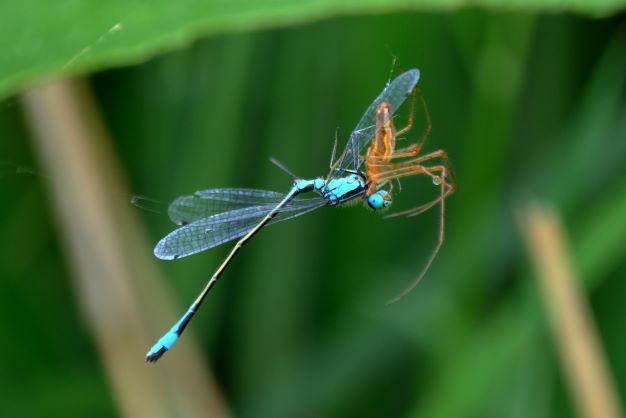
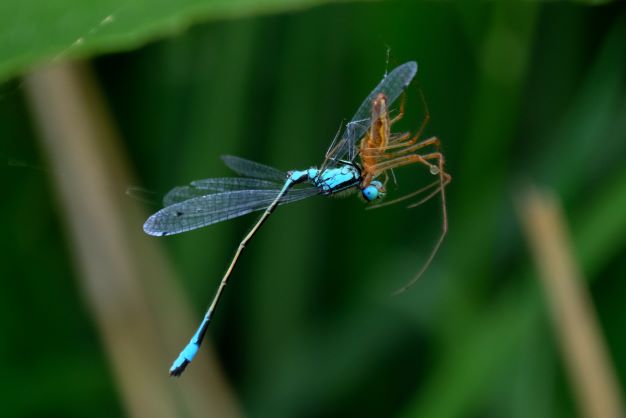
A spider catches a damselfly. The damselfly is truly stuck in the spider’s web the spider drops down and closes in for a meal.

Common Blue Damselfly is the UK’s most common damselfly and can be found around almost any water body, 

Sunbathing.

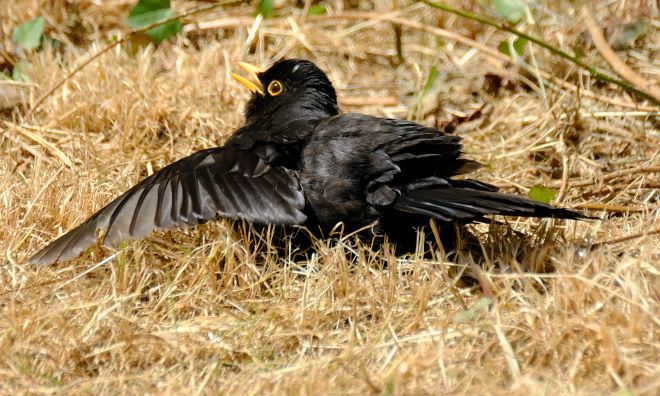
I spotted this male Blackbird sunbathing today. I had my camera in the van so was able to get a photograph. As a part of routine feather maintenance, the bird adopts a posture in which the body feathers are fluffed up the wings are held out from the body, with feathers spread.

It is thought that for the bird using the sun does two things – It helps preen oil to spread across the feathers and drives parasites out from their plumage.

Northington Grange.

Saved by public outcry in 1975 from demolition Northington Grange, near Winchester in Hampshire, is a fine example of Greek Revival architecture. The mansion owes its present appearance to the architect William Wilkins, who, between 1809 and 1816, transformed a modest 17th-century building into something that looked like an Ancient Greek temple. Wilkins wrapped the brick house in cement, he also added classical façades, including the striking temple front supported on eight gigantic columns.

Today the Grange is used as a wedding venue and a venue for operas. The outside and some of the grounds of the mansion are open to visit and in the care of English Heritage.

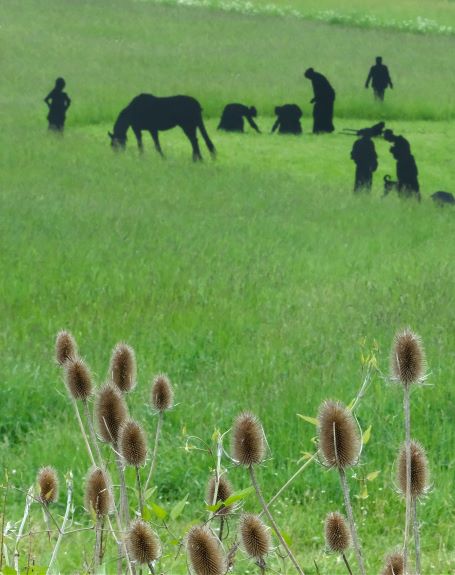
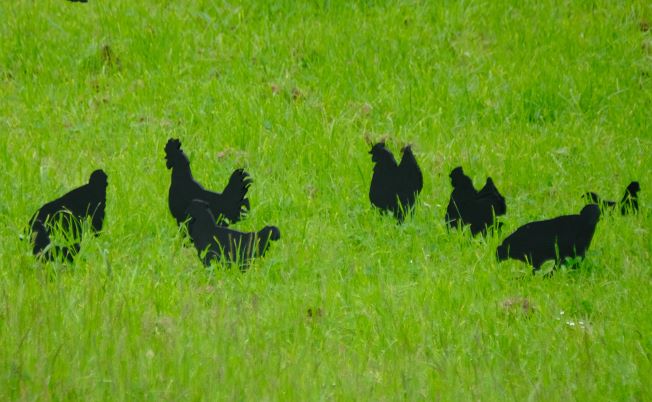
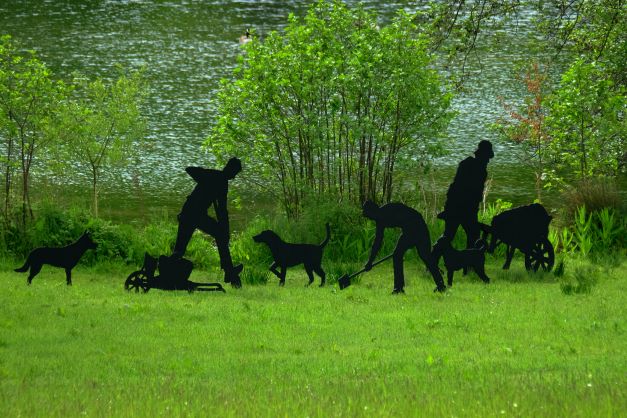
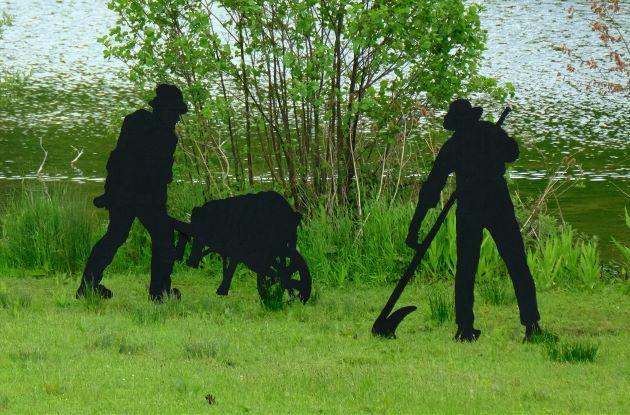
On this visit the 1st since last year there were silhouettes in the fields around the edge of the acsess area (these fields were parts of the original estate). The site is not staffed and their were no information boards to explain why they had been placed on site. They seem to reflect victorian rural life.