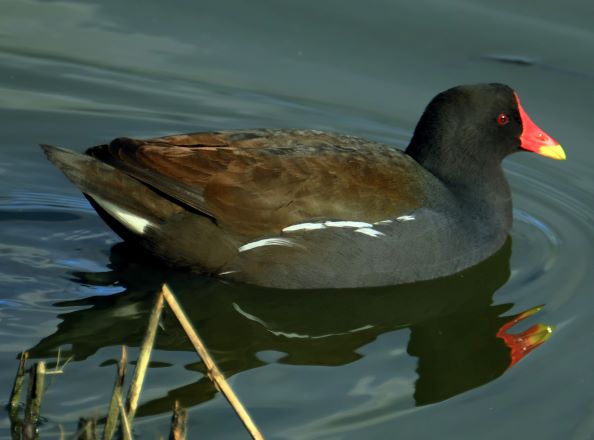
A flash of a red bill or a flash of white stripes on the flank. A Moorhen is on the move.


Moorhens are a common wetland bird in the UK found on rivers canals ponds lakes and near wet ditches.
A flash of a red bill or a flash of white stripes on the flank. A Moorhen is on the move.
Moorhens are a common wetland bird in the UK found on rivers canals ponds lakes and near wet ditches.
Black-headed gulls have started to pair up – and hence the “noise” has returned To Titchfield Haven. The screech of their call extends all around the reserve and will dominate until nesting season ends at the end of the summer.
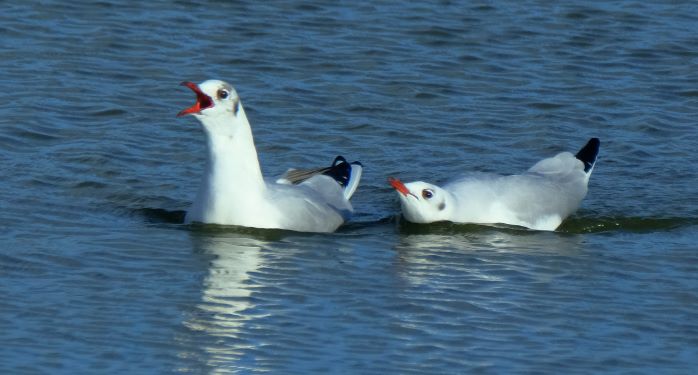
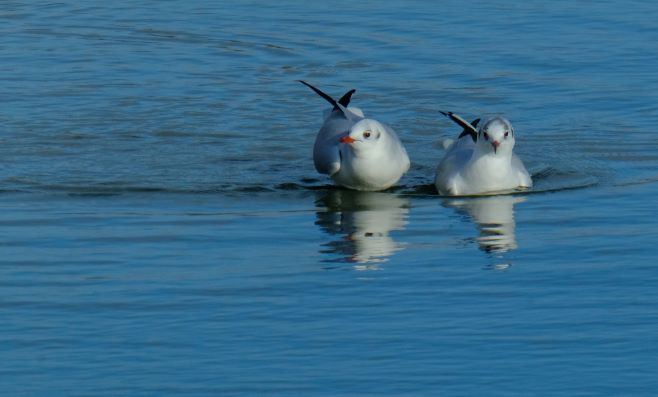
Some of the birds are starting to get the breeding colours – their heads are changing to dark brown -which at a quick glance appears black and where these birds get their name from.

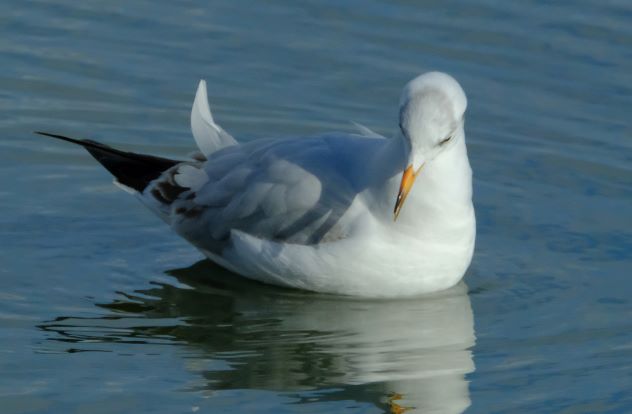
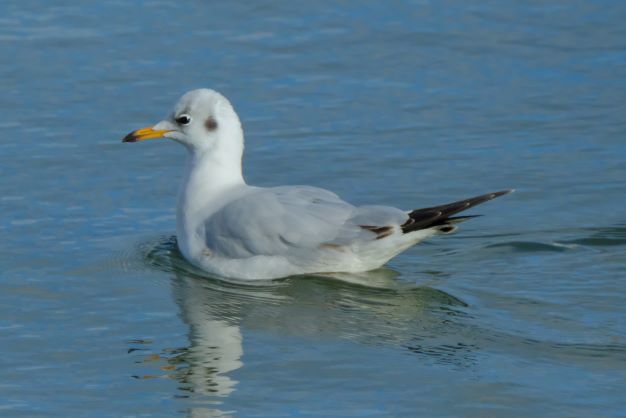
The bird below with yellow bill and legs almost caught me out as to what it was but it is a Black-headed gull in first winter colours so probably one of the chicks from last year returning to its nest site.
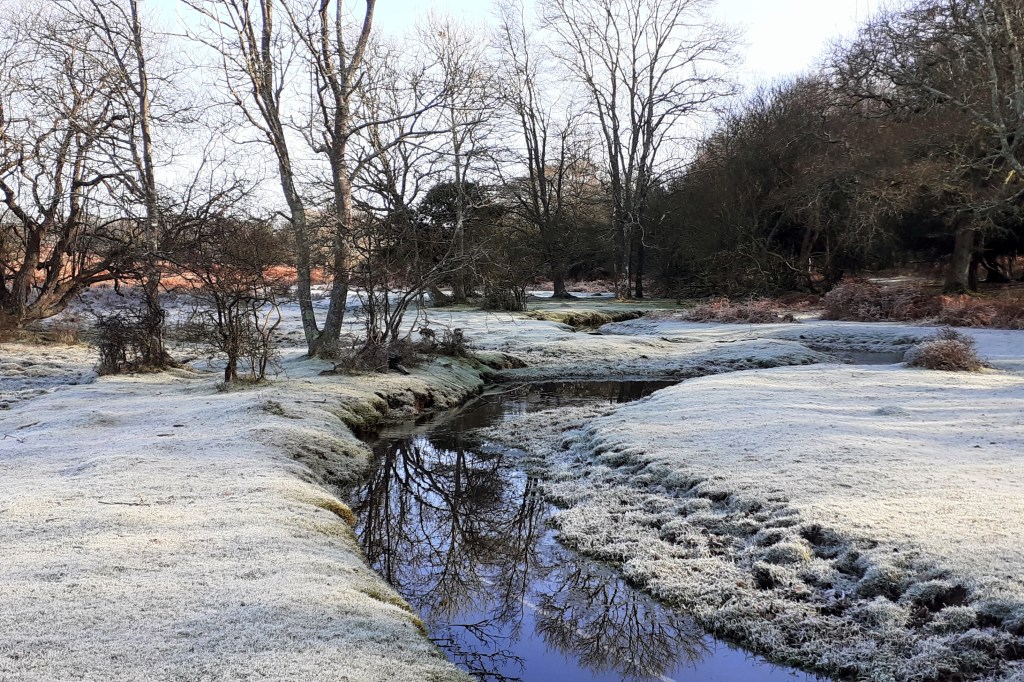
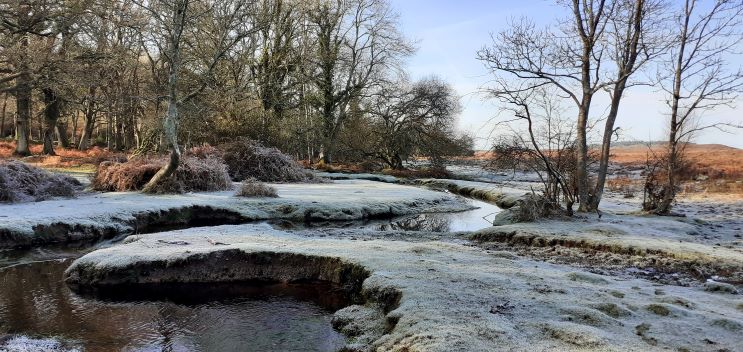
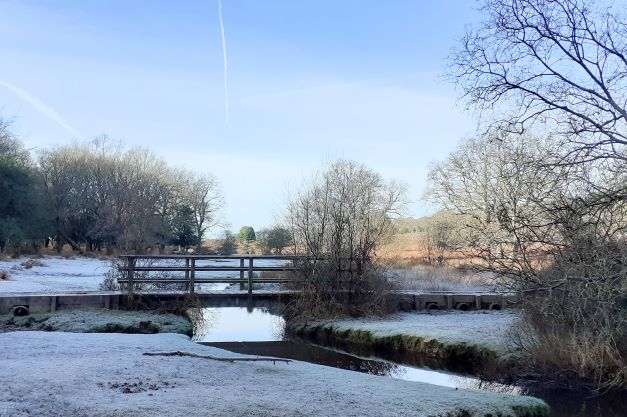
A cold start in the New Forest.

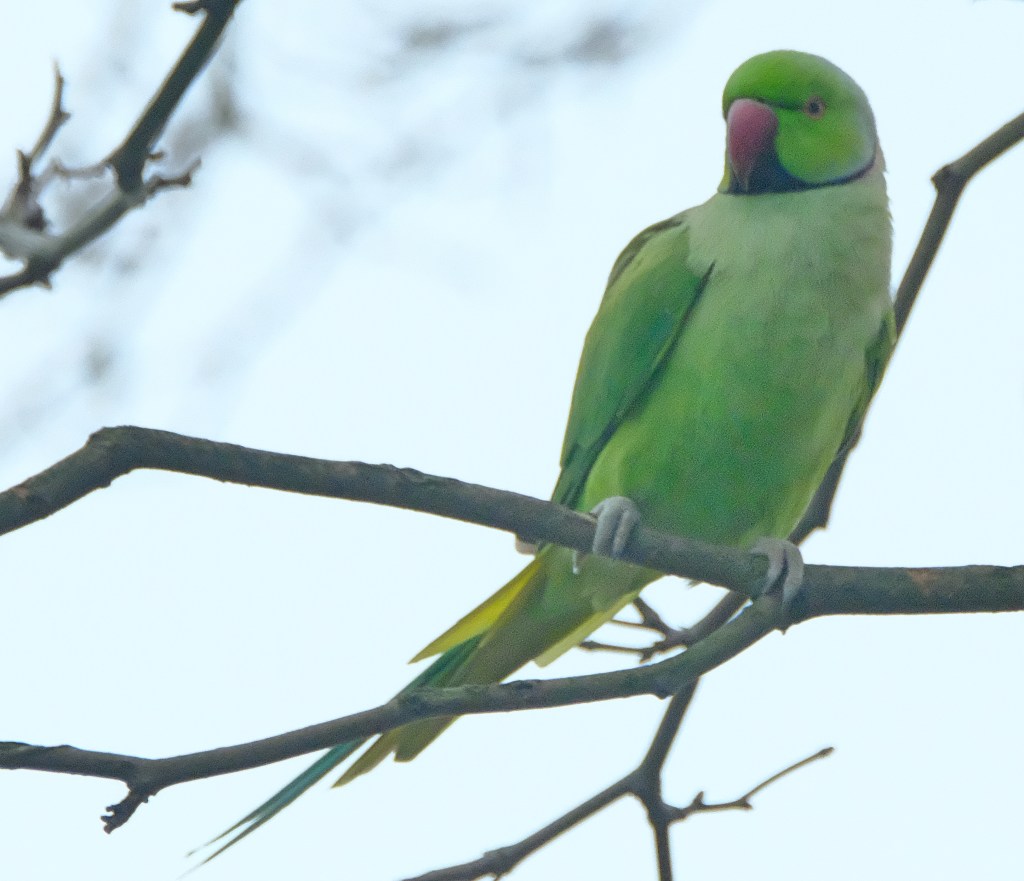
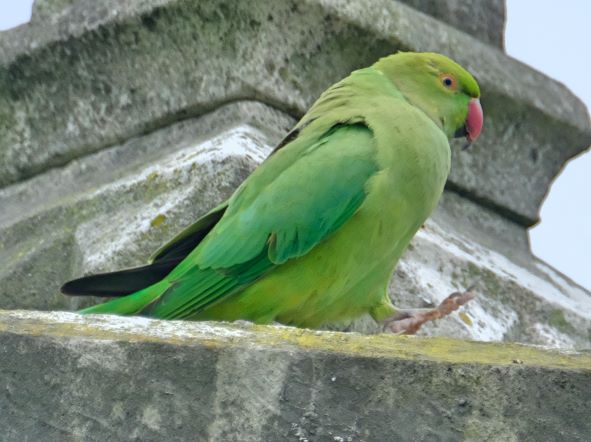
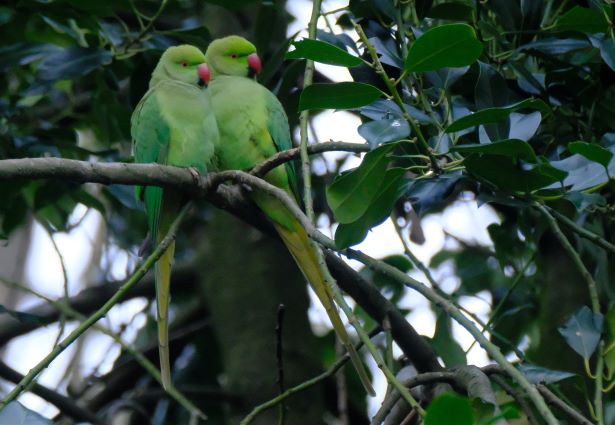
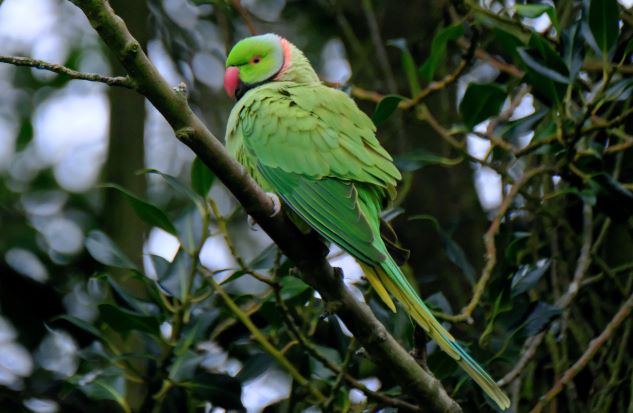
Further views of Ring-necked Parakeet in a Southampton City park.
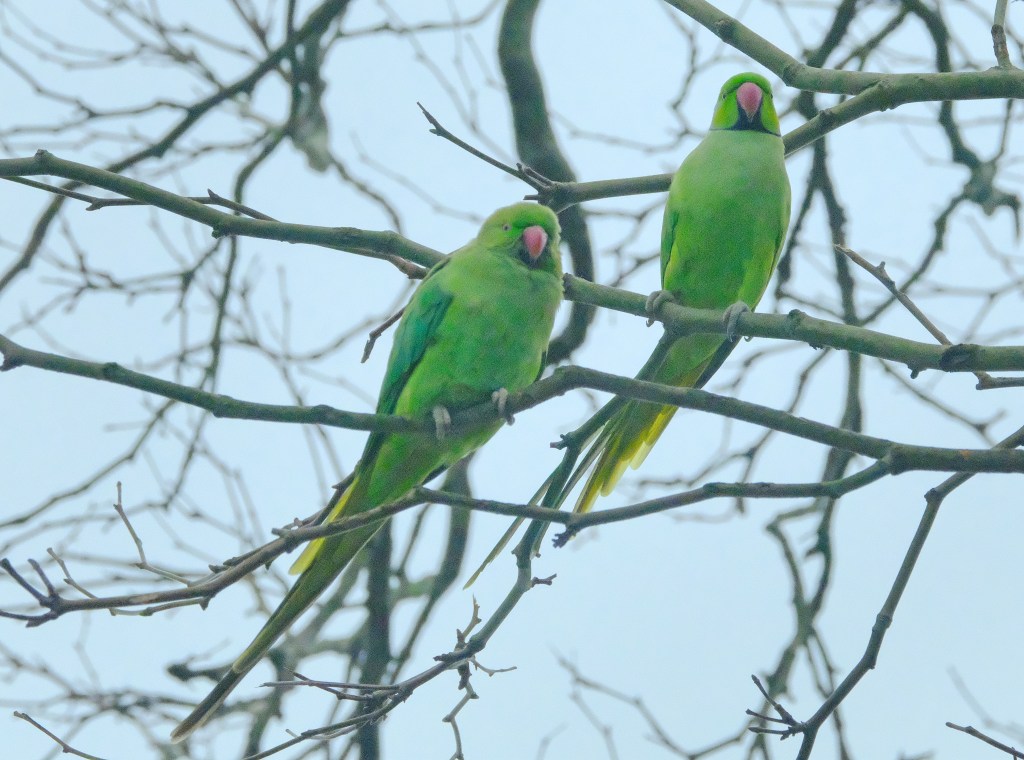
The urban myth claims that Jimi Hendrix released the first pair of parakeets, called Adam and Eve, as a symbol of peace when he was stoned in London’s Carnaby Street in 1968. Another rival theory maintains that the birds escaped from the UK set of The African Queen in 1951. However, birds were reported in Britain as far back as 1855 when one was seen in Norfolk.
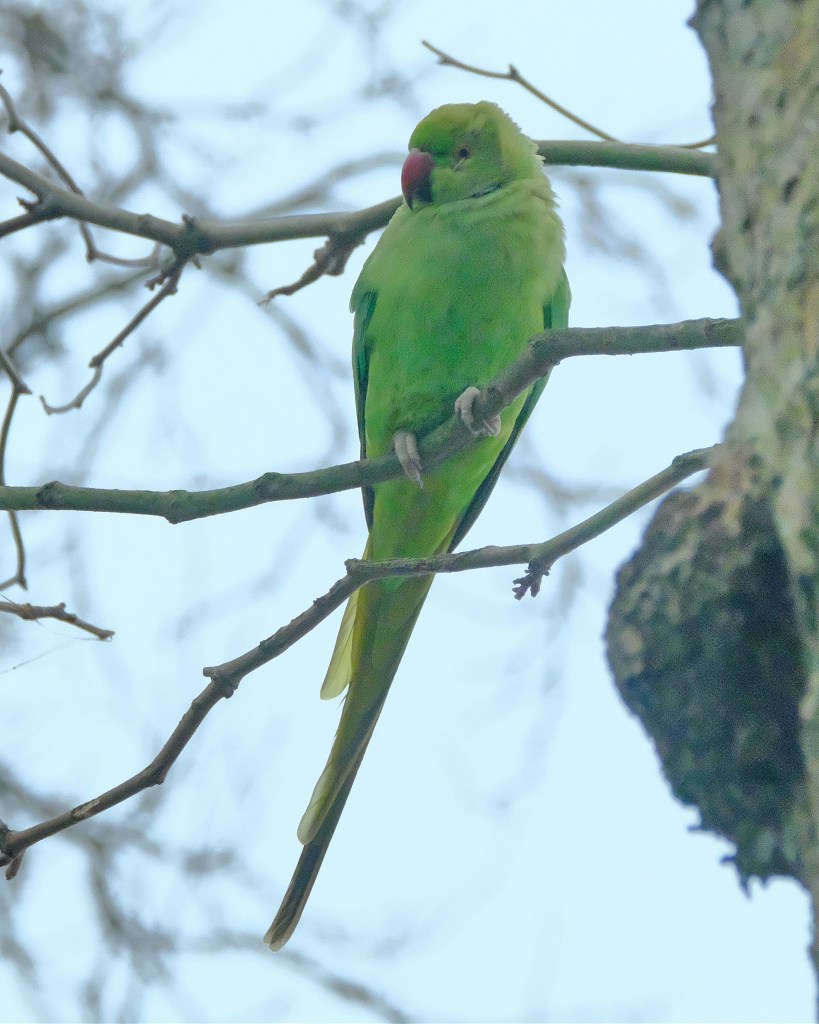
Classed as an invasive species with a growing population especially in London the Government is considering a cull of Ring-necked Parakeets however The RSPB is not in favour of a cull at this time they believe it is important that the spread of the ring-necked parakeet is monitored and it’s potential for negative impacts on our native bird species assessed.

The birds are a pair.


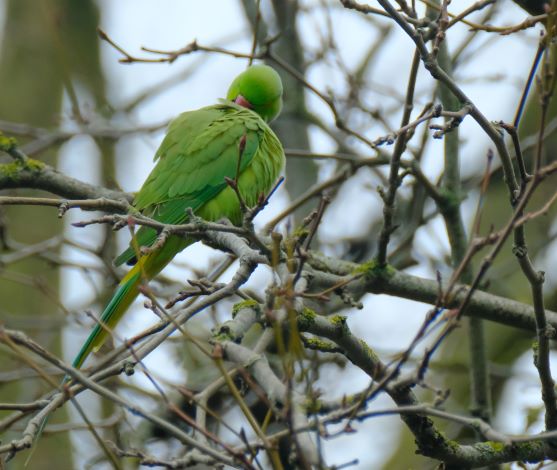
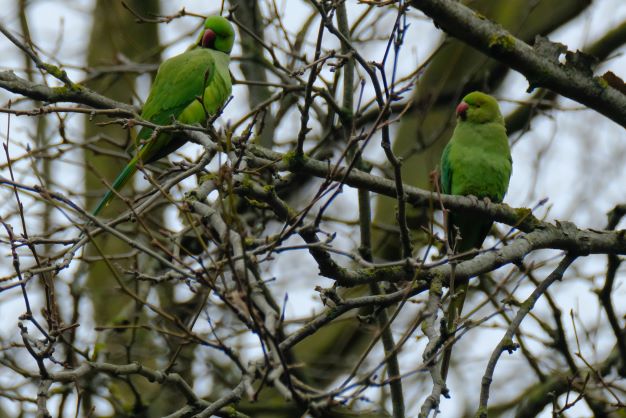
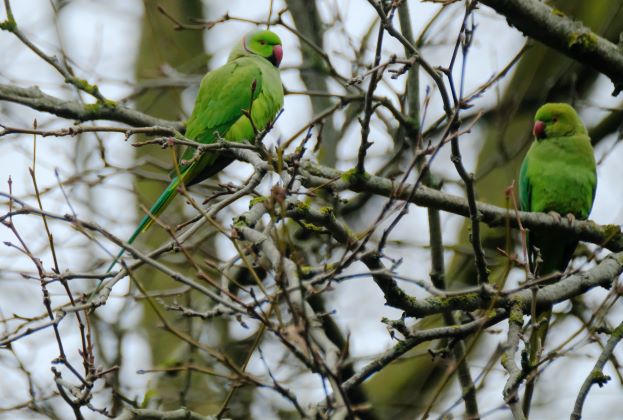

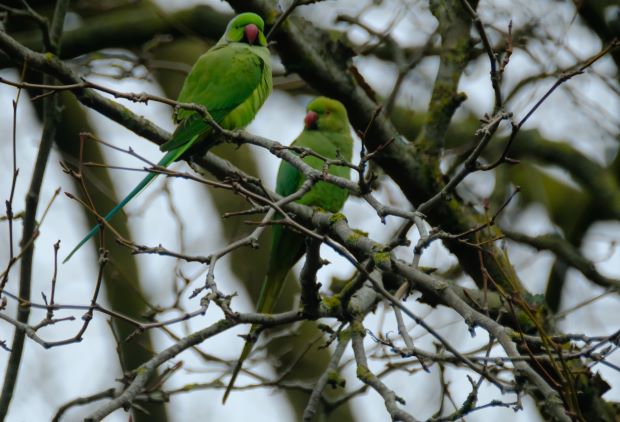
The RSPB state the UK population is now 8,600 pairs. I had seen them in the past in London but to see them close to home was a great treat.
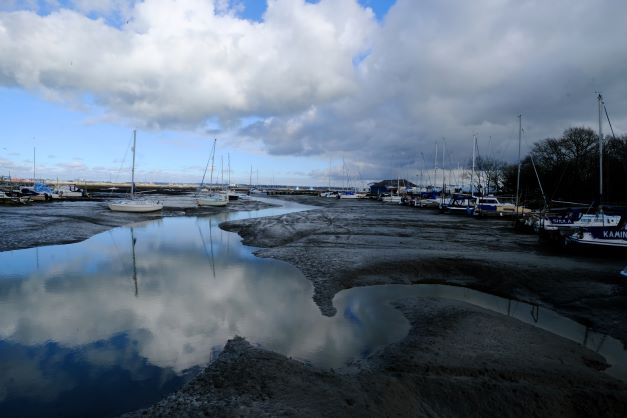
Ashlett Creek is a tidal inlet on the New Forest side of Southampton Water near Fawley. The creek is only accessible at high tide. There has been a mill on the site dating back to medieval times. The mill is a Grade II listed building that was built in 1816 and milled corn until it closed around 1910. Ashlett mill was a tidal mill – a mill driven by tidal rise and fall. The tide comes in, it enters the mill pond through a one-way gate, and this gate closes automatically when the tide begins to fall. When the tide is low enough, the stored water can be released to turn the mill wheel. Flat bottomed sailing barges were used to load and unload grain, salt and other supplies. A Victorian Quay was built in 1887 to celebrate Queen Victoria’s Golden Jubilee.

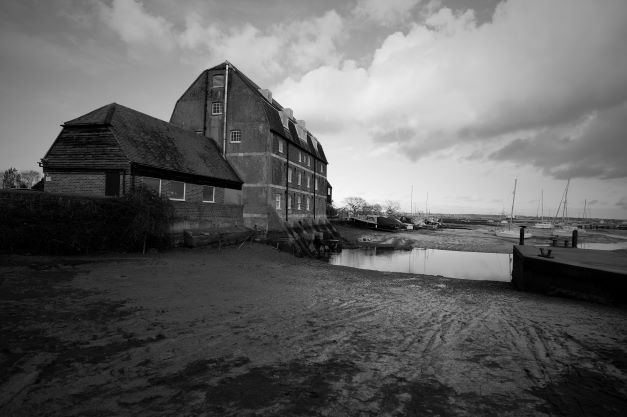

The Jolly Sailor, a 160-year-old pub is an old smuggler’s inn near the mill.

Birds in the Mill pond.


Ring-necked Parakeets became established in the wild in the UK in the 1970s after captive birds escaped or were released. Mainly found in the south-east and in London there are large flocks. This pair I spotted today in a Southampton park.



A regular wader spotted on the coast and local river estuaries are Redshanks.

A lone Greenshank on the River Hamble near Hamble Common.
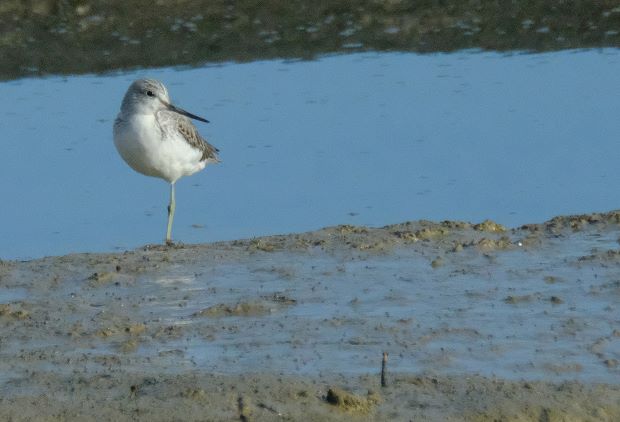
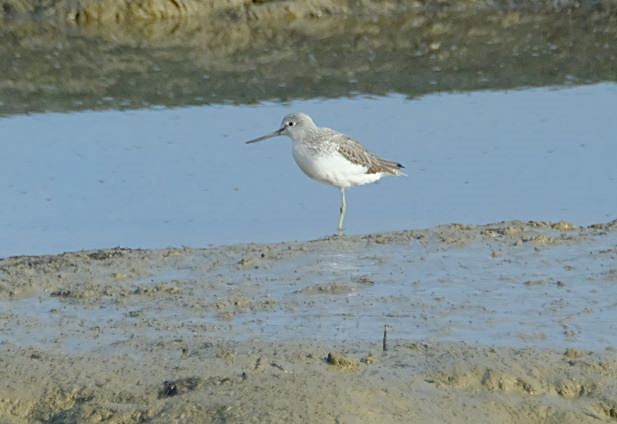
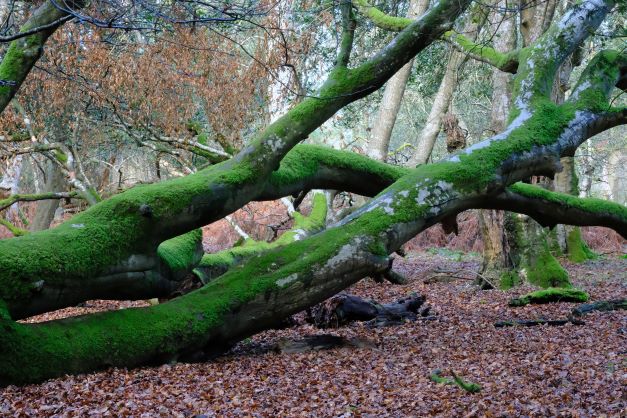
A return to the New Forest. We Parked up again at Eyeworth Pond – watching the pond with a cup of tea until the rain stopped before heading into the forest to the North-East following the track from the old Gunpowder Mills this road was built to allow the explosives to be transported away from the factory safely avoiding the small village of Fritham.

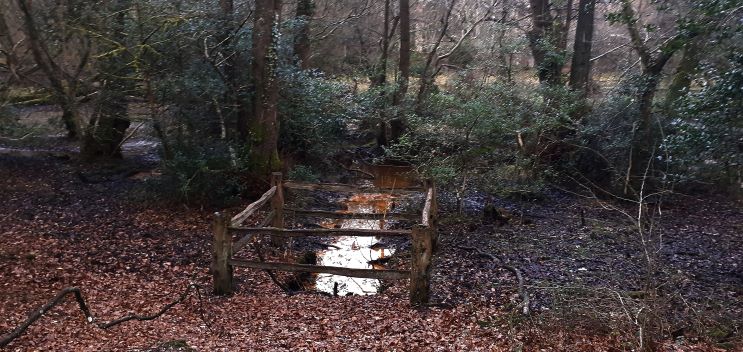
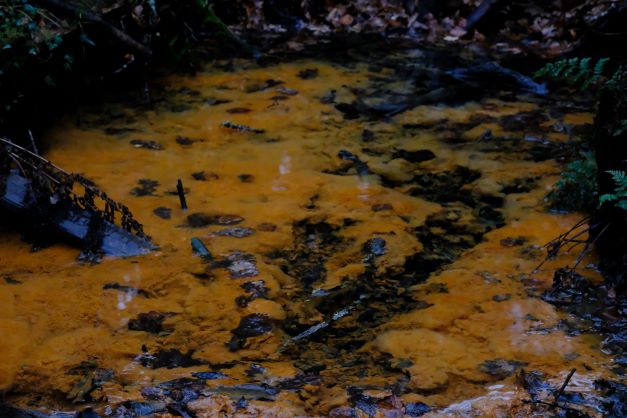
A little way along the track you pass a fenced spring. Known as “The Iron Wells” shown on maps dating back to the late-18th century. Marked on today’s Ordnance Survey maps as “Irons Well (Chalybeate)”. The water is impregnated with iron salts and is the colour of rust.
The waters are said to have curative properties particularly helpful for sore eyes, gout and other ailments, including leprosy. The spring was also known as Lepers’ Well, it is rumoured a house of rest for those suffering from leprosy was close to the well. Looking at the spring I decided not to take the waters on this visit!

No deer to see on our walk today.


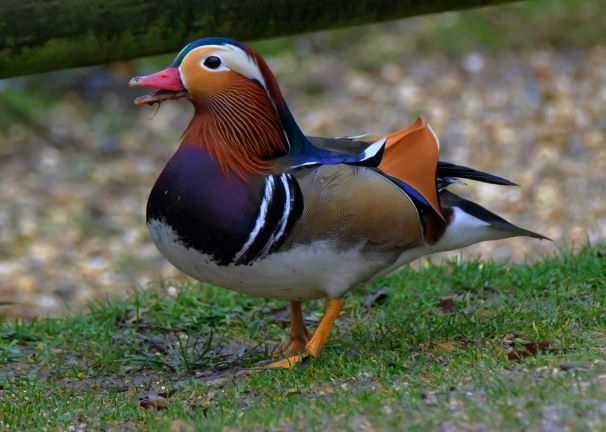
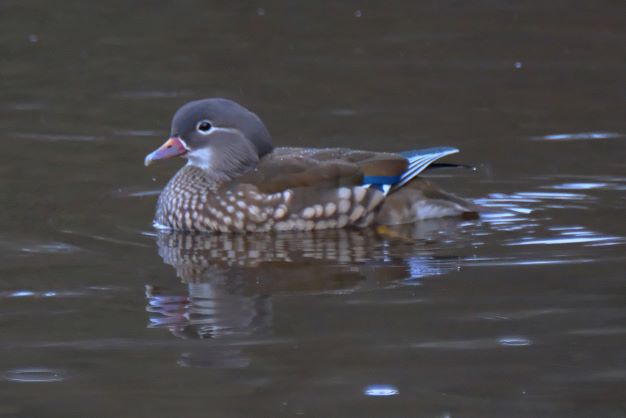
Back at the pond lots of birds as always – but the Mandarin ducks steal the show with their bright colours there seemed to be 5 males and 3 females present again. – lots of photographs at the end of this post.
Male Blackbird.

Song Thrush.


Pied Wagtail.

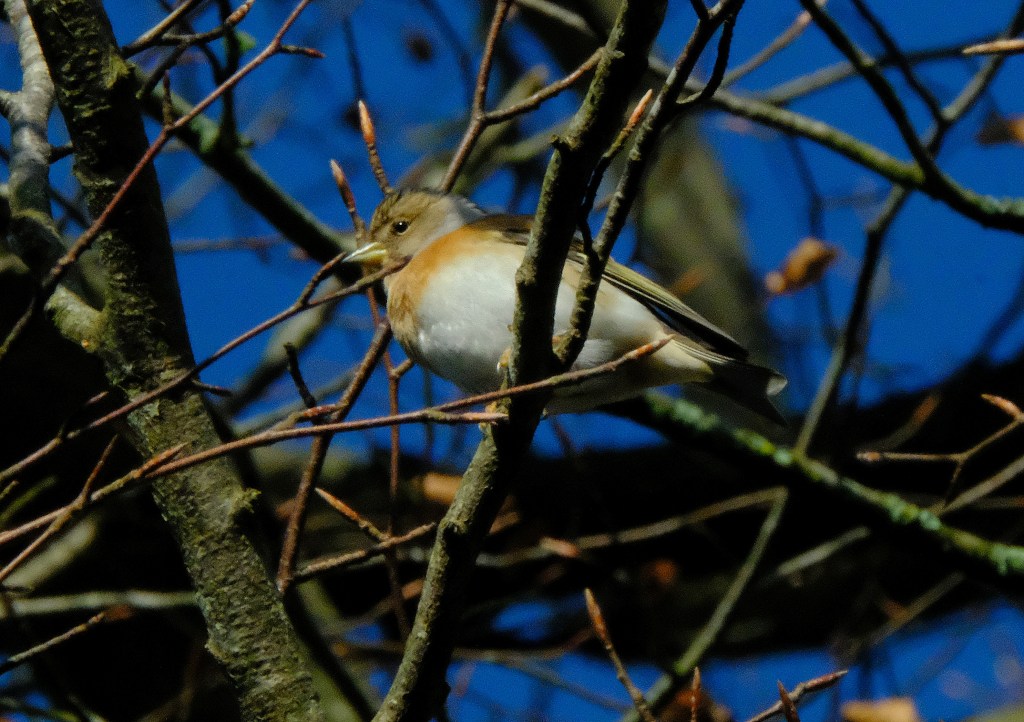
A first for me today was a Brambling. Not the best picture of this female bird but given I have never seen one before I am happy with this attempt.
A Male House Sparrow.








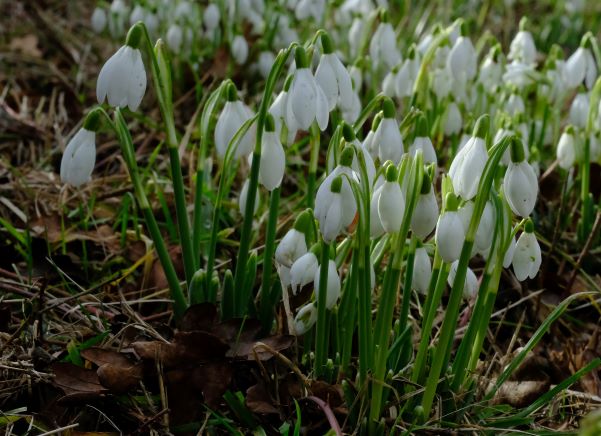
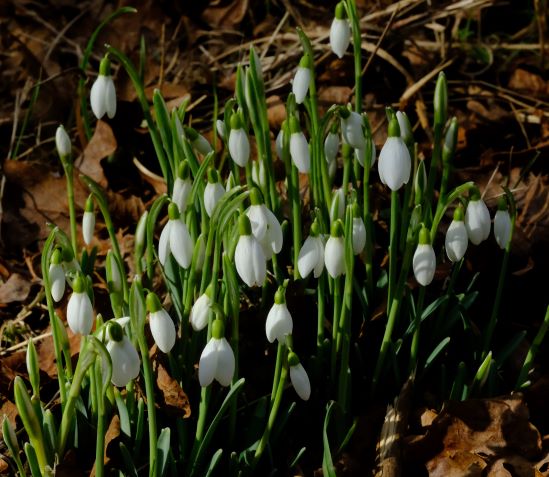
On the way home, we spotted lots of Snow Drops an early sign of spring.

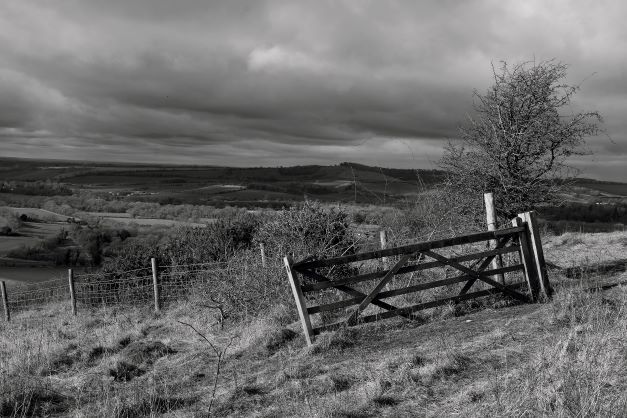
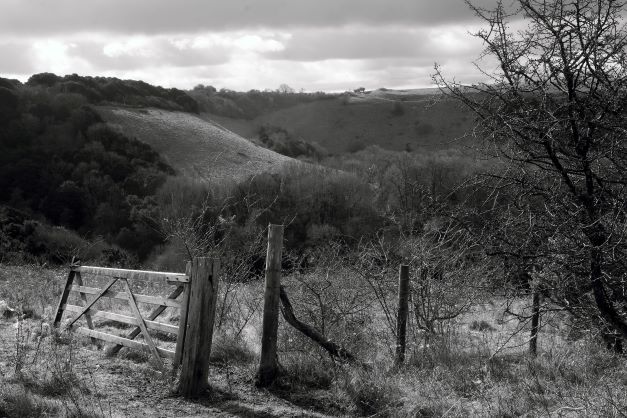
Old Winchester Hill near Winchester Hampshire. An Iron Age hill fort with earlier Bronze Age burial mounds.



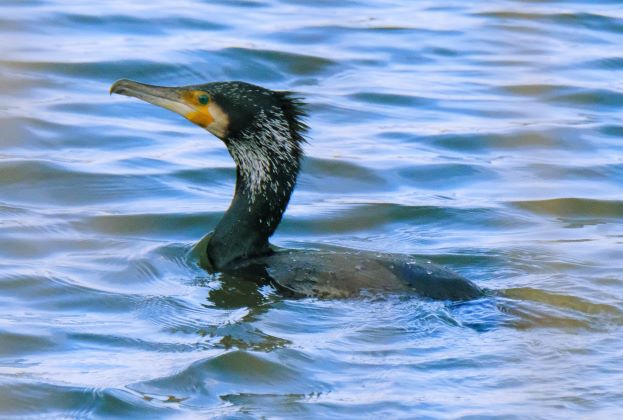
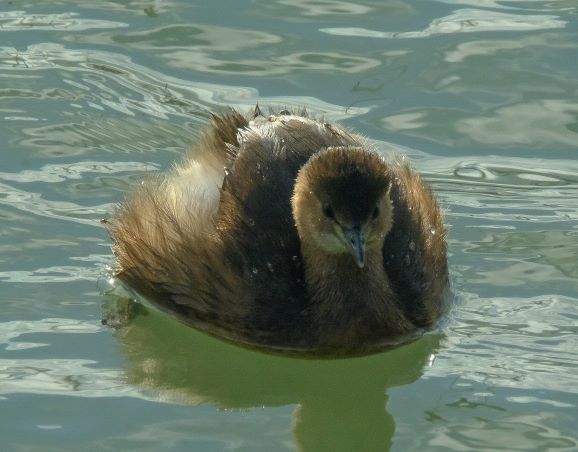
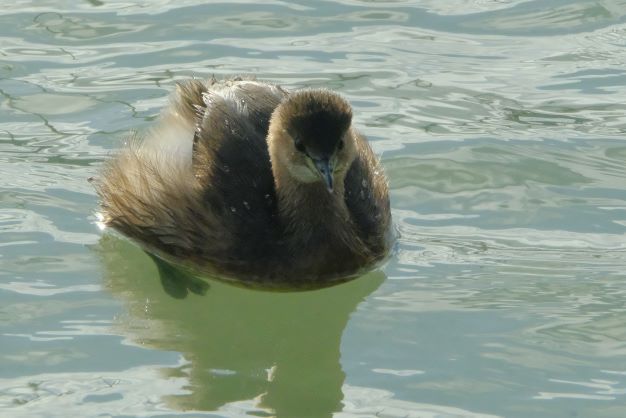
Some birds are as good underwater as they are in the air.
A Cormorant and a Little Grebe at Titchfield Haven Nation Nature reserve today.
 Continued Reflections from my World.