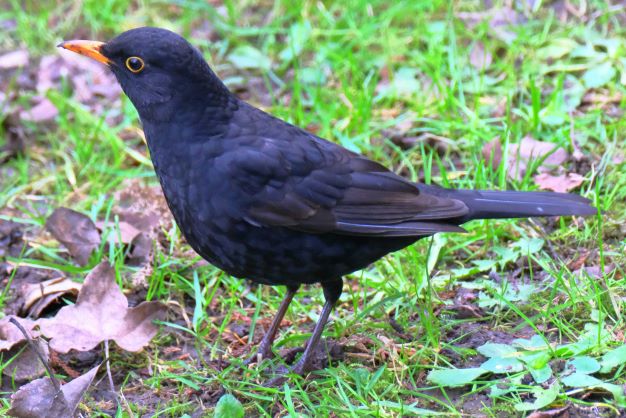
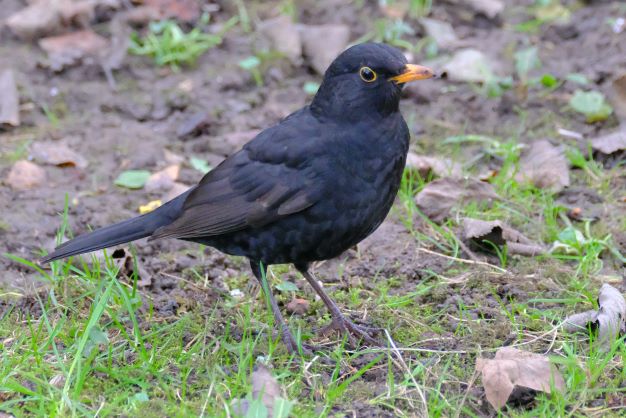
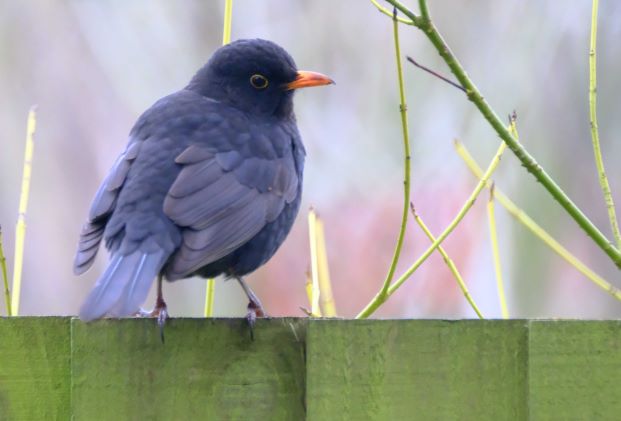
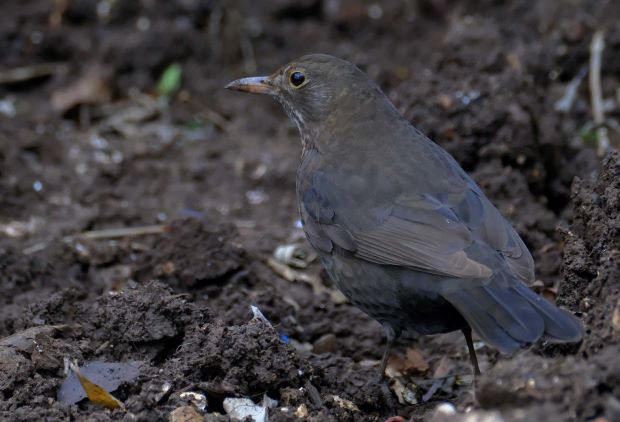
The Blackbird is also known as the Eurasian blackbird in North America, in order to distinguish it from the unrelated New World blackbirds, here in the UK we just call it a Blackbird. They are a member of the Thrush family.
Adult male blackbirds have black plumage and, during the breeding season, they have both a yellow eye-ring and bill. Out of the breeding season, the male may have a dull bill and no eye-ring. Females are brown, often with a paler throat patch.
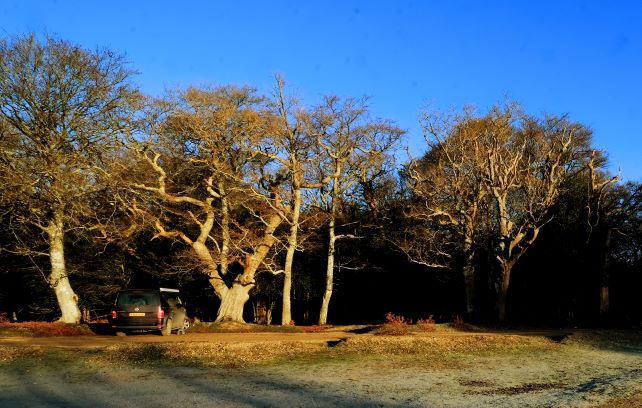
An early start in the New Forest with breakfast in the van before a frosty walk on the remains of Stoney Cross airfield.
Stoney Cross airfield was one of the larger wartime airfields within the forest. It was active between 1943 to 1946, It remained open after the war until it closed in 1948.
Stoney cross had three runways with the main runway, 2,000 yards (1829 metres) long. The second runway, was 1520 yards (1390 metres) and the shortest runway, at 1366 yards (1249 metres) long.
Sadly most of the concrete had been stripped from the runways by 2000 and used as hardcore in road construction. The outline of the runways can still be seen in places as well as remains of other concrete bases.
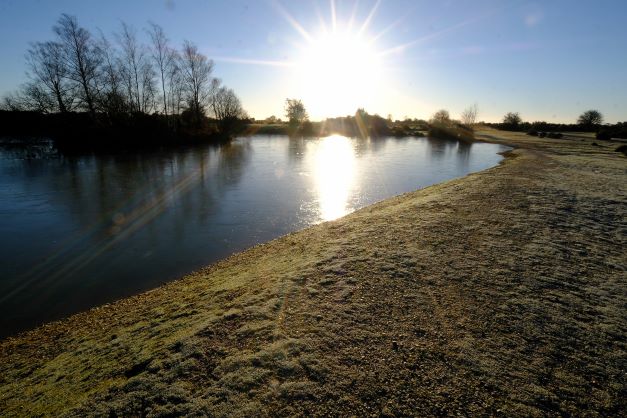
Parking at Cadmans Pool as a starting point to head off on foot across the site of the old airfield on Ocknell Plain. Apparently, the pond was dug around 1960 to enhance the aesthetic appeal of the plain.
On arriving today the pond was iced over at the temperature was -4, so a cold start.
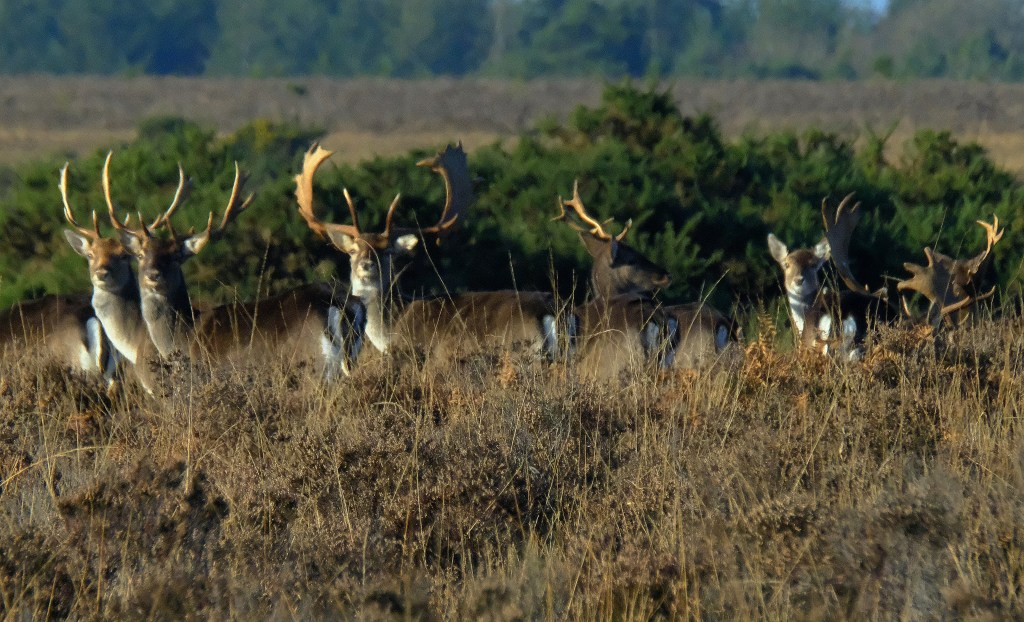
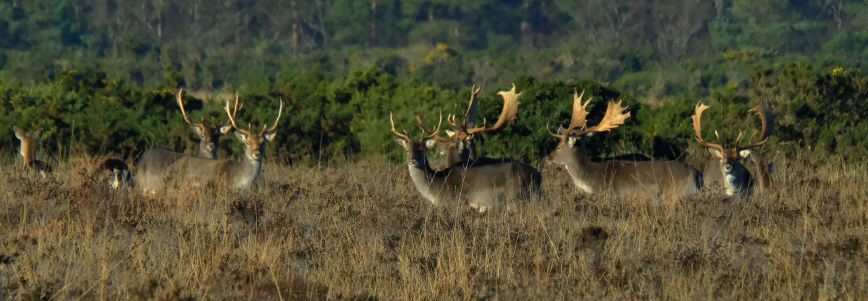
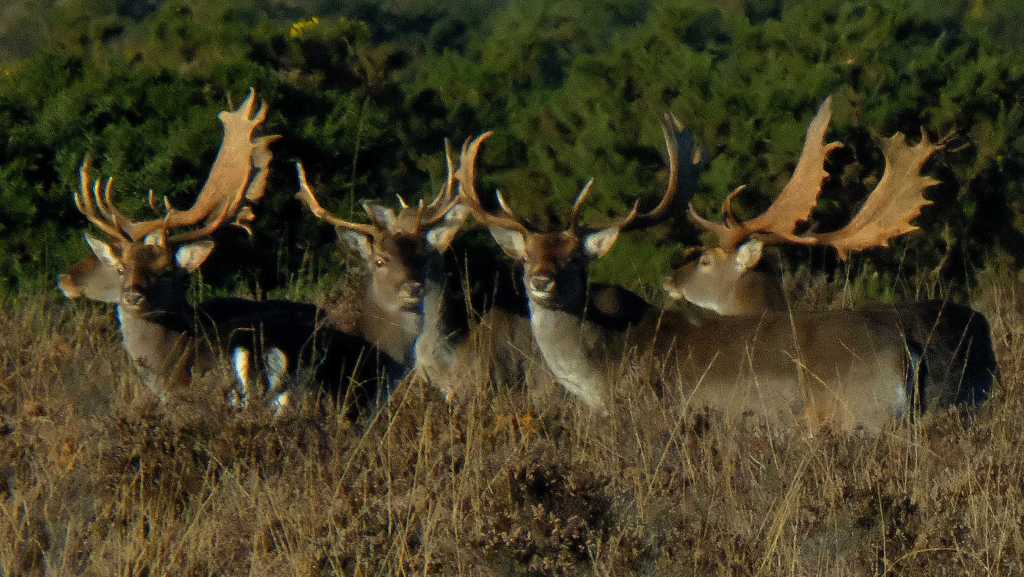
A group of Fallow Deer strolling on the plain. There were some fairly handsome stags in this herd.
Away from the Stags in the wooded area were groups of young deer and females.
As usual, the trees around Cadmans Pool is a great place to observe and photograph small woodland birds.
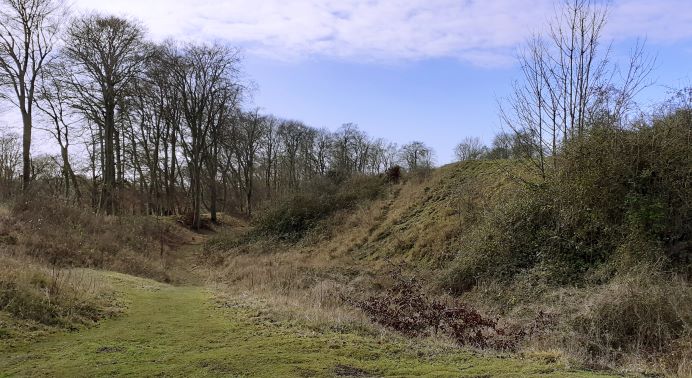
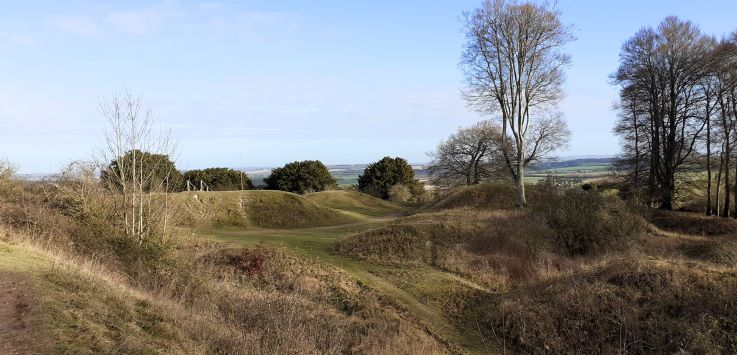
A short walk at Danebury Ring Hillfort this morning. (location near Stockbridge Hampshire.) An Iron age hill with evidence suggesting that the Fort was built 2500 years ago and occupied for nearly 500 years until the arrival of the Romans in Britain.
Today a plateau at the top of the hill remains it was once the site of a settlement that was surrounded by ditches and earth banks. The bank had a wooded defensive fence on its top.
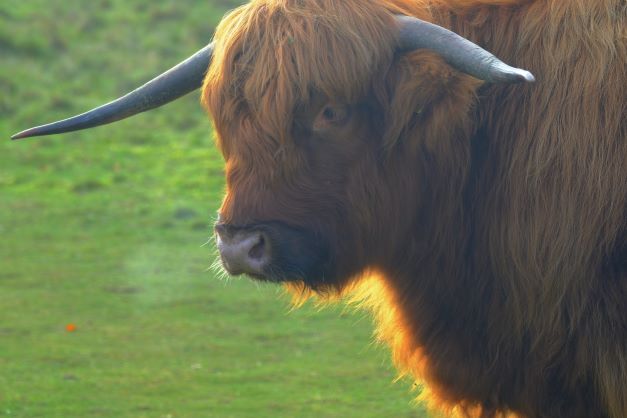
The chalk hillside habitat needs to be managed to prevent it from being swamped by shrub. Here at Danebury Highland Cattle maintain the grassland.
Highland Cattle may look fierce but they are a gentle breed.
Today we decided to walk from Warsash quay at the mouth of the River Hamble down Southampton Water towards Hook.
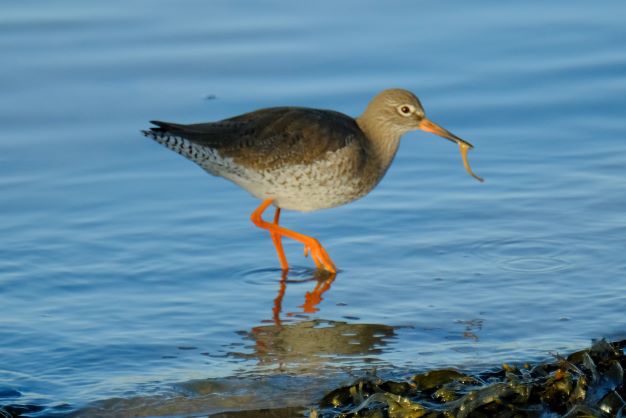
Some different birds spotted as well as some usuals.
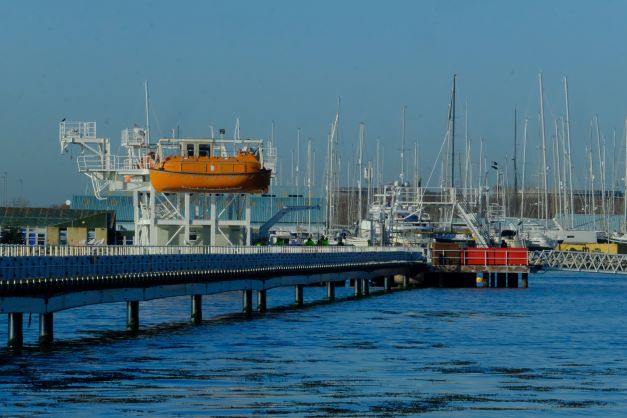
A little way from the car park at Warsash you pass Warsash Maritime Academy which is part of Solent University. It is said to be the only maritime training provider of its kind in the world. Offering150 accredited deck, engineering, interior, maritime and offshore training courses.
Ship lifeboat training station always looks interesting. Training was taking place as we passed by.
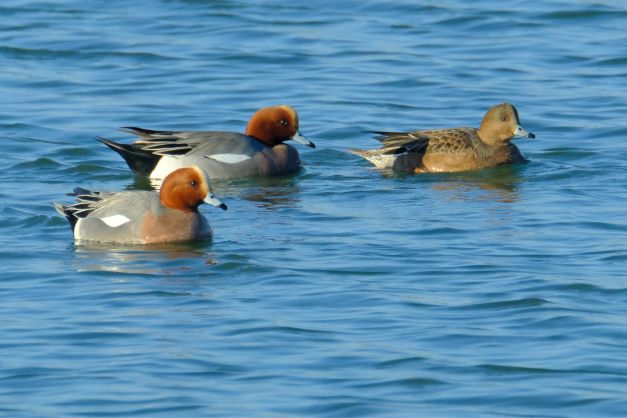
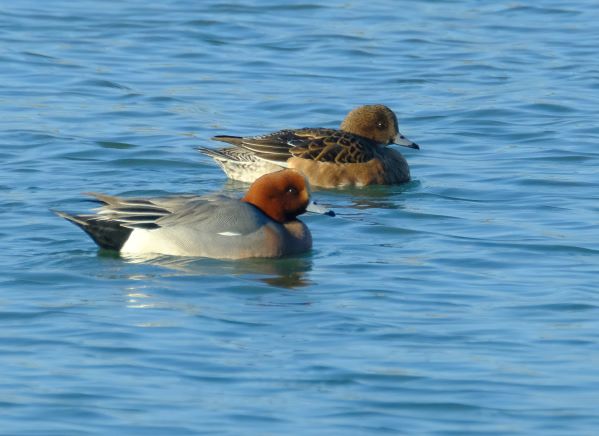
There were a lot of Wigeon just off the beach. A medium-sized duck they are an Amber List species
Wigeons breed in central and northern Scotland and also in northern England. In the winter large numbers visit UK sites, from Iceland, Scandinavia and Russia.
UK breeding:400 pairs
UK wintering:440,000 birds
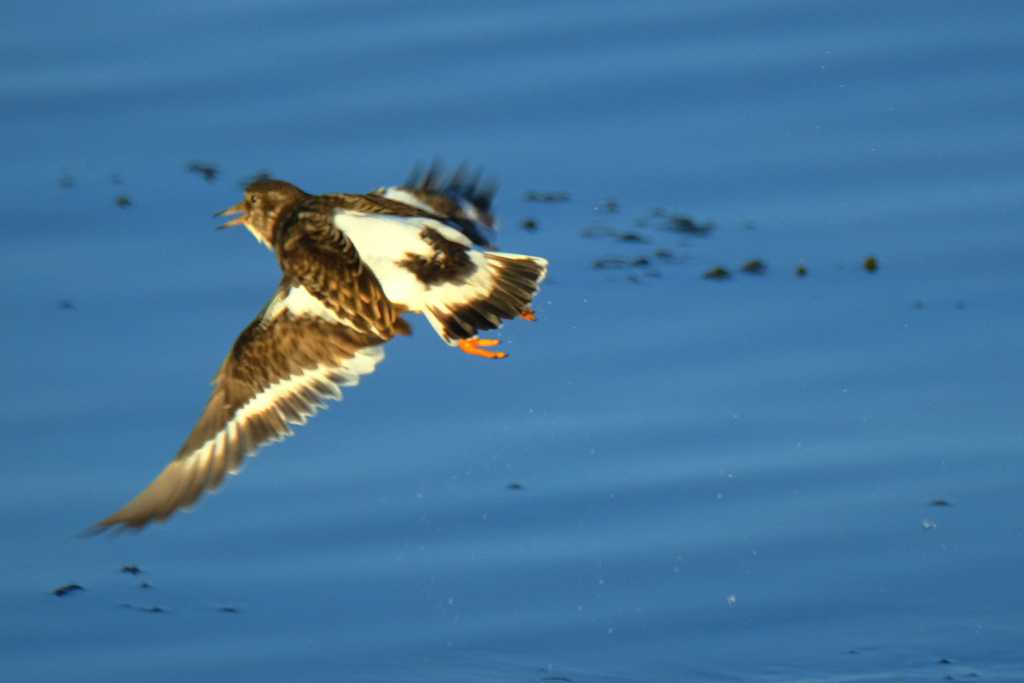
A little Egret and a Turnstone.
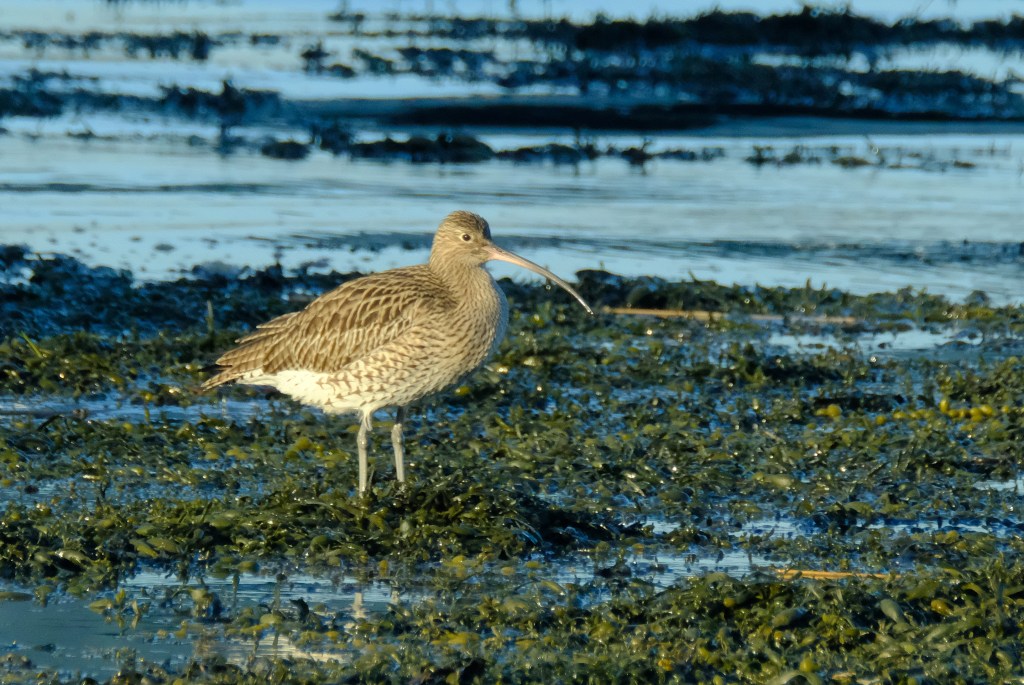
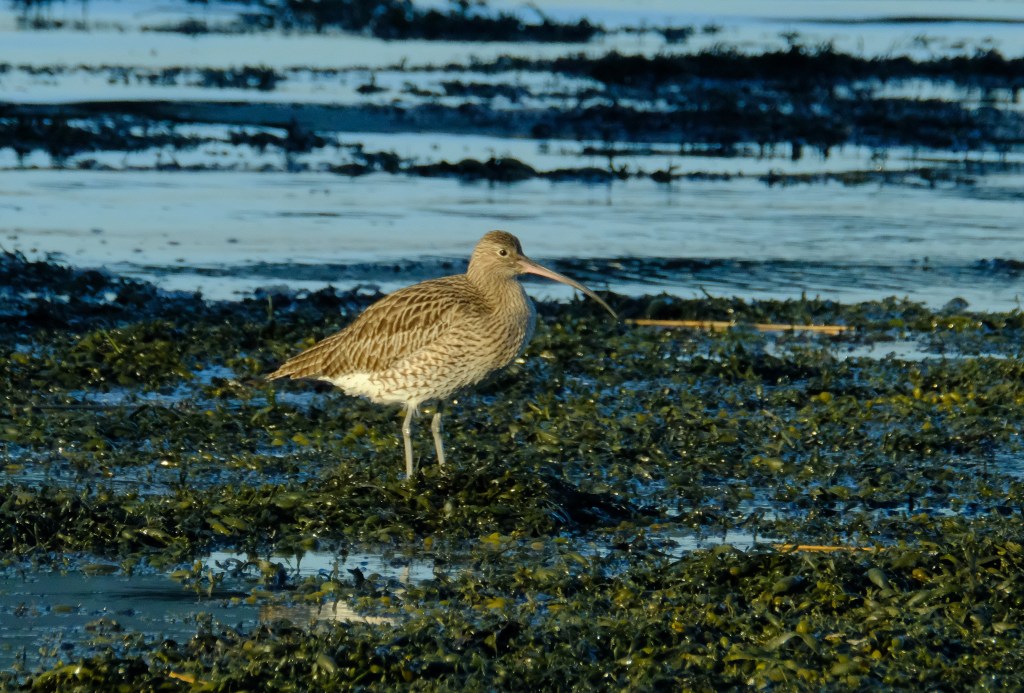
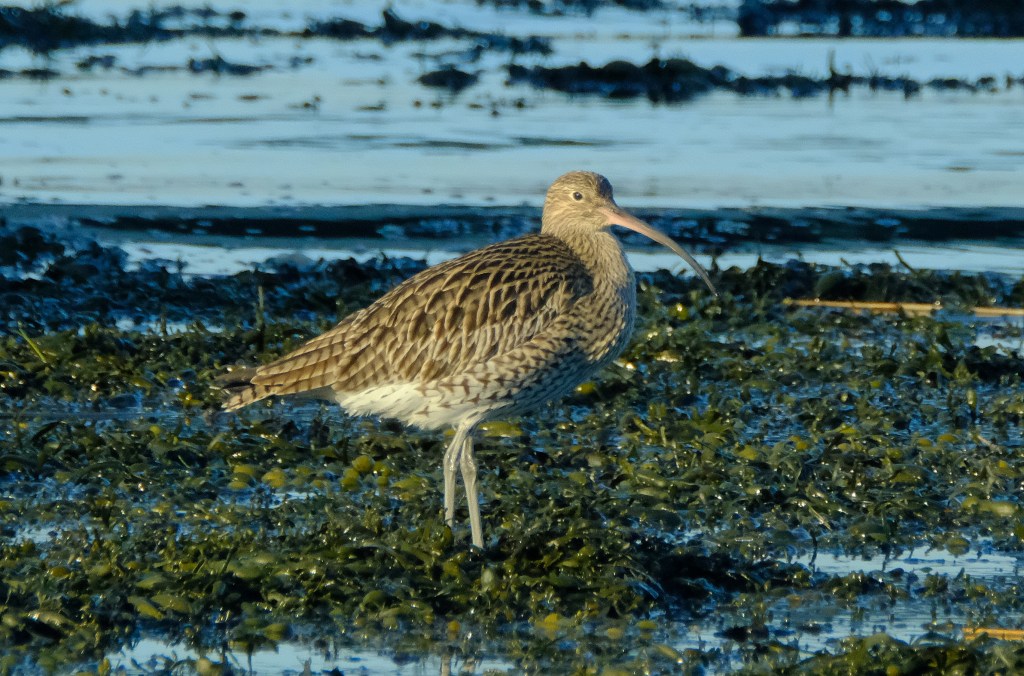
There were a number of Curlew on our walk a bird we tend to see across Southampton Water at Fawley and very rarely in Titchfield Haven.
The Curlew is the largest European wading bird, recognisable by its long, downcurved bill.
I had only ever seen a Bittern once before many years ago and that was a fleeting glimpse but Friday at Titchfield Haven I saw another, this time was a good fly past and I was able to get a few distant photographs.
The Bittern is a member of the Heron family. They are said to be Britain’s loudest bird, Male bitterns begin to boom as early as late January to establish territories and attract mates.
The recorded numbers of Bittern’s in the UK is small at 80 males with at total population of about 600 birds in Winter.
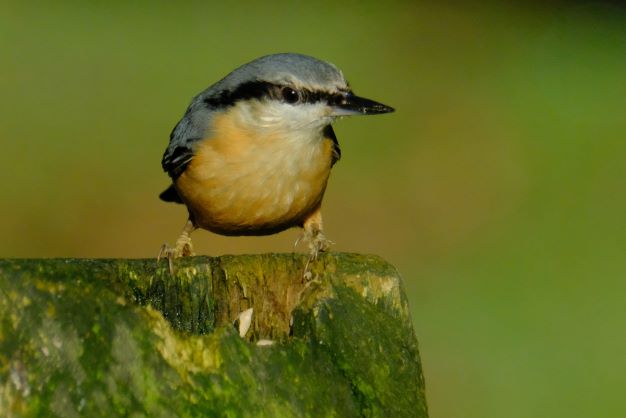
The nuthatch is about the size of a Great Tit they are a distinctive bird with an orange breast, blue-grey wings and compact build. It has a long, powerful beak and a black streak running across its eye. To me they look like a small woodpecker.
In the summer much of their diet is made up of invertebrates, In winter, the species feeds on seeds and nuts.
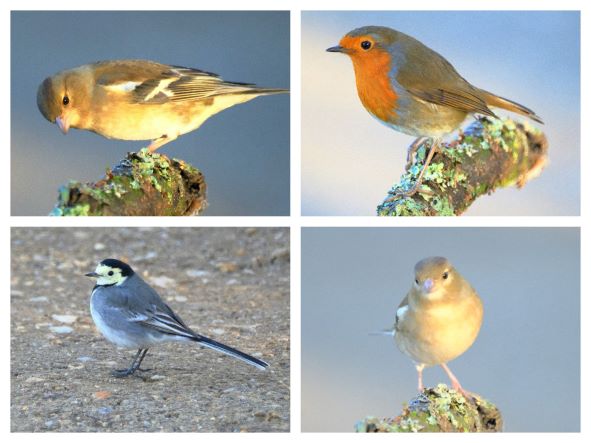
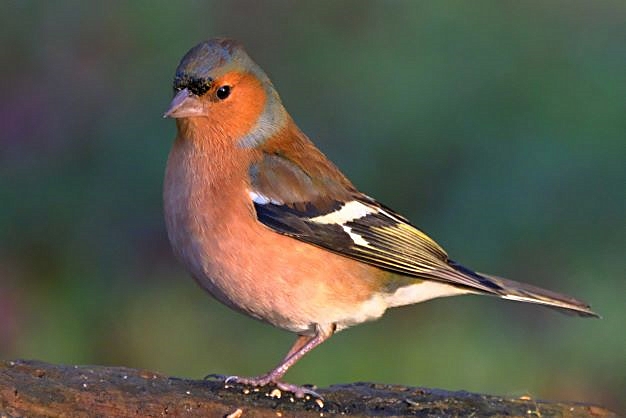
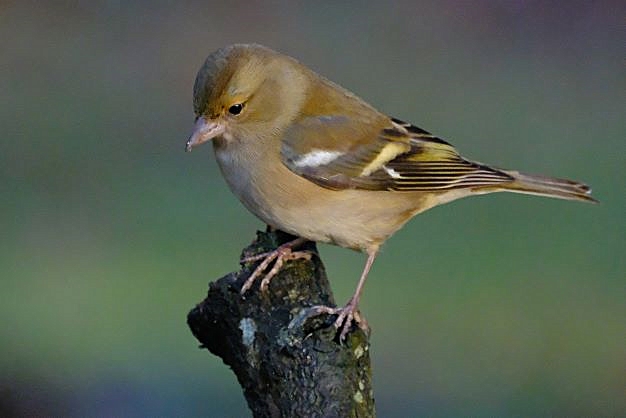
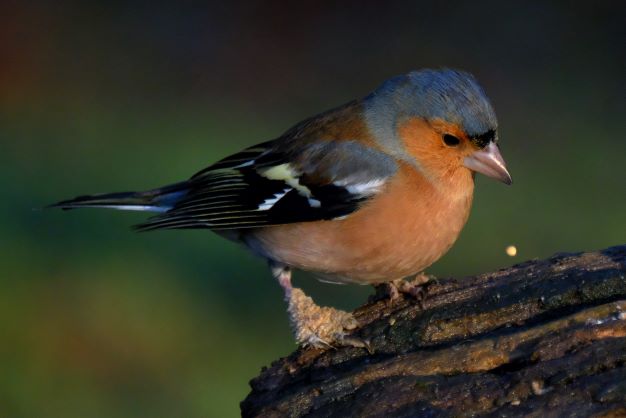
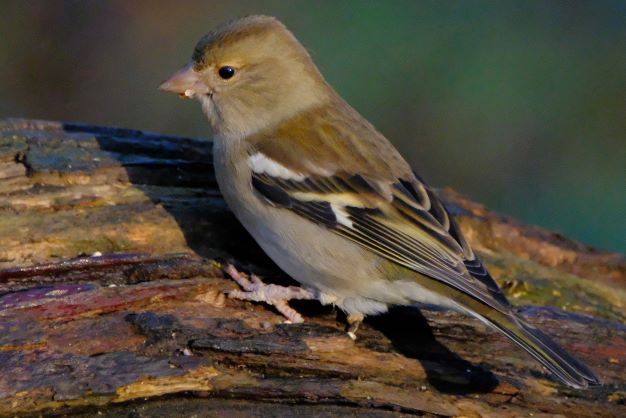
The Chaffinch is a common, sparrow-sized finch of gardens, woodland, parks and farmland. they can regularly be spotted in woodland car parks where they home in on picnickers looking for an easy meal.
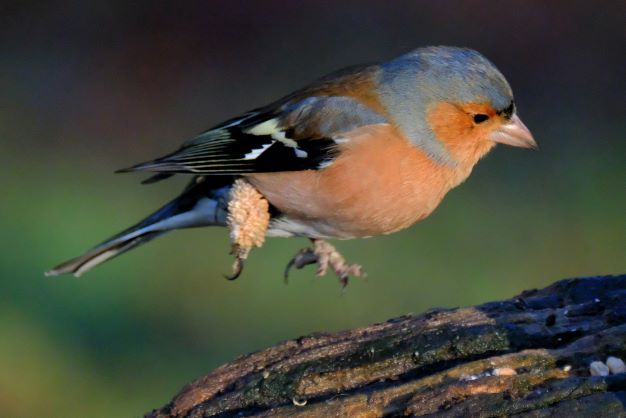
Leg lesions, commonly known as ‘scaly leg’ or ‘tassel foot’, are growths on the legs and feet seen in finches across Europe. Leg lesions in Chaffinches are one of the most frequently observed signs of ill health in British garden birds. It is said to be caused by both a mite and viral infection that cause leg lesions and is thought to be transmitted by contact. Most affected birds continue to live normally. Although birds with severe lesions can become lame so are increasingly vulnerable to predation.
The male Chaffinch is a colourful garden bird with a blue-grey crown, brown back and pink breast. Females are pale brown and have white shoulder patches and wing bars.
Male
Female
The above pictures show healthy Chaffinches below are some with scaly leg.