Hunting Forest.

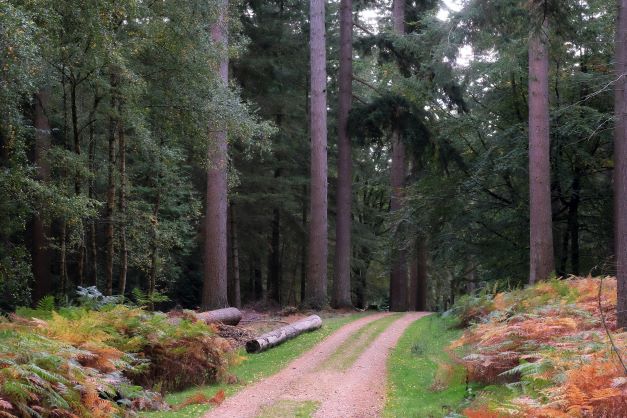
In 1079 when William The Conqueror named the area his ‘new hunting forest’, close to 1,000 years later his ‘New Forest’ remains as a National Park. The ancient systems established by William The Conqueror to protect and manage the woodlands and heaths are still in place today.

Hunting Deer required planning, good horsemanship and the ability to handle weapons. It was dangerous. King William’s second son, Richard, and third son, William, were killed whilst hunting in the New Forest as was his grandson, Richard. Hunting was seen at that time as a method of practising many of the skills required for battle. 

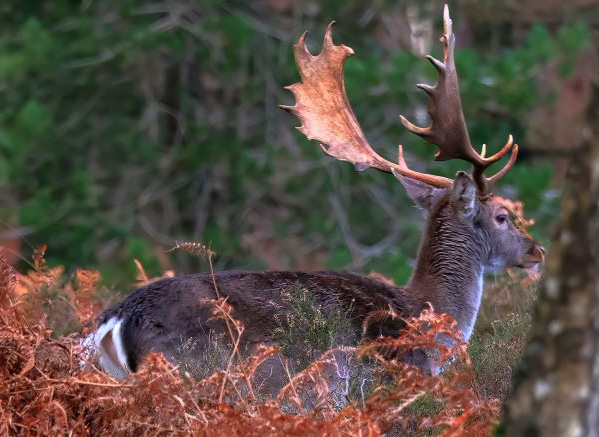
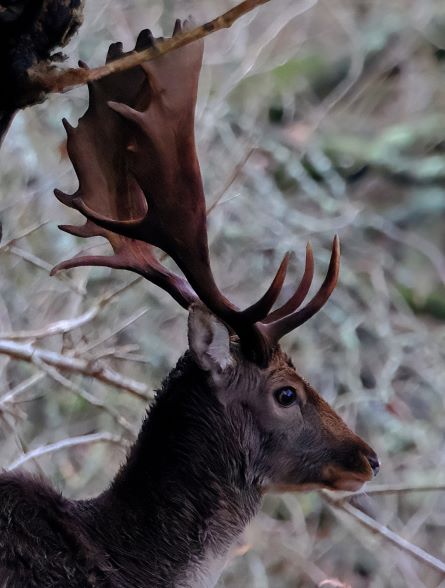
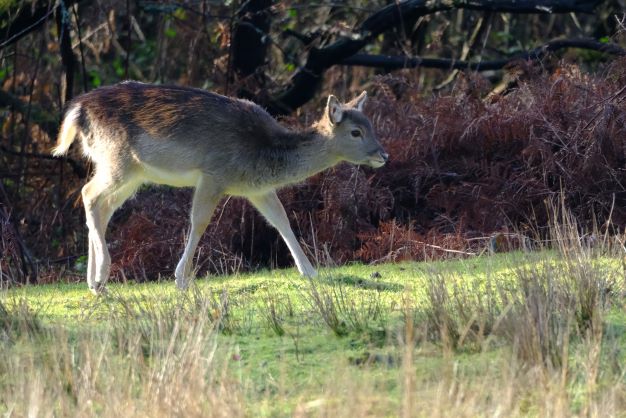
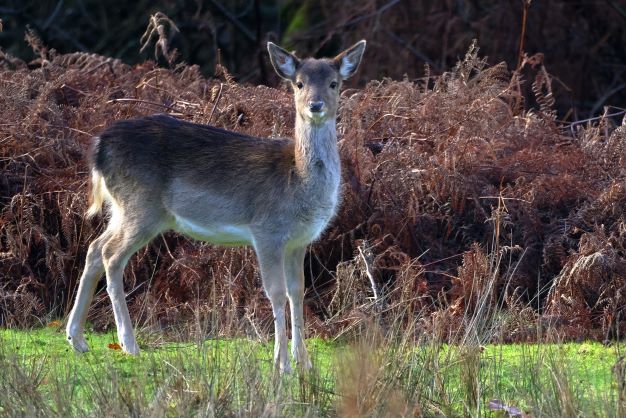
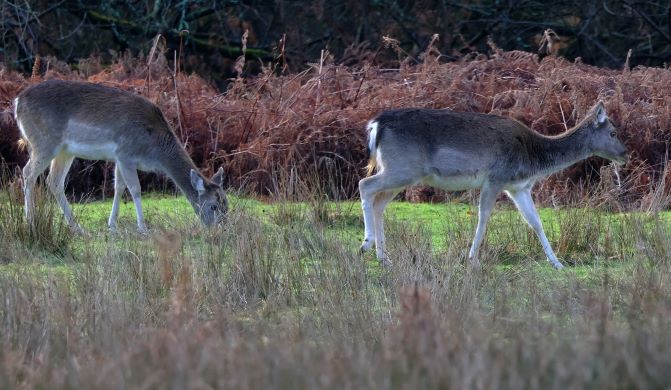
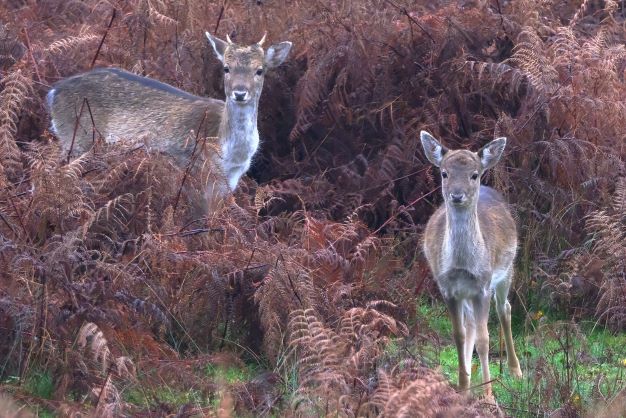
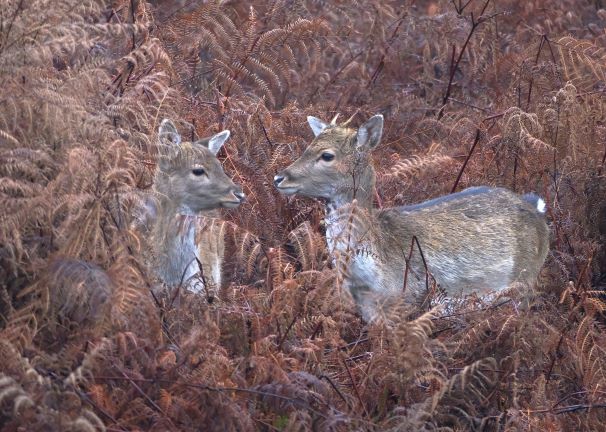
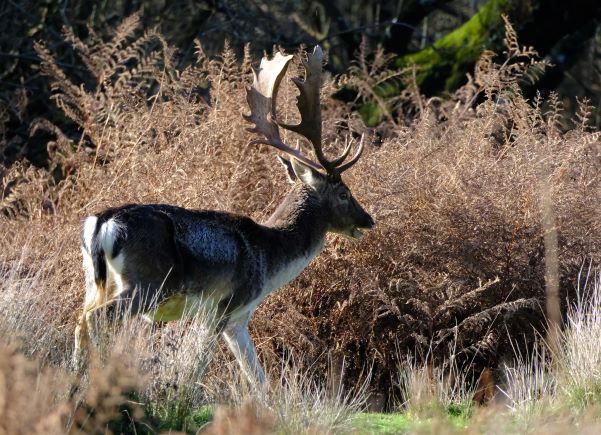
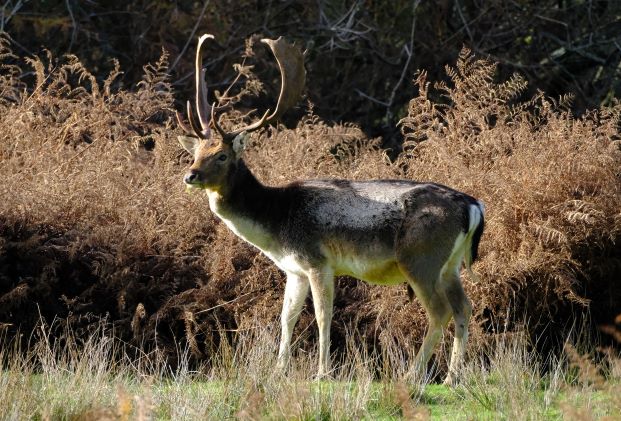
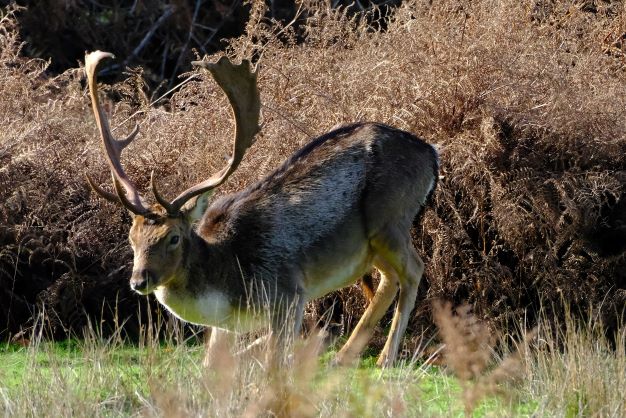
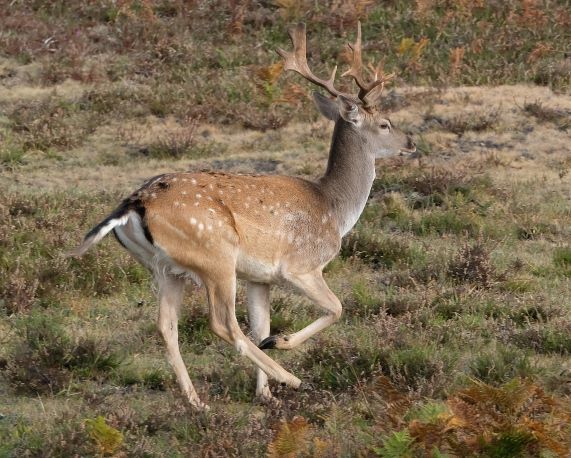
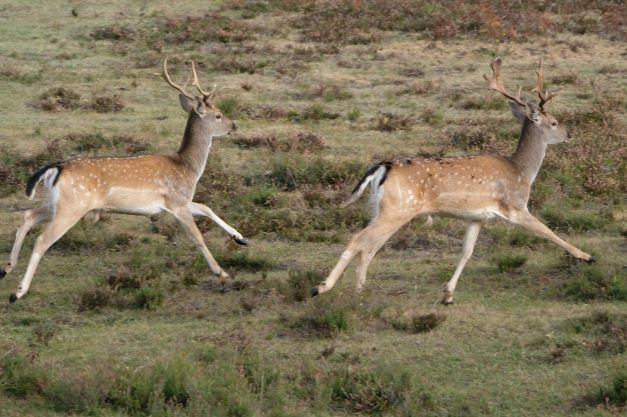
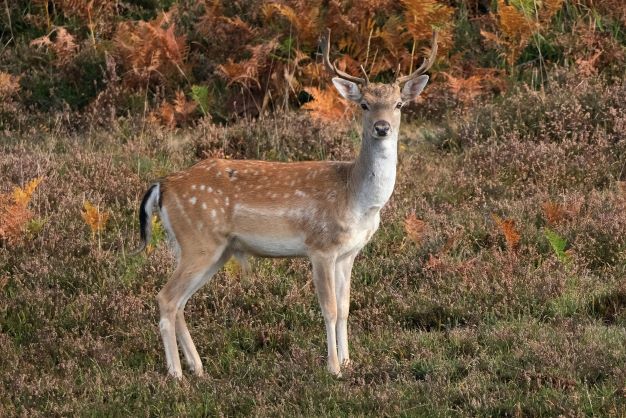
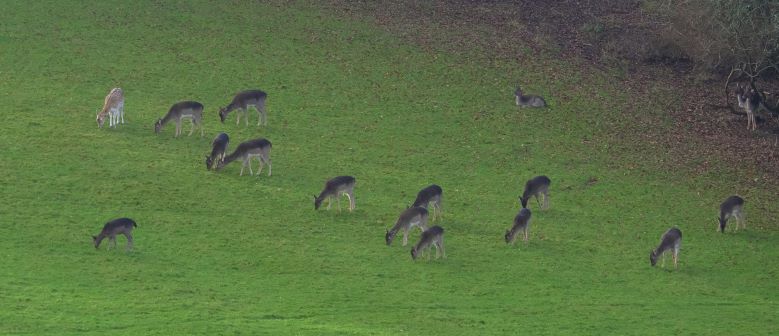
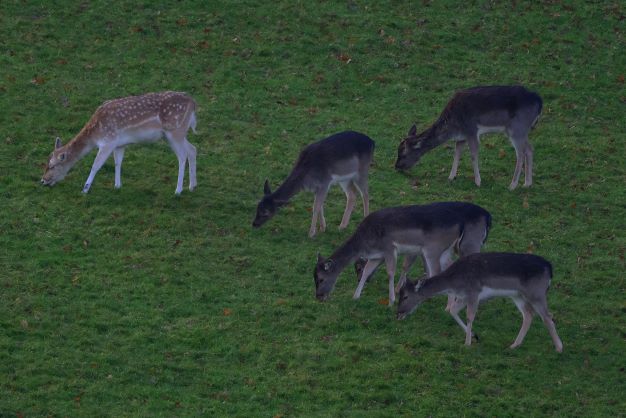
Fallow deer are today the most commonly seen deer in the New Forest. Numbers are maintained at about 1,300 on the Crown lands. Although not a native species to the UK, they have been present since Norman times and have the longest continuous lineage of any deer species in the Forest.
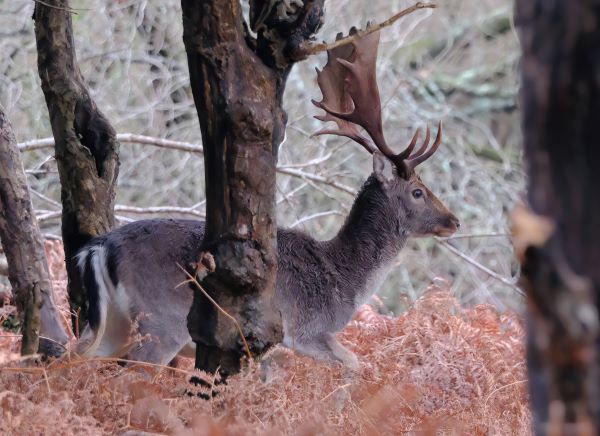
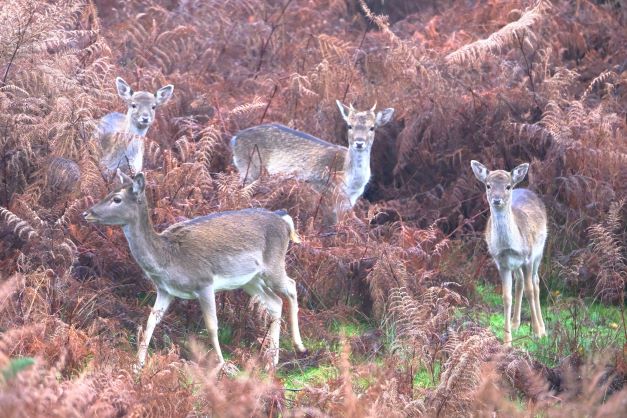
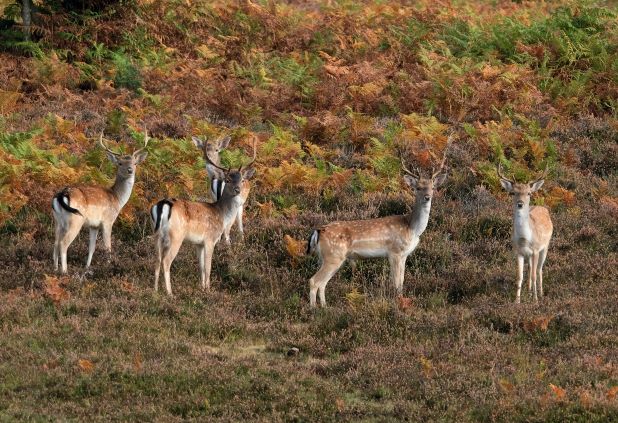
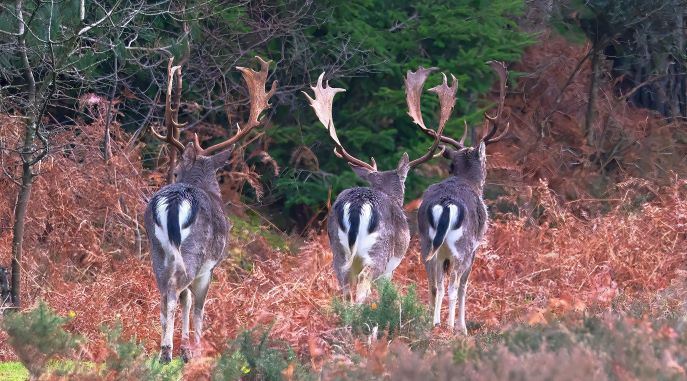
This time of year the Deer keep in their herds – Stags together separate from the young female deer.
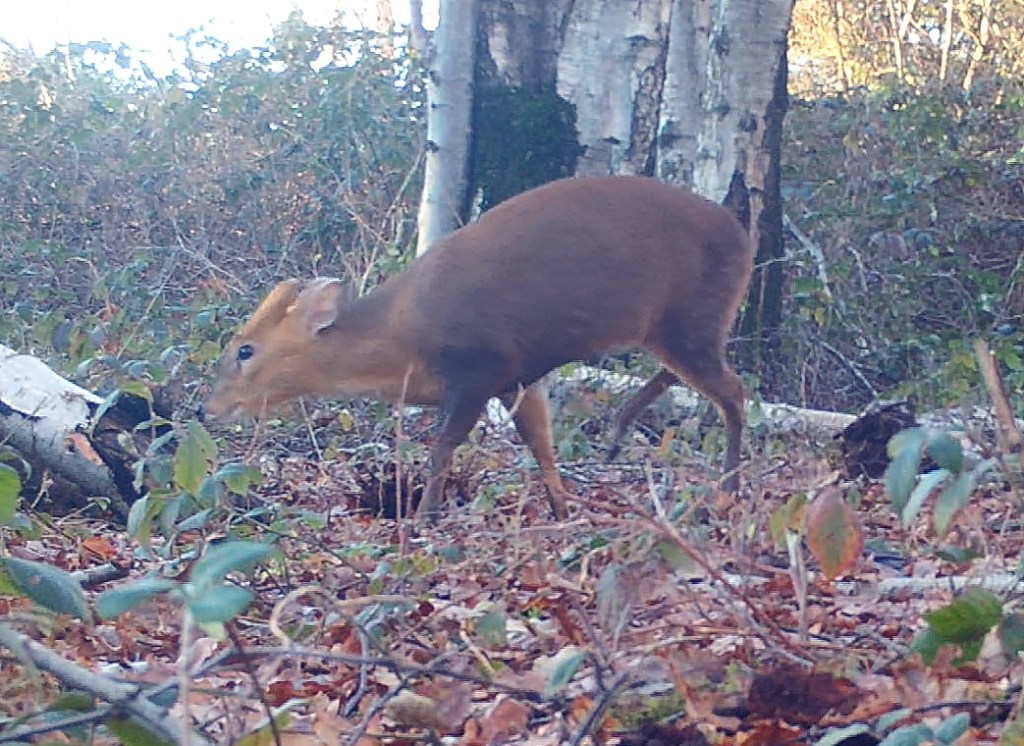
Local male Muntjac.

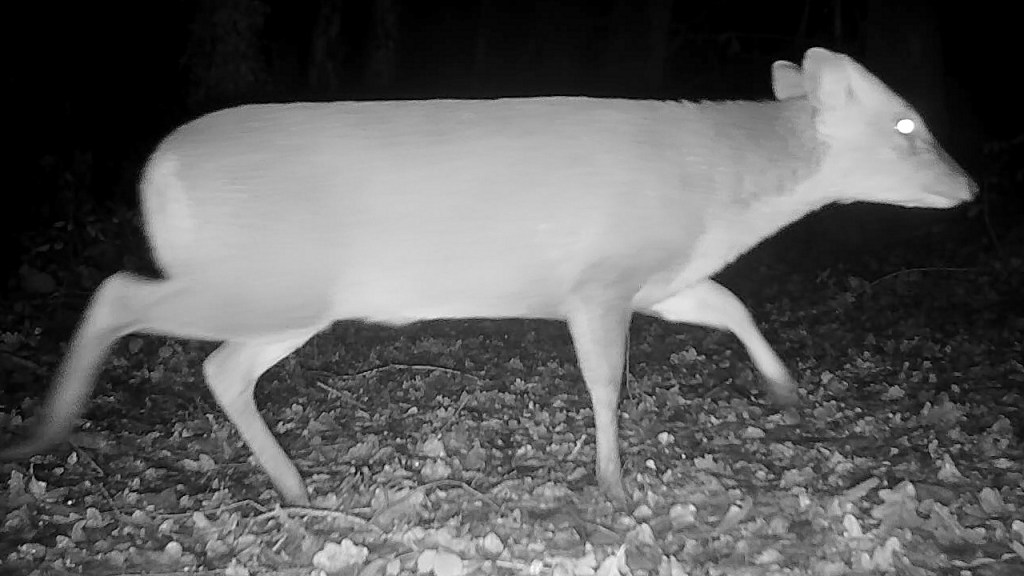
Chinese muntjac deer was introduced to Woburn Park in Bedfordshire at the start of the 20th century. A very small, shy stocky deer, the muntjac deer is about the same fox. It is gingery-brown, with a pale underside, darker stripes in its face, and small, single-pointed antlers. It also has a short tail. It is now considered a common animal across southeast England and can be found in woodland, parkland and even gardens. Muntjac deer are also known as ‘barking deer’ because of their dog-like calls.

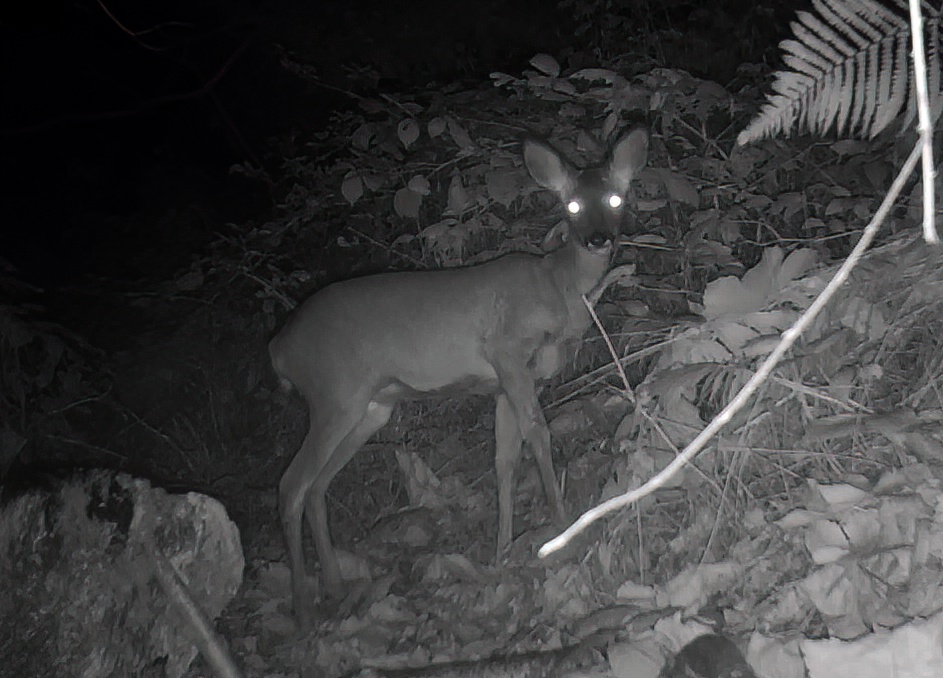
We have filmed this Male deer a couple of times over the last 2 years on our trail cameras – we are yet to see him in the flesh!

After the rain.

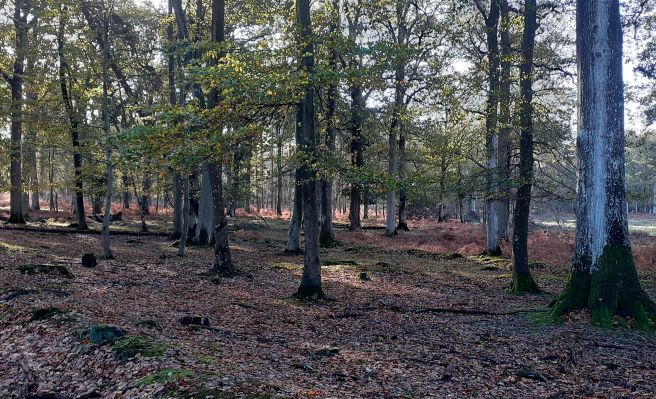
We left home in heavy rain this morning and it looked like my walk into the New Forest may be a washout however the BBC weather forecast was correct and by 9.30 the sun was out and the Autumn colours were looking good.

Fallow Deer are the deer that most visitors to the New Forest see. Although not a native species, to the forest. The New Forest was William the Conqueror’s first hunting forest in England, and the hunting of fallow stags took place for over 900 years until it was outlawed in 1997.

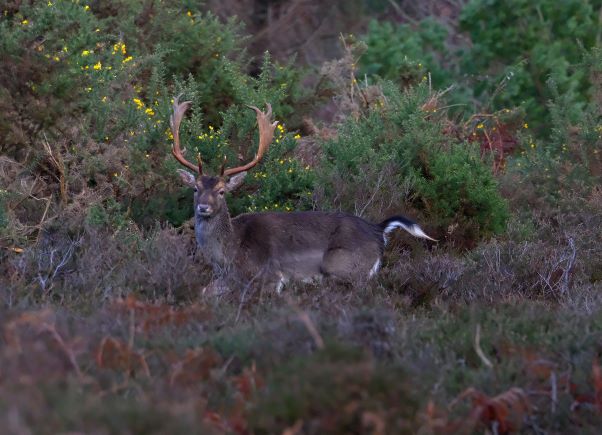
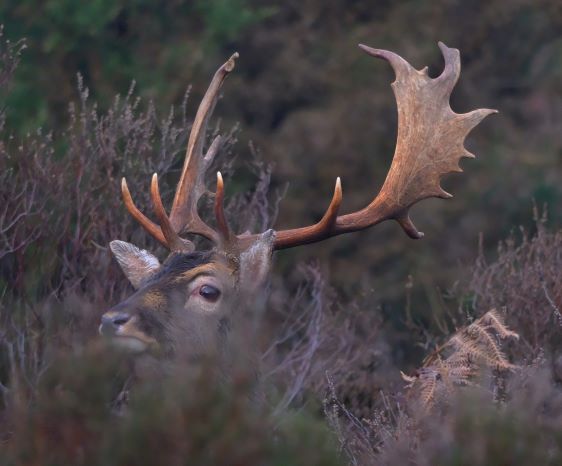
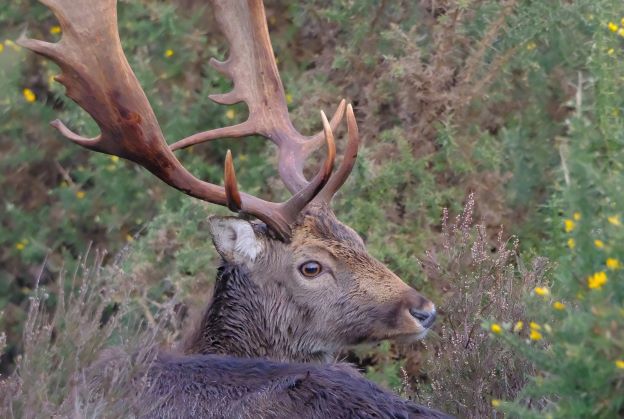
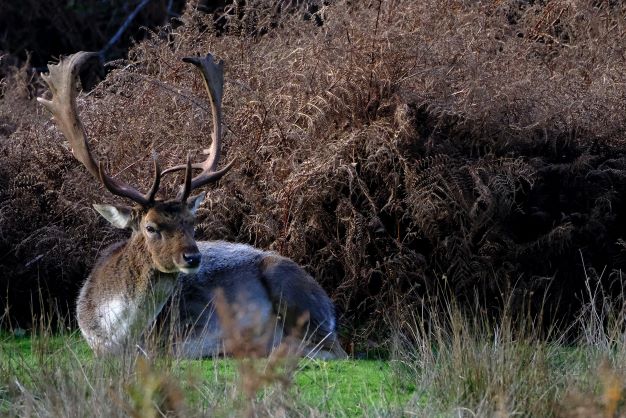
I only saw one Stag but he was worth spotting and decided to sit down rather than move on!

Life passing the ditch.

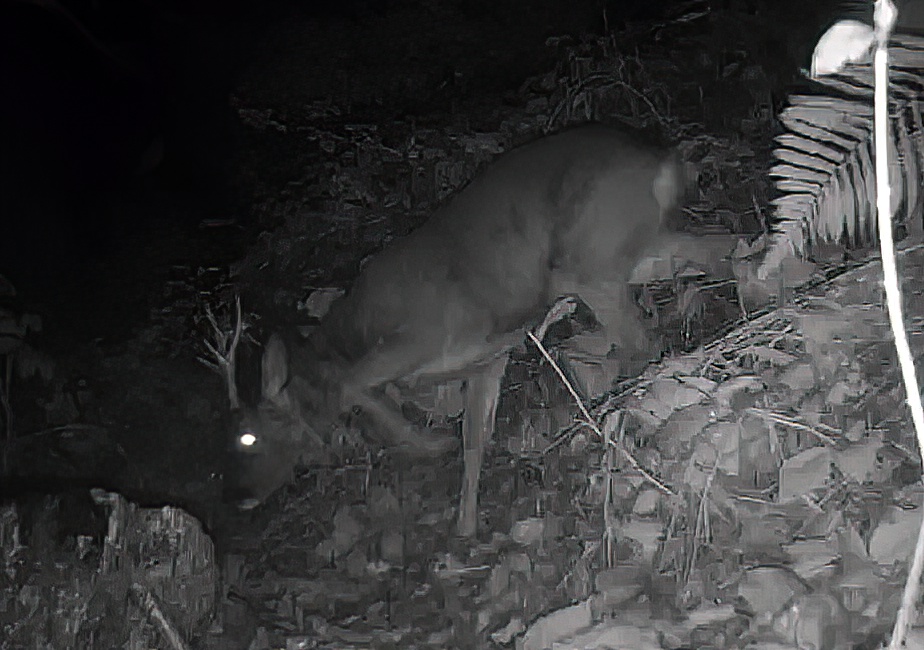
Day and night wet or dry there is always someone crossing the ditch. Trail camera footage and stills from the film.

Roe Deer.
Lots of Robins pass the camera with their bright red breast you would think they would stand out but in the autumn leaves, they are quite camouflaged .

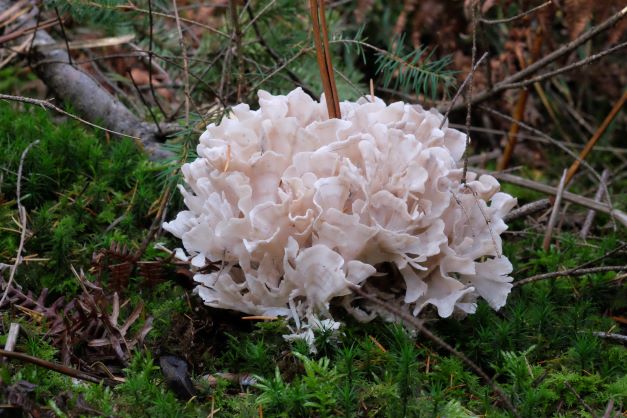
Cauliflower of the woods.

Cauliflower Fungus, Wood Cauliflower, and Brain Fungus are uncommon. the visible parts of this fungi above ground are fattened lobes in colour they can be light brown, buff to yellow/grey to creamy white. They have no gills, but this mushroom has tiny pores. It is found on conifer roots, especially pine. It is claimed they are good to eat.

Deer stalk

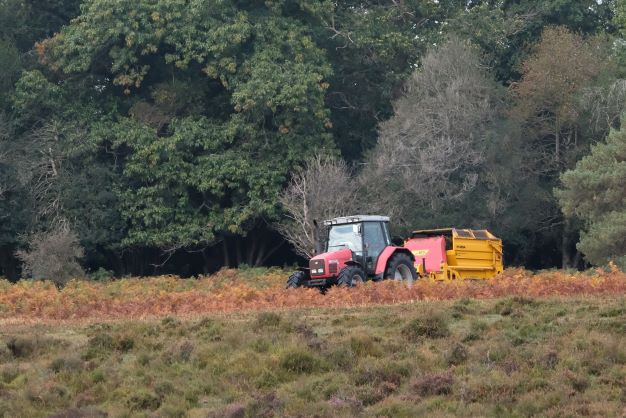
Today we decided to go on a deer stalk but very soon decided it might not be such a good day for it as they were cutting the bracken where we were walking. Studies have shown that management of bracken stands should be reduced because the excessive build-up of bracken litter causes a decline in species diversity leading to a negative impact on the conservation interest of the bracken-dominated habitats.

However walking deeper across the heath and in to small pockets of mature woodland we soon spotted a number of Fallow Deer. (Bucks)

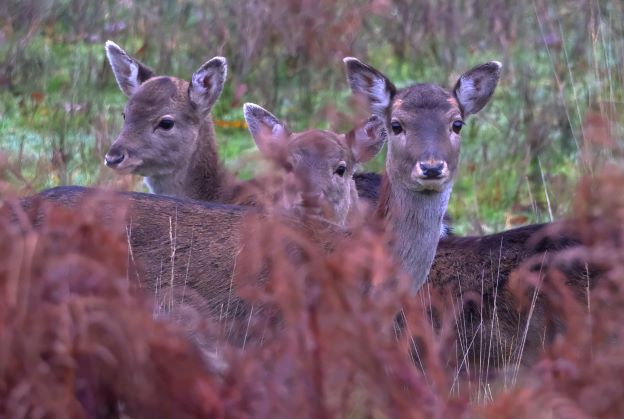
At first the herd moved away but settled down and watched us trying to blend in with our environment.
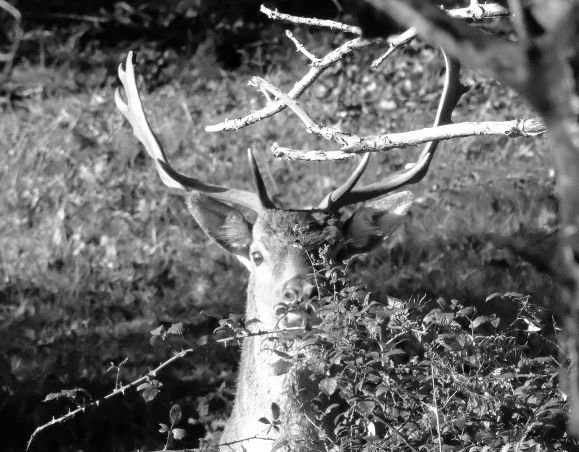
Further on after seeing this young bucks we spotted a small herd of hinds slipping away into deep woodland.