New Forest April visit.

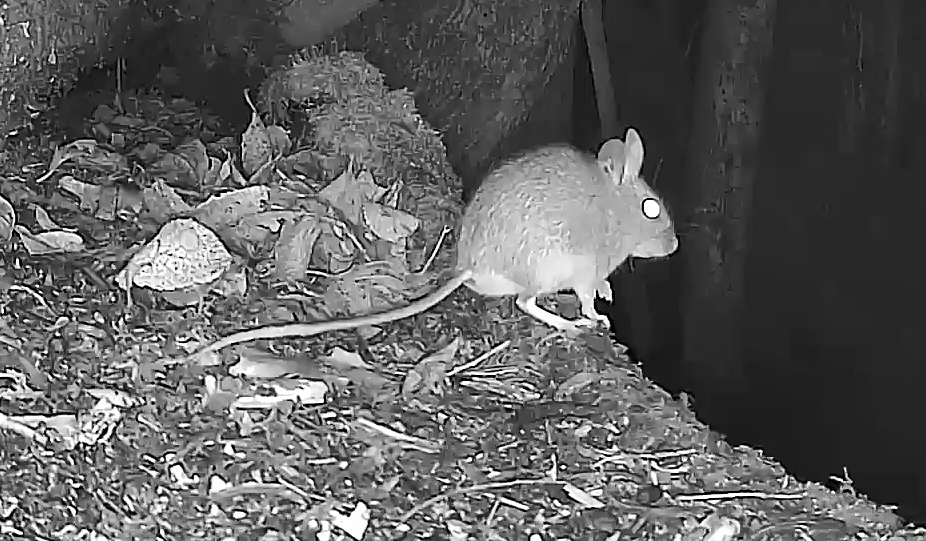
Our first visit to the New Forest in April this year with a fair walk deep into the forest to collect camera footage from where we left our trail camera last week. Returning to the van we found another Badger’s sett – we now know where 3 setts are located – It is interesting that once you understand these mammals’ behaviour and how they build their setts you can spot clues in the landscape where to look. Below is the footage from my brother’s camera which got the best footage.

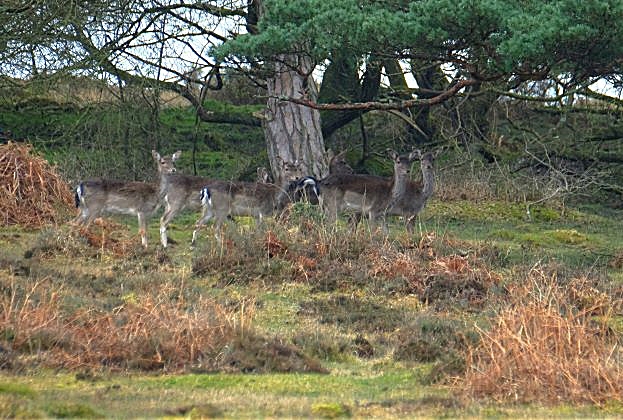
As always some Fallow deer sightings on our walk.
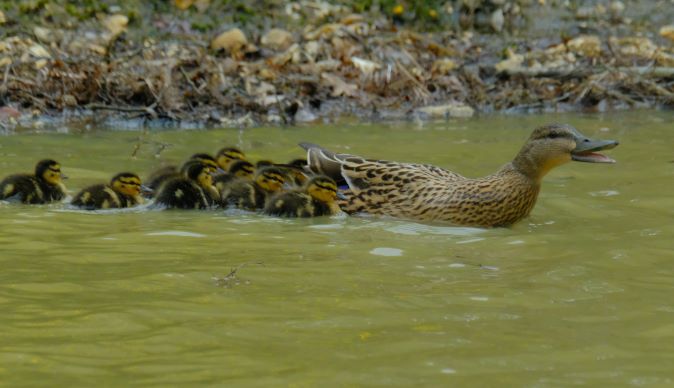
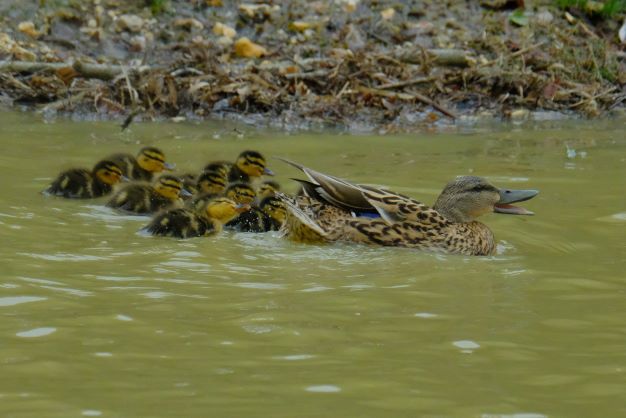
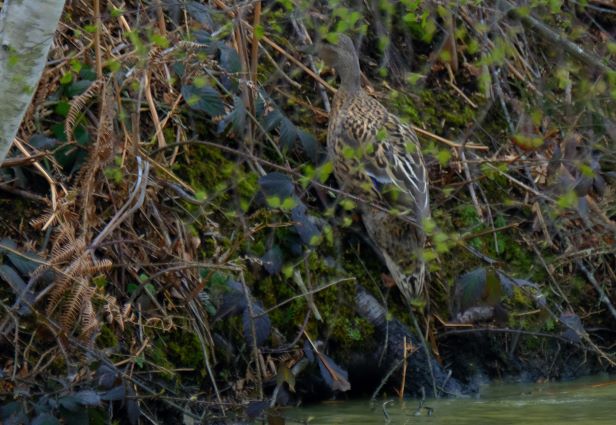
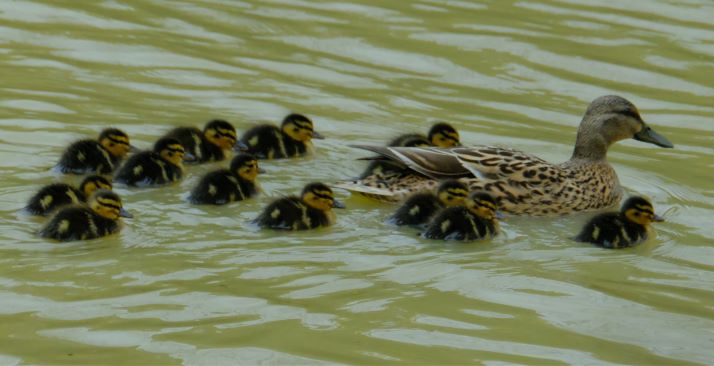
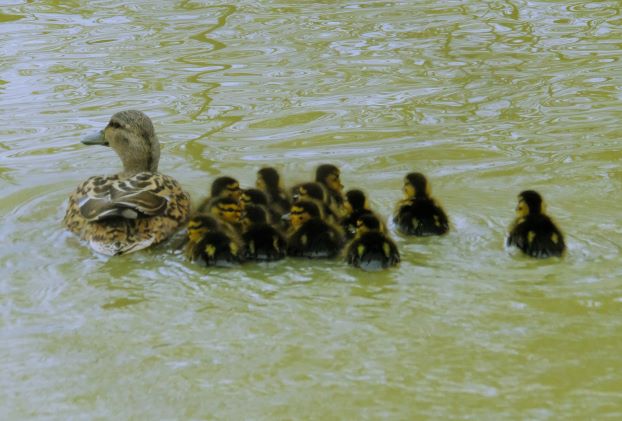
After the badger walk, we checked out a forest pond, where we saw our 1st ducklings of the year. This mum was being hassled by a group of drakes so she moved them away onto an island out of their reach.
Bird ID help.

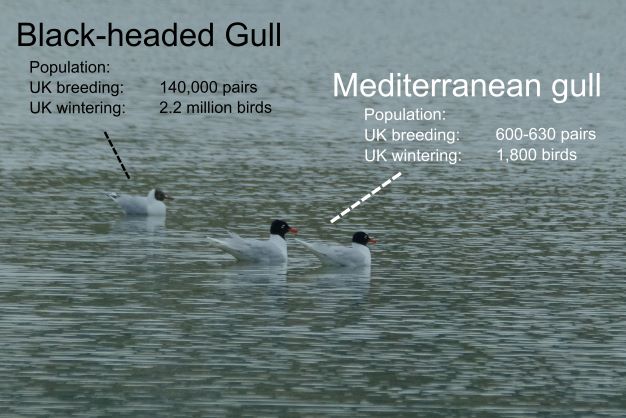
Mediterranean Gull or Black-headed Gull (summer plumage).

For a long time, I tried to spot Mediterranean Gull among all the Black-headed gulls and was never quite sure I had seen one, last year I spotted a pair at Titchfield haven and when you see one it is clear they are different from the nearby Black-headed gulls. This year there are a lot more Mediterranean Gull although some distance away I made this film to show the differences.

Black-headed Gull
Mediterranean Gull

Another pointer that is difficult to see in pictures or at a distance is the Black-headed Gull’s head black is in fact dark brown when you take a close look and the Mediterranean Gull has a jet black head colour.

Cadman’s Pool.

One of my favourite starting places in The New Forest for a walk is Cadman’s Pool It was the idea of Arthur Cadman who was Deputy Surveyor of the New Forest in the 1960s. The pond is on Ocknell Plain, and at the edge of Stoney Cross Airfield (a WW2 aerodrome). It was dug to enhance the aesthetic appeal of this corner of the Forest.

After a circular walk and the placing of our trail camera’s on a badgers sett we found on last weeks walk in the area I was able to spot some wildlife on the pond.

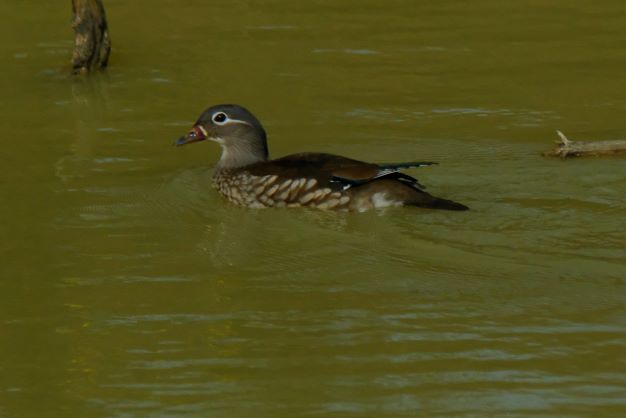
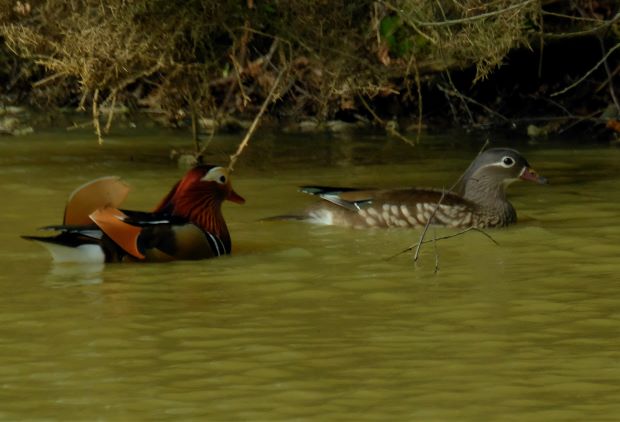
These Mandarin Ducks have paired up and seem to have established their home on Cadman’s Pool. As I have posted before there is a group of about 6 ducks on Eyeworth Pond which is about 2 miles away as the crow (or duck) fly’s so I suspect these have relocated from there.

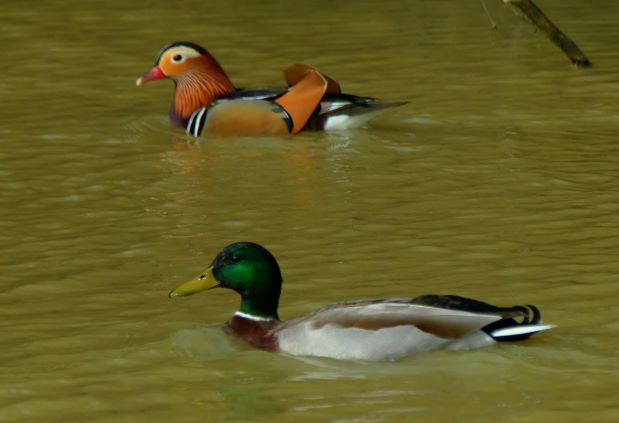
This picture gives you a good size comparison of the Mandarin with a Mallard.

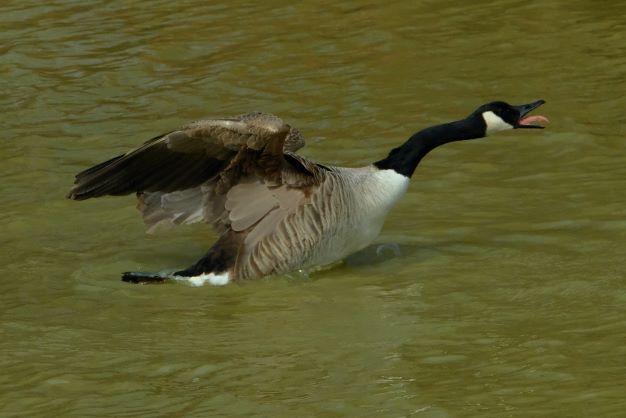
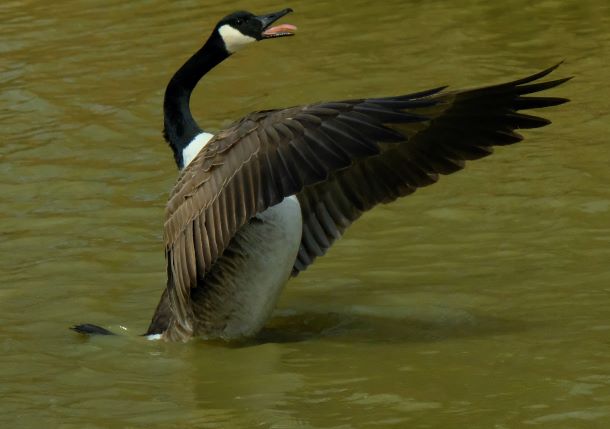
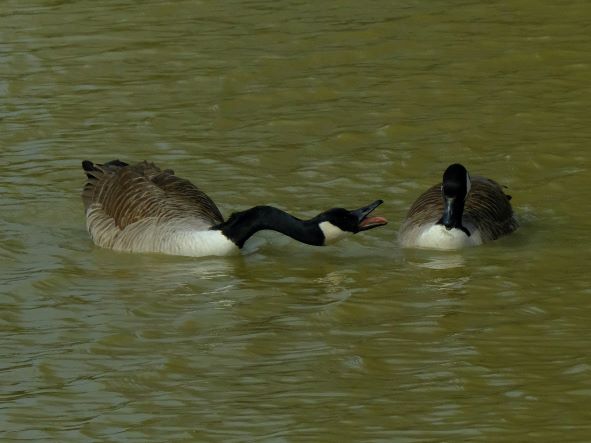
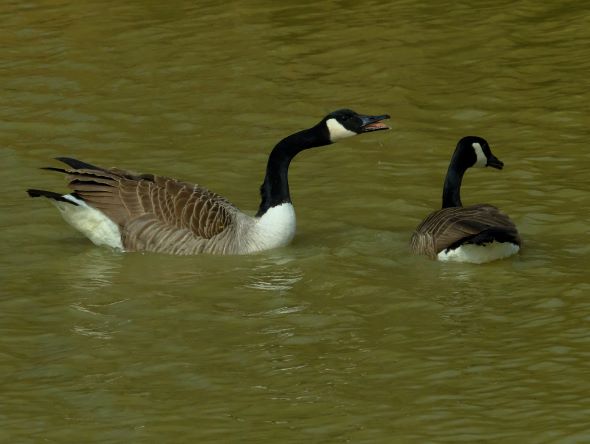
About 6 Canada Geese were pairing up – A rather noisy process!

Valley of the Rocks.

Camper van trip {pt2}. Valley of the Rocks or Goats

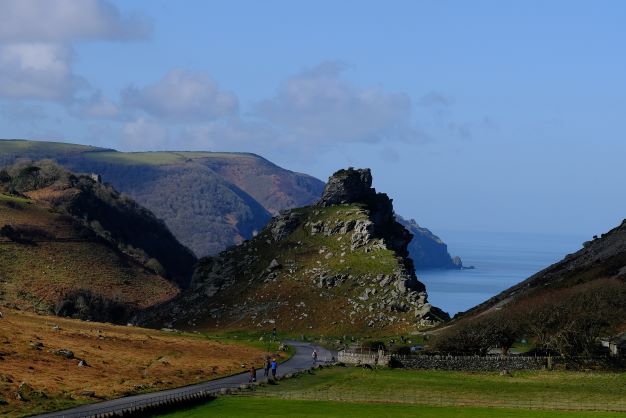
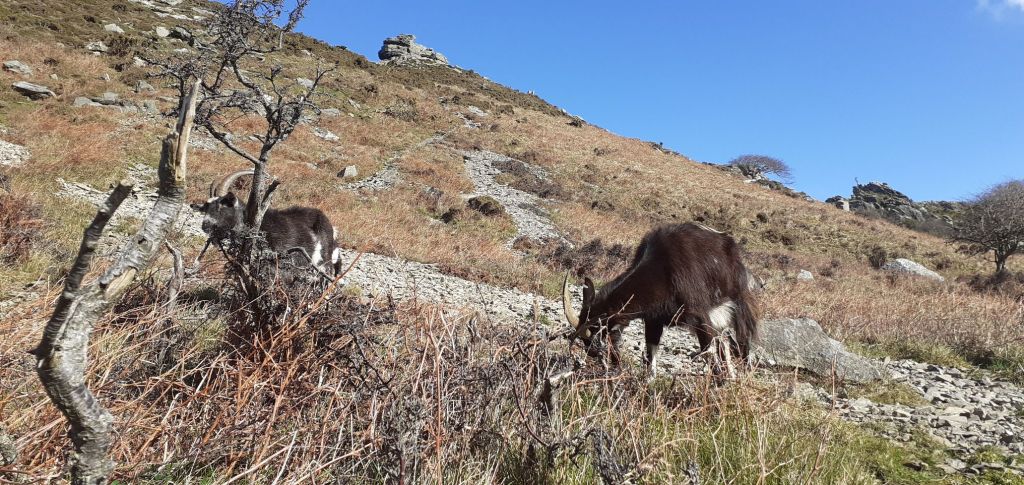
Valley of the Rocks is a dry valley that runs parallel to the coast in north Devon, near the village of Lynton. A spot visited by tourists for years to walk and see the landscape and geology.

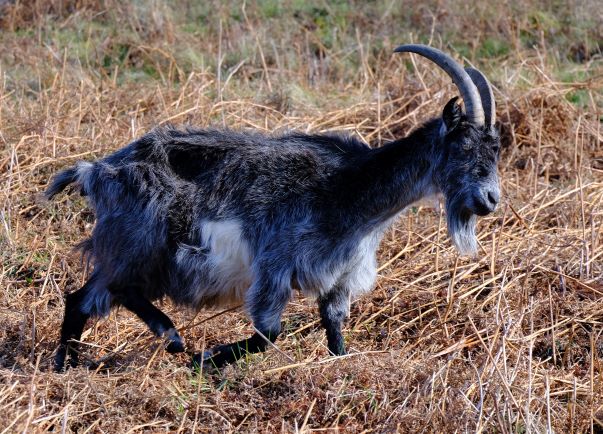
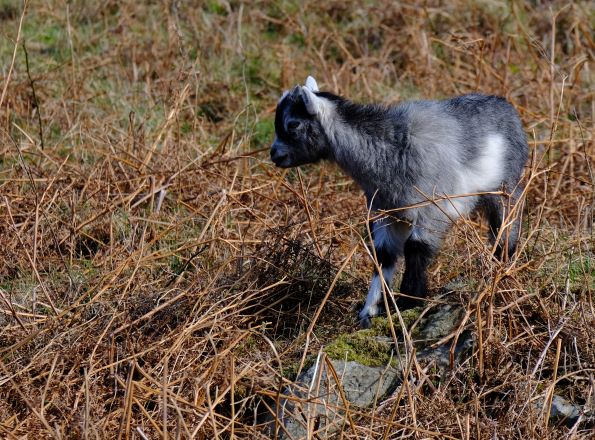
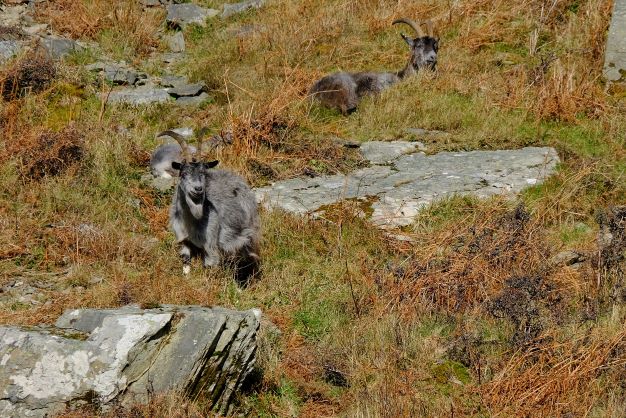
There is a herd of feral goats wandering, in the valley, A herd of 75 goats were recorded in the valley in the Domesday Book in 1086. In 1976 the current herd was introduced to the valley when it was realised that they had a role in controlling the vegetation growth. I have visited the valley and seen no goats other times I have had to walk up the rock outcrops to see them but when we visited this week many came down near the car park.

Exmoor Red Deer.

Camper van trip to Exmoor. {Pt1}

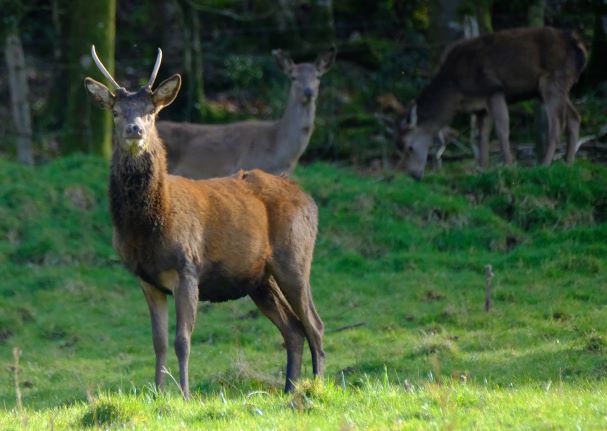
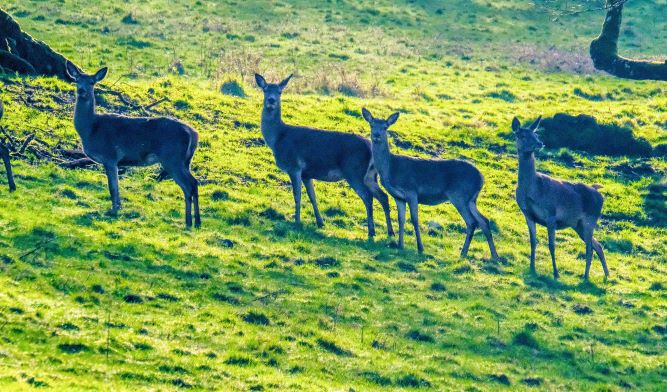
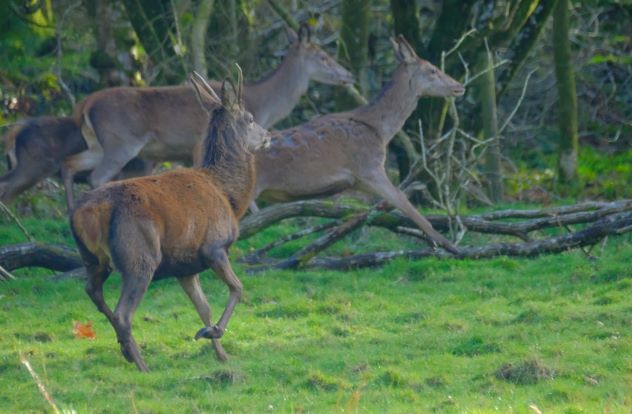
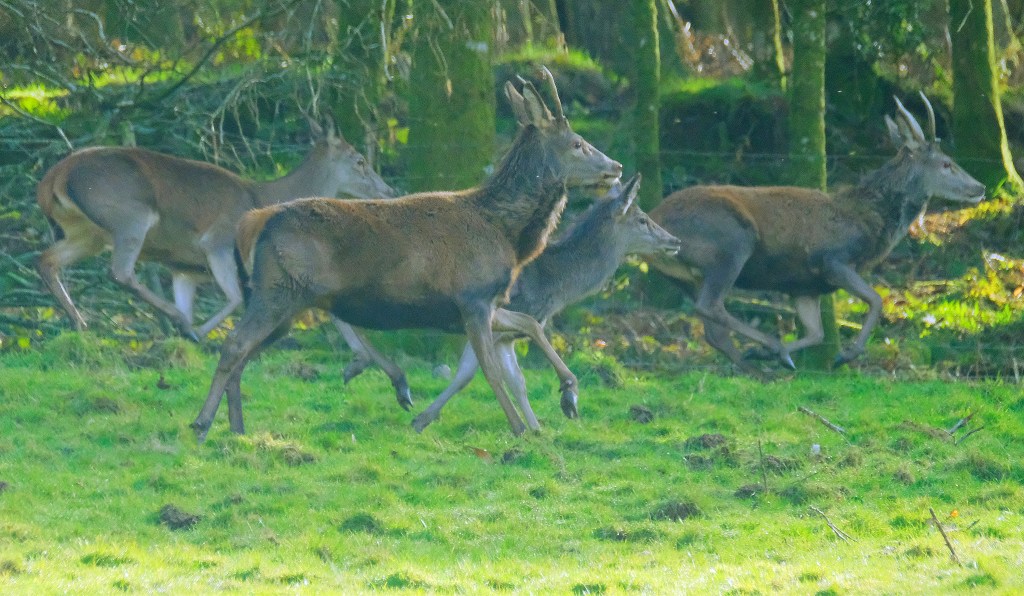
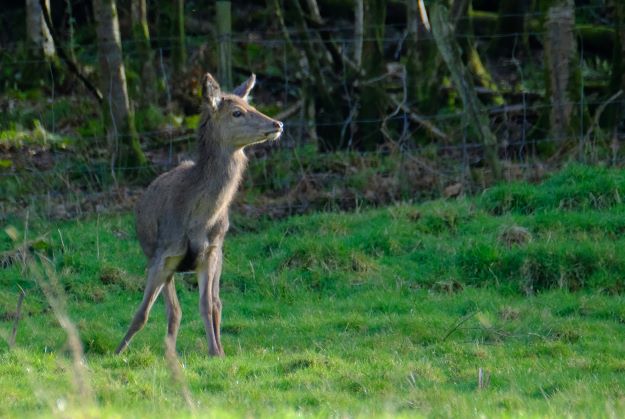
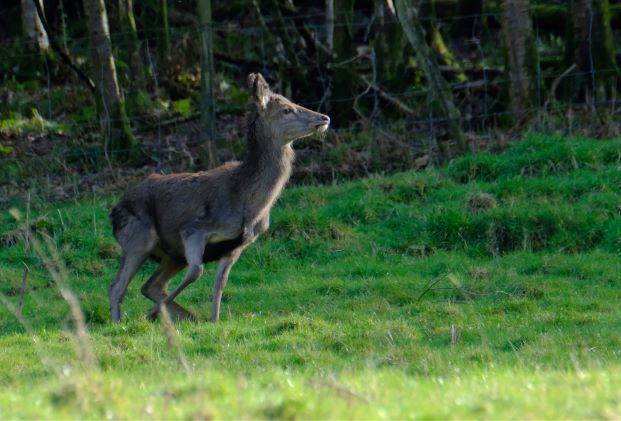
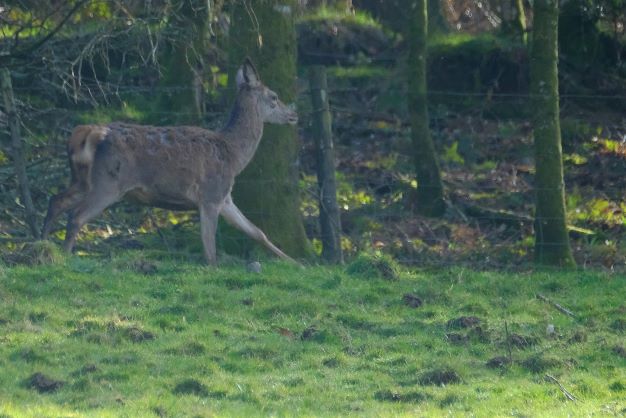
Returning to our campsite and as the light was starting to drop we spotted a herd of Red Deer young Stags (males) and Hinds (females). From the lane, they were interested in us as much as we were in them after a good look at each other they moved off back into the woodland.

Red Deer are the UK’s largest deer. Males have large, branching antlers, increasing in size as they get older. The Stags spotted are young animals given he had fairly small non-branching antlers. Red Deer live on moorland and mountainsides, as well as grasslands near to woodland. They are common in Scotland, particularly the Highlands and Islands. Red Deer are also found in the Lake District, Exmoor, as well as the New Forest.

A host, of golden daffodils.

A short local walk to collect our trail cameras some nice views of a Muntjac deer on one of the cameras. Introduced from China to the UK in the 20th century. Although an invasive, non-native species today they are protected in the UK under the Deer Act 1991.

Some facts about this small deer which is about the size of a medium-sized dog.

Length: 77-91cm
Shoulder height: 45-52cm
Weight: 10-17kg
Average lifespan: 10-13 years

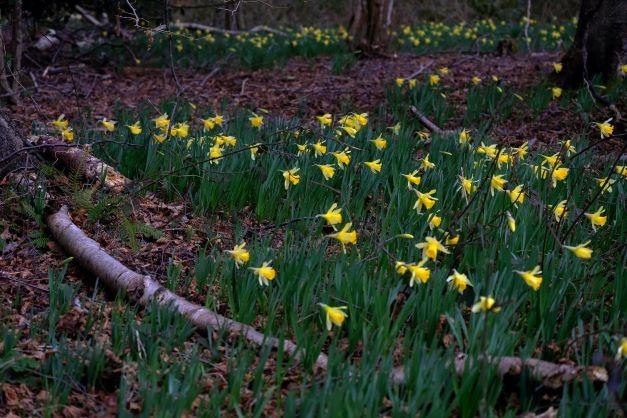
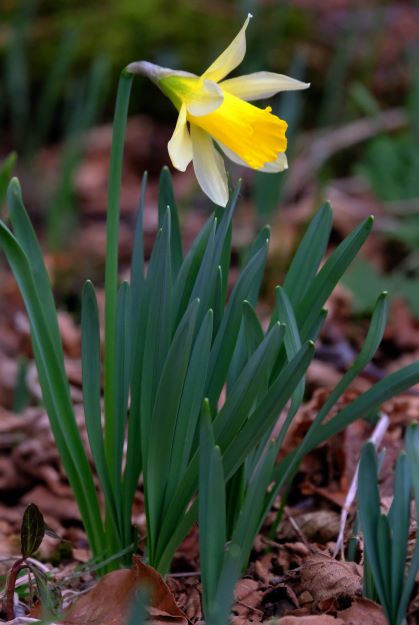
Wild Daffodils are now out in flower which gives a splash of colour to this dull time of year, I am glad we are moving into spring. Also known as the ‘Lent lily’ or ‘Easter lily’ this native Daffodil is smaller than many garden varieties. They are found in damp woods, fields, grassland and orchards. It is a rare plant but can be abundant in some areas. 

Avocets.

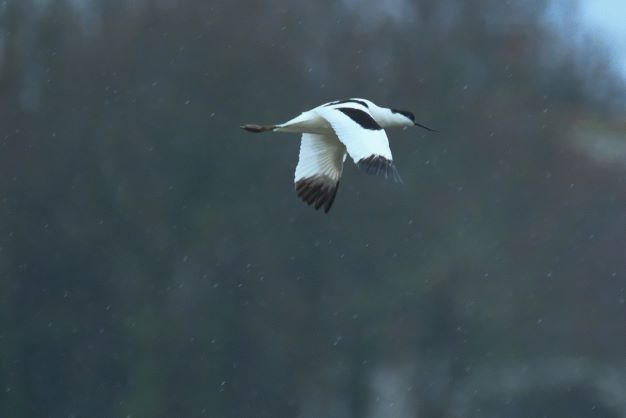
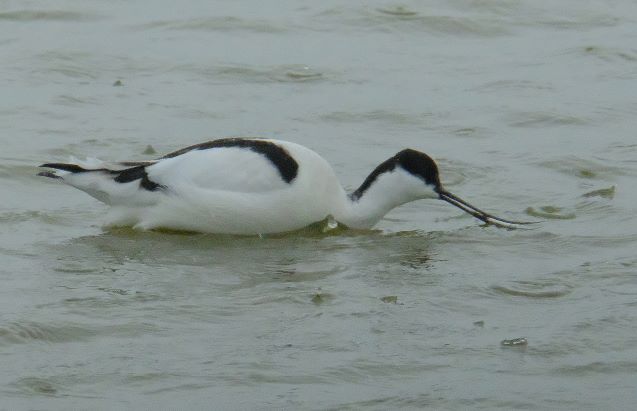
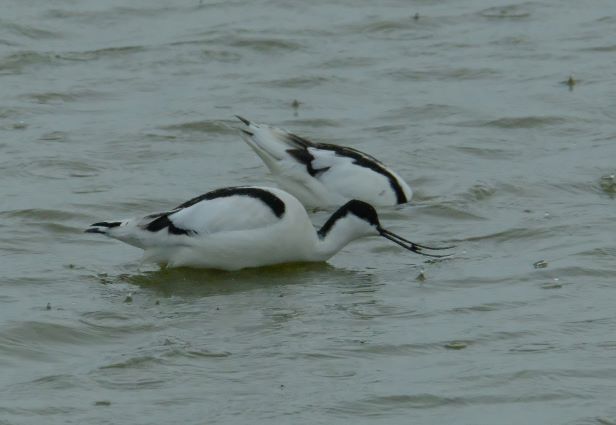
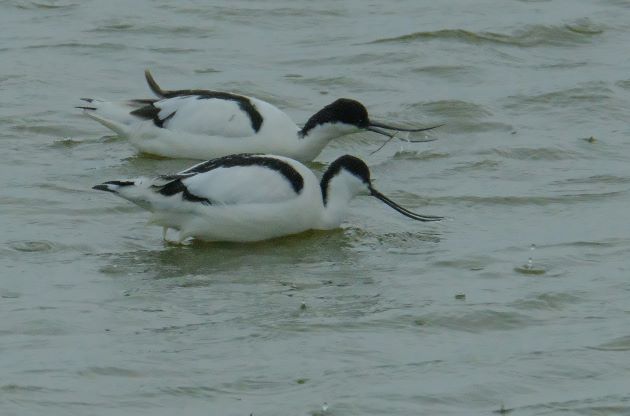
Avocets have started arriving at Titchfield Haven for the start of the breeding season. About 20 birds were spotted today in the rain! All a far way off but as more arrive, I am hoping for some close photographs.

An afternoon at the Beach.
Thursday I spent some time on the beach and filmed the flock of Sanderlings enjoying the afternoon’s sun.

This post is a movie only, Please note it runs for a little over 8 minutes. Is best viewed on a phone screen & the sound is only the beach and wind so best watched on low volume or off.