Is this the end of the world as we know it?

We have survived a heatwave last 3 days the weather has caused a total meltdown here in the UK. Being obsessed with the weather we Brits have been totally preoccupied with what the temperature is and our infrastructure failings however we have short memories and in a few weeks, we will have forgotten what the effects of extreme heat are and climate changes are and we will return to our selfish ways.

A major fire swept through Hook nature reserve on Southampton Water near Washash.

We have been spending a lot of time during the heatwave by the sea at our usual spot on Meon Shore. The sea breeze helped cool the air and allow some comfort.

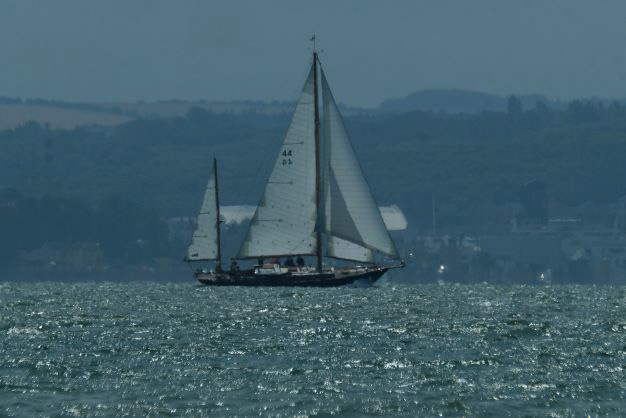
Probably the coolest place in the UK was on the water sailing in a yacht out in the Solent. These were sailing off Cowes on the Isle of Wight. Pictures were taken through a heavy heat haze from Meon Beach

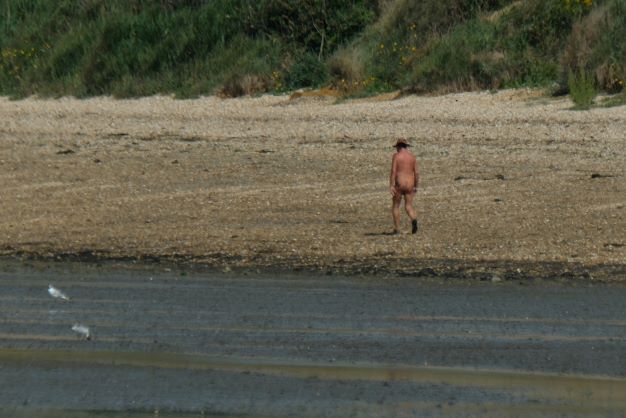
Some people found other ways of keeping cool! Please note a hat is essential.

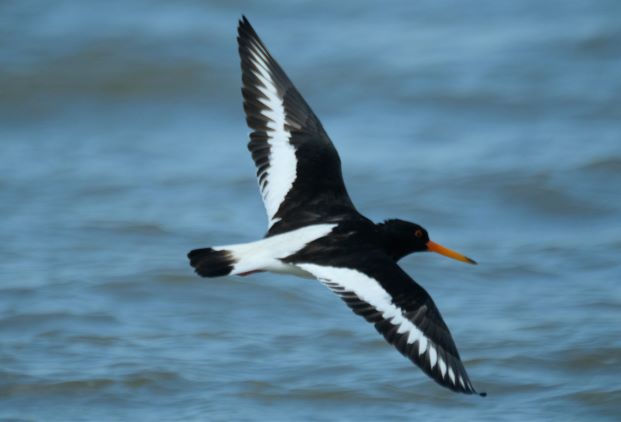
Some bird watching from the water’s edge. Despite the number of people on the beach birds were plentiful.

Oystercatchers.

Turnstones.

Herring Gull. (With attitude.)

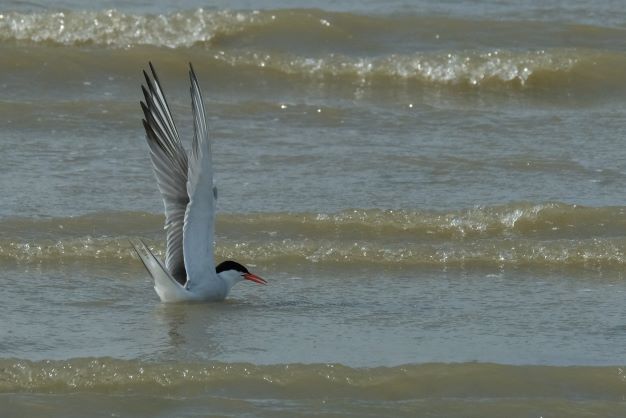
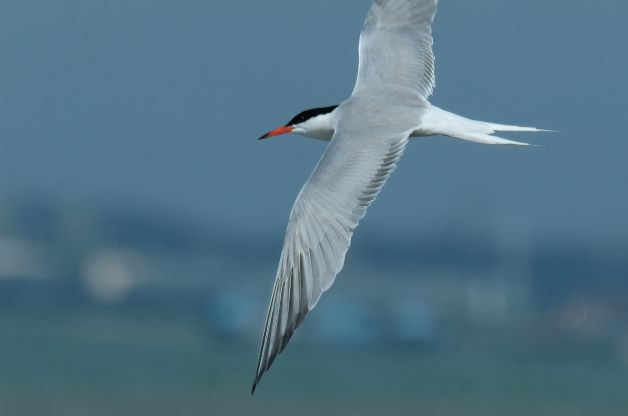
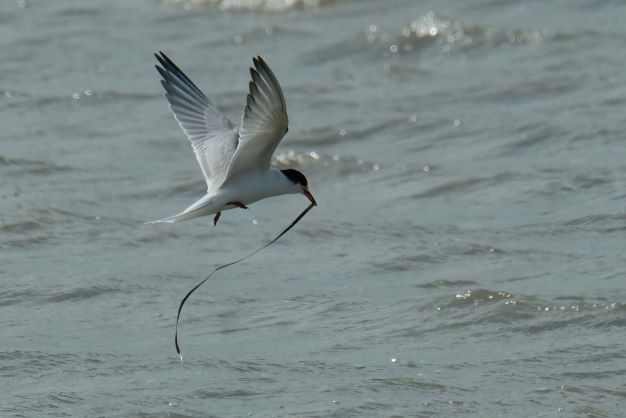
Common Terns.
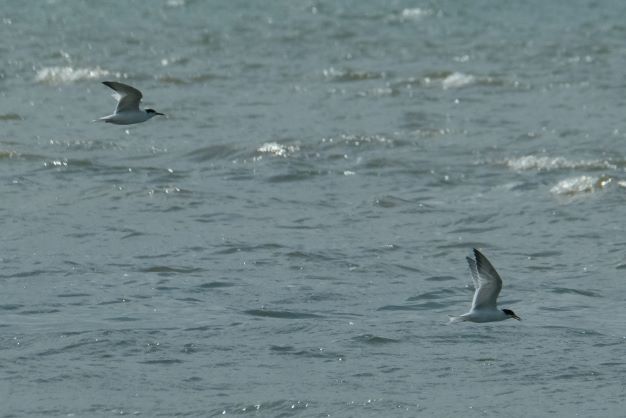
A young tern thinks he has caught a big fish!
Work goes on for others whatever the weather.

Experimental Hovercraft.
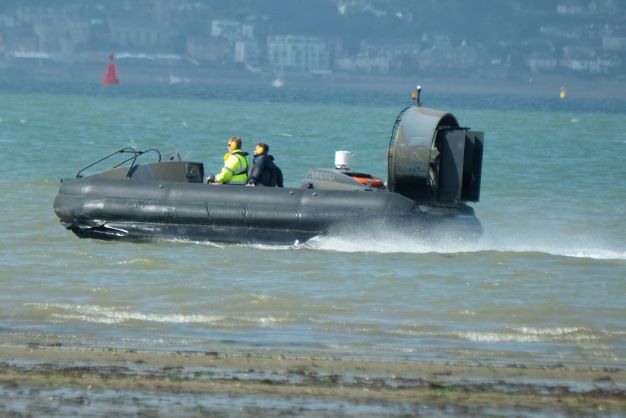
Shipping leaving port.

Search and Rescue Helicopter on patrol.

Thunderstorms and cooler weather are now forecast.

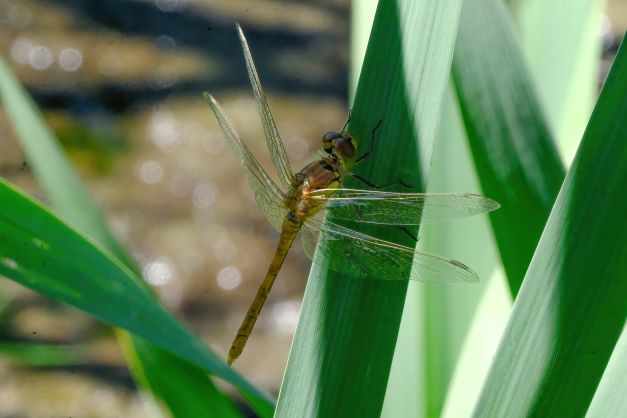
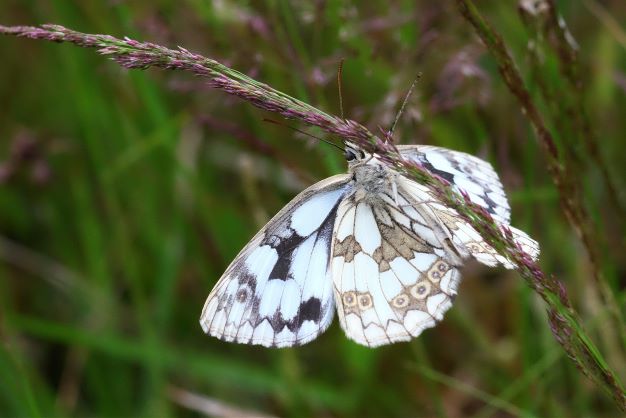
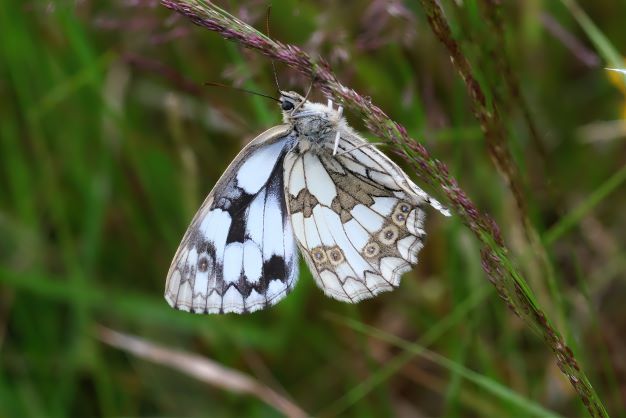
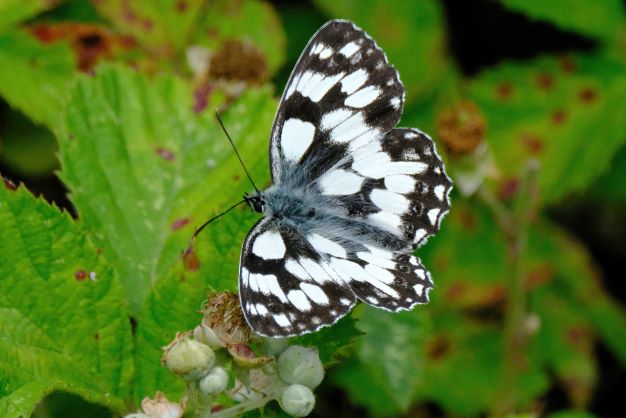
Black & White but colour pictures.

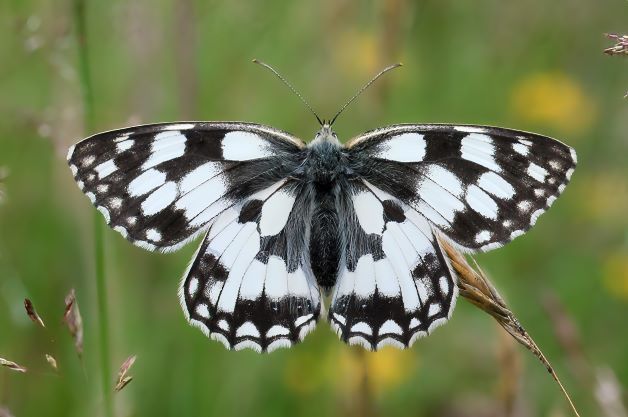
Despite this Butterfly being named after its appearance the Marbled White is more closely related to the subfamily known as the “browns” rather than “whites”. It is unmistakable, its black and white markings distinguishing it from other species found in the UK. It favours unimproved grassland where the grass may grow up to 0.5m tall. It is often found in large colonies. There are large numbers in our local fields which have been uncultivated for many years.

June Butterflies.

Butterflies I spotted in the South of Hampshire during June. Suddenly we are in Butterfly season the sun has come out and so have the Butterflies.

Ringlet. A Butterfly that is often seen at the edge of fields and along woodland rides.

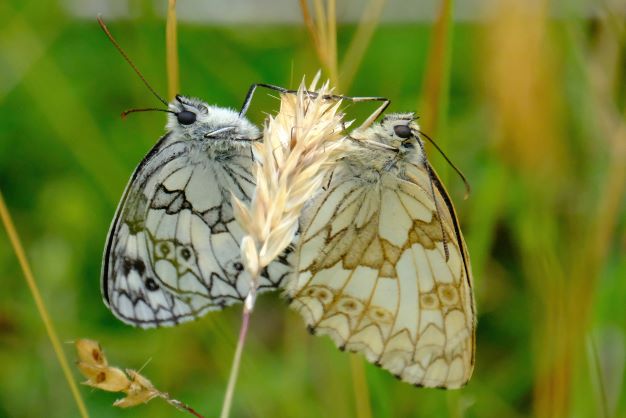
Marbled White. This is a handsome butterfly which we see in fairly large numbers in selective fields where it has been uncultivated for many years and the grasses have gone to flower and seed.

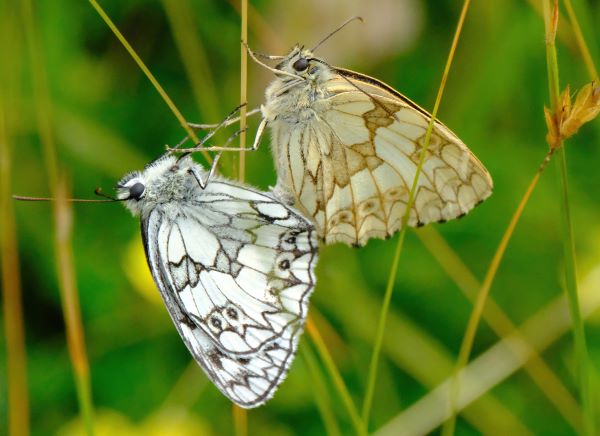
Below – A Marbled White pair mating (female on right.)

Comma. These dark orange-brown butterflies we spot only in small numbers but they are always worth a closer look.

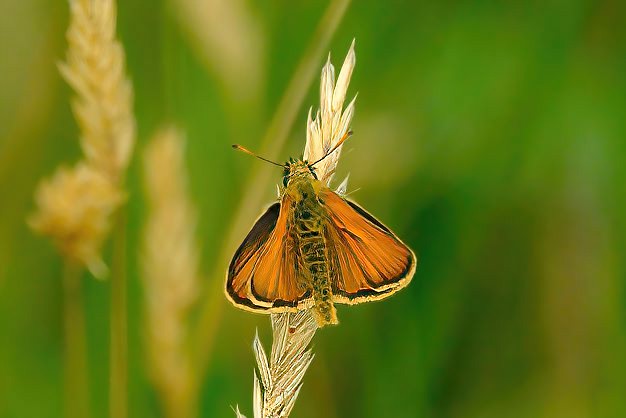
Small Skipper. Often confused for a moth this is a common butterfly in our local fields.

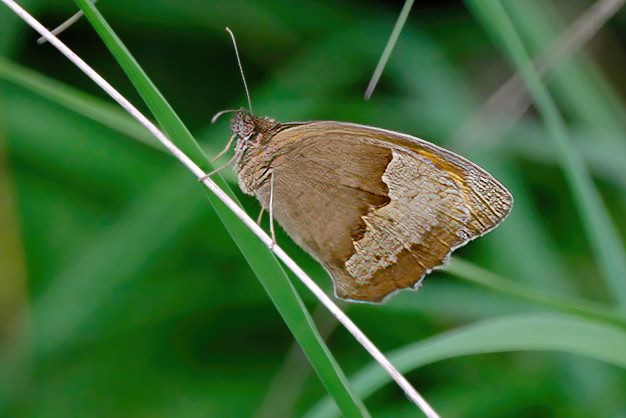
Meadow Brown. Is a bit of a non-descriptive butterfly which can easily be overlooked.

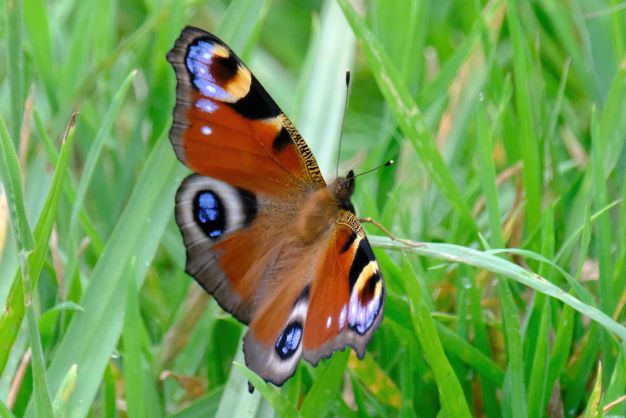
Peacock. The large eye markings are unmistakable on this large Butterfly.

Speckled wood. Another butterfly that enjoys sunny spots in our local fields especially on brambles at the field edges.

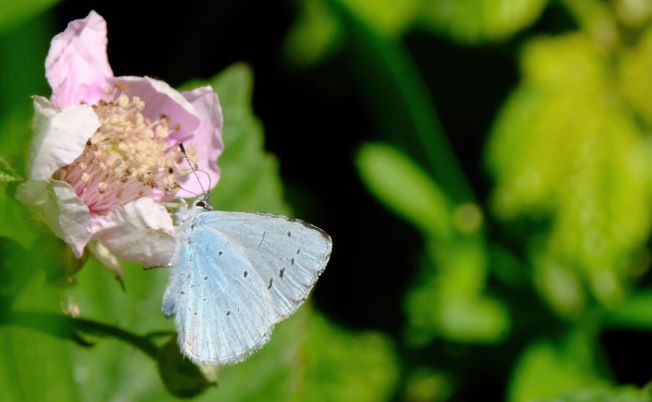
Small Blue. (I believe). A small blue butterfly this one is on a Bramble flower.

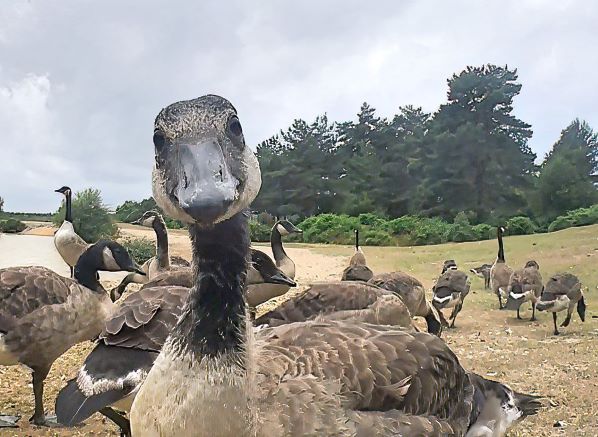
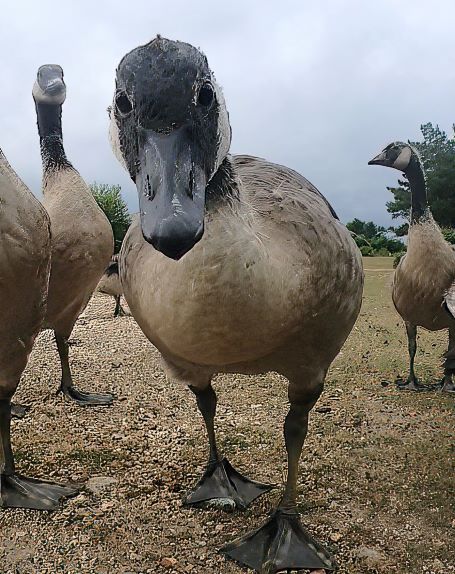
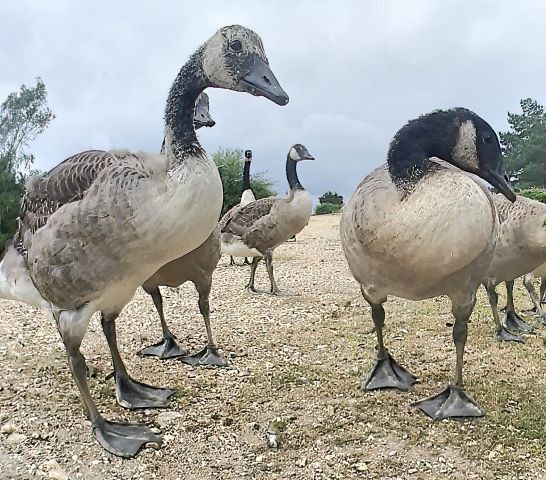
Smile you are on camera!

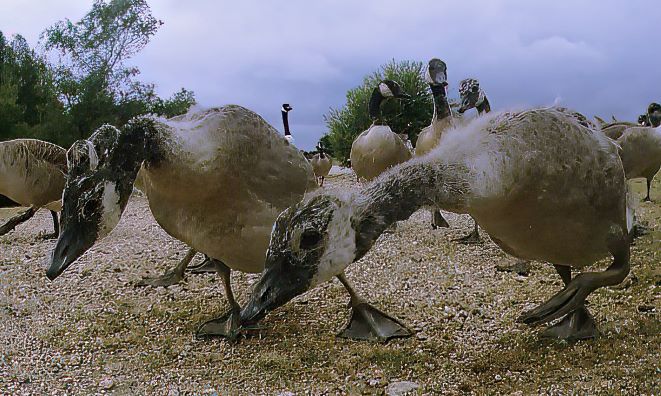
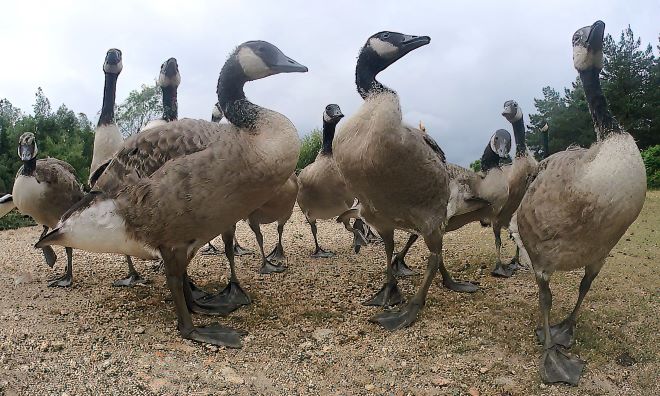
The Canada Geese goslings have grown up so much over the last few weeks. Three families despite the odds have raised all their little ones into “teenagers”.

I placed my small action camera {Olympus Tough} on a stool and let it capture the geese coming over for a feed. Video and stills from the film. Some of these portraits have got to make you smile.

Brighton

Royal Pavilion.

By 1780, the development of the Georgian development of Brighton was underway with the development of grand Georgian terraces – the fashionable resort was regularly frequented by the Prince Regent later King George IV. Spending much of his leisure time here he constructed the Royal Pavilion. with the coming of the Railways and only 47miles from London Brighton continued to develop and became a popular Victorian holiday resort.

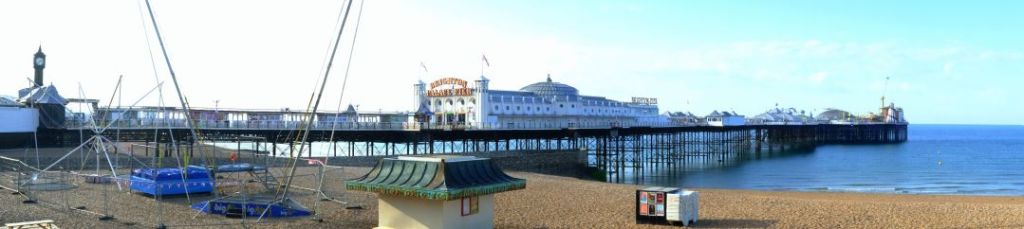
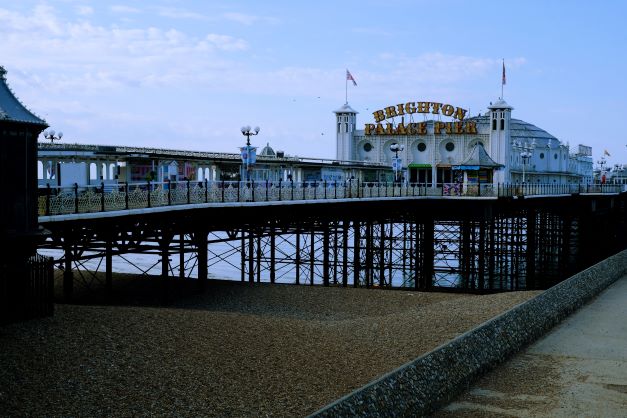
Palace Pier.

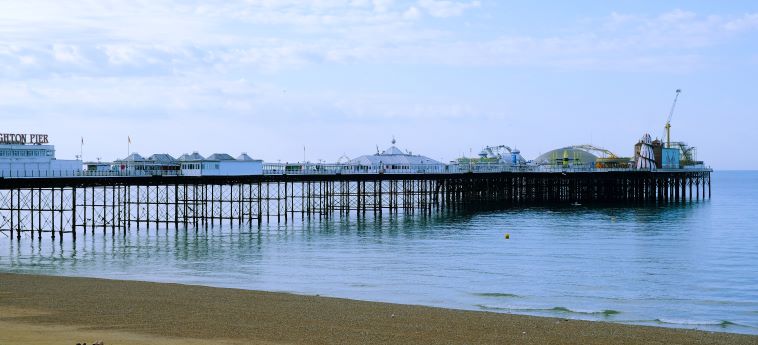
Brighton had 2 piers the West Pier was constructed during a boom in pleasure pier building in the 1860s, it was designed to attract tourists to the town. The West Pier was developed further in 1893, and a concert hall was added in 1916. It complimented the first pier the Royal Suspension Chain Pier which was built in 1823. It was replaced by the Palace Pier in 1889.

Today only the Palace Pier remains the West Pier was closed to the public in 1975 and fell into disrepair and gradually collapsed. After a number of fires, the pier is now just a frame.


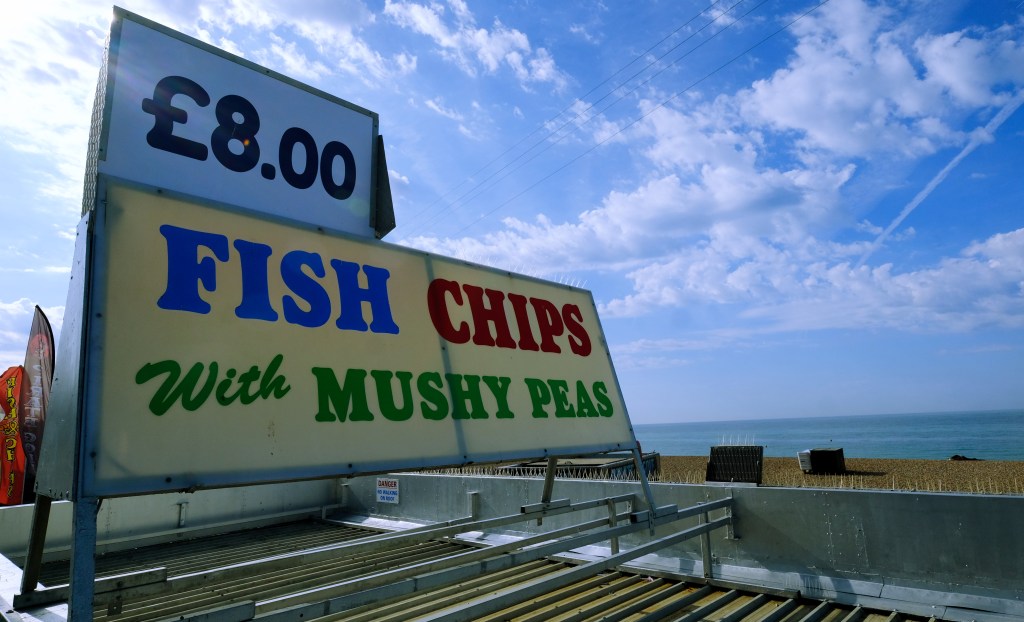
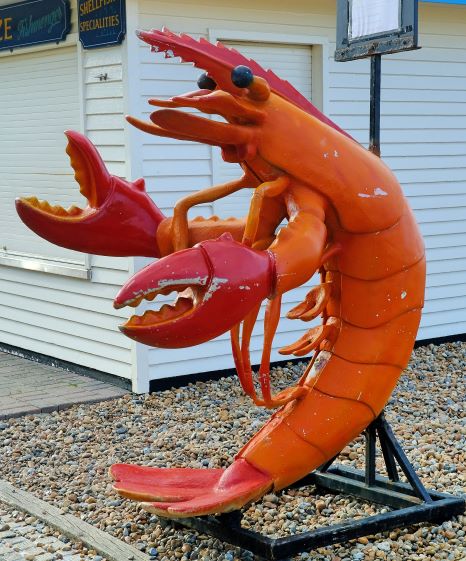
The seafront has all the trimmings of a British seaside destination.

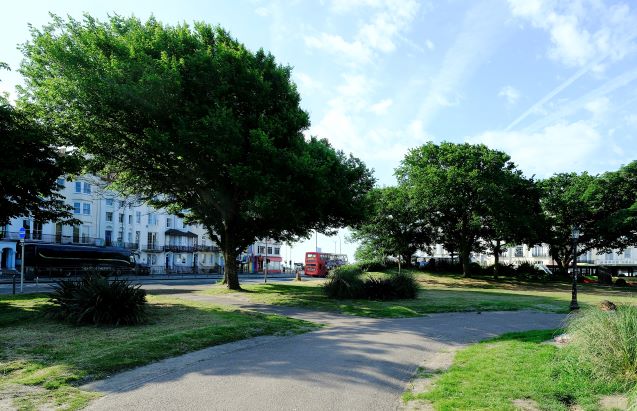
Just a tree!

English Elm trees dominated the British landscape, especially in Southern England, but were ravaged by Dutch elm disease in the1960s. Today it is only found occasionally in hedgerows or woodland. This rare tree has a small number of mature trees in Brighton. They are carefully managed by the council. I can not recall seeing an Elm Tree so one off the bucket list on our visit to Brighton.

Moorland wanders.

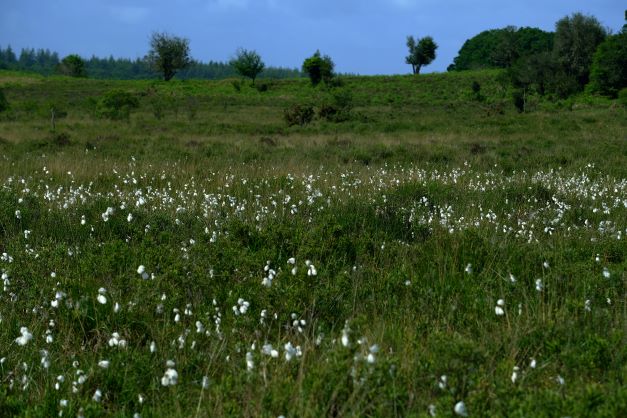
A Moorland walk in the New Forest this morning.

Common cotton grass has fluffy, white seed heads that dot boggy moorlands and heaths its bright heads show up across the landscape which looks like something has been dropped until you get close enough to see it is a seedhead. Despite its name, common cotton grass is a member of the sedge family, rather than being a true grass.

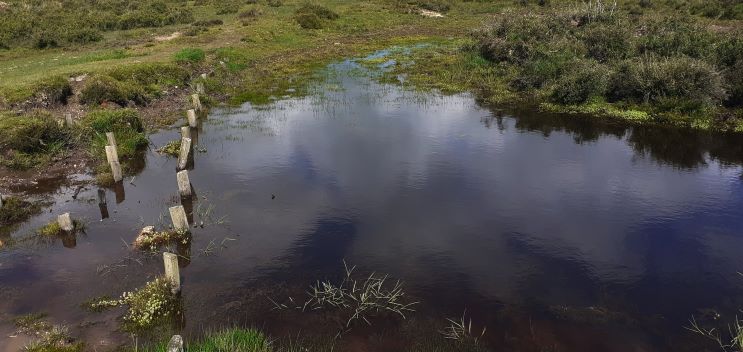
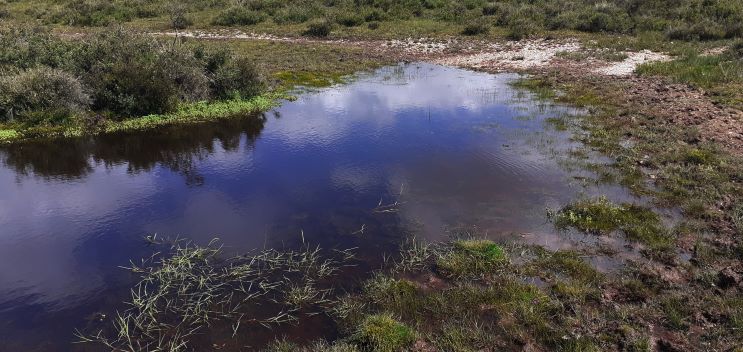
In the winter we came across a small pond on the moor and decided to return in the summer as it

looked like a good site for Dragonflies, we returned today and it was.

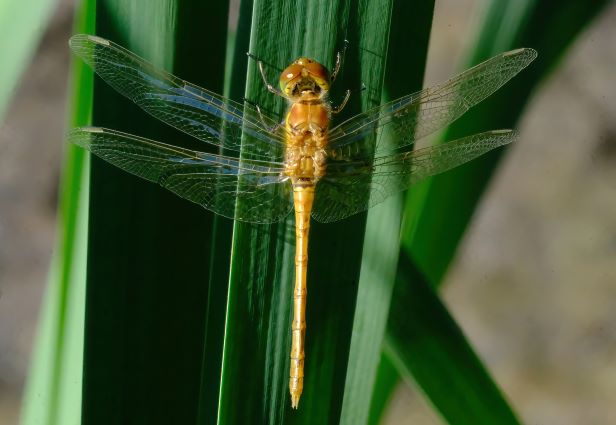
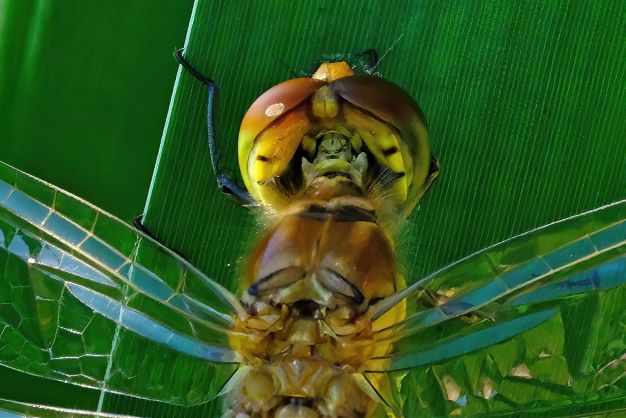
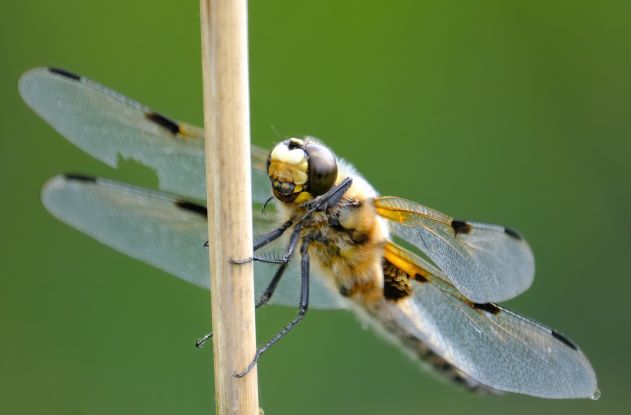
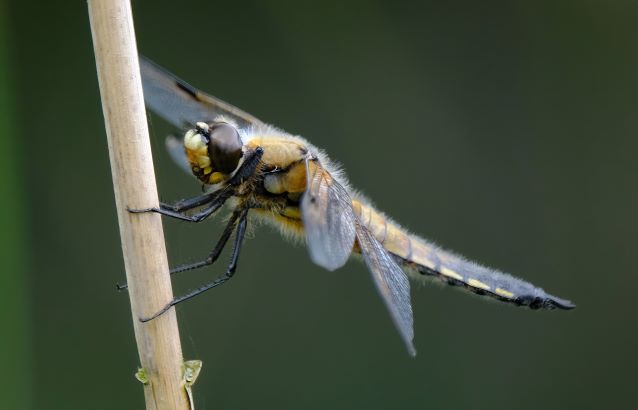
Female Broad-bodied Chaser.

Male Broad-bodied Chaser.

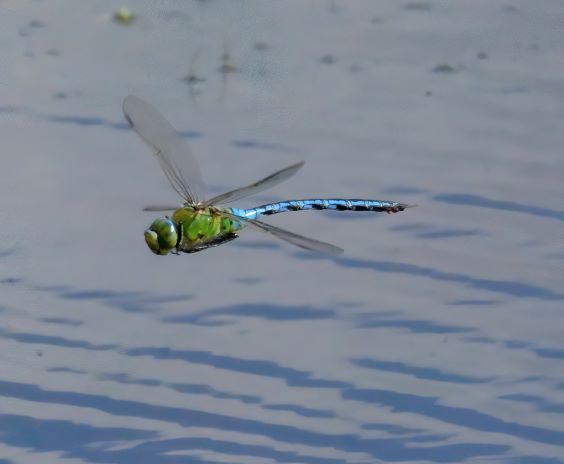
Male Emperor Dragonfly.

Female Emperor Dragonfly. Egg-laying.

A Male Stonechat keeping its distance from the pond.

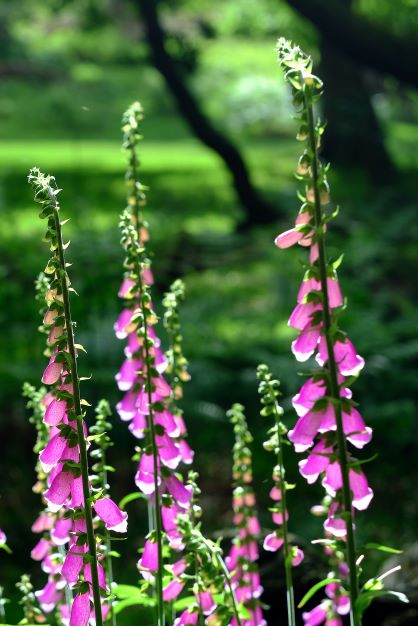
Foxgloves are now in full flower.

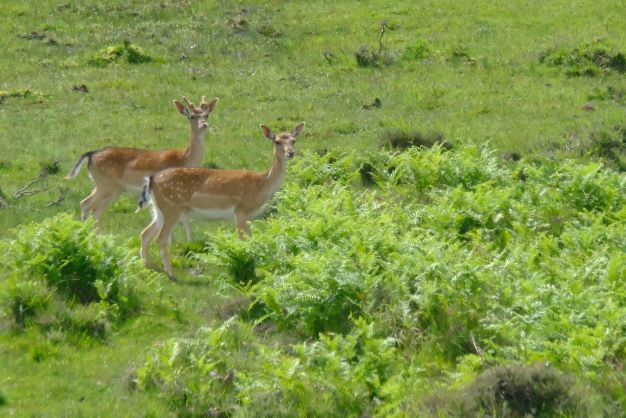
Fallow Deer are never far away on a New Forest walk.

Action stations.

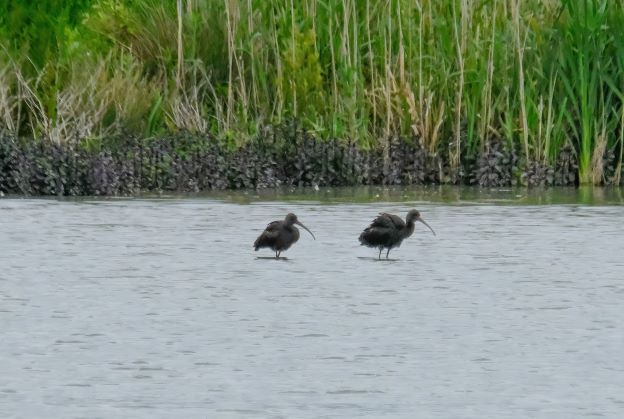
More from Titchfield HavenNature Reserve and today I had another 1st for me with a distant view of a pair of Glossy Ibis. In the UK they are considered rare migrants and winter visitors from SW Europe with typically less than 100 recorded per year although they are increasing – there have been recent reports of this bird on social media on nature reserves near Portsmouth and on the coast of the New Forest. Southampton Water is between these two reserves so I guess a sighting at the Haven was likely.
Both birds were a fair way off but I got a few pictures and a short video.

A Glossy Ibis picture that was taken in Florida USA by my brother.

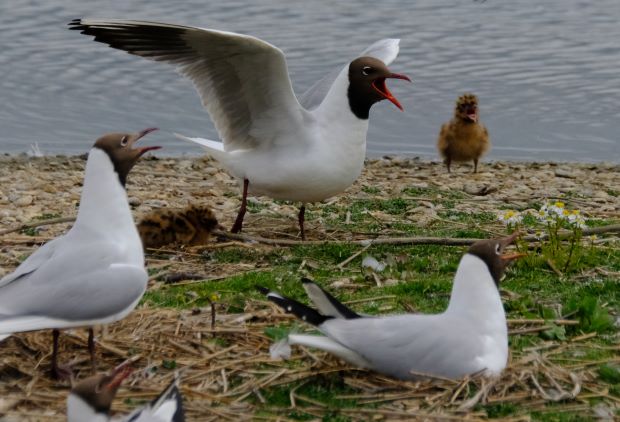
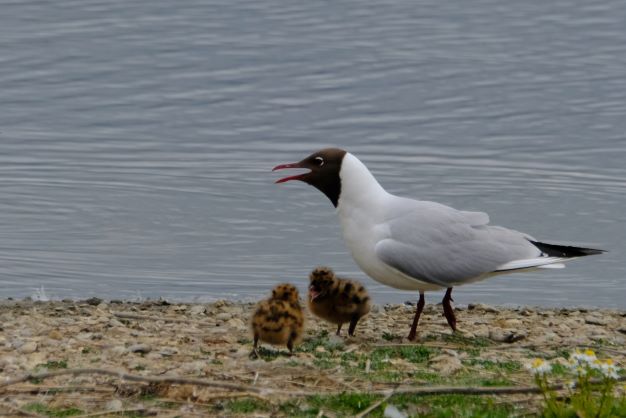
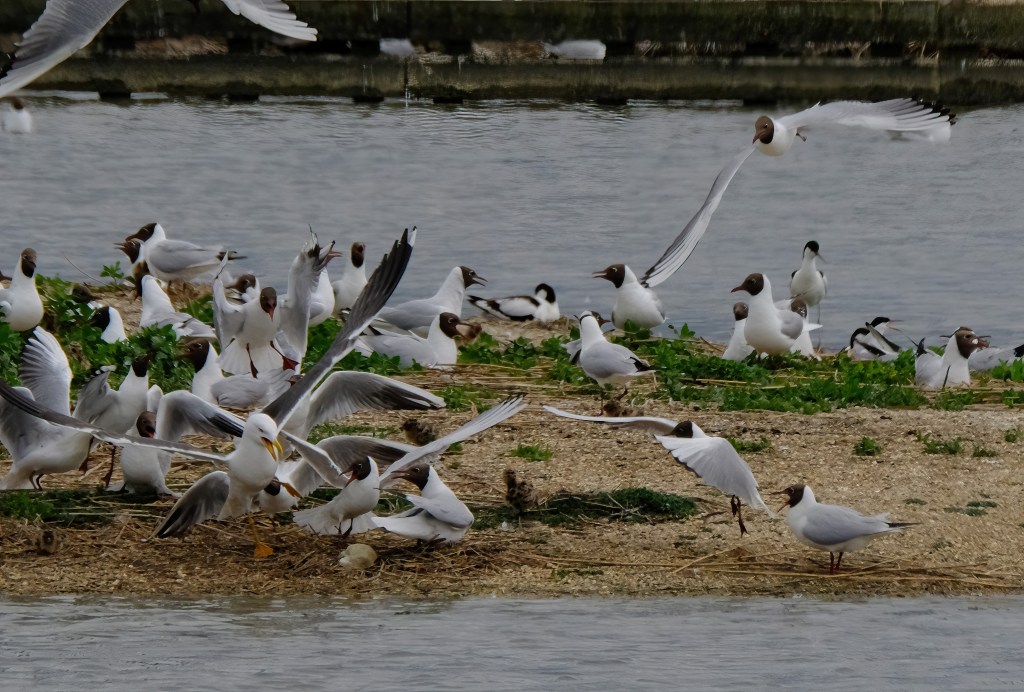
Lots of Black-headed gull chicks are hatching on the islands in the reserve. Many are at their spotty cute stage but as they grow they become rather ugly. A bit like the opposite of the “there once was an ugly duckling” poem by Hans Christian Andersen!

The chicks are in constant danger of predation. Herring Gulls and Black-backed gulls. They fly over the nests putting the Black-headed gulls into a frenzy below a Lesser Black-backed gull lands in the colony but is chased off before it can catch a chick for a meal.

(Spot the Lesser-Black-backed gull -yellow legs feet and beak).

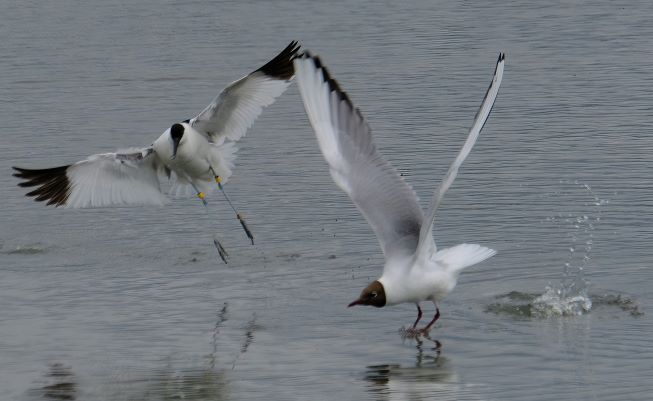
There are a lot of Avocets in the reserve at the moment a few have chicks but are hard to spot at the moment.
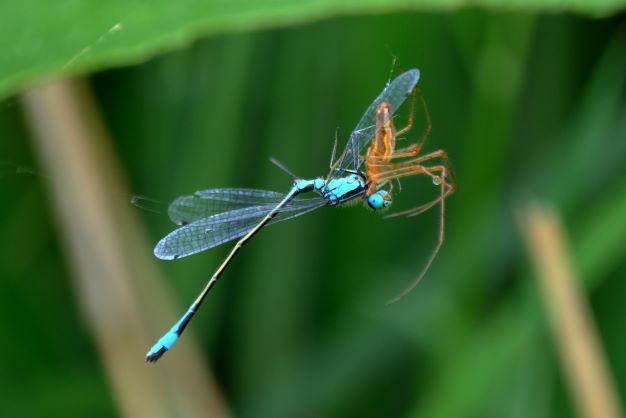
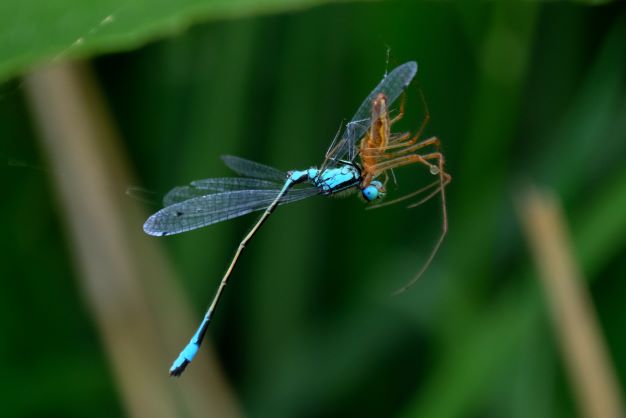
A spider catches a damselfly. The damselfly is truly stuck in the spider’s web the spider drops down and closes in for a meal.

Common Blue Damselfly is the UK’s most common damselfly and can be found around almost any water body,