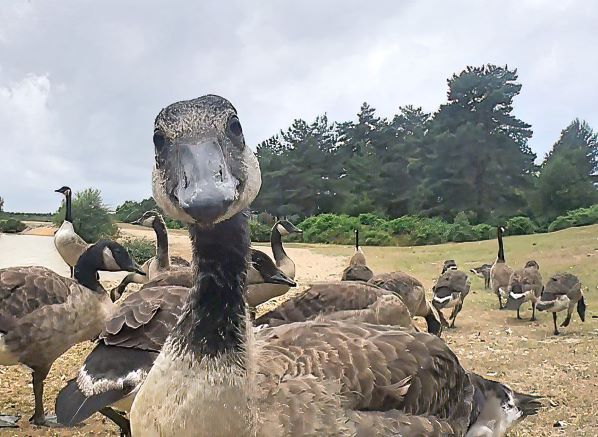
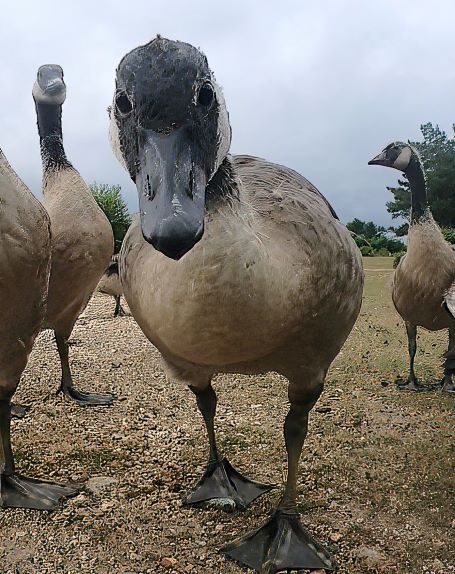
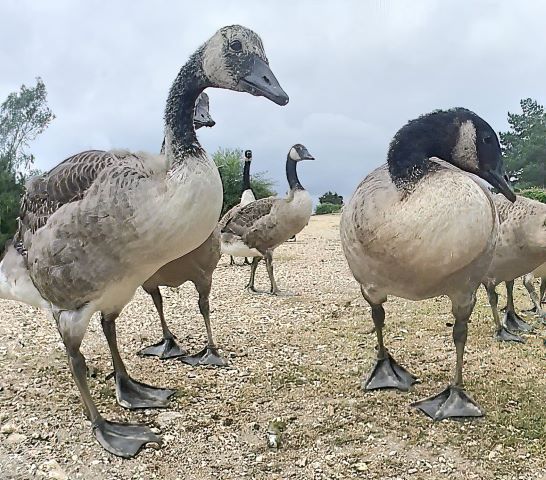
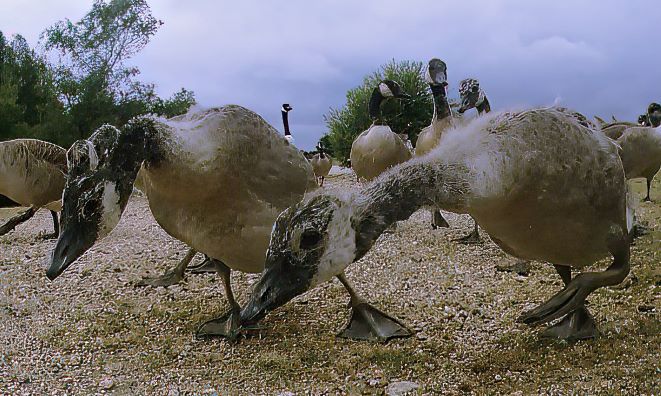
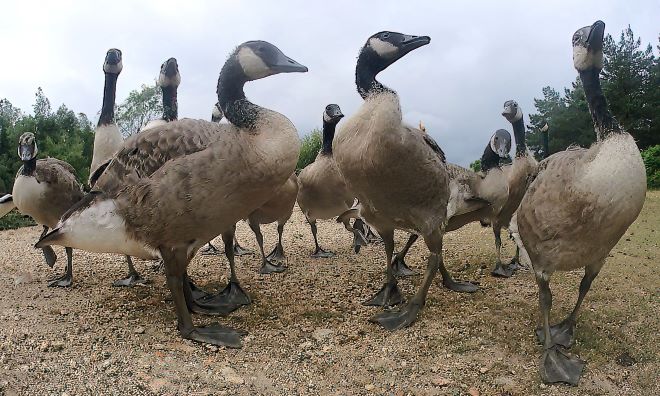
The Canada Geese goslings have grown up so much over the last few weeks. Three families despite the odds have raised all their little ones into “teenagers”.
I placed my small action camera {Olympus Tough} on a stool and let it capture the geese coming over for a feed. Video and stills from the film. Some of these portraits have got to make you smile.
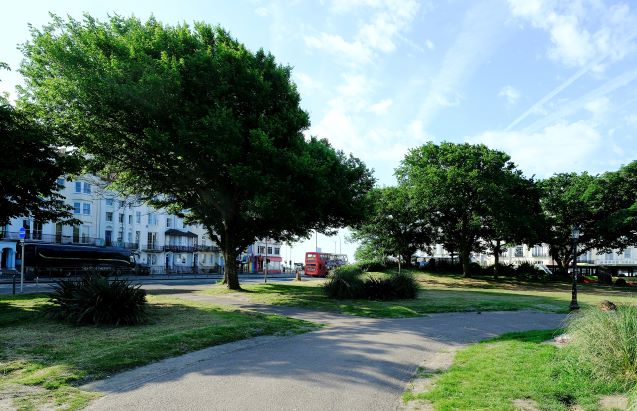
By 1780, the development of the Georgian development of Brighton was underway with the development of grand Georgian terraces – the fashionable resort was regularly frequented by the Prince Regent later King George IV. Spending much of his leisure time here he constructed the Royal Pavilion. with the coming of the Railways and only 47miles from London Brighton continued to develop and became a popular Victorian holiday resort.
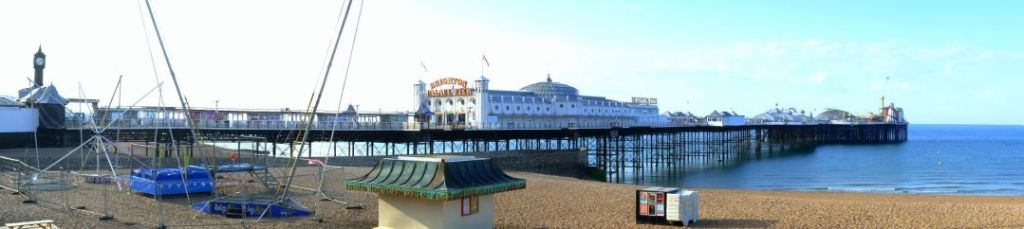
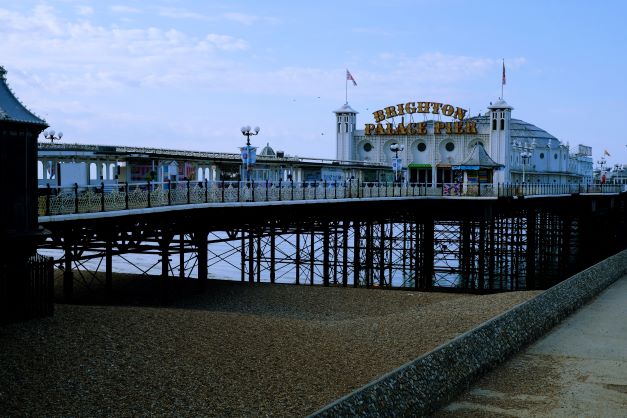
Palace Pier.
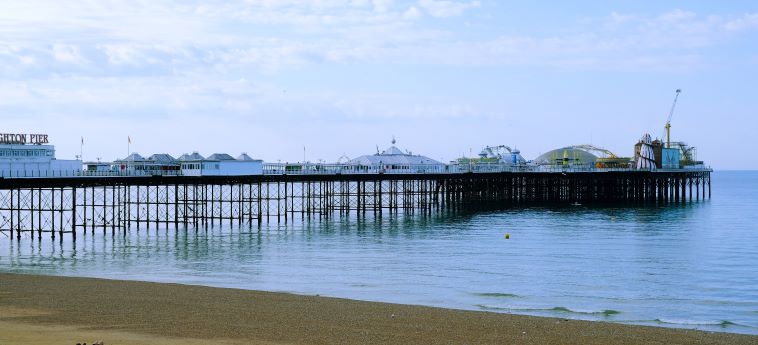
Brighton had 2 piers the West Pier was constructed during a boom in pleasure pier building in the 1860s, it was designed to attract tourists to the town. The West Pier was developed further in 1893, and a concert hall was added in 1916. It complimented the first pier the Royal Suspension Chain Pier which was built in 1823. It was replaced by the Palace Pier in 1889.
Today only the Palace Pier remains the West Pier was closed to the public in 1975 and fell into disrepair and gradually collapsed. After a number of fires, the pier is now just a frame.
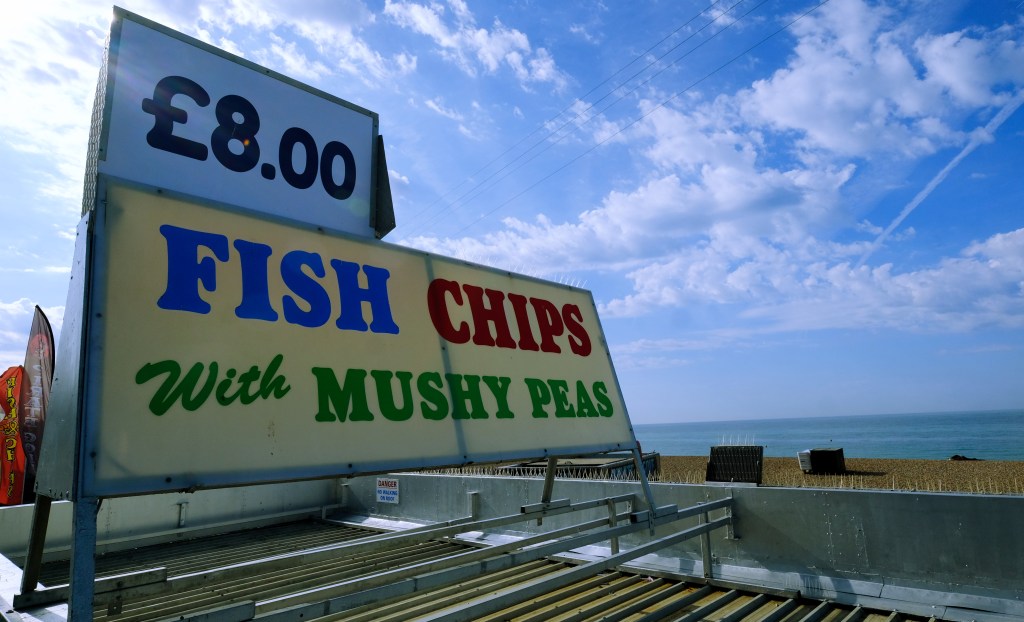
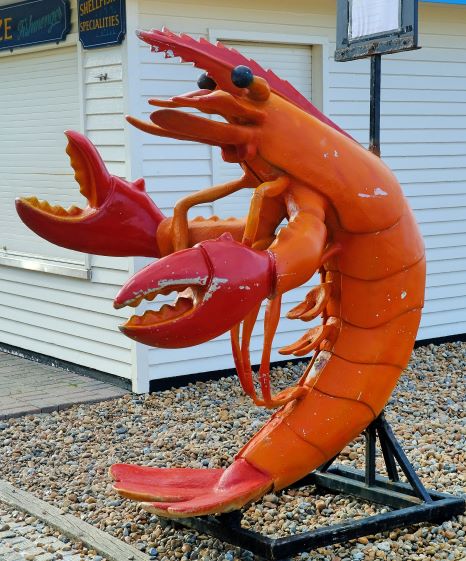
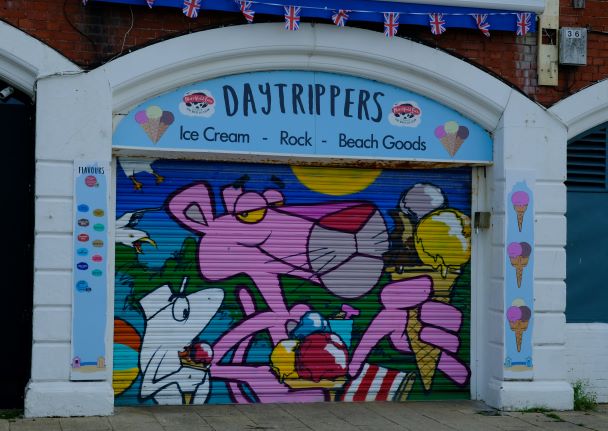
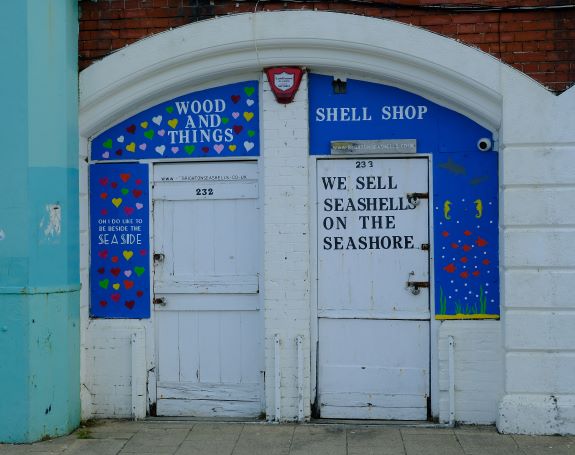
The seafront has all the trimmings of a British seaside destination.
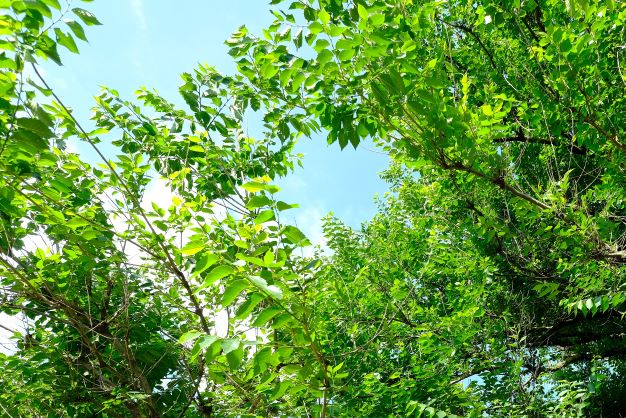
Just a tree!
English Elm trees dominated the British landscape, especially in Southern England, but were ravaged by Dutch elm disease in the1960s. Today it is only found occasionally in hedgerows or woodland. This rare tree has a small number of mature trees in Brighton. They are carefully managed by the council. I can not recall seeing an Elm Tree so one off the bucket list on our visit to Brighton.
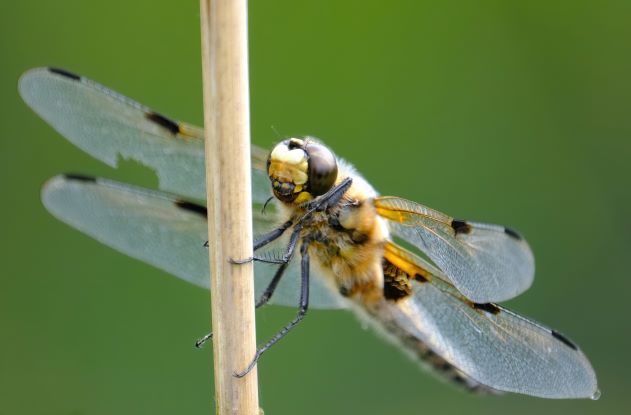
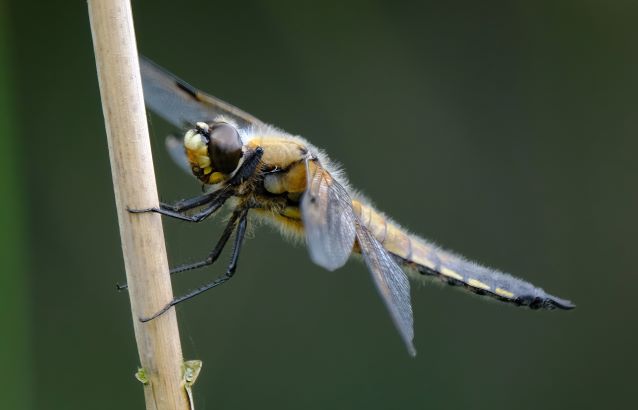
The Four-spotted chaser is easily recognised by the two dark spots on the leading edge of each wing – these spots give this common dragonfly its common name. It can be seen on heathlands and near ponds
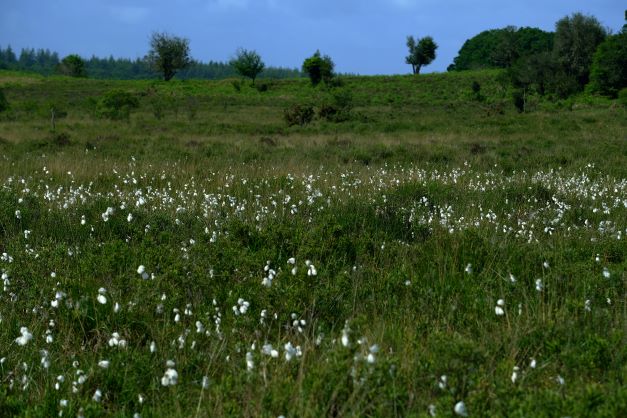
Common cotton grass has fluffy, white seed heads that dot boggy moorlands and heaths its bright heads show up across the landscape which looks like something has been dropped until you get close enough to see it is a seedhead. Despite its name, common cotton grass is a member of the sedge family, rather than being a true grass.
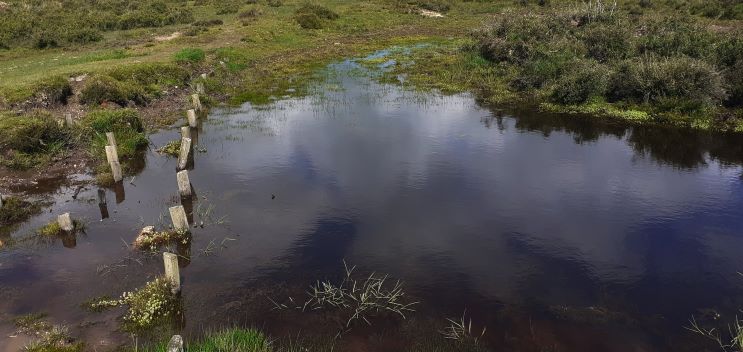
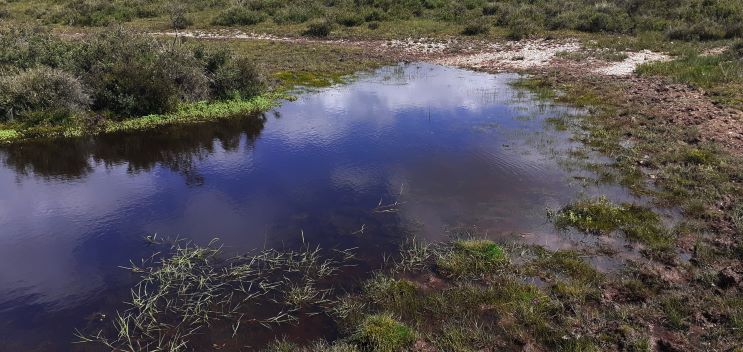
In the winter we came across a small pond on the moor and decided to return in the summer as it
looked like a good site for Dragonflies, we returned today and it was.
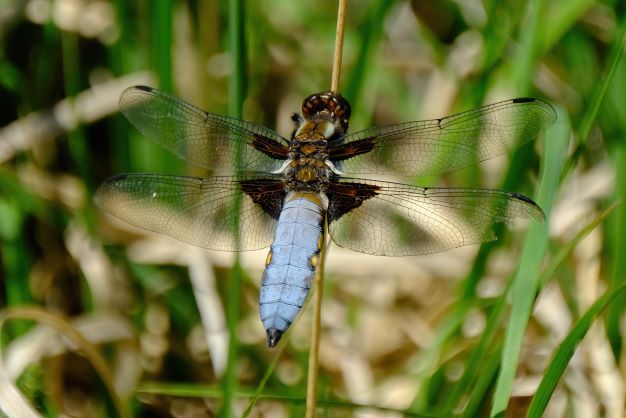
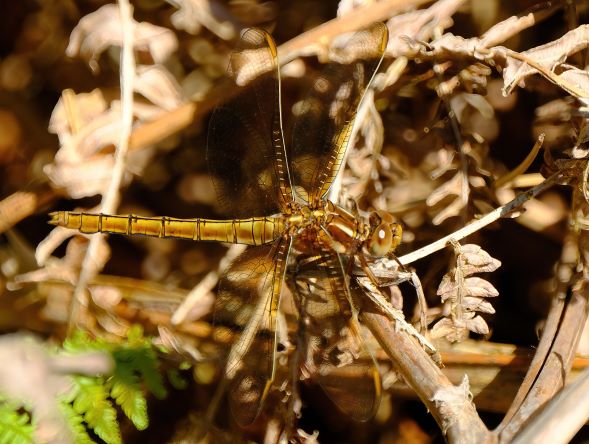
Female Broad-bodied Chaser.
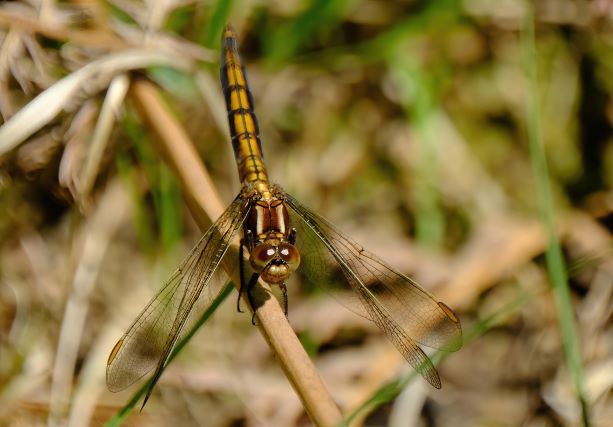
Male Broad-bodied Chaser.
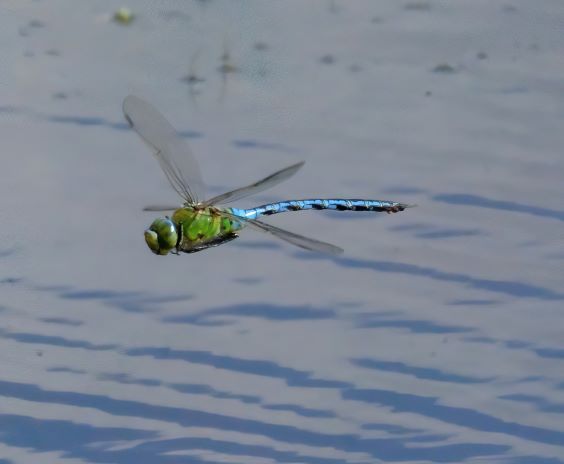
Male Emperor Dragonfly.
Female Emperor Dragonfly. Egg-laying.
A Male Stonechat keeping its distance from the pond.
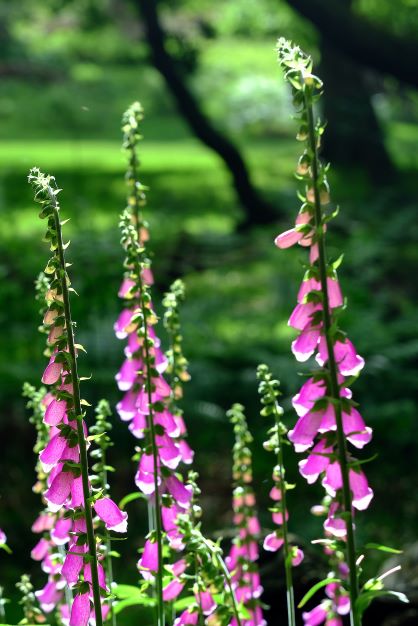
Foxgloves are now in full flower.
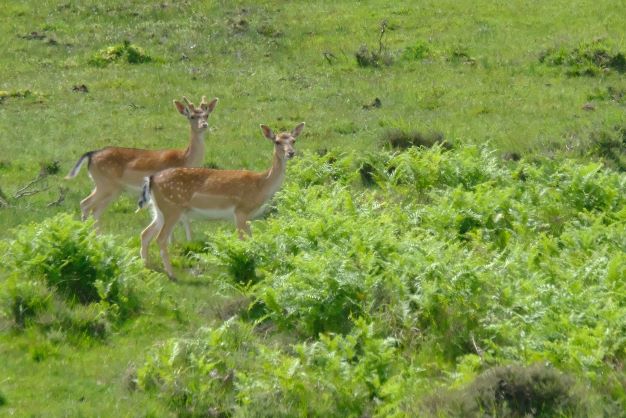
Fallow Deer are never far away on a New Forest walk.
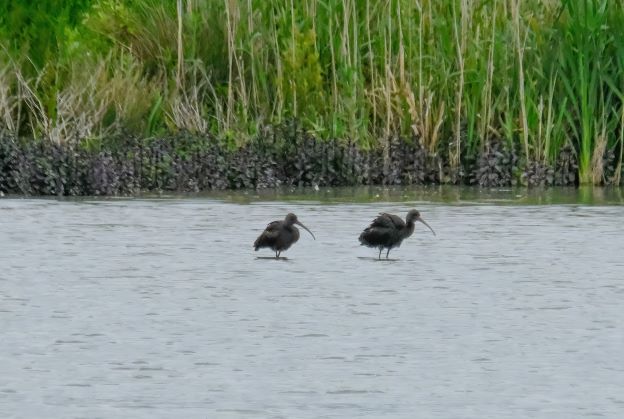
More from Titchfield HavenNature Reserve and today I had another 1st for me with a distant view of a pair of Glossy Ibis. In the UK they are considered rare migrants and winter visitors from SW Europe with typically less than 100 recorded per year although they are increasing – there have been recent reports of this bird on social media on nature reserves near Portsmouth and on the coast of the New Forest. Southampton Water is between these two reserves so I guess a sighting at the Haven was likely.
Both birds were a fair way off but I got a few pictures and a short video.
A Glossy Ibis picture that was taken in Florida USA by my brother.
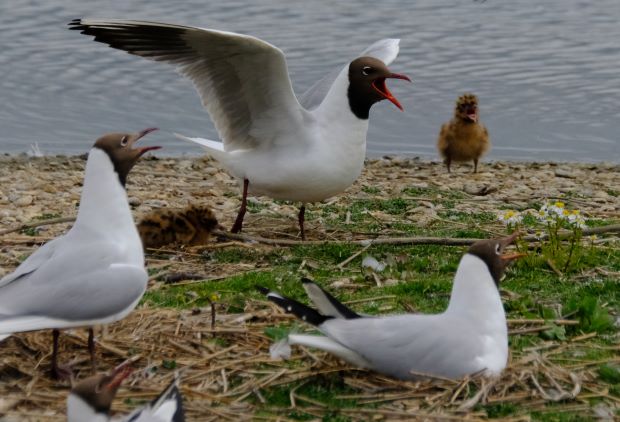
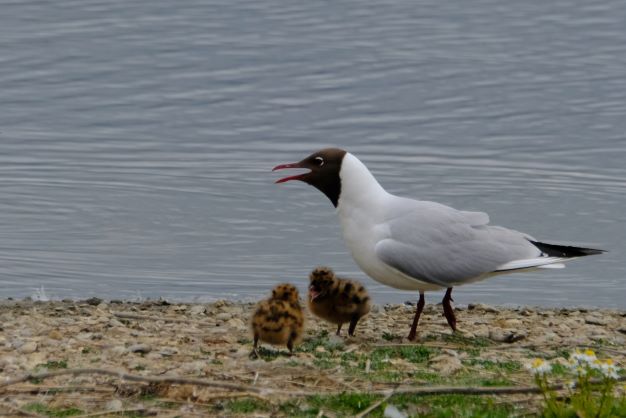
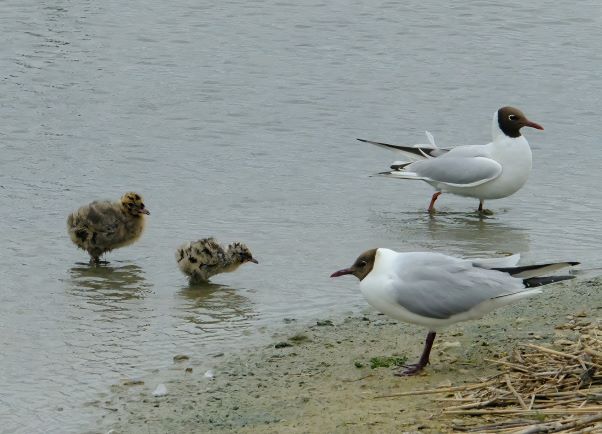
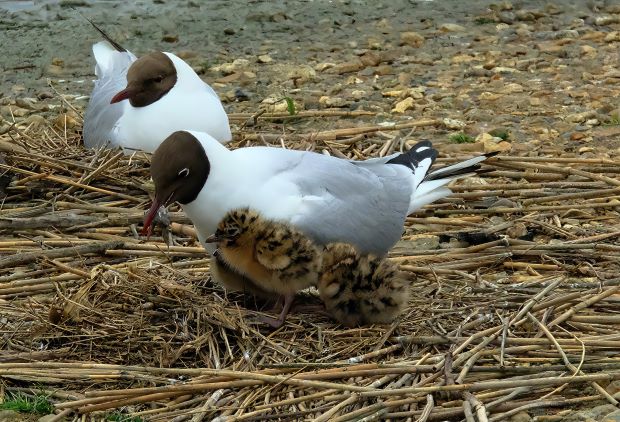
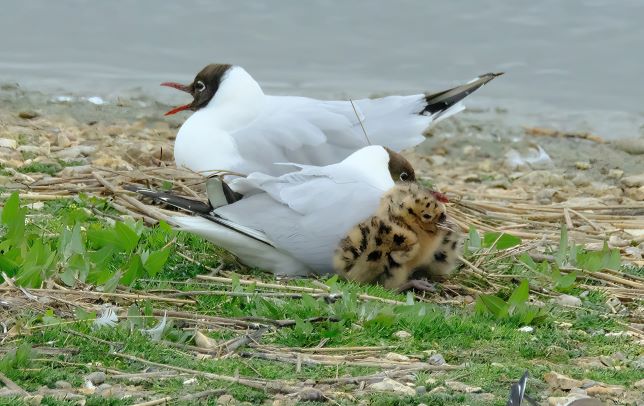
Lots of Black-headed gull chicks are hatching on the islands in the reserve. Many are at their spotty cute stage but as they grow they become rather ugly. A bit like the opposite of the “there once was an ugly duckling” poem by Hans Christian Andersen!
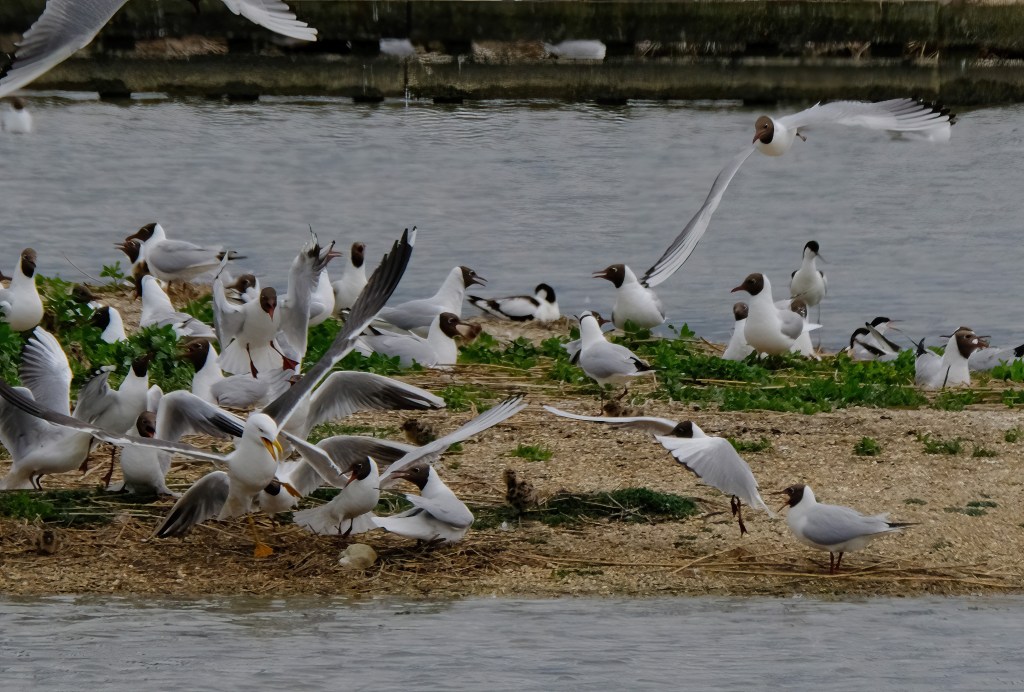
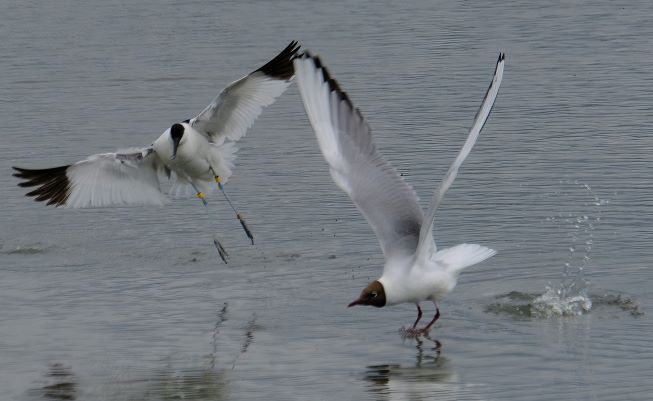
The chicks are in constant danger of predation. Herring Gulls and Black-backed gulls. They fly over the nests putting the Black-headed gulls into a frenzy below a Lesser Black-backed gull lands in the colony but is chased off before it can catch a chick for a meal.
(Spot the Lesser-Black-backed gull -yellow legs feet and beak).
There are a lot of Avocets in the reserve at the moment a few have chicks but are hard to spot at the moment.
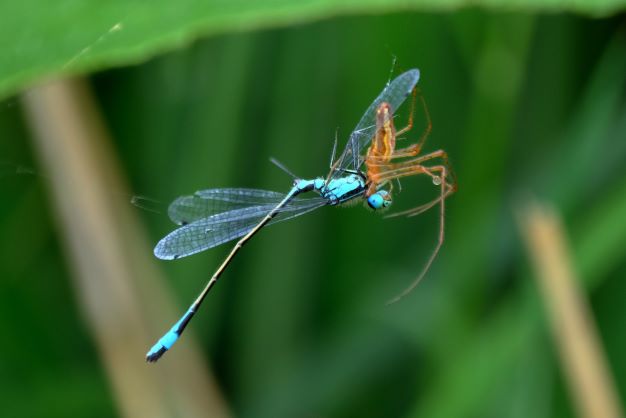
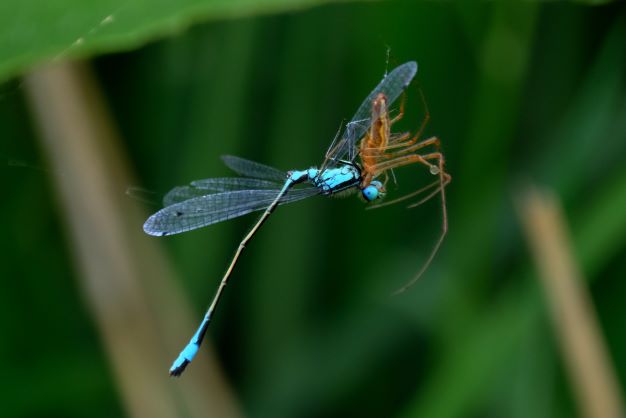
A spider catches a damselfly. The damselfly is truly stuck in the spider’s web the spider drops down and closes in for a meal.
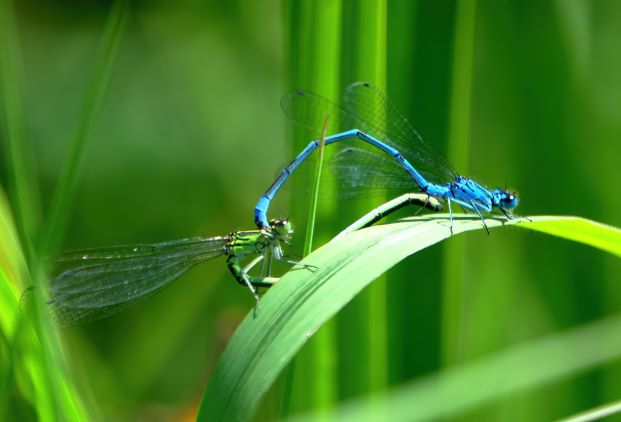
Common Blue Damselfly is the UK’s most common damselfly and can be found around almost any water body,
Black-headed gull chicks have started to appear at the nesting colony at Titchfield Haven.
Quite a long film of the nesting colony (note no sound) The chicks are only a few days old but will grow rapidly. There is one slightly older and larger chick in the film.
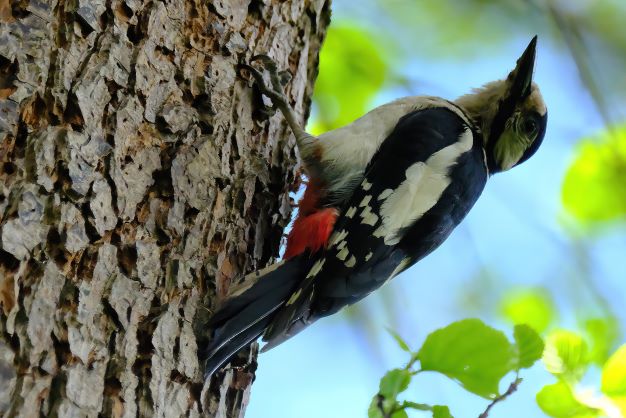
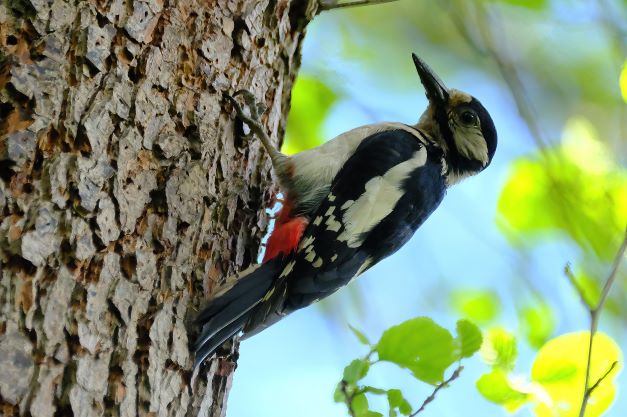
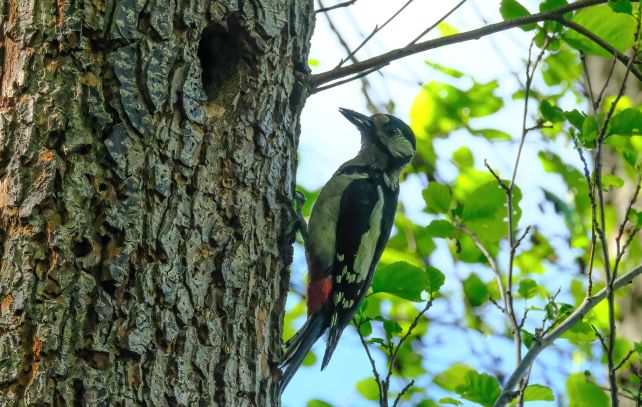
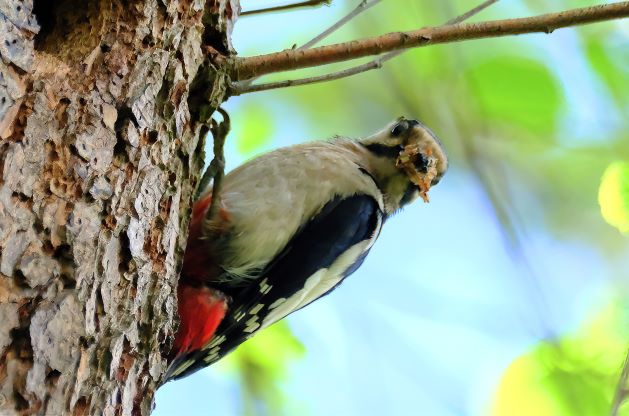
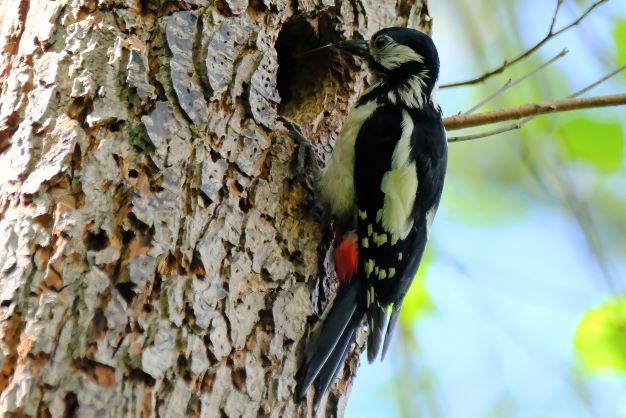
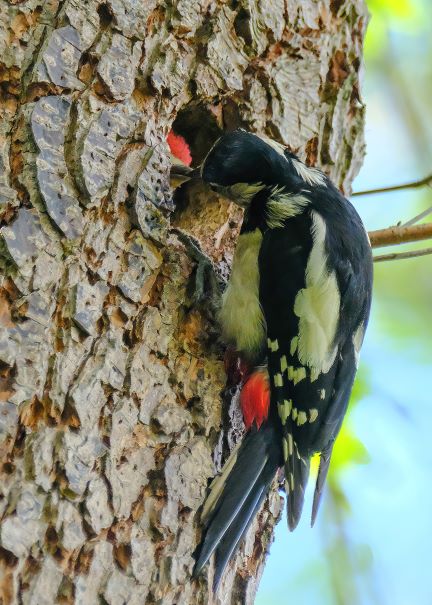
A new Great Spotted Woodpecker nest found in woodland a short walk off the public footpath close to home. This afternoon we sat down close to their “tree” suitably camouflaged and watched.
A nature walk along a small stream in the New Forest with a closer look and some of the water life in and around the waterway.
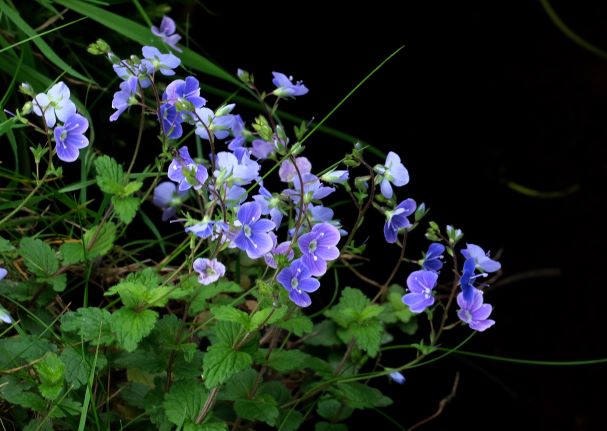
Speedwell (Veronica persica)
Lots of Tadpoles in the stream today.
Film of Dragonfly larva (+ some small fish). The larvae will climb out of the water for the last part of its life cycle and then it will split down its back and a Dragonfly will emerge.
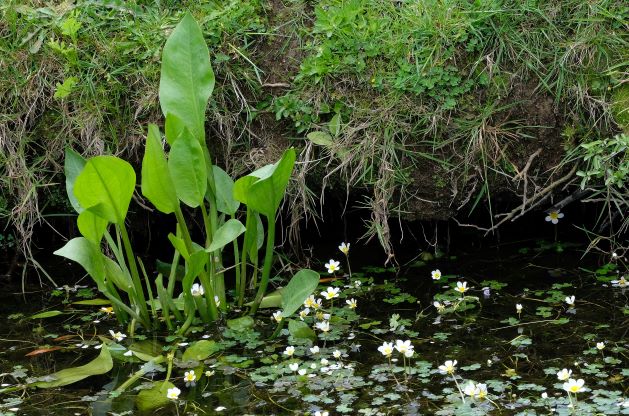
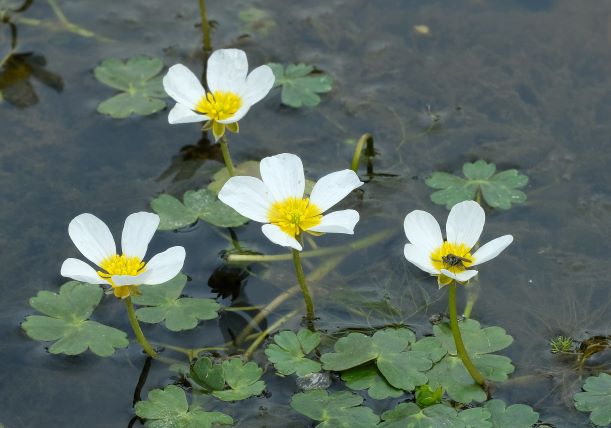
Water crowfoot, (Ranunculus aquatilis).
Water
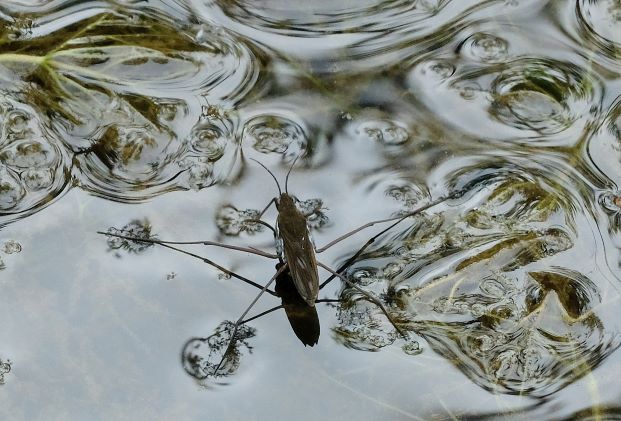
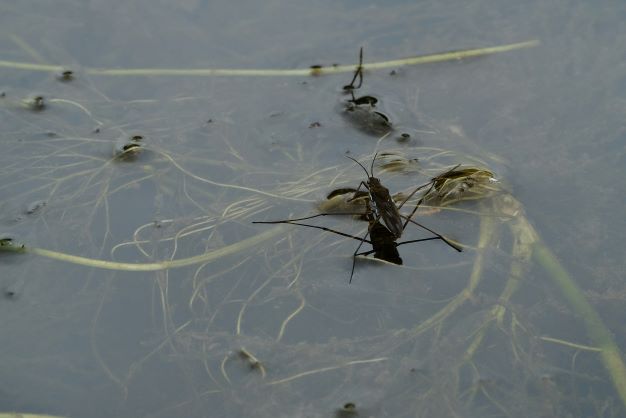
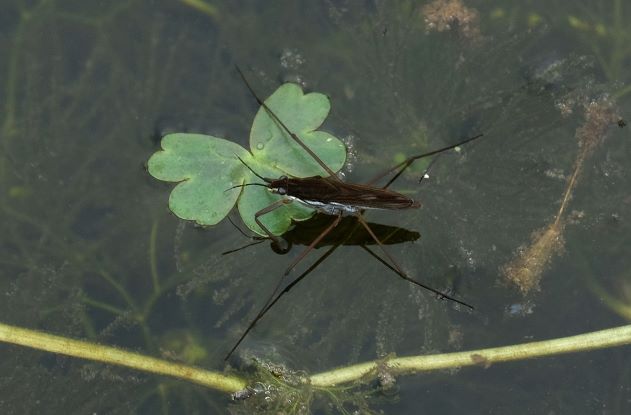
Water skimmers or striders are small insects that are adapted for life on top of still water, using surface tension to their advantage so they can “walk on water.”