Heather.

Heather is also known as ‘ling’ and is a common plant on heathland, moorland, and bogs. To do well it requires acidic or peat soils. It has delicate pink flowers that appear from August to October. Plants grow tightly packed together and can live for over 40 years

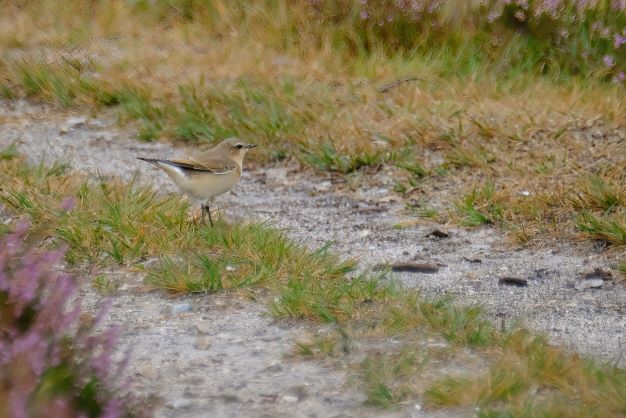
Walking on paths in the New Forest across Hatchet Moor several Wheatears were keeping just in front of us on the Heather.

These birds are female birds or juveniles. The male bird is a blue-grey above, with black wings and white below with an orange flush to the breast. It has a black cheek.

Keeled skimmer.

The Keeled skimmer is a medium-sized dragonfly. Males are pale blue, with grey-blue eyes; females are yellowy-brown with a black line down the middle. This male dragonfly was in the New Forest this morning. It is a dragonfly of heathland with shallow pools. They are on the wing from June to September.

A dry spell.

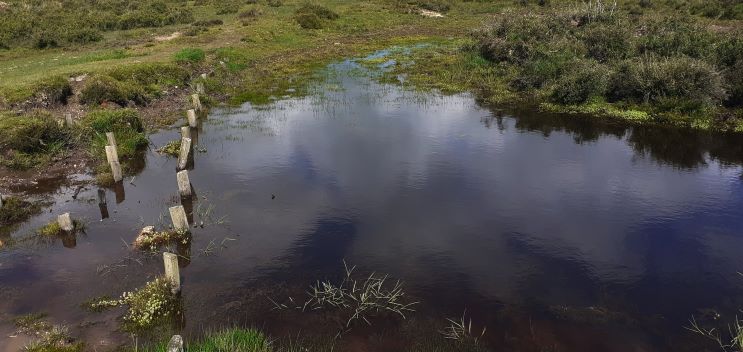
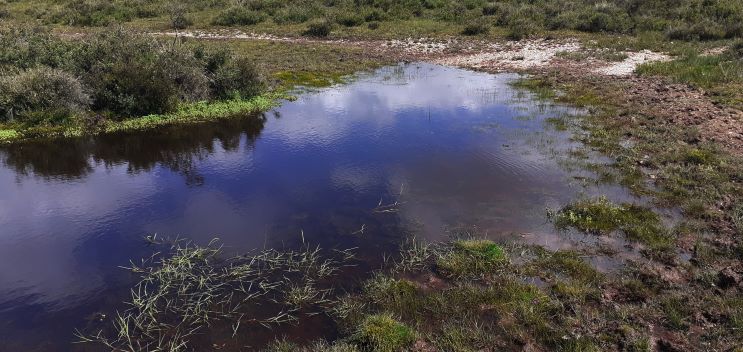
Back in June we found this New Forest Pool a mile or so from the road and enjoyed a few hours photographing and watching dragonflies.

Posted a couple of views back then.

We walked back there this morning. The same pond a month later. After our heat wave.

Temptation.

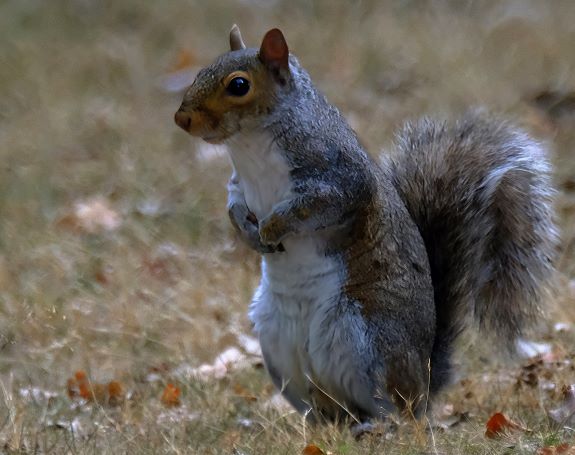
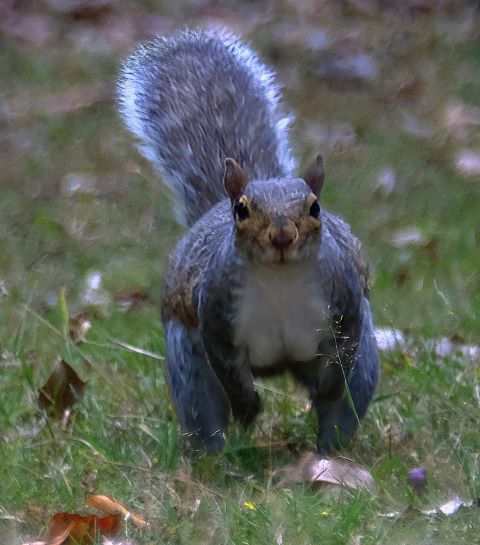
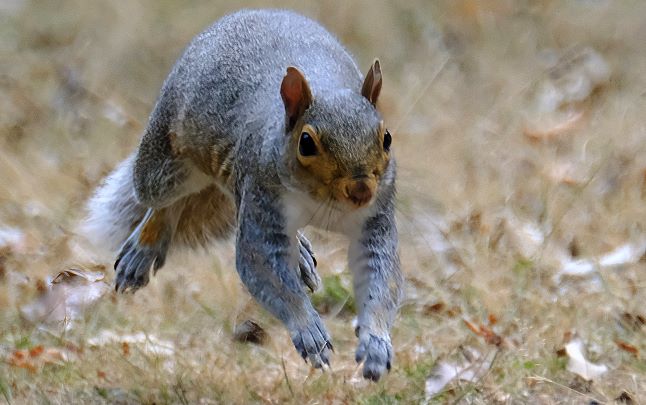
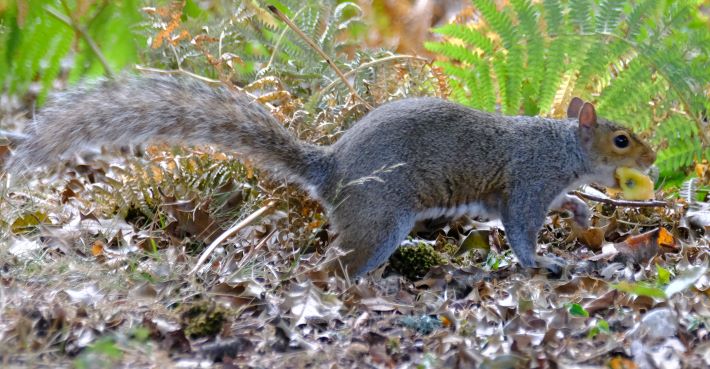
An apple core snatch and grab. Sometimes the temptation of getting close to a human for a tasty bit of food overcomes any fear. This Grey Squirrel was showing an interest in my apple while I was sitting on our van step. When I had finished eating it I dropped it on the grass within seconds he was on it.

And the prize.

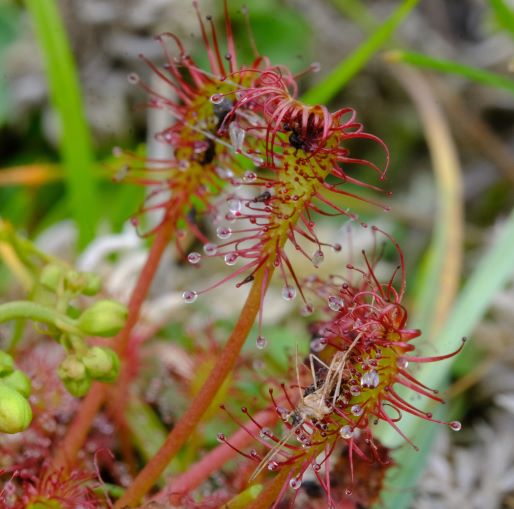
Sundew safari.

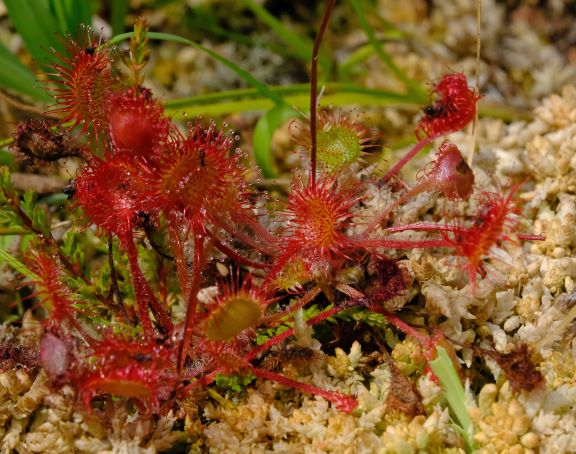
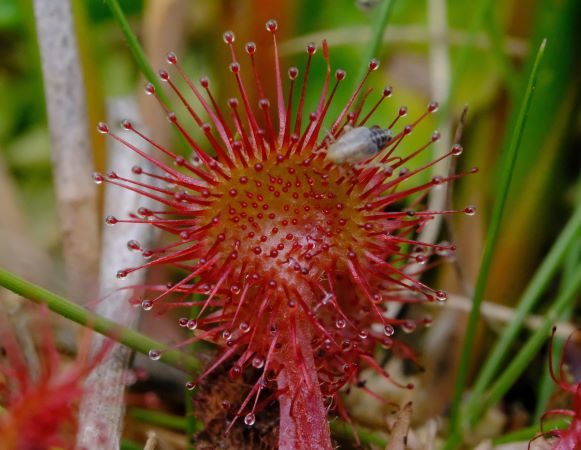
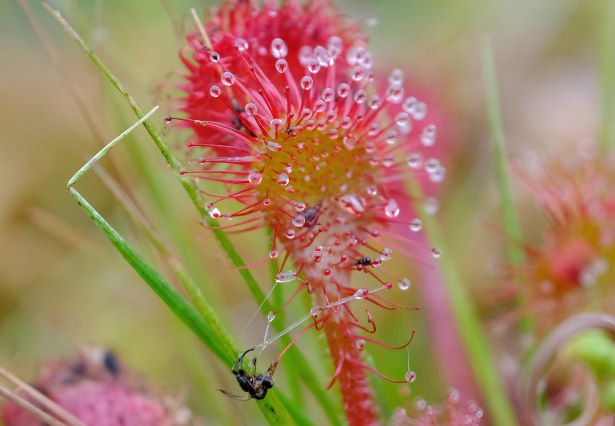
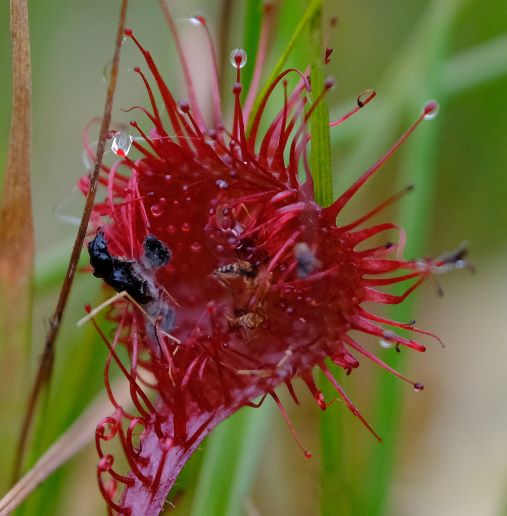
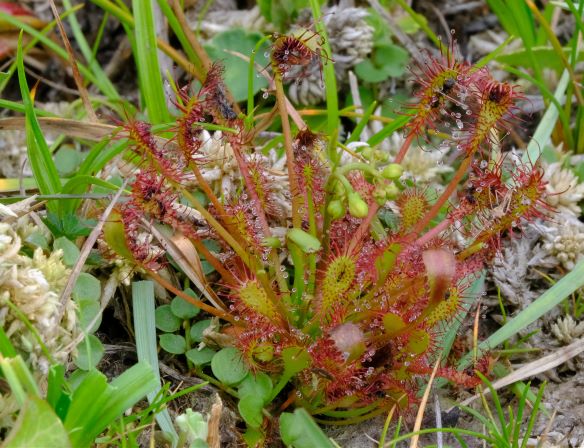
There are many carnivorous plants native to the UK. These are Sundews, Butterworts and Bladderworts. Sundews are not a common plant in southern England. However, in the New Forest, they are widespread in many of the boggy areas. In the New Forest, there are 3 types of Sundew. The Round-leaved Sundew seems to be the most abundant and as its name has a round end to the leaves, The Oblong-leaved Sundew is also fairly easy to find. It has longer, narrower leaves. The Great Sundew is twice as large as the oblong-leaved plant I have not found one yet.

You need to get down low to get a good view of these interesting little plants.

Round-leaved Sundew.

(to get a scale the pad on this plant is about the size of my little fingernail).

Sundews eat insects! They produce a sticky ‘glue’ all over the leaves; insects become trapped in the glue, the plant curls the leaf edges over and releases digestive enzymes that consume the insects, passing nutrients into the plant.

Oblong-leaved Sundew.

The picture below shows the Sundew with a flower bud.

And down came a spider.

A spider’s nest on some bracken. The nursery web spider builds a nest and is very parental overseeing the eggs and carefully supporting the baby spiders when they hatch. In this nest, they have already hatched turning the leaf to look brought out the mother spider!

What gall!

An interesting growth on a Dog Rose known as a rose bedeguar gall, Robin’s pincushion, mossy rose gall or moss gall. A gall wasp known as Diplopepis rosae causes these galls (Plant galls are abnormal outgrowths of plant tissues, similar to benign tumours) they mainly develop directly after the female insect lays the eggs. 

Cattle & Ponies.

Another New Forest walk yesterday. Much cooler this morning- The recent heatwave has left its mark. Many of the streams have dried up along with some of the pools where we study Dragonflies. Much of the grass is baked brown the whole forest waits for some of the forecast rain and thunderstorms.

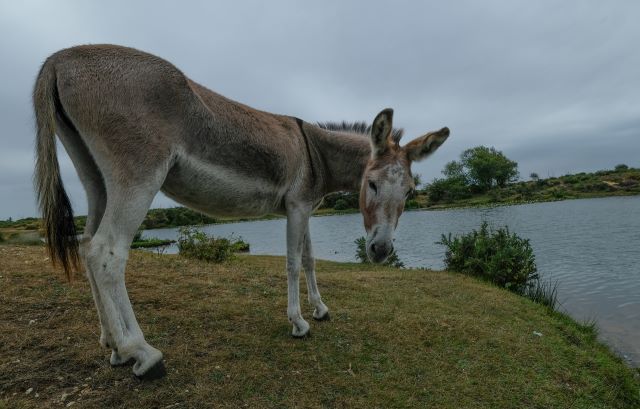
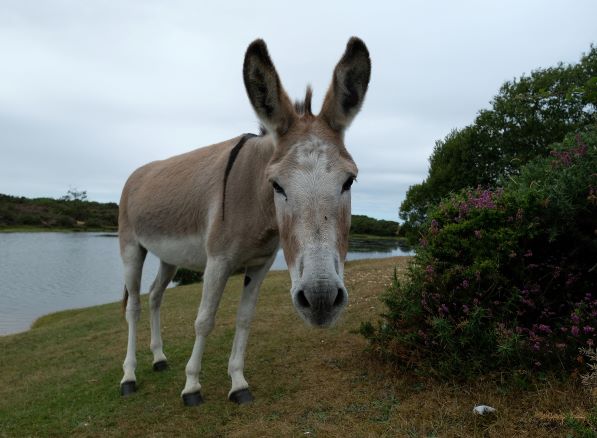
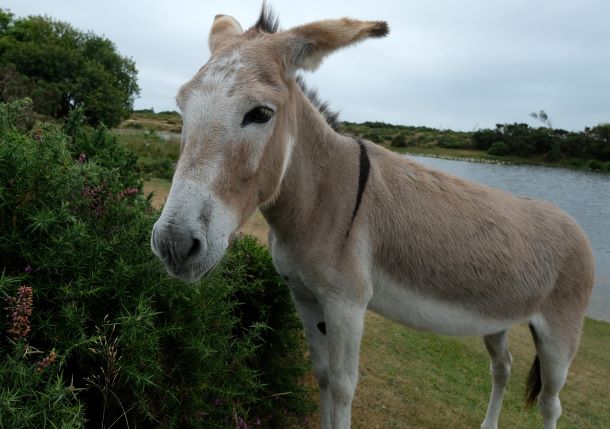
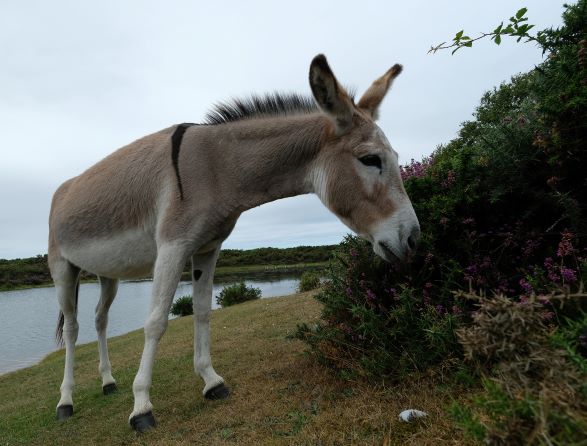
The cattle and ponies are staying close to or regularly drinking water places such as Cadnams Pool. Due to the lack of fresh grass, they are eating leaves from the trees.

BBQs and open fires are now banned in the New Forest due to the fire risk. Although there are a lot of green areas within the forest underfoot the grass and gorse is tinder dry.

Ponies cooling off. Note the cotton grass in a green area of none brown grass at the end of the film which warns of a boggy area.