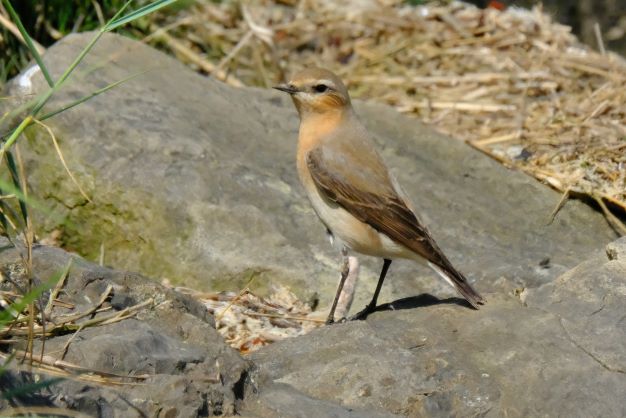
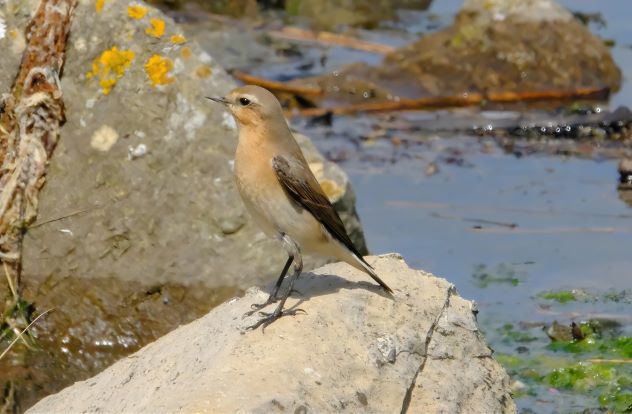
Wintering in southern Africa. Wheatears have one of the longest migration routes of any songbird.
Birds spotted in the UK are summer visitors and passage migrants. Some birds do breed in the UK these are mainly found in western and northern Britain and western Ireland, although smaller numbers do breed in southern and eastern England.
This bird is a female I spotted today at Calshot point Hampshire this morning.
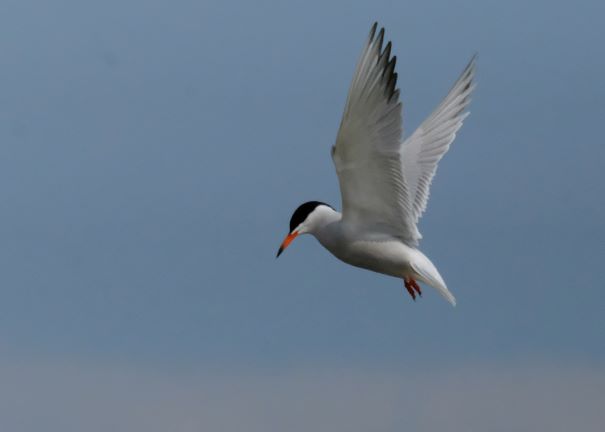
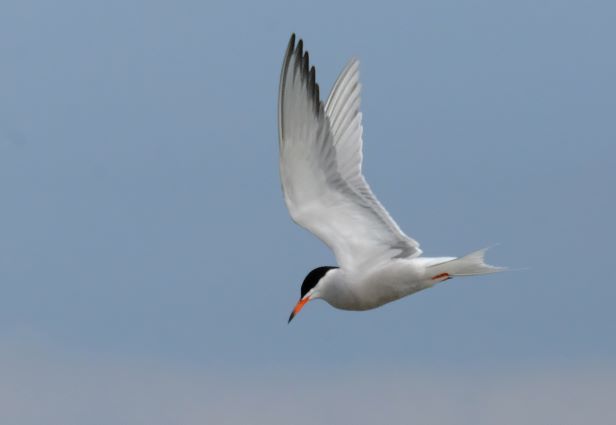
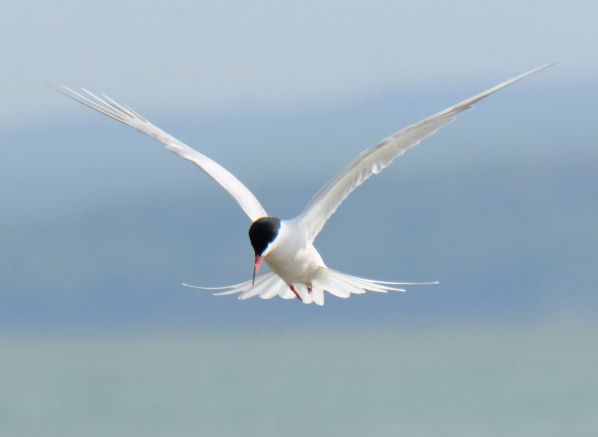
The terns are back in town. Common Terns have arrived back at Meon Shore on the Solent and will be heading into Titchfield Haven Nature Reserve soon to nest.
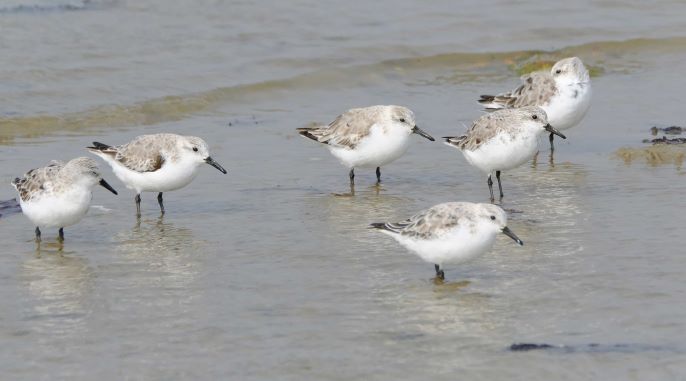
Seven Sanderlings were on Meon Shore yesterday morning feeding on the incoming tide I had not seen any for several weeks normally by now most have returned to their Arctic breeding grounds and I thought they had all left. Normally I see only the odd bird this time of year which has decided to stay on our shores. Interestingly these birds remain in their winter plumage and not changed to their breeding colours where their backs heads and wings change to a light brown.
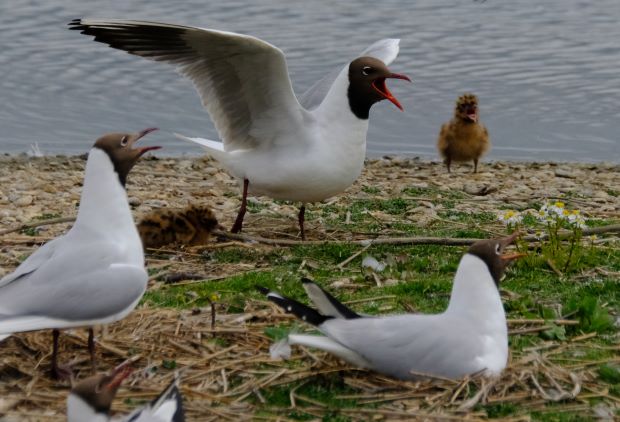
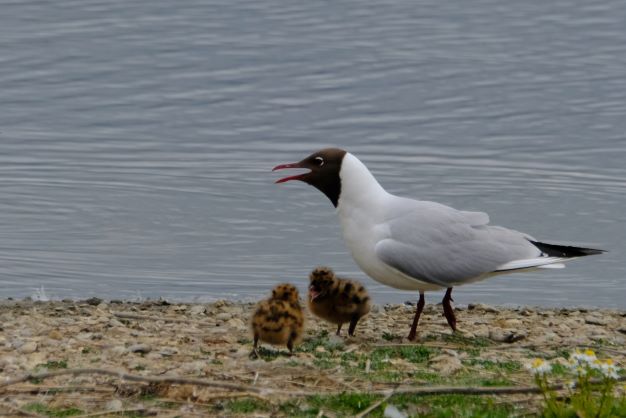
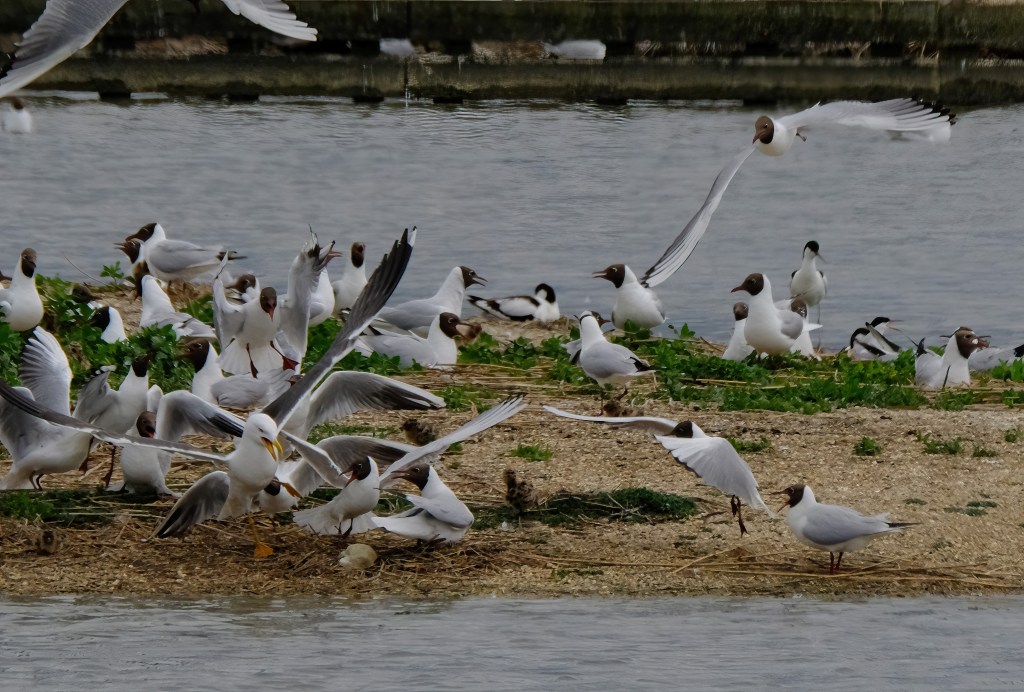
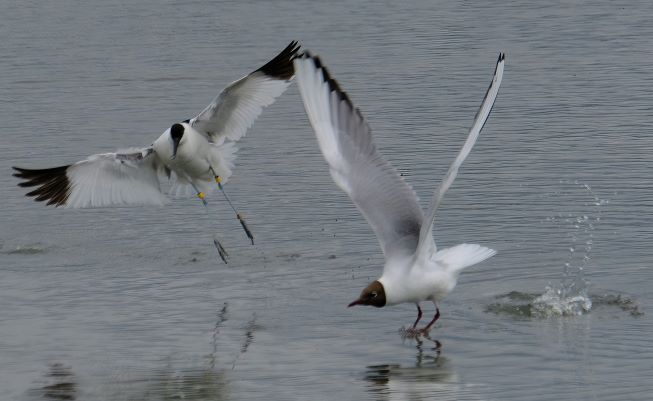
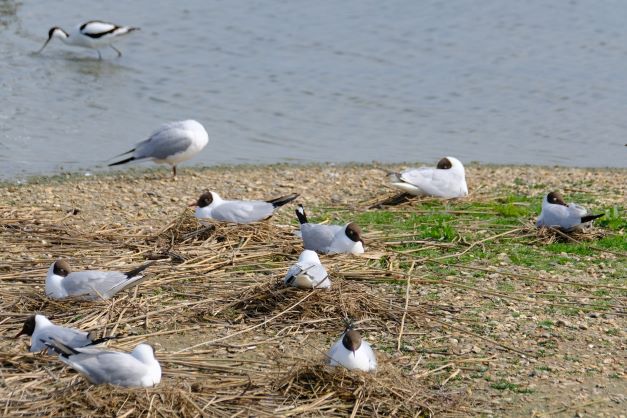
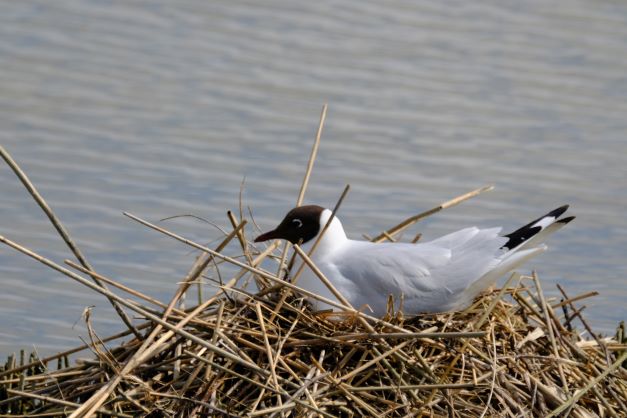
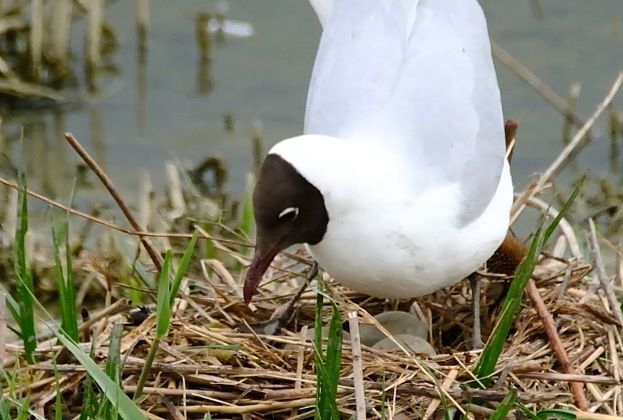
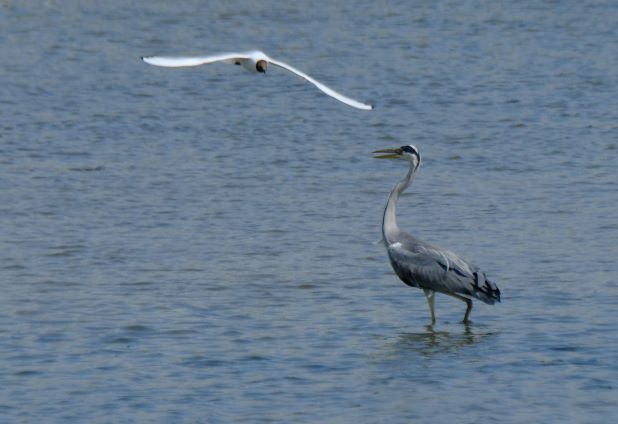
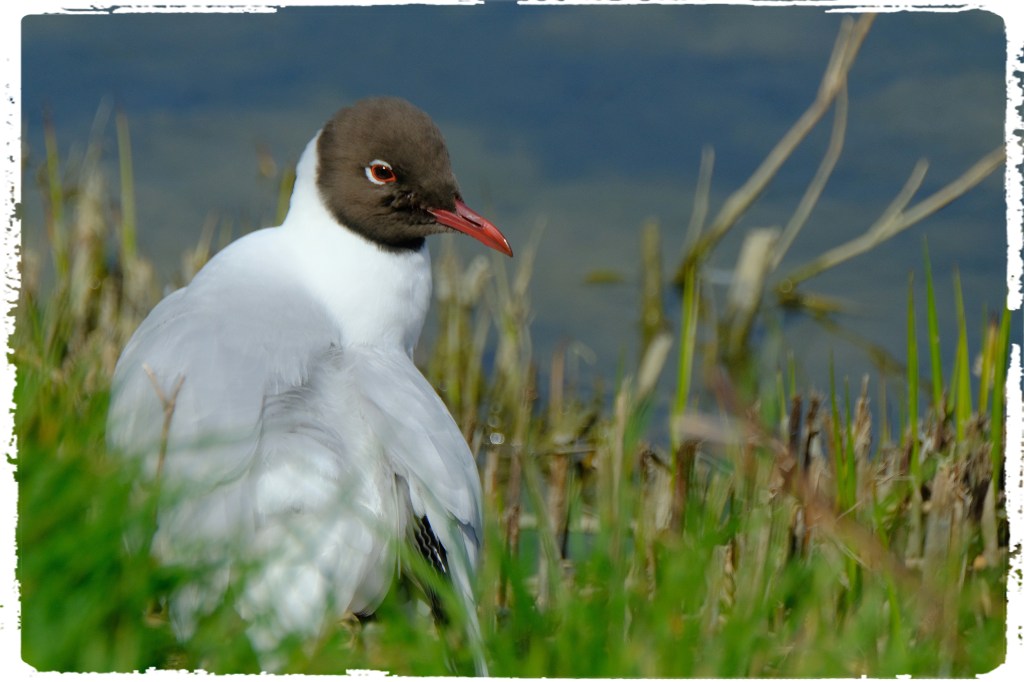
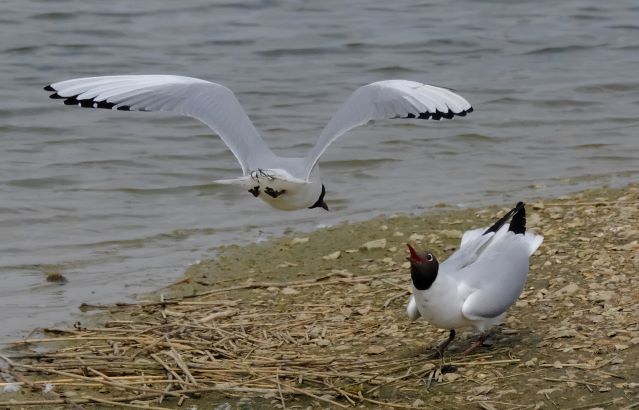
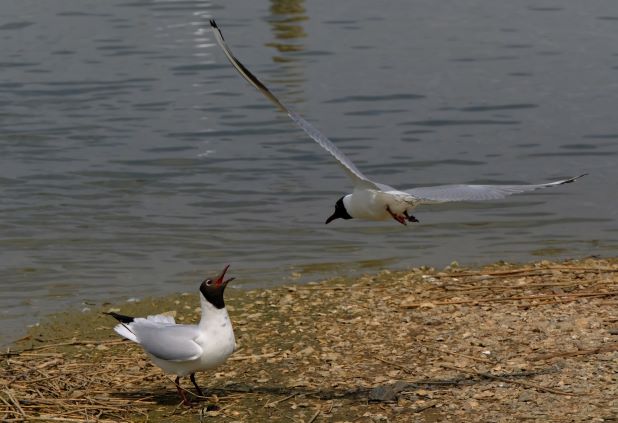
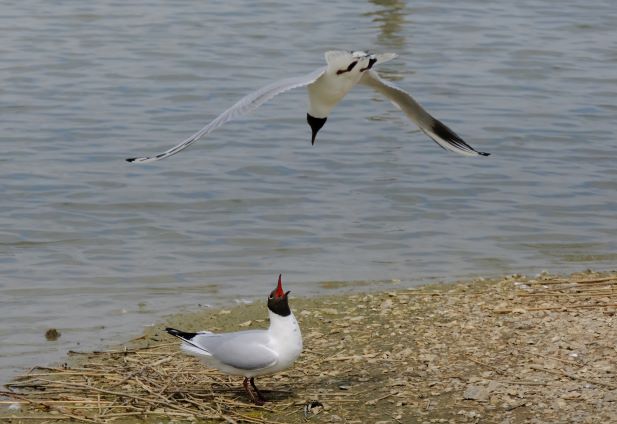
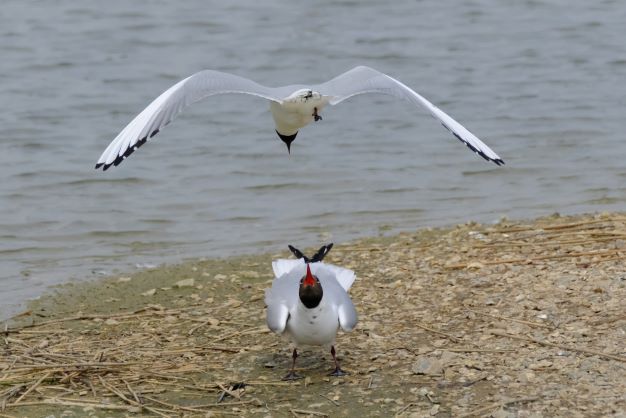
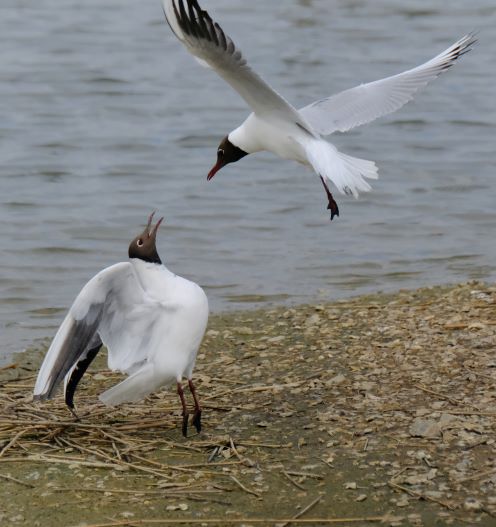
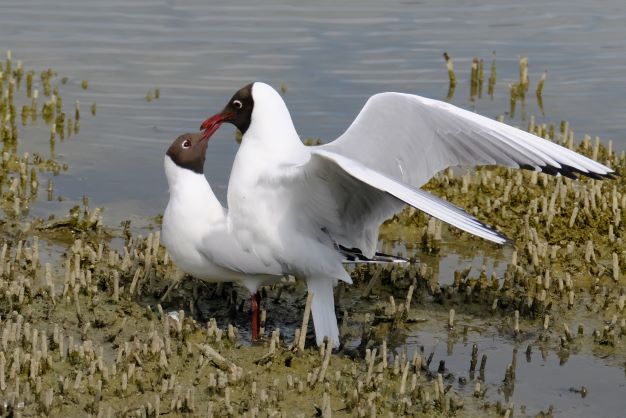
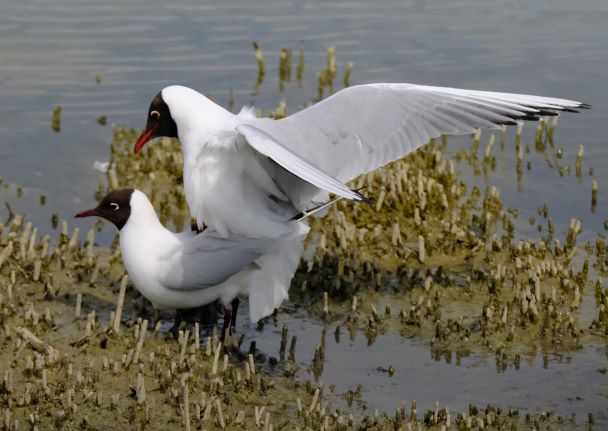
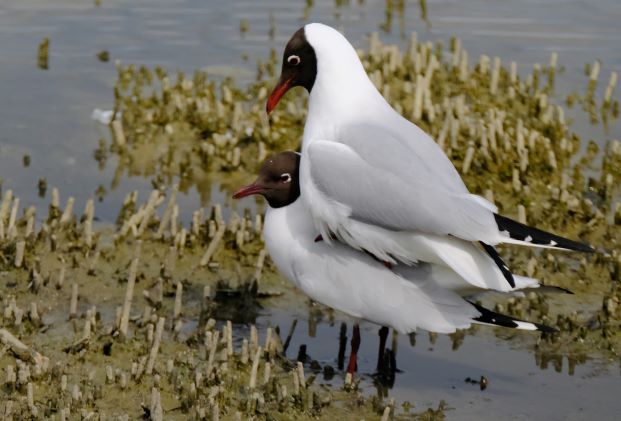
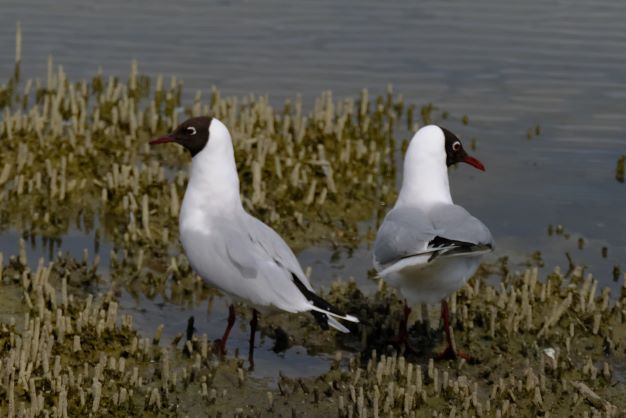
The black-headed gull is the UKs commonest small gull. The black-headed gull has actually a chocolate-brown head in the breeding season (In the winter their heads turn to mainly white ). I have posted pictures many times before as they are a common sight both on the coast and inland area where we live. There is a large breeding colony within Titchfield haven nature reserve. Now we are into April the colony is noisy with birds displaying pairing up and squabbling over nest spots. Many bird watchers will overlook this spectacle for rarer birds that visit our shores. Apart from the noise each year I look forward to this gull’s breeding season.
Length: 35-38cm Wingspan: 1m Weight: 250-330g Average lifespan: 11 years
Black-headed Gulls are opportunistic feeders, they will eat most things taking invertebrates and plant materials, seeds bread, and are fond of chips thrown by tourists at the seaside.
A quick stop at Hamble Point at the mouth of Southampton Water where it meets the Solent.
The gorse is now fully out in flowers and the smell of the flowers fills the air with their strong scent which is like the smell of coconut.
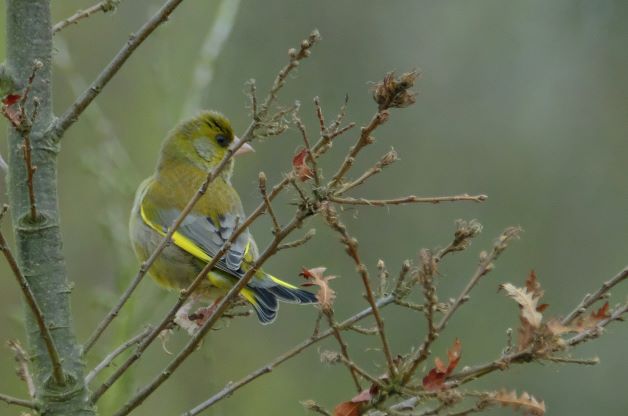
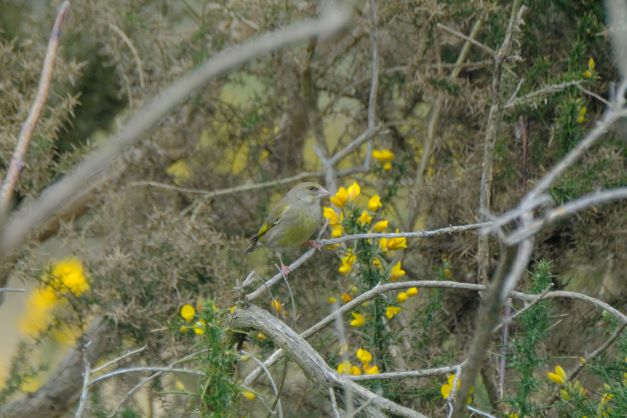
Greenfinches were a common sight when I was a child, especially on the bird table. I rarely see them today however, I spotted a pair feeding around the gorse flowers. (The male is darker in colour and is in the pictures I have posted 1st).
Another nice spot in the gorse was a small flock of long-tailed tits.
Another walk along the River Hamble today – yesterday we had a flurry of snow although it did not lay this morning’s walk was bitter with a biting wind blowing down the river.
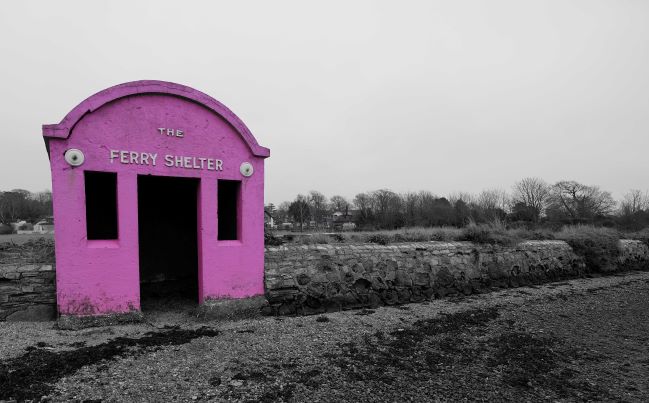
The ferry on the Hamble between Warsash and Hamble-le-Rice today is an ‘on-demand’ passenger ferry service is summoned via mobile phones – when my boys were small you had to jump up and down until the ferryman spotted you. What has also changed is the waiting shelter on the riverbank and the ferry which are all today painted a bright pink were then blue.
Records show there has been a ferry on the site dating back to 1493 when the crossing was part of a pilgrim’s route. The ferry now provides a link for local, and national footpaths such as the Solent Way and the National Cycle Route 2.
A pair of Shelduck on the mud they are large ducks that are about the size of a small goose.
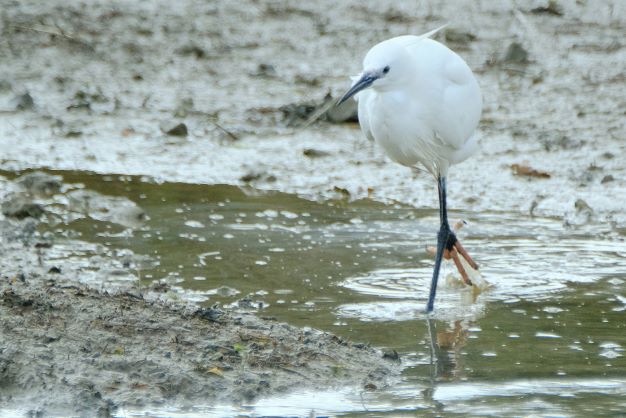
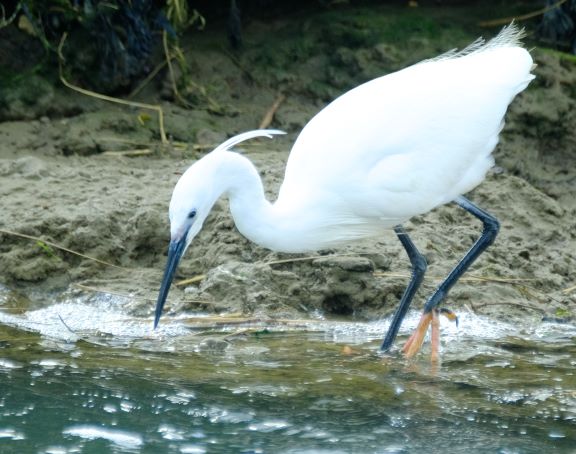
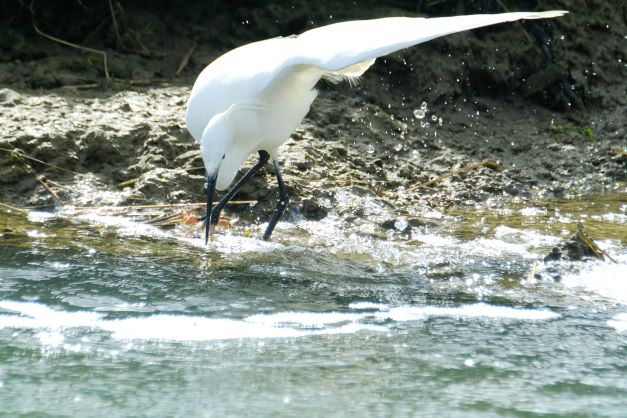
A Little Egret fishing as the tide comes in.
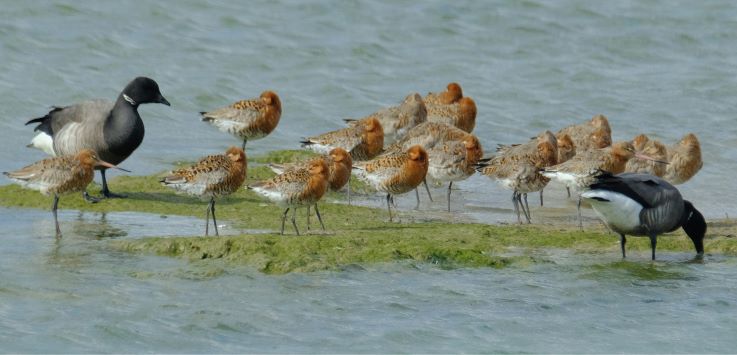
Black-tailed Godwits (+ a couple of Brent Geese) holding onto the last part of the land as the tide comes in.
Edit extra picture from one of my previous blogs. Ferry waiting hut.
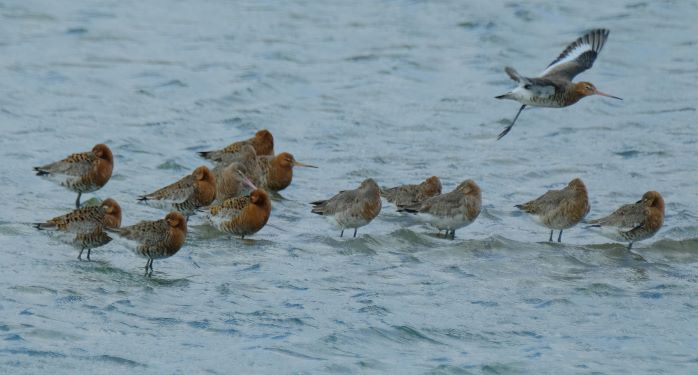
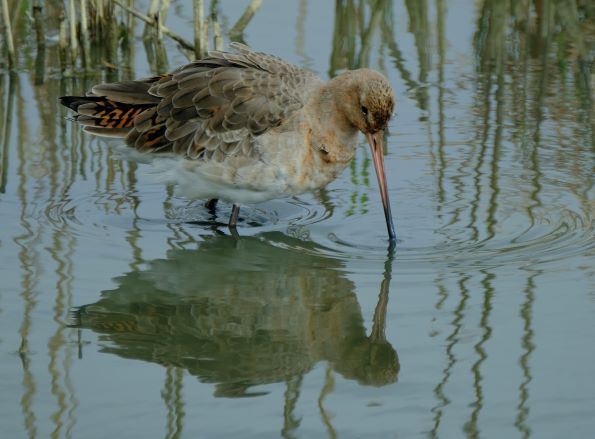
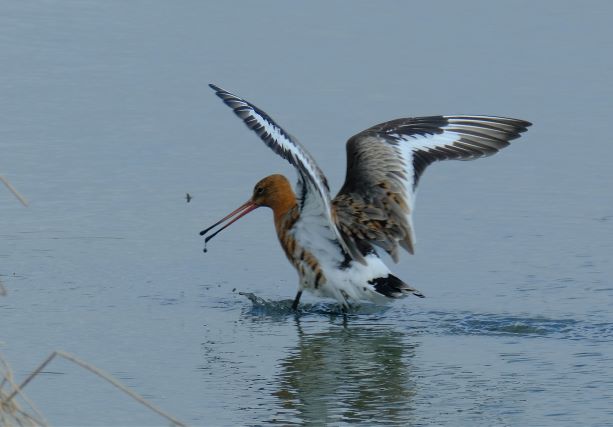
In April or early May, wintering Black-tailed Godwits will soon undertake their journey back to their breeding ground in Iceland. Most will have left by mid-April or early May. Before this journey, they will need to build up their energy and the rather boring grey plumage, is discarded, to be replaced by their summer colourful, feathers. The rich breeding colours act as camouflage in the habitats of the bird’s nesting grounds.
Full Summer Colours.
Starting to change to summer colours.
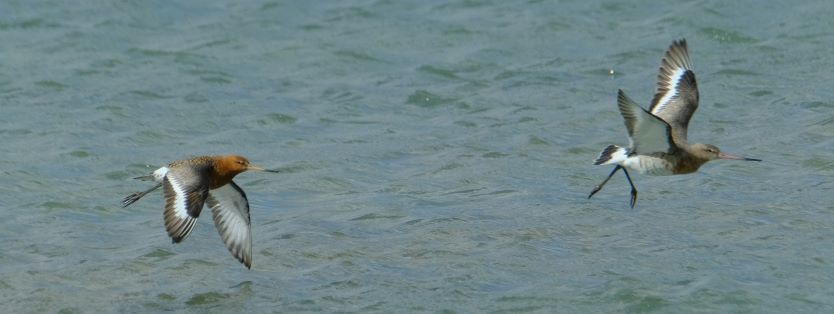
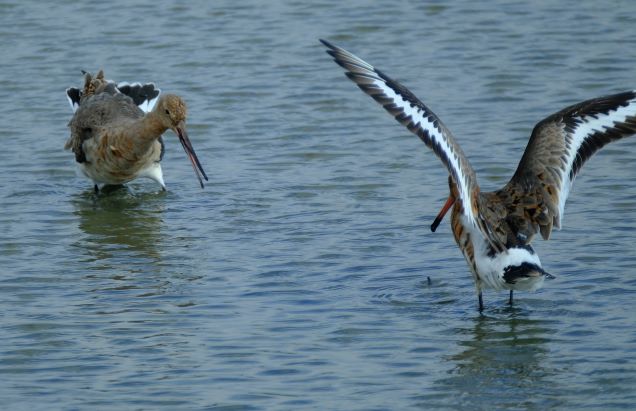
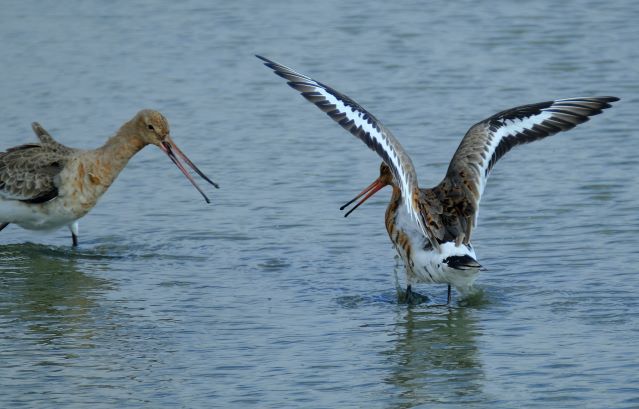
Godwits get quite vocal and have little spats over the areas where they are feeding especially if they encroach on each other’s space.
Not a nice side of a duck’s life. SENSITIVE CONTENT.
While theoretically monogamous, Mallard ducks will often engage in what used to be called “rape chases,” but are now known as “forced copulations.” This involves several males chasing a female and then forcefully mating with her – So brutal is the act it has resulted in the female’s death when she has been drowned by the males holding her head underwater.
In Titchfield Harbour 9 males Mallards pindown a single female.
She was able to get herself out of the water and onto the beach.
Finally, the brutal attack was over and she was able to get away.