Turnstone turn stones looking for food – they spend most of their time walking on the shore and climbing over rocks, picking out food from under stones & seaweeds

Turnstone turn stones looking for food – they spend most of their time walking on the shore and climbing over rocks, picking out food from under stones & seaweeds
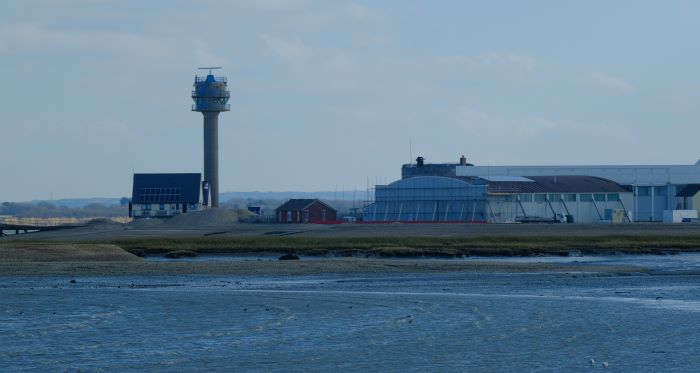
A walk along Southampton Water to Ashlett Creek a fairly bright morning but with a bitter wind.
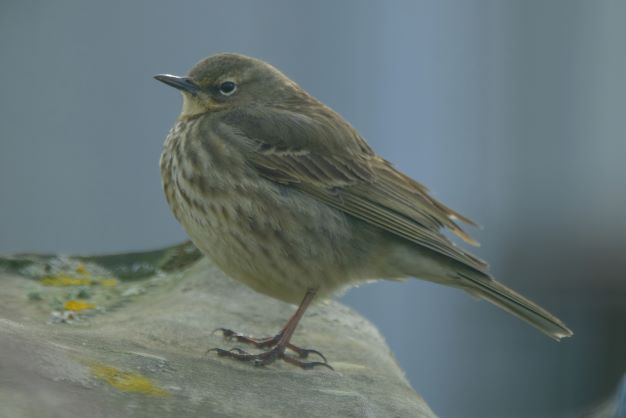
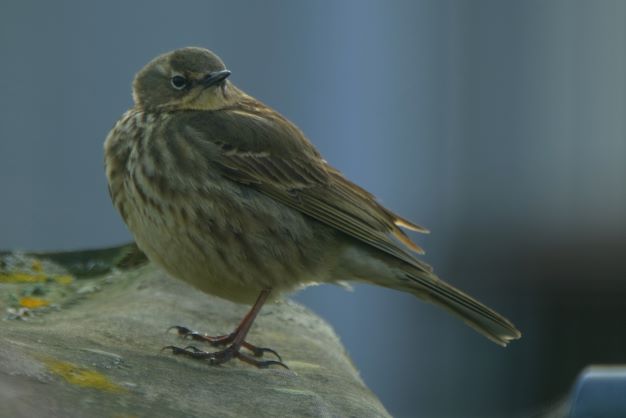
A Rock Pipit close to the shoreline. The rock pipit is a stocky pipit, a bit larger than a meadow pipit,(sizewise it is a bit smaller than a Starling.)
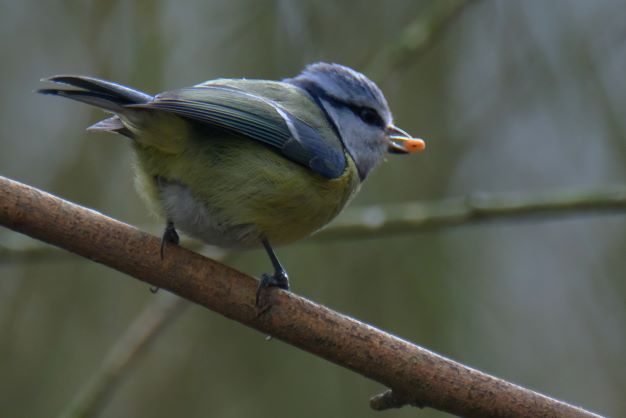
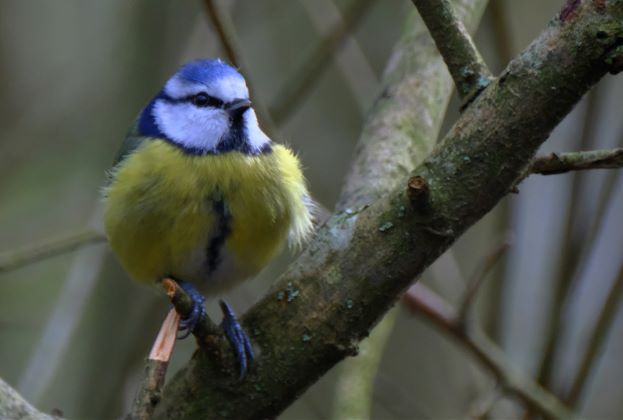
In the UK two frequent garden visitors on the bird feeder and bird tables are the Blue Tit and the Great Tit. Both these birds are common in the woodlands where I took these photographs.
Blue Tit.
Length:12cm Wingspan:18cm Weight:11g
UK breeding: 3,600,000 UK wintering:15 million

Great Tit.
Length:14cm Wingspan:24cm Weight:18g
UK breeding: 2,500,000

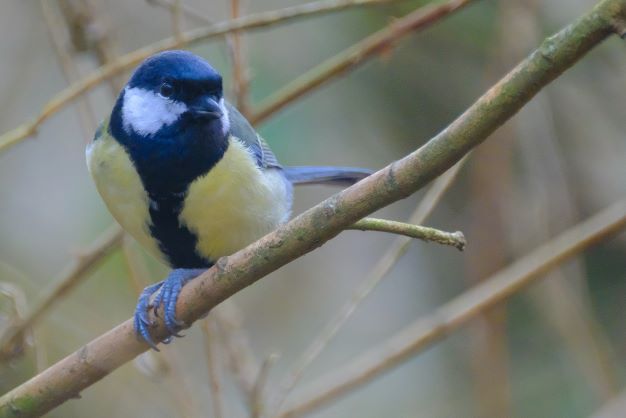

facts from RSPB.
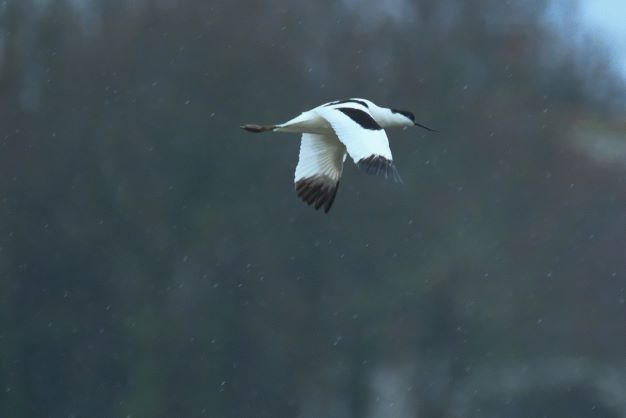
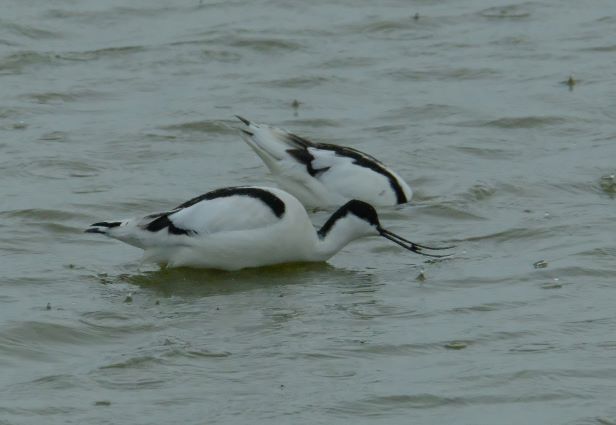
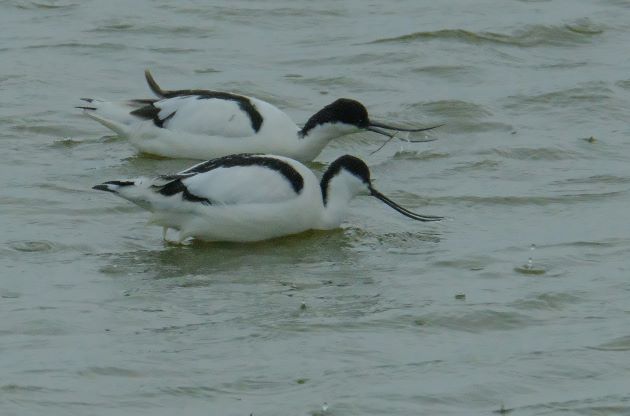
Avocets have started arriving at Titchfield Haven for the start of the breeding season. About 20 birds were spotted today in the rain! All a far way off but as more arrive, I am hoping for some close photographs.

Thinking of Ukraine at this difficult time and hoping for peace.
Back in 2014 on our 1st camper van tour of Scotland, we headed for the Lockerbie memorial garden the memorial to Pan Am Flight 103. On 21st December 1988 shortly after 19:00 while the aircraft was in flight over the Scottish town of Lockerbie, it was destroyed by a bomb that had been planted on board, killing all 243 passengers and 16 crew in what became known as the Lockerbie bombing. Large sections of the aircraft crashed in a residential street killing 11 residents.
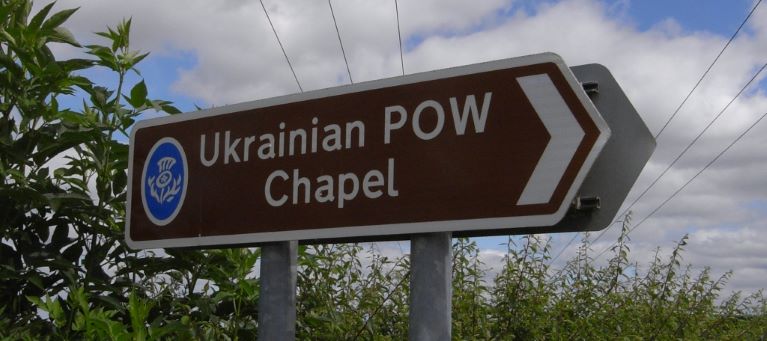
After leaving the town we saw a road sign to Ukrainian POW Chapel so we followed it to find out more. Away from the town were remains of a few huts (which numbered about 40 originally). One of these huts had been converted into a chapel by the prisoners.
Looking around it was all closed up, but before we left an old car turned up and an elderly gentleman turned up and unlocked the chapel.
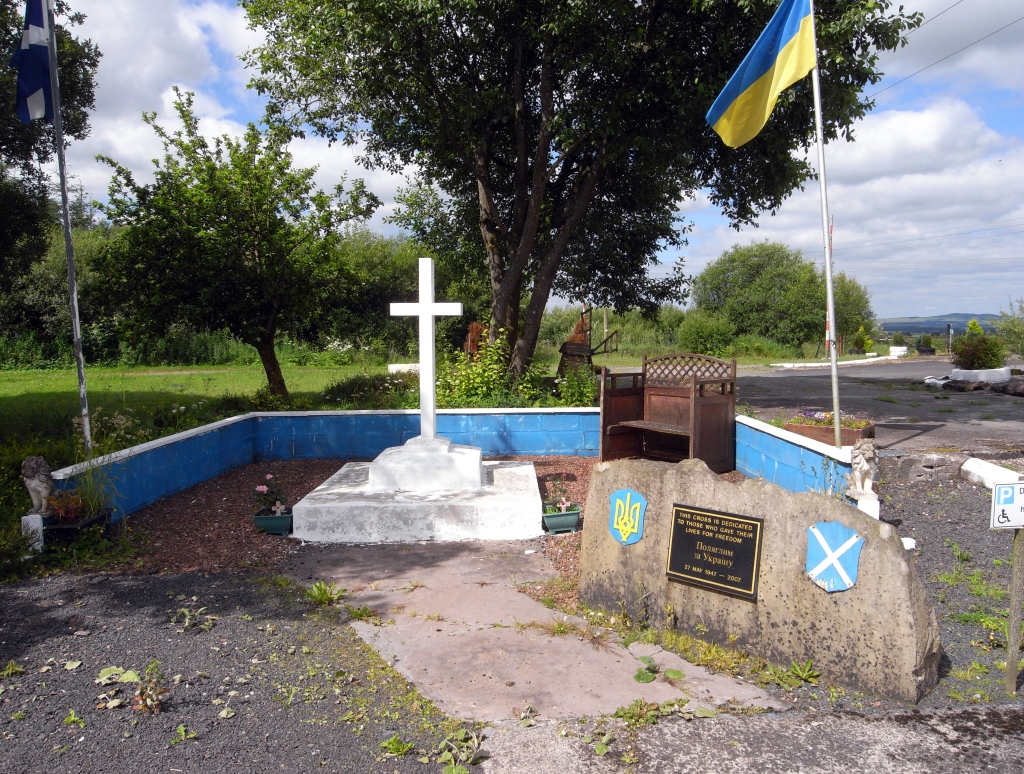
He told us that the camp held 400 Ukrainian prisoners of war who had fought with Germans on the Russian front against the Red Army. The hut that had been turned into a chapel was looked after by him. He also had a small museum in a caravan he took the time to tell us about the history of the camp. The prisoners left the camp during the day to work on local farms and return there at night. When the war ended the Russians occupied Ukraine. The prisoners could not return home as they would have been sent to the gulag or executed. The camp closed in 1947 and many prisoners had become part of the community. The man who looked after the chapel’s father was one of the prisoners and had married a local woman.

A few years later we visited again but the chapel was locked up. I was told with the failing health of the caretaker the chapel remained closed for a while.
Today looking online it appears services are still held at Hallmuir chapel on the first Sunday of each month and the building again is also used for marriages of members of the Ukrainian community.
The inside of this simple hut is ornate and reflects the Orthodox Catholic religion of the people who lived in the camp and built it.

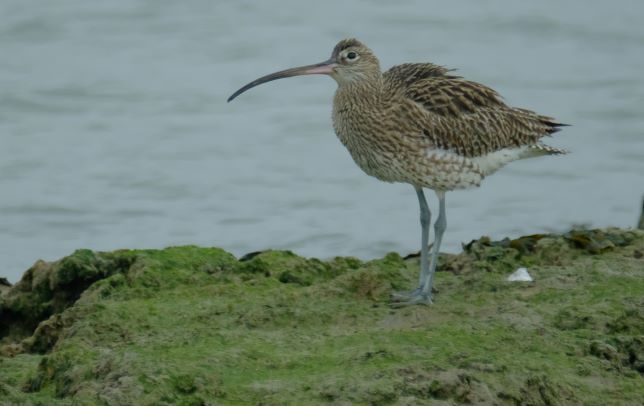
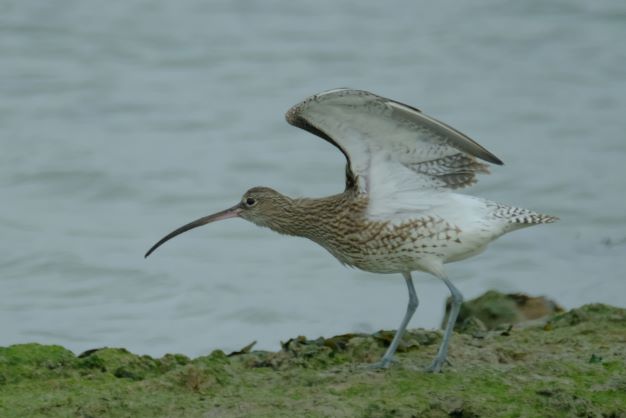
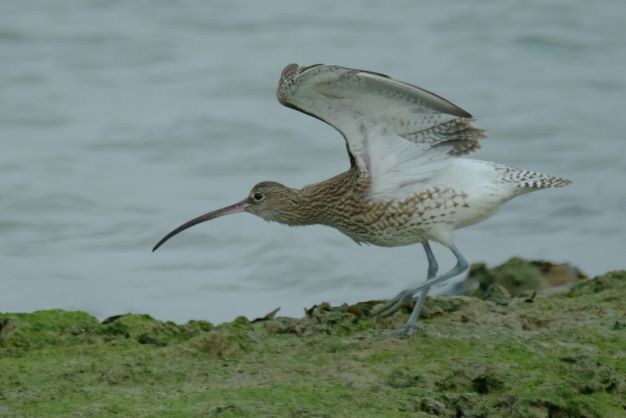
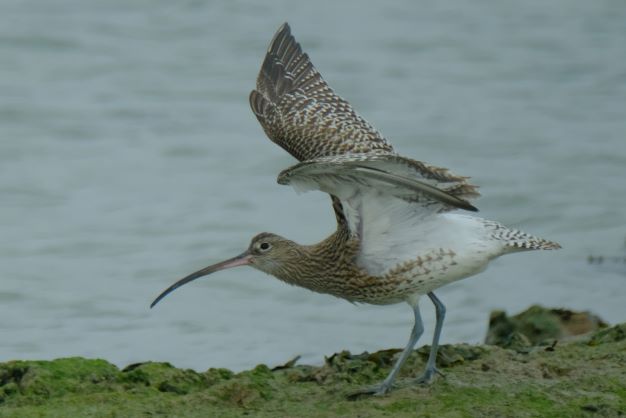
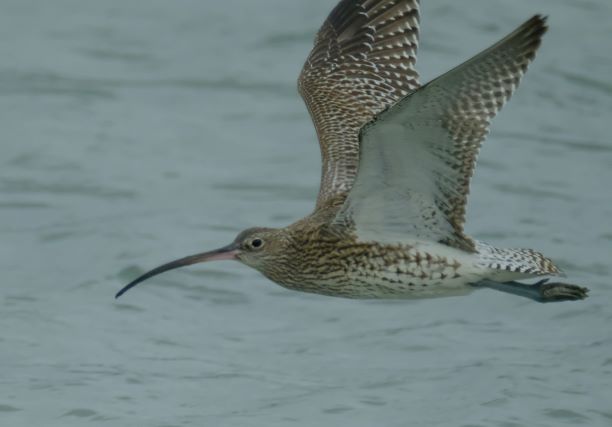
Curlew bird observation and facts. Today’s bird watching walk up the Hamble River gave some really good views of some Curlews. It is an easily recognizable bird by its size and downcurved bill.
The Curlew is a large wader (in fact it is the largest European wader). It is about the size of a female pheasant. They are ground-nesting birds on wet grasslands, farmland, heath and moors this can be miles away from the coast.
Some 140,000 birds winter in the UK with about 66,000 breeding pairs
I have added the call of a Curlew over the sound on my short film.




A walk around Southampton this morning. The Town of Southampton became a city in 1964.
Parking up at Mayflower Park a short walk takes you into the old part of the town.

The view from the park is a great place to watch ship movement in and out of the port.
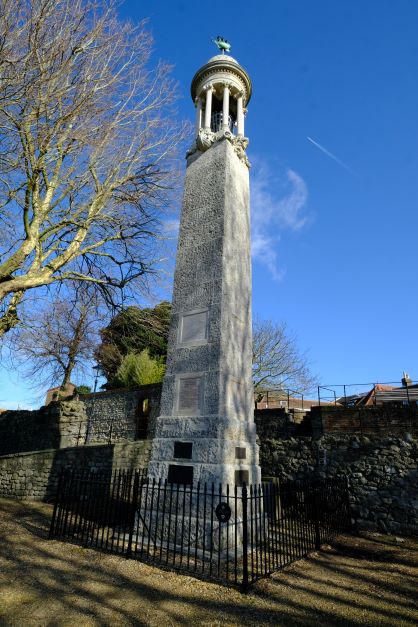
Just outside the park by the city wall is the Mayflower Memorial It commemorates the sailing of the Pilgrim Fathers to America in the Mayflower and Speedwell in 1620. The monument is a 50 ft high column of Portland Stone, surmounted by a cupola and a copper model of the Mayflower.
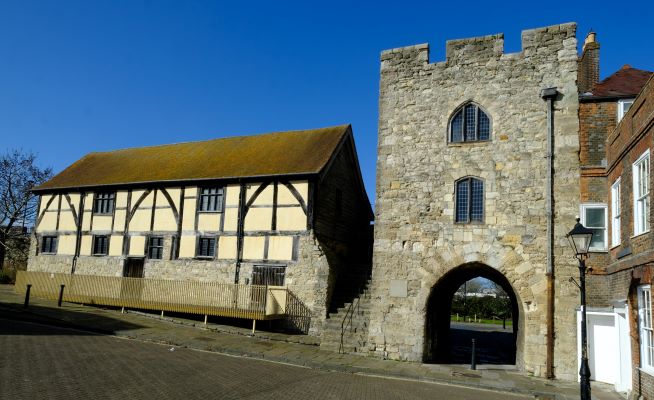
The old customs house and the Wool House which is is a medieval building which was built to serve the wool trade

Westgate from Westgate Street (inside the town wall looking out).
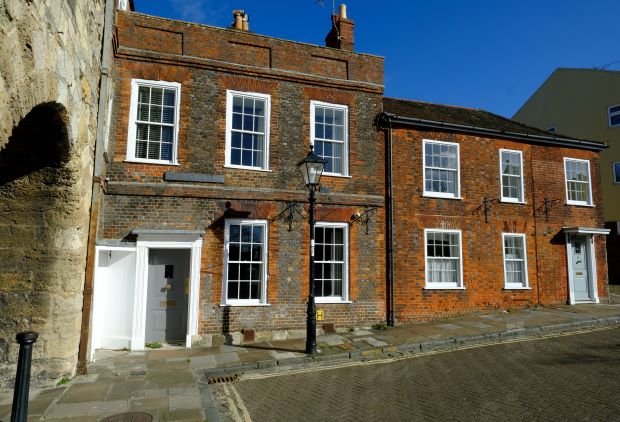
Old houses by the Westgate.
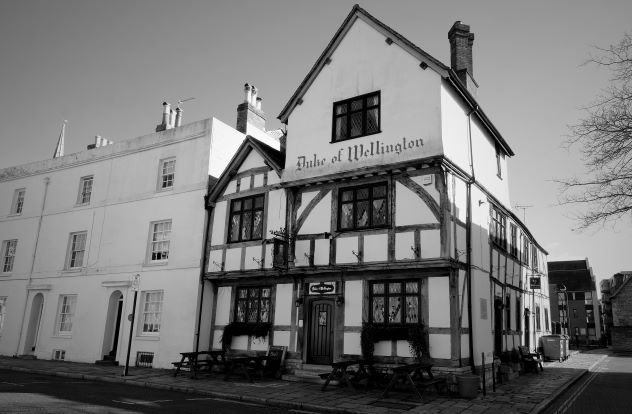
The Duke of Wellington pub in Bugle Street is a historic building with some old beams dating back to 1220.
Said to be Southampton’s most important historic building, Tudor House is now a museum. The timber-framed building in St Michael’s Square was built in the late 15th Century. King John’s Palace, an adjacent Norman house is accessible from Tudor House Garden, it dates back a further 300 years.
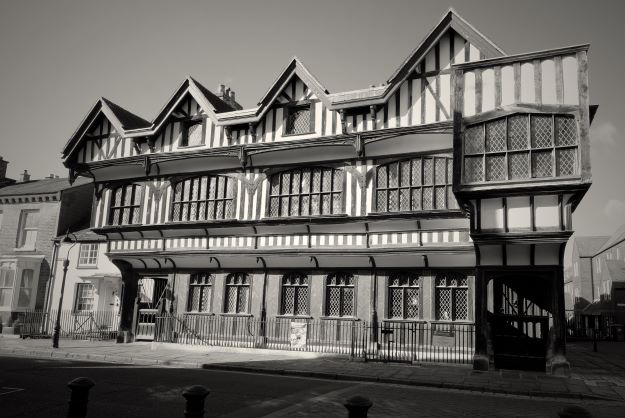
Opposite Tudur House is St. Michael the Archangel Church it is said to be the oldest building still in use in the city. The spire was first built in the 15th century and then reconstructed in 1732. In 1887, to make it a better landmark for shipping, a further 9 ft was added to the blunt shape, It is now 165 ft.
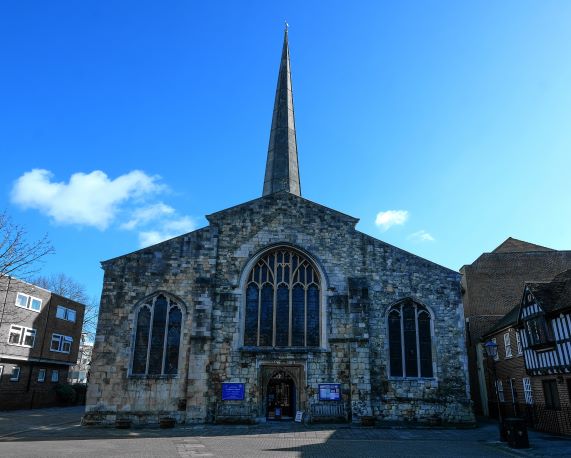
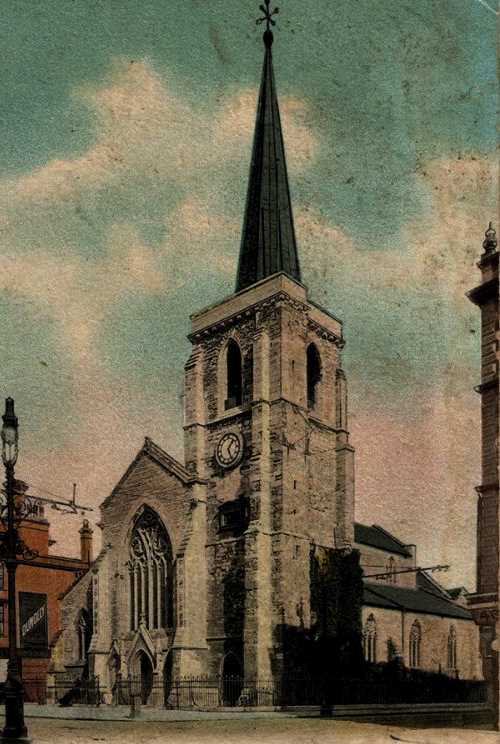
Much of Southampton was devastated by the German bombing in WW2. Although the other churches in the central town, Holy Rood and All Saints, were both destroyed in 1940, St. Michael’s escaped with only minor damage. It is said the spire was used by the German bombers as a landmark and their pilots were ordered not to hit it.
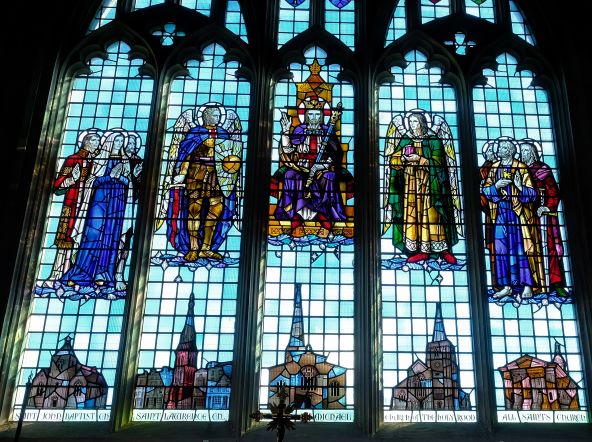
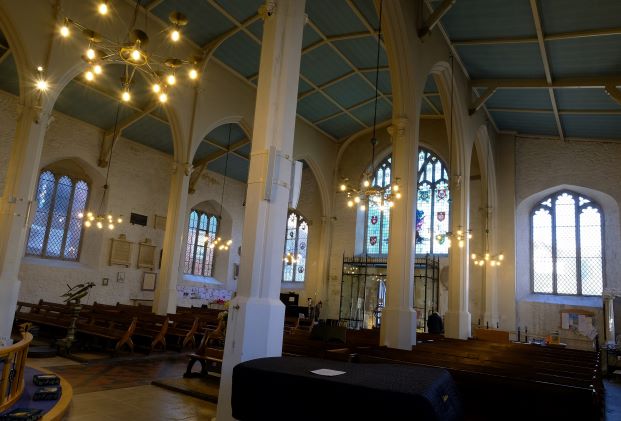
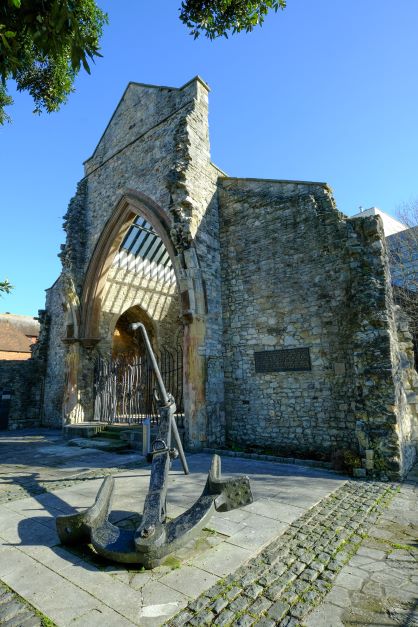
The remains of Holy Rood Church now a merchant navy memorial
The church around 1900 before its destruction during the Blitz.
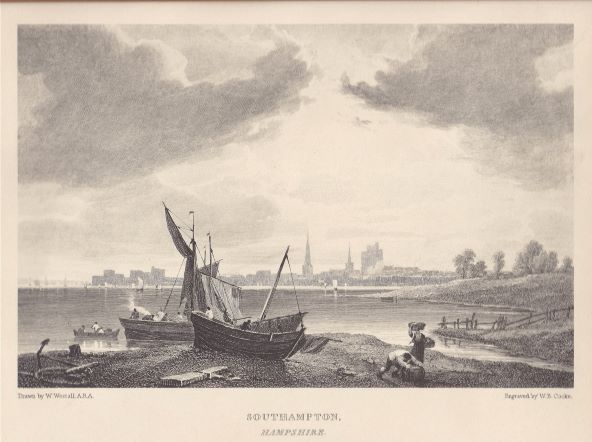
A victorian view of the city – note the church spires
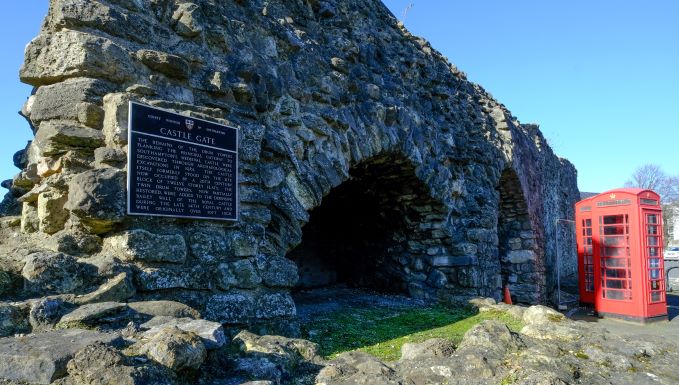
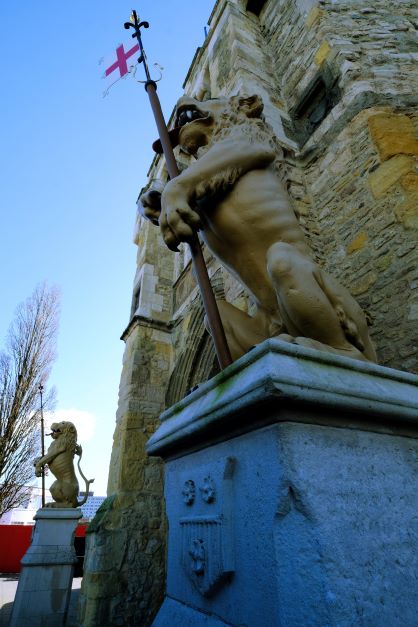
Within the walls of Southampton was a castle but the site today is built on and only parts of the outer wall remain.

The Bargate is another gate to the old town.

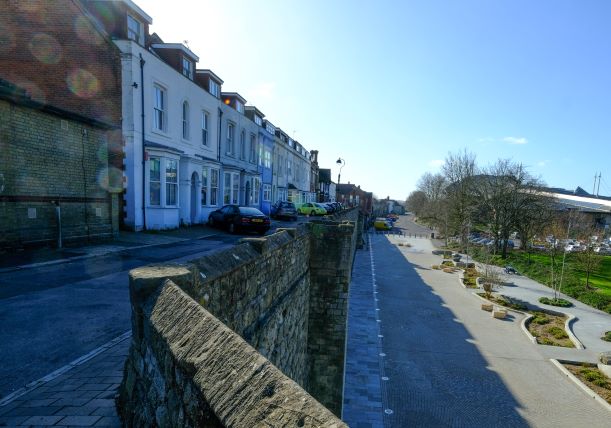
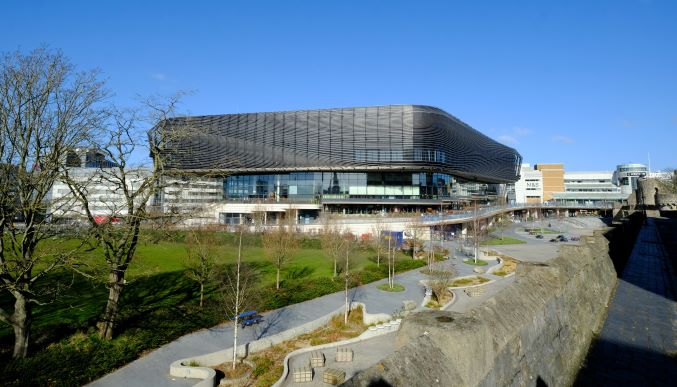
Views from the old walls. In the sea in the past came up to the walls but the land now is reclaimed. The views included some nice Victorian House on the walls and the modern shopping centre.
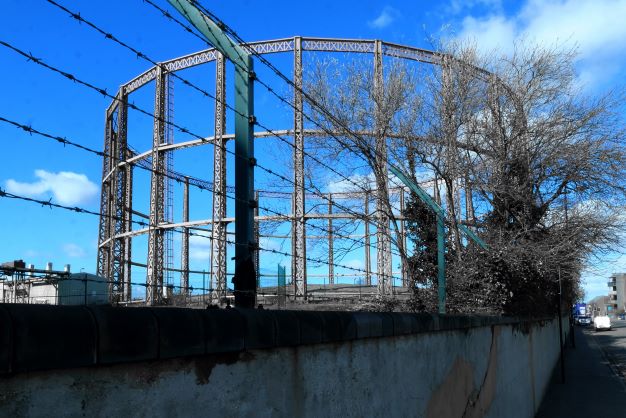
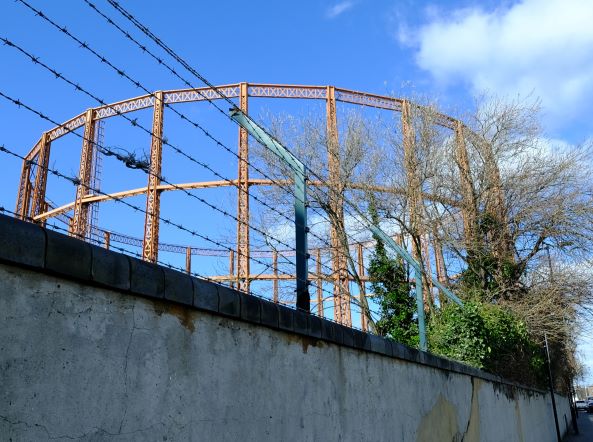
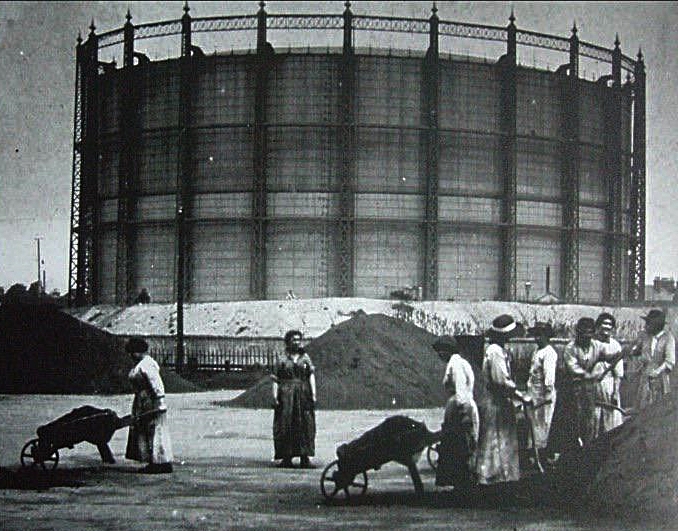
Further away from the old town is an old Gasometer a listed structure but is under threat as the city wants the old gas works land to be redeveloped. A victorian structure to store coal gas. These structures once common in the UK are disappearing from the skyline quickly. These large containers in which coal gas was stored near atmospheric pressure at ambient temperatures. The volume of the container follows the quantity of stored gas, with pressure coming from the weight of a movable cap. As a child they fascinated me how the cap would move up and down. During the Blitz they were kept low due to the risks from bombing if they were hit when full.
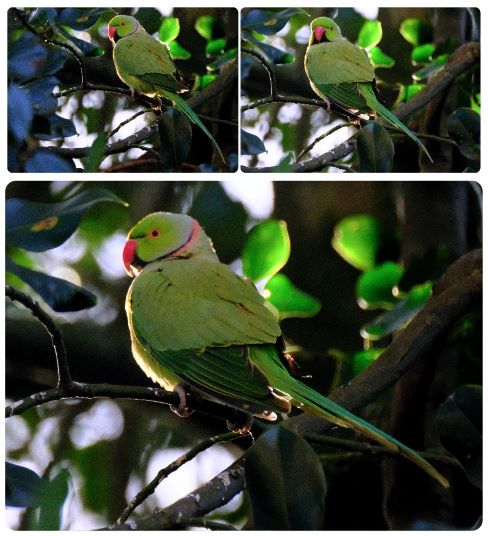
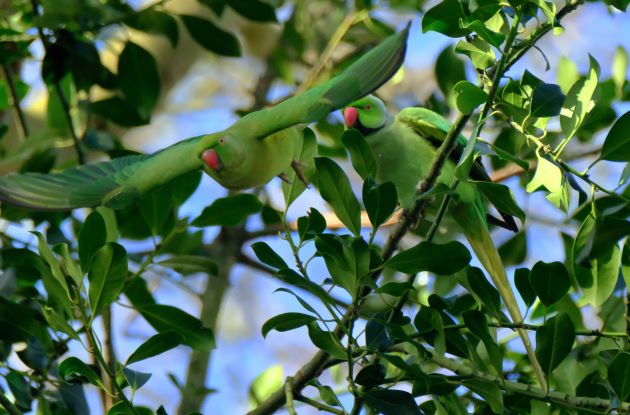
Before leaving my walk around the historic parts of the city I had to check if the Parrots were about and they were.
Thursday I spent some time on the beach and filmed the flock of Sanderlings enjoying the afternoon’s sun.
This post is a movie only, Please note it runs for a little over 8 minutes. Is best viewed on a phone screen & the sound is only the beach and wind so best watched on low volume or off.
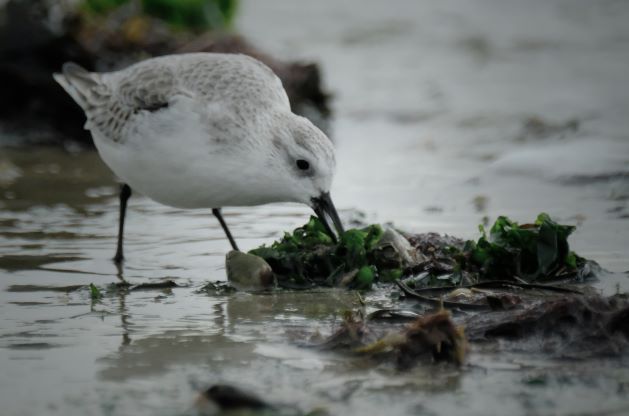
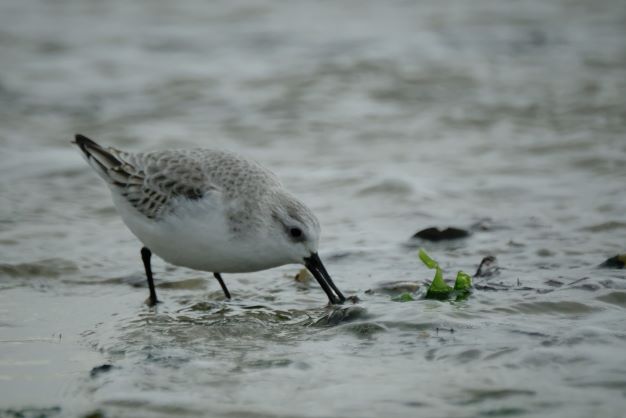
Some further Sanderlings pictures from Monday’s visit to the coast. The green of the seaweed adds a bit of colour to a dull grey day.



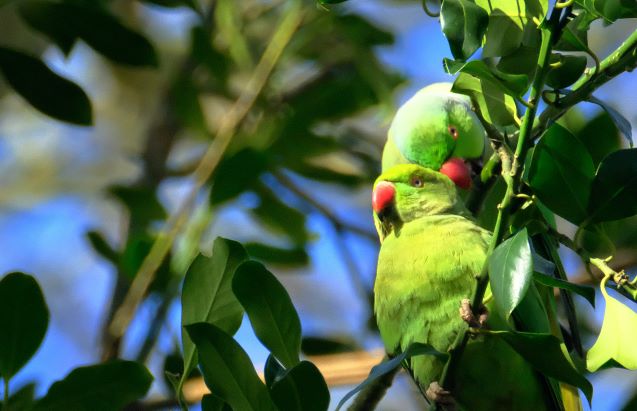
As I was in Southampton this morning I just had to get another look for the Ring-necked Parakeets in one of the city parks.


 Continued Reflections from my World.