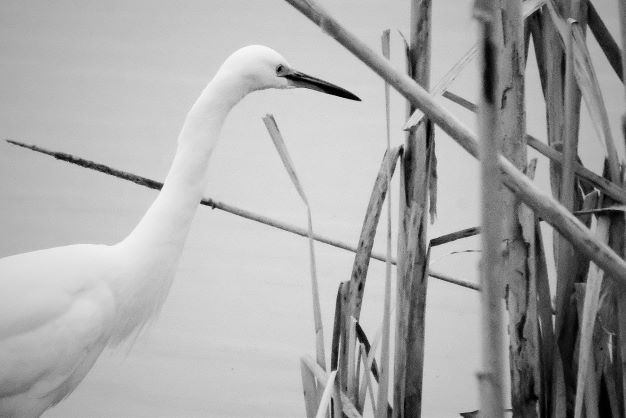


(Part 2 Birdwatching). More from a walk today from Warsash up the river Hamble to Bursledon. Today’s birdwatching observations on a rather dark and gloomy day

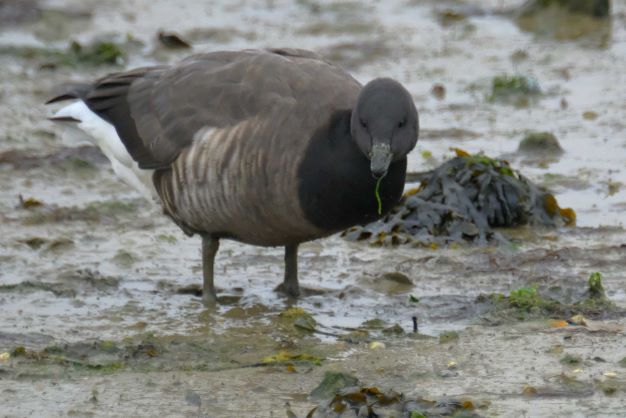
Brent Goose. These small geese are a similar size to a mallard. They have a black head and neck and greyish back, with either a pale or dark belly, depending on the race, most of the birds I see. local to me have a dark belly. I always find them difficult to get a decent photograph of them due to their dark colour on the mud, their eyes seem to disappear! I was quite pleased with these 2 shots despite the dull conditions.
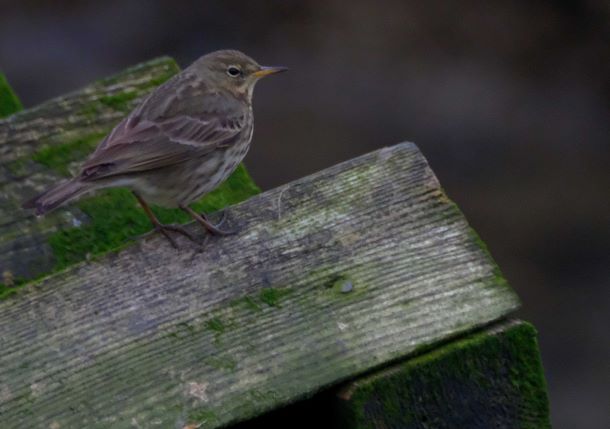
A Meadow Pipit.
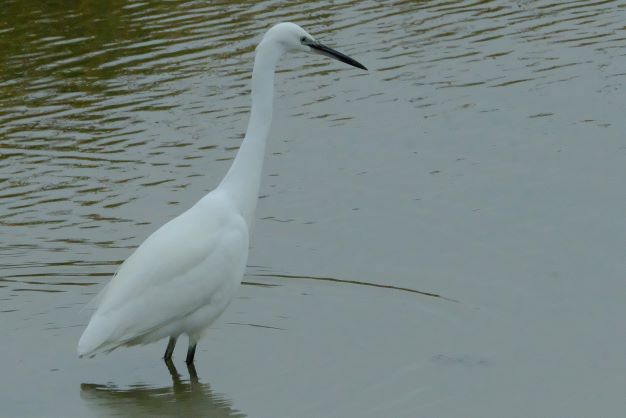
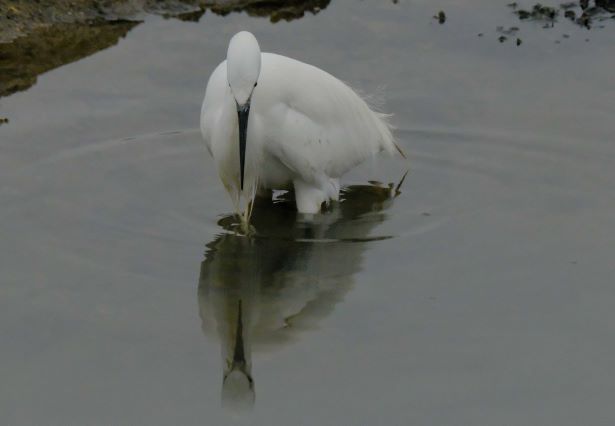
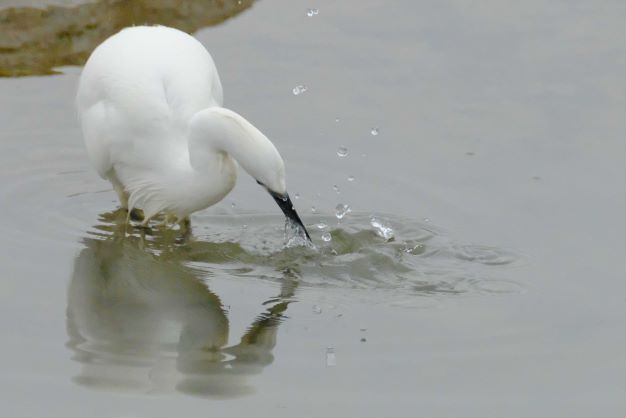
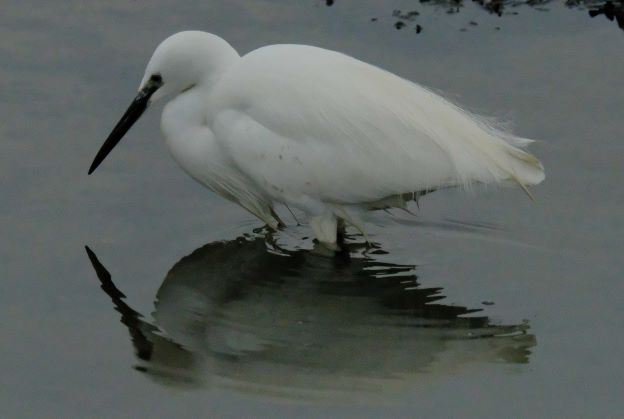
Little Egret. This bird was fishing alongside the footpath.

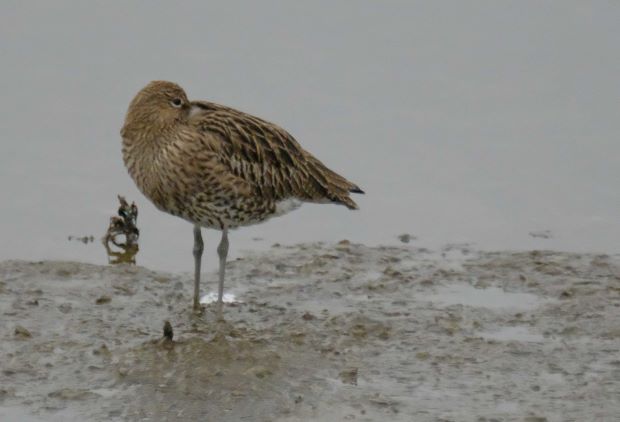
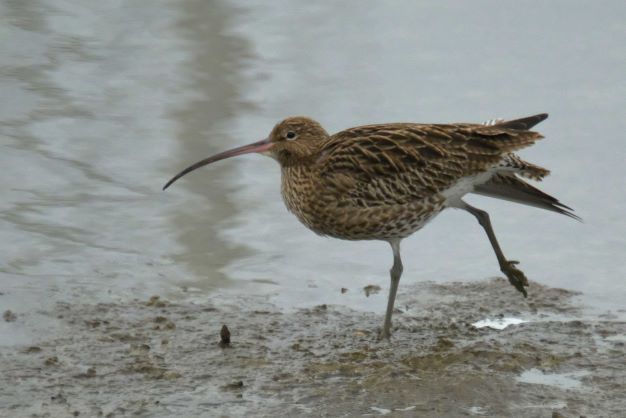
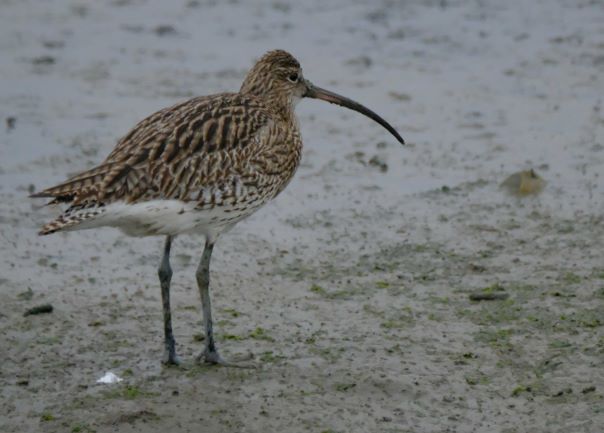
A Curlew;


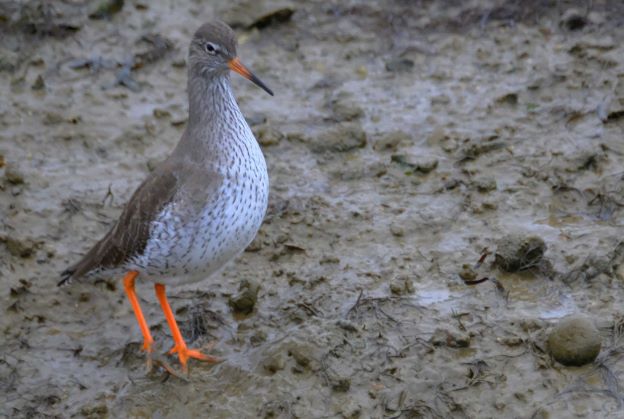
Redshank.


Many of the birds were a long way off on the mud, a large flock of Dunlin a couple of Shelduck and some gulls.

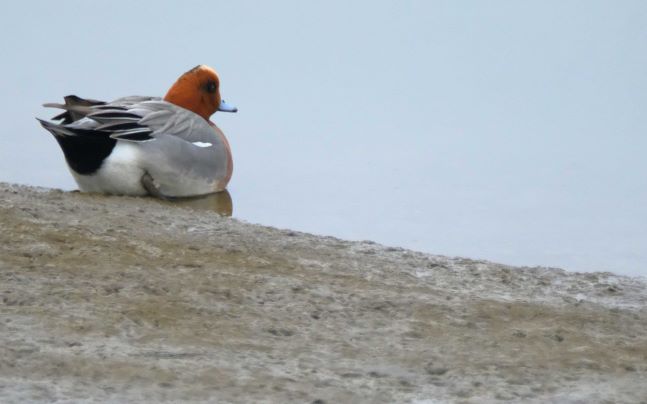
A male Wigeon.
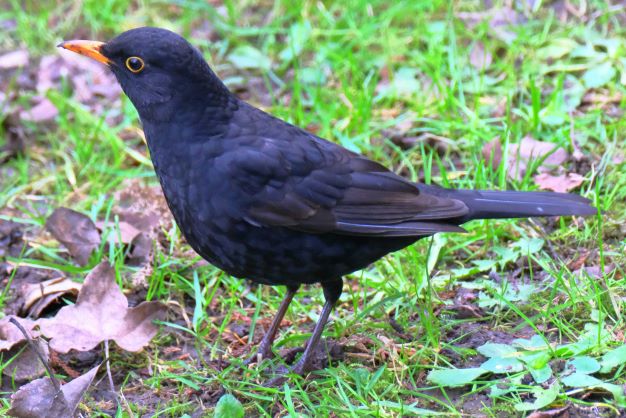
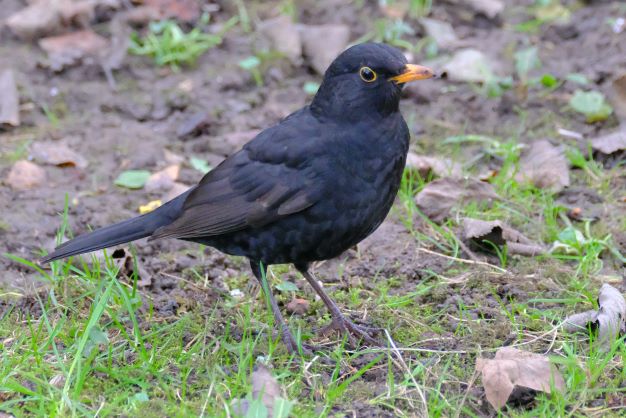
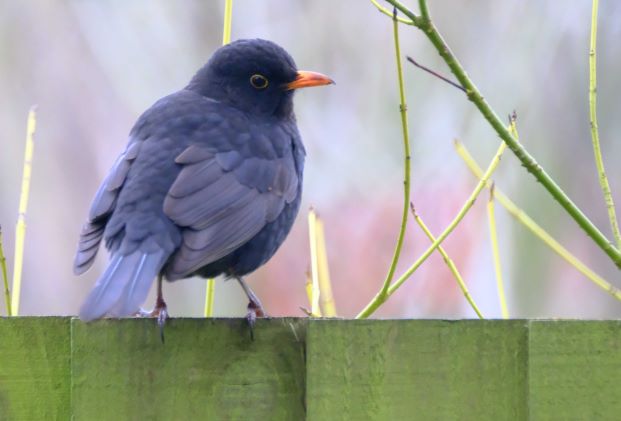
The Blackbird is also known as the Eurasian blackbird in North America, in order to distinguish it from the unrelated New World blackbirds, here in the UK we just call it a Blackbird. They are a member of the Thrush family.
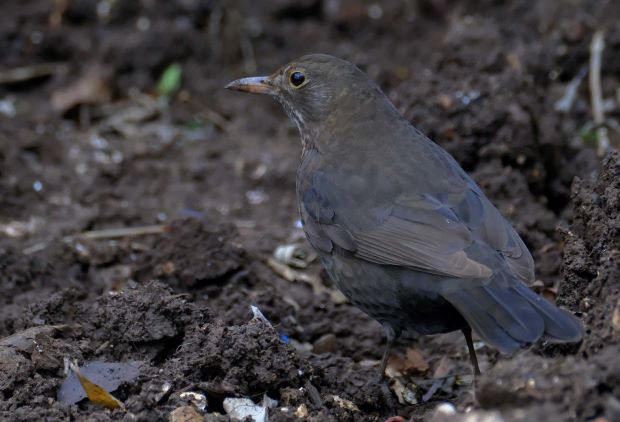
Adult male blackbirds have black plumage and, during the breeding season, they have both a yellow eye-ring and bill. Out of the breeding season, the male may have a dull bill and no eye-ring. Females are brown, often with a paler throat patch.
Mr Blackbird.

Mrs Blackbird.



An early start in the New Forest with breakfast in the van before a frosty walk on the remains of Stoney Cross airfield.
Stoney Cross airfield was one of the larger wartime airfields within the forest. It was active between 1943 to 1946, It remained open after the war until it closed in 1948.
Stoney cross had three runways with the main runway, 2,000 yards (1829 metres) long. The second runway, was 1520 yards (1390 metres) and the shortest runway, at 1366 yards (1249 metres) long.
Sadly most of the concrete had been stripped from the runways by 2000 and used as hardcore in road construction. The outline of the runways can still be seen in places as well as remains of other concrete bases.
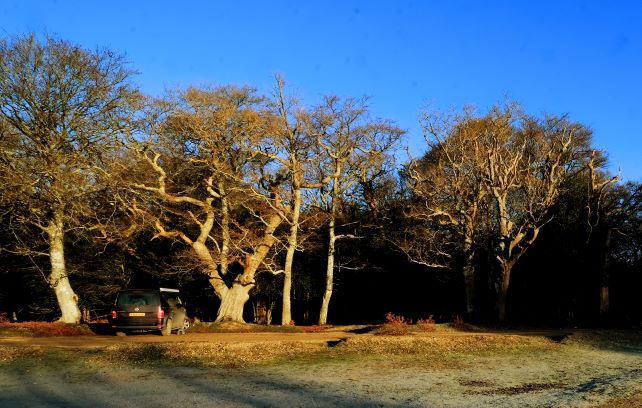

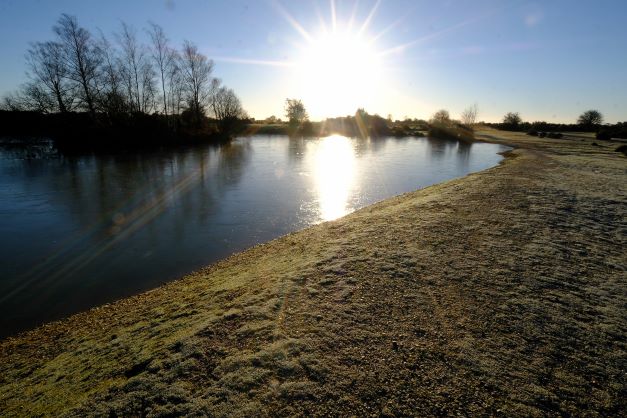
Parking at Cadmans Pool as a starting point to head off on foot across the site of the old airfield on Ocknell Plain. Apparently, the pond was dug around 1960 to enhance the aesthetic appeal of the plain.
On arriving today the pond was iced over at the temperature was -4, so a cold start.


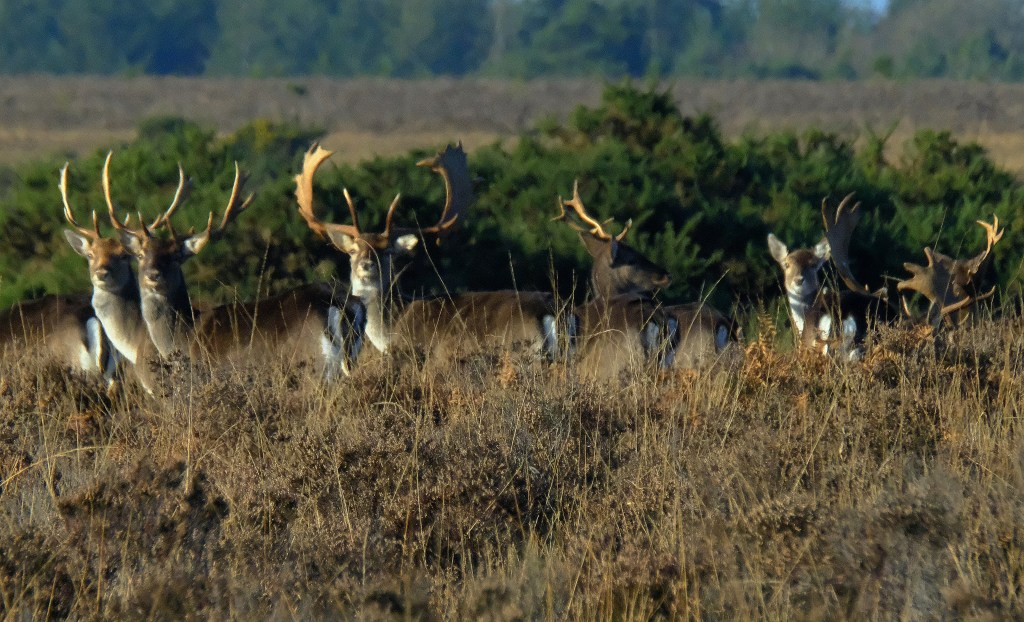
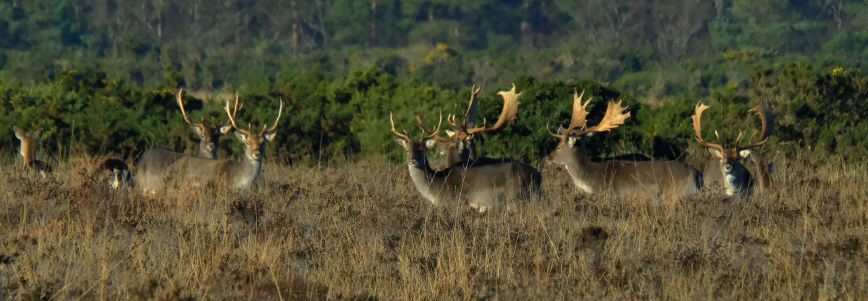
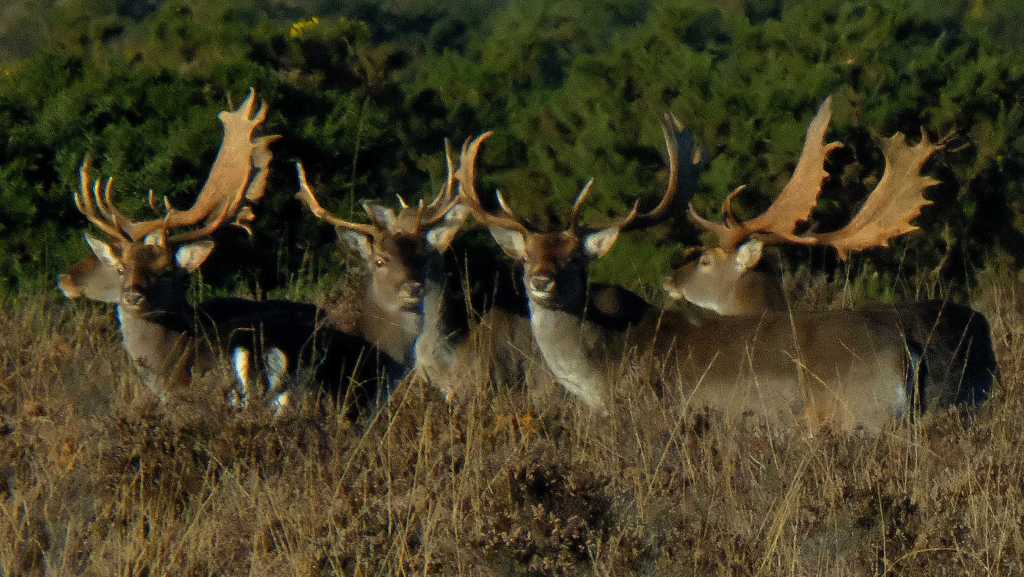
A group of Fallow Deer strolling on the plain. There were some fairly handsome stags in this herd.


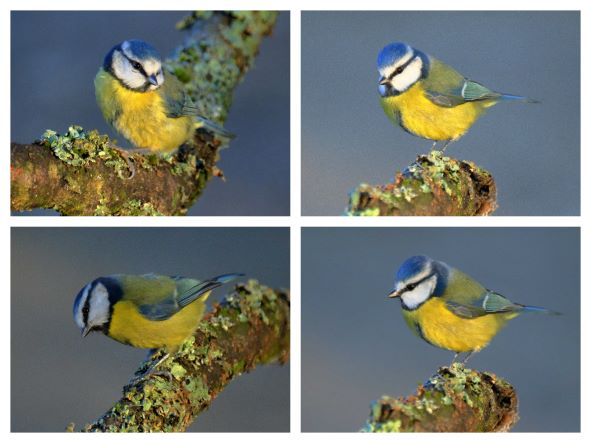
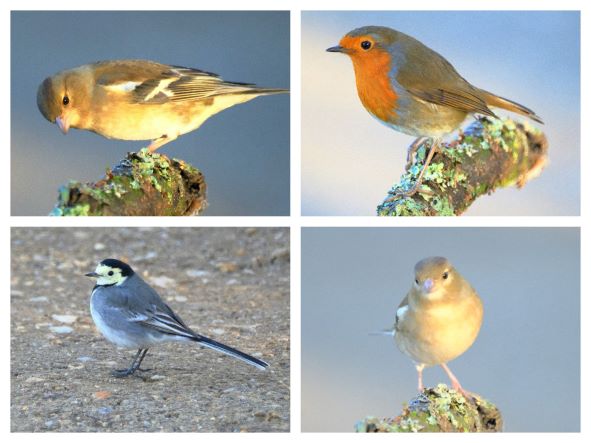
As usual, the trees around Cadmans Pool is a great place to observe and photograph small woodland birds.
I had only ever seen a Bittern once before many years ago and that was a fleeting glimpse but Friday at Titchfield Haven I saw another, this time was a good fly past and I was able to get a few distant photographs.

The Bittern is a member of the Heron family. They are said to be Britain’s loudest bird, Male bitterns begin to boom as early as late January to establish territories and attract mates.


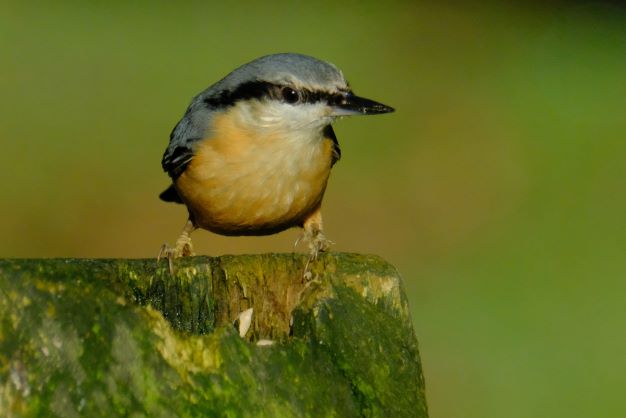
The nuthatch is about the size of a Great Tit they are a distinctive bird with an orange breast, blue-grey wings and compact build. It has a long, powerful beak and a black streak running across its eye. To me they look like a small woodpecker.


In the summer much of their diet is made up of invertebrates, In winter, the species feeds on seeds and nuts.
#Wordless Wednesday- love.

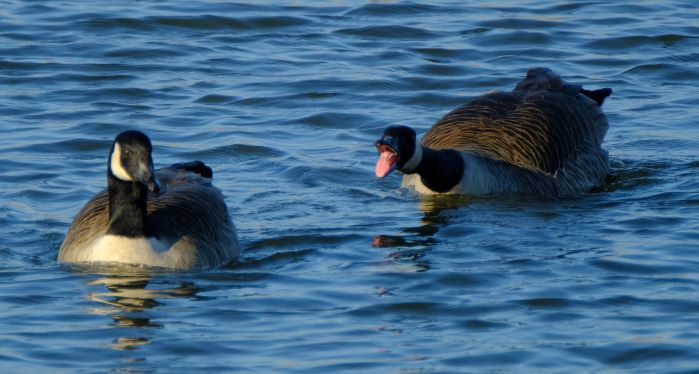


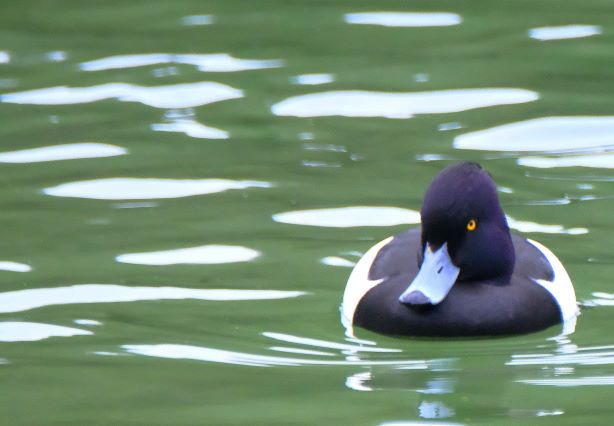
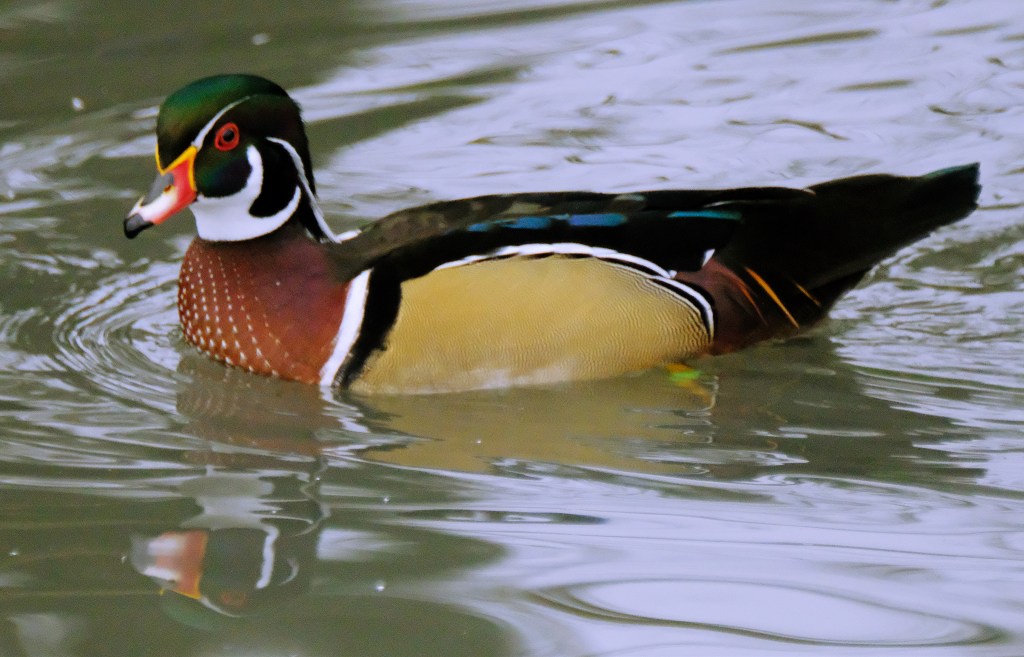
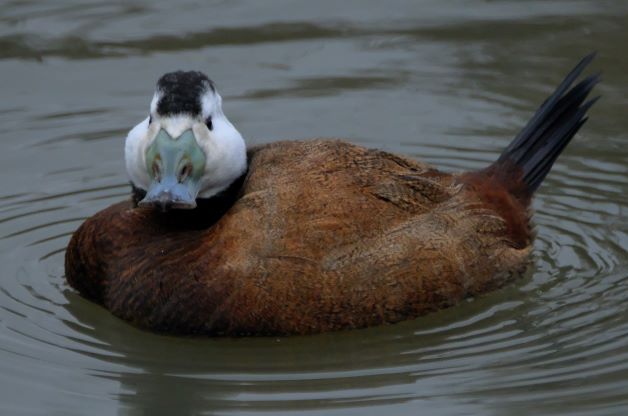
It always amazes me how colourful our birds are, here is a selection of colourful ducks.
A Tufted duck.

A Wood Duck.
A Ruddy Duck.
A Shoveler
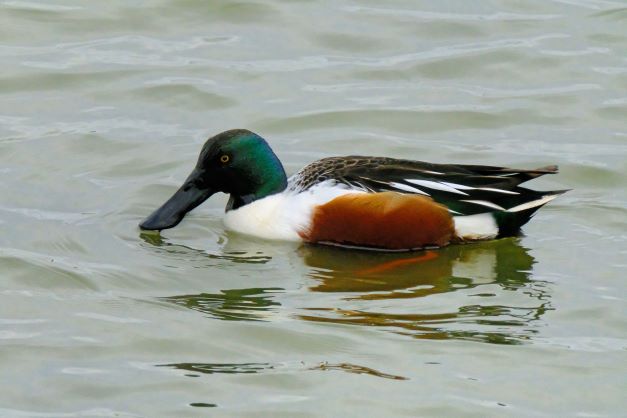
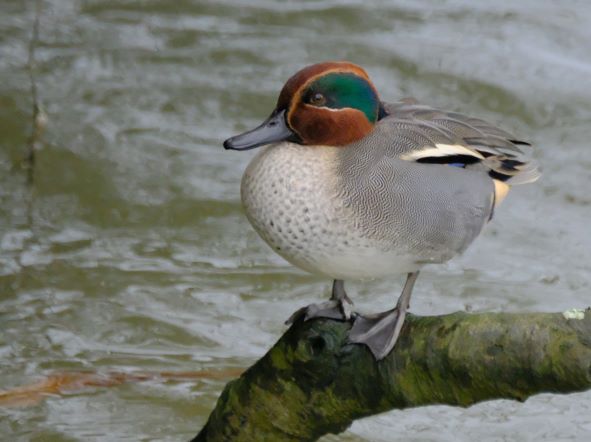
A Teal.
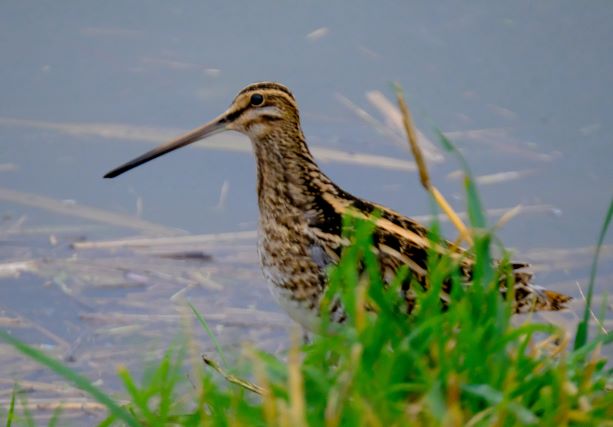
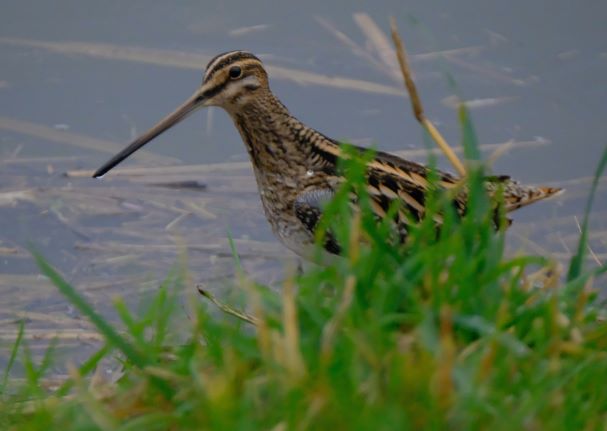
close view of a Snipe yesterday afternoon.

Goodbye, 2021 and all that – let us hope things get better in 2022.
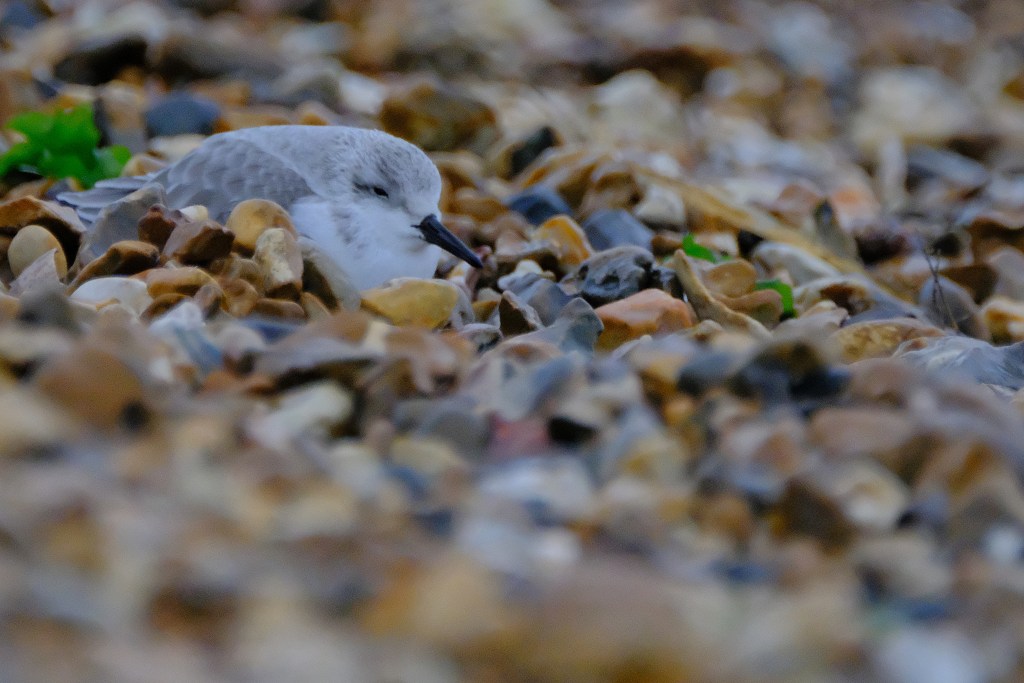
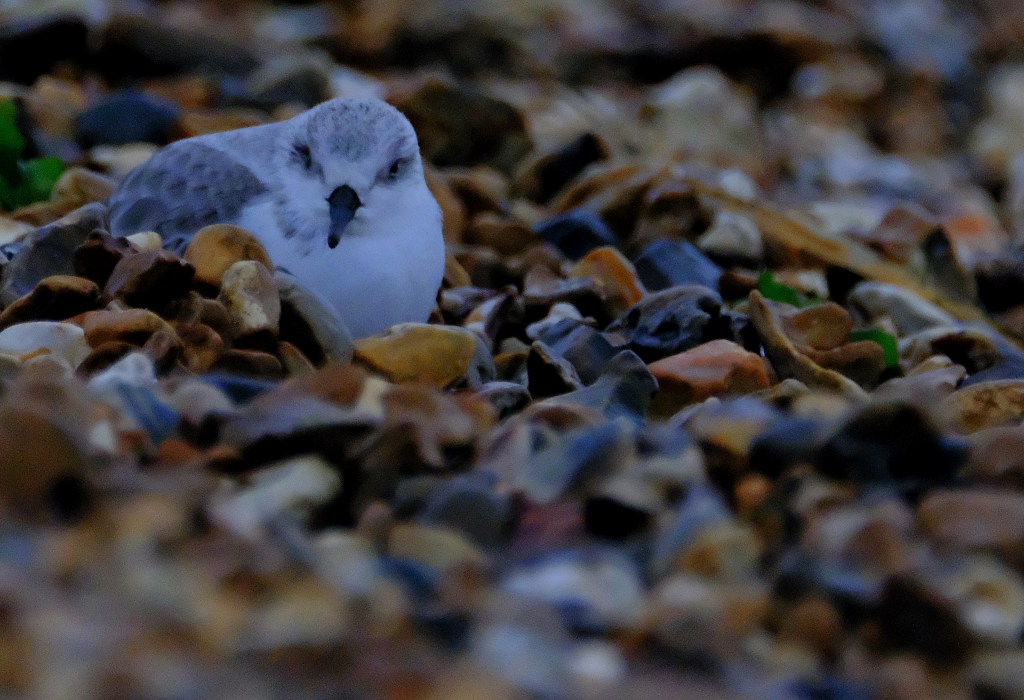
A lone Sanderling sitting on the shingle Meon Shore Southampton Water.
 Continued Reflections from my World.