Up the Hamble.

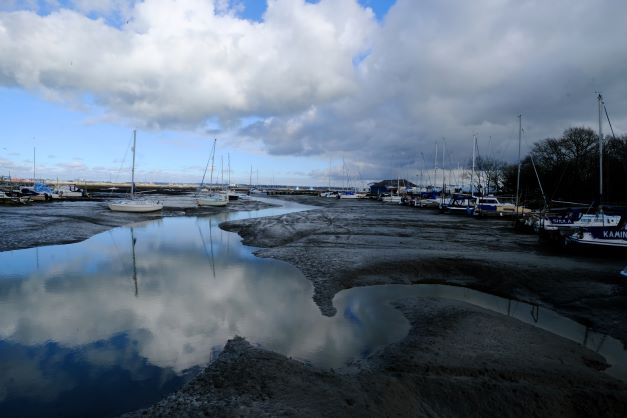
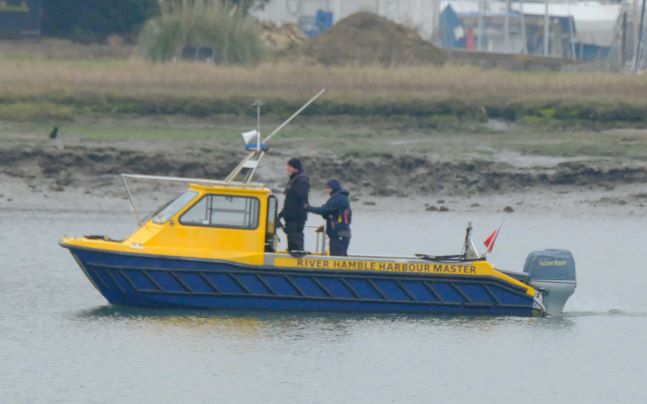
(Part 1 History). A walk today from Warsash up the river Hamble to Bursledon. About 2.5 miles each way on flat footpaths. The Hamble remains tidal on this stretch of the river.

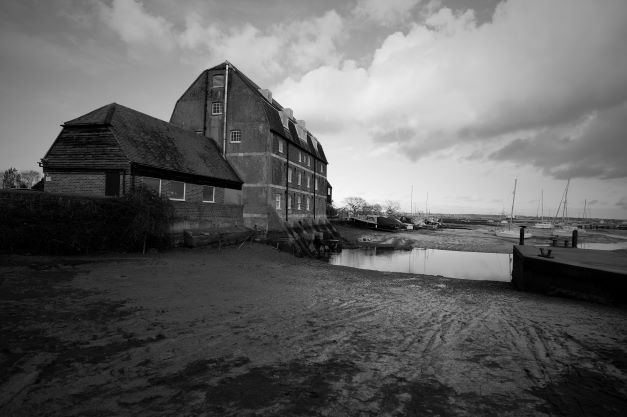
From medieval times it has been a major ship and boat-building area. Many major boatyards were on this part of the river. Today it remains a yacht building area.

Many major ships were for the Royal Navy. Some details https://en.wikipedia.org/wiki/Category:Ships_built_on_the_River_Hamble

As the mature Oak was used much of the larger wooden shipbuilders relocated to the New Forest.

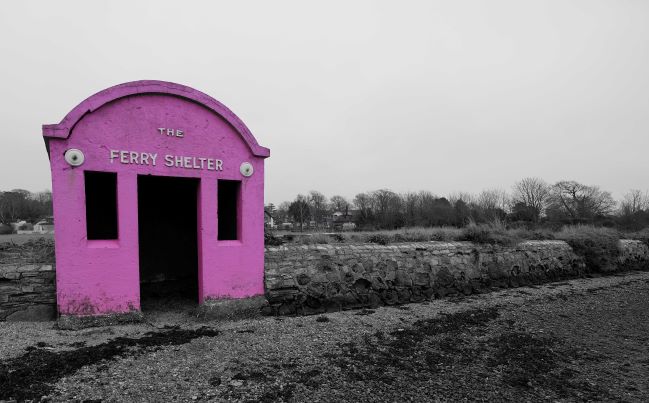
Warsash to Hamble ferry shelter. In the winter the passenger ferry only runs on weekends the shelters on each side of the river as well as the ferry are painted pink. You can see the boat coming!
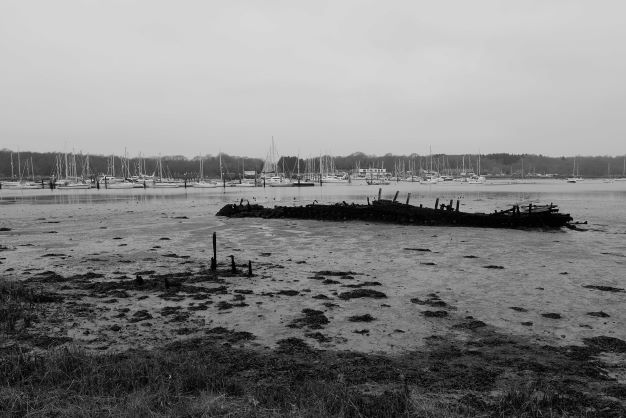
As you walk along the river you pass many hulks and wrecks.

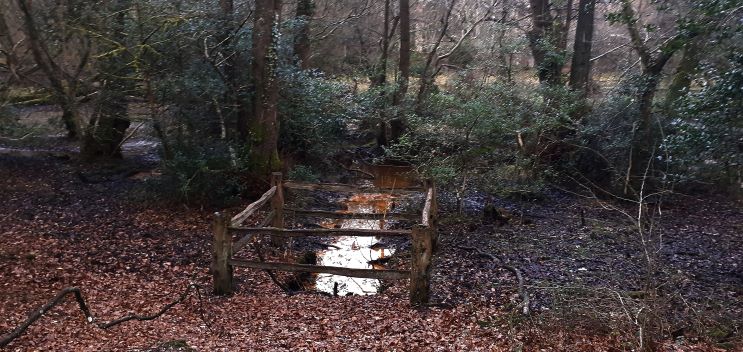
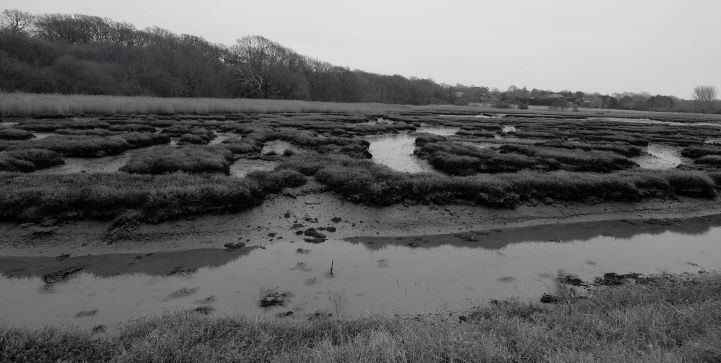
Many years ago I remember doing this walk when you had to pick your time to do it – making sure the tide was not too high as there were places where stepping stones were needed to be used to cross places where the water flowed into the marshes at the edge of the river. Now bridges ensure it is an easy walk for all.

Even a coffee break is now possible which many dog walkers were making use of.

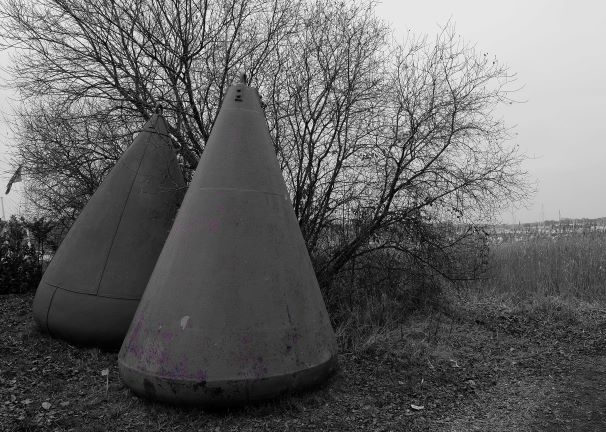
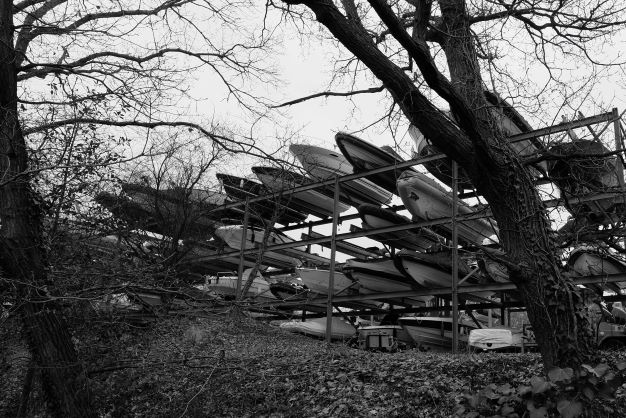
Old bouys, and boat storage.

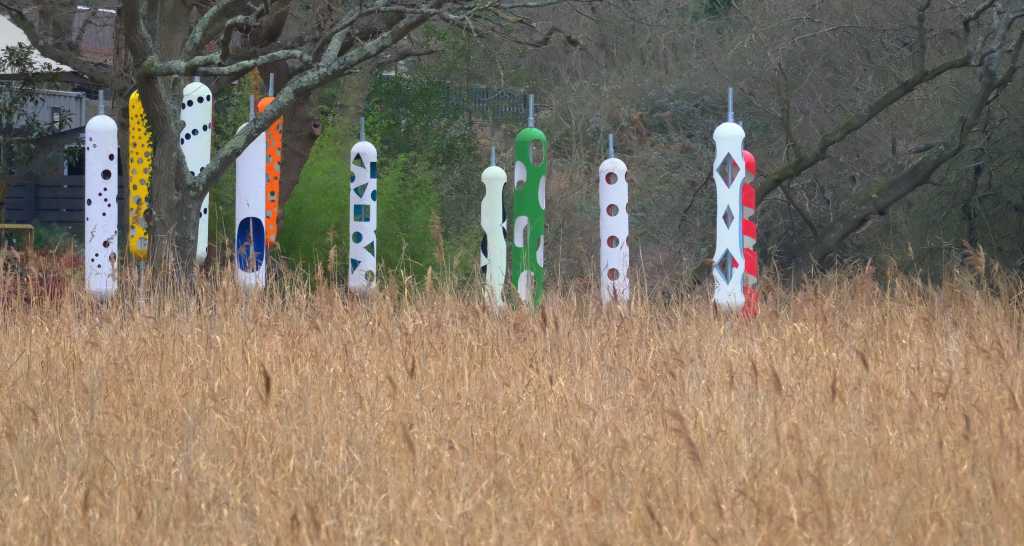
Artwork “bullrush” statues.

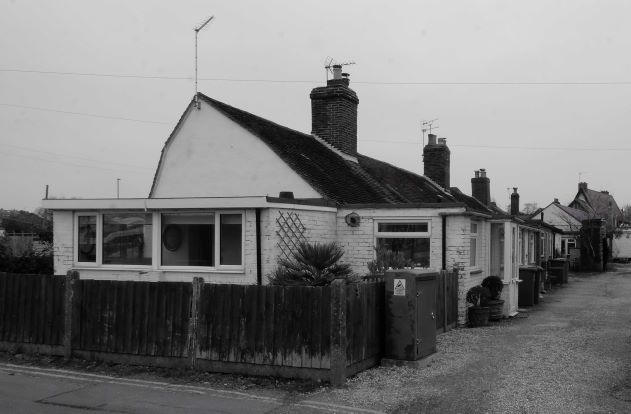
At the end of the walk is the old hamlet of Burseldon by the river it is a conservation area. There is a row of tiny cottages much extended at their rears – in the Napoleonic Wars with France, these were shipwright cottages.

Stoney Cross.

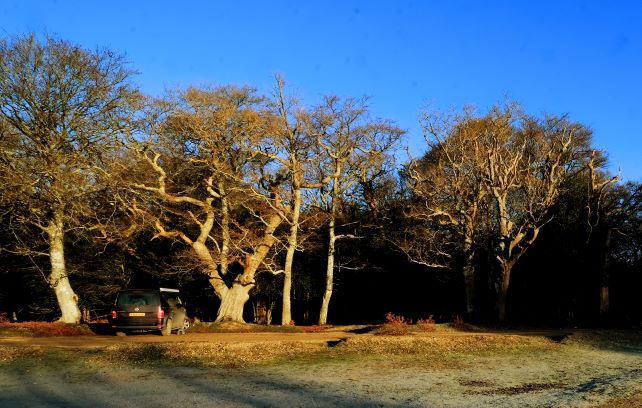
An early start in the New Forest with breakfast in the van before a frosty walk on the remains of Stoney Cross airfield.

Stoney Cross airfield was one of the larger wartime airfields within the forest. It was active between 1943 to 1946, It remained open after the war until it closed in 1948.
Stoney cross had three runways with the main runway, 2,000 yards (1829 metres) long. The second runway, was 1520 yards (1390 metres) and the shortest runway, at 1366 yards (1249 metres) long.

Sadly most of the concrete had been stripped from the runways by 2000 and used as hardcore in road construction. The outline of the runways can still be seen in places as well as remains of other concrete bases.

Parking at Cadmans Pool as a starting point to head off on foot across the site of the old airfield on Ocknell Plain. Apparently, the pond was dug around 1960 to enhance the aesthetic appeal of the plain.

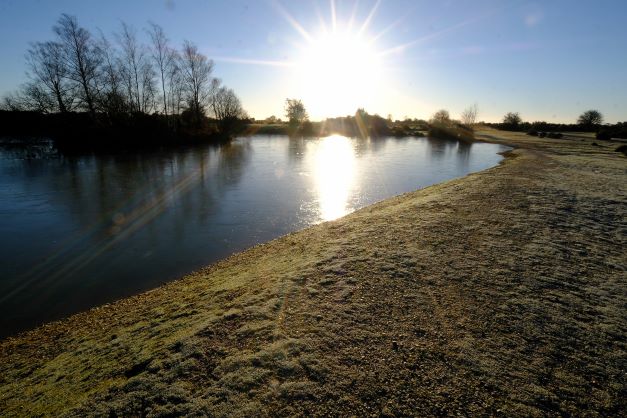
On arriving today the pond was iced over at the temperature was -4, so a cold start.

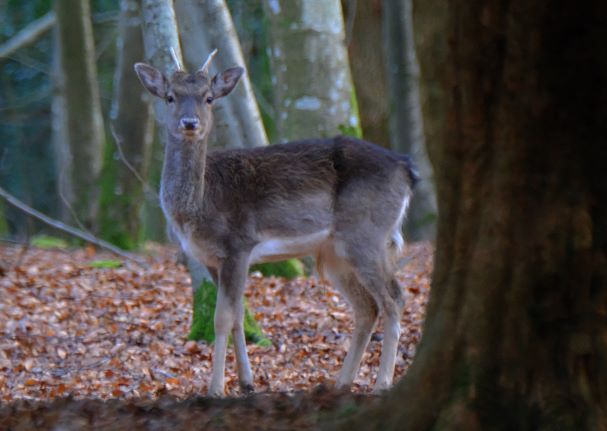
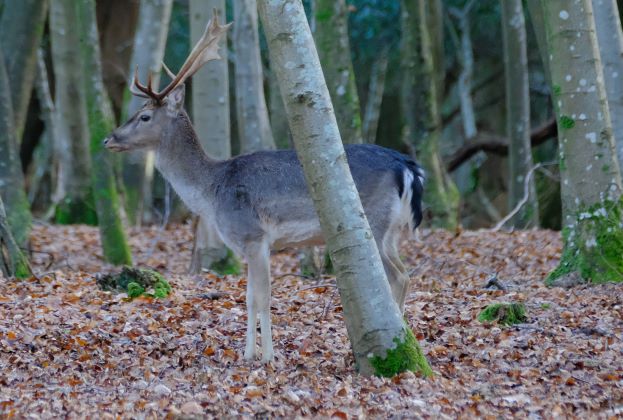
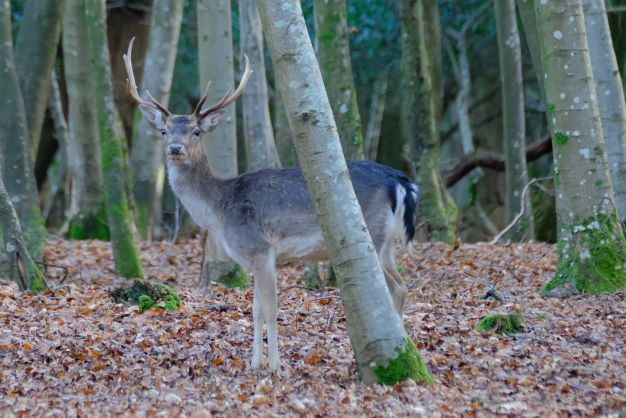
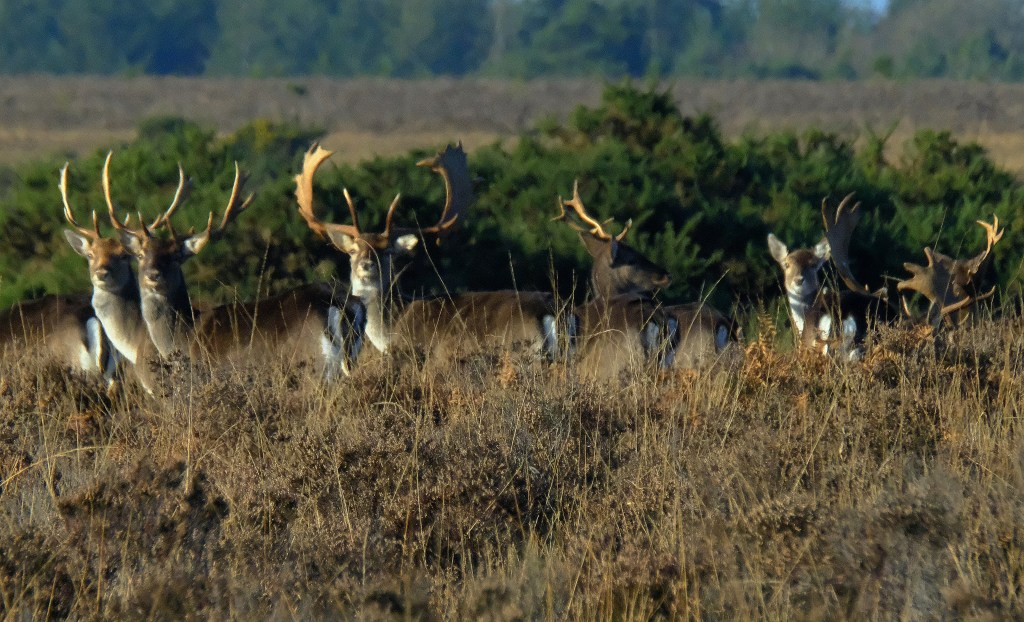
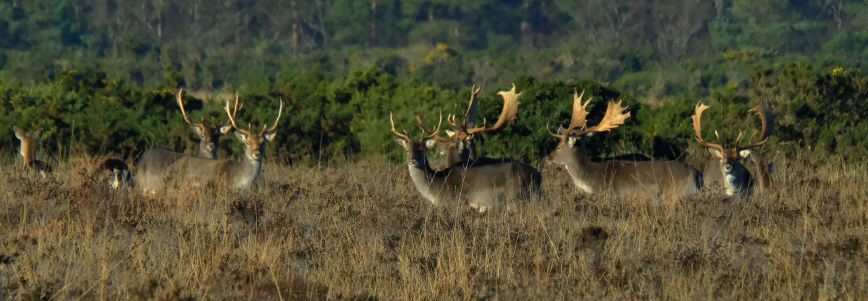
A group of Fallow Deer strolling on the plain. There were some fairly handsome stags in this herd.

Away from the Stags in the wooded area were groups of young deer and females.

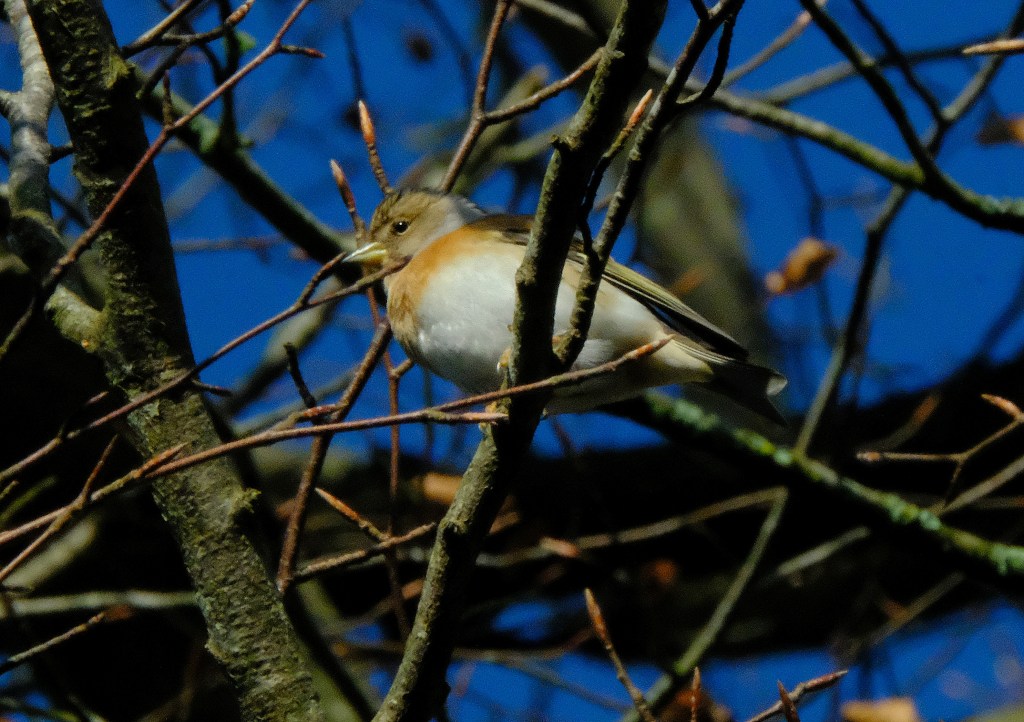
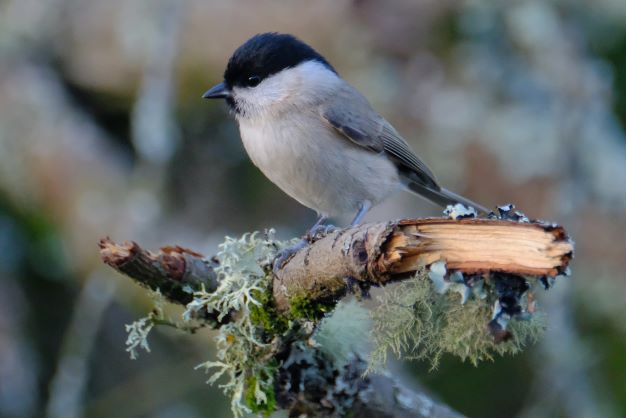
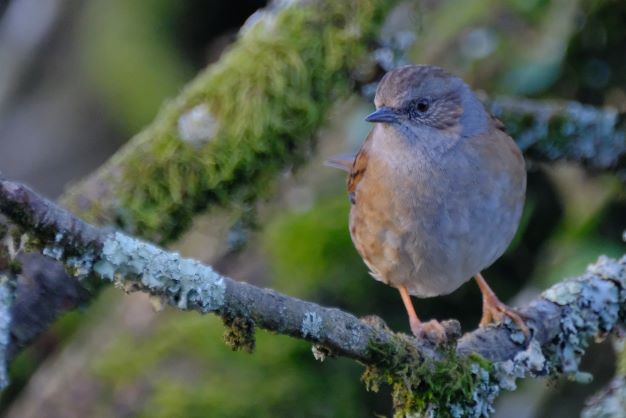
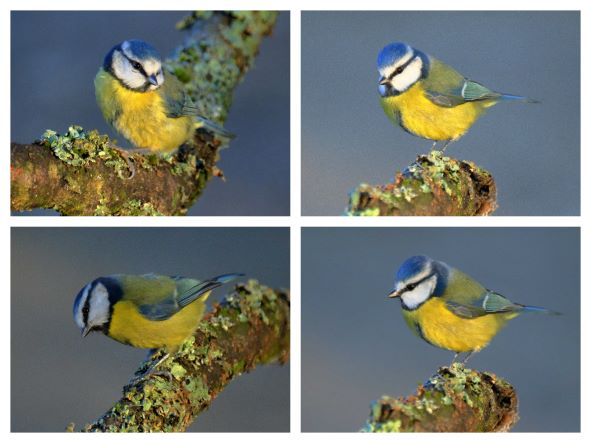
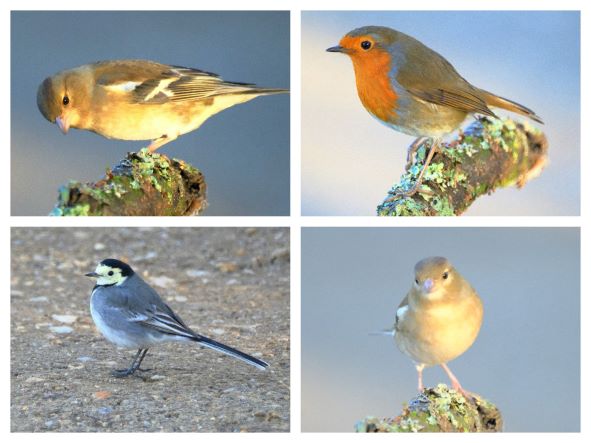
As usual, the trees around Cadmans Pool is a great place to observe and photograph small woodland birds.

Danebury Ring

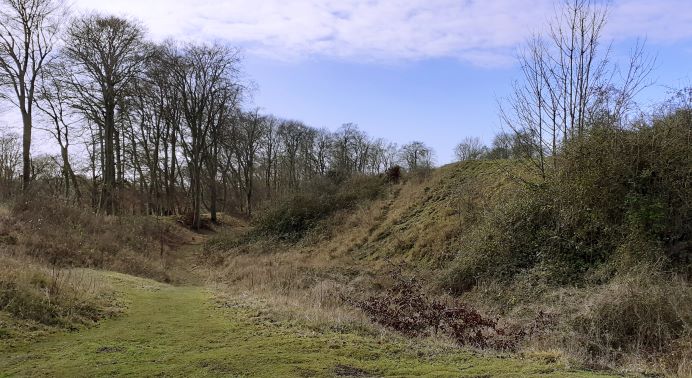
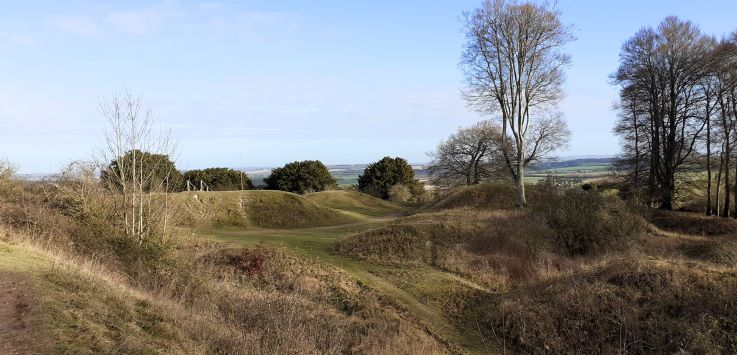
A short walk at Danebury Ring Hillfort this morning. (location near Stockbridge Hampshire.) An Iron age hill with evidence suggesting that the Fort was built 2500 years ago and occupied for nearly 500 years until the arrival of the Romans in Britain.

Today a plateau at the top of the hill remains it was once the site of a settlement that was surrounded by ditches and earth banks. The bank had a wooded defensive fence on its top.

The chalk hillside habitat needs to be managed to prevent it from being swamped by shrub. Here at Danebury Highland Cattle maintain the grassland.

Highland Cattle may look fierce but they are a gentle breed.

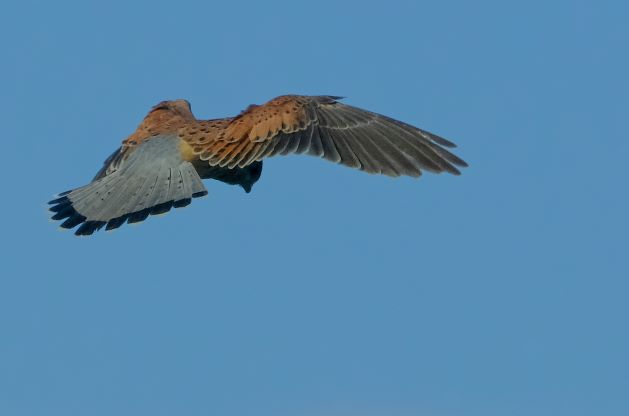
A Kestral hunting.

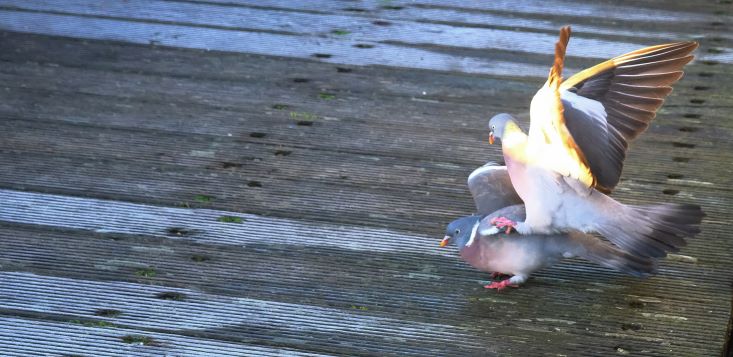
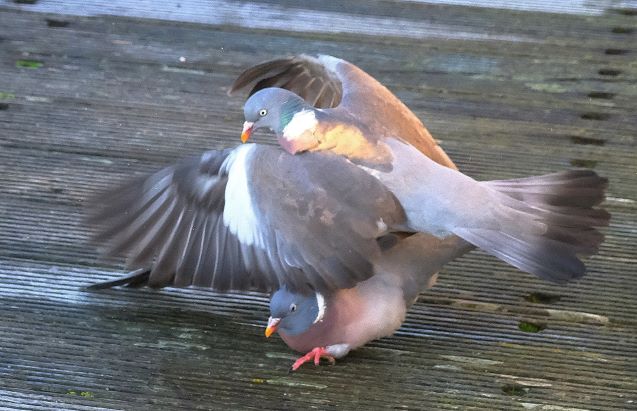
Pigeon Battle.

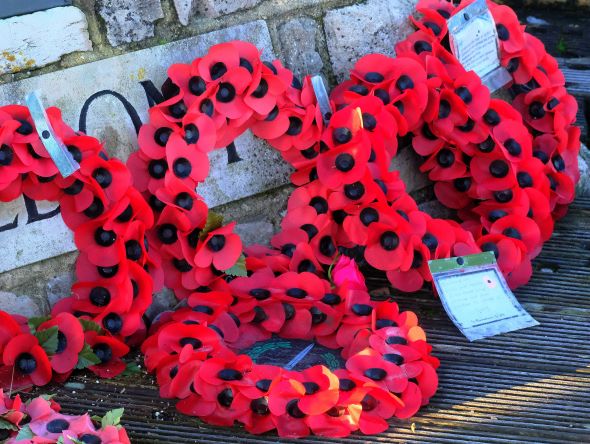
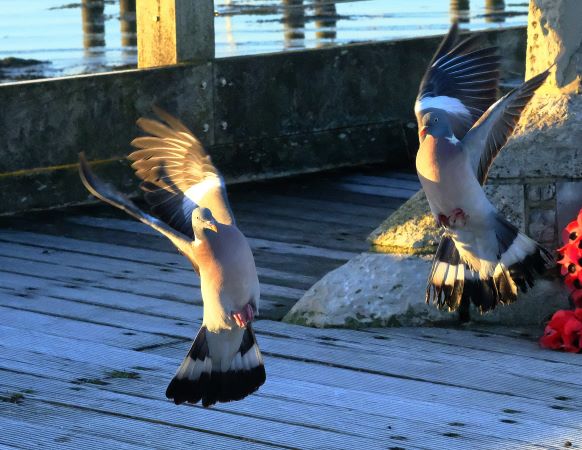
A visit to Warsash this morning for a walk on a bright frosty morning. On the quay is a memorial to D-Day Combined operations.

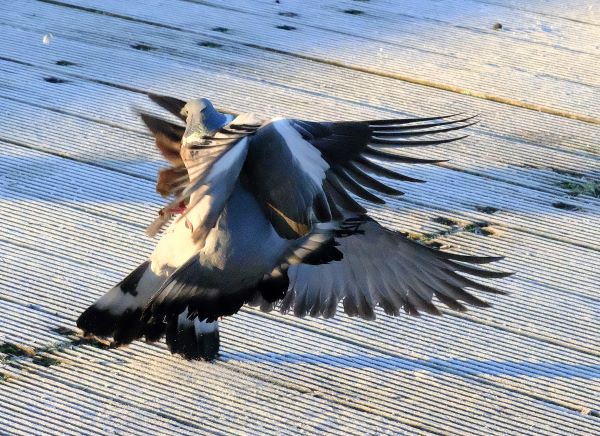
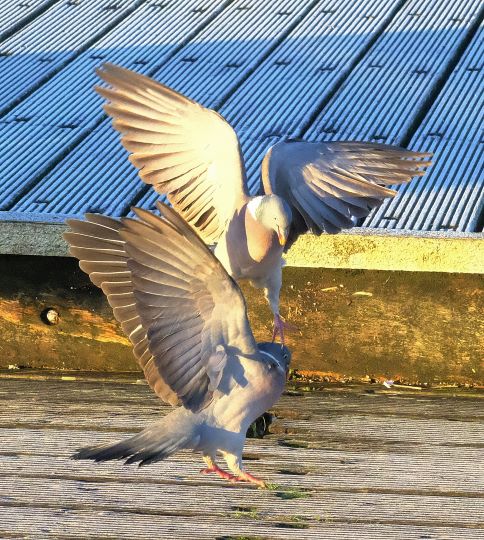
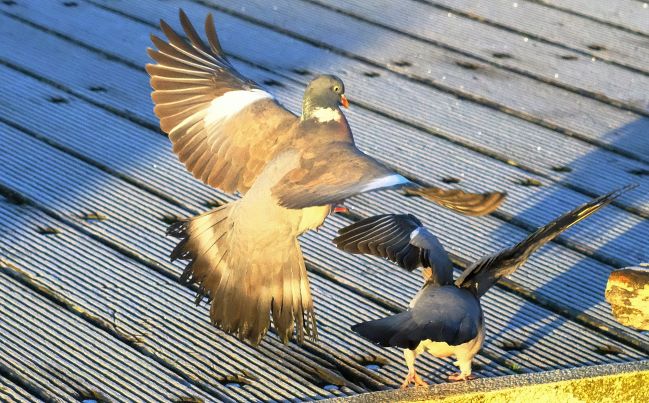
In front of the memorial a pair of pigeons battled – or it may have mating but it looked more like war than love to me – feathers were shed.

Still a ruin.

The last time I saw the price for Fort Gilkicker it was on the market for £5 to £5.5 million. With planning consent for 26 luxury flats- that was in 2019 and the estimate for conversion was £18 million. Today the site remains a ruin. Sadly this historic building decays further each year.

2021 Season’s end.

The seaside towns we visit along the coast at North Devon and Somerset are empty of most holidaymakers seasonal shops are closed for the winter. Pleasure boats have been taken out of the water and many car parks have become winter boat parks.

MINEHEAD. old harbour area.

WATCHET. a small historic harbour town.

John Short was born near Watchet in 1839. He first went to sea from Watchet as a boy in 1860’s joined a Yankee ship in the American Civil War. At the age of 61 he retired and returned to Watchet. He brought the songs of the sea home with him. He became known as ‘Yankee Jack’ he became known for sea shanties. They were collected and collated by Cecil Sharp and Sir Richard Terry for our English musical heritage. A statue of “Jack” was placed overlooking the harbourside.

Christmas has started in the town of Watchet.

Watchet harbour became the inspiration for the epic poem The Ancient Mariner by the poet Samuel Taylor Coleridge. He walked over the Quantock Hills from his home in Nether Stowey, with his friends William and Dorothy Wordsworth. It has been said that looking down on Watchet from St. Decuman’s Church gave him inspiration for his poem.

https://www.poetryfoundation.org/poems/43997/the-rime-of-the-ancient-mariner-text-of-1834

2003 statue of the Ancient Mariner also on the harbourside.

PORLOCK WEIR. The settlement at the sea here is like stepping back in history and if it was not for the modern cars and TV ariel you could be could get lost in the moment.

WW2 Pillboxes using local beach stones to camouflage their outline.

ILFRACOMBE. you can tell the season is over in this town many of the waterfront businesses have shut and are boarded up for the winter, the hustle and bustle has now gone – it is so different here in the summer. The boat trip kiosks on the harbour are waiting for spring.

A 66 foot stainless steel and bronze sculpture named Verity, created by artist Damien Hirst, stands on the pier at the entrance to the harbour looking out over the Bristol Channel towards South Wales.

Tarr Steps Clapper bridge.

Tarr Steps is a clapper bridge across the River Barle in the Exmoor National Park, Somerset, England. 

Its age is unknown, as several theories claim that Tarr Steps dates from the Bronze Age but others date them from around 1400 AD. The stones forming the spans weigh between one and two tons each. Over the years the bridge has been badly damaged by floodwaters and branches floating down with the flood and smashing into the bridge. After the flood of 1952 debris has been trapped by cables strung across the river upstream of the bridge. These cables were damaged in 2016 and failed which caused the bridge to be damaged so again had to be repaired.

While visiting the steps workmen arrived to remove a build up of logs.

log build up.

Upstream, the log catcher looks like a damaged suspension foot bridge.