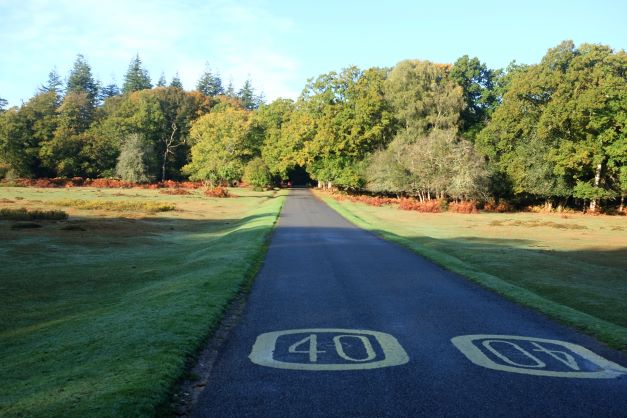
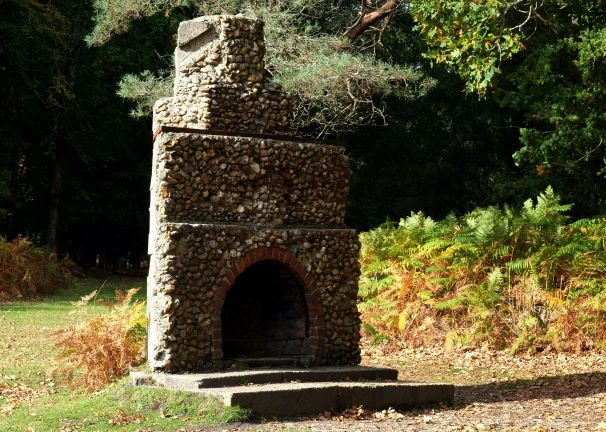
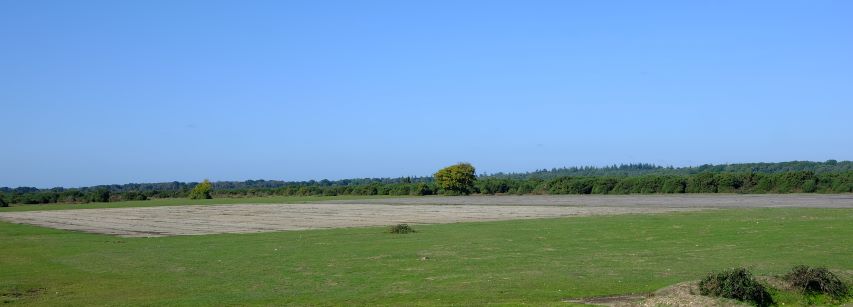
Runway walk.

RAF Beaulieu was also known as USAAF Station AAF 408. It is located near the village of East Boldre, and about 2 miles west of the village of Beaulieu. The area had early links with flying. During the First World War, a Royal Flying Corps training airfield, RFC Beaulieu, at East Boldre was established this was closed in 1919. The World War 2 RAF Beaulieu was built on the opposite side of the road to the aerodrome it opened in 1942. During the war, it was used as a bomber and fighter airfield. After the war, it was used for experimental work before it was closed in 1959.

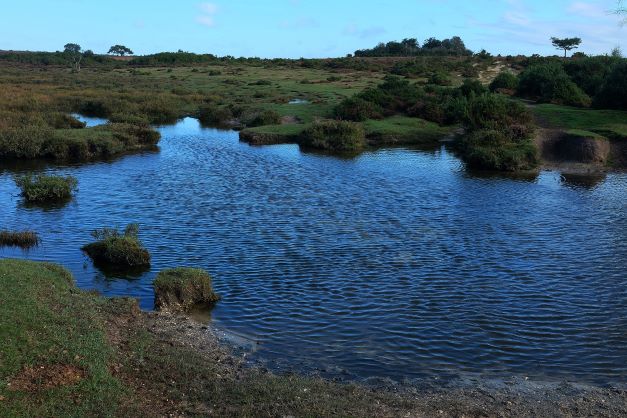
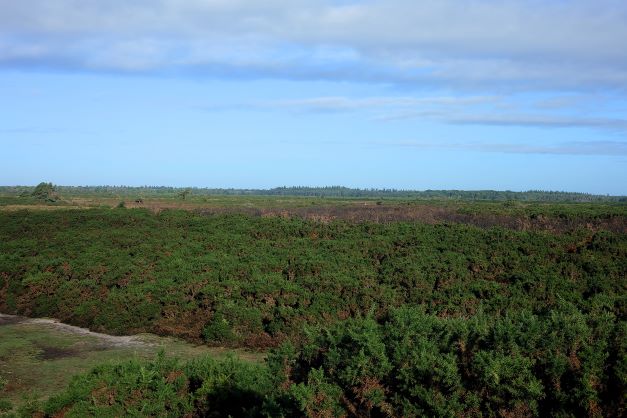
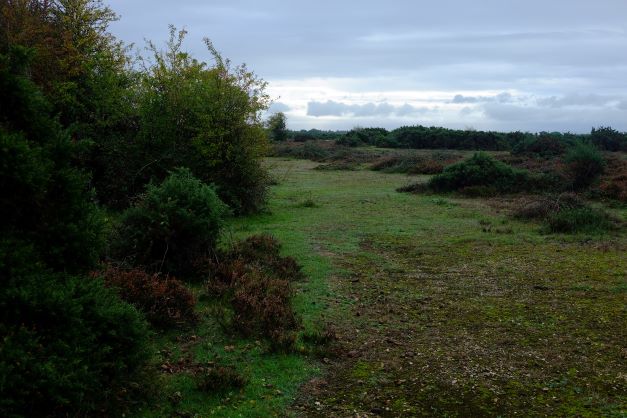
The area around the airfield is heath and made a good circular and flat walk this morning. Some areas of the runways remain but much has been removed.

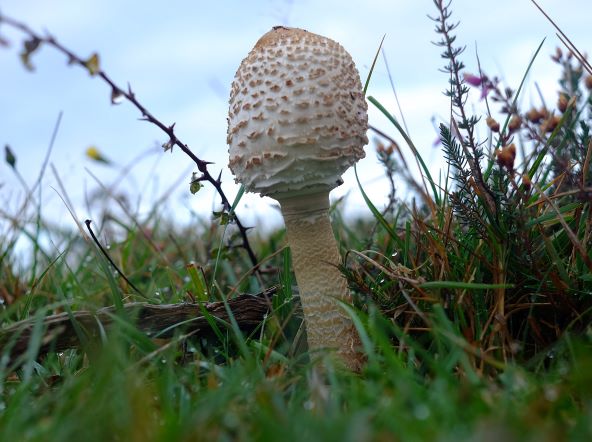
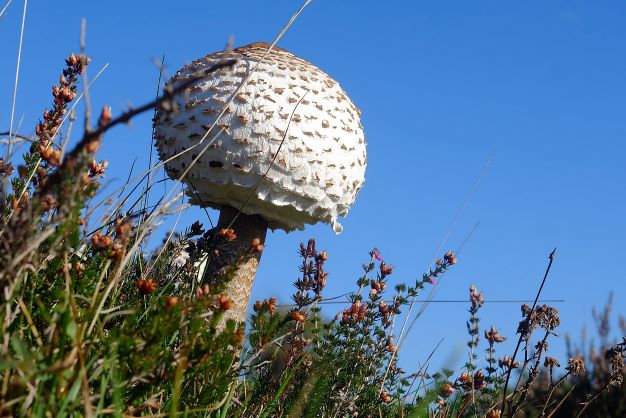
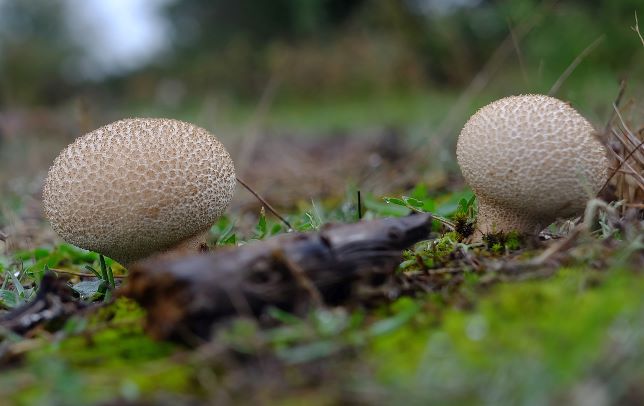
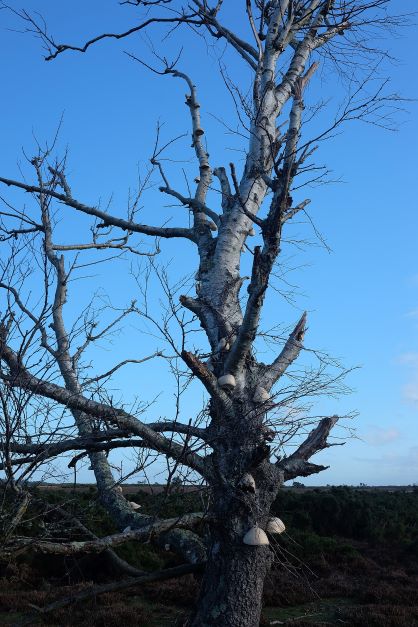
Lots of Fungi were starting to show.

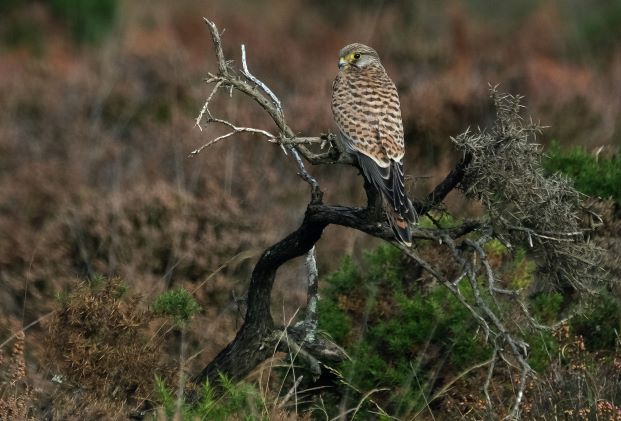
Kestrel. We later watched this bird catch a snake and fly off with it.

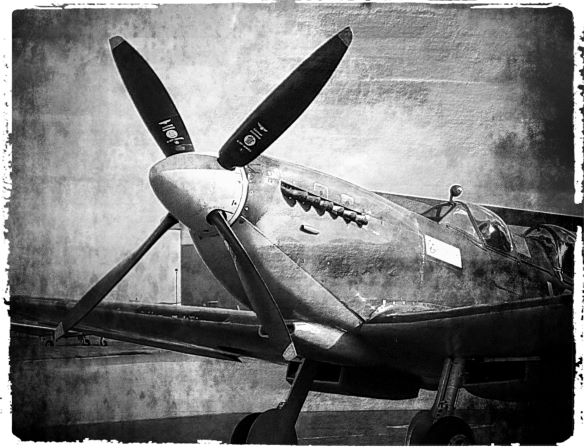
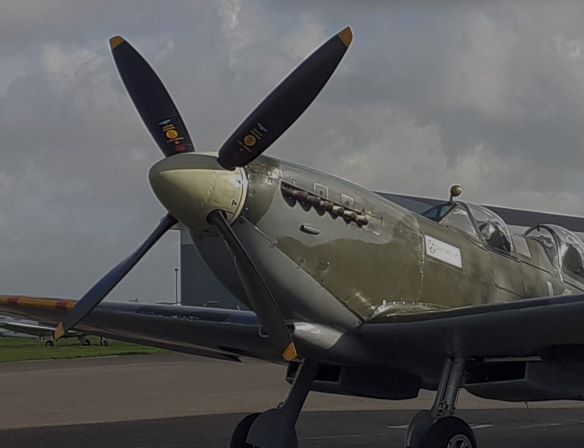
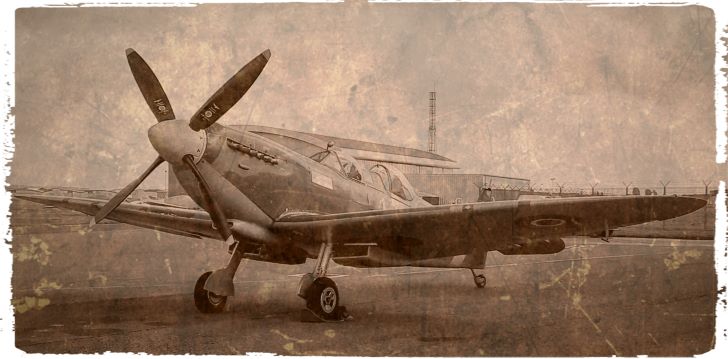
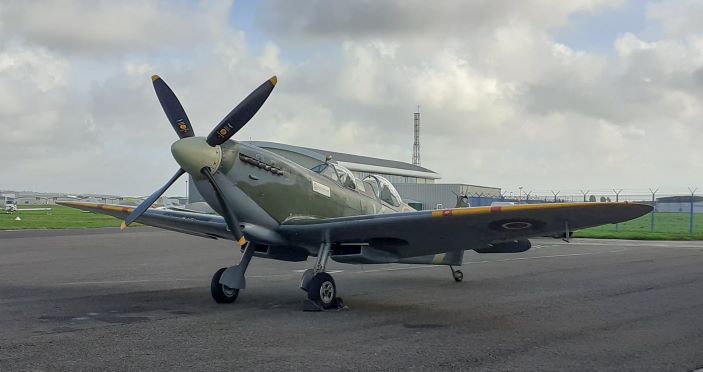
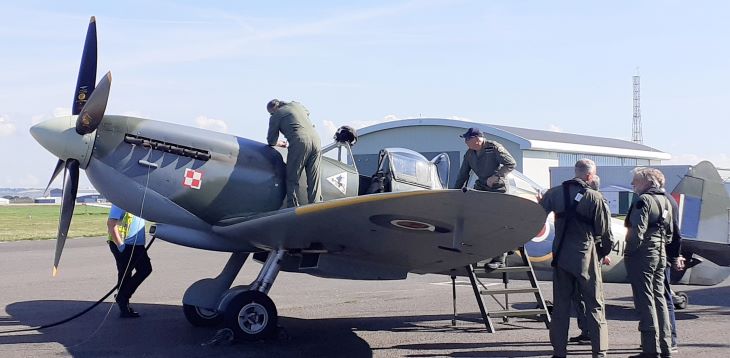
Step back in time.

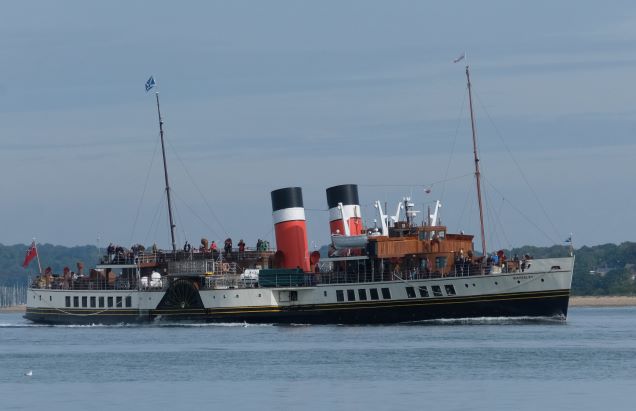
Sitting on the beach on Tuesday morning around Calsholt spit came the Paddle Steamer Waverly making speed towards the Isle of Wight. Every time I see this paddle steamer I think of the Section in H G Wells’ book The War of the Worlds when HMS Thunderchild a Royal Navy warship sacrifices herself by ramming two tripods in order to protect the evacuation fleet including a paddle-steamer off the Essex coast.

PS Waverley is the last seagoing passenger-carrying paddle steamer in the world. Built-in 1946, she sailed from Craigendoran on the Firth of Clyde to Arrochar on Loch Long until 1973. Bought by the Paddle Steamer Preservation Society and restored to her 1947 appearance and now operates passenger excursions around the British coast. I did a trip on her in 2015. {see link}

A Paddle Steam along the coast. | REFLECTIONS ON MY WORLD (wordpress.com)

She has been listed on the National Historic Fleet by National Historic Ships UK as “A vessel of importance”.

Tall ship off Isle of Wight

In the Hover.

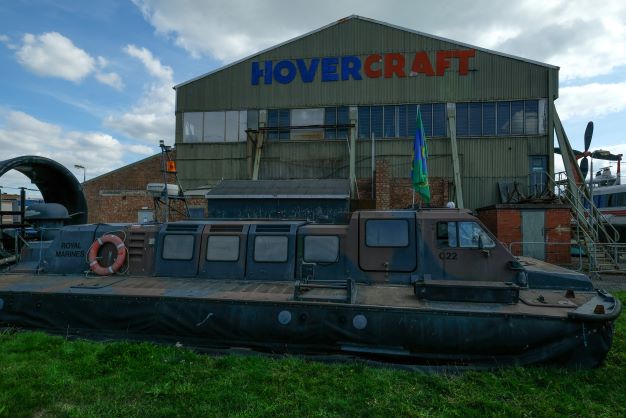
At a 1917 HM Seaplane training school and commissioned as HMS Daedalus a Royal Naval air service base in 1939, it was the busiest airfield on the South Coast of England in 1944 on D-Day. {The airport remains and is known as Solent Airport.} Today on the front of the site at Lee on Solent overlooking the Solent where the seaplane ramp runs down to the sea is The Hover Craft museum. The museum dates back to 1988.

The first practical design for hovercraft was a British invention dating back to the 1950s. The idea of the modern hovercraft is most often associated with Sir Christopher Cockerell he built and tested several models of his hovercraft design in Somerleyton, Suffolk, during the early 1950s. 

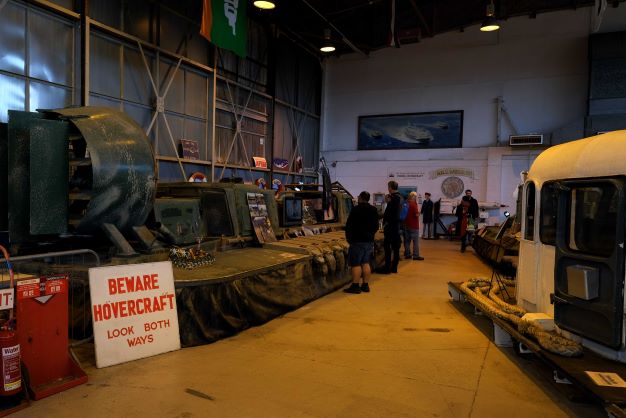
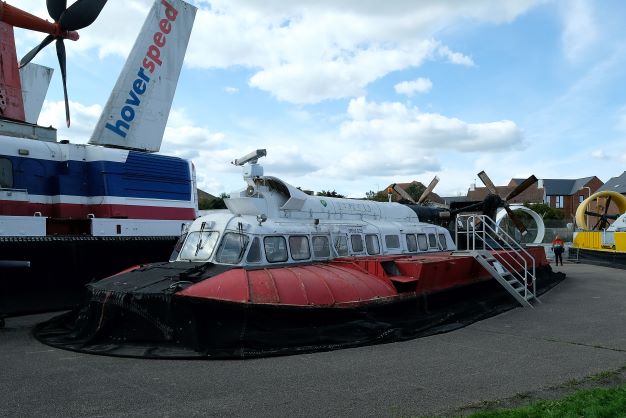
The Hovercraft museum has over 50 crafts ranging from small one-person crafts to the largest commercial car-carrying hovercraft ever built.


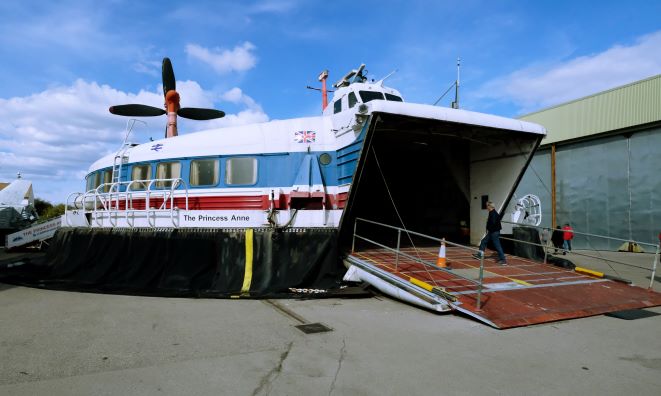
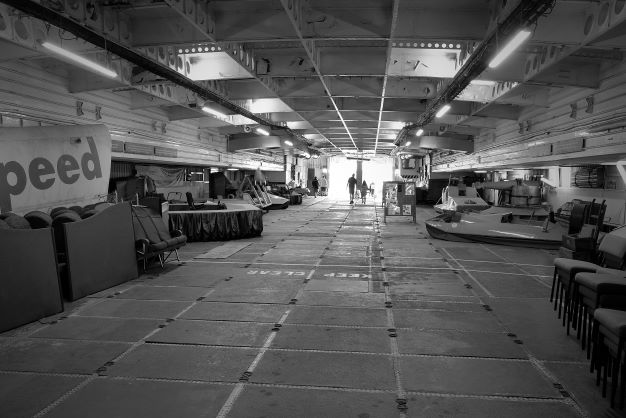
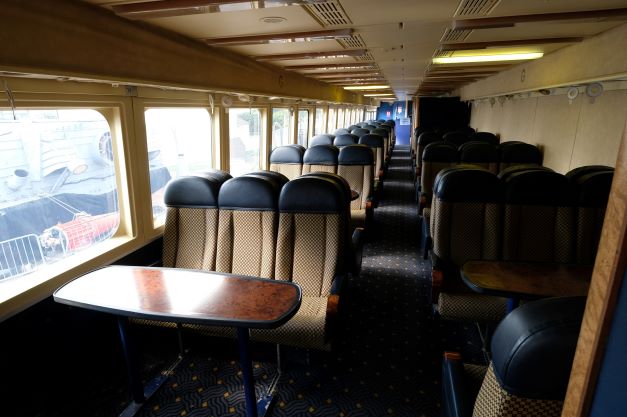
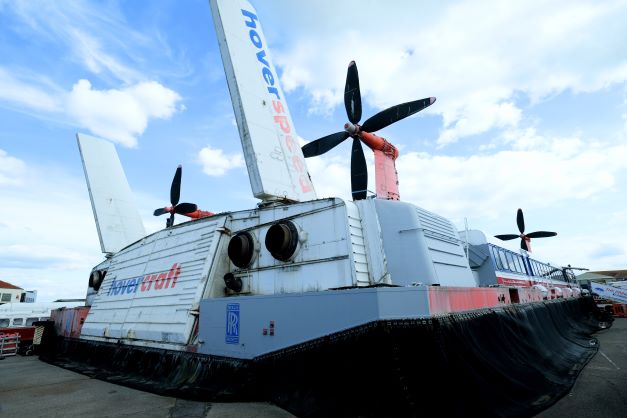
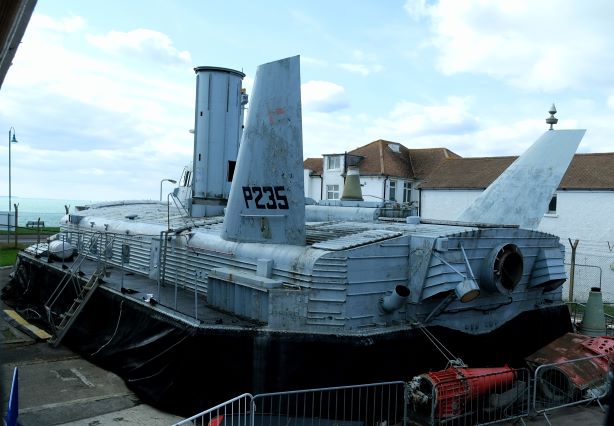
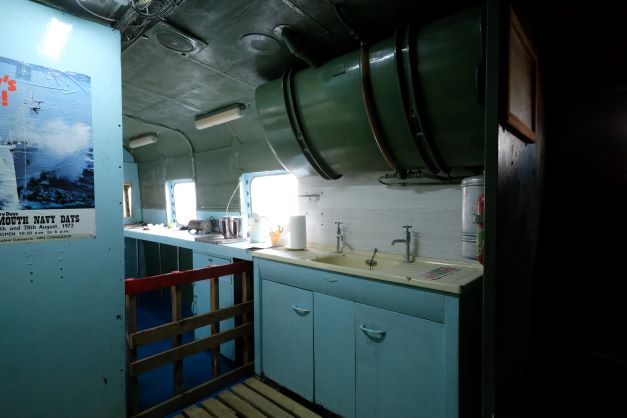
Princess Anne SRN4 MK3. 300tones over 55 metres long can carry 418 passengers and 60 cars. Built-in 1969 she is the only remaining example of this mammoth hovercraft which was used to cross the English Channel.

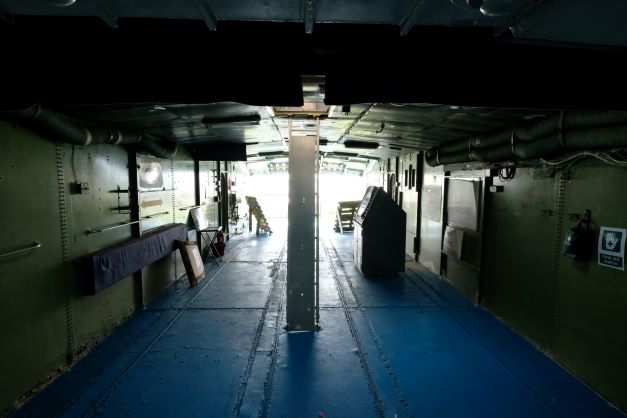
SRN4 car deck.

Passenger Lounges.

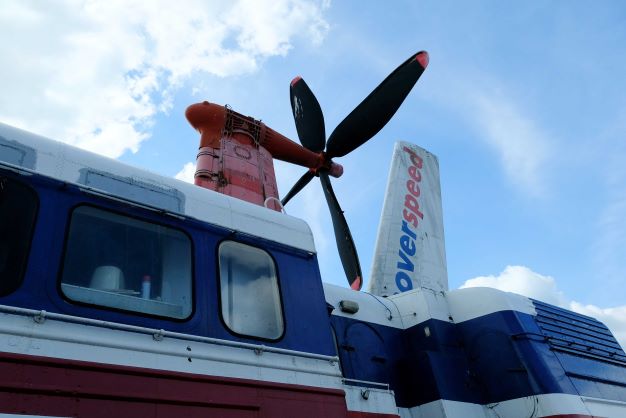
21 ft propellers were a world record!

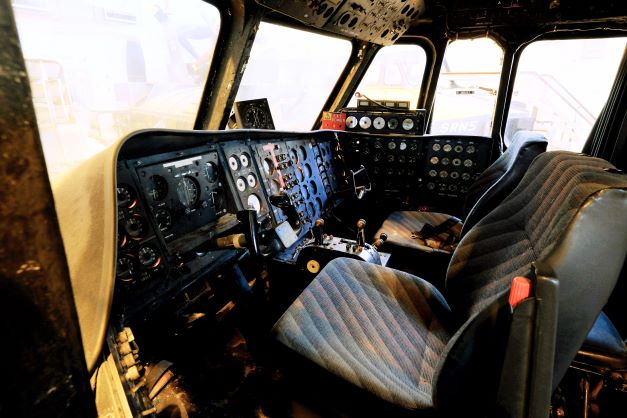
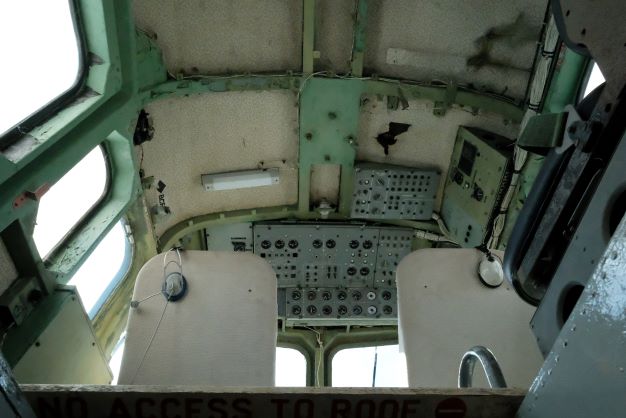
SRN4 cockpit Hovercraft travel is a flight deck the person in charge is a pilot.

Another large Hovercraft at the museum is the BH7 built for the Navy in 1969 she flew to the Artic Cycle and back.

Some of the other craft in the museum.

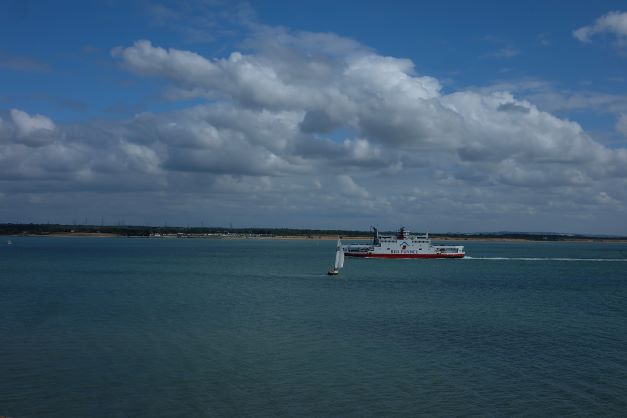
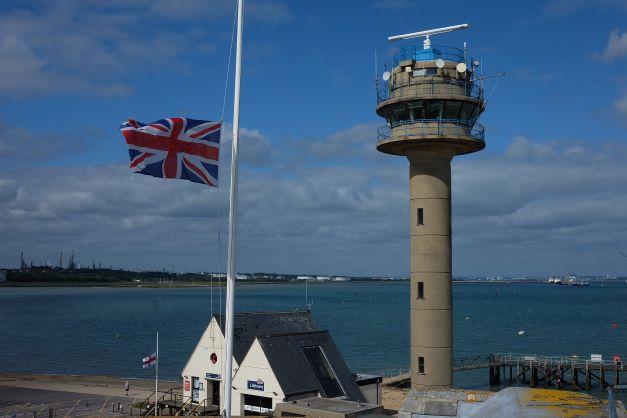
Views from Calshot Castle.

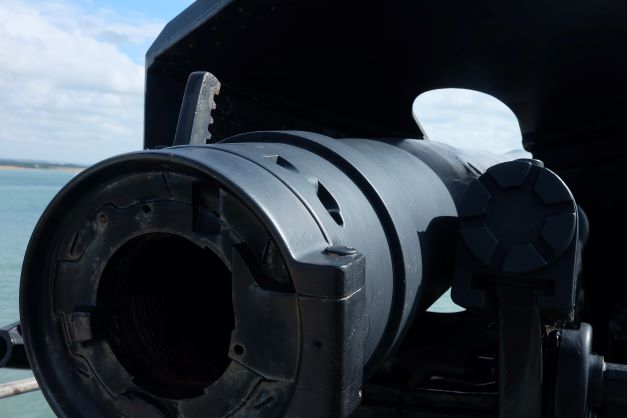
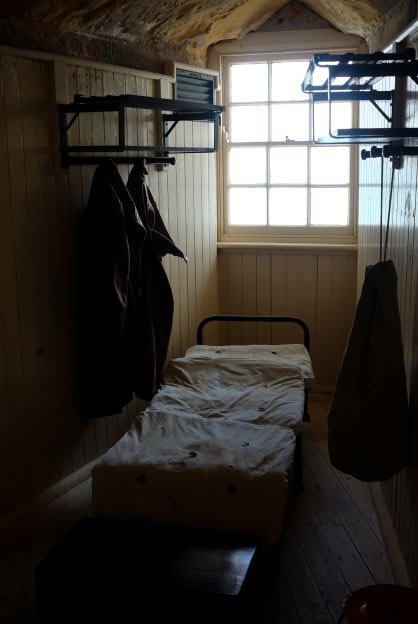
Today Calsholt Castle was open so I could get some good views of Southampton Water from the castle roof. This small artillery fort was built by Henry VIII to defend the entrance to Southampton Water. It served as an RAF and Military base and was active during and between the wars.

There were times in history when a boat sailing past the fort flying the French flag would have had the guns of the fort firing at it!

Pulled by the Navy.

Back in the 1990s, I visited HMS Excellent originally Whale Island in Portsmouth Harbour.

While there I saw the Royal field gun carriage. On the carriage is a brass plaque which reads.


THIS
FIELD GUN CARRIAGE
PRESENTED TO H.M.S. EXCELLENT BY
HIS MAJESTY KING GEORGE V
WAS USED
ON 2ND FEBRUARY 1901 AT THE FUNERAL OF
HER MAJESTY QUEEN VICTORIA
MANNED IN EMERGENCY BY SEAMEN OF THE ROYAL NAVY
UNDER THE COMMAND OF LT. THE HON. A.D.E.H. BOYLE R.N. & S/LT P.L.H. NOBLE
 
ALSO ON 20TH MAY 1910 AT THE FUNERAL OF
HIS MAJESTY KING EDWARD VII
MANNED BY SEAMEN OF H.M.S. EXCELLENT
UNDER THE COMMAND OF CAPTAIN R.G. TUPPER A.D.C. R.N.
 
ALSO ON 28TH JANUARY 1936 AT THE FUNERAL OF
HIS MAJESTY KING GEORGE V
MANNED BY SEAMEN OF H.M.S. EXCELLENT
UNDER THE COMMAND OF CAPTAIN A.J. POWER R.N.
 
ALSO ON 15TH FEBRUARY 1952 AT THE FUNERAL OF
HIS MAJESTY KING GEORGE VI
MANNED BY SEAMEN OF H.M.S. EXCELLENT
UNDER THE COMMAND OF CAPTAIN R.F. ELKINS O.B.E. A.D.C. R.N.
 
ALSO ON 30TH JANUARY 1965 AT THE FUNERAL OF
SIR WINSTON LEONARD SPENCER CHURCHILL K.G. O.M. C.H.
MANNED BY SEAMEN OF H.M.S. EXCELLENT
UNDER THE COMMAND OF CAPTAIN A.M. POWER M.B.E. R.N.
 
ALSO ON 5TH SEPTEMBER 1979 AT THE FUNERAL OF
ADMIRAL OF THE FLEET LORD LOUIS MOUNTBATTEN
K.G. G.C.B. O.M. G.C.S.I. G.C.I.E. G.C.V.O. D.S.O.
MANNED BY MEN OF THE ROYAL NAVY
UNDER THE COMMAND OF CAPTAIN R.K.S. BETHELL O.B.E. R.N.

Royal Horse Artillery in January 1901 were tasked with the final phase of the funeral of Queen Victoria. This was to move her coffin from the railway station at Windsor to Windsor Castle. As the coffin was placed on the gun carriage the horses who had been waiting for some time on the snow-covered ground and with the noise of the train panicked and reared up. It looked as though the coffin would be toppled off the carriage. Naval ratings were ordered to take the lead, the sailors grounded arms and formed fours at the head of the cortege. Improvised drag ropes were brought in and pulled Queen Victoria to her destination. The horses were unharnessed and moved safely out of the way. Another story tells how the Naval ratings took over when a pin broke and the horses could not pull the carriage.

The death of Queen Elizabeth II has made me think of my visit to Whale Island and seeing the Royal field gun carriage all those years ago. I understand it will be used on Monday for the Queen’s funeral pulled by Royal Naval Ratings as they have done for all State funerals since Queen Victoria’s.

Airfield walk.

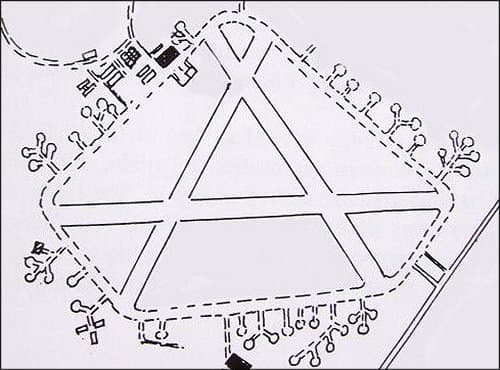
Beaulieu Airfield was a major wartime airfield in the New Forest that saw a large amount of action including Coastal Command. Many anti-submarine operations were flown from Beaulieu, It was an important role in the airfield’s history.

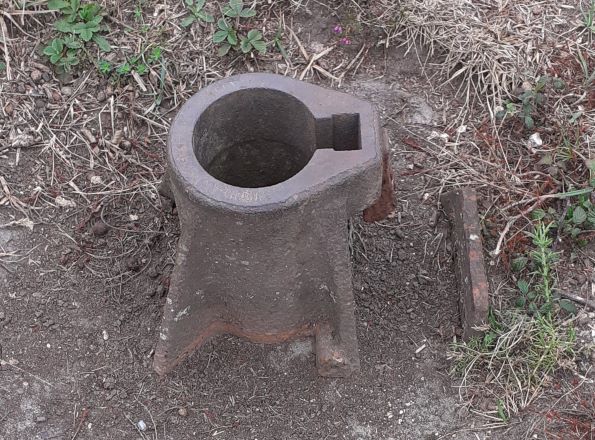
A large concrete BL is set into the ground. This is located in front of where the airfield control tower once stood. BL was the airfield pundit code for RAF Beaulieu It helped airborne aircraft identify the airfield. Each airfield would have its own code letters. You can see a metal socket which is a short thick-walled mortar which would have had a tube fitted this signal mortar would have been used to alert aircraft approaching the field – for example, landing gear not down!

Map of Airfield.

Some nature spots on the heathland around the airfield site.

Excited to see Cukoo’s but only some distance away.

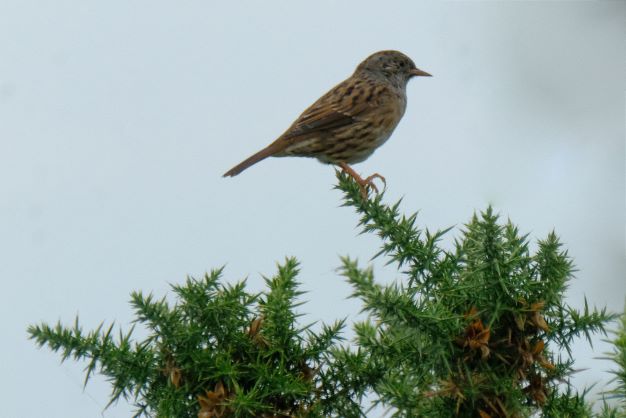
Dunnock

Raven

Town Hares.

15 model hares are being displayed in my home city of Southampton as part of an interactive art trail. They have been in the city since June but are off towards the end of August. Each sculpture is 6ft tall and features its own unique design painted by artists in collaboration with Wild in Art. Today I found 10 of them.

————————————————————————————————————-PLEASE NOTE, Any sponsored advertising that you see at the bottom of my posts is NOT endorsed by me and is a down to WordPress I advise you to ignore these unsolicited links.

The times are a changing.

Black and orange or orange and black. In recent years I have only found a few Cinnabar caterpillars. When we were kids each Ragwort plant in the fields behind our family home had many of these colourful caterpillars. When l find one today I am transported back to the carefree days of my childhood in the 60s unaware of the Cold War, the Bay of Pigs and the Cuban Missle Crisis.

The moth.