Action in the colony

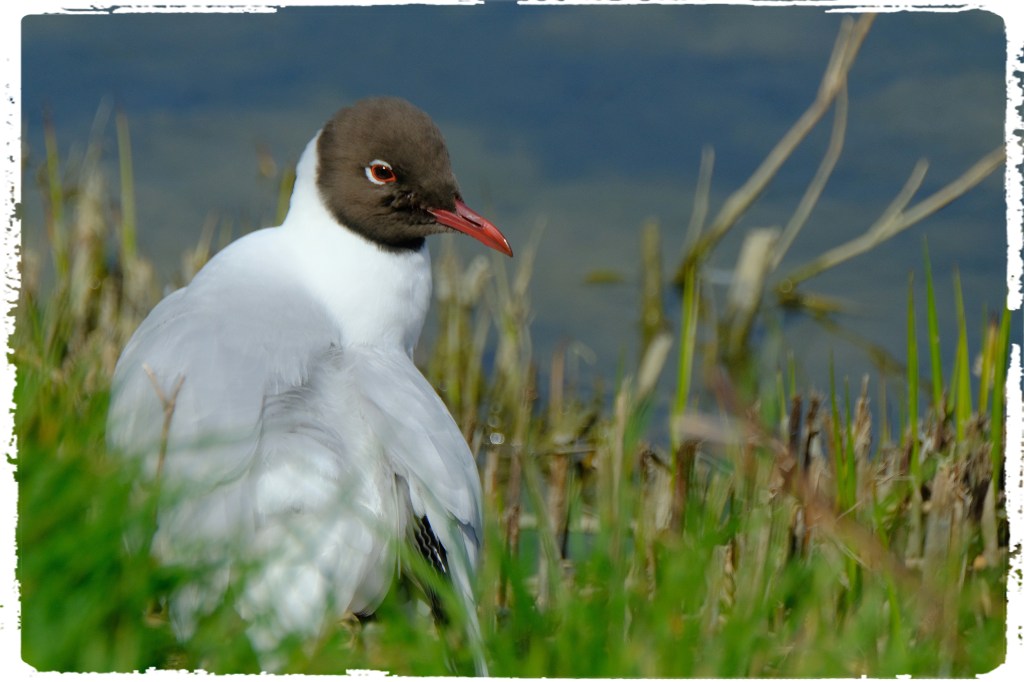
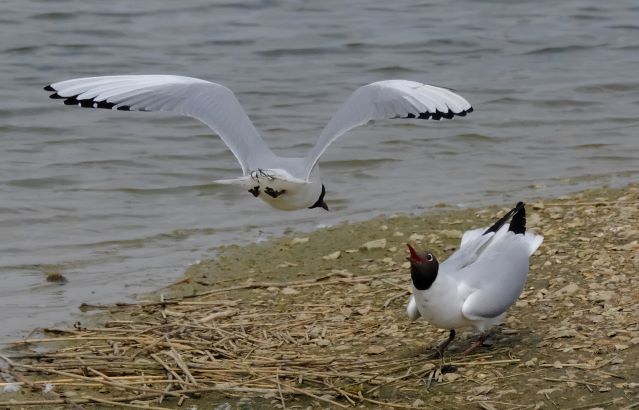
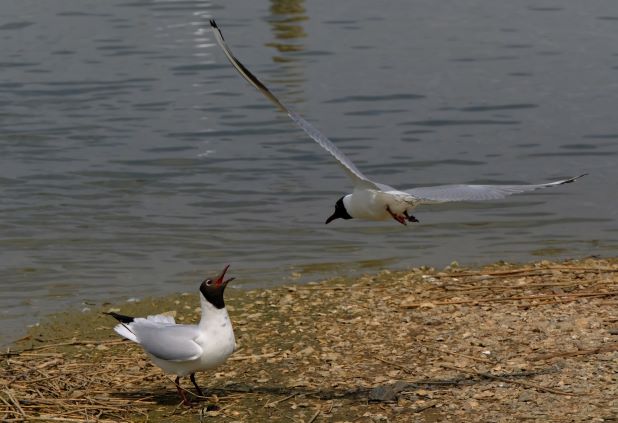
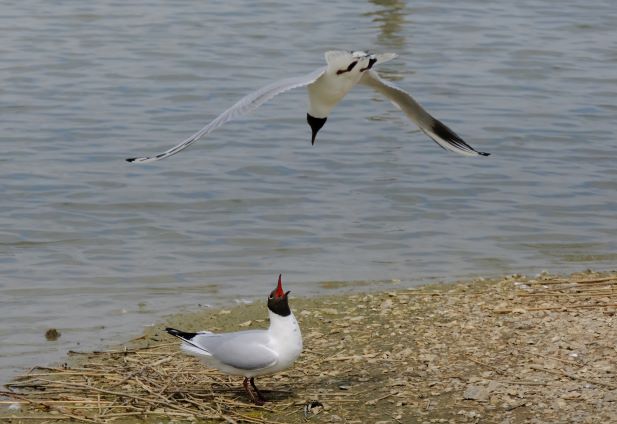
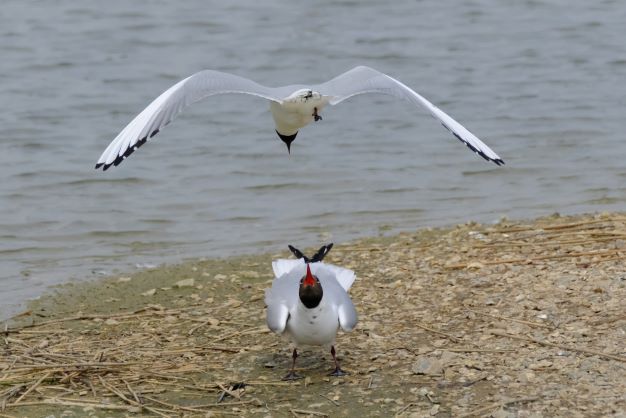
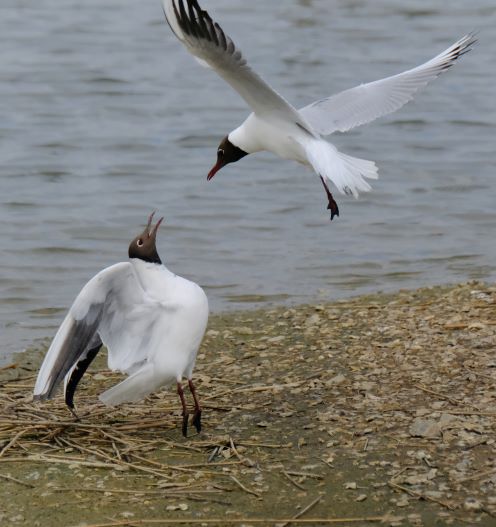
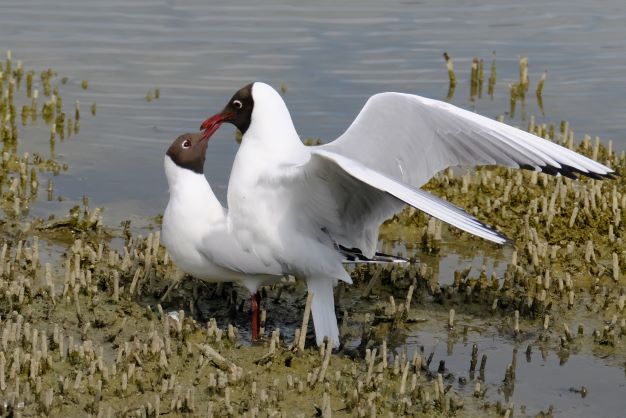
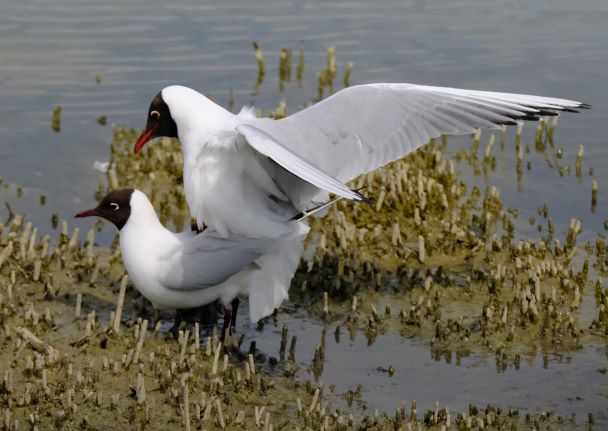
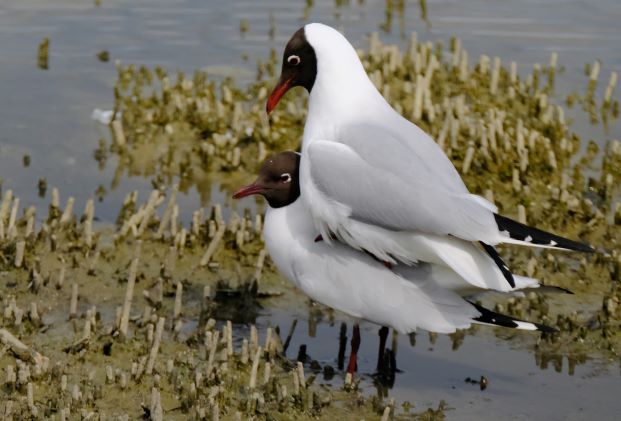
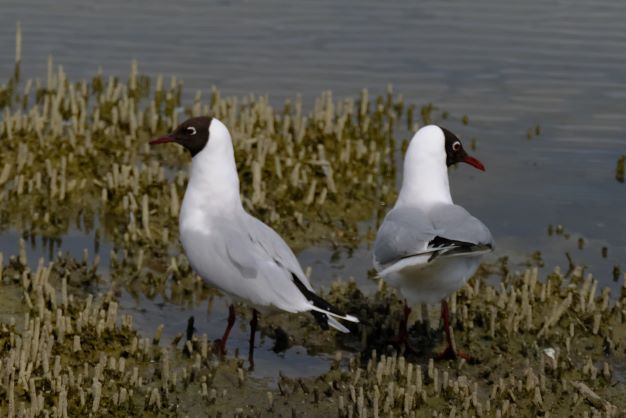
The black-headed gull is the UKs commonest small gull. The black-headed gull has actually a chocolate-brown head in the breeding season (In the winter their heads turn to mainly white ). I have posted pictures many times before as they are a common sight both on the coast and inland area where we live. There is a large breeding colony within Titchfield haven nature reserve. Now we are into April the colony is noisy with birds displaying pairing up and squabbling over nest spots. Many bird watchers will overlook this spectacle for rarer birds that visit our shores. Apart from the noise each year I look forward to this gull’s breeding season.

Length: 35-38cm
Wingspan: 1m
Weight: 250-330g
Average lifespan: 11 years

Black-headed Gulls are opportunistic feeders, they will eat most things taking invertebrates and plant materials, seeds bread, and are fond of chips thrown by tourists at the seaside.
Hamble point.

A quick stop at Hamble Point at the mouth of Southampton Water where it meets the Solent.

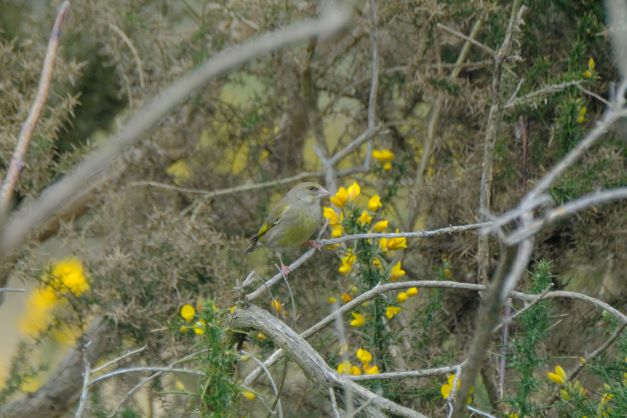
The gorse is now fully out in flowers and the smell of the flowers fills the air with their strong scent which is like the smell of coconut.

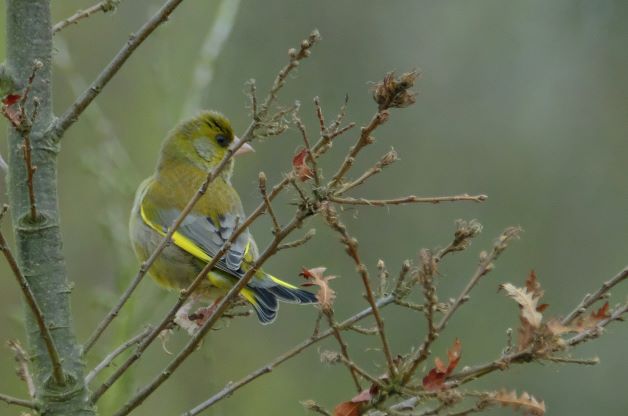
Greenfinches were a common sight when I was a child, especially on the bird table. I rarely see them today however, I spotted a pair feeding around the gorse flowers. (The male is darker in colour and is in the pictures I have posted 1st).

Another nice spot in the gorse was a small flock of long-tailed tits.

A duck’s life.

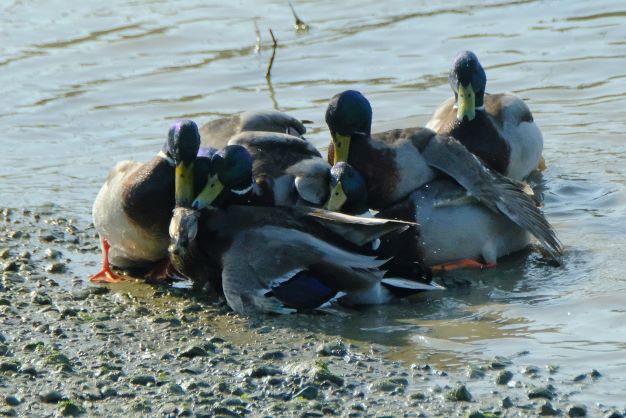
Not a nice side of a duck’s life. SENSITIVE CONTENT.

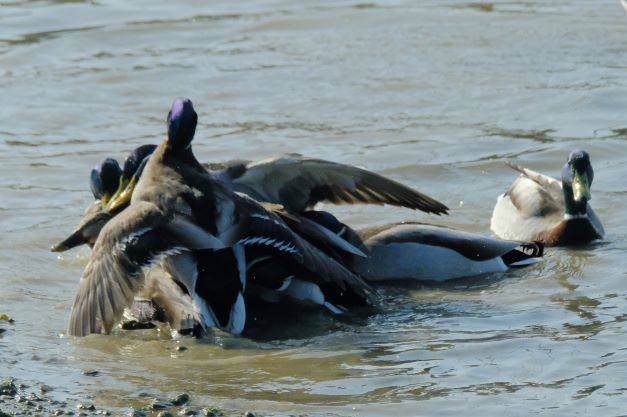
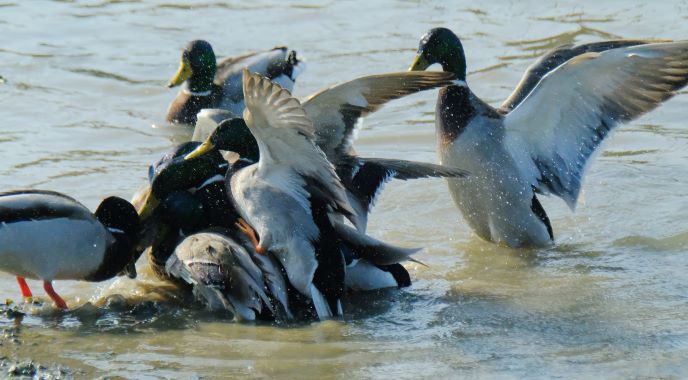
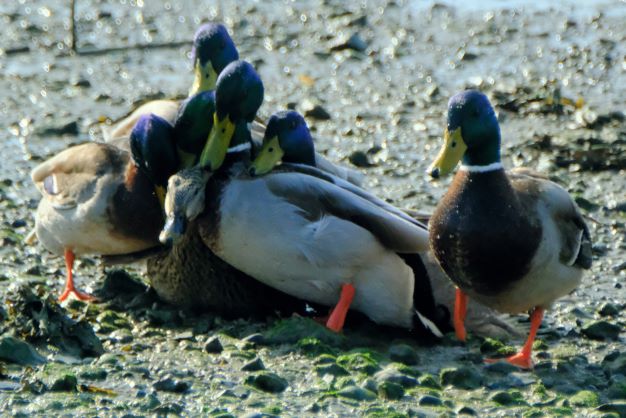
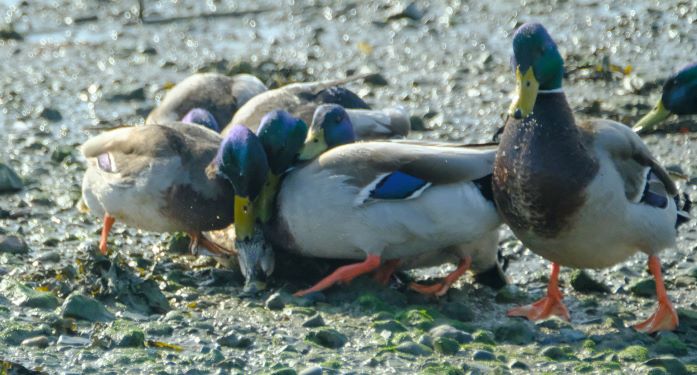
While theoretically monogamous, Mallard ducks will often engage in what used to be called “rape chases,” but are now known as “forced copulations.” This involves several males chasing a female and then forcefully mating with her – So brutal is the act it has resulted in the female’s death when she has been drowned by the males holding her head underwater.

In Titchfield Harbour 9 males Mallards pindown a single female.

She was able to get herself out of the water and onto the beach.

Finally, the brutal attack was over and she was able to get away.

An afternoon at the Beach.

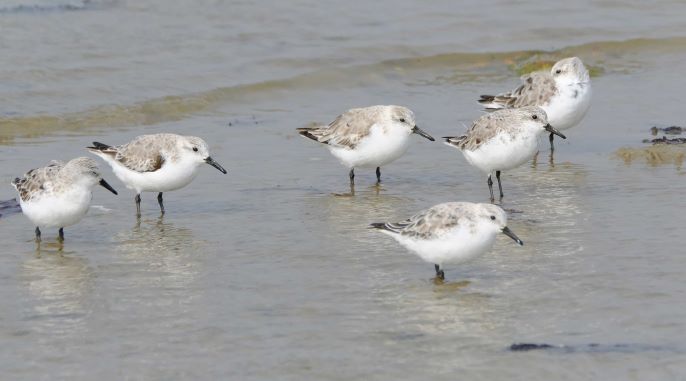
Thursday I spent some time on the beach and filmed the flock of Sanderlings enjoying the afternoon’s sun.

This post is a movie only, Please note it runs for a little over 8 minutes. Is best viewed on a phone screen & the sound is only the beach and wind so best watched on low volume or off.

After storm 3!

Another stormy night as the 3rd storm lashes the UK in as many days. Many trees are down on local roads and places closed. Titchfield Haven Nature Reserve remains closed since the end of last week as authorities need to check the trees are safe.

The Red Funnel Isle of Wight ferry was having a choppy crossing this morning. Some services were cancelled over the weekend.

A workforce was out repairing the seawall at Titchfield Harbour.

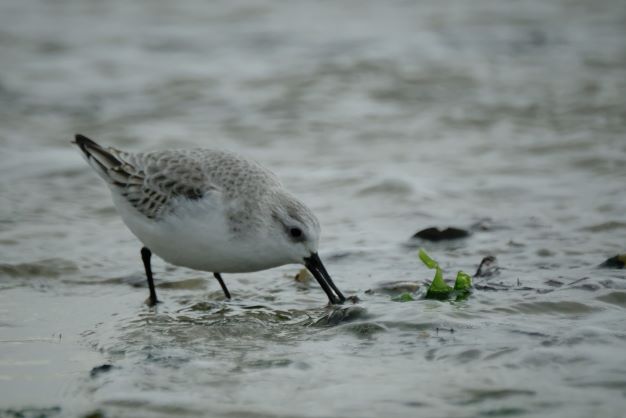
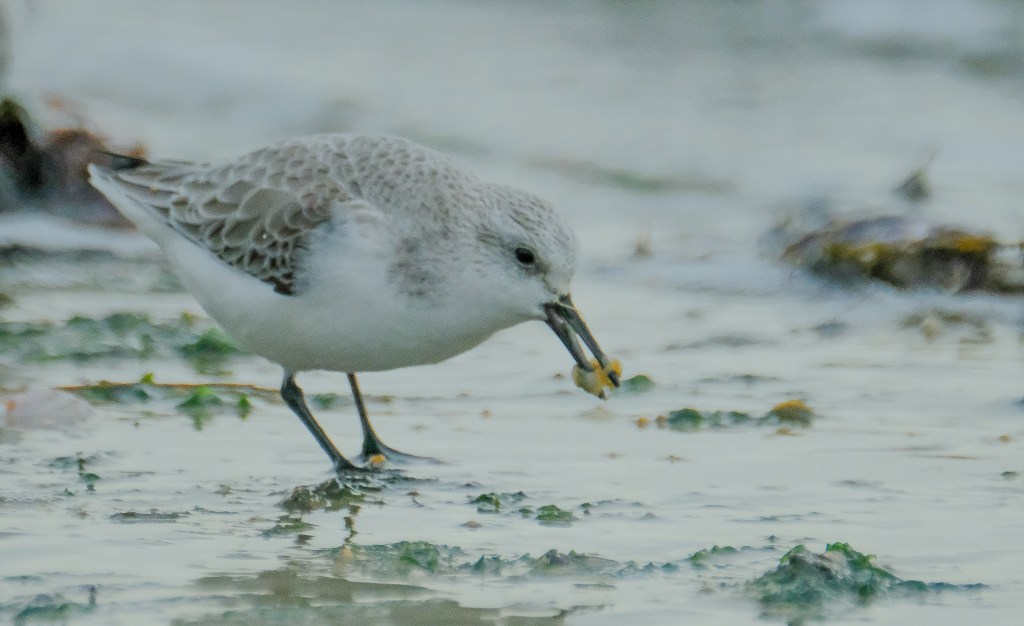
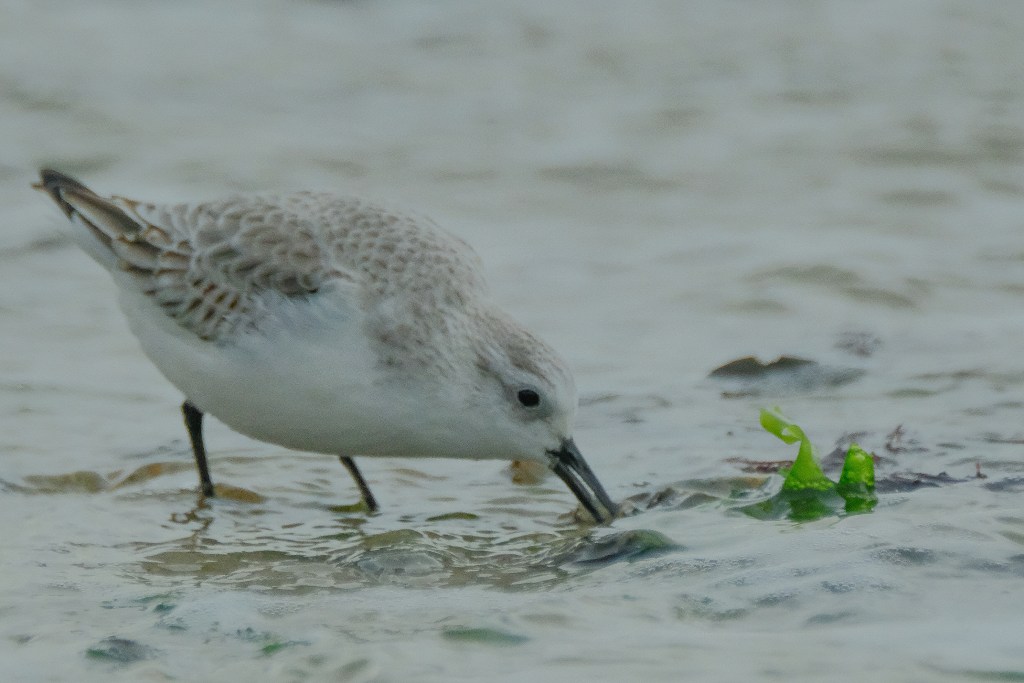
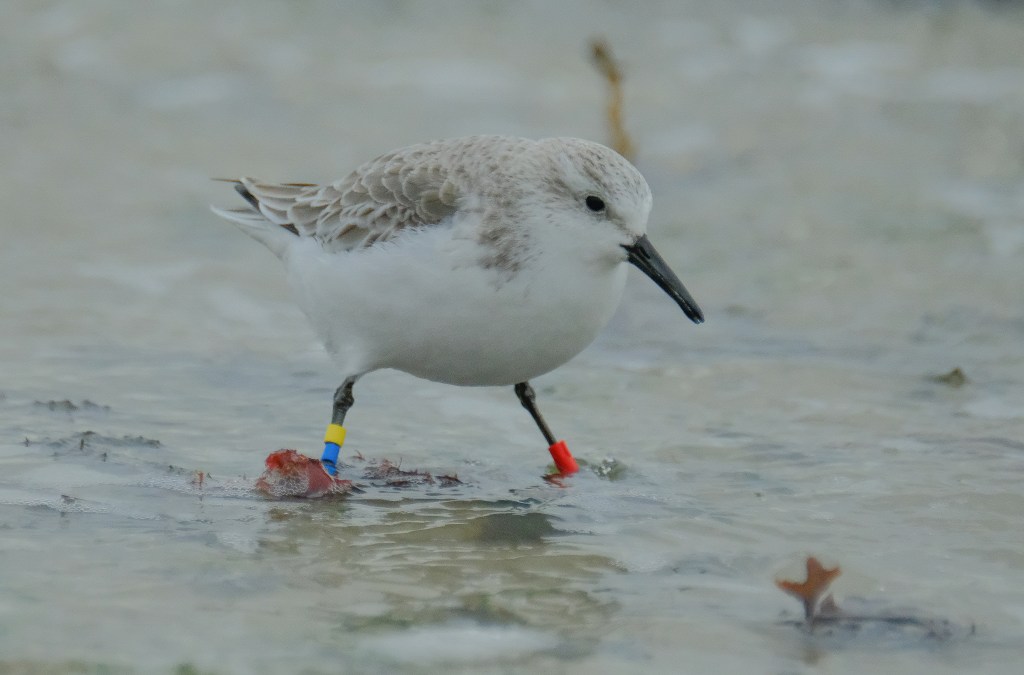
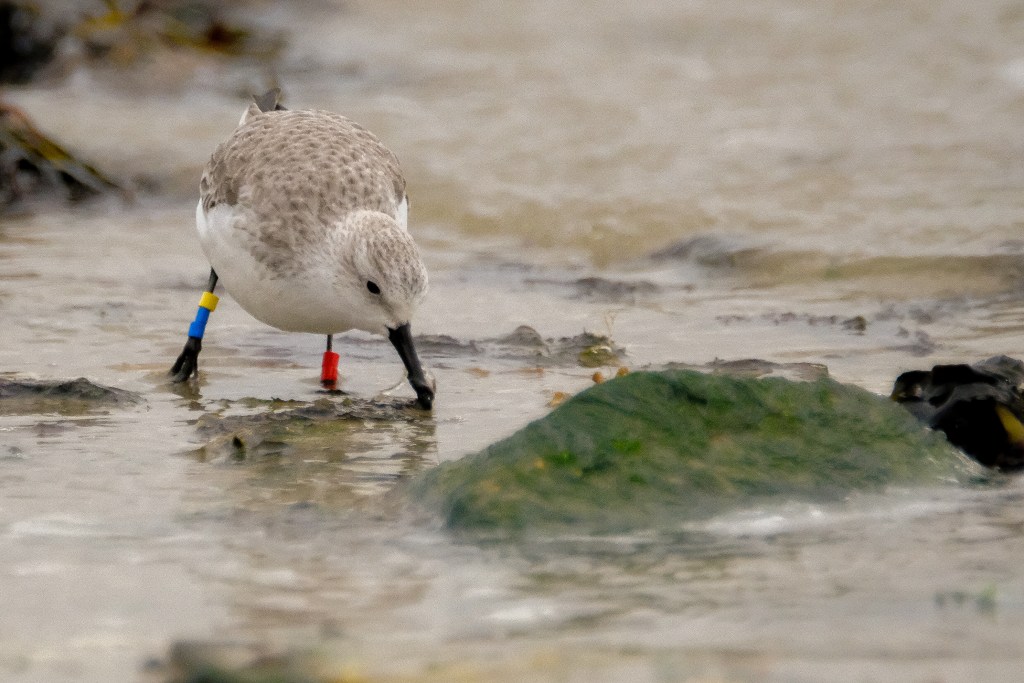
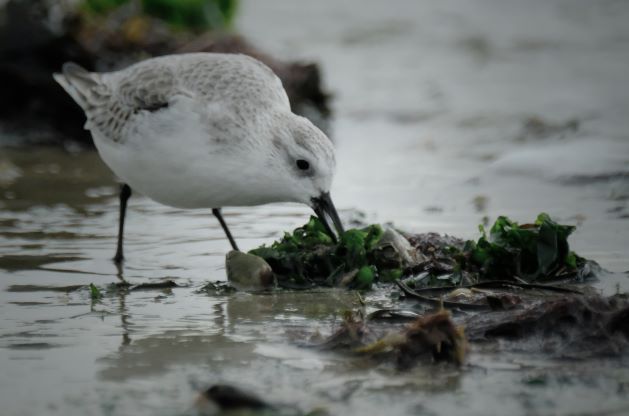
On the shore, Sanderlings were feeding at the water’s edge and out of the wind. Sitting down on the beach using one of the groynes as a windbreak I was able to take some pictures as the feed today clams seem to be on the menu.

The ringed bird is a regular bird that I see on Meon Shore.

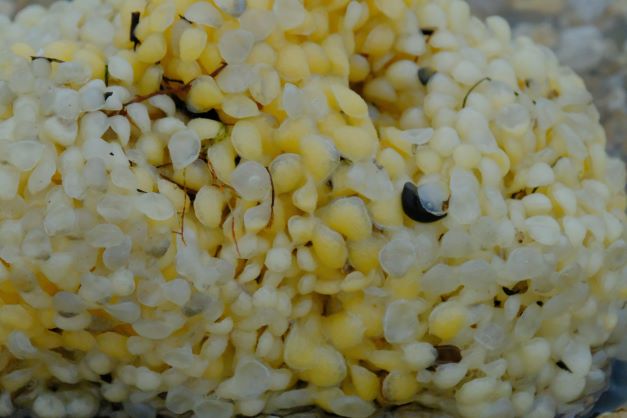
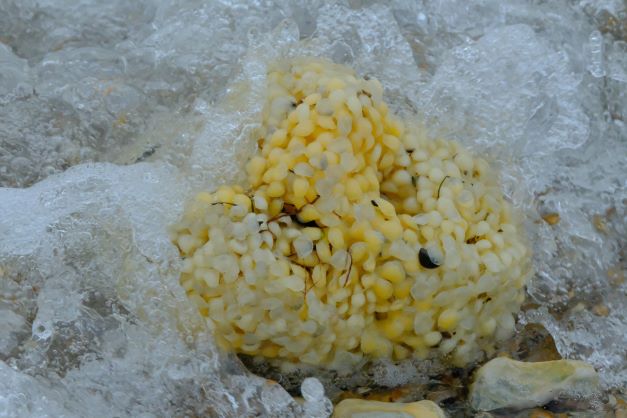
Whelk eggs.

The common whelk is the largest sea snail found in the sea around the UK.

They lay their eggs in a spongy mass of up to 2000 eggs on the seabed. Once hatched, these balls of empty egg capsules often wash up on the shore.

The first whelks to hatch will eat their developing siblings to give themselves extra energy to help them survive.

This large mass of eggs shows most of the whelks have not yet hatched. Empty egg capsules dry and the lightweight balls blow up the beach, in the past, it has been said sailors used them like a sponge.