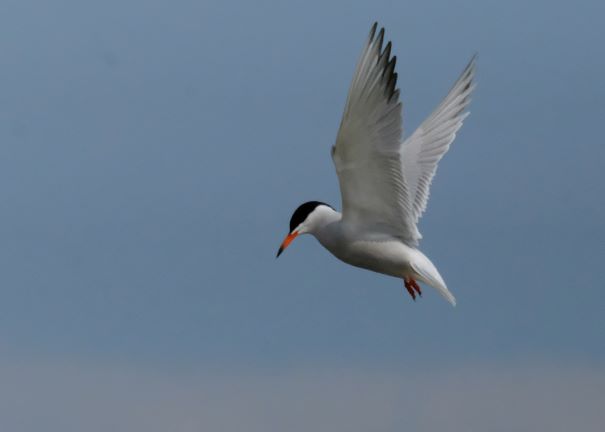
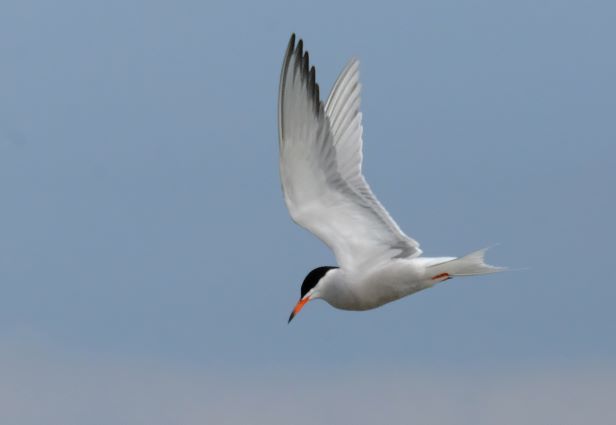
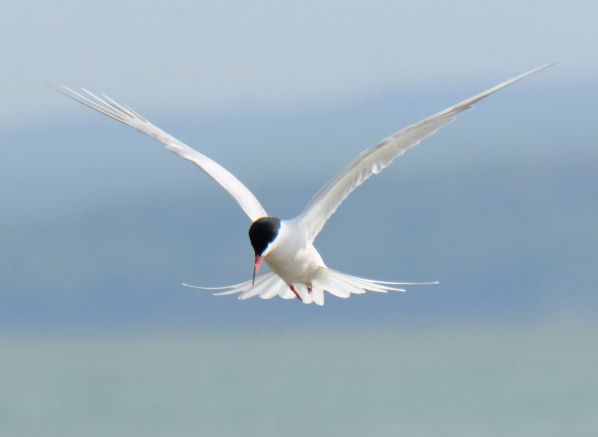
Common Terns.
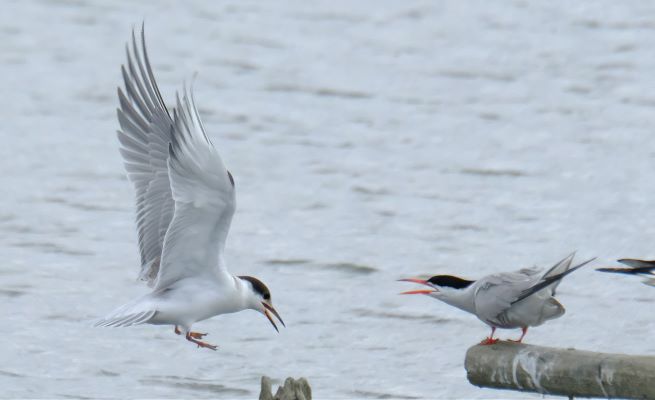
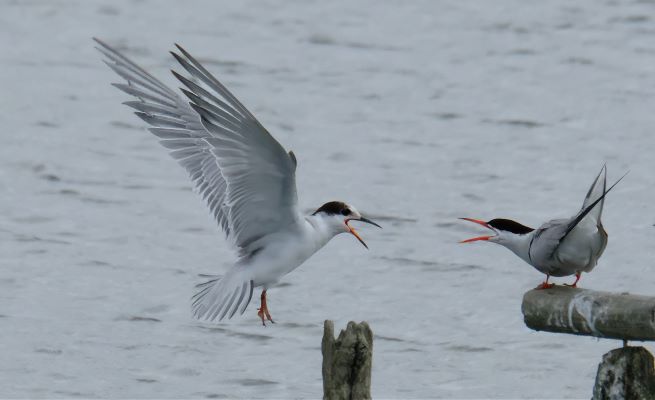
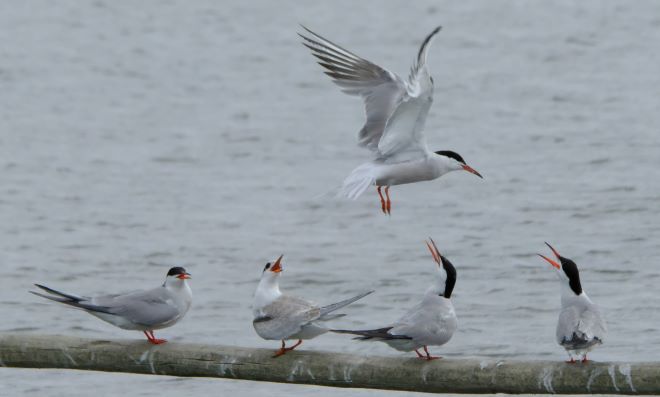
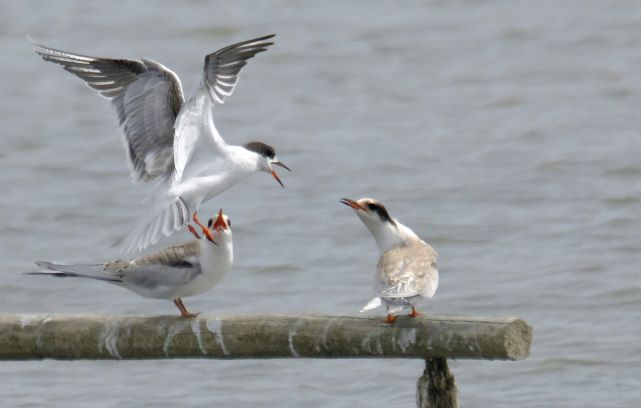
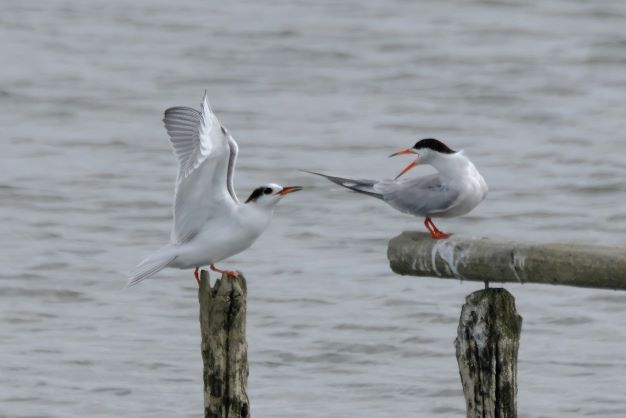
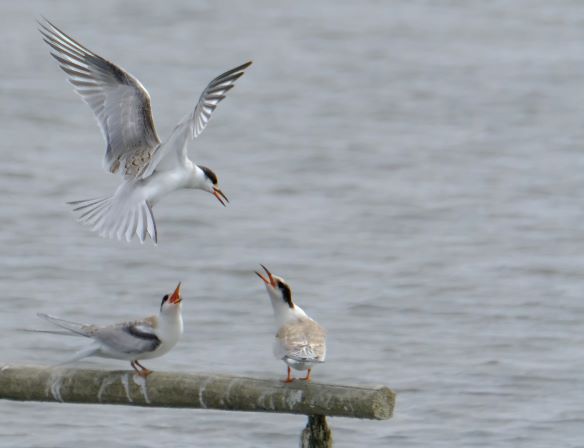
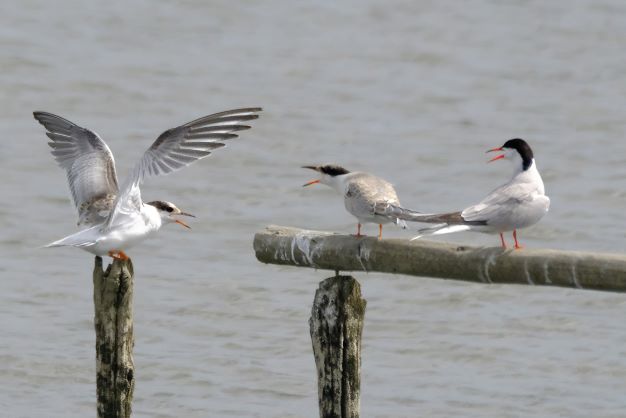
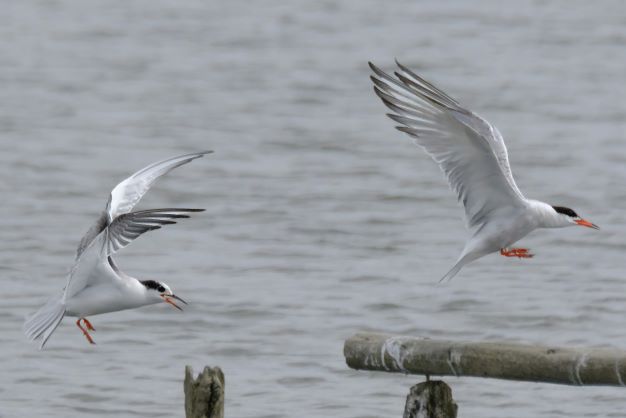
Another visit to Titchfield Haven nature reserve today to watch the Terns. As well as the adult birds lots of juvenile birds learn the ropes before they leave and head off to Africa from their parents.
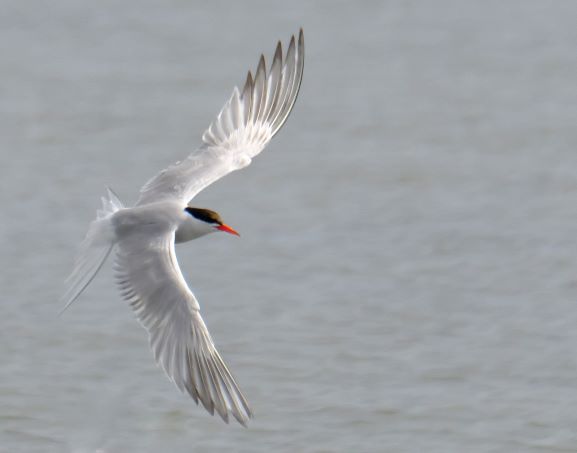



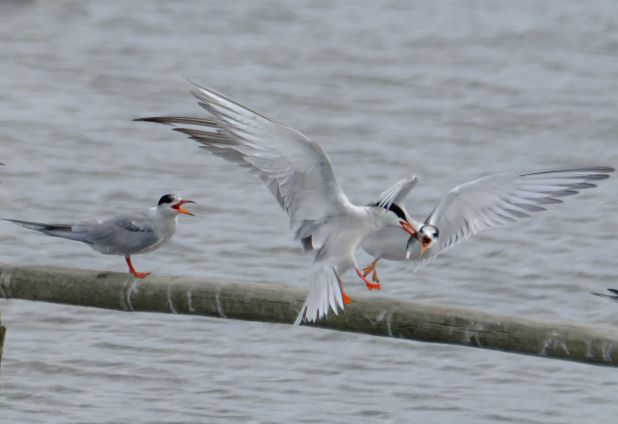
Common Terns.
Another visit to Titchfield Haven nature reserve today to watch the Terns. As well as the adult birds lots of juvenile birds learn the ropes before they leave and head off to Africa from their parents.
Common Terns at Titchfield Haven Nature reserve. A picture-heavy post. (includes some Red Shank & Black-headed gulls).

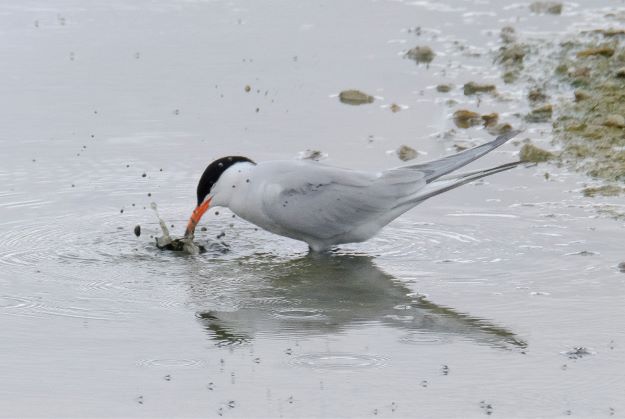
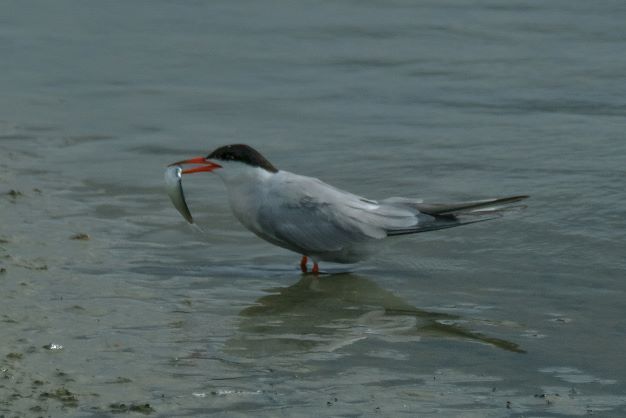
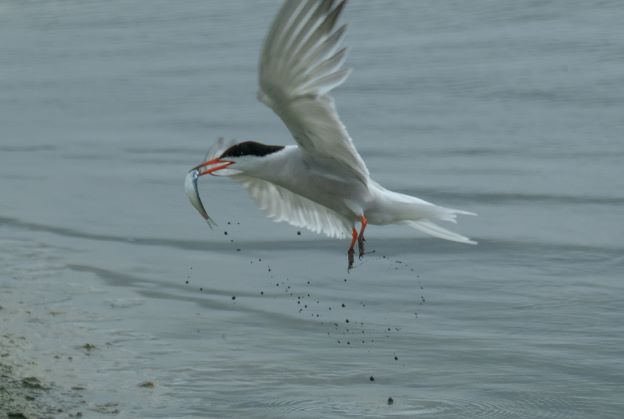
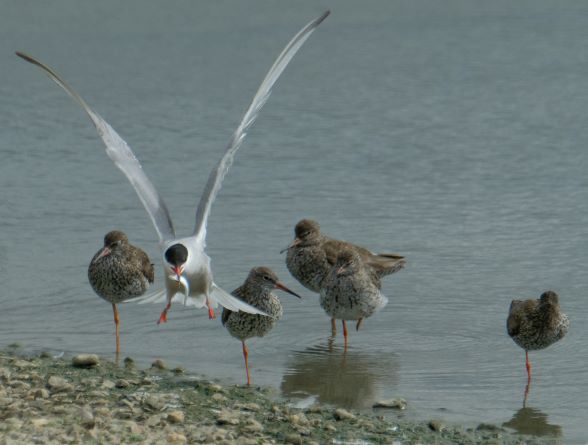
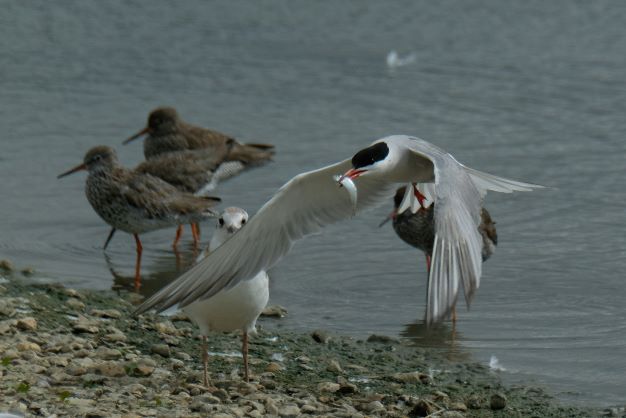

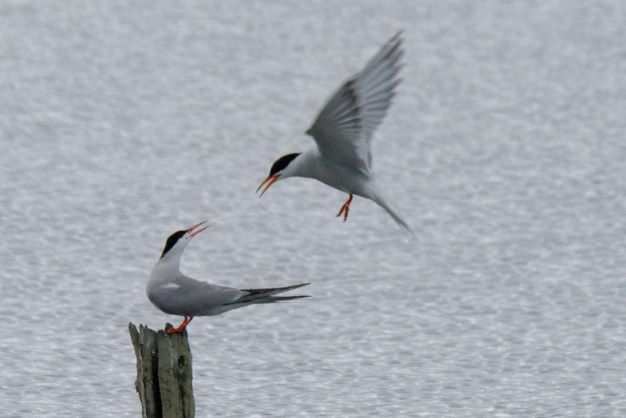
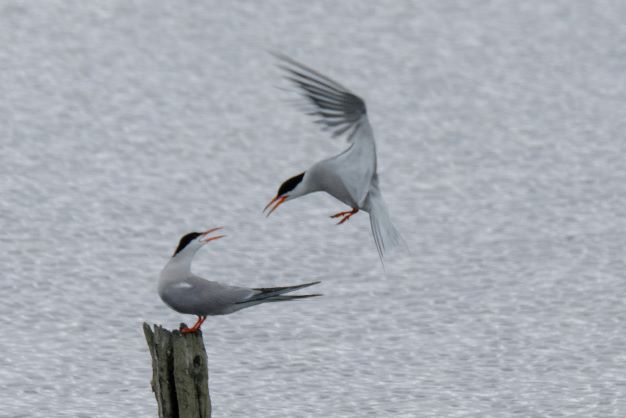
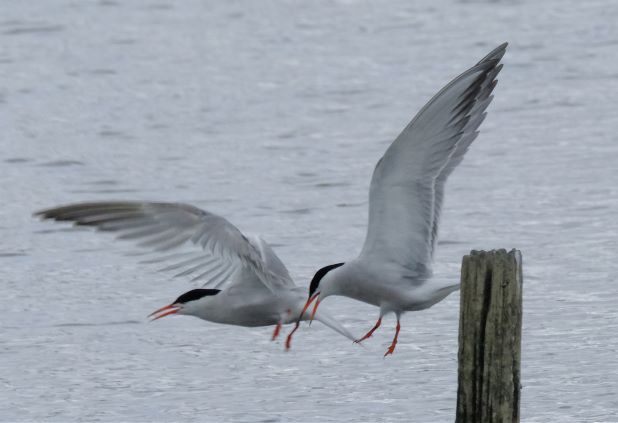
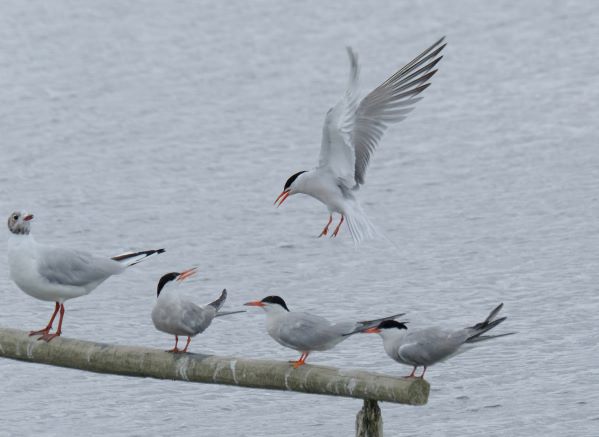
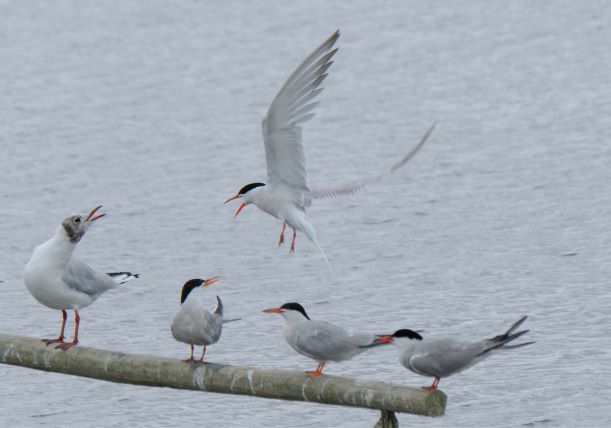

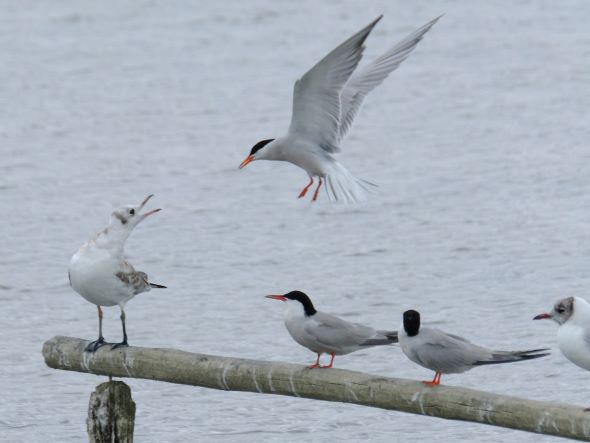

Common Terns are silvery-grey and white birds with long tails that have earned them the nickname sea-swallows They are graceful flight and frequently hover over water before plunging down for fish. They are often noisy. Each year nesting colonies are good at Titchfield Haven. UK breeding:12,000 pairs. I always look forward to their arrival in April and notice their absence when they leave in late August or early September. They migrate South to Africa after the breeding season.
We have survived a heatwave last 3 days the weather has caused a total meltdown here in the UK. Being obsessed with the weather we Brits have been totally preoccupied with what the temperature is and our infrastructure failings however we have short memories and in a few weeks, we will have forgotten what the effects of extreme heat are and climate changes are and we will return to our selfish ways.
A major fire swept through Hook nature reserve on Southampton Water near Washash.

We have been spending a lot of time during the heatwave by the sea at our usual spot on Meon Shore. The sea breeze helped cool the air and allow some comfort.
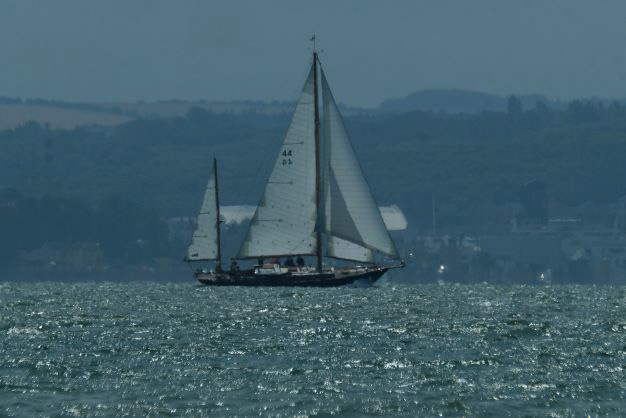
Probably the coolest place in the UK was on the water sailing in a yacht out in the Solent. These were sailing off Cowes on the Isle of Wight. Pictures were taken through a heavy heat haze from Meon Beach




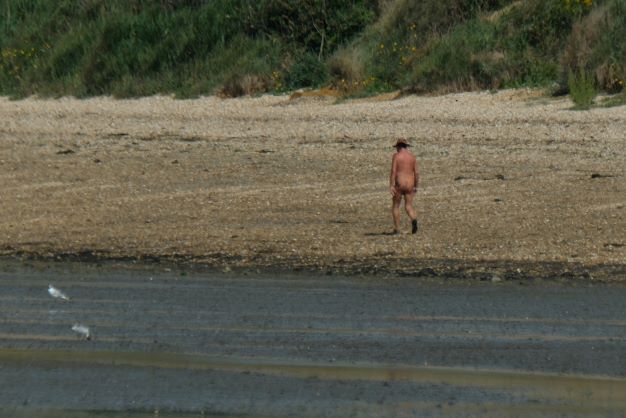
Some people found other ways of keeping cool! Please note a hat is essential.

Some bird watching from the water’s edge. Despite the number of people on the beach birds were plentiful.
Oystercatchers.

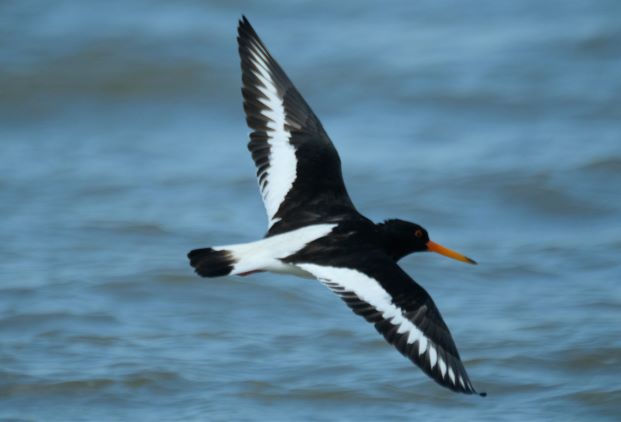

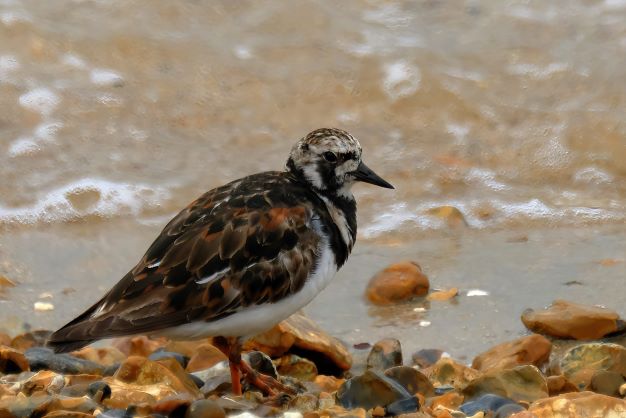
Turnstones.


Herring Gull. (With attitude.)


Common Terns.
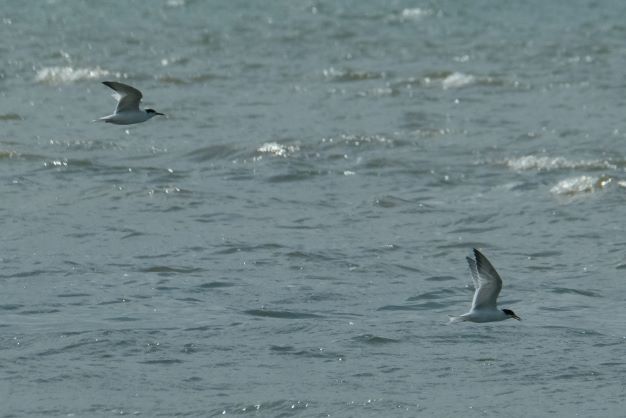
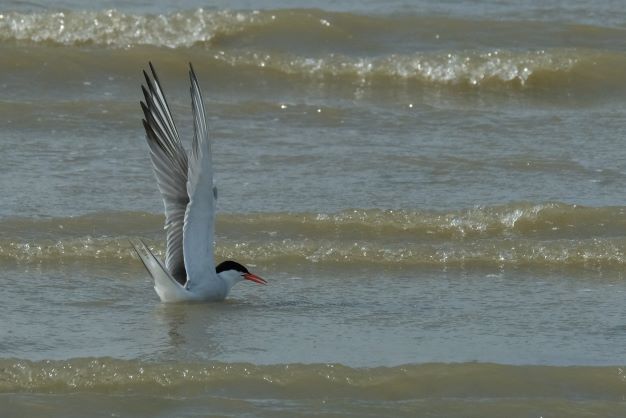

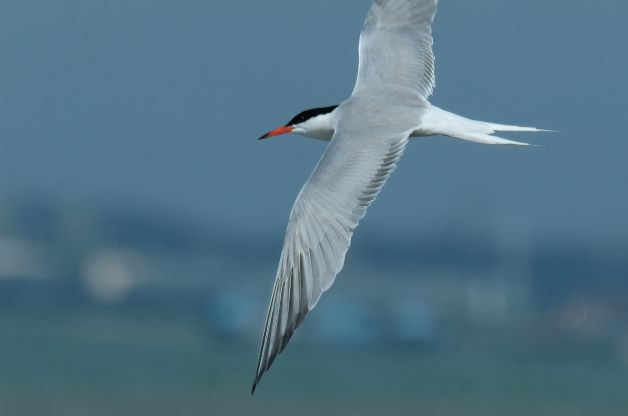


A young tern thinks he has caught a big fish!
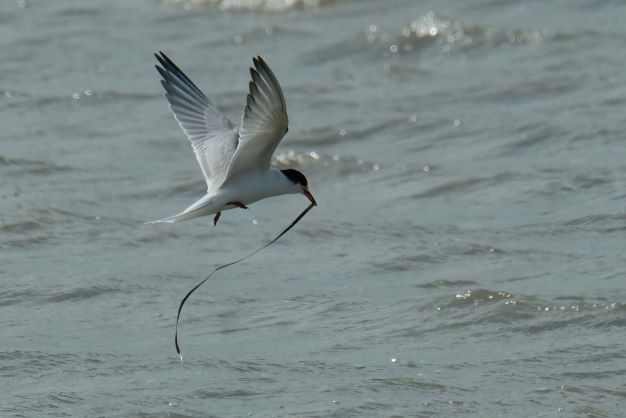
Work goes on for others whatever the weather.
Experimental Hovercraft.
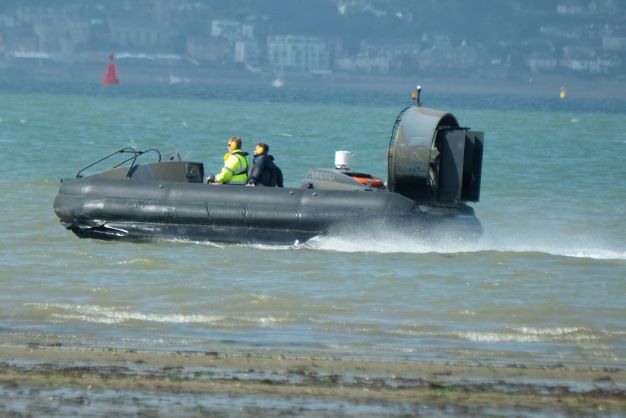
Shipping leaving port.

Search and Rescue Helicopter on patrol.

Thunderstorms and cooler weather are now forecast.
On the Solent, we have some large clams about the size of a clenched fist. They were introduced from North America where it is known as a Quahog clam into British waters several times since the middle of the nineteenth century. The first live specimen was found in 1864 in the Humber. It was successfully introduced from the USA into Southampton Water in 1925. These are long-lived species a clam dredged from Icelandic waters had lived for 400 years. Is this the longest-lived animal known to science.
An example of a clam from Southampton Water from a past blog to give an overview of their size.

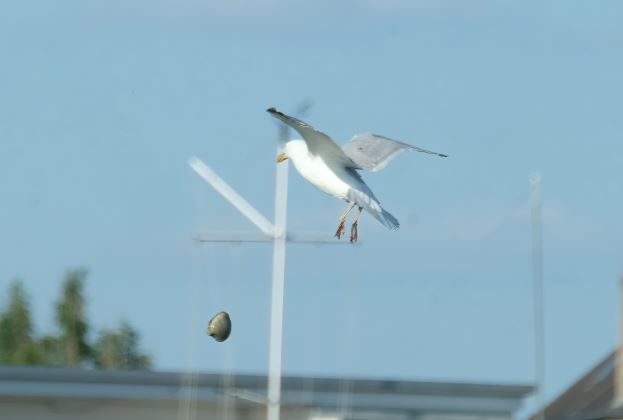
It was about 10 years ago I first spotted Herring Gulls collecting bivalves such as cockles or mussels on the beach taking them to a height of about 30 feet into the air and dropping them, smashing open the shell to eat the prize inside.
Yesterday I watched a Herring Gull pull a Quahog clam from the beach and drop it to smash it. I think this could have been fatal if it had landed on someone’s head!
“Gull finds its clam”.
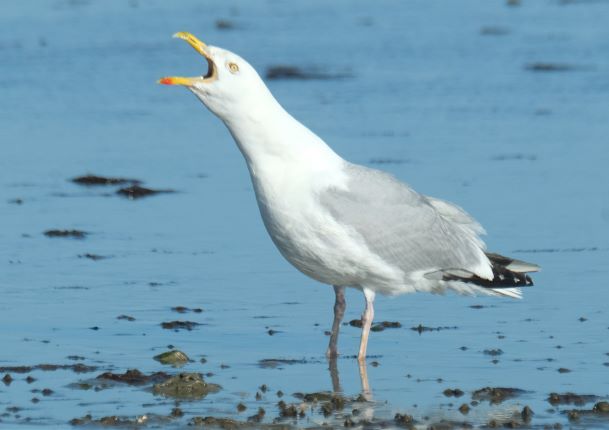

Once found it is time to pull it free of the beach.

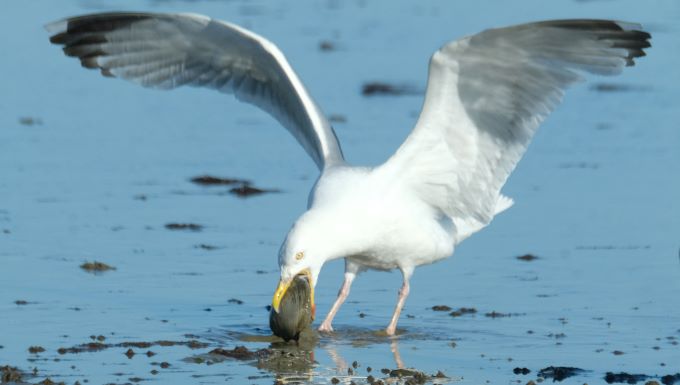
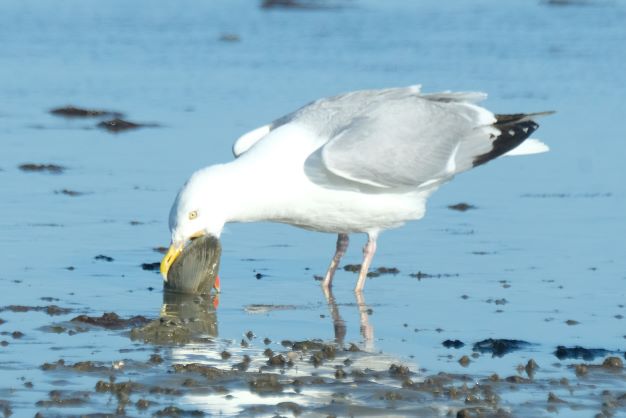
Once it is extracted a second gull takes an interest in it – not wanting to give up his prize a scrap ensues.
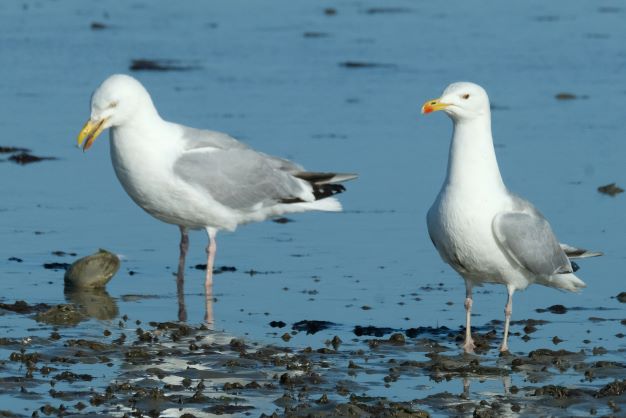


Scrap over now it is time to get the clam into the air.
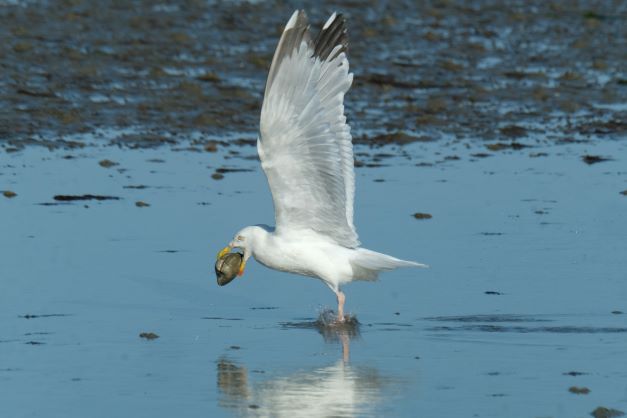
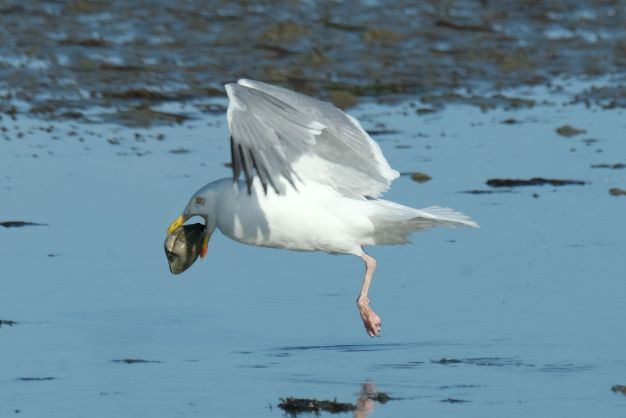
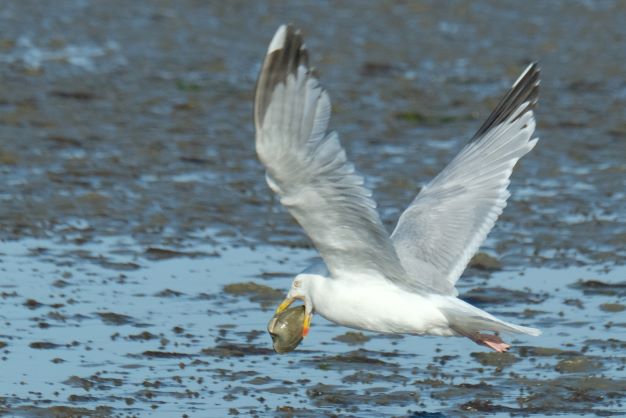
Once airborne the gull gains height and drops his “bomb”.
Today the weather forecasters say it is the hottest day of the year in the UK.
This afternoon we went to the sea I had to have a swim to cool off.
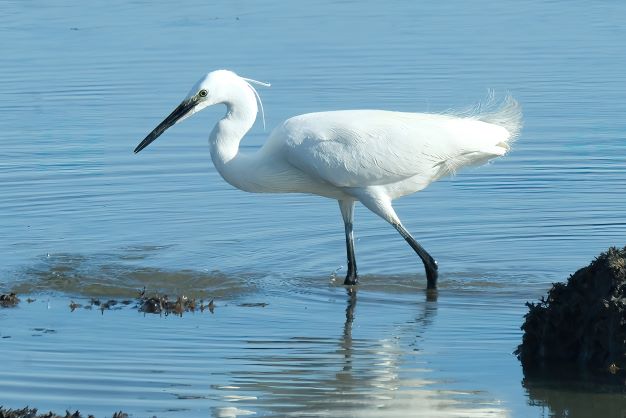
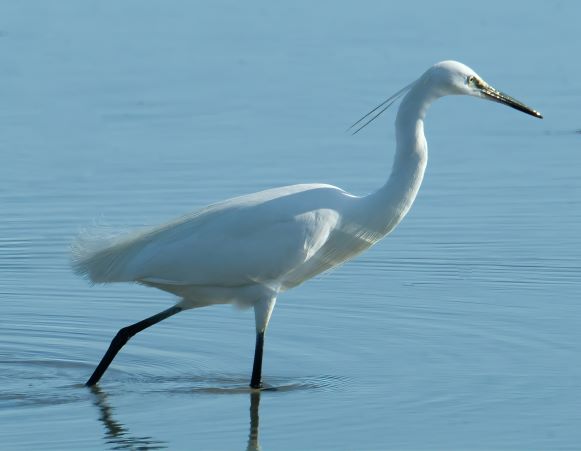
As the tide went out I spent a hour watching an Egret fishing on the beach.



Further to my post earlier in the week, some more pictures of Mediterranean Gulls at Calshot give a comparison of this gull with the Black-headed gull.
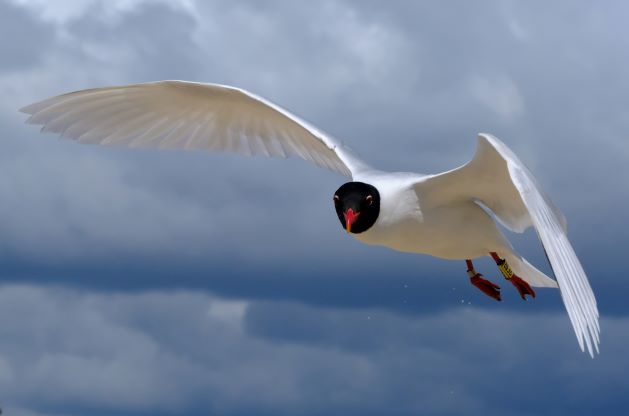

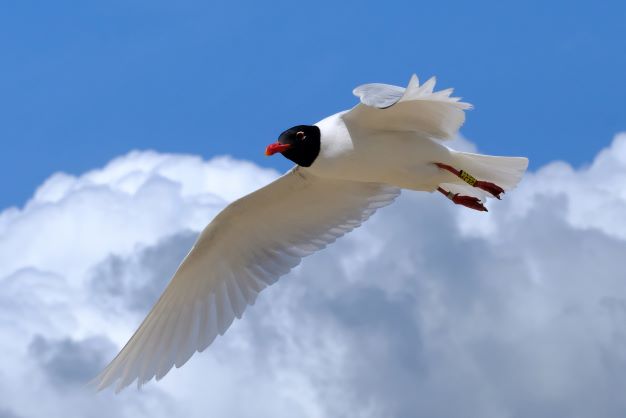

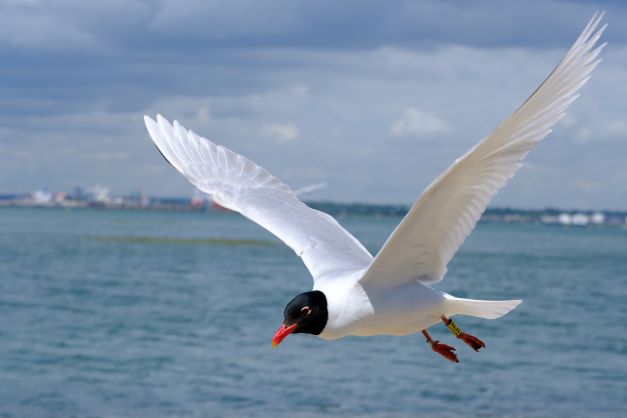
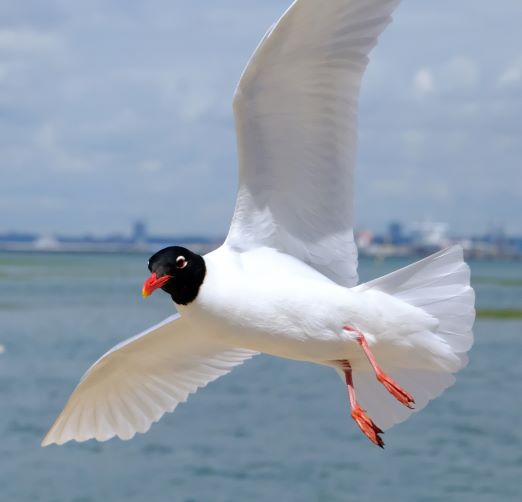
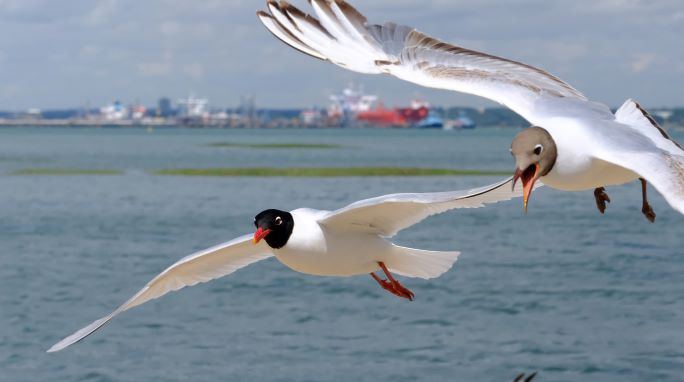

#Wordless Wednesday.

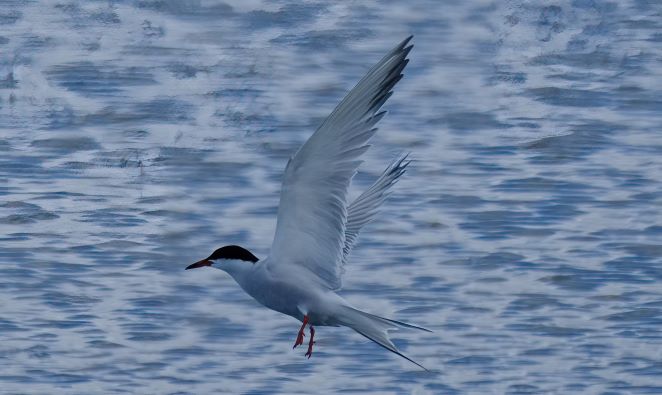


A few hours bird watching on Meon Shore.
Groups of Turnstones – feeding – washing – and chilling at the edge of the sea.
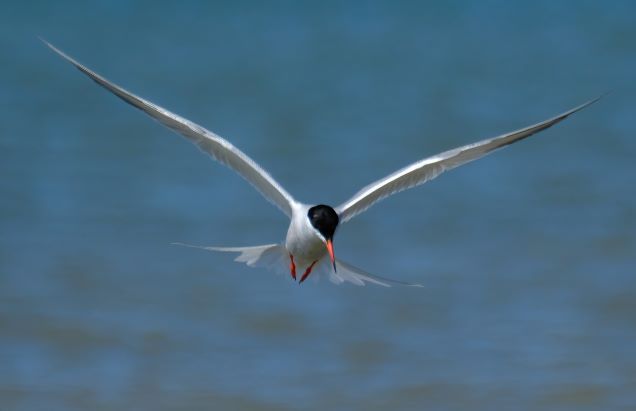
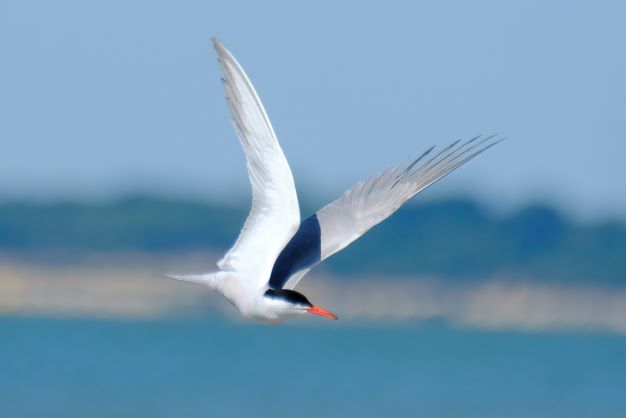
A Common Tern fishing off the beach on the Solent. The meal of the day is small flat fish.

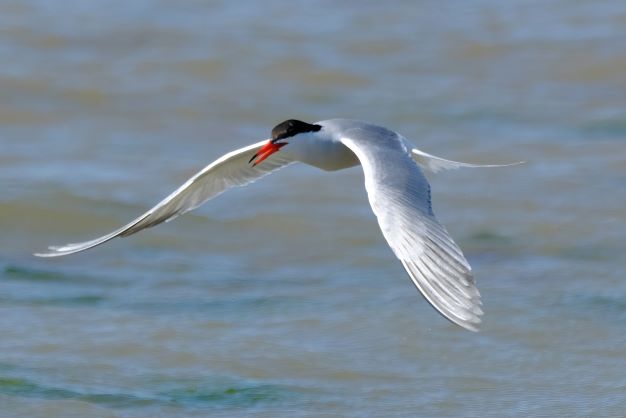


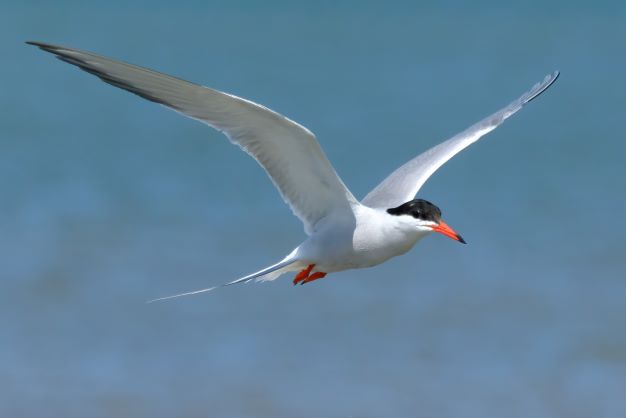


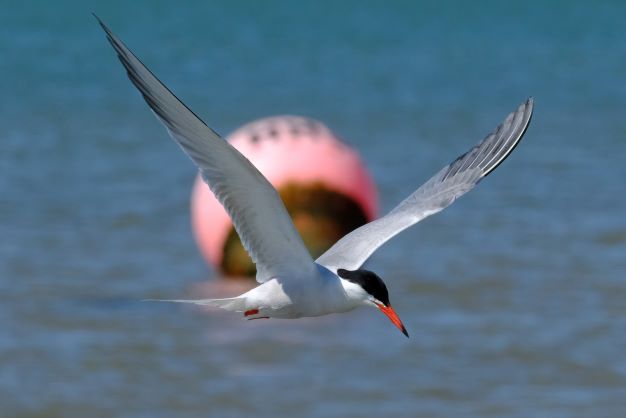
The terns are back in town. Common Terns have arrived back at Meon Shore on the Solent and will be heading into Titchfield Haven Nature Reserve soon to nest.