Turnstone turn stones looking for food – they spend most of their time walking on the shore and climbing over rocks, picking out food from under stones & seaweeds

Turnstone turn stones looking for food – they spend most of their time walking on the shore and climbing over rocks, picking out food from under stones & seaweeds

Thursday I spent some time on the beach and filmed the flock of Sanderlings enjoying the afternoon’s sun.
This post is a movie only, Please note it runs for a little over 8 minutes. Is best viewed on a phone screen & the sound is only the beach and wind so best watched on low volume or off.
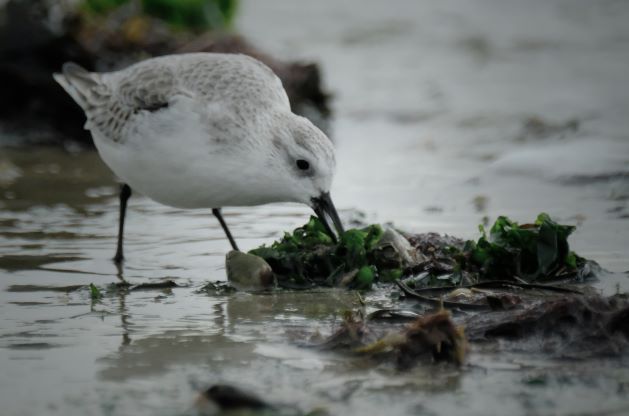
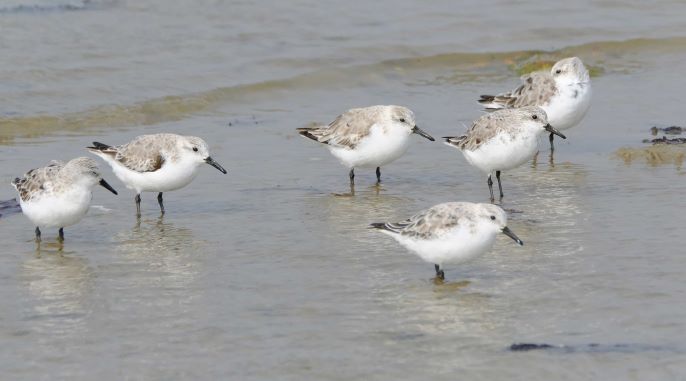
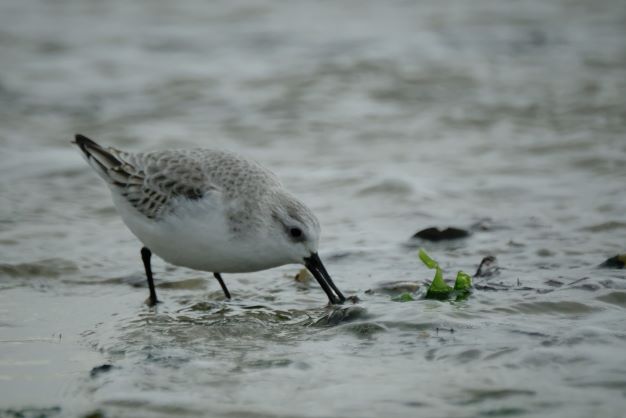
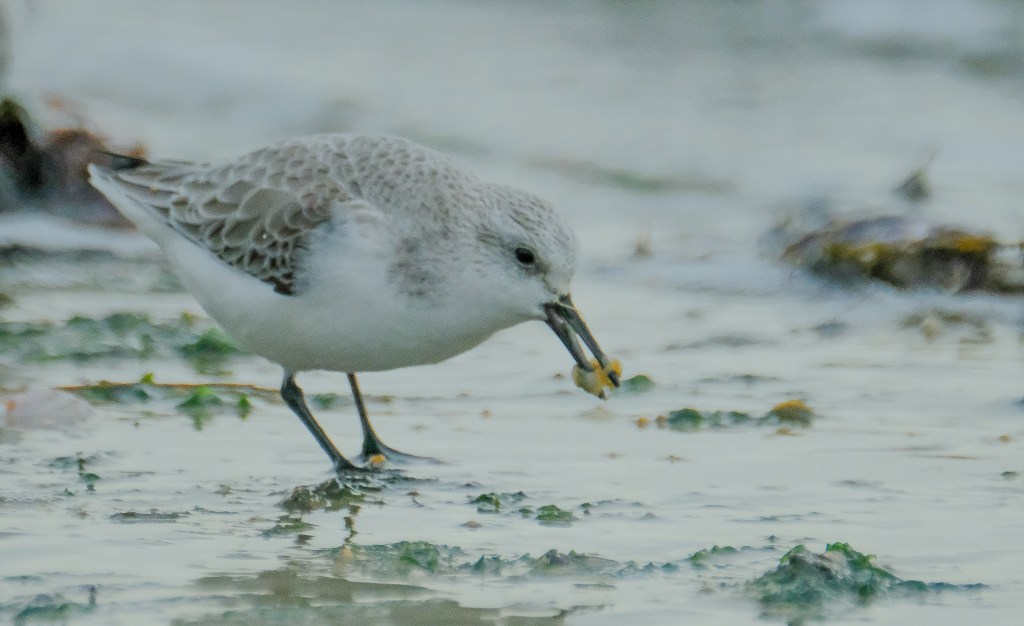
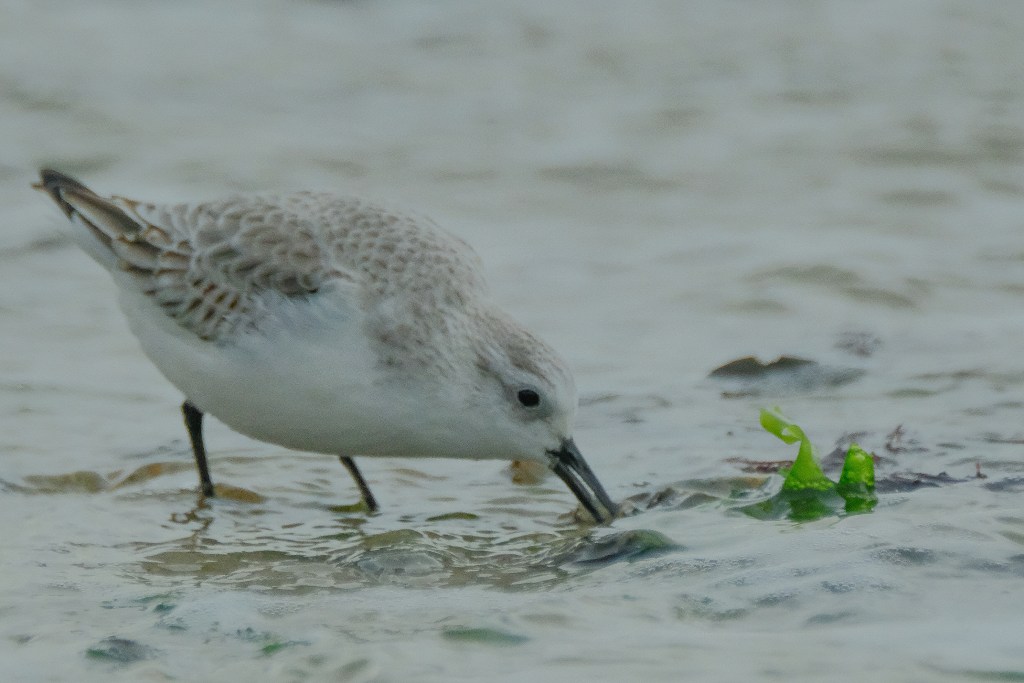
Some further Sanderlings pictures from Monday’s visit to the coast. The green of the seaweed adds a bit of colour to a dull grey day.


Another stormy night as the 3rd storm lashes the UK in as many days. Many trees are down on local roads and places closed. Titchfield Haven Nature Reserve remains closed since the end of last week as authorities need to check the trees are safe.
The Red Funnel Isle of Wight ferry was having a choppy crossing this morning. Some services were cancelled over the weekend.

A workforce was out repairing the seawall at Titchfield Harbour.

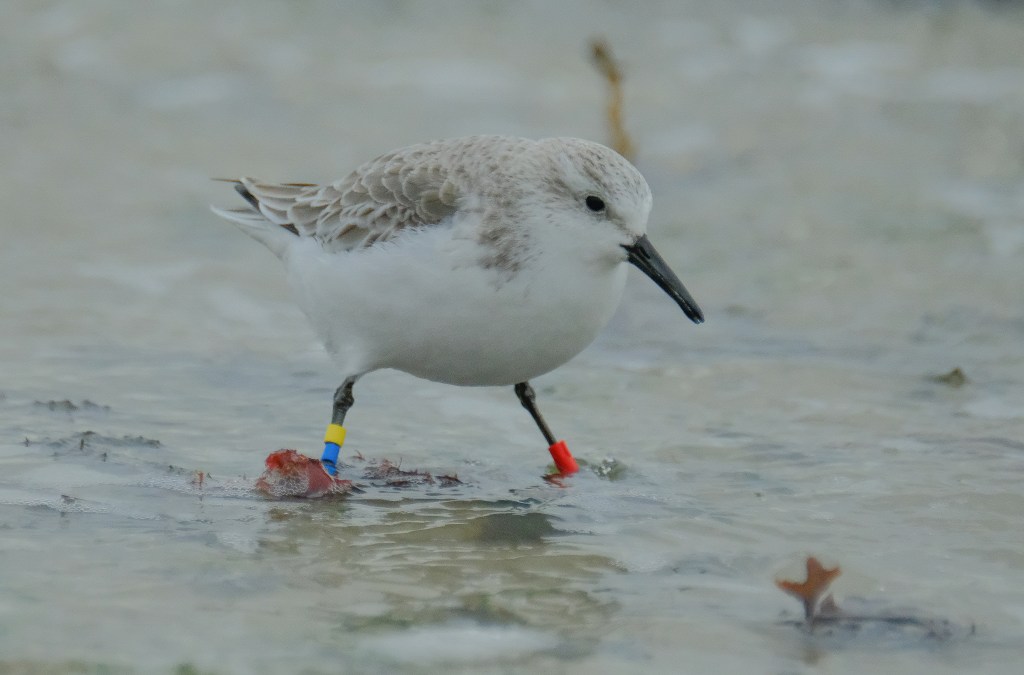
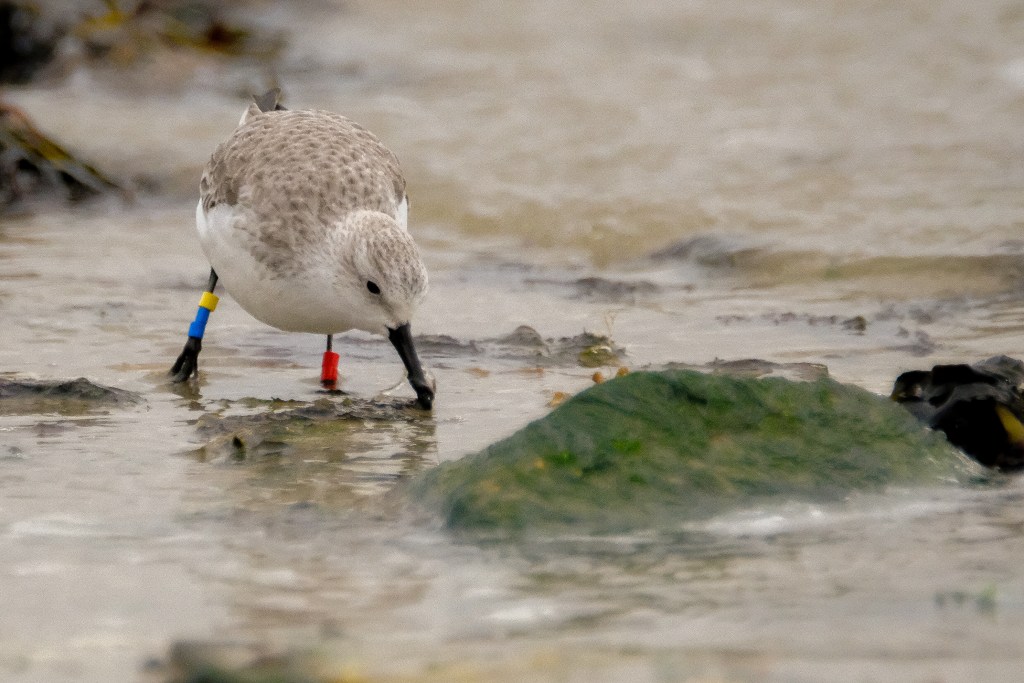
On the shore, Sanderlings were feeding at the water’s edge and out of the wind. Sitting down on the beach using one of the groynes as a windbreak I was able to take some pictures as the feed today clams seem to be on the menu.


The ringed bird is a regular bird that I see on Meon Shore.


The common whelk is the largest sea snail found in the sea around the UK.
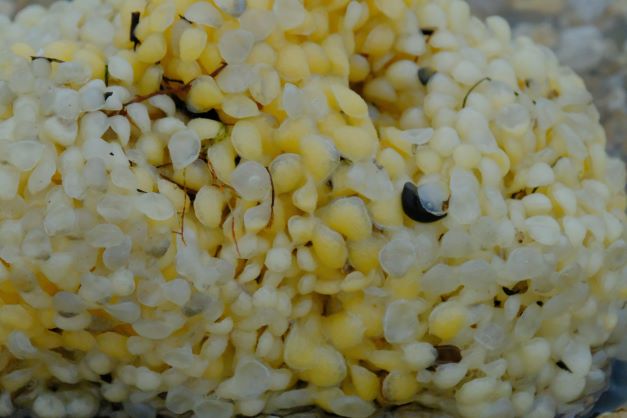
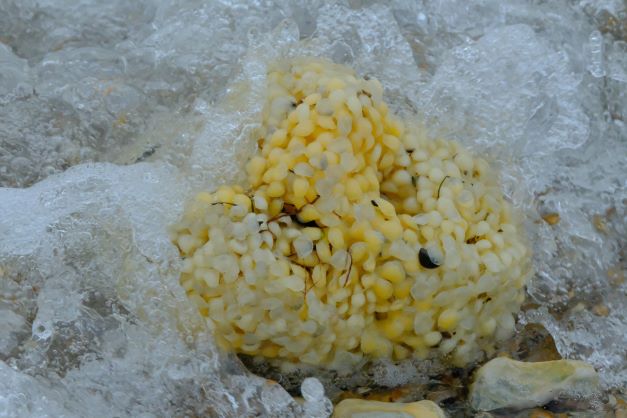
They lay their eggs in a spongy mass of up to 2000 eggs on the seabed. Once hatched, these balls of empty egg capsules often wash up on the shore.
The first whelks to hatch will eat their developing siblings to give themselves extra energy to help them survive.
This large mass of eggs shows most of the whelks have not yet hatched. Empty egg capsules dry and the lightweight balls blow up the beach, in the past, it has been said sailors used them like a sponge.