Avocets at Titchfield Haven Nature Reserve.
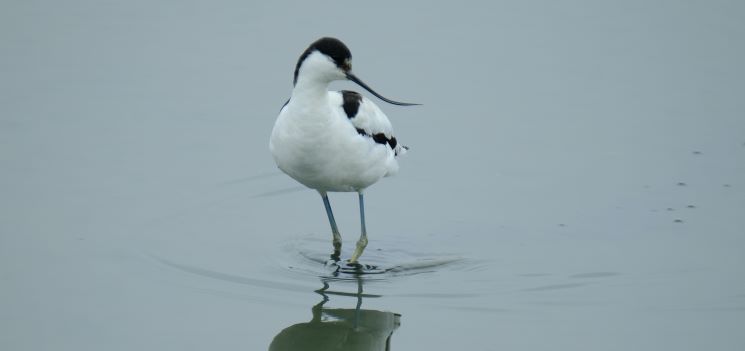
As we move towards the end of March the Avocets numbers are increasing within the nature reserve.
Numbers :- UK breeding:1,500 pairs UK wintering:7,500 birds Europe:37-54,000 pairs.
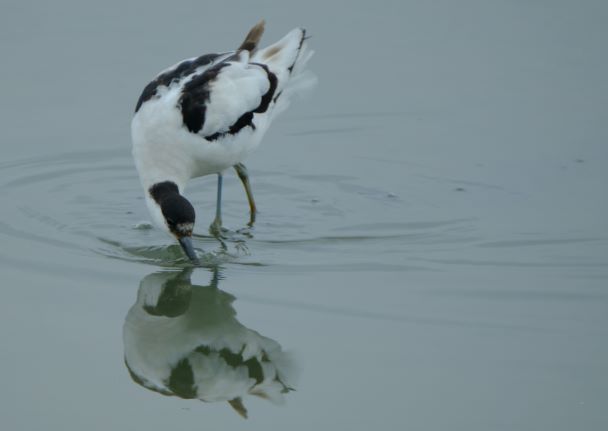


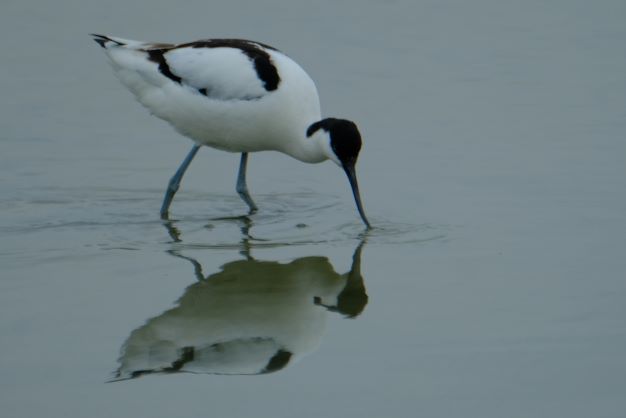
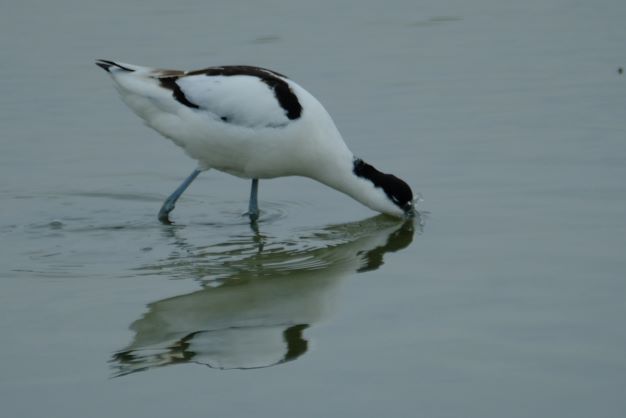
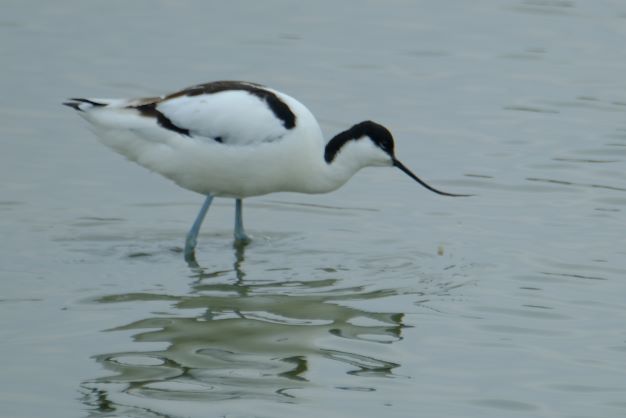


As we move towards the end of March the Avocets numbers are increasing within the nature reserve.
Numbers :- UK breeding:1,500 pairs UK wintering:7,500 birds Europe:37-54,000 pairs.
A pair of Mallards resting in the morning sun.


Not a nice side of a duck’s life. SENSITIVE CONTENT.
While theoretically monogamous, Mallard ducks will often engage in what used to be called “rape chases,” but are now known as “forced copulations.” This involves several males chasing a female and then forcefully mating with her – So brutal is the act it has resulted in the female’s death when she has been drowned by the males holding her head underwater.
In Titchfield Harbour 9 males Mallards pindown a single female.
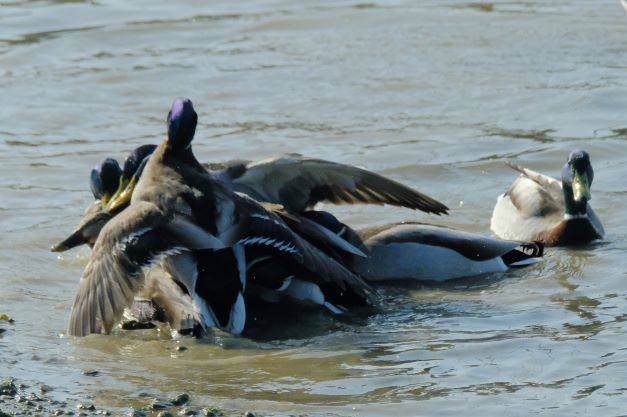

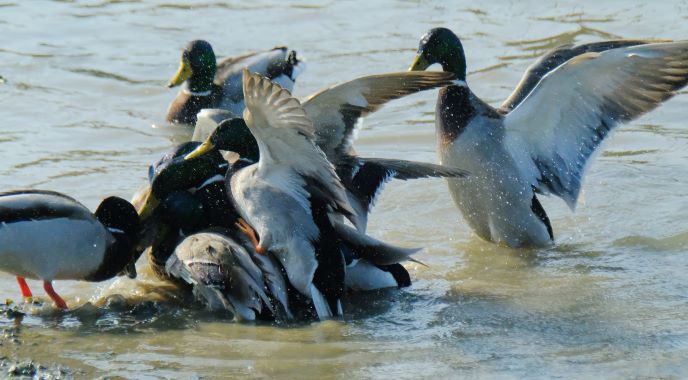
She was able to get herself out of the water and onto the beach.
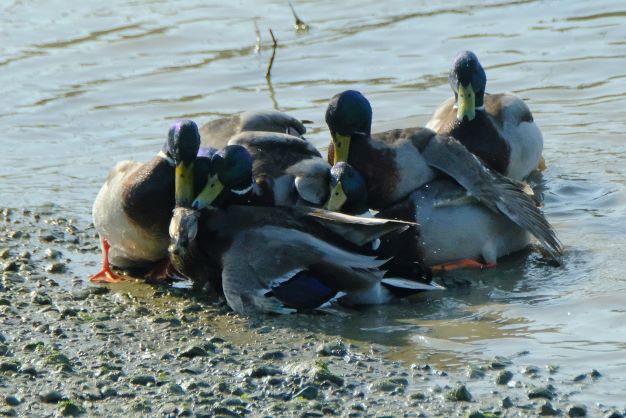

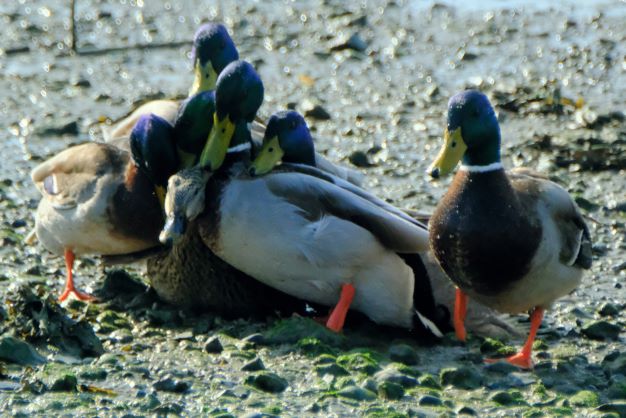
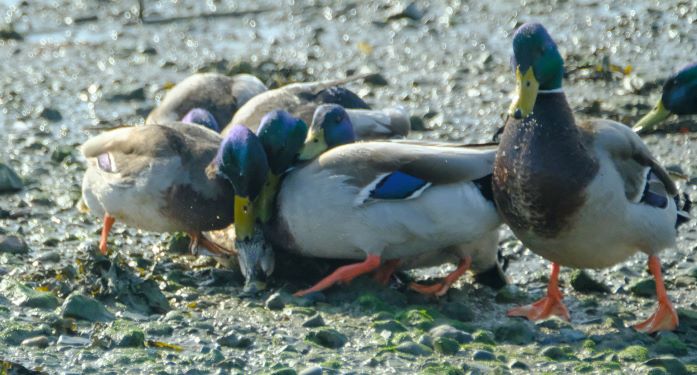
Finally, the brutal attack was over and she was able to get away.

Black-tailed godwits are a large wader. In winter they are rather dull and grey in colour. Now as we approach the summer they colour up their chests and bellies become a bright orangey-brown
They have distinctive long beaks and legs.
Wintering numbers in the UK are about 44,000 birds from the Icelandic population.
Black-tailed godwits breeding range stretching from Iceland to the far east of Russia.
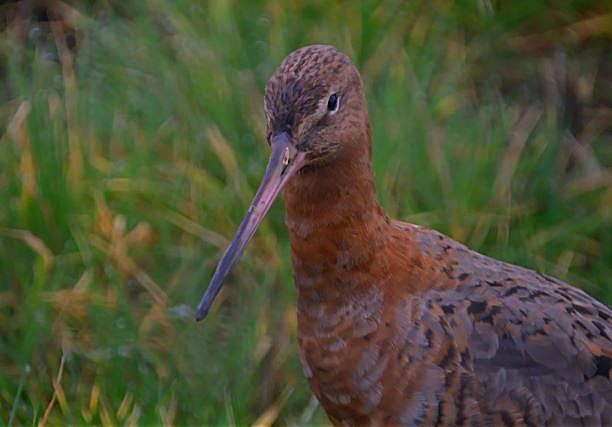
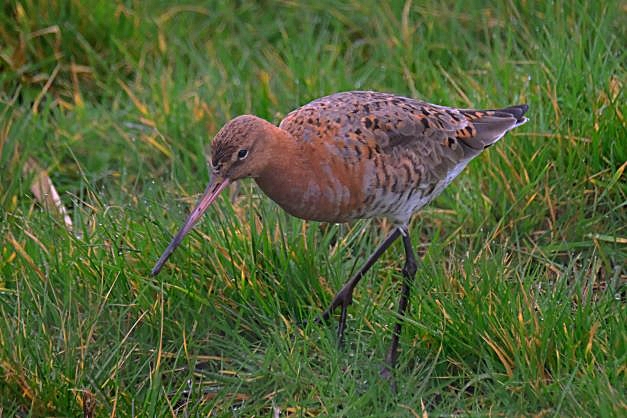
A film of Godwits on the River Hamble. (filmed into the sun so not as good quality as I would have liked)
followed by stills taken from the film.


Turnstone turn stones looking for food – they spend most of their time walking on the shore and climbing over rocks, picking out food from under stones & seaweeds

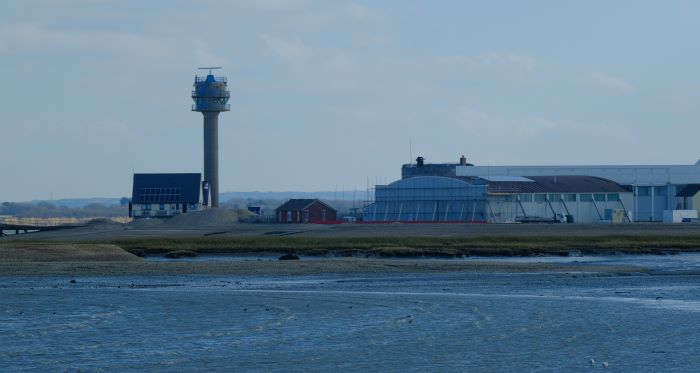
A walk along Southampton Water to Ashlett Creek a fairly bright morning but with a bitter wind.
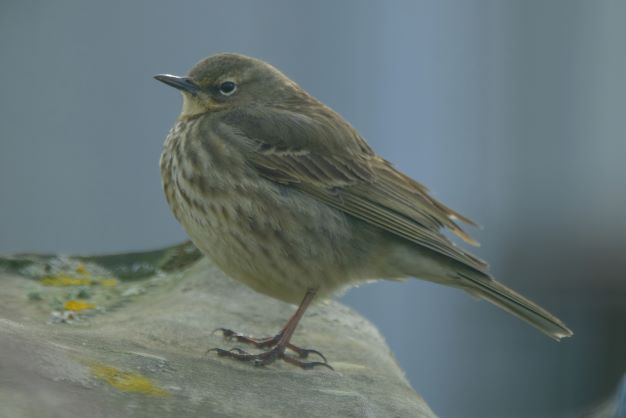
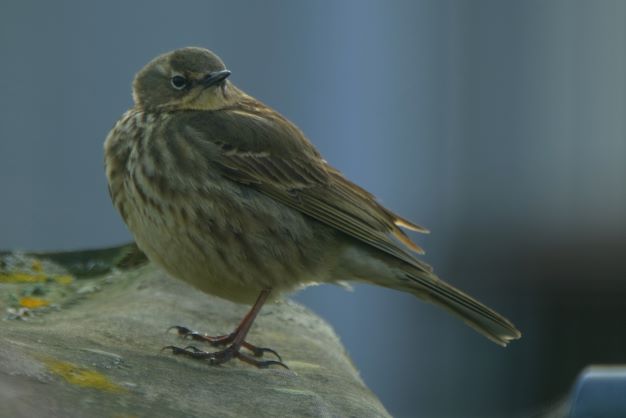
A Rock Pipit close to the shoreline. The rock pipit is a stocky pipit, a bit larger than a meadow pipit,(sizewise it is a bit smaller than a Starling.)
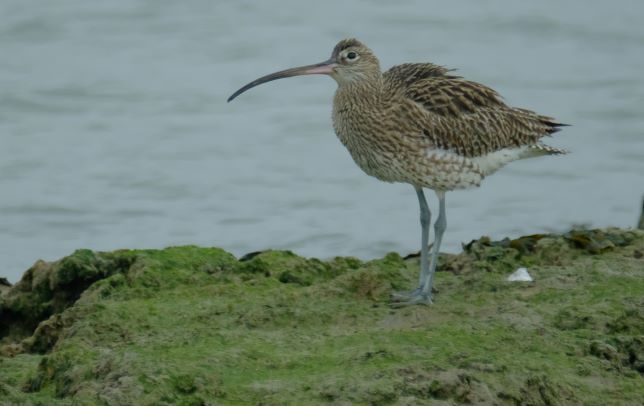
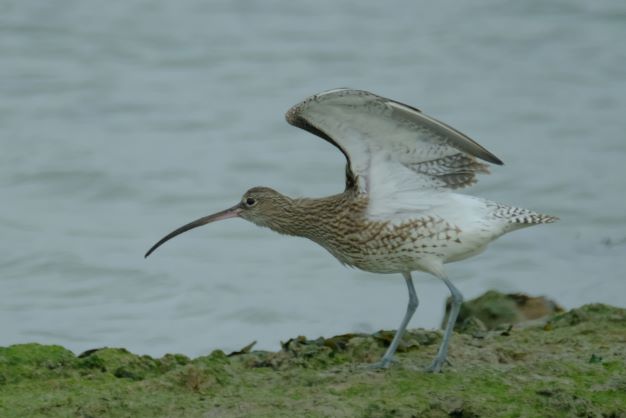
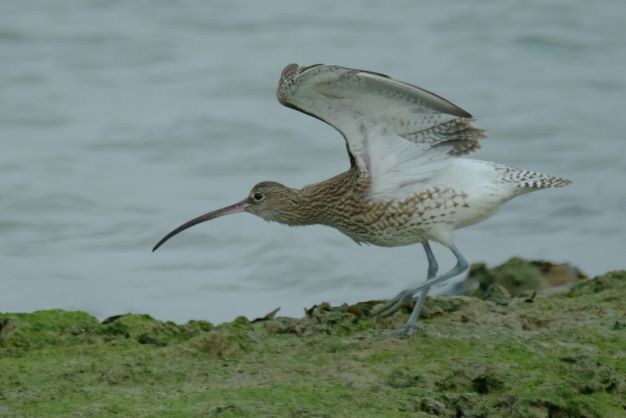
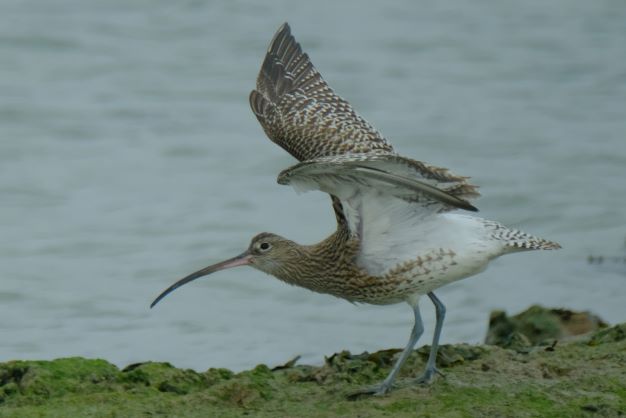
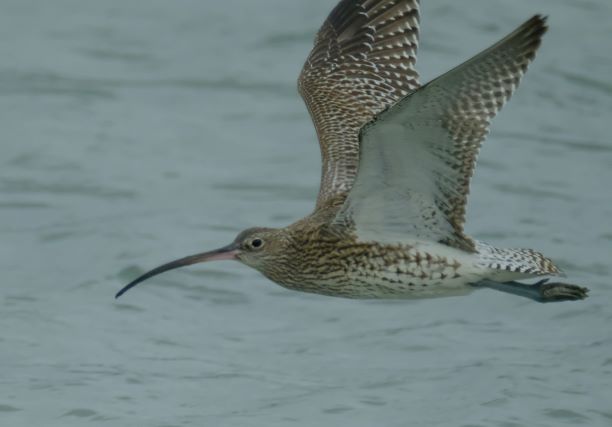
Curlew bird observation and facts. Today’s bird watching walk up the Hamble River gave some really good views of some Curlews. It is an easily recognizable bird by its size and downcurved bill.
The Curlew is a large wader (in fact it is the largest European wader). It is about the size of a female pheasant. They are ground-nesting birds on wet grasslands, farmland, heath and moors this can be miles away from the coast.
Some 140,000 birds winter in the UK with about 66,000 breeding pairs
I have added the call of a Curlew over the sound on my short film.




Thursday I spent some time on the beach and filmed the flock of Sanderlings enjoying the afternoon’s sun.
This post is a movie only, Please note it runs for a little over 8 minutes. Is best viewed on a phone screen & the sound is only the beach and wind so best watched on low volume or off.
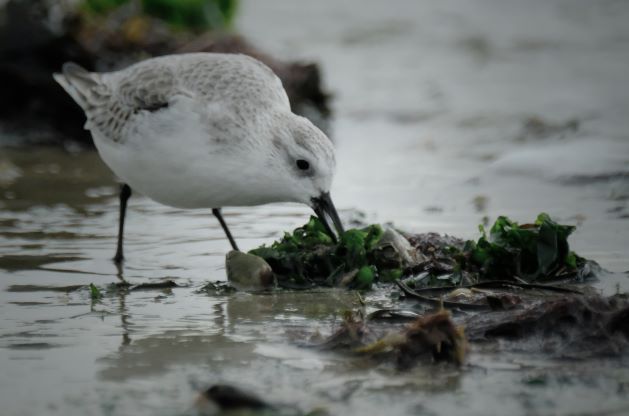
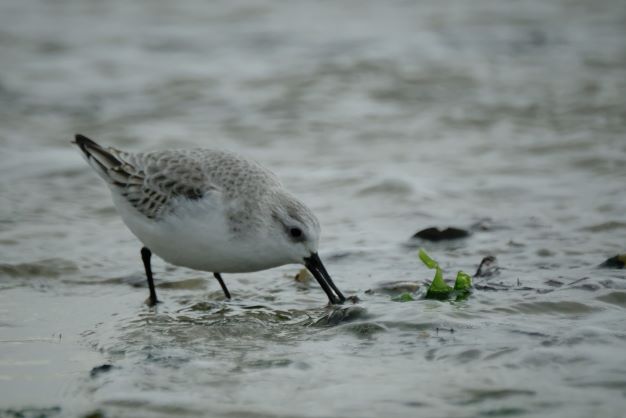
Some further Sanderlings pictures from Monday’s visit to the coast. The green of the seaweed adds a bit of colour to a dull grey day.



Another stormy night as the 3rd storm lashes the UK in as many days. Many trees are down on local roads and places closed. Titchfield Haven Nature Reserve remains closed since the end of last week as authorities need to check the trees are safe.
The Red Funnel Isle of Wight ferry was having a choppy crossing this morning. Some services were cancelled over the weekend.

A workforce was out repairing the seawall at Titchfield Harbour.

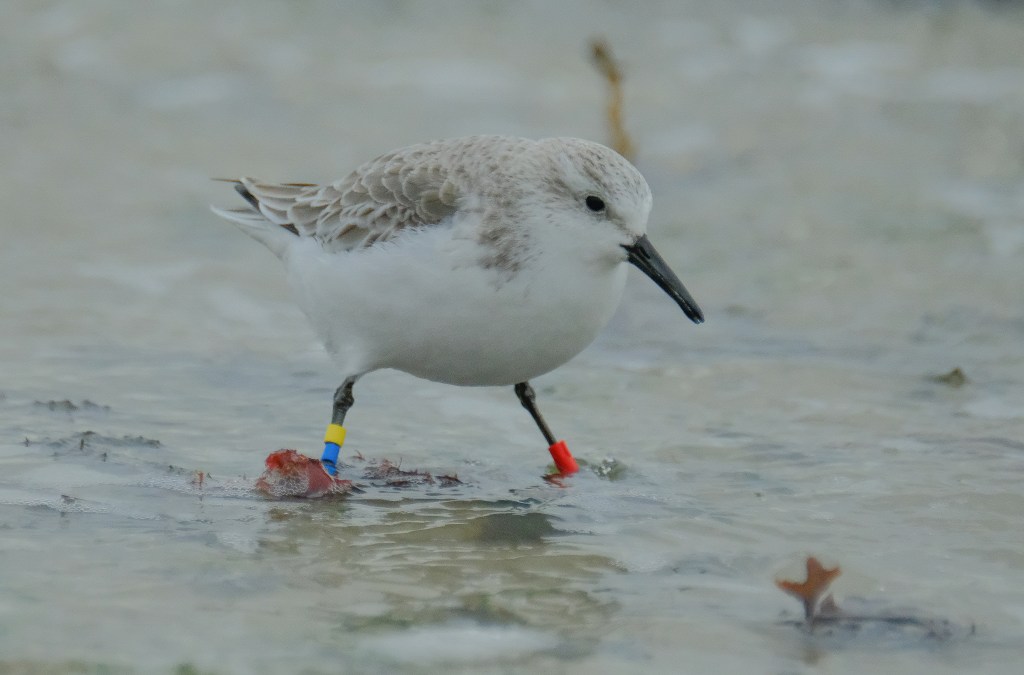
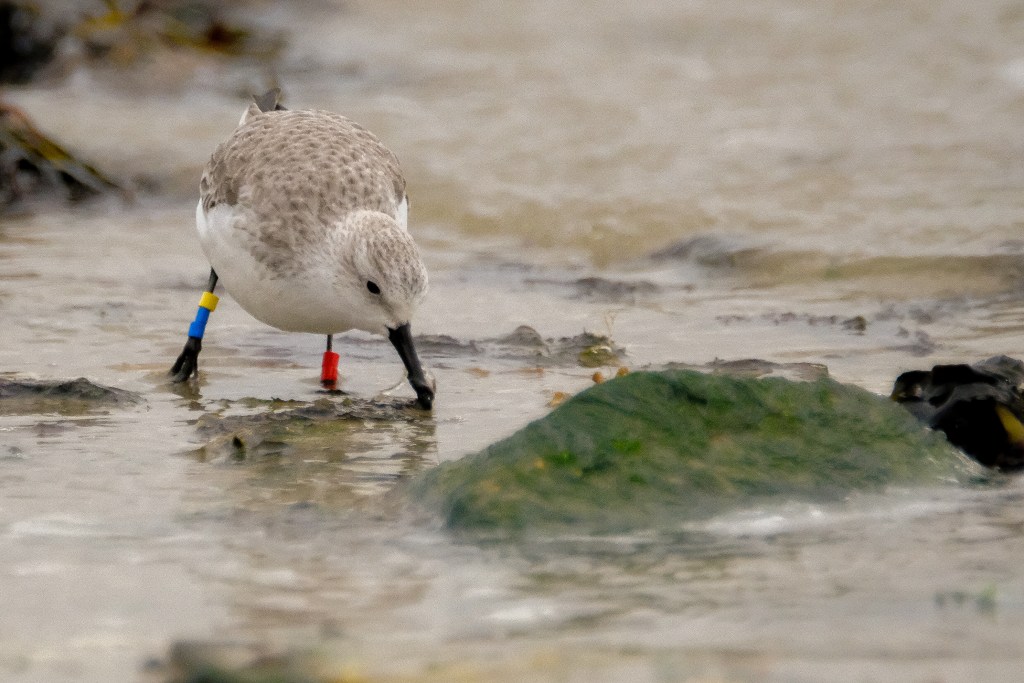
On the shore, Sanderlings were feeding at the water’s edge and out of the wind. Sitting down on the beach using one of the groynes as a windbreak I was able to take some pictures as the feed today clams seem to be on the menu.


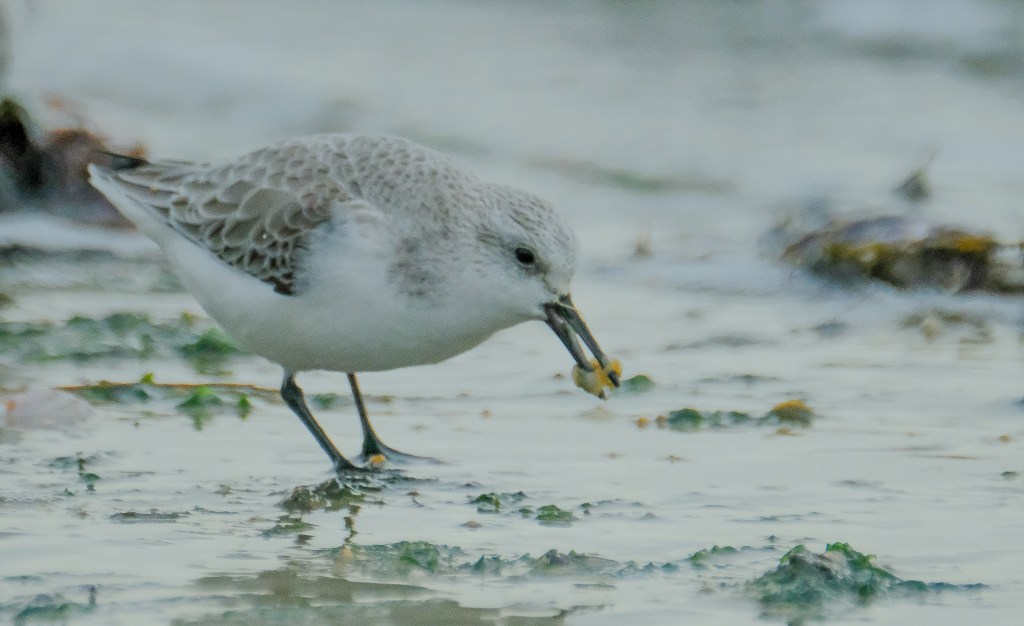
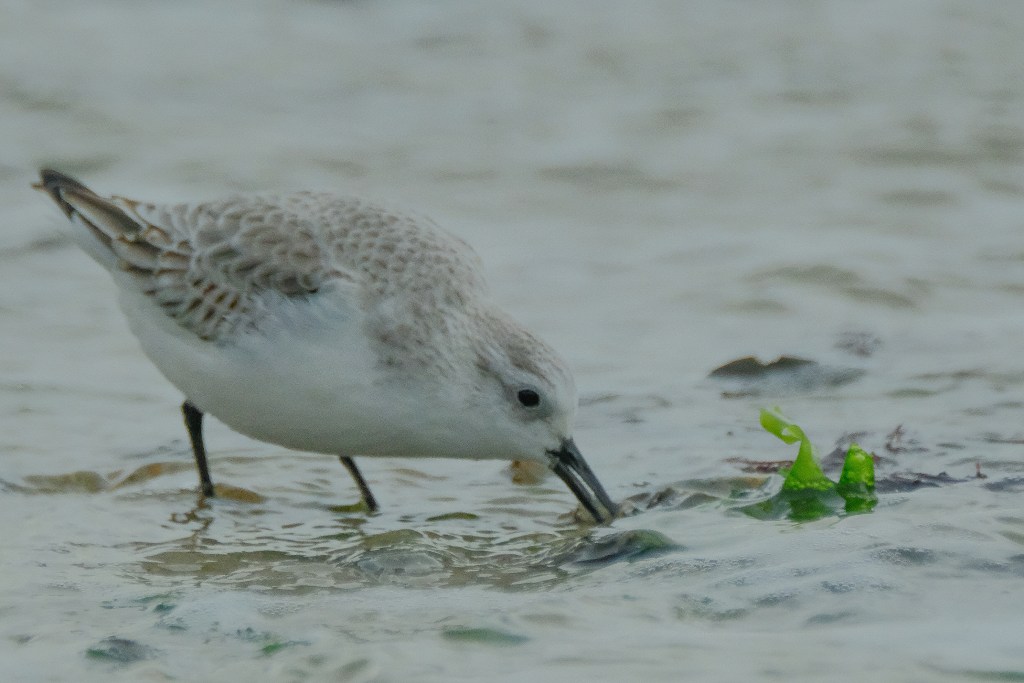

The ringed bird is a regular bird that I see on Meon Shore.

 Continued Reflections from my World.