Avocets have started arriving at Titchfield Haven for the start of the breeding season. About 20 birds were spotted today in the rain! All a far way off but as more arrive, I am hoping for some close photographs.
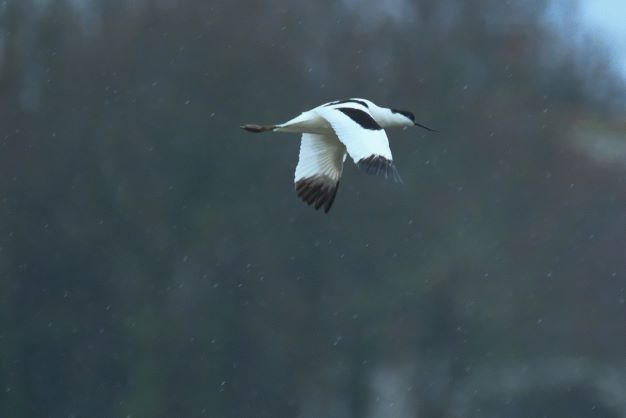
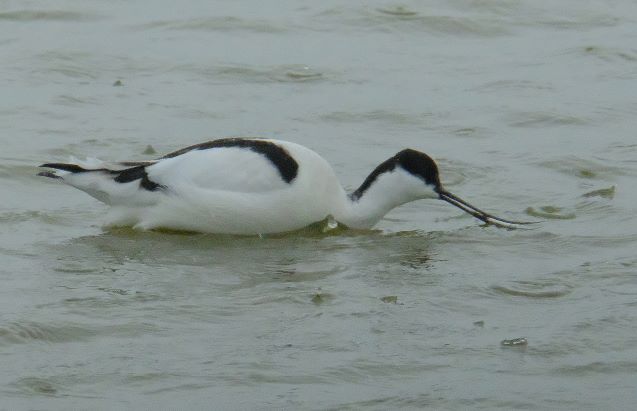
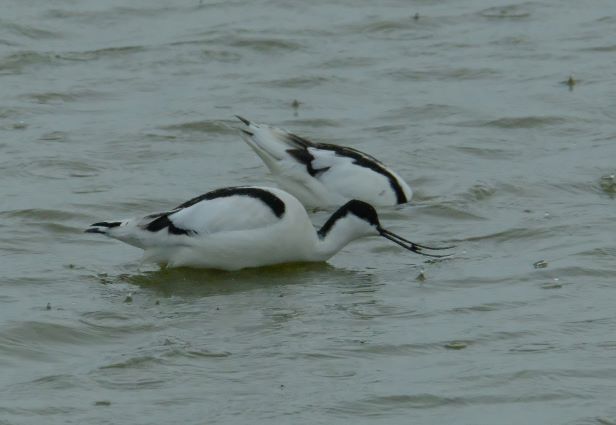
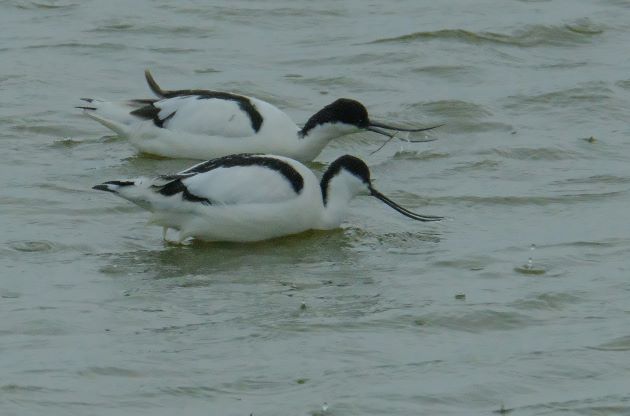
Avocets have started arriving at Titchfield Haven for the start of the breeding season. About 20 birds were spotted today in the rain! All a far way off but as more arrive, I am hoping for some close photographs.
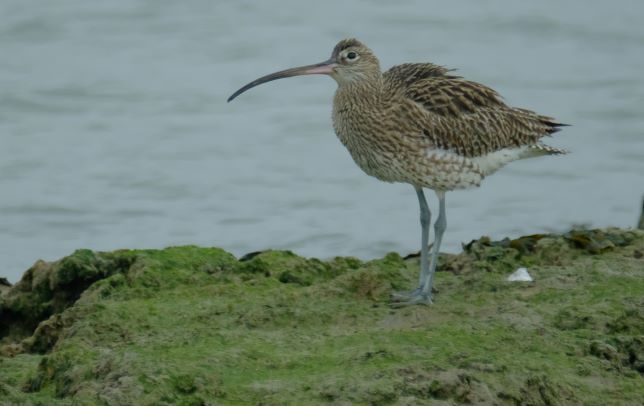
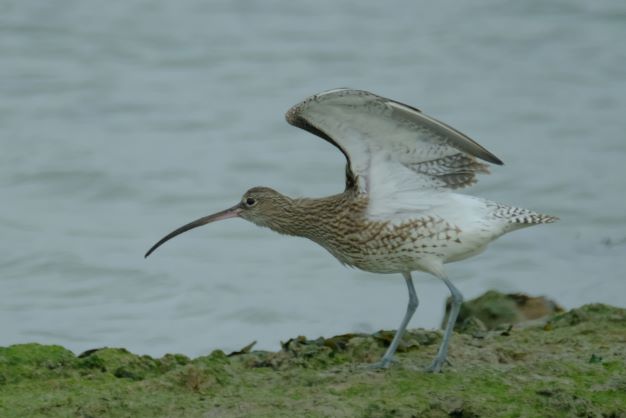
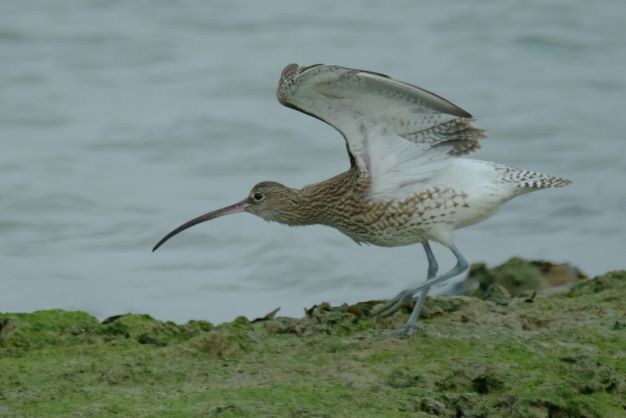
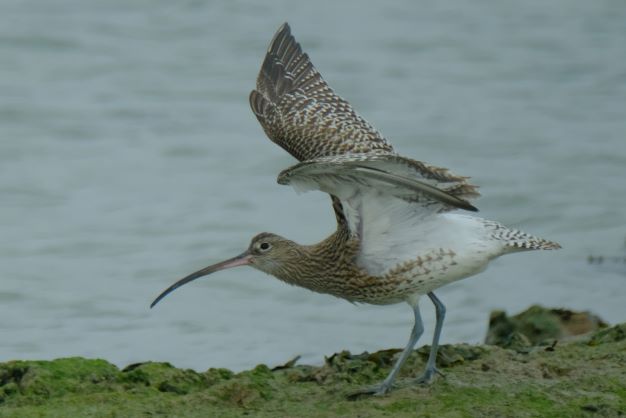
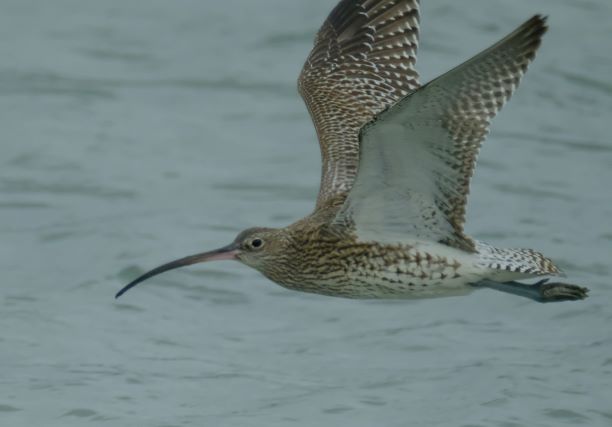
Curlew bird observation and facts. Today’s bird watching walk up the Hamble River gave some really good views of some Curlews. It is an easily recognizable bird by its size and downcurved bill.
The Curlew is a large wader (in fact it is the largest European wader). It is about the size of a female pheasant. They are ground-nesting birds on wet grasslands, farmland, heath and moors this can be miles away from the coast.
Some 140,000 birds winter in the UK with about 66,000 breeding pairs
I have added the call of a Curlew over the sound on my short film.




Thursday I spent some time on the beach and filmed the flock of Sanderlings enjoying the afternoon’s sun.
This post is a movie only, Please note it runs for a little over 8 minutes. Is best viewed on a phone screen & the sound is only the beach and wind so best watched on low volume or off.
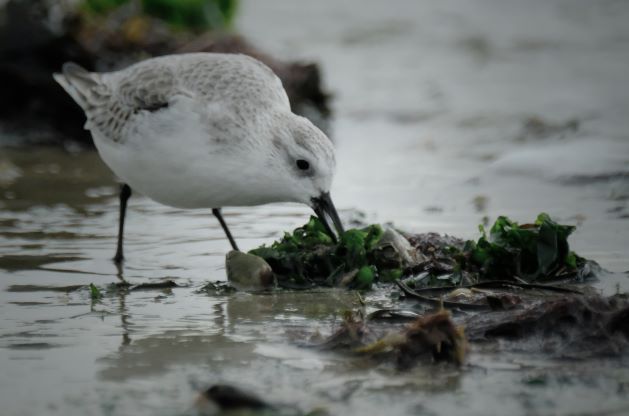
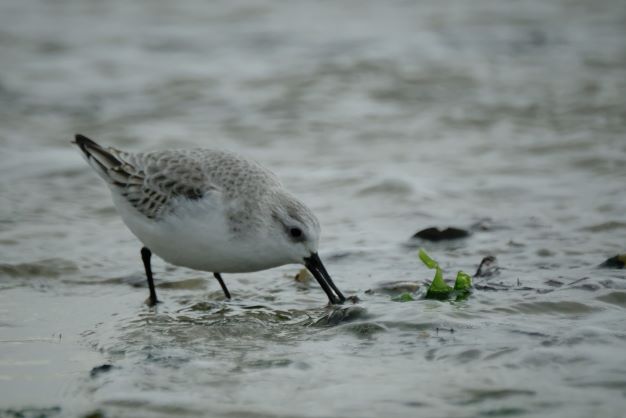
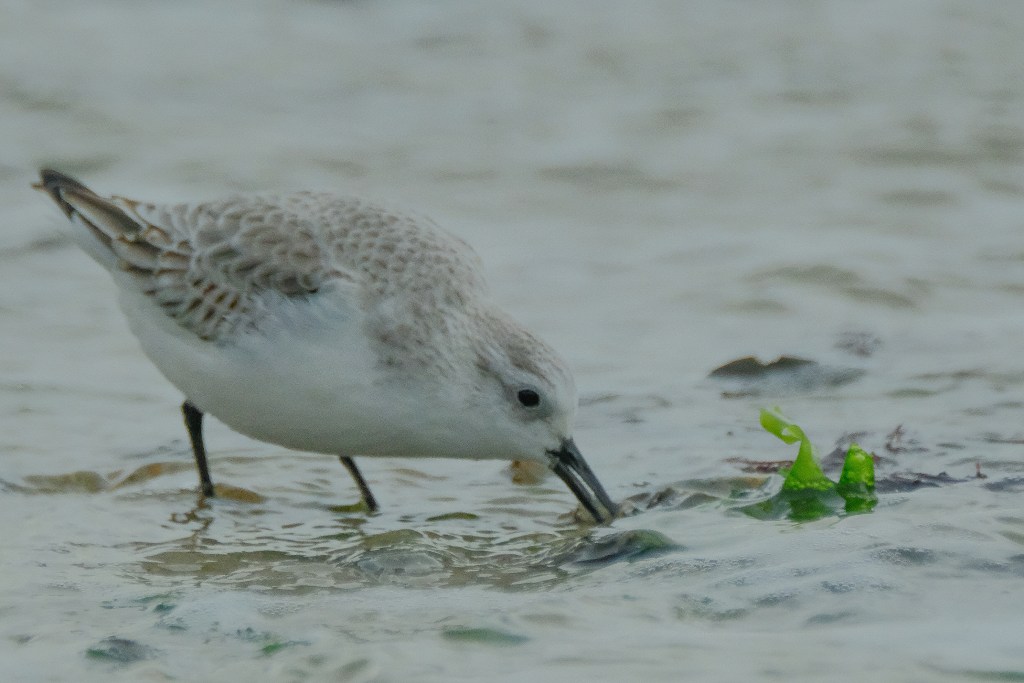
Some further Sanderlings pictures from Monday’s visit to the coast. The green of the seaweed adds a bit of colour to a dull grey day.



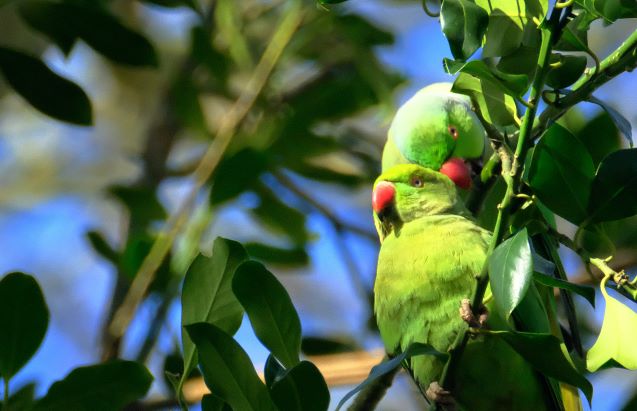
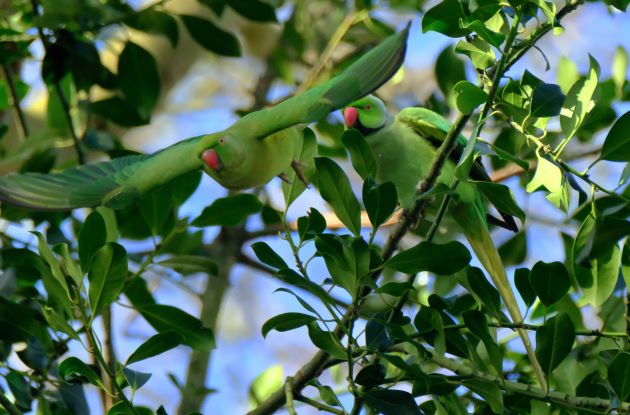
As I was in Southampton this morning I just had to get another look for the Ring-necked Parakeets in one of the city parks.


Another stormy night as the 3rd storm lashes the UK in as many days. Many trees are down on local roads and places closed. Titchfield Haven Nature Reserve remains closed since the end of last week as authorities need to check the trees are safe.
The Red Funnel Isle of Wight ferry was having a choppy crossing this morning. Some services were cancelled over the weekend.

A workforce was out repairing the seawall at Titchfield Harbour.

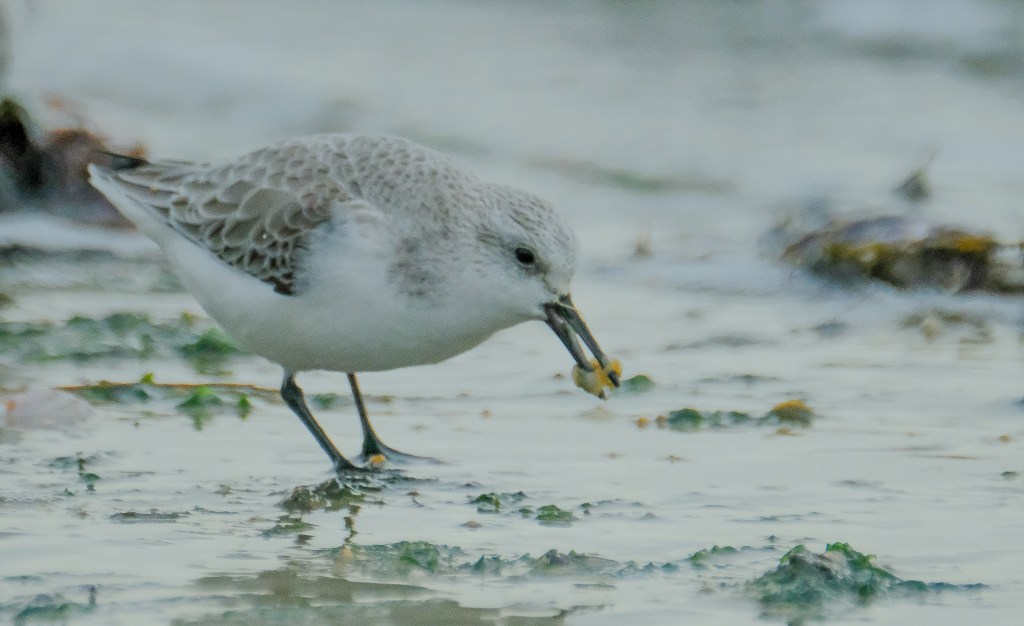
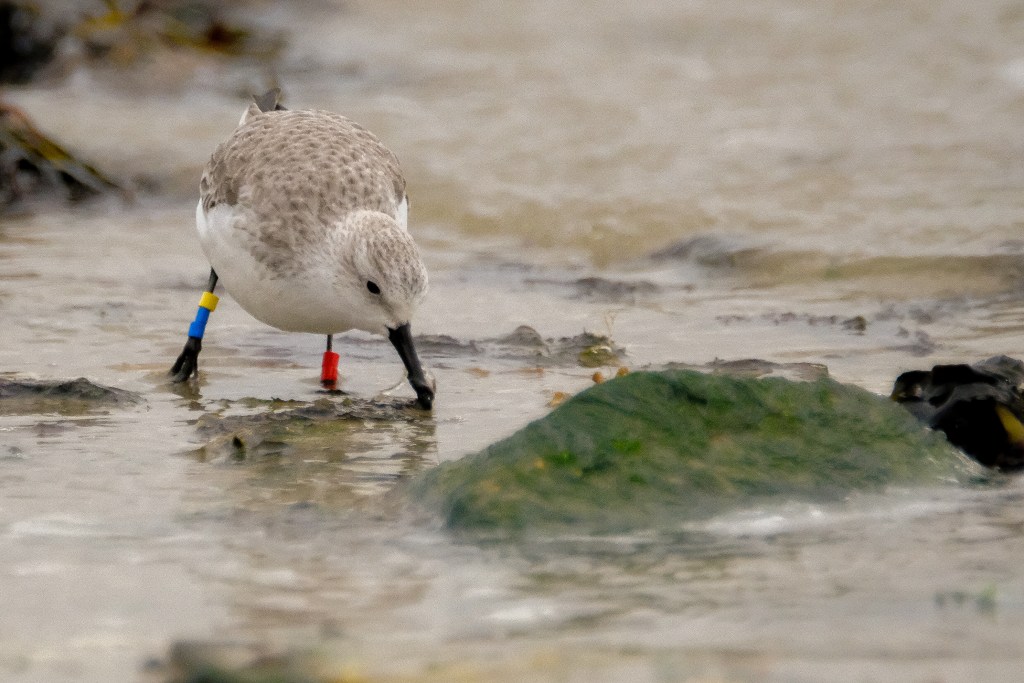
On the shore, Sanderlings were feeding at the water’s edge and out of the wind. Sitting down on the beach using one of the groynes as a windbreak I was able to take some pictures as the feed today clams seem to be on the menu.



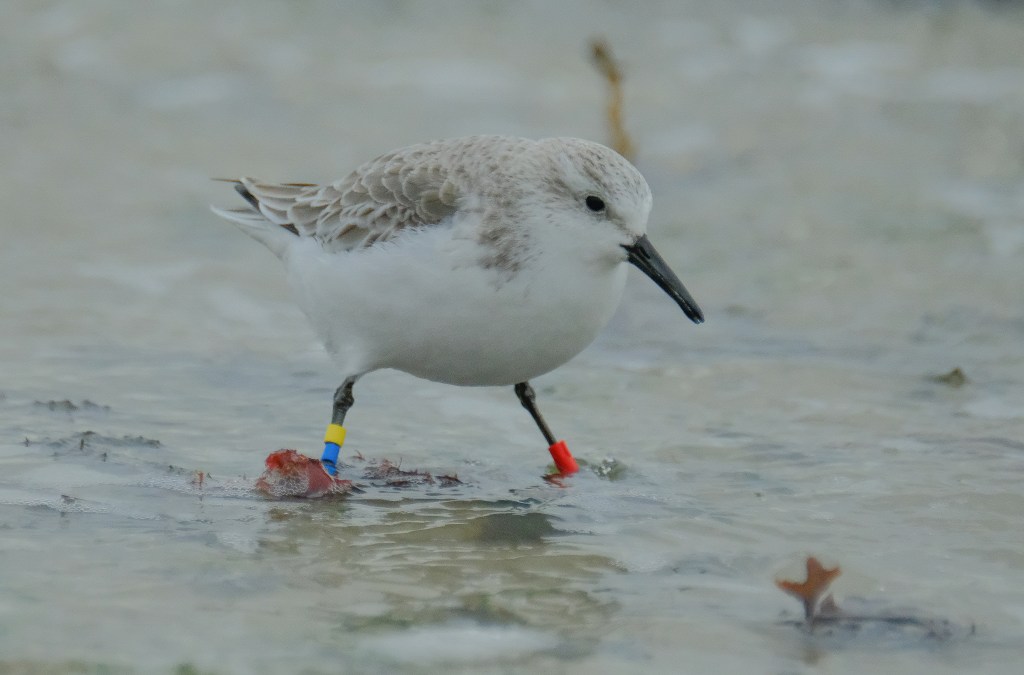
The ringed bird is a regular bird that I see on Meon Shore.

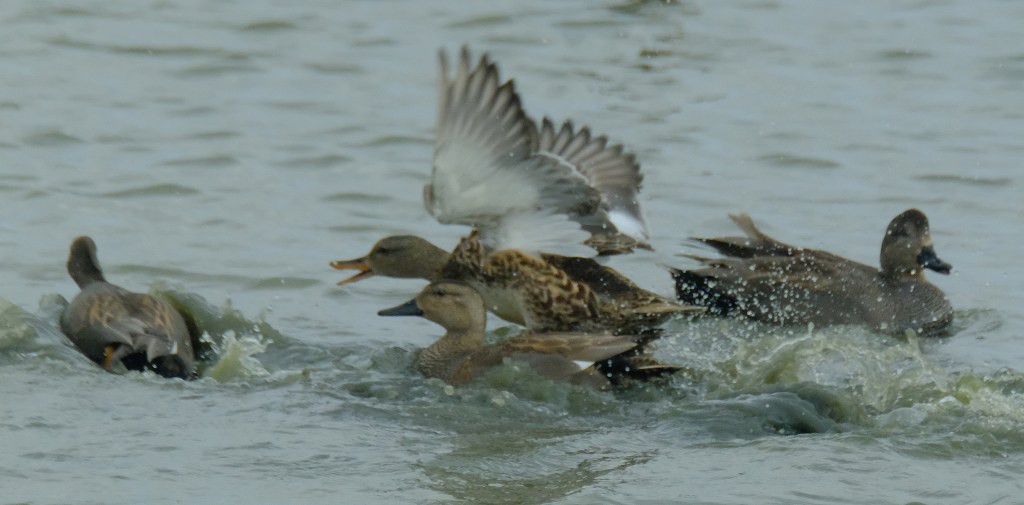
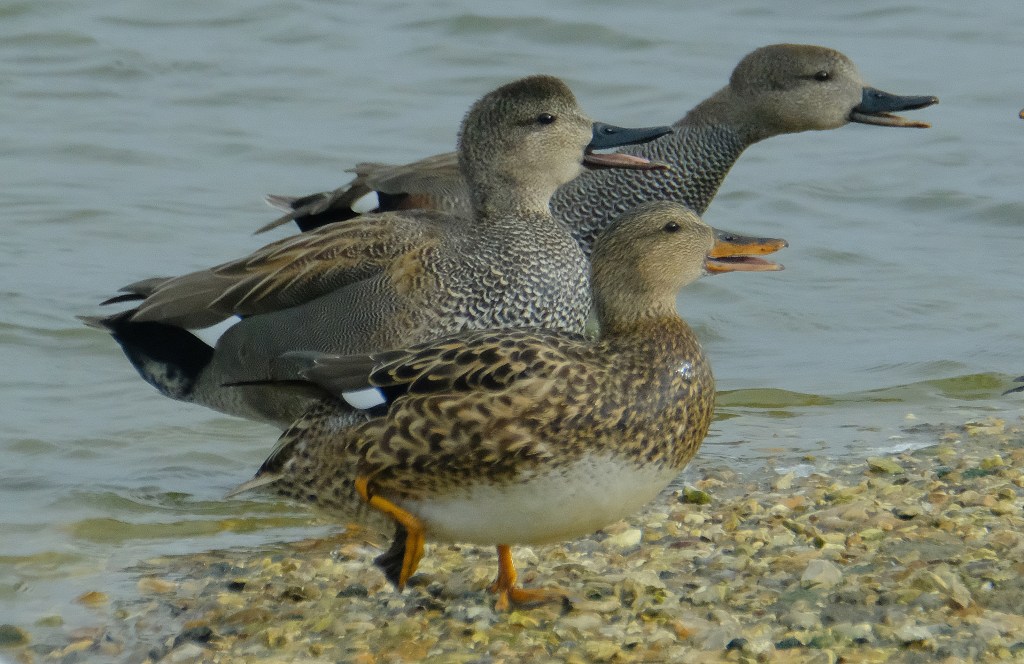
Gadwall were pairing up yesterday in force at Titchfield Haven lots of quacking and splashing. Over 25,000 birds are in the UK during the winter but only about 1,200 pairs remain in the summer.



A return to the New Forest. We Parked up again at Eyeworth Pond – watching the pond with a cup of tea until the rain stopped before heading into the forest to the North-East following the track from the old Gunpowder Mills this road was built to allow the explosives to be transported away from the factory safely avoiding the small village of Fritham.

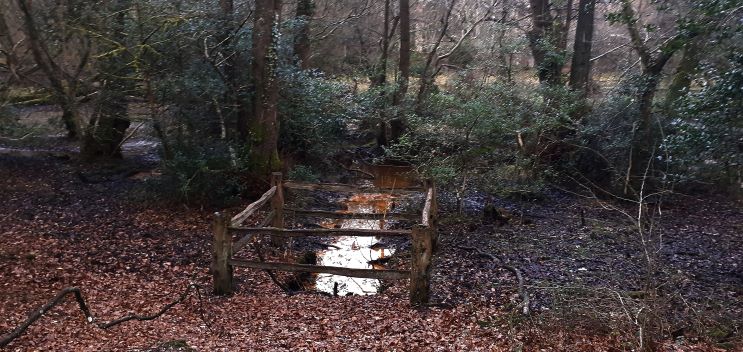
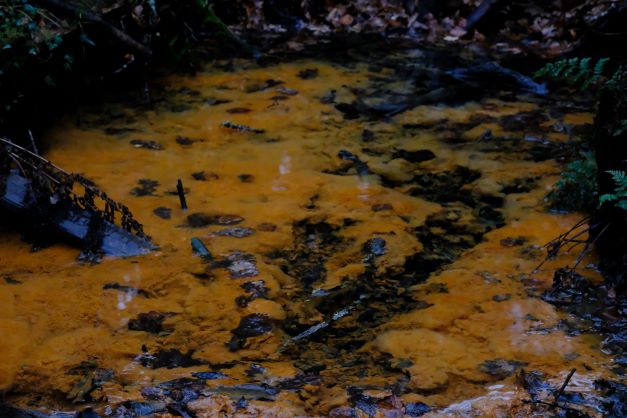
A little way along the track you pass a fenced spring. Known as “The Iron Wells” shown on maps dating back to the late-18th century. Marked on today’s Ordnance Survey maps as “Irons Well (Chalybeate)”. The water is impregnated with iron salts and is the colour of rust.
The waters are said to have curative properties particularly helpful for sore eyes, gout and other ailments, including leprosy. The spring was also known as Lepers’ Well, it is rumoured a house of rest for those suffering from leprosy was close to the well. Looking at the spring I decided not to take the waters on this visit!

No deer to see on our walk today.


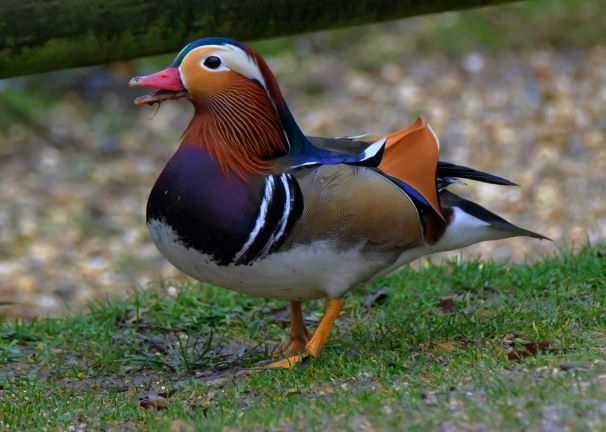
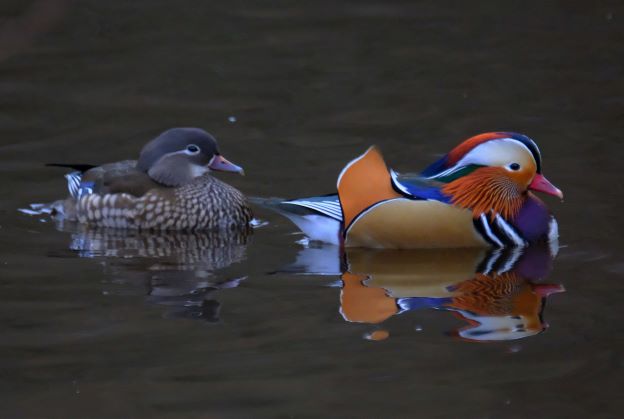
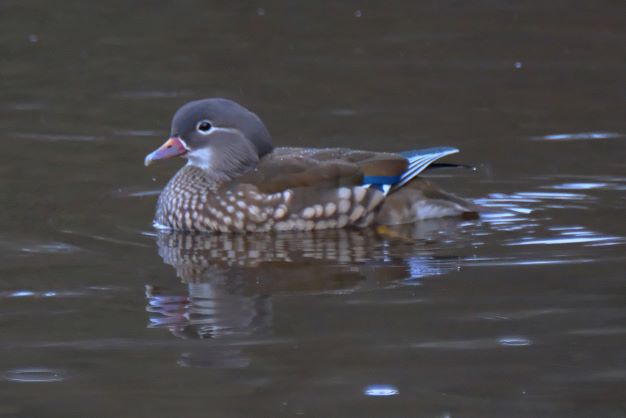
Back at the pond lots of birds as always – but the Mandarin ducks steal the show with their bright colours there seemed to be 5 males and 3 females present again. – lots of photographs at the end of this post.
Male Blackbird.

Song Thrush.


Pied Wagtail.

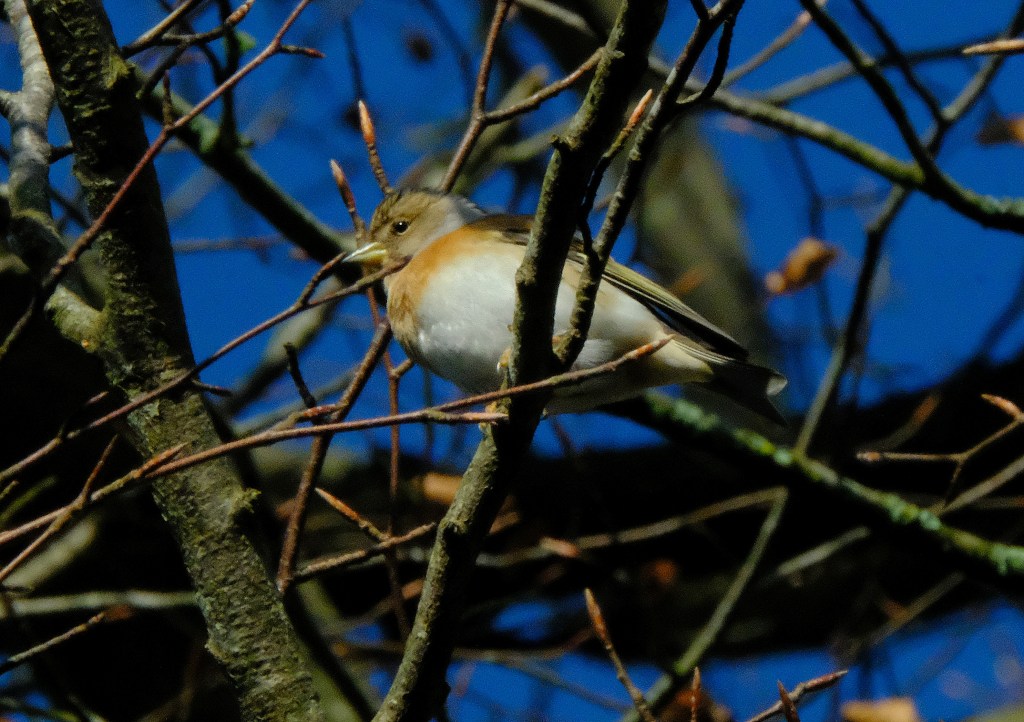
A first for me today was a Brambling. Not the best picture of this female bird but given I have never seen one before I am happy with this attempt.
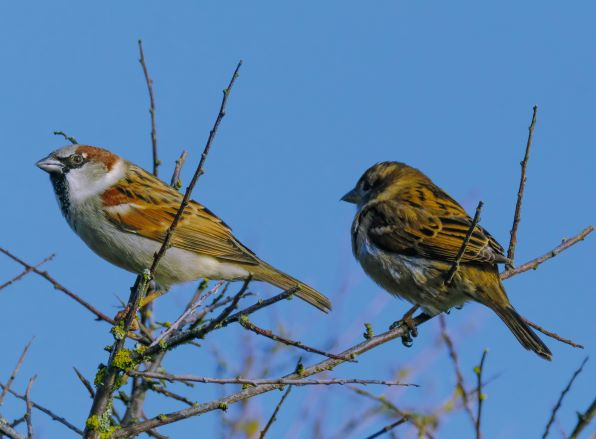
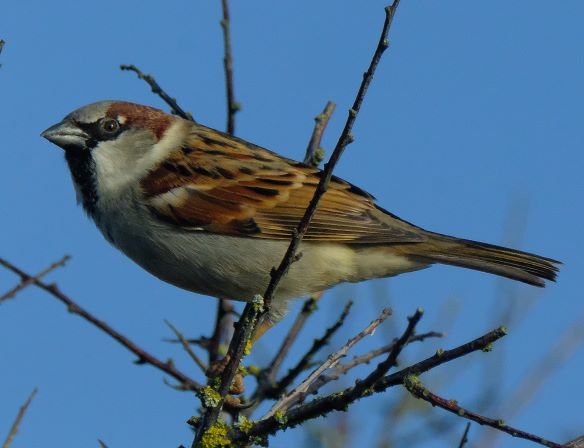
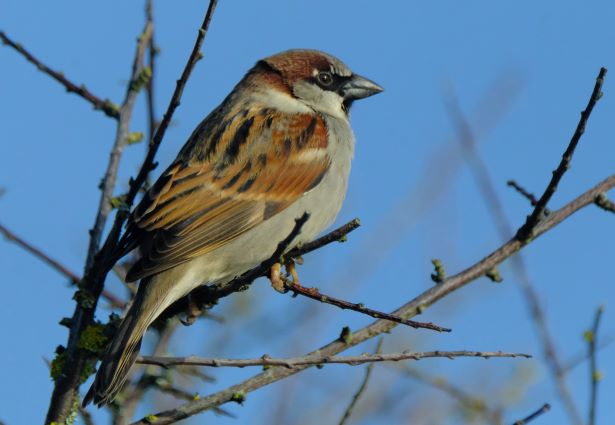
A Male House Sparrow.







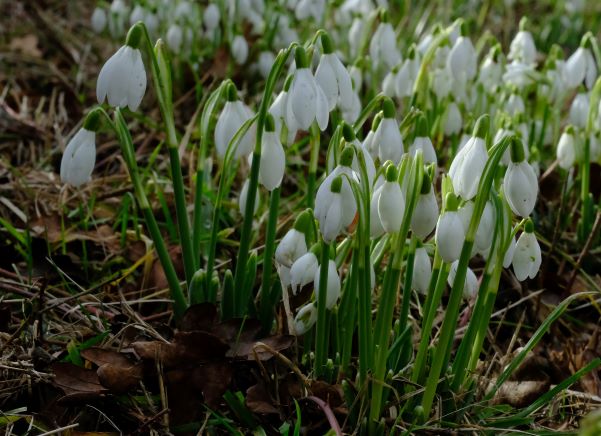
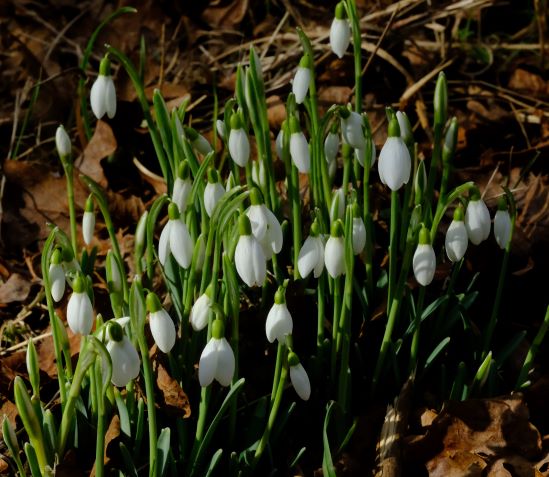
On the way home, we spotted lots of Snow Drops an early sign of spring.

Some birds are as good underwater as they are in the air.
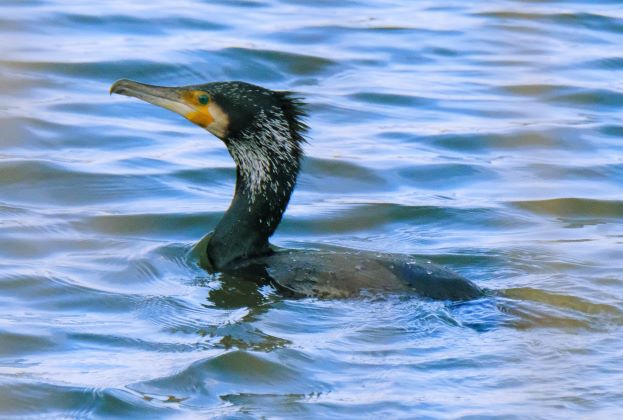
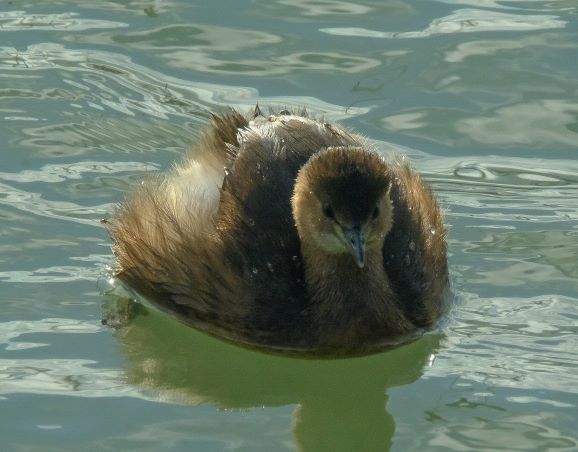
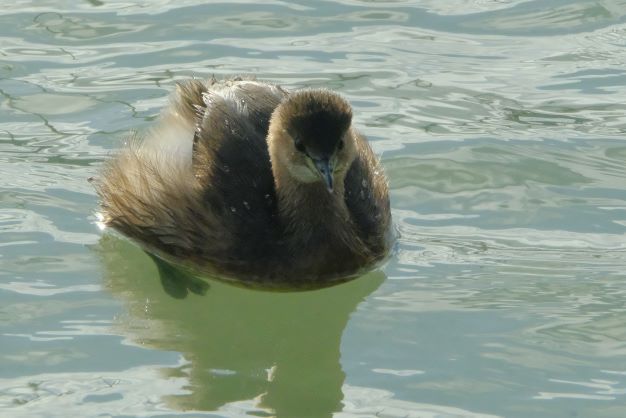
A Cormorant and a Little Grebe at Titchfield Haven Nation Nature reserve today.
 Continued Reflections from my World.