The grey squirrel was introduced into the UK in the 1800s today the grey squirrel is classified as an invasive non-native species. they are widespread in England, Wales and central Scotland.
Author: Andy Finnegan
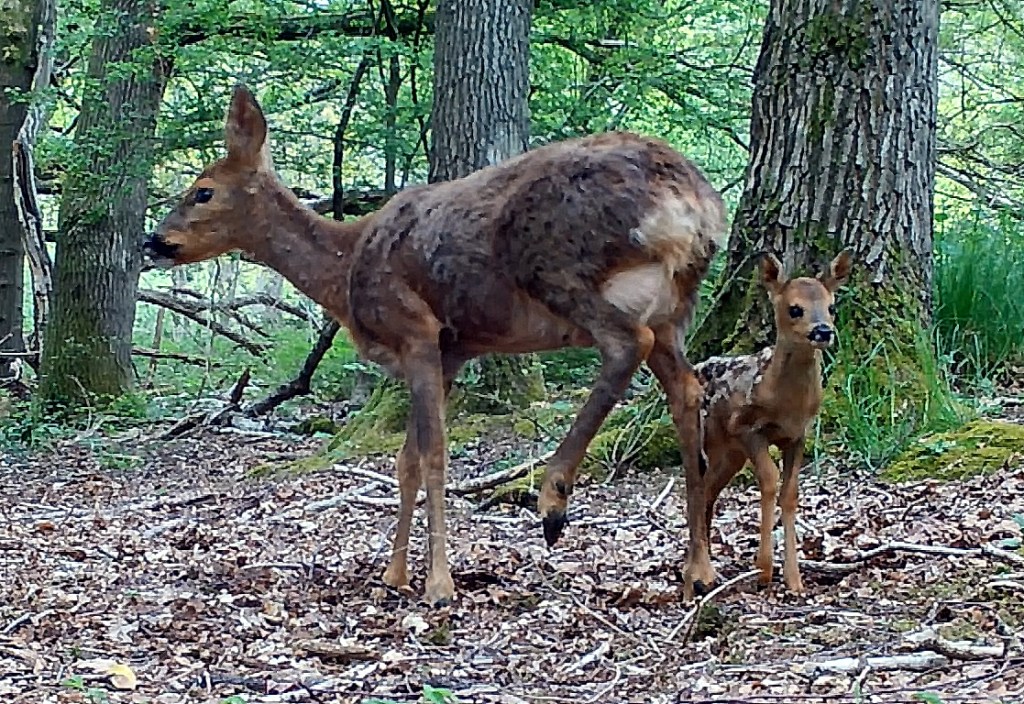
Roe Deer family.
Since the first lock-down, we have been watching the local deer population in a small pocket of woodland bordering the edge of the built-up area close to home. There is a healthy population of Roe deer with two dominant, Roebucks who have their own group of Does. Kids are usually born in May or June.
Using a long lens and camouflage we have over the last 3 years recorded the life cycle of these animals. We also started using trail cameras.
Last week we set up cameras in a spot where we regularly see deer and also find evidence that they have cleared a sitting patch. This post shows some of the footage from these trail captures. {only a small percentage of what was captured} I have also posted some stills taken from the films. It shows the interactions of the family group which I think is a privilege to see. It was a surprise to see that 2 of the Does had given birth {one with a single kid and the other with twins} fairly early in the season. {end of April}



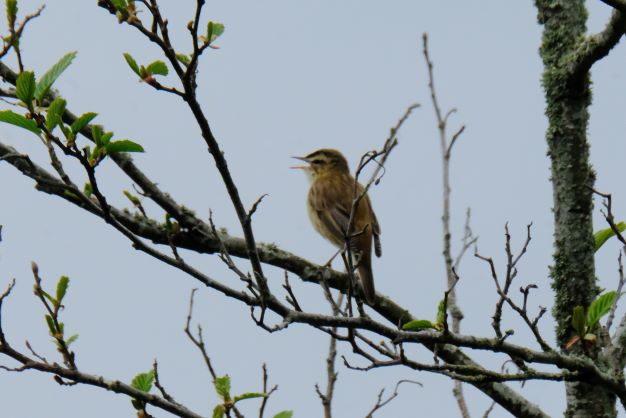
Sedge Warbler.
Often heard singing deep in reedbeds, this morning I got a good view of this medium-sized Warbler. This is a bird of the reedbeds and wetlands When spotted singing they are often perched on reeds or in willow bushes.


Abbey Ruin.

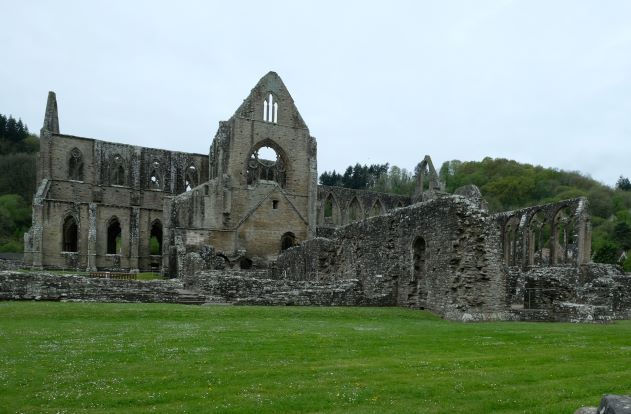
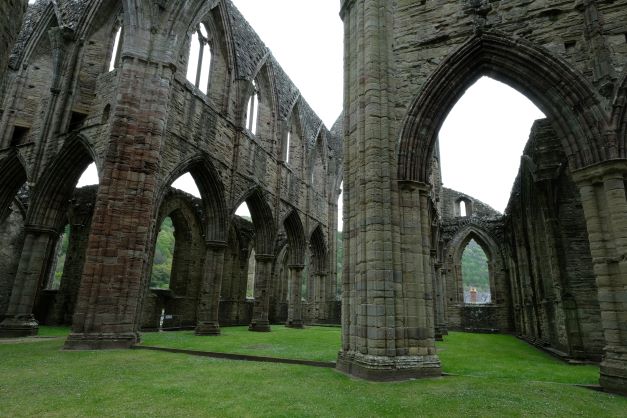
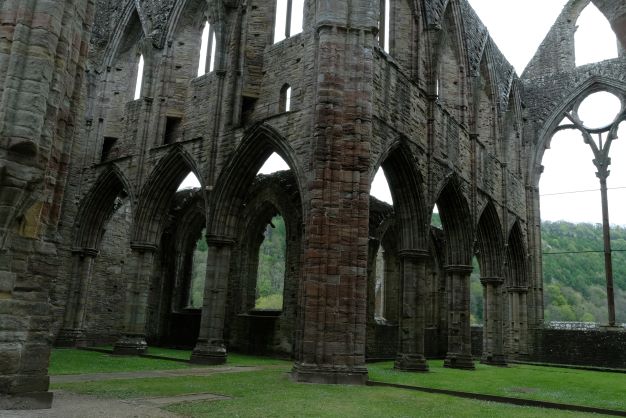
Tintern Abbey was founded in 1131 by Cistercian monks, standing on the banks of the River Wye is now a romantic ruin and is a natural place to stop if you are traveling into Wales via the old Severn Bridge and heading for the A40. We stop here for the toilet and a cup of tea on most trips into Wales.


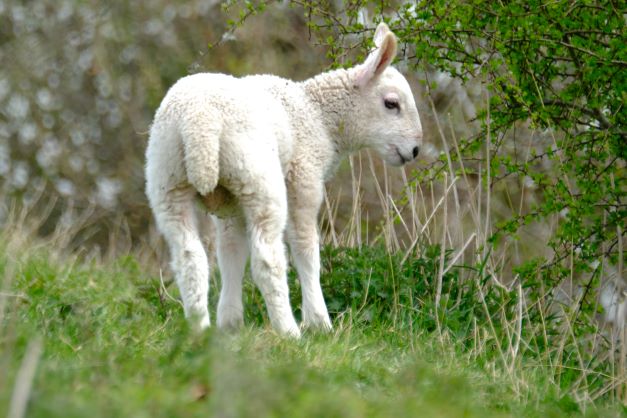
Cute.
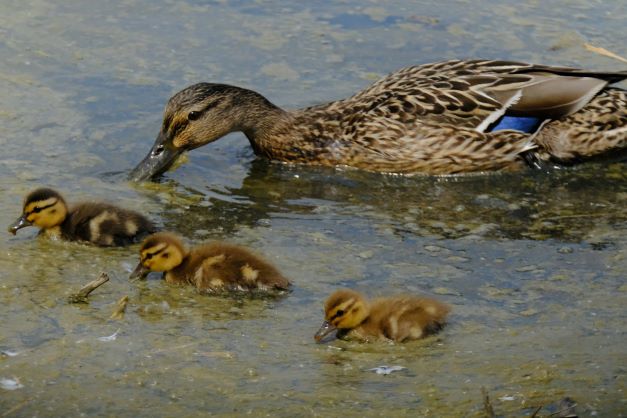
Mallard with ducklings Titchfield Haven.
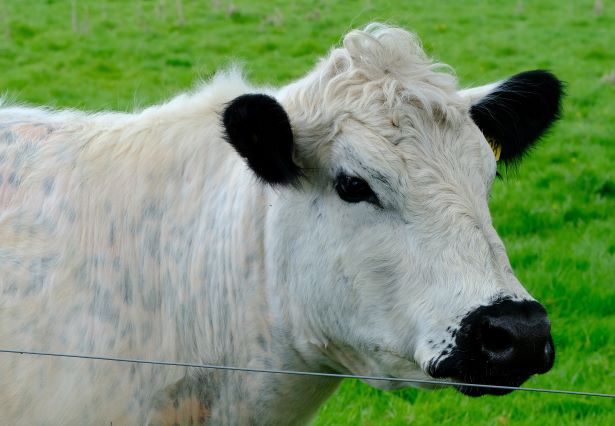
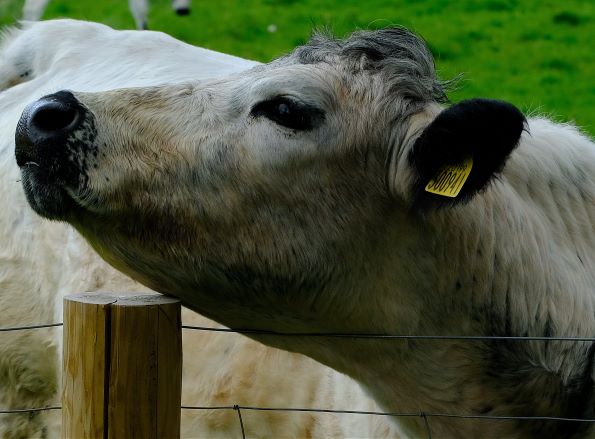
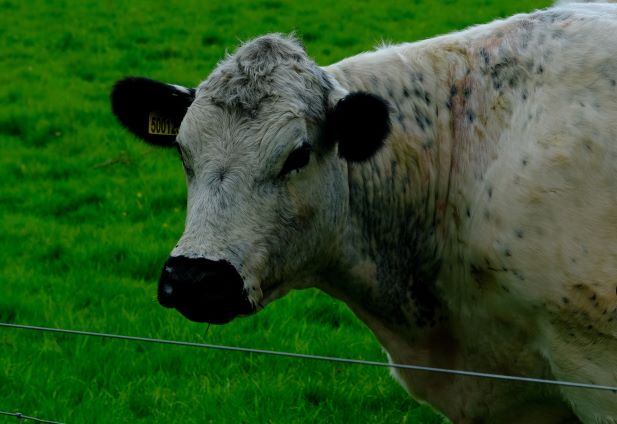
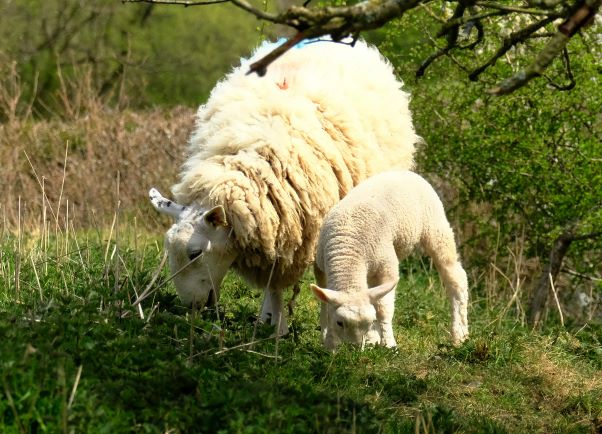
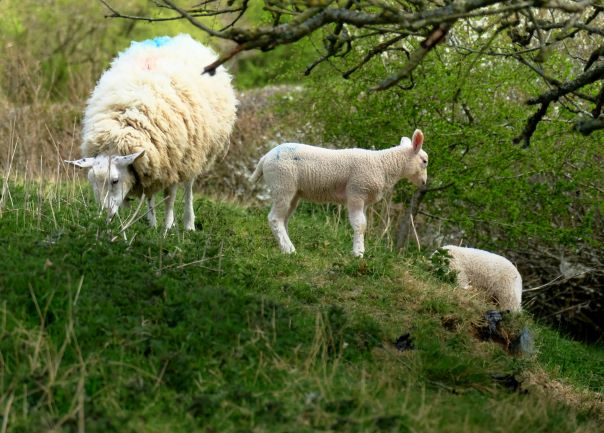
Farming views.
Farming views from Wales.


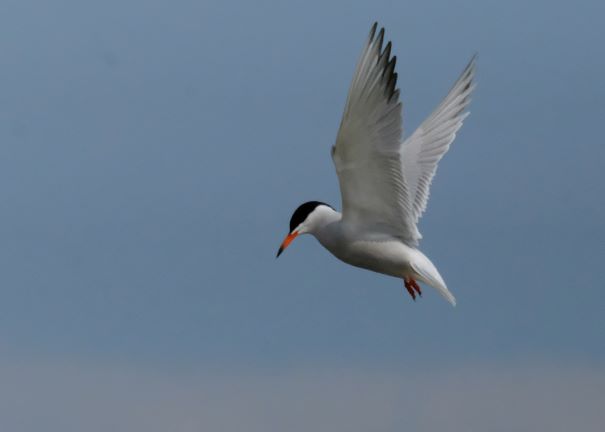
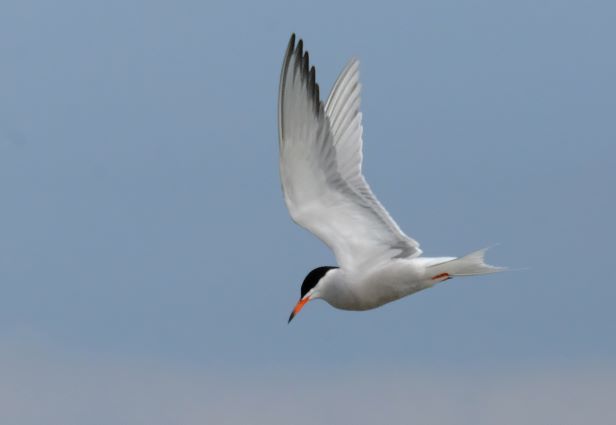
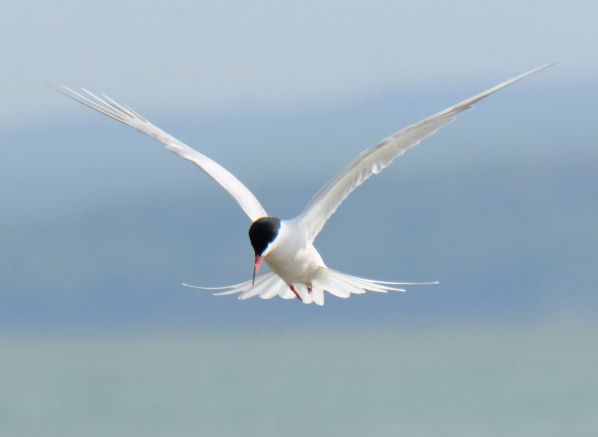
The terns are back.
The terns are back in town. Common Terns have arrived back at Meon Shore on the Solent and will be heading into Titchfield Haven Nature Reserve soon to nest.



The Black seam.

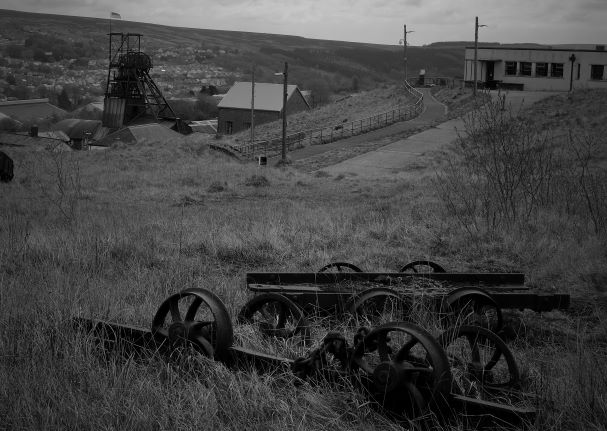
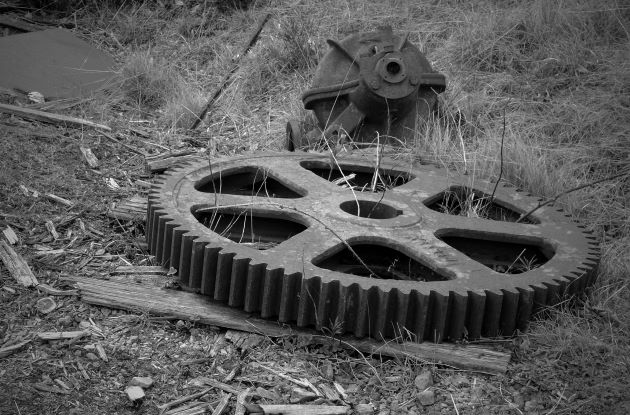
Coal mining in Wales is an industry of the past and the scars of mining litter the landscape. The black seams of coal became too expensive to mine and carbon-based fuel lost favor as a form of energy. Big Pit today is the National Coal Museum of Wales. The pit was a working coal mine from 1880 to1980. Big Pit is part of the Blaenavon Industrial Landscape a World Heritage site.

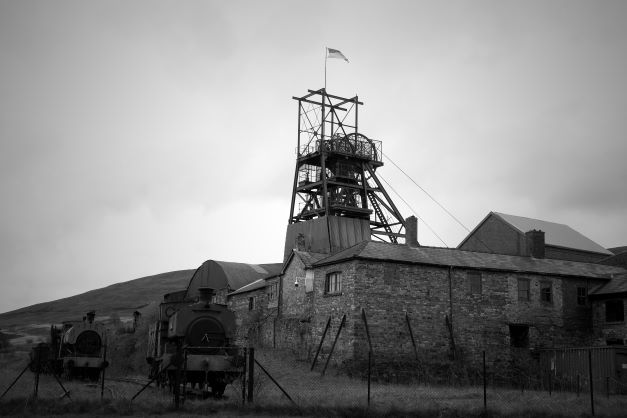
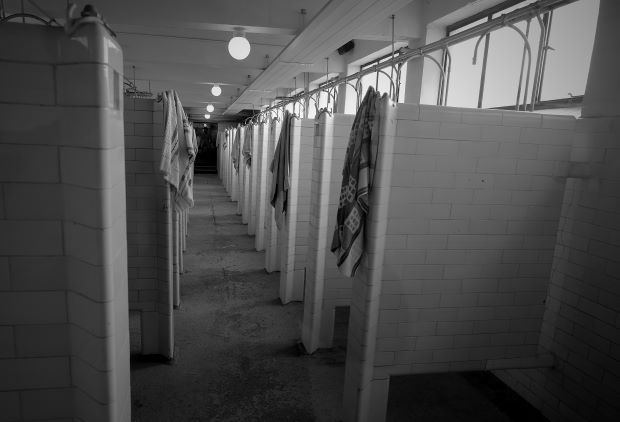
Big Pit has a depth of 300ft – underground tours are available which I have done in the past but due to covid, I decided to stay in the open air on this visit. At its peak in 1923, this one mine employed 1,399 in coal production.

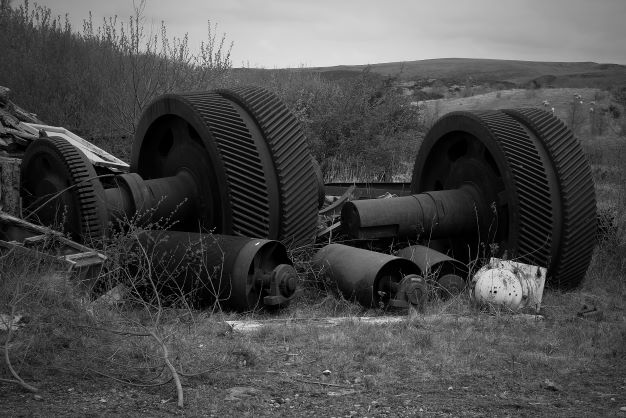
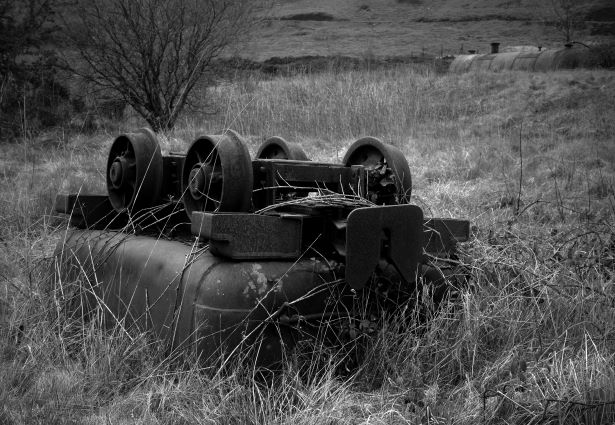
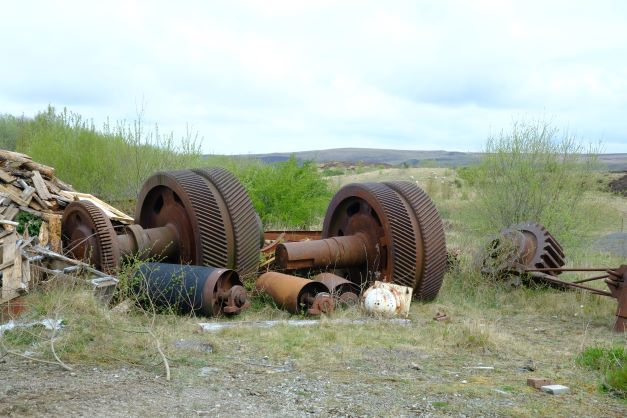

Lockers and Shower block.

Restored locomotive being returned to the museum site.
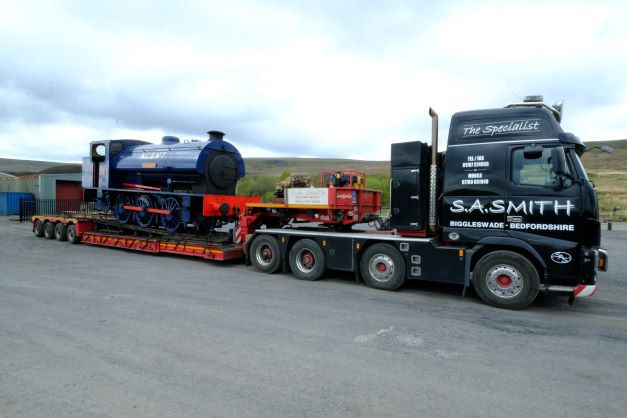
Some facts:- In 1913, 232,000 men worked in 620 mines. The largest number of men ever to work in the Welsh coal mines was 271,000 in 1920.
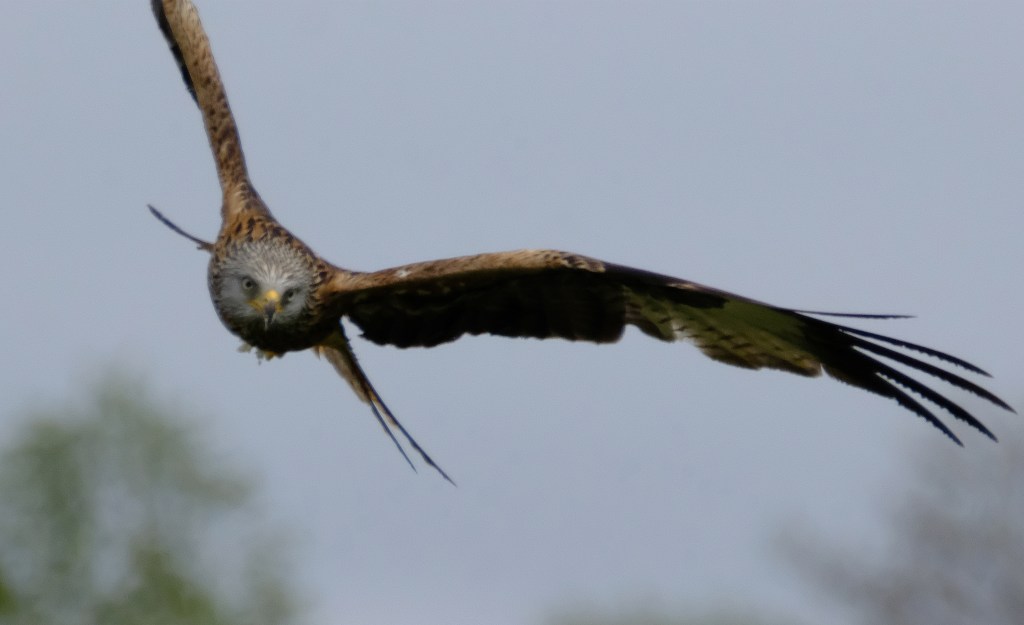
Red Kites.

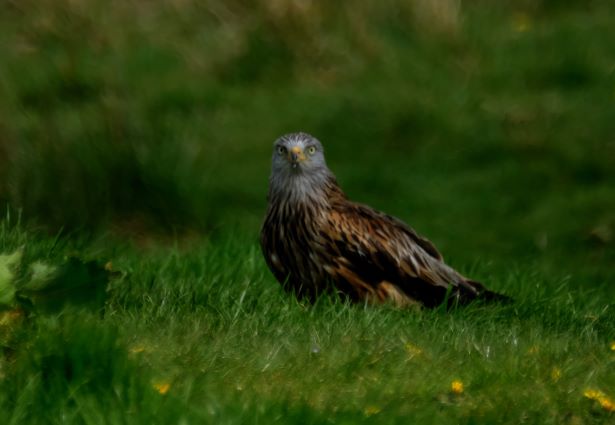
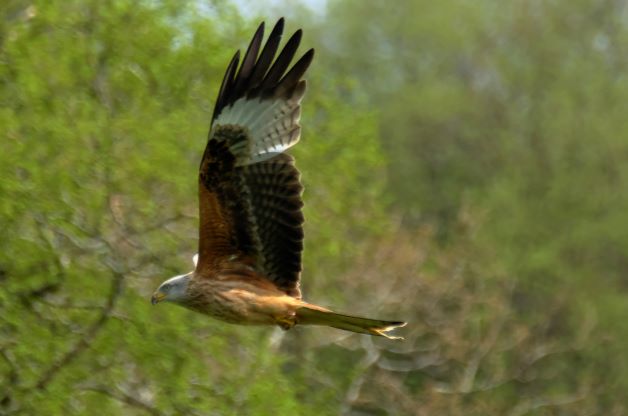
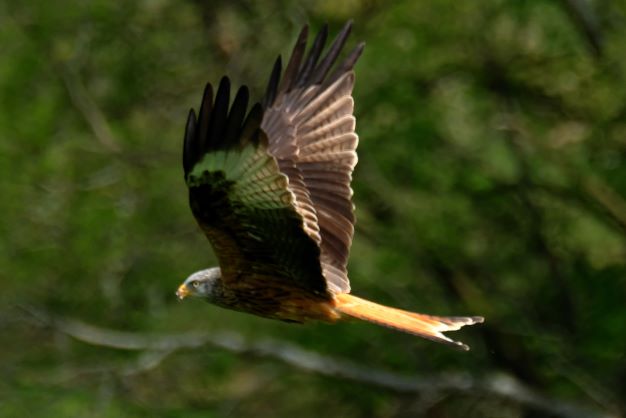
Red Kites in the Brecon Beacons- A success story. 35 years ago I saw my 1st Red Kite they were on the brink at that time and about only 25 pairs were in a stronghold in the Brecon Beacons. Over the years their numbers have increased and their range increased. It has now been successfully re-introduced to England and Scotland. It is estimated that there are now 4600 pairs in the UK, While we were on our recent campervan trip to Mid-Wales we visited a Red Kite feeding station at Gigrin Farm near Rhayader.
The farm became an official Kite Feeding Station in the winter of 1992/93 following a request from the RSPB. Today it welcomes many visitors for a daily feeding session where up to 600 birds come to feed.





Hark a Lark.
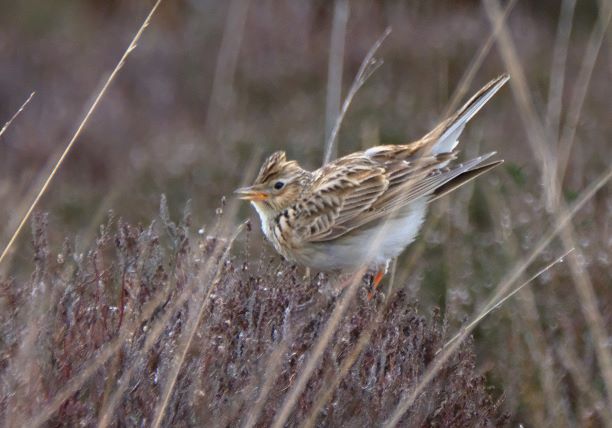
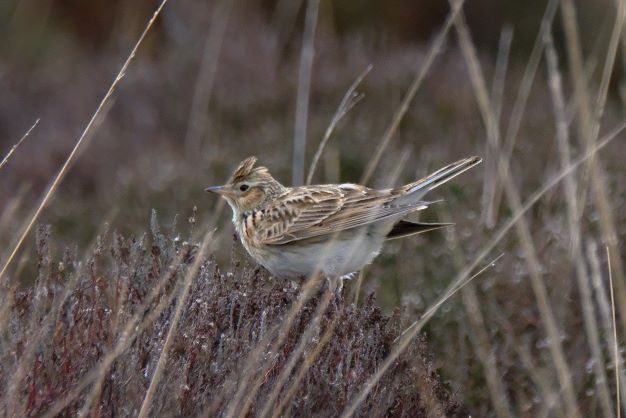
The Skylark is a LBB {a little brown bird}. It is a streaky brown colour with a small crest, which can be raised when the bird is excited or alarmed and a white-sided tail. It can fly, vertically up in the air. Often you can hear them high above fields singing their hearts out. When you locate it , it is often just a tidny speck up in the sky – it is a bird you hear before you see it.
In the Brecon Beacons in Mid Wales, I spotted this Skylark on the ground.Thenfirst time I was able to photograph one. They are ground-nesting birds and this is one of the reasons why their numbers have dramatically decreased in recent years and are now on the “Red List”.