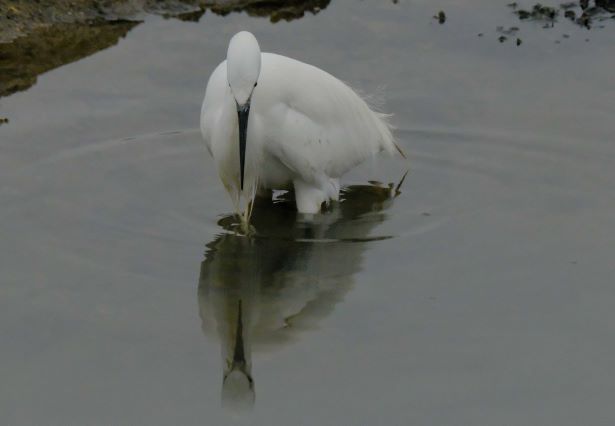
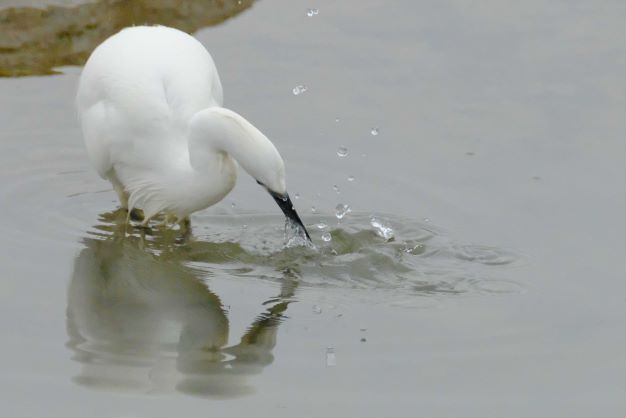
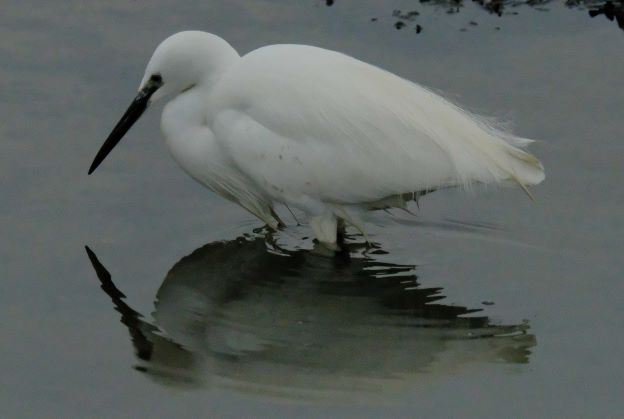
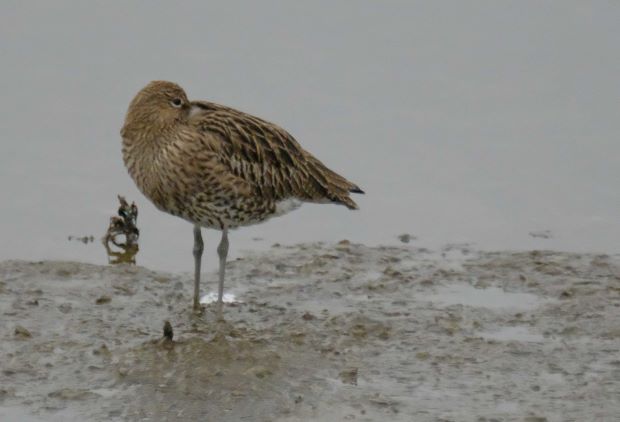
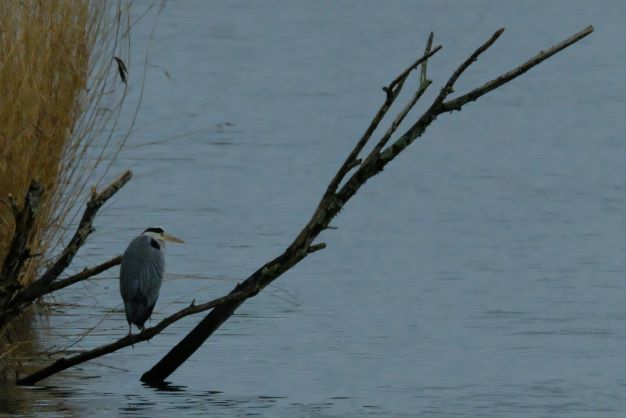
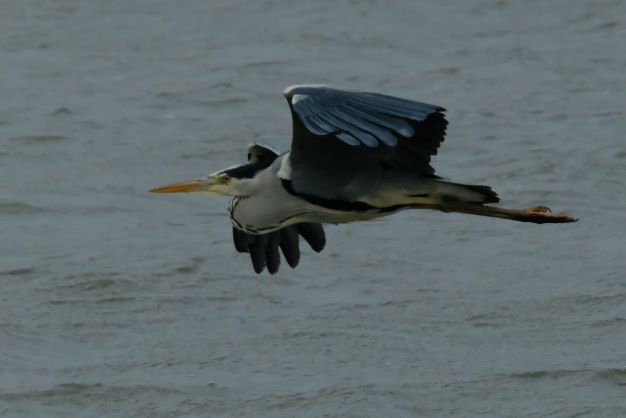
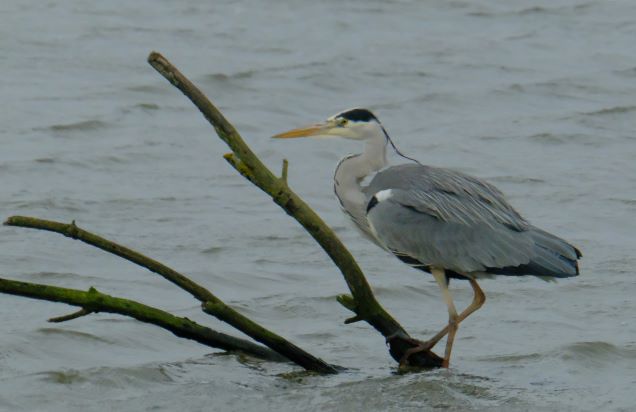
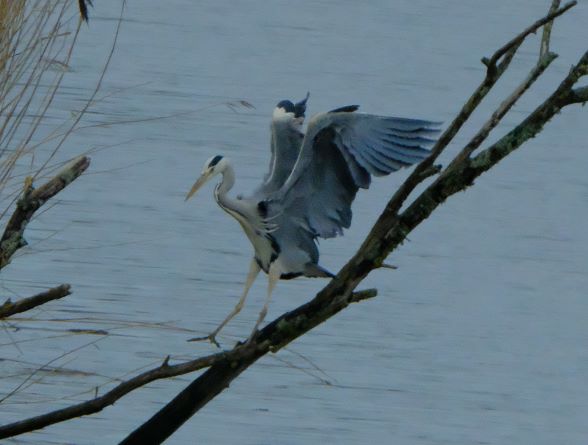
Heron on a grey day.

A pair of Grey Herons spotted at Titchfield Haven, these large gangly birds have quite a character and remind me of a prehistoric creature from the times of the dinosaurs.

Length:90-98cm Wingspan:175-195cm Weight:1.5-2kg

According to the RSPB, some 13000 birds nest in the UK each year, their numbers increase in the winter months to 63,000 birds (October to March).

Herons nest in colonies called ‘Heronries’. In the top of trees, they make large nests out of twigs. They lay 3-4 eggs. The young birds will fledge after about 8 weeks.

Saving Lives and sea.

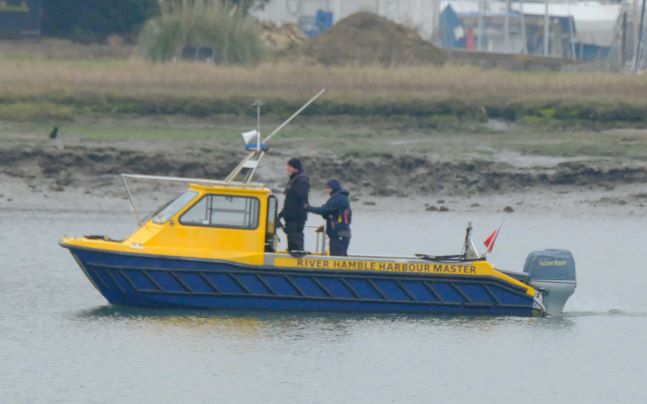
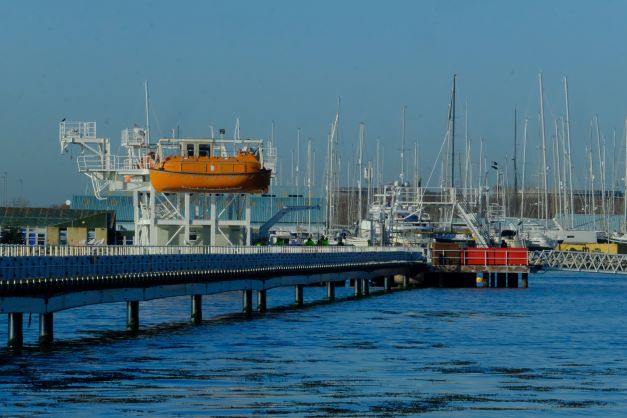
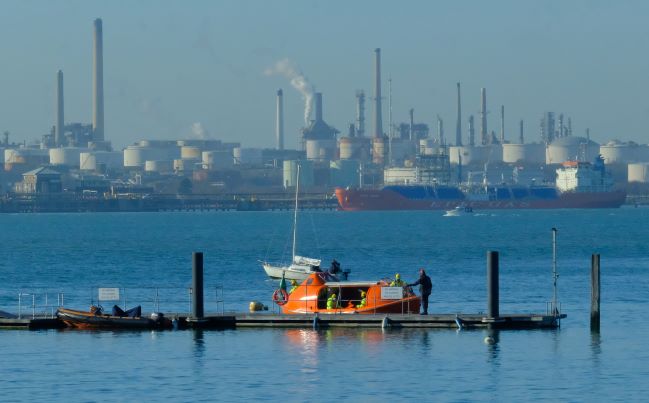
Hamble Lifeboat was formed in 1968, as the Southampton Water Inshore Rescue Service by local residents in response to the number of casualties occurring in Southampton Water and the Rivers Hamble, Itchen and Test. The RNLI also has a Lifeboat based across Southampton Water at Calshot point.

Hamble Lifeboat call out to a lone kite-surfer causing concern off Hill Head 3rd January 2021.

Still a ruin.

The last time I saw the price for Fort Gilkicker it was on the market for £5 to £5.5 million. With planning consent for 26 luxury flats- that was in 2019 and the estimate for conversion was £18 million. Today the site remains a ruin. Sadly this historic building decays further each year.

The day before.

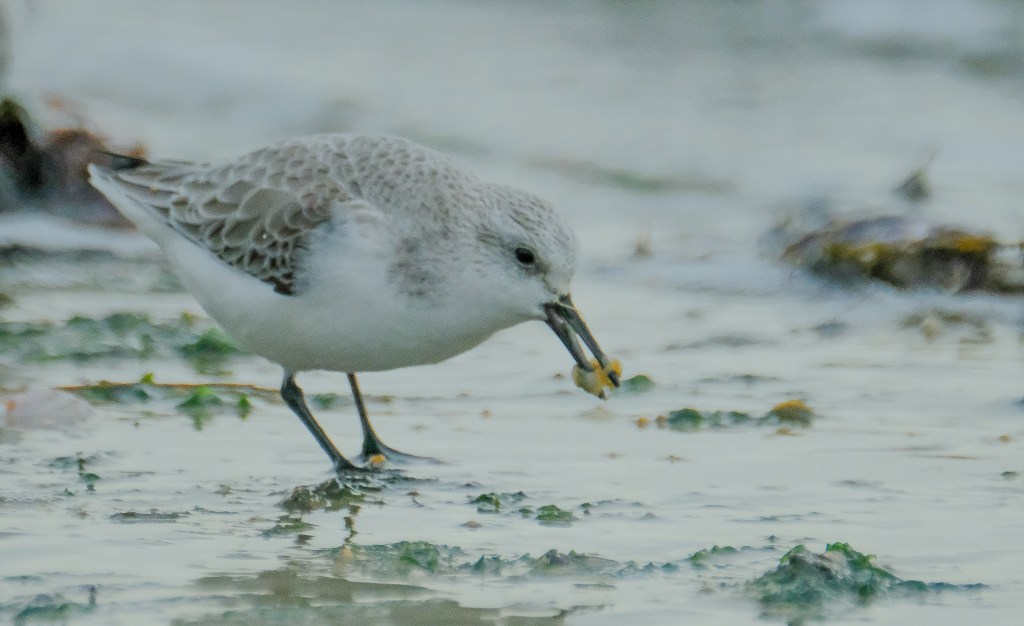
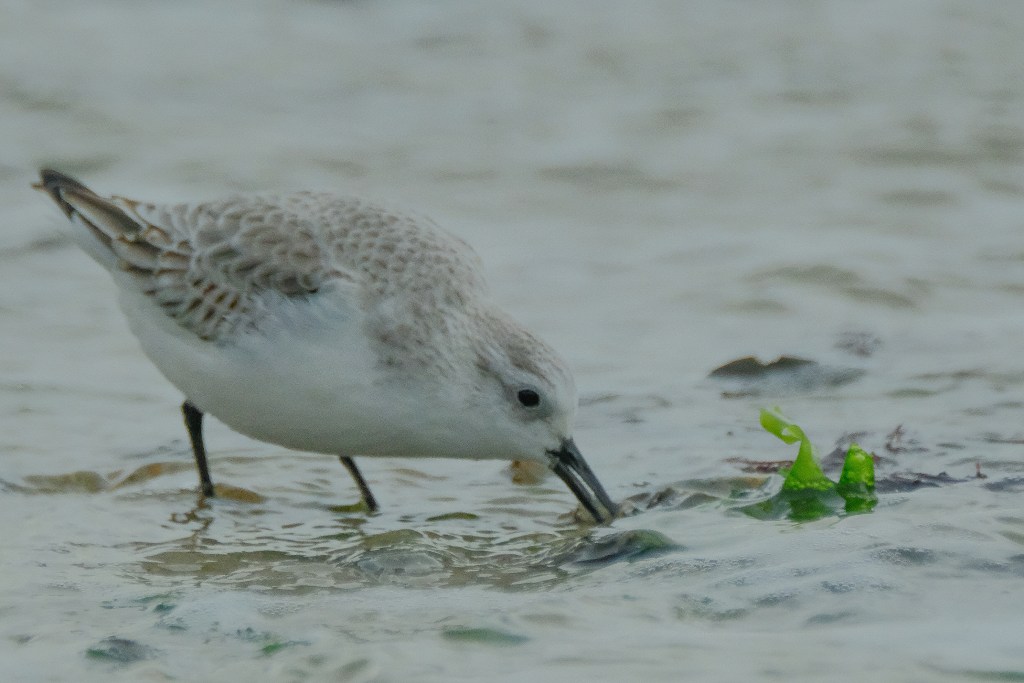
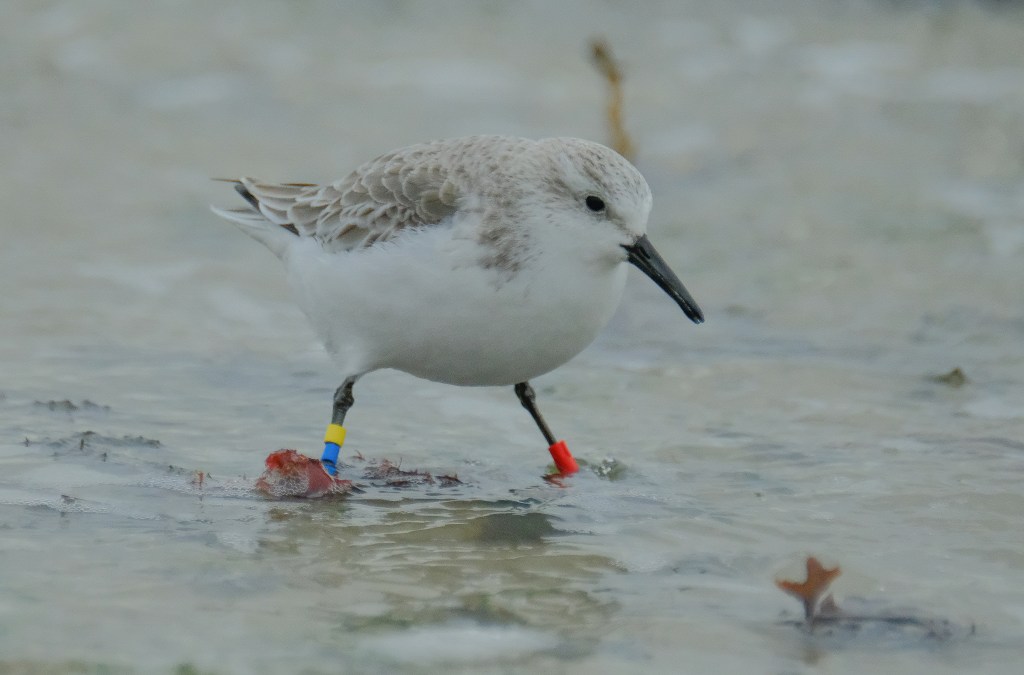
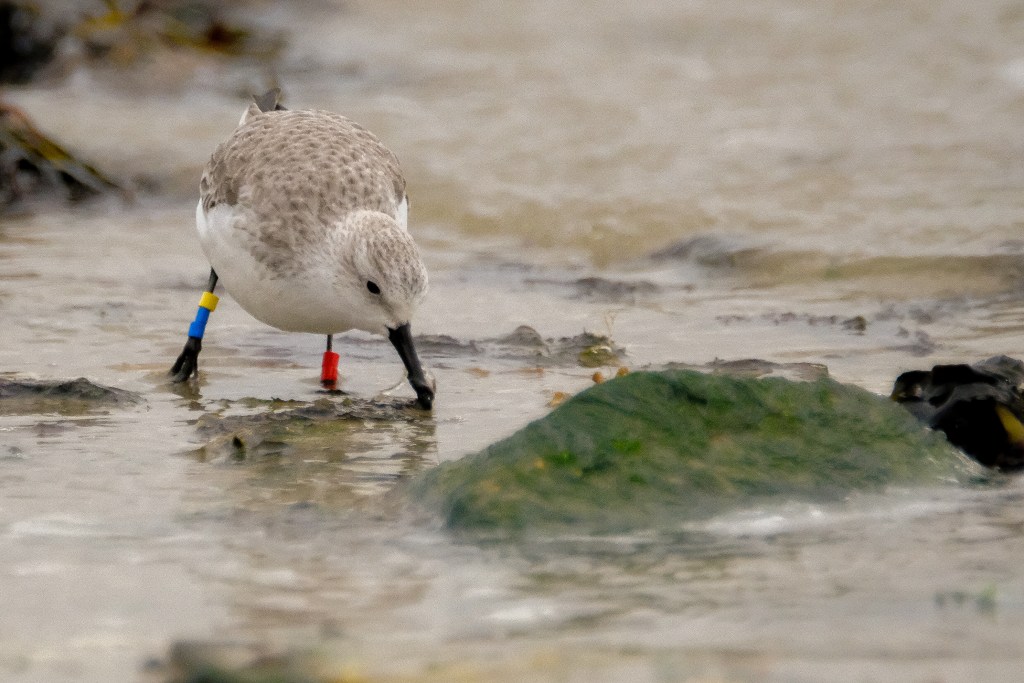
I spent a Christmas Eve outside on the beach enjoying the open air and nature that was around. The Sanderlings were doing what they do most of the time – sleeping on the shingle and then dodging the spray and waves bathing and feeding.

HAPPY CHRISTMAS and a HAPPY NEW YEAR.

Stay safe

Whelk eggs.

The common whelk is the largest sea snail found in the sea around the UK.

They lay their eggs in a spongy mass of up to 2000 eggs on the seabed. Once hatched, these balls of empty egg capsules often wash up on the shore.

The first whelks to hatch will eat their developing siblings to give themselves extra energy to help them survive.

This large mass of eggs shows most of the whelks have not yet hatched. Empty egg capsules dry and the lightweight balls blow up the beach, in the past, it has been said sailors used them like a sponge.
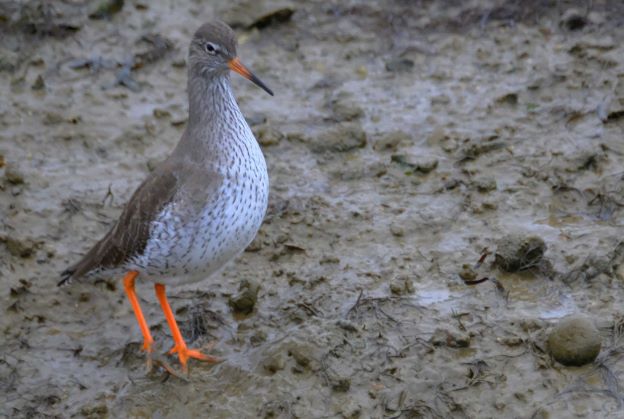
Seaside Ambush.

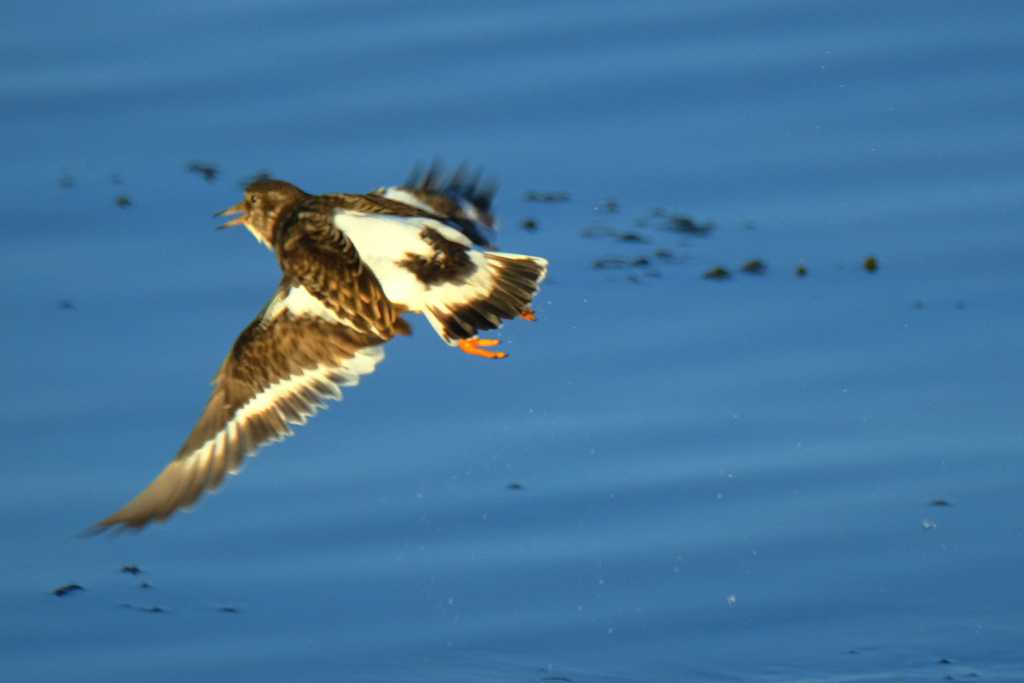
The drama unfolds on the shore often over food. Sanderlings feed on little invertebrates, worms and shrimps at low tide. The Black-headed gulls have worked out it is easier to steal a meal rather than catch their own.

A Sanderling weight is 50 -60 grams and a Black-headed gull’s weight is 200-400g so the gull is the bully but the Sanderling is extremely fast so they do not give up their meal that often.