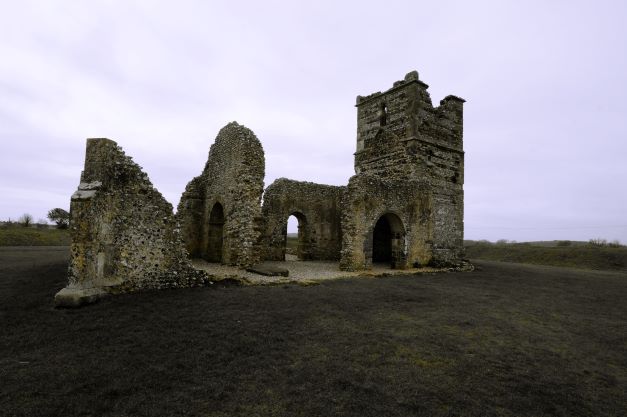
A ruined Church.

Camper van trip {pt 5}

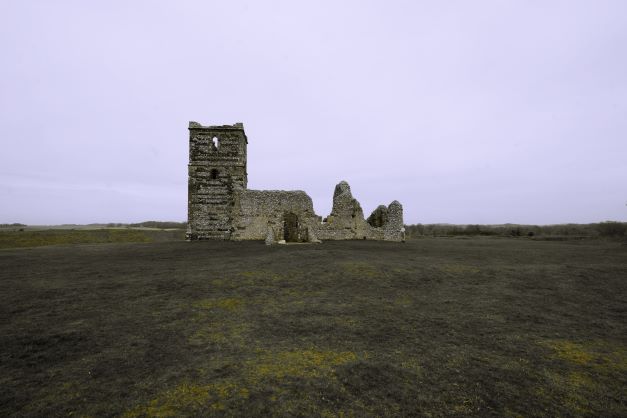
On the way home after our trip away, we stopped at Knowlton Church And Earthworks (a usual stopping place for us). Situated near the village of Cranborne in Dorset it is on a route we regularly take to avoid the city of Salisbury where there is a traffic bottleneck. The site is now in the care of English Heritage. It is an interesting historic site with a ruin of a 12th-century Norman Church situated at the centre of a Neolithic henge earthwork. Like other Christian sites, it symbolises a transition from much older sites of importance and pagan worship to Christian worship.

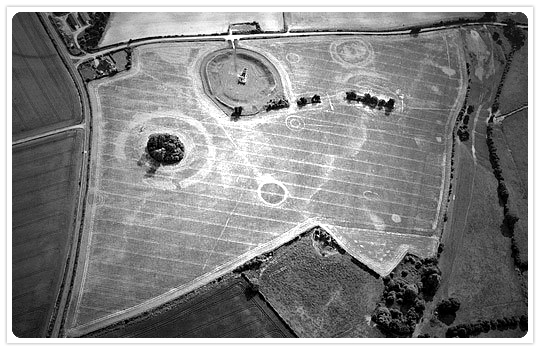
As well as the main earthworks the landscape around the church is a part of a larger Neolithic and Bronze Age ceremonial area most of which can now only be seen from aerial study as crop marks.

Below a picture that was taken from online shows an overview of the area and its features.
Nunney Castle.

Camper van trip {Pt 4}.

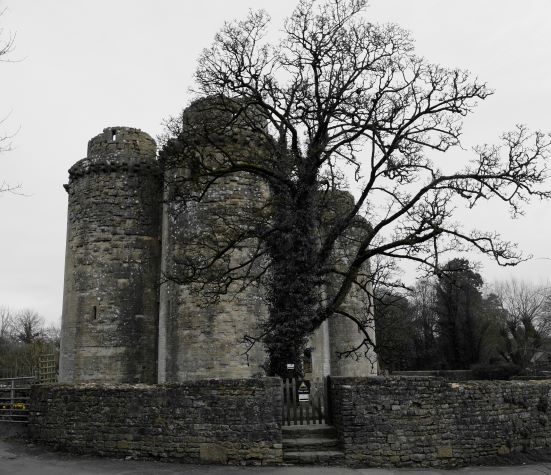
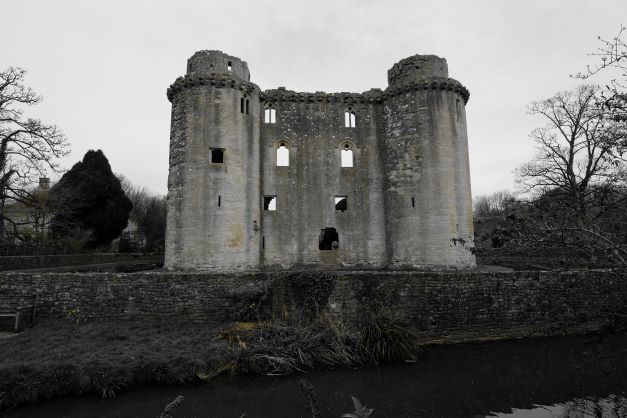
Nunney Castle in Somerset dates from the 1370s. It was built for Sir John de la Mare, a local knight. His castle was inspired by French castles seen on campaigns. The castle was modernised in the late 16th century, the castle was besieged and damaged by the Parliamentarians in 1645, during the English Civil War.

Today the ruin is picturesque the moated tower is well preserved and dominates the centre of the village.

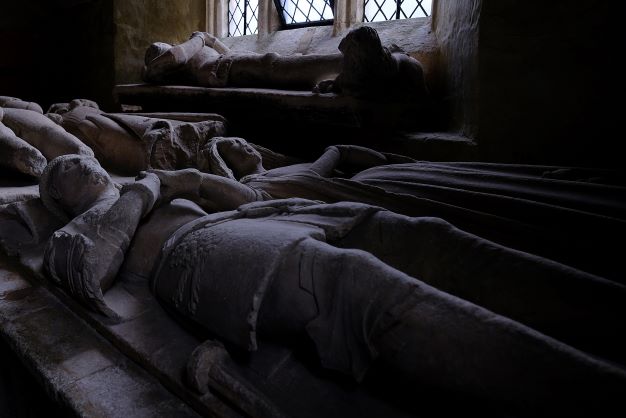
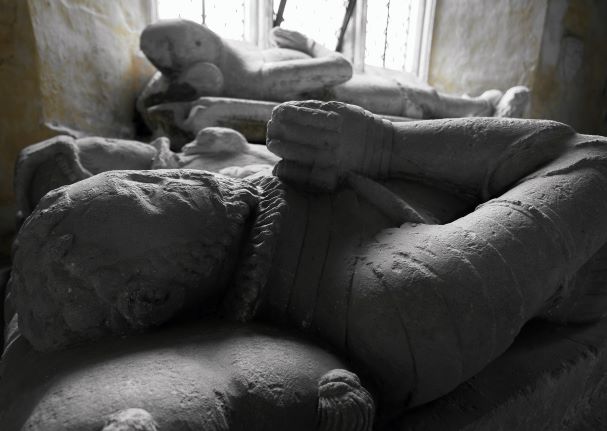
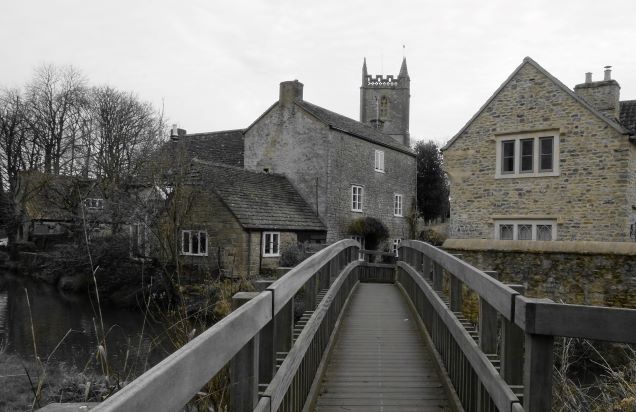
Sir John de la Mare and other lords of Nunney Castles are buried in the village church. The Church is a grade1 listed building dating from the 12th century it is said it was built on the site of an earlier church dating from an earlier Saxon or Norman Church.

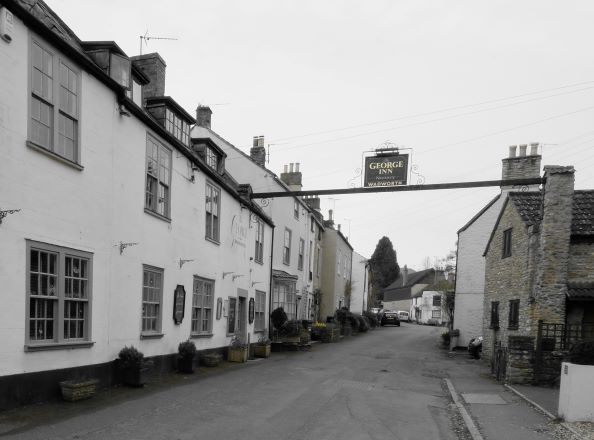
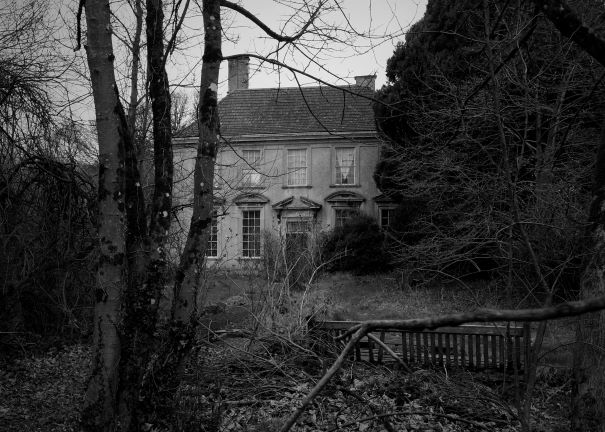
Some views of Nunney Village.

Valley of the Rocks.

Camper van trip {pt2}. Valley of the Rocks or Goats

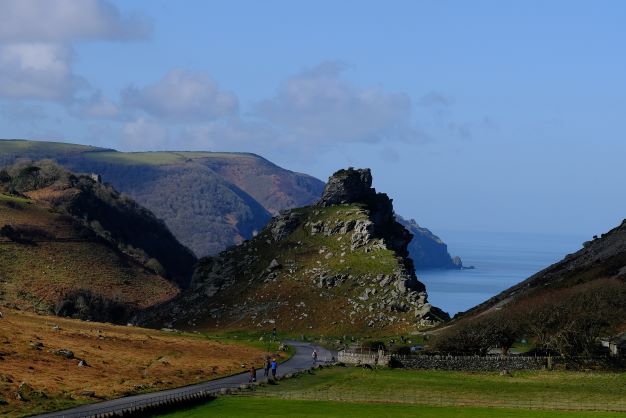
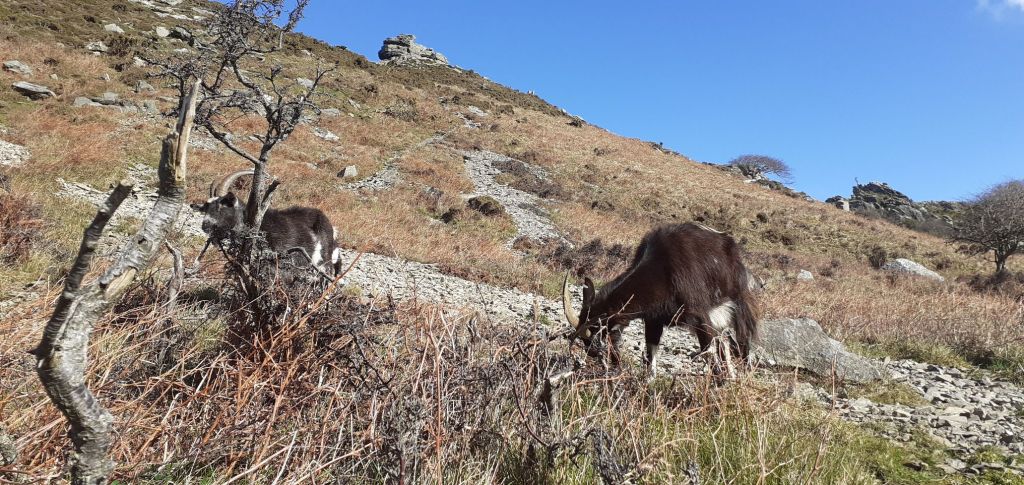
Valley of the Rocks is a dry valley that runs parallel to the coast in north Devon, near the village of Lynton. A spot visited by tourists for years to walk and see the landscape and geology.

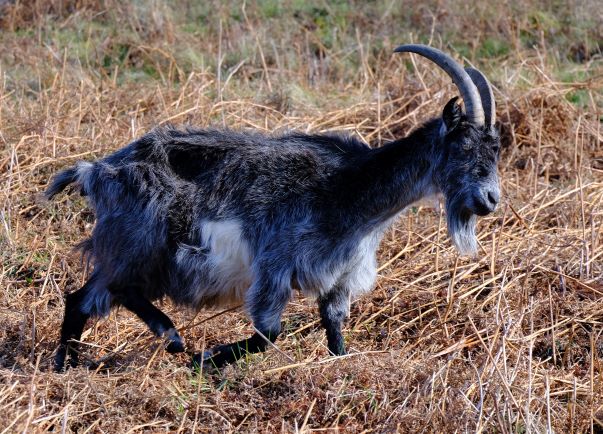
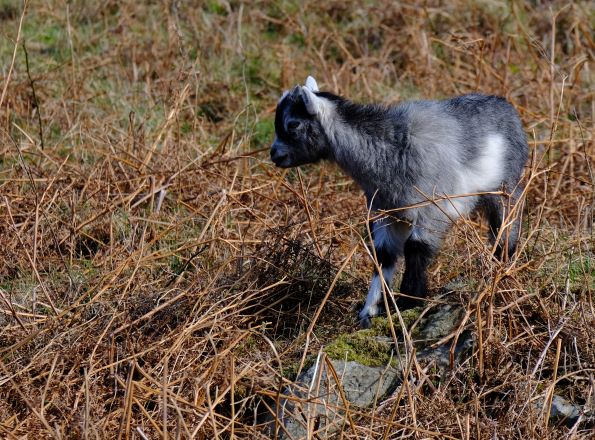
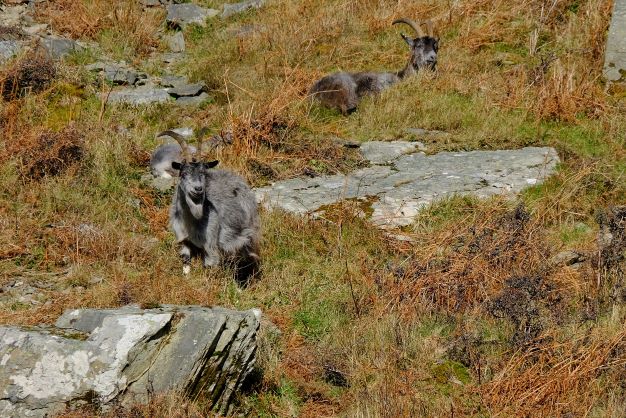
There is a herd of feral goats wandering, in the valley, A herd of 75 goats were recorded in the valley in the Domesday Book in 1086. In 1976 the current herd was introduced to the valley when it was realised that they had a role in controlling the vegetation growth. I have visited the valley and seen no goats other times I have had to walk up the rock outcrops to see them but when we visited this week many came down near the car park.

Exmoor Red Deer.

Camper van trip to Exmoor. {Pt1}

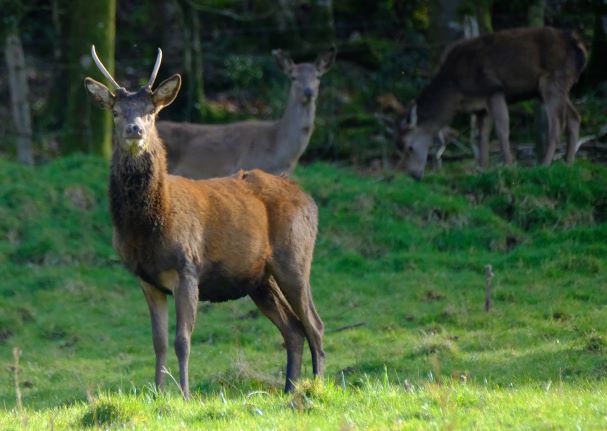
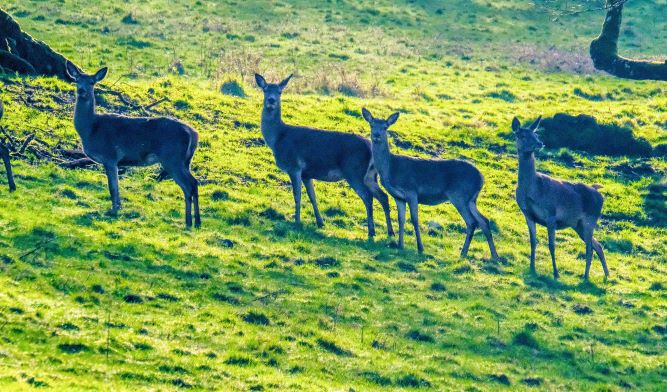
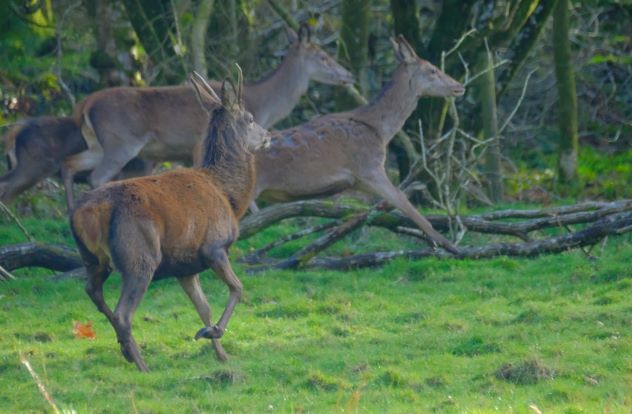
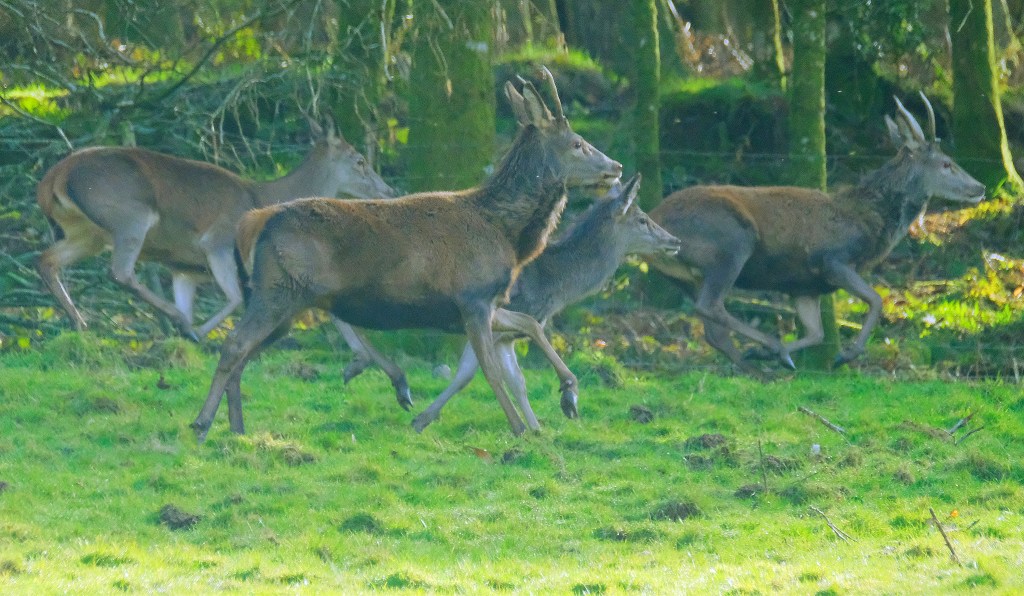
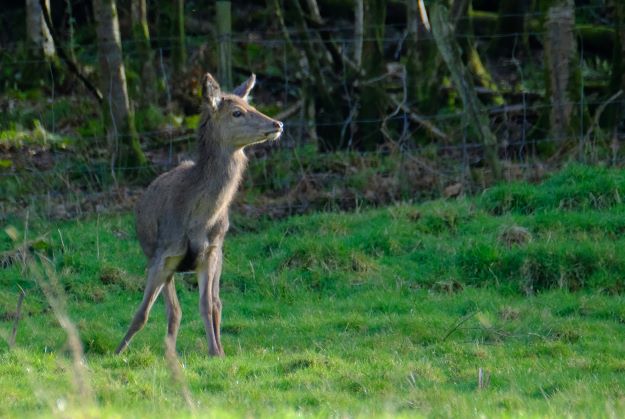
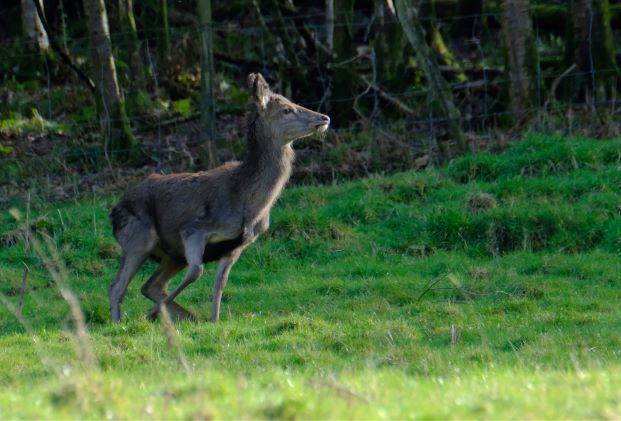
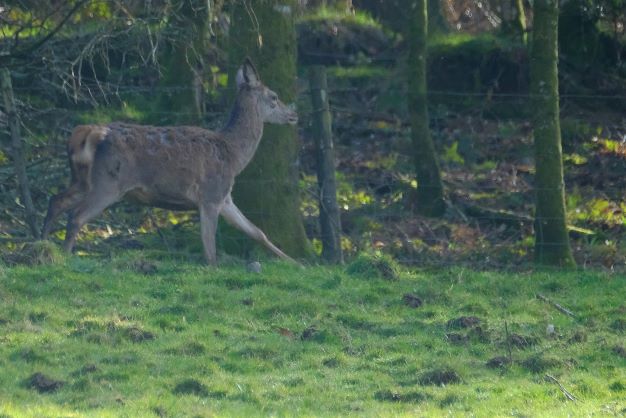
Returning to our campsite and as the light was starting to drop we spotted a herd of Red Deer young Stags (males) and Hinds (females). From the lane, they were interested in us as much as we were in them after a good look at each other they moved off back into the woodland.

Red Deer are the UK’s largest deer. Males have large, branching antlers, increasing in size as they get older. The Stags spotted are young animals given he had fairly small non-branching antlers. Red Deer live on moorland and mountainsides, as well as grasslands near to woodland. They are common in Scotland, particularly the Highlands and Islands. Red Deer are also found in the Lake District, Exmoor, as well as the New Forest.

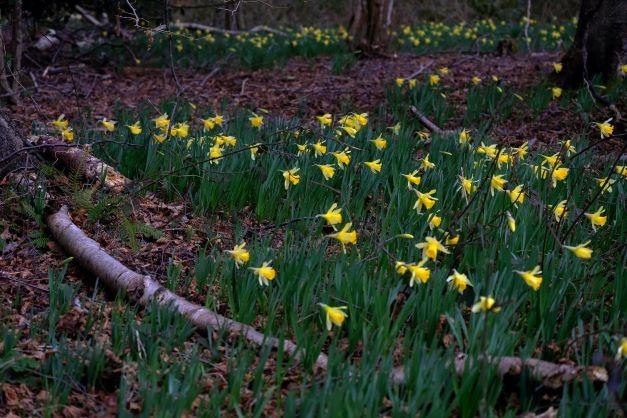
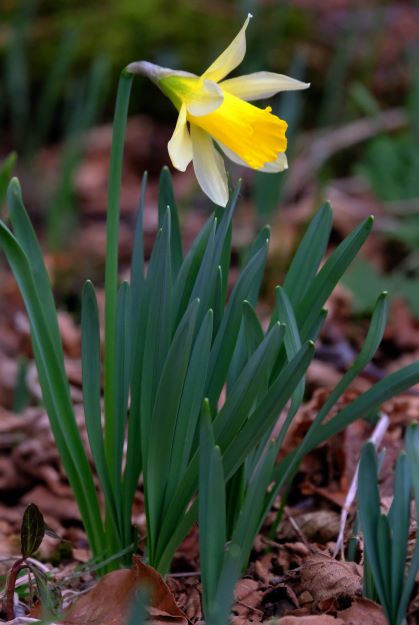
A host, of golden daffodils.

A short local walk to collect our trail cameras some nice views of a Muntjac deer on one of the cameras. Introduced from China to the UK in the 20th century. Although an invasive, non-native species today they are protected in the UK under the Deer Act 1991.

Some facts about this small deer which is about the size of a medium-sized dog.

Length: 77-91cm
Shoulder height: 45-52cm
Weight: 10-17kg
Average lifespan: 10-13 years

Wild Daffodils are now out in flower which gives a splash of colour to this dull time of year, I am glad we are moving into spring. Also known as the ‘Lent lily’ or ‘Easter lily’ this native Daffodil is smaller than many garden varieties. They are found in damp woods, fields, grassland and orchards. It is a rare plant but can be abundant in some areas. 

Garden visitors.

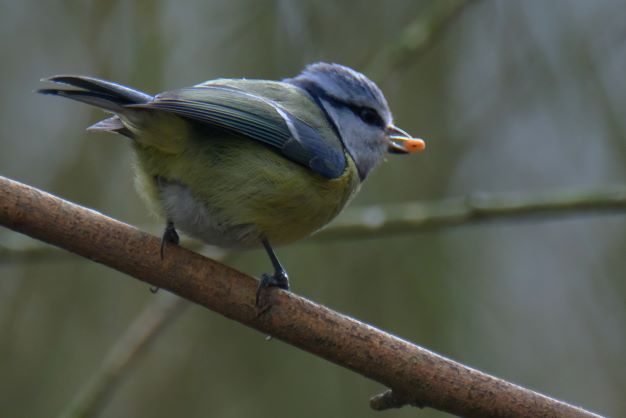
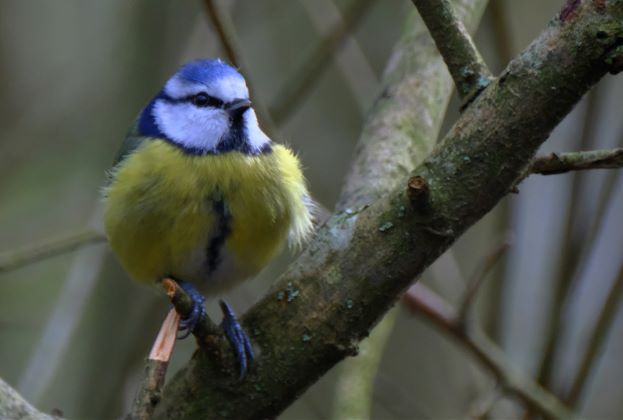
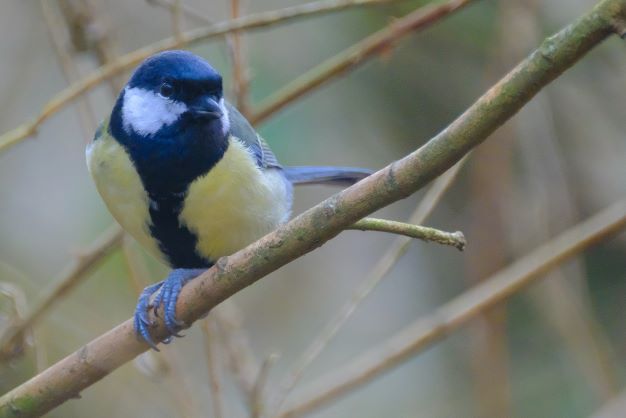
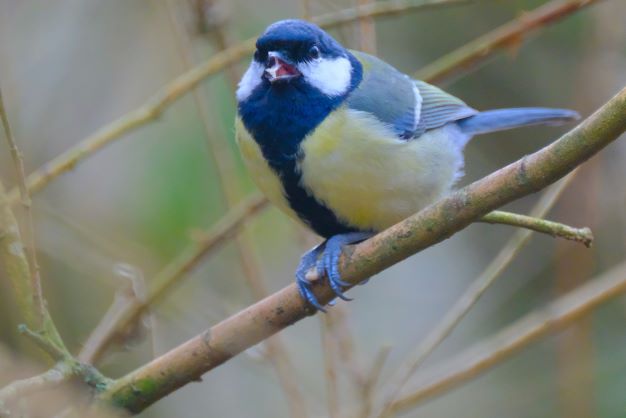
In the UK two frequent garden visitors on the bird feeder and bird tables are the Blue Tit and the Great Tit. Both these birds are common in the woodlands where I took these photographs.

Blue Tit.

Measurements:

Length:12cm Wingspan:18cm Weight:11g

Population:

UK breeding: 3,600,000 UK wintering:15 million

Great Tit.

Measurements:

Length:14cm Wingspan:24cm Weight:18g

Population:

UK breeding: 2,500,000

facts from RSPB.