Birdwatching and History.
Today’s walk was along the coastal path from the seaside town of Lymington to Normandy Lagoon. On the Lymington-Keyhaven marshes, the lagoons lie just inside the seawall. Records show that the sea salt industry has operated in the Solent for at least 2000 years. The industry flourished and by medieval times was well established at Lymington. Salt was obtained by keeping seawater in shallow lagoons known as salterns. This allowed evaporation during the summer months to remove the water. The process was undertaken on land that had been reclaimed from the sea through the construction of a series of sea walls.
The first reference to a medieval salt industry in Lymington comes from the Domesday Book of 1086. Salt production remained an asset of the area throughout the Middle Ages. By the 17th century records show a flourishing economy in the area.
The industry reached its peak early in the 18th century when 163 saltpans were in use at Lymington. Boiling Houses were used as the process became more industrialised. Sea salt from Lymington was exported as far as Norway, Newfoundland and the USA.
The 19th century saw the decline of the industry. The final Lymington saltern closed in 1865.

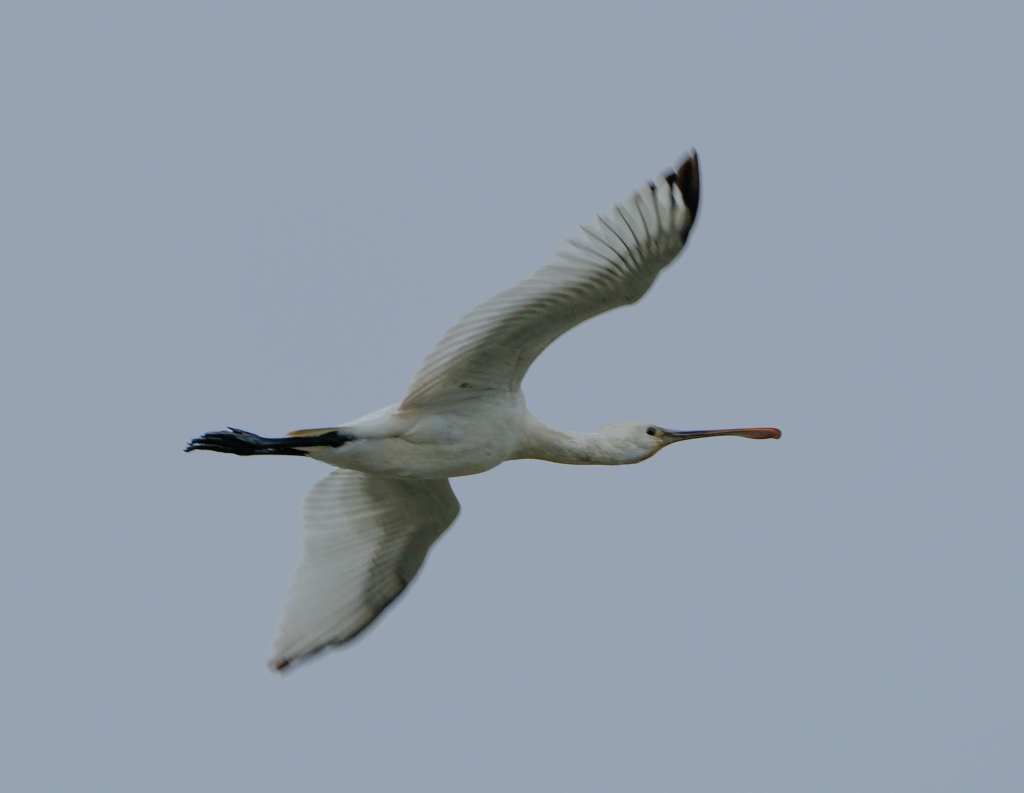

The best observation on today’s walk was a flock of 12 Spoonbills. A first for this year. Spoonbills are distinctive tall white waterbirds with long broad black bills and black legs. They are smaller than a Grey Heron in size. Adult birds have yellow on their bill tips. They fly with necks and legs extended. They feed with elegant sideward sweeps of their bill. The species is of European conservation concern. In recent years they have been visiting wetlands on the South Coast of the UK, small numbers now breed here. Listed on Schedule 1 of The Wildlife and Countryside Act, making it illegal to disturb these birds. Most birds migrate south in the winter, but many individuals remain and spend winter in Western Europe.
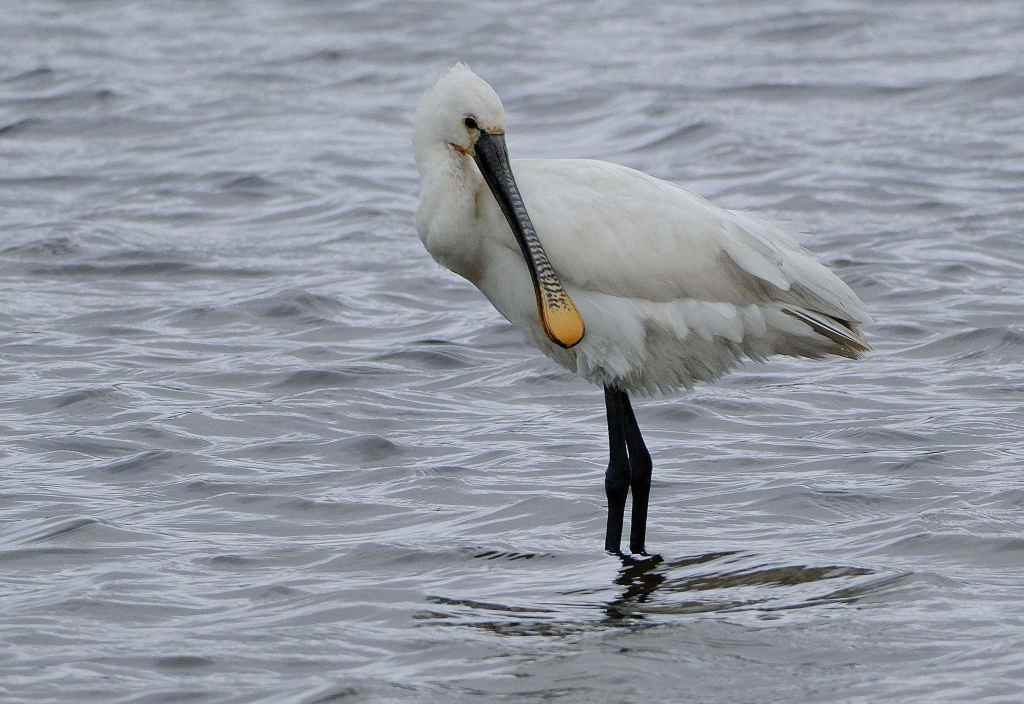

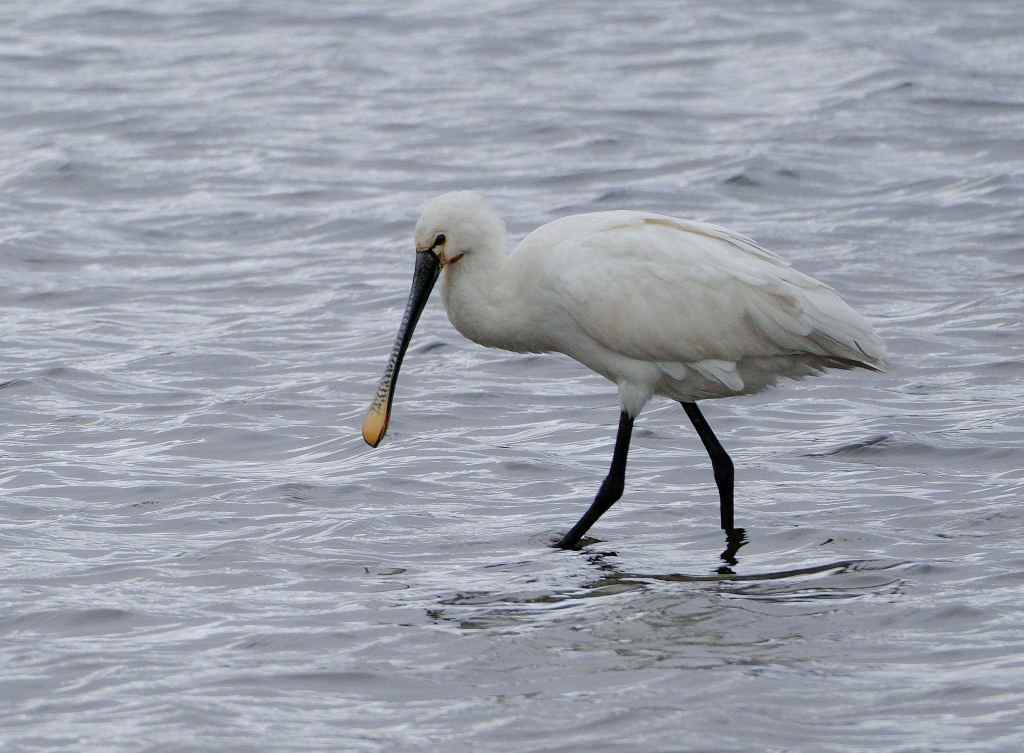

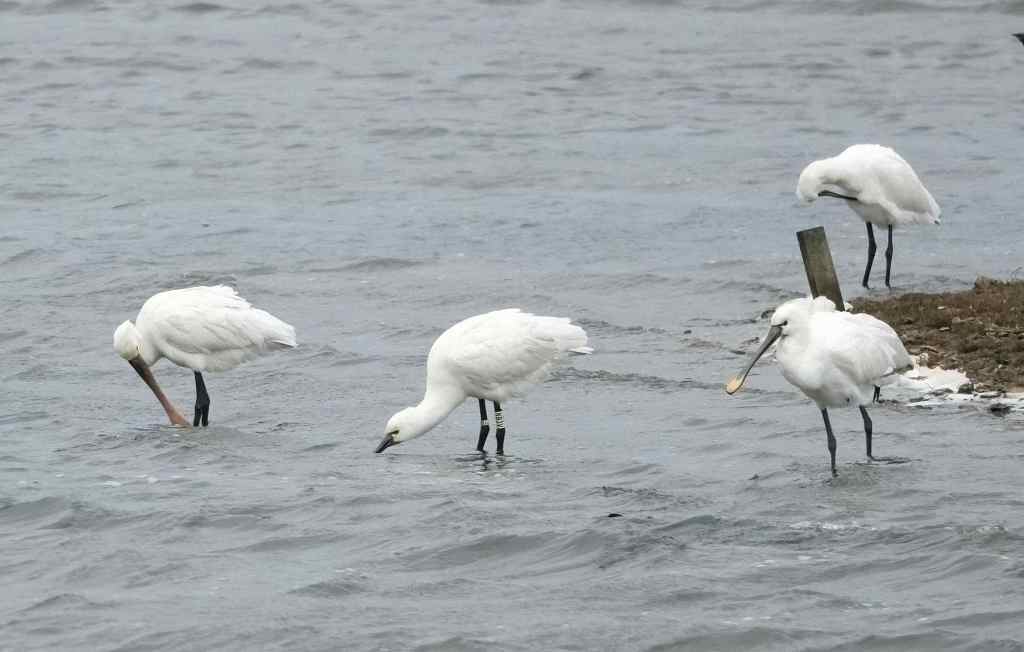

Little Egret


Cormorant – unlike many diving birds Cormorants do not have waterproof feathers. They are great at diving for fish so when they have finished fishing to dry out they sit with their wings open, The warmth of the sun or the wind dries out the bird.

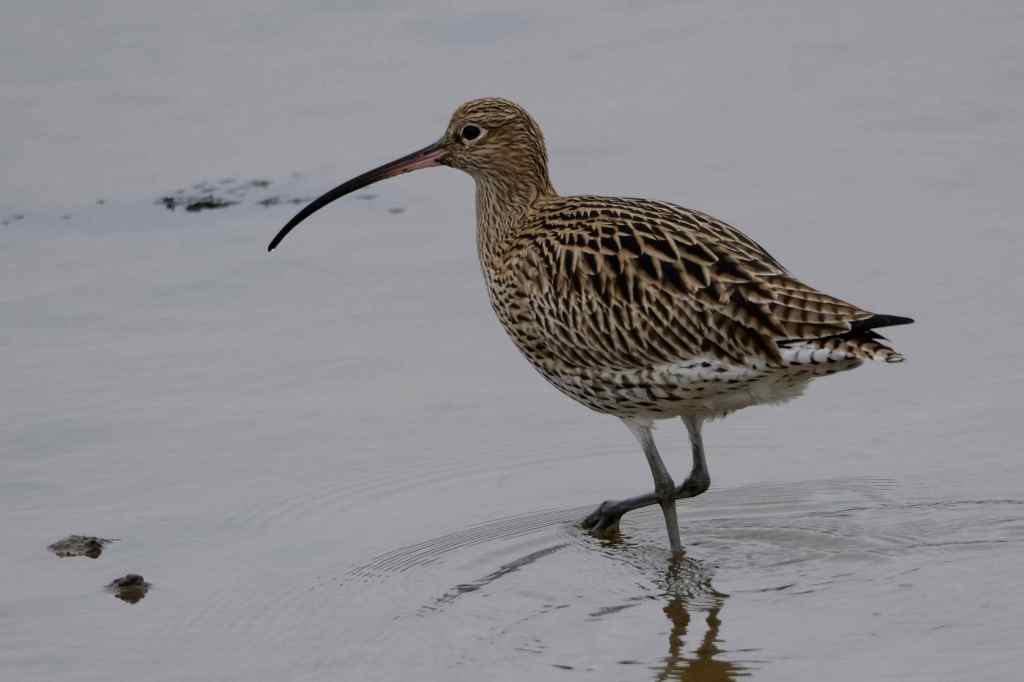
Curlew. They are the largest European wading bird I watched one pass a Brent Goose last week and you can see their size is only a tiny bit smaller than the Brent!



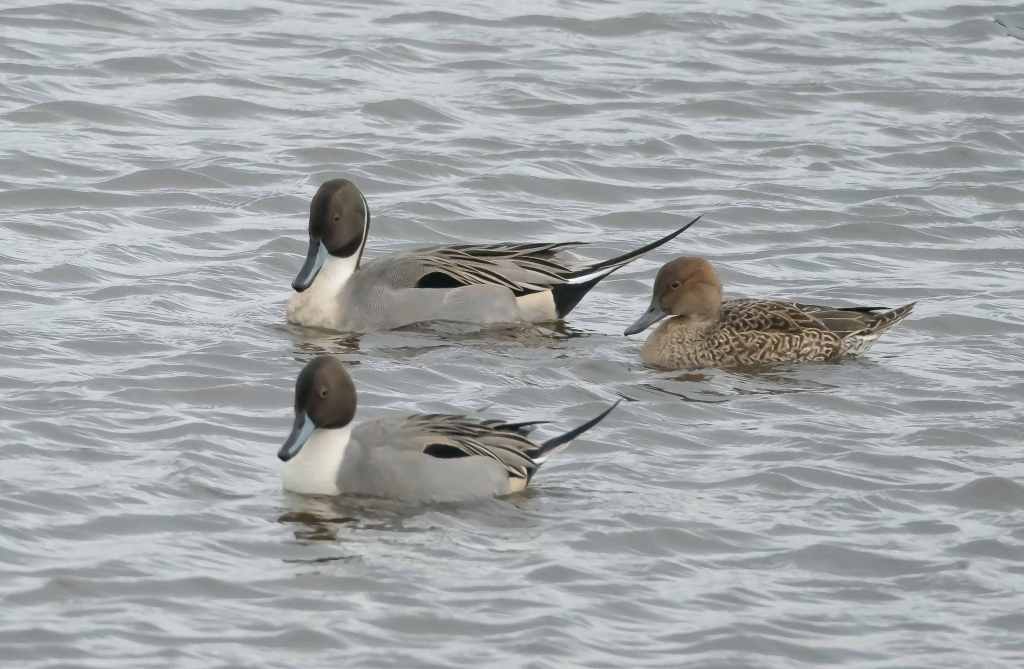
Pintail, – only a few of these duck breed in the UK (under 30 pairs), however in the winter over 20,000 birds winter here. Like all dabbling ducks, Pintails feed at the surface rather than diving for their food. They eat plant food when dabbling, but will supplement their diet with insects and molluscs.

 Continued Reflections from my World.
Beautiful birds’ photography and a fine Video with interesting optical effects by the flowing waters and swimming ducks while the spoonbill moving against their direction.
LikeLiked by 1 person
The video effect was odd as in real life in all seemed still.
LikeLiked by 1 person
Amazing birds.
LikeLiked by 1 person
and great to see so many
LikeLiked by 1 person
The Domesday book! That’s ominous! What was it all about….or should I not ask?
Love the bills on those Spoonbills!
LikeLiked by 1 person
The Domesday book is a Census of Britain following the Norman conquest of 1066.
https://en.wikipedia.org/wiki/Domesday_Book
LikeLiked by 1 person
What a fascinating variety of birds you captured here!!
LikeLiked by 1 person
glad you enjoyed.
LikeLike