Gadwall were pairing up yesterday in force at Titchfield Haven lots of quacking and splashing. Over 25,000 birds are in the UK during the winter but only about 1,200 pairs remain in the summer.


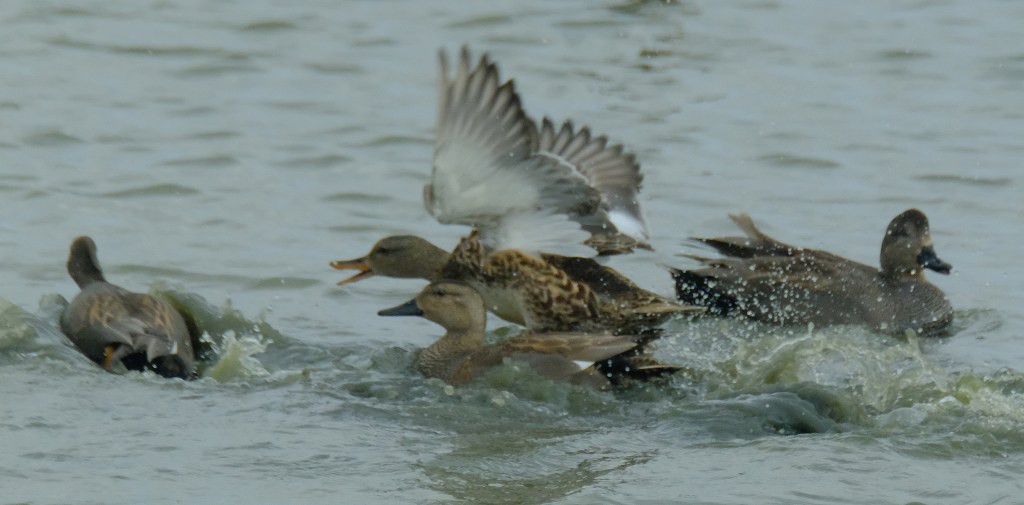
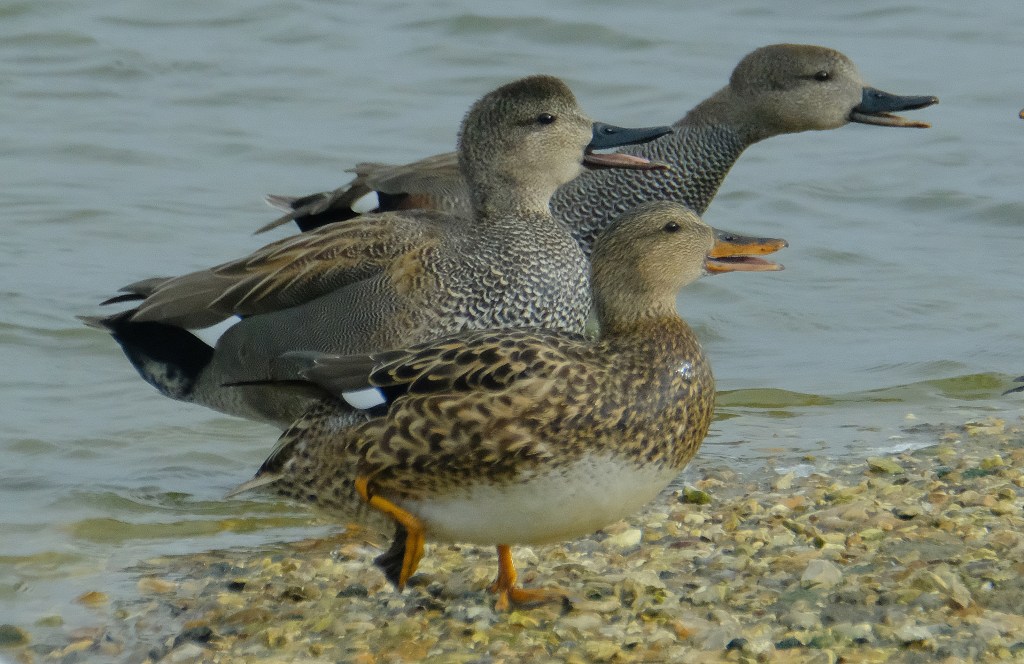

Gadwall were pairing up yesterday in force at Titchfield Haven lots of quacking and splashing. Over 25,000 birds are in the UK during the winter but only about 1,200 pairs remain in the summer.
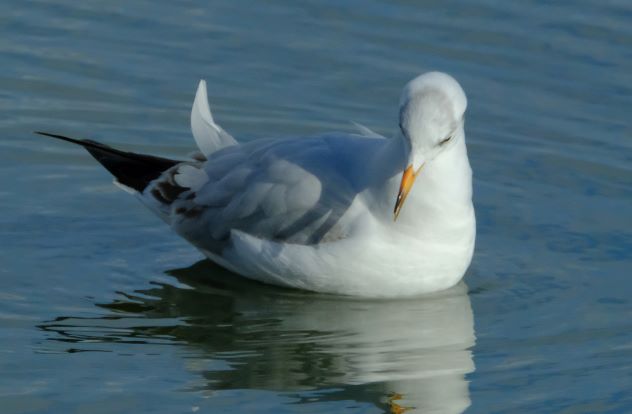
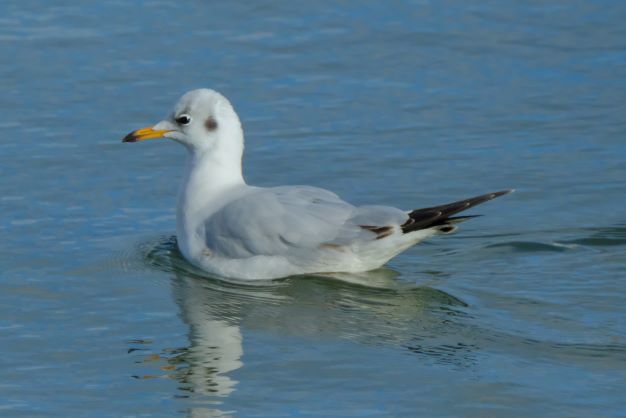
Black-headed gulls have started to pair up – and hence the “noise” has returned To Titchfield Haven. The screech of their call extends all around the reserve and will dominate until nesting season ends at the end of the summer.
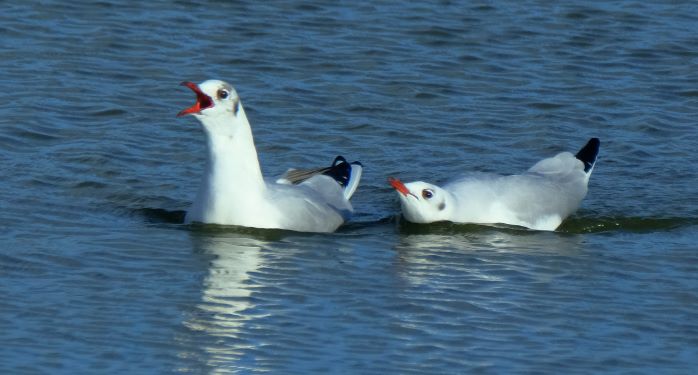
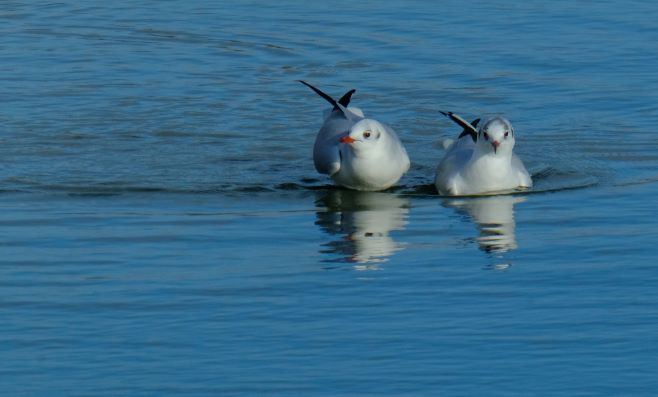
Some of the birds are starting to get the breeding colours – their heads are changing to dark brown -which at a quick glance appears black and where these birds get their name from.

The bird below with yellow bill and legs almost caught me out as to what it was but it is a Black-headed gull in first winter colours so probably one of the chicks from last year returning to its nest site.
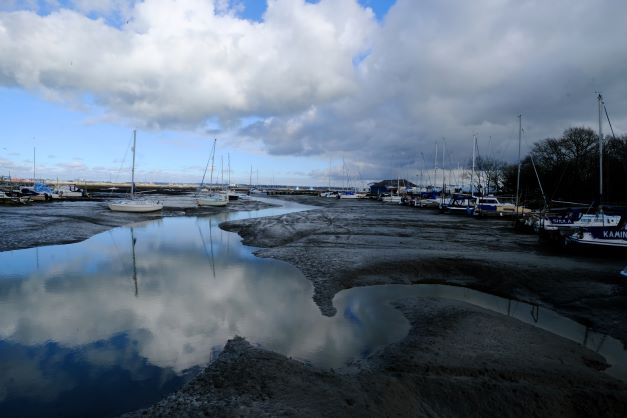
Ashlett Creek is a tidal inlet on the New Forest side of Southampton Water near Fawley. The creek is only accessible at high tide. There has been a mill on the site dating back to medieval times. The mill is a Grade II listed building that was built in 1816 and milled corn until it closed around 1910. Ashlett mill was a tidal mill – a mill driven by tidal rise and fall. The tide comes in, it enters the mill pond through a one-way gate, and this gate closes automatically when the tide begins to fall. When the tide is low enough, the stored water can be released to turn the mill wheel. Flat bottomed sailing barges were used to load and unload grain, salt and other supplies. A Victorian Quay was built in 1887 to celebrate Queen Victoria’s Golden Jubilee.

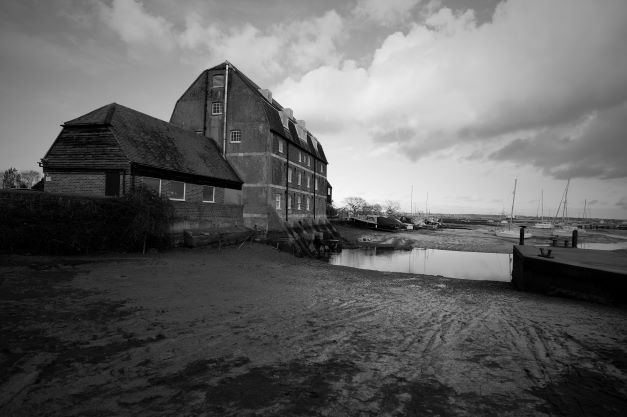

The Jolly Sailor, a 160-year-old pub is an old smuggler’s inn near the mill.

Birds in the Mill pond.


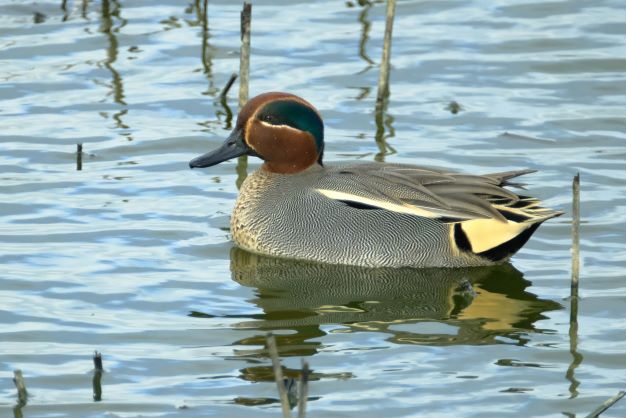
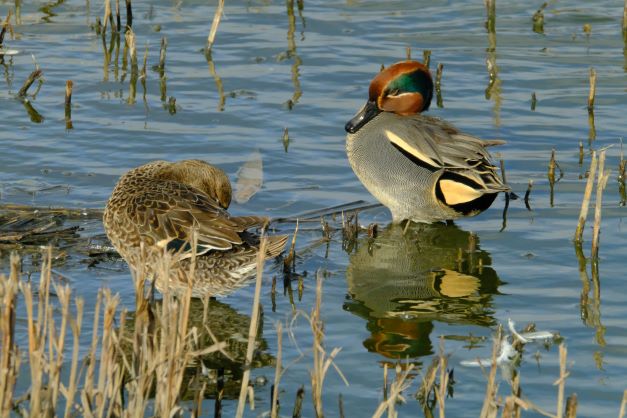
Teal are small dabbling ducks. There are about 2100 breeding pairs found in the UK but the wintering numbers increase to 210,000 birds many of these are continental birds from around the Baltic and Siberia.


(Part 2 Birdwatching). More from a walk today from Warsash up the river Hamble to Bursledon. Today’s birdwatching observations on a rather dark and gloomy day

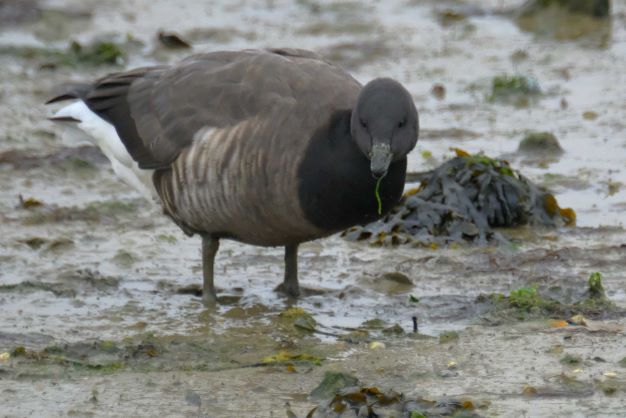
Brent Goose. These small geese are a similar size to a mallard. They have a black head and neck and greyish back, with either a pale or dark belly, depending on the race, most of the birds I see. local to me have a dark belly. I always find them difficult to get a decent photograph of them due to their dark colour on the mud, their eyes seem to disappear! I was quite pleased with these 2 shots despite the dull conditions.
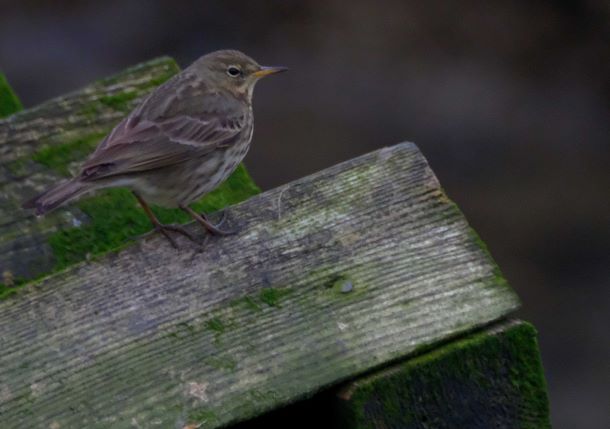
A Meadow Pipit.
Little Egret. This bird was fishing alongside the footpath.
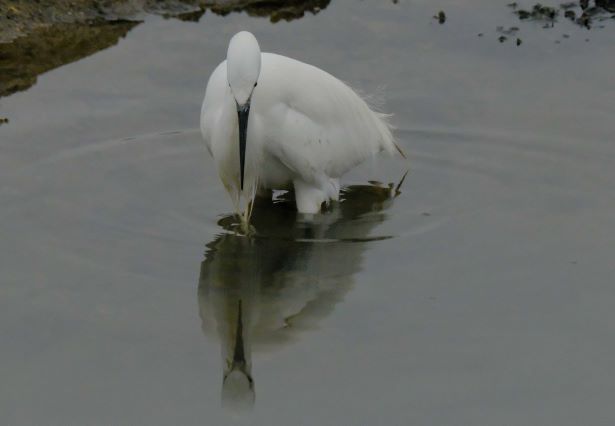

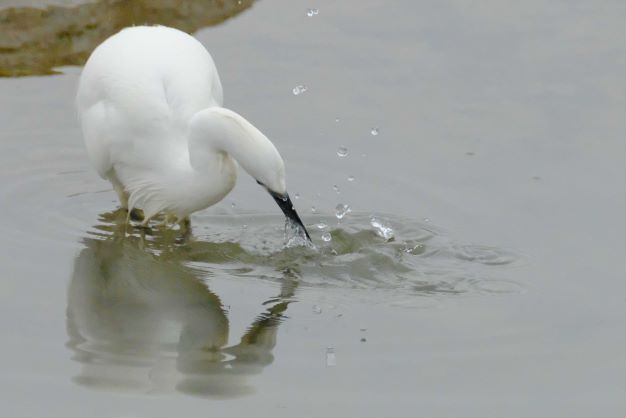
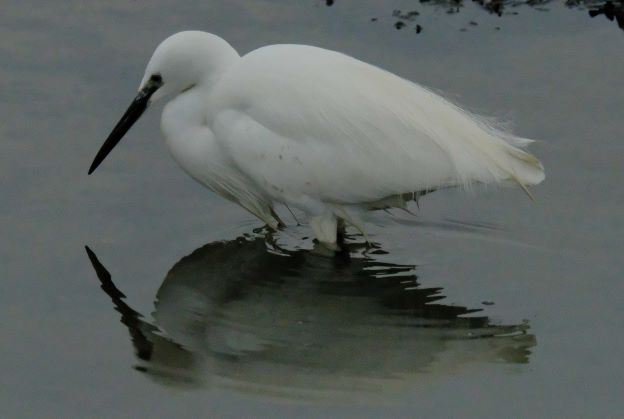
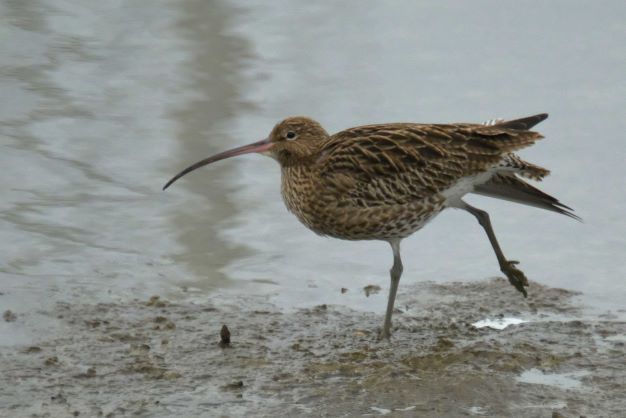
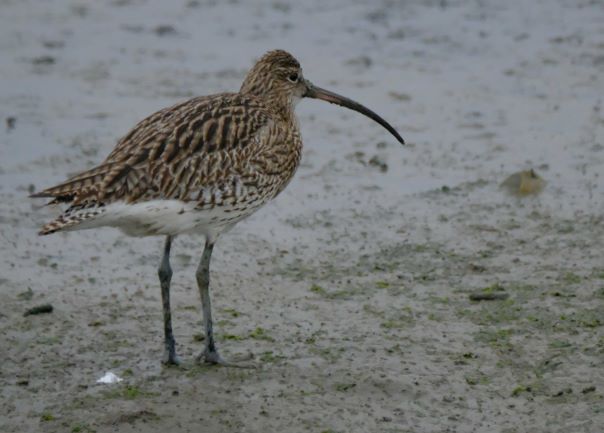
A Curlew;
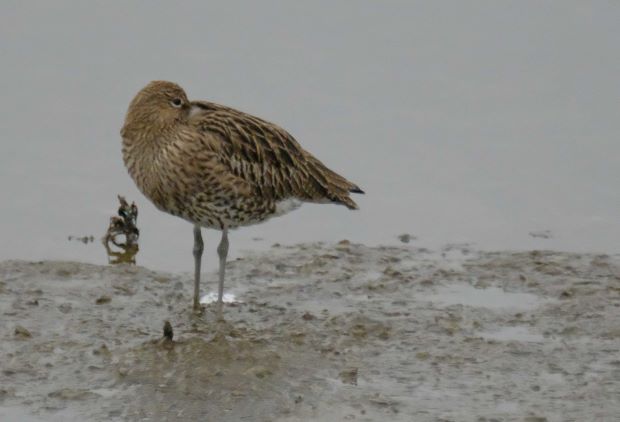


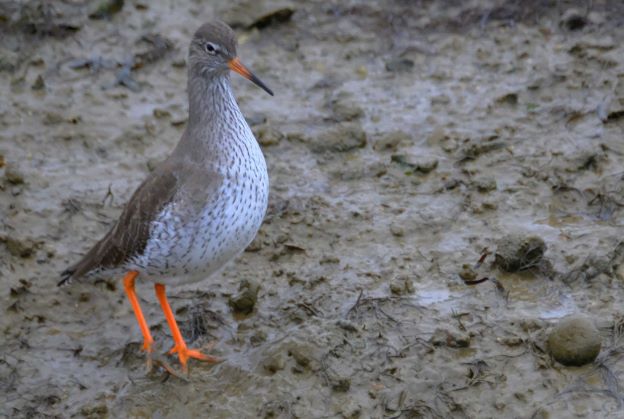
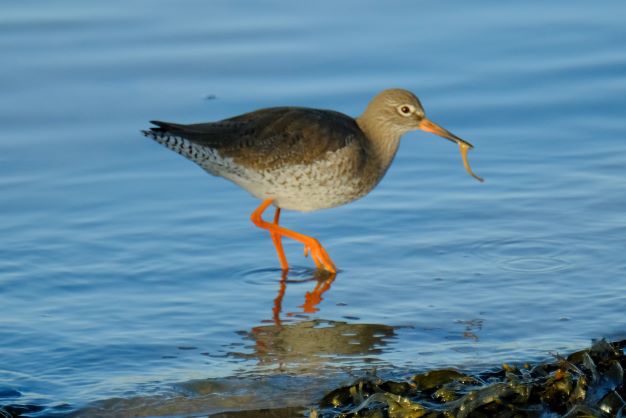
Redshank.


Many of the birds were a long way off on the mud, a large flock of Dunlin a couple of Shelduck and some gulls.

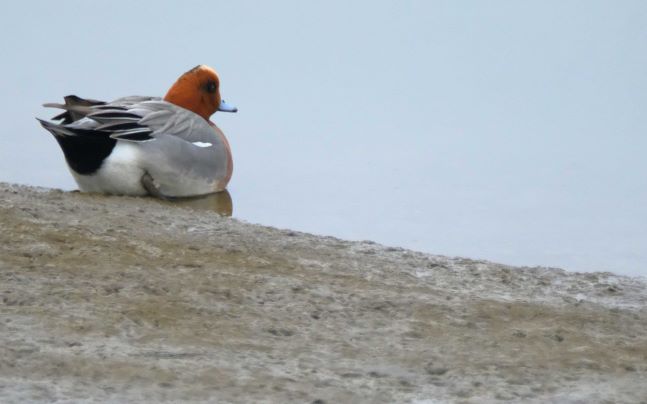
A male Wigeon.
(Part 1 History). A walk today from Warsash up the river Hamble to Bursledon. About 2.5 miles each way on flat footpaths. The Hamble remains tidal on this stretch of the river.
From medieval times it has been a major ship and boat-building area. Many major boatyards were on this part of the river. Today it remains a yacht building area.
Many major ships were for the Royal Navy. Some details https://en.wikipedia.org/wiki/Category:Ships_built_on_the_River_Hamble
As the mature Oak was used much of the larger wooden shipbuilders relocated to the New Forest.
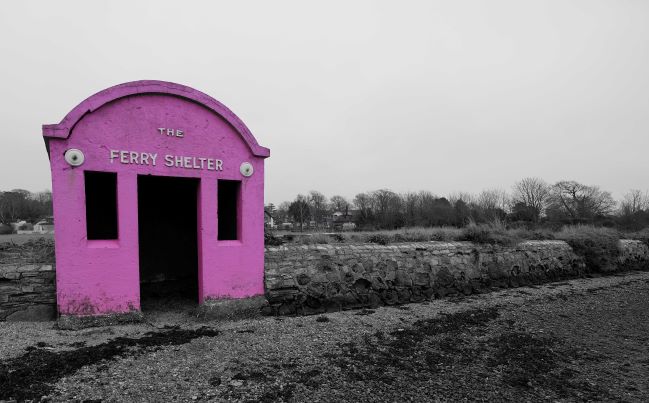
Warsash to Hamble ferry shelter. In the winter the passenger ferry only runs on weekends the shelters on each side of the river as well as the ferry are painted pink. You can see the boat coming!
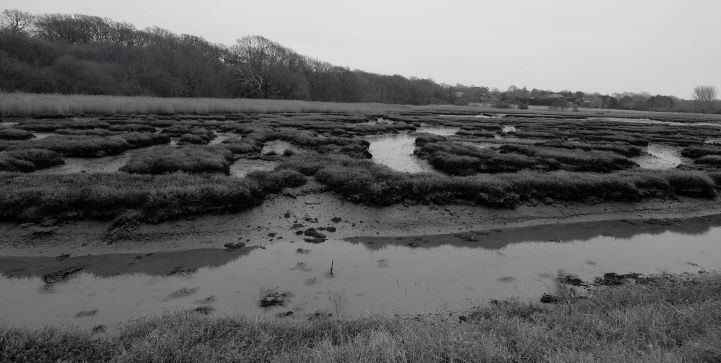

As you walk along the river you pass many hulks and wrecks.
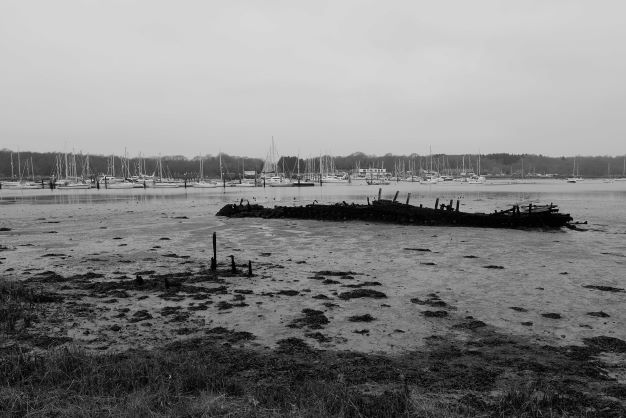

Many years ago I remember doing this walk when you had to pick your time to do it – making sure the tide was not too high as there were places where stepping stones were needed to be used to cross places where the water flowed into the marshes at the edge of the river. Now bridges ensure it is an easy walk for all.

Even a coffee break is now possible which many dog walkers were making use of.

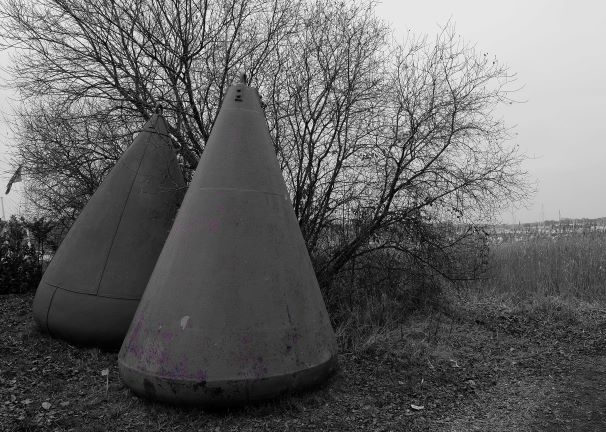
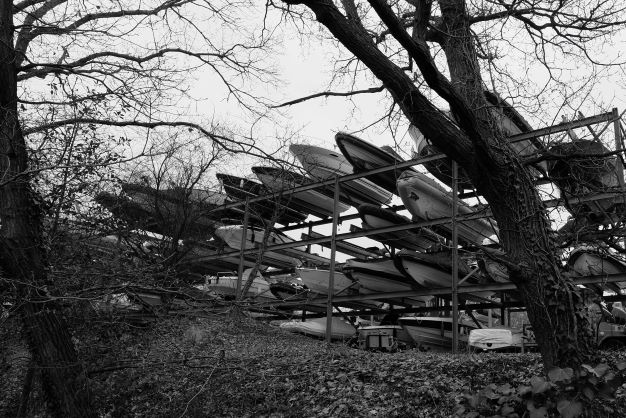
Old bouys, and boat storage.
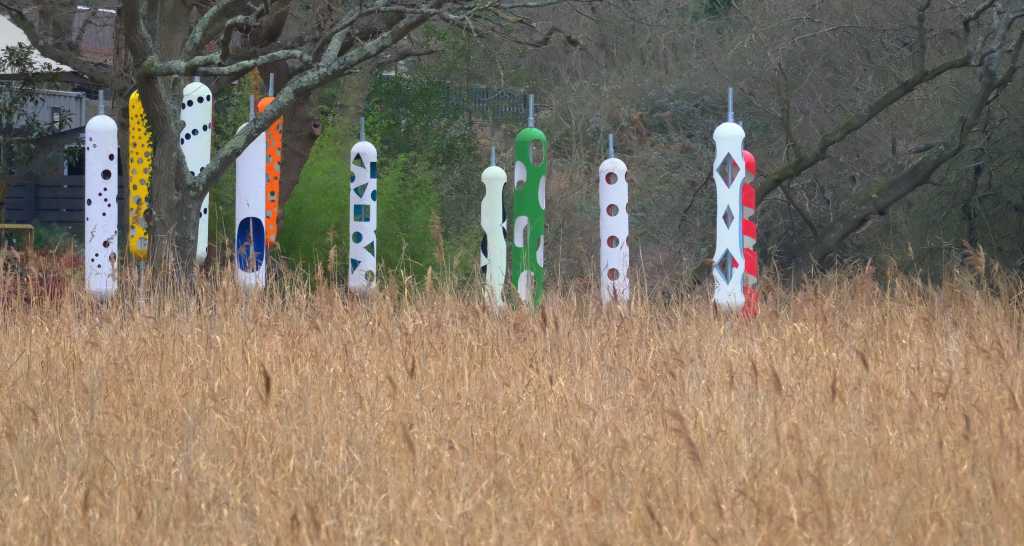
Artwork “bullrush” statues.
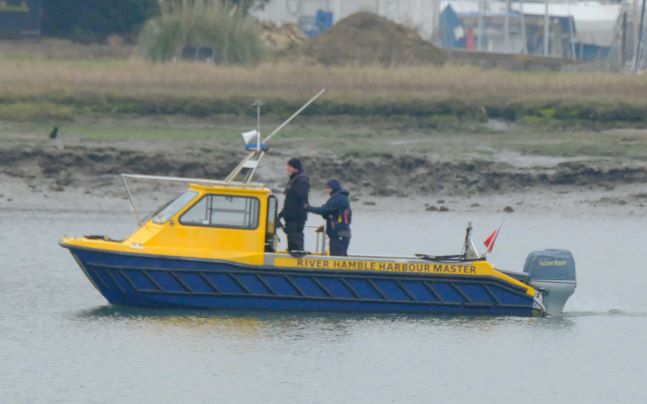
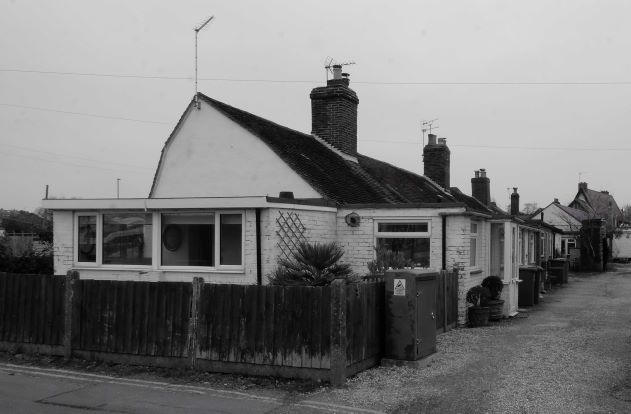
At the end of the walk is the old hamlet of Burseldon by the river it is a conservation area. There is a row of tiny cottages much extended at their rears – in the Napoleonic Wars with France, these were shipwright cottages.

Today we decided to walk from Warsash quay at the mouth of the River Hamble down Southampton Water towards Hook.
Some different birds spotted as well as some usuals.
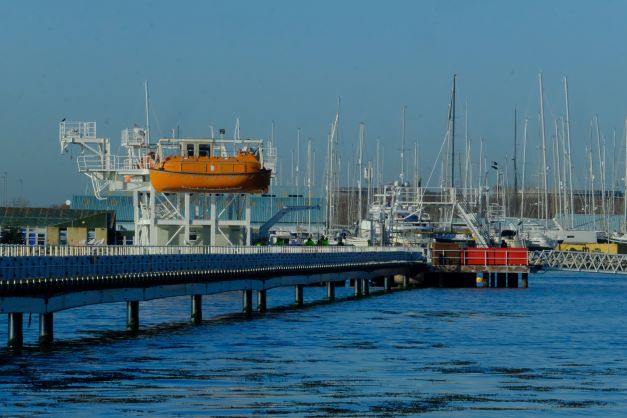
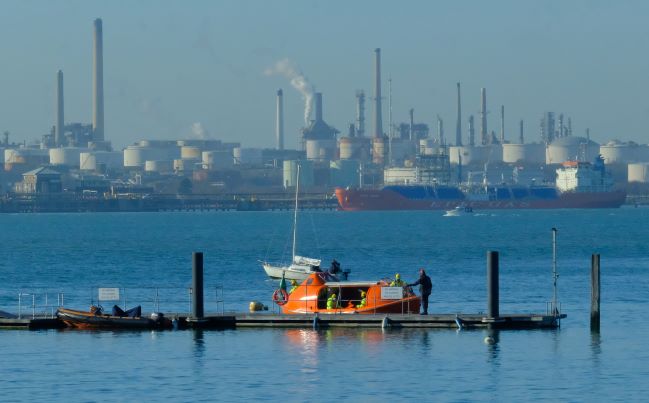
A little way from the car park at Warsash you pass Warsash Maritime Academy which is part of Solent University. It is said to be the only maritime training provider of its kind in the world. Offering150 accredited deck, engineering, interior, maritime and offshore training courses.
Ship lifeboat training station always looks interesting. Training was taking place as we passed by.


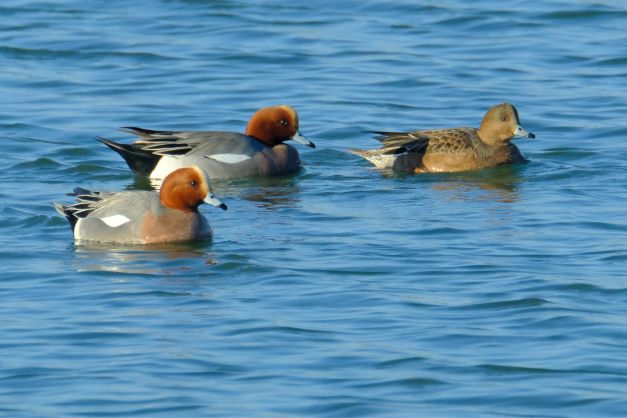
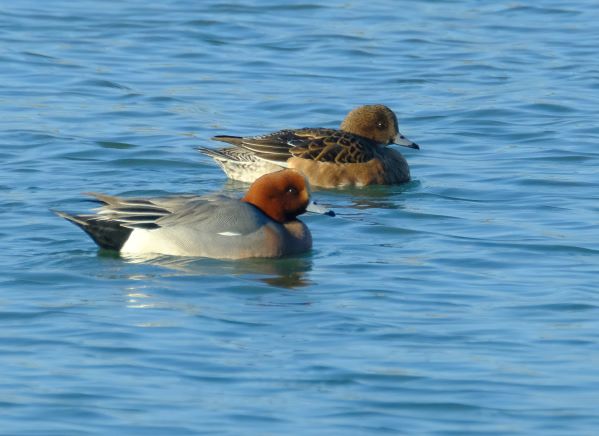
There were a lot of Wigeon just off the beach. A medium-sized duck they are an Amber List species
Wigeons breed in central and northern Scotland and also in northern England. In the winter large numbers visit UK sites, from Iceland, Scandinavia and Russia.
UK breeding:400 pairs
UK wintering:440,000 birds


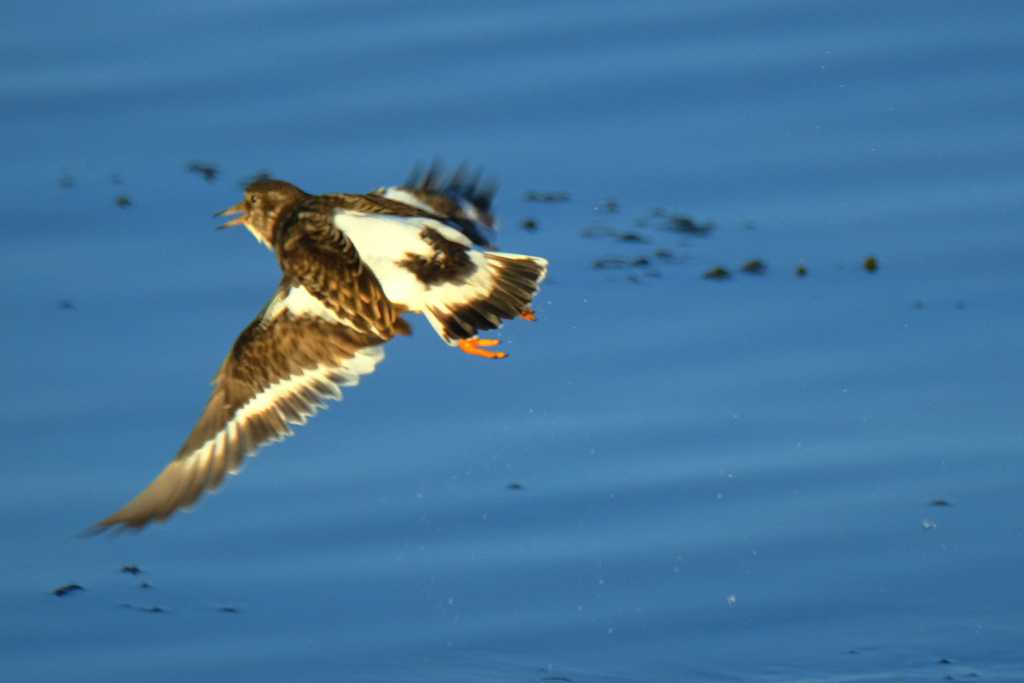
A little Egret and a Turnstone.

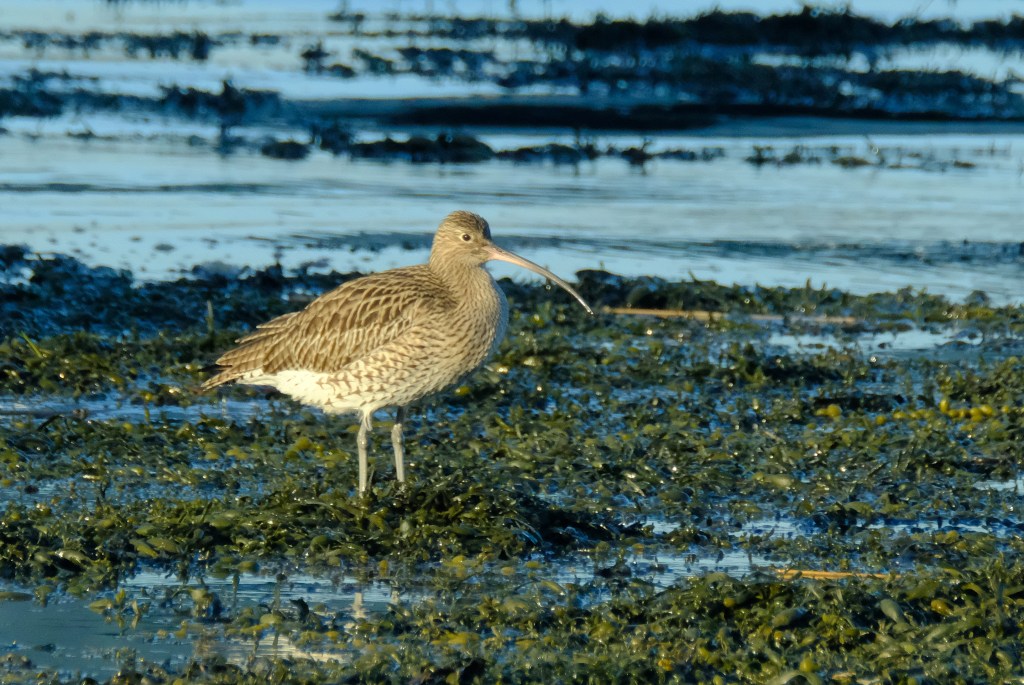
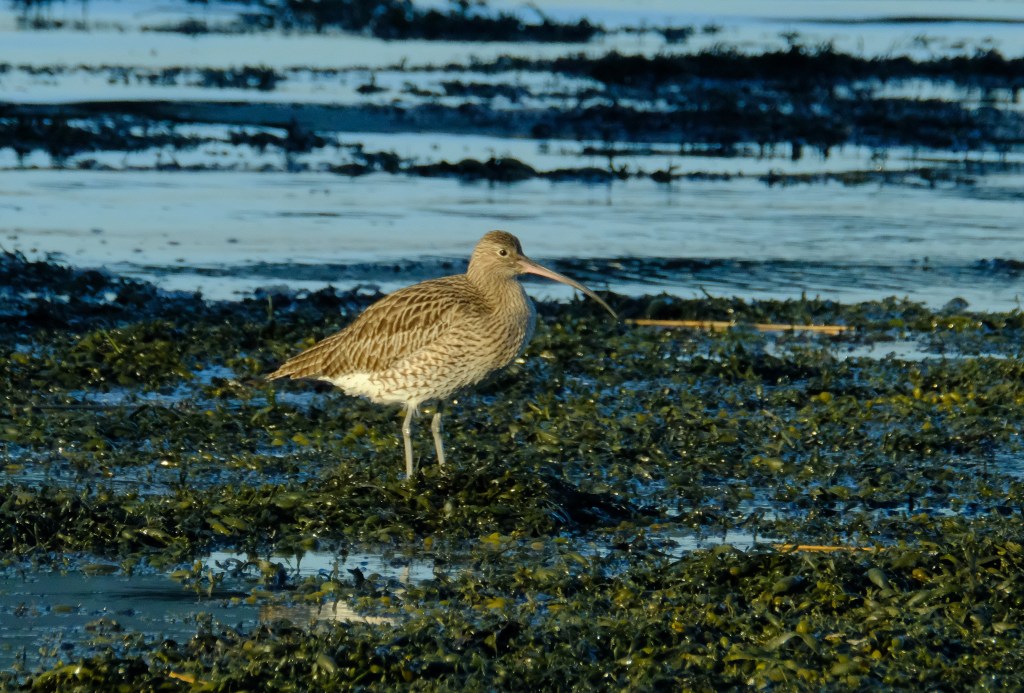
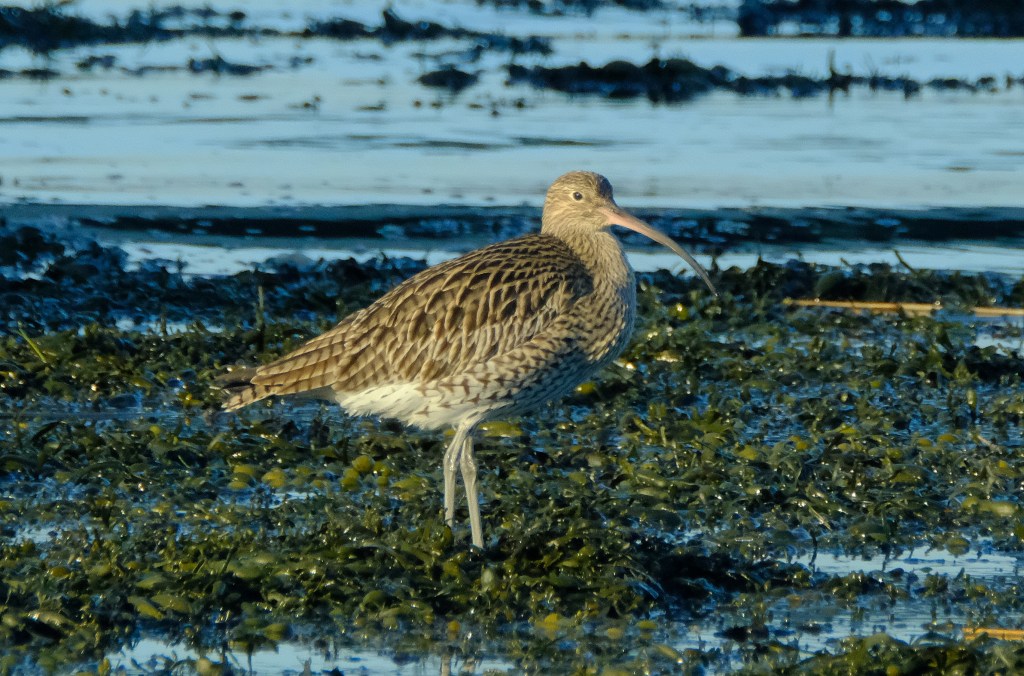
There were a number of Curlew on our walk a bird we tend to see across Southampton Water at Fawley and very rarely in Titchfield Haven.
The Curlew is the largest European wading bird, recognisable by its long, downcurved bill.
UK breeding:66,000 pairs
UK wintering:140,000 individuals
A Redshank feeding on worms.

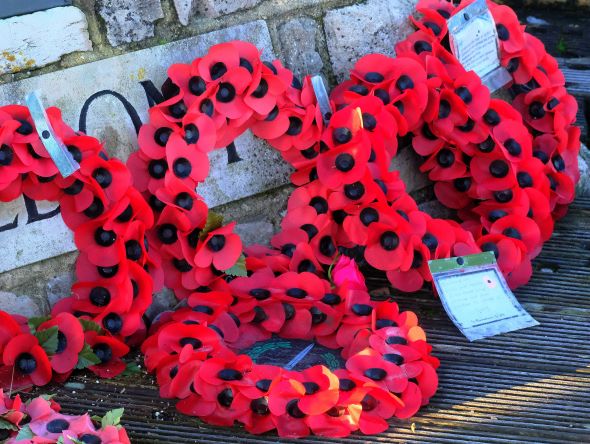
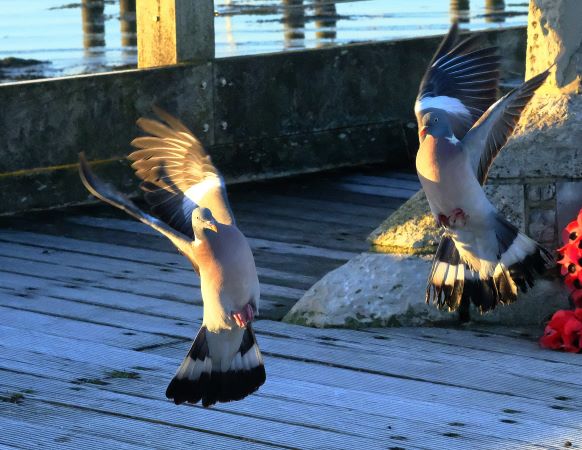
A visit to Warsash this morning for a walk on a bright frosty morning. On the quay is a memorial to D-Day Combined operations.


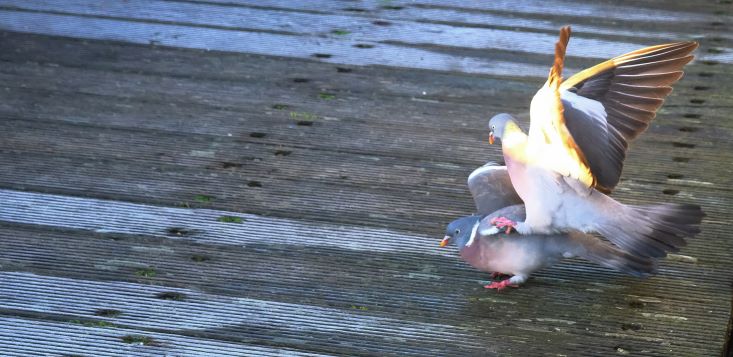
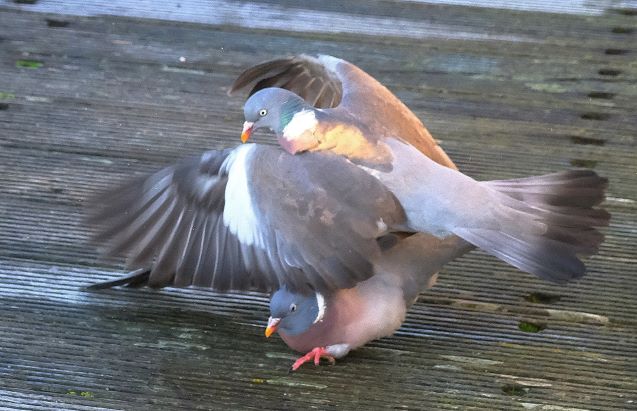
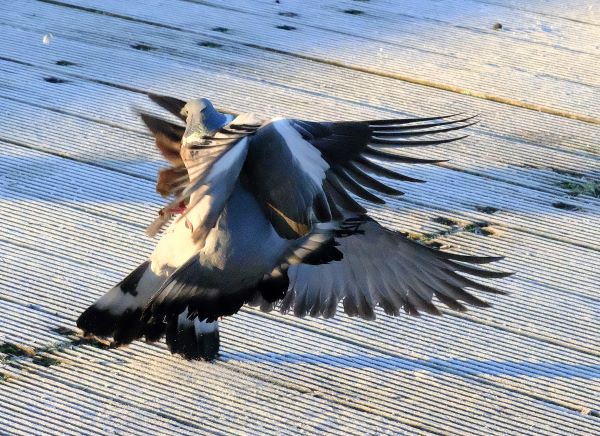
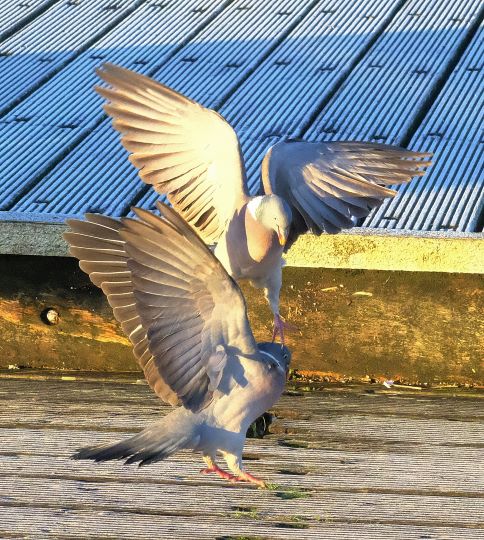
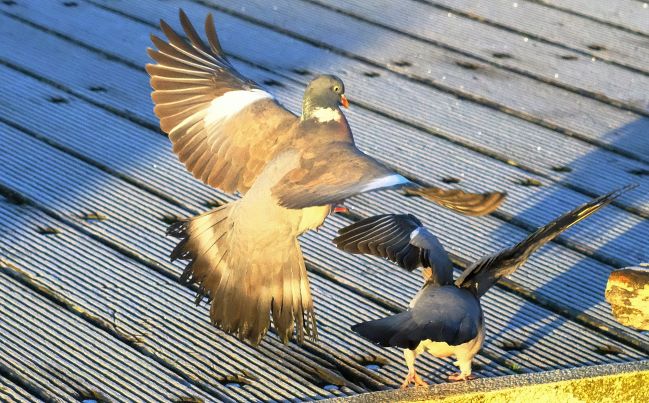
In front of the memorial a pair of pigeons battled – or it may have mating but it looked more like war than love to me – feathers were shed.





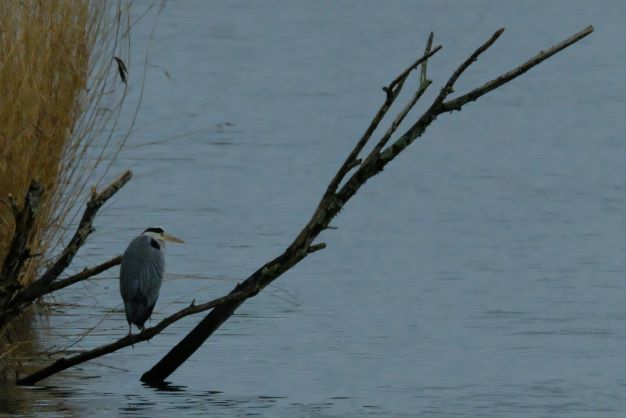
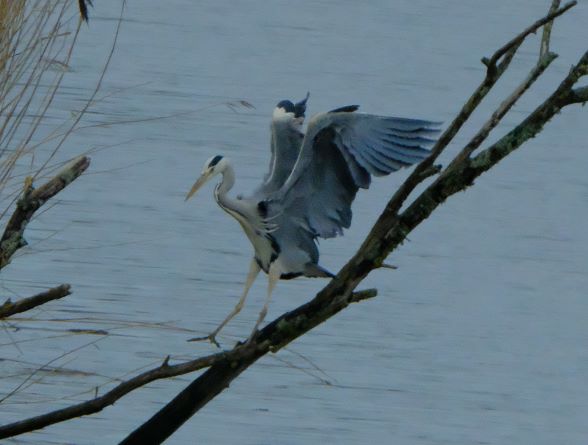
A pair of Grey Herons spotted at Titchfield Haven, these large gangly birds have quite a character and remind me of a prehistoric creature from the times of the dinosaurs.
Length:90-98cm Wingspan:175-195cm Weight:1.5-2kg
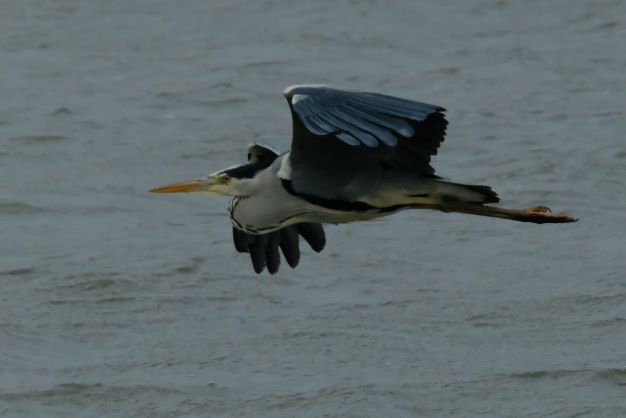


According to the RSPB, some 13000 birds nest in the UK each year, their numbers increase in the winter months to 63,000 birds (October to March).
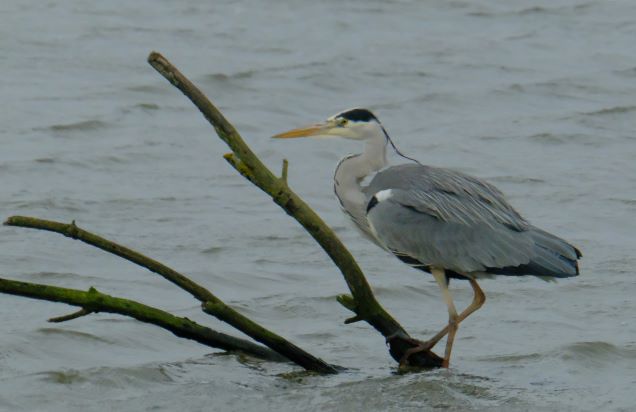

Herons nest in colonies called ‘Heronries’. In the top of trees, they make large nests out of twigs. They lay 3-4 eggs. The young birds will fledge after about 8 weeks.


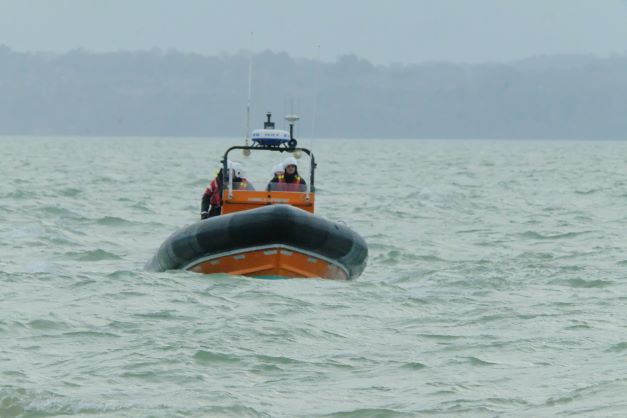
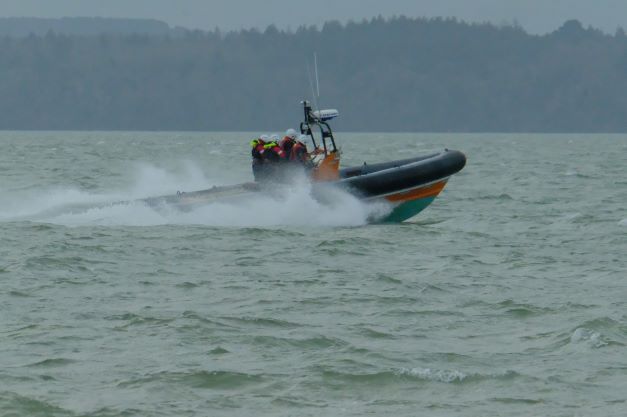
Hamble Lifeboat was formed in 1968, as the Southampton Water Inshore Rescue Service by local residents in response to the number of casualties occurring in Southampton Water and the Rivers Hamble, Itchen and Test. The RNLI also has a Lifeboat based across Southampton Water at Calshot point.
Hamble Lifeboat call out to a lone kite-surfer causing concern off Hill Head 3rd January 2021.


 Continued Reflections from my World.